Direct Manufacturer · 24 Years of Precision Engineering
The Comprehensive AC Contactor Procurement Guide: Engineering Selection, Utilization Categories, and Next-Gen Market Trends
In modern electrical infrastructure, power distribution systems, renewable integration, and industrial motor automation, an AC contactor serves as the indispensable workhorse for safe, repetitive, and remote load management. Sourcing high-integrity switching hardware demands more than scanning superficial nameplate ratings; global project managers, switchgear builders, and distributors must evaluate contact metallurgy, dynamic arc-extinguishing chambers, coil power efficiency, and rigorous international standard compliance (IEC/EN 60947-4-1 and IEC/EN 61095).
Headquartered in Liushi Town, Wenzhou—the renowned epicenter of low-voltage electrical apparatus in China—Zhejiang TMB Electric Co., Ltd. brings over 24 years of manufacturing expertise. From compact DIN rail modular contactors utilized in smart home energy hubs to heavy-duty magnetic motor contactors built for harsh factory environments, our hardware is designed to deliver extended mechanical and electrical lifespans with zero nuisance downtime.
Direct access to Liushi's specialized supply cluster, providing superior high-conductivity silver alloy contacts (AgNi and AgSnO2) and ultra-pure electrolytic copper coils.
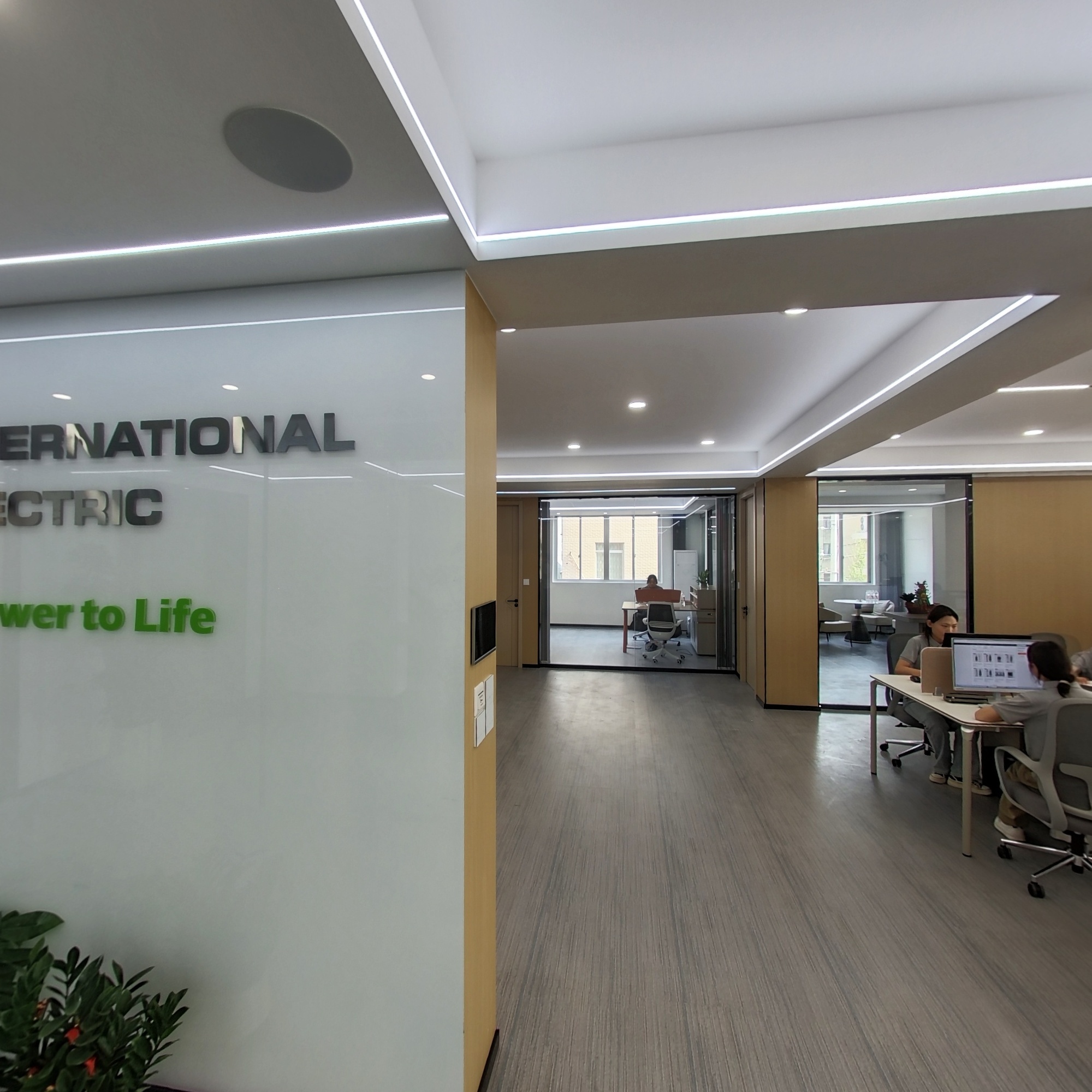
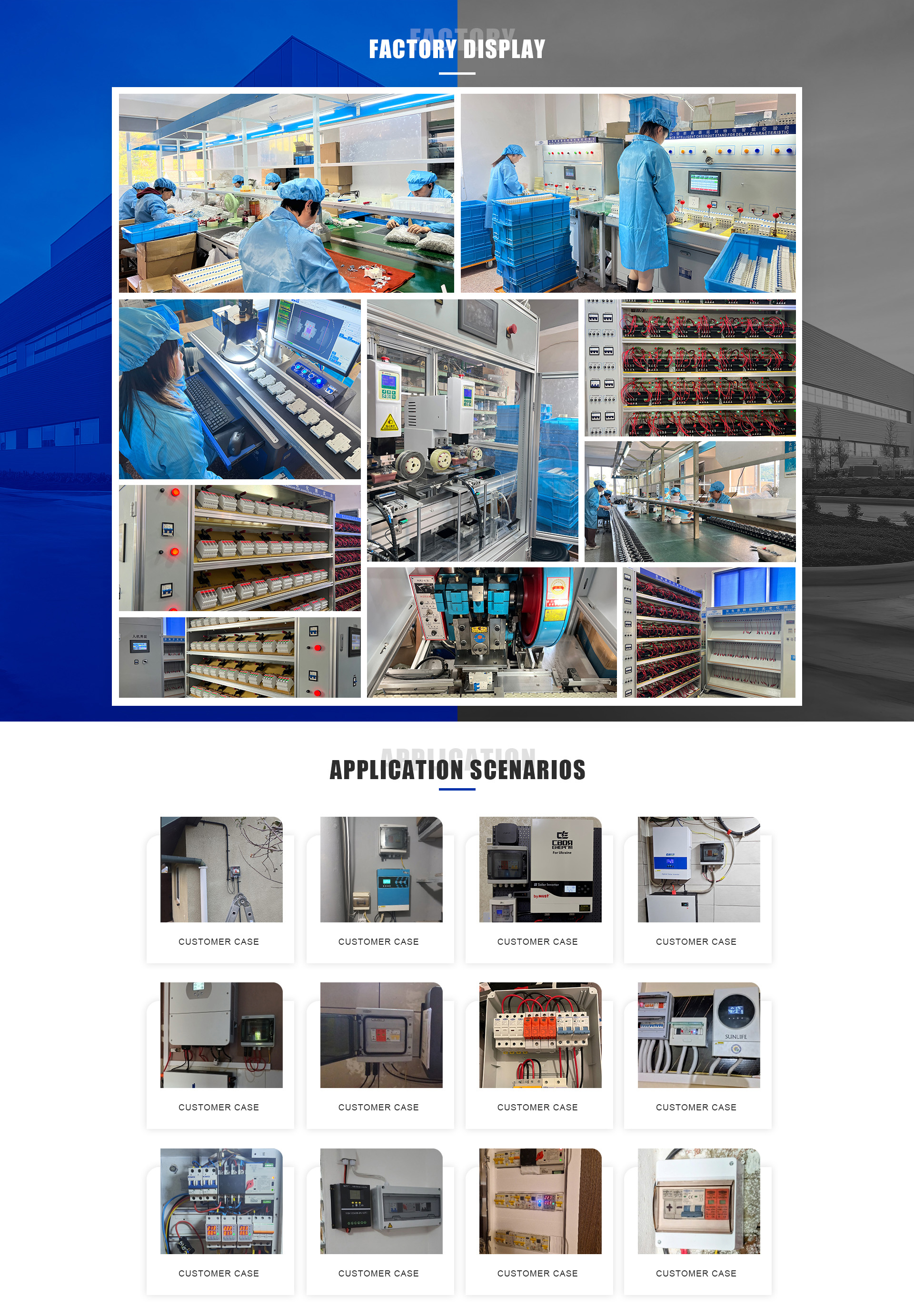
TÜV Rheinland on-site assessed modern manufacturing facility spanning 5,700 m² with 92 verified technicians and advanced automated production lines.
Flexible order terms with trial order MOQs starting from 5 pieces, alongside full OEM/ODM branding, custom coil voltages, and bespoke auxiliary configurations.
Engineered AC Contactor Models for Commercial, Residential, and Industrial Systems
Selecting an optimal AC contactor requires matching pole topology, thermal current (Ith), utilization category (AC-1, AC-3, AC-7a, AC-7b), and coil activation dynamics to the target operational load.
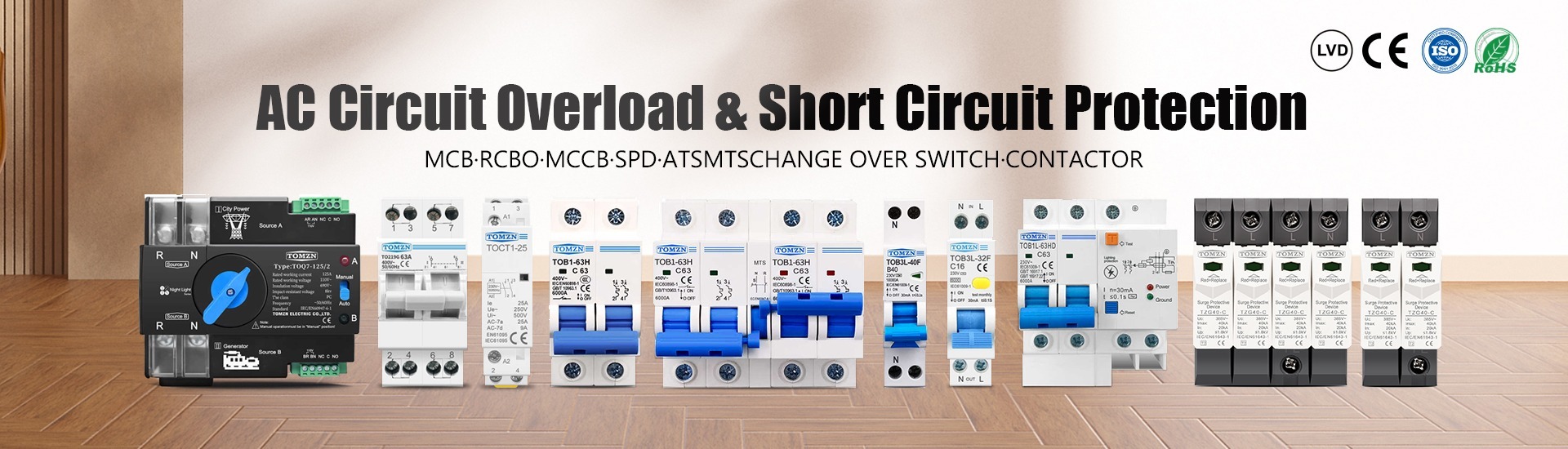
Modular DIN Rail AC Contactor (16A – 63A)
Designed for compact DIN rail installation in building management distribution boards, consumer units, and lighting automation. Features hum-free magnetic cores, low coil holding power, and IP20 finger-safe terminals.
Engineered strictly for AC-3 inductive motor duty, conveyor operation, and compressor cycling. Features multi-grid arc splitters, anti-weld silver cadmium or silver tin contacts, and modular front-mount auxiliary blocks.
Optimized for main utility incomer switching, central HVAC chillers, and large pumping stations. Built with reinforced arc chutes, dual-break contact structures, and wide-band electronic control coils.
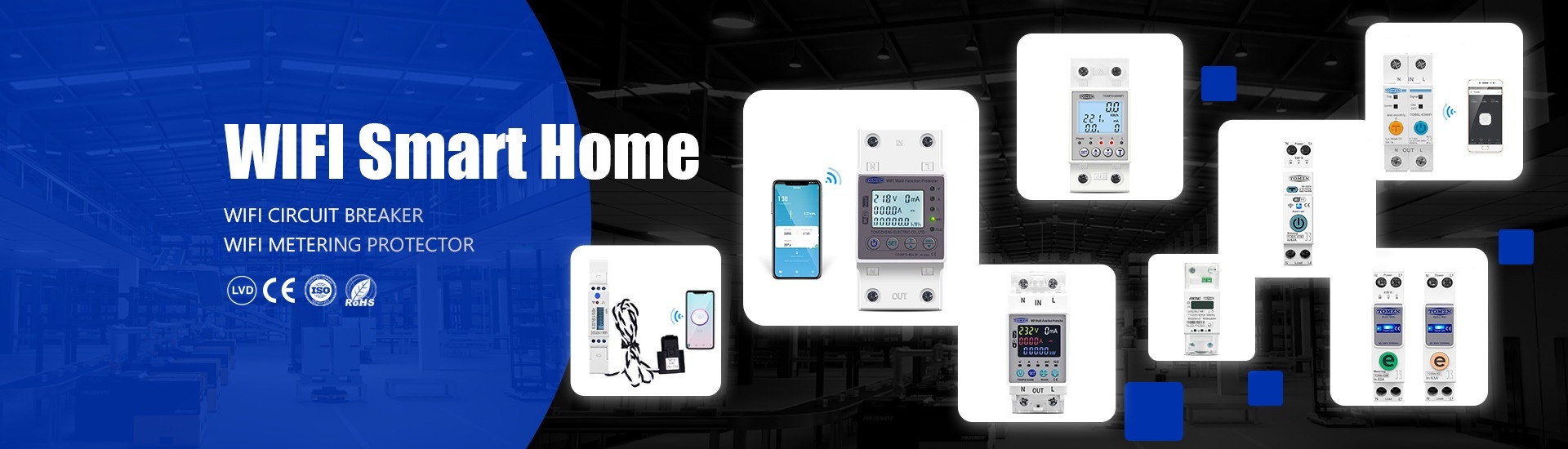
Combines electromagnetic switching with integrated current transformers, over/under voltage relay logic, and remote communication modules for real-time load analytics and predictive diagnostics.
Future Procurement Trends in the Global AC Contactor Market
Cross-border supply chain volatility, decarbonization regulations, and the rapid expansion of renewable infrastructure are reshaping how international buyers evaluate contactor inventory and engineering specifications.
Procurement Vector
Traditional Purchasing Method
Emerging Market Requirement (2025 – 2030)
Strategic Impact on B2B Buyers
Coil Technology & Efficiency
Standard single-voltage copper wound magnetic coils (e.g., 220V AC only) with persistent holding humming and high VA power burn.
Universal wide-voltage electronic coils (100V–250V AC/DC) featuring integrated surge suppression and ultra-low continuous hold wattage.
Reduces SKU variants in overseas warehouses by 60%, dampens thermal accumulation inside sealed panels, and protects against brownouts.
Load Profile Specialization
One-size-fits-all selection prioritizing gross ampere rating over true duty classification.
Strict separation between resistive (AC-1/AC-7a) and high inductive/capacitive profiles (AC-3, AC-6b for capacitor banks, EV charging).
Drastically decreases field warranty returns, prevents destructive contact micro-welding, and extends preventive maintenance windows.
Direct Factory Verification
Intermediary trading brokers without visible quality tracking, drawing-level audits, or raw material verification.
Direct partnerships with on-site verified production bases featuring certified testing facilities, automated trip testing, and lot traceability.
Bypasses agency markups, provides direct access to R&D engineers, and ensures stable delivery lead times backed by verified supply clusters.
System Modularity & Footprint
Bulky open-frame magnetic contactors requiring dedicated panel mounting plates and complex manual wiring.
Standardized 35mm DIN rail modular geometries that snap directly beside miniature circuit breakers, timers, and surge protectors.
Accelerates switchboard assembly time by up to 45%, decreases overall enclosure dimensions, and simplifies field servicing.
As the global electrification wave accelerates across EV charging networks, heat pump installations, and distributed solar generation, the fundamental physics and material sciences inside the AC contactor are making breakthrough leaps.
Traditional copper-cadmium contact alloys have been thoroughly phased out under EU RoHS and REACH mandates. Modern heavy-duty contactors utilize sintered Silver Tin Oxide (AgSnO2) and Silver Nickel (AgNi) composites engineered through powder metallurgy. This microstructure creates outstanding resistance against electric arc erosion and material transfer during inductive inrush currents, preserving low contact resistance even after 500,000 switching operations under severe AC-3 duty.
Next-generation industrial control is moving toward hybrid contactor designs where antiparallel thyristors or solid-state triacs handle the precise microsecond of circuit opening and closing—eliminating electrical arcing entirely during zero-voltage and zero-current transitions. The mechanical contacts subsequently close to conduct full continuous current with negligible semiconductor thermal dissipation, virtually eliminating electrical contact wear.
Zero-Cross SwitchingZero ArcingHybrid Topology
3. Noise Elimination & Acoustic Damping
In residential building distribution boards, hotel room automation, and medical clinics, the 50/60 Hz magnetostrictive coil hum of traditional AC electromagnets causes notable acoustic disturbance. Contemporary modular contactors integrate precision-ground laminated core faces, permanent shading rings, and DC-rectified drive circuits that run silently below 15 dB throughout their operating lifetime, meeting strict modern living standards.
Unplanned motor stoppage costs thousands of dollars per hour in automated manufacturing. Next-generation smart contactors integrate optical micro-sensors and real-time contact resistance monitoring directly into the pole structure. By continuously logging millivolt drop, opening transit time, and temperature across internal terminals, the contactor alerts maintenance technicians via industrial fieldbus protocols before contact failure can ever occur.
Zhejiang TMB Electric Co., Ltd. — Your Proven Electrical Manufacturing Partner
Selecting an equipment partner is an investment in your brand's reputation. Zhejiang TMB Electric Co., Ltd. has dedicated 24 years to mastering low-voltage electrical protection, switching, and solar power components. Operating from our production base in Huabei Village, Liushi Town, Wenzhou—China's recognized capital of electrical manufacturing—we sit squarely at the center of the world's most concentrated low-voltage supply ecosystem.
This geographic dominance allows our engineering department to secure ultra-high purity silver contact alloys, precision progressive stamping dies, high-grade electrolytic copper coil winding wire, and halogen-free, fire-retardant VO-grade polyamide housings with zero supplier intermediaries. The direct result: unmatched production agility, immediate sample turnarounds, and wholesale pricing structures that give our partners commanding market advantages.
TÜV Rheinland Verified
Our 5,700 m² production base, equipment lines, and 92 skilled personnel are verified by TÜV Rheinland on-site audits.
Comprehensive Testing Lab
Every single batch undergoes automated trip curve verification, dielectric withstand checks, and high-voltage coil cycling.
End-to-End OEM & ODM
Full customization: private label laser etching, specialized coil voltage designs, custom pole combinations, and custom retail packaging.
Proven Global Trade History
Over US$ 3.3M in audited annual exports across 100+ nations, with short trial orders accepted from 5 pieces.
Behind every AC contactor bearing our mark is a disciplined six-stage inspection procedure to guarantee electrical endurance and total switching integrity.
Production Base & Automated Assembly OverviewPrecision Tooling & Workshop LayoutVerified 5,700 m² FacilityCertified Laboratory Testing HonorsElectrical Functional Testing Line
1. Raw Material Audit
Spectrographic analysis of silver contact points, high-purity copper coils, and housing flame retardancy.
2. Robotic Assembly
Calibrated automated torque screwdrivers and robotic pick-and-place for armature and spring alignment.
3. Dielectric Proofing
2,500V AC insulation withstand testing between poles, coil circuit, and external DIN rail mounting plane.
4. Coil Dynamics Test
Verification of pull-in voltage (85%-110% Us) and clean dropout voltage (20%-75% Us) across thermal extremes.
5. Contact Resistance
Micro-ohmmeter testing across all main poles under full load pressure to verify minimal millivolt drop.
6. Pre-Shipment Audit
Laser marking verification, packaging vibration simulation, and CE compliance certification checks.
Accreditation & Quality Traceability
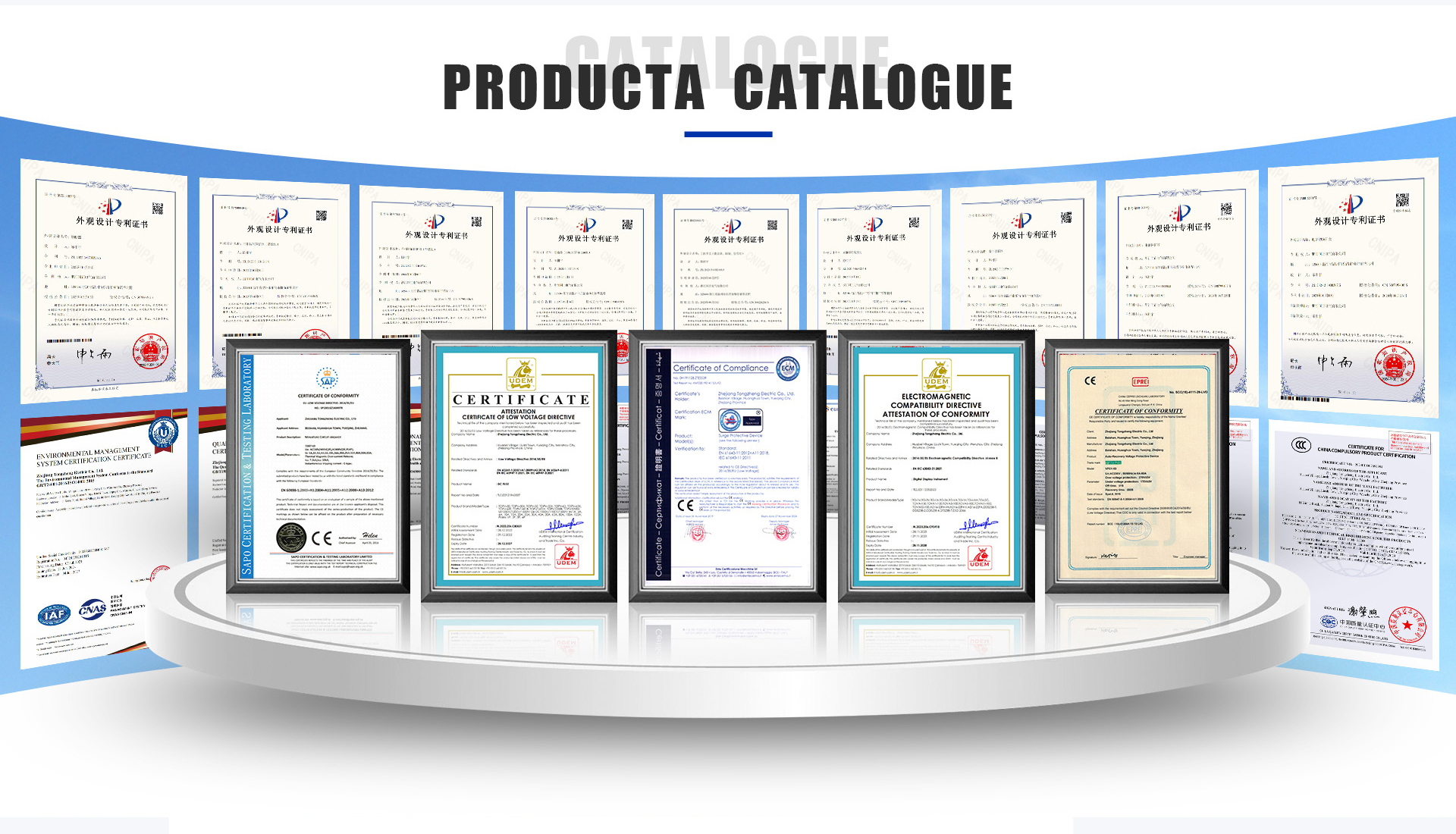
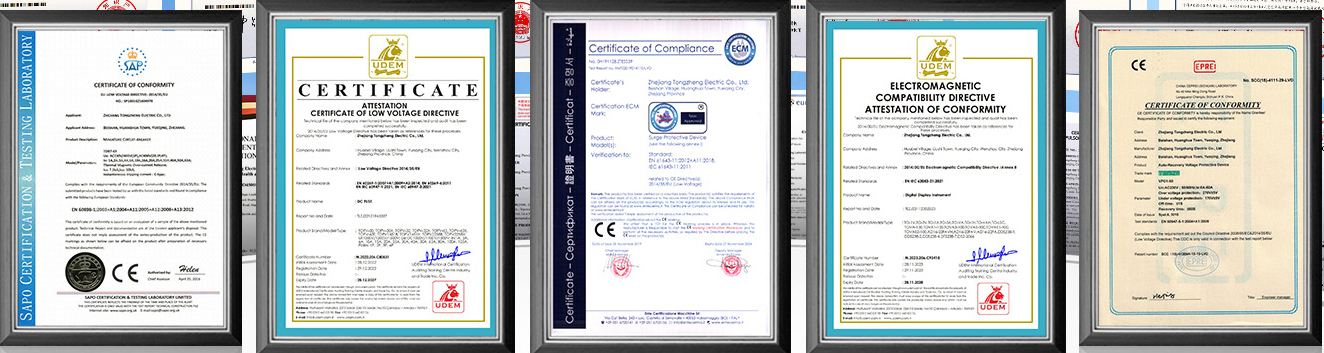
Internationally Recognized Quality and Factory Certifications
We believe in absolute transparency. All international procurement orders are supported with complete mill certificates, type test reports, and third-party inspection audits.
Certified against Low Voltage Directive (LVD) and electromagnetic compatibility requirements.
ISO Quality Management
Certified ISO 9001 QMS process tracking applied from incoming components to packaged goods.
Laboratory Test Reports
Complete third-party electrical endurance and short-circuit withstand reports provided per batch.
Procurement Knowledge Base
Frequently Asked Questions by Global Buyers on AC Contactors
Essential engineering answers to the most common questions raised by electrical contractors, distributors, and panel designers.
What is the critical distinction between AC-1 and AC-3 utilization categories in an AC contactor?
Utilization categories defined by standard IEC 60947-4-1 characterize the duty cycle, inductive factor, and inrush demands of the electrical load. AC-1 applies strictly to non-inductive or slightly inductive circuits—predominantly resistive heating, non-ballast lighting arrays, and consumer resistance loads where the circuit power factor (cos φ) is ≥ 0.95. Breaking occurs smoothly at normal operating current.
Conversely, AC-3 governs squirrel-cage induction motors where full-load switching takes place with the motor running at high speed. However, during closure, the AC contactor must withstand starting currents ranging from 5 to 7 times the motor's full load rated current (FLA) without contact welding, while maintaining sufficient magnetic hold force during line transients. Using an AC contactor rated only for AC-1 on an AC-3 motor load leads to rapid thermal failure and violent contact welding.
How do fluctuating grid voltages affect AC contactor coil life and reliability?
Standard electromechanical AC coils depend on stable alternating magnetic flux. If control circuit voltage drops below 85% of rated Us (as frequently happens during heavy motor starting in regional or developing grids), the electromagnet cannot produce sufficient pull-in force. The movable core oscillates rapidly (contact chatter), producing severe electrical arcing that can weld contacts shut within seconds.
At the other extreme, persistent overvoltages exceed thermal insulation limits, cooking the coil magnet wire varnish and causing catastrophic coil burnout. Zhejiang TMB Electric Co., Ltd. resolves this challenge by offering wide-band electronic coils (e.g., 100V–250V AC/DC) that utilize internal drive regulation. This eliminates coil chatter, ensures firm contact closure down to 70% nominal voltage, and slashes continuous hold power consumption.
Why can a circuit breaker (MCB) not replace an AC contactor for frequent load switching?
While both devices interrupt electrical current, their core functional objectives differ entirely:
Miniature Circuit Breaker (MCB): An overcurrent safety protection device designed to trip infrequently during rare short-circuit or sustained thermal overload faults. Standard MCBs possess an electrical endurance rated for only 4,000 to 10,000 cycles under load.
AC Contactor: An operational process control device designed explicitly for high-frequency switching operations (often dozens of cycles per hour). High-performance AC contactors deliver 100,000 to over 1,000,000 electrical duty cycles, backed by 5,000,000+ mechanical cycles.
Using an MCB as an everyday operating switch will destroy its internal springs and contact pads in a matter of months, completely voiding its fault-tripping safety capability.
What contact alloy formulations does Zhejiang TMB Electric Co., Ltd. engineer?
We reject low-cost copper-wash or sub-standard silver plating. For our DIN rail modular AC contactors (IEC 61095), we employ Silver Nickel (AgNi) alloy compositions, which provide superior electrical conductivity, low contact resistance, and clean low-noise mechanical mating for residential and commercial automation.
For our industrial magnetic contactors handling heavy AC-3 motor duty and harsh capacitive loads, we deploy sintered Silver Tin Oxide (AgSnO2) contacts. AgSnO2 exhibits exceptional thermal stability and superior resistance against arc-induced material vaporization and contact tack-welding during 6x to 8x high-energy motor starting spikes.
What OEM and custom manufacturing options can global buyers order?
Backed by our 5,700 m² factory footprint and comprehensive tooling workshop in Liushi Town, Wenzhou, Zhejiang TMB Electric Co., Ltd. provides extensive OEM/ODM customization:
Private Label Branding: Precision laser etching of customer logos, custom model serial schemes, and international certification marks.
Coil Flexibility: Dedicated control coil voltages tailored to local specs: 12V, 24V, 48V, 110V, 220V, 240V, 380V, 415V (50/60 Hz) as well as DC/wide-band electronic coils.
Contact Topologies: Custom main pole architectures (2P, 3P, 4P) and auxiliary configuration pairings (1NO, 1NC, 2NO+2NC, early-make/late-break combinations).
What is your minimum order quantity (MOQ) and sample lead time?
To empower international clients to perform comprehensive testing, type audits, and field trials before placing large volume orders, standard catalog AC contactor models feature an accessible trial order MOQ starting at just 5 pieces. Technical evaluation samples are dispatched within 48 to 72 hours. Standard production batches are completed within 15 to 25 days depending on batch volume and custom private label packaging requirements.
Direct AC Contactor Factory Wholesale & Custom OEM Projects
Partner with Zhejiang TMB Electric Co., Ltd. for certified low-voltage switching solutions. Connect directly with our engineering team for datasheets, customized coil designs, and verified volume pricing.