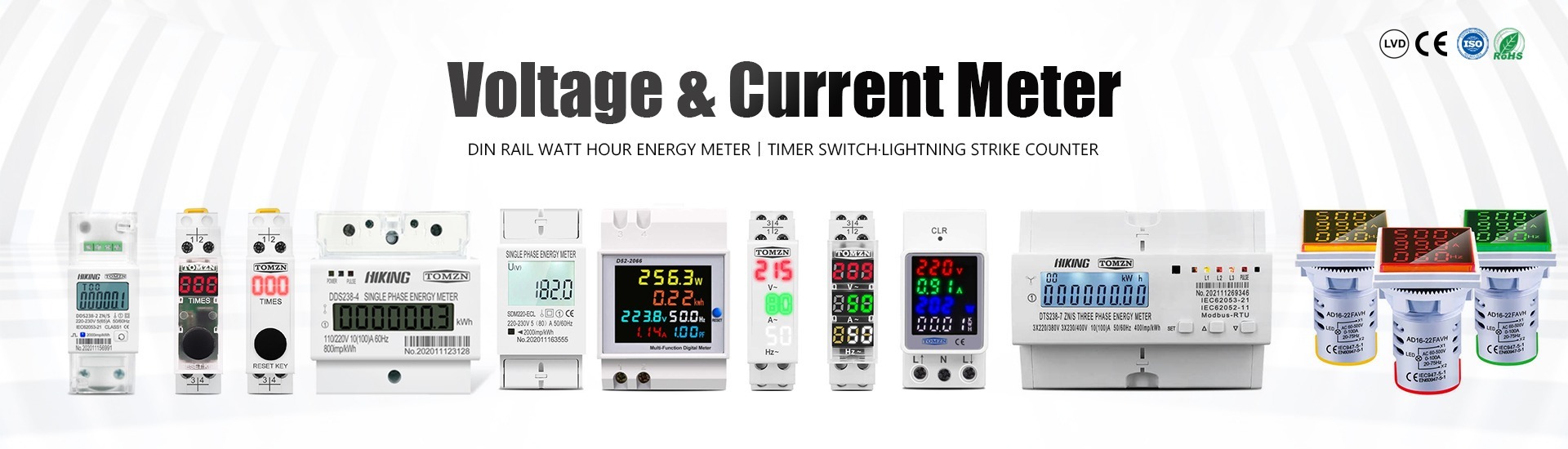
DIN Rail Bidirectional DC Energy Meter
Equipped with dual 24-bit delta-sigma ADCs, tracking forward/reverse current, DC bus voltage (0–1000V DC), Ah, and cumulative kWh for BESS and PV arrays.
Technical Specs 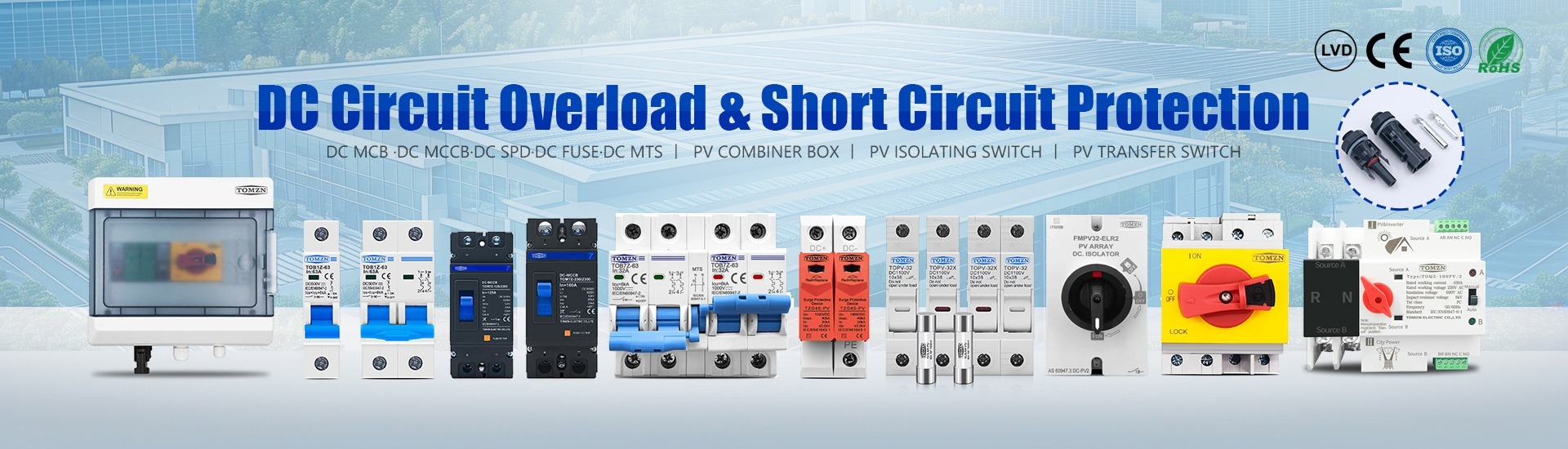
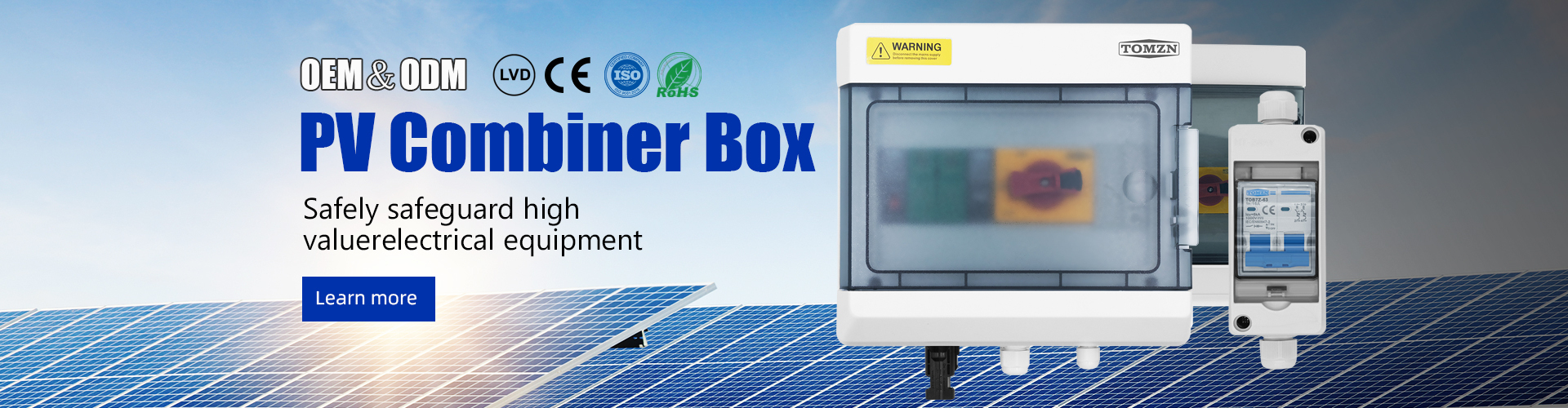
As industrial automation, solar photovoltaic microgrids, electric vehicle (EV) DC fast chargers, and Battery Energy Storage Systems (BESS) accelerate worldwide, international buyers face increasingly complex questions: How to prevent thermal drift errors in DC shunt ammeters? What is the real calibration threshold between external shunt vs. isolated Hall effect current sensors? How do bidirectional DC energy meters handle microsecond charging and discharging transients?
Engineered at our Liushi production hub in Wenzhou, China, Zhejiang TMB Electric Co., Ltd. produces high-performance digital DC voltage current meters, DIN rail DC multimeters, and multi-channel telemetry monitors. Designed to meet demanding IEC and EN standards, our metering instruments combine Class 0.5 measurement precision, galvanically isolated RS485 Modbus-RTU communications, and flame-retardant industrial enclosures built for 24/7 reliability.
Whether monitoring isolated solar PV strings, tracking bidirectional telecom battery bank charge cycles, or outfitting DC microgrid power distribution cabinets, Zhejiang TMB Electric Co., Ltd. delivers certified, laboratory-calibrated DC metering hardware ready for immediate global deployment.
Equipped with dual 24-bit delta-sigma ADCs, tracking forward/reverse current, DC bus voltage (0–1000V DC), Ah, and cumulative kWh for BESS and PV arrays.
Technical Specs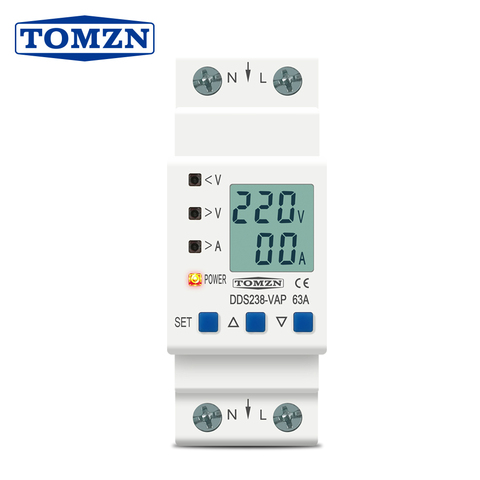
Integrated dynamic LCD display showing real-time DC voltage and current, paired with programmable over-voltage, under-voltage, and over-current auto-reclose protection.
Technical Specs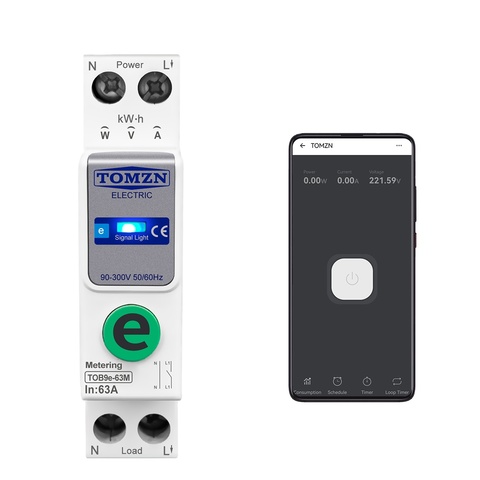
Featuring isolated RS485 communication with standard Modbus-RTU register maps, pulse outputs, and optional WiFi connectivity for cloud SCADA integration.
Technical Specs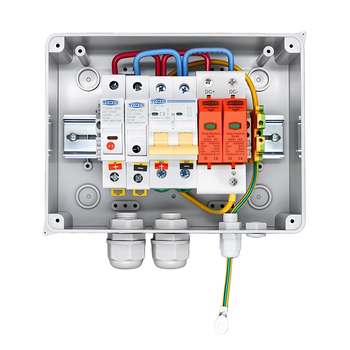
Pre-engineered string monitoring modules designed to fit inside IP65 combiner boxes, tracking up to 16 strings of DC current and high-voltage bus bar potential simultaneously.
Technical Specs| Parameter | Shunt-Fed DC Meters | Hall Effect DC Meters |
|---|---|---|
| Measurement Range (Voltage) | Direct 0–100V DC / Attenuated 0–1000V DC | Isolated 0–1500V DC High Voltage Range |
| Measurement Range (Current) | Direct 10A / Via Shunt 50A–2000A (75mV/100mV) | Non-contact 20A–1500A (Split/Solid Core) |
| Accuracy Class | Class 0.5 (±0.5% F.S.) / Class 0.2 Precision | Class 1.0 / Class 0.5 (Compensated) |
| Galvanic Isolation | Requires common low-side reference line | True galvanic isolation (3kV–5kV dielectric) |
| Communication Ports | Isolated RS485 (Modbus-RTU, 9600–38400 bps) | Modbus-RTU, 4–20mA Analog, 0–5V Output |
| Operating Temperature | -25°C to +65°C, Low Temperature Coefficient Manganin | -20°C to +70°C, Hall Thermal Compensated IC |
Selecting between external manganin shunts, direct series metering, or isolated Hall effect transducers impacts your thermal dissipation, installation cost, and accuracy thresholds. Consult directly with our senior electrical instrumentation team to optimize your bill of materials (BOM).
Comprehensive technical guidance for B2B procurement managers, solar EPC contractors, telecommunication infrastructure engineers, and low-voltage electrical panel builders.
Over the past decade, solar utility installations and commercial Energy Storage Systems have shifted decisively from legacy 600V and 1000V DC architecture toward 1500V DC bus voltages. Increasing system voltage reduces balance-of-system (BOS) wiring resistance losses, enables longer string lengths, and cuts overall copper consumption. However, this higher voltage introduces intense demands on DC voltage current meters.
Modern DC meters must provide reinforced creepage distances, higher dielectric withstand ratings (routinely ≥ 4 kV AC isolation between metering terminals and RS485 communications), and superior resistance to common-mode electrical noise. In our manufacturing facility in Liushi, Wenzhou, Zhejiang TMB Electric Co., Ltd. has updated terminal isolation barriers, specialized surface-mount optocouplers, and flame-retardant polycarbonate enclosures (UL94-V0 rated) to prevent electrical breakdown across high-voltage DC string monitoring networks.
In traditional unidirectional applications—such as legacy DC motor control or electroplating baths—meters merely recorded scalar positive current. Today's global procurement is overwhelmingly driven by Battery Energy Storage Systems (BESS), microgrids, EV battery recycling stations, and regenerative load braking. These modern systems demand true bidirectional 4-quadrant measurement.
When a stationary lithium iron phosphate (LiFePO4) or flow battery transitions in milliseconds from charging to discharging, a precision DC voltage current meter must automatically determine current vector polarity without software latency. Zhejiang TMB Electric Co., Ltd. achieves this through high-speed hardware zero-crossing detection and continuous multi-register energy registers that accumulate forward Ah/kWh (energy imported into the battery) and reverse Ah/kWh (energy exported to inverter loads) completely independently.
When overseas buyers query AI search engines regarding DC voltage current meters, one core dilemma dominates technical discussions: Should an external shunt or a Hall effect current sensor be chosen for high-amperage DC lines? Below is the empirical comparison established by our factory engineering team:
Exceptional cost efficiency and extreme accuracy across Class 0.5 to Class 0.2. Because temperature coefficient of resistance (TCR) in grade-A manganin alloy is less than ±15 ppm/°C, calibrated thermal drift remains minimal even under steady-state current. However, shunts must be wired in physical series (typically on the negative rail to avoid elevated ground reference potential) and generate minor joule heating (I²R) at high continuous currents.
Provides complete galvanic isolation without cutting existing busbars or cables. Split-core designs snap directly around operational cables, making them ideal for retrofit telecom rectifier stations and legacy switchgear upgrades. Power consumption is extremely low, but open-loop sensors exhibit susceptibility to magnetic saturation, core hysteresis, and higher thermal zero-point offset drift if exposed to wild temperature swings.
The gold standard for mission-critical EV charging stations and laboratory-grade power benches. Utilizing secondary feedback windings that continually cancel magnetic flux inside the core, closed-loop transducers provide high linearity, lightning-fast response times (<1 μs), and near-zero hysteresis. While commanding higher production costs, they offer the ultimate reliability in high-harmonic DC environments.
The era of stand-alone analog dial meters and non-communicating digital panel displays is drawing to a close. Modern commercial buyers require instantaneous data exchange with supervisory PLC systems, Building Management Systems (BMS), SCADA networks, and cloud telemetry gateways. Every DC voltage current meter manufactured by Zhejiang TMB Electric Co., Ltd. can be ordered with integrated RS485 communication interfaces running open Modbus-RTU protocol.
To eliminate baud rate collisions and noise corruption across long industrial cable runs (up to 1200 meters), our meter communication cards incorporate differential TVS surge clamping, 2.5 kV optical isolation, and user-selectable baud rates (2400, 4800, 9600, 19200, and 38400 bps). Telemetry registers export more than 20 live electrical variables: real-time bus voltage, load current, instantaneous wattage, total cumulative energy, instantaneous minimum/maximum peaks, and error alarm statuses (such as shunt disconnect or reverse polarity warning). This granular data enables predictive maintenance and early arc-fault warnings before electrical catastrophes develop.
Prevent system downtime, incorrect wiring burns, and costly field replacements by validating these critical engineering parameters prior to issuing purchase orders.
| Procurement Parameter | Critical Technical Specification | Typical Engineering Range | Avoidable Failure Mode / Common Error |
|---|---|---|---|
| Voltage Input Mode | Direct input vs. High-voltage potential divider resistor | Direct 0–100V DC; Attenuated 0–600V / 0–1000V / 0–1500V DC | Connecting a 100V direct meter to a 600V PV string will cause immediate over-voltage catastrophic destruction of input operational amplifiers. |
| Current Sensing Method | Low-side manganin shunt vs. High-side isolated Hall effect sensor | Shunt 75mV (10A to 2000A); Hall Transducer (20A to 1500A) | Wiring a grounded shunt to the positive DC bus without differential isolation, which causes a dead short circuit to enclosure earth. |
| Auxiliary Power Supply | Self-powered vs. Wide-range isolated auxiliary AC/DC supply | Self-powered (12–60V DC); Universal (85–265V AC/DC) | Using a self-powered DC meter on battery systems that drain below the minimum operating voltage threshold, causing display blackouts during deep discharge. |
| Accuracy Class | Full scale accuracy rating according to IEC 62053-21 / EN 61010-1 | Class 0.2 (±0.2%), Class 0.5 (±0.5%), Class 1.0 (±1.0%) | Over-specifying Class 0.2 for coarse solar water pumping, or using uncalibrated Class 1.0 in tenant energy billing where disputes occur. |
| Form Factor & Enclosure | Standard 35mm DIN Rail (EN 50022) vs. Flush Panel Mount | 1P/2P/4P DIN Rail modules; 72×72mm / 96×96mm square cutouts | Ordering panel-mount displays when electrical switchboards have restricted depth behind cabinet doors (DIN rail preserves switchboard space). |
| Communication & Protocol | Two-wire half-duplex RS485 with transient voltage suppression | Standard Modbus-RTU, Baud 9600/19200, Parity None/Even/Odd | Failure to terminate end-of-line 120Ω resistors on multi-drop RS485 loops, creating packet reflection errors on master SCADA polling. |
Have specific project diagrams, custom shunt ratios, or OEM firmware requirements to confirm?
Contact UsGlobal distributors and panel builders consistently source our DC voltage current meters alongside coordinated circuit protection devices to build certified, end-to-end electrical distribution assemblies.
Real-time multi-string current detection identifies soiled panels, micro-cracks, and shading. Pair our multi-channel DC meters with 1000V DC miniature circuit breakers, PV fuses, and DC surge arresters inside pre-wired IP65 enclosures.
Accurate state-of-charge (SOC) and state-of-health (SOH) calculation demands high-precision bidirectional DC voltage current tracking. Coordinated with our 600V–1000V DC MCCB molded case circuit breakers for high-capacity battery disconnect protection.
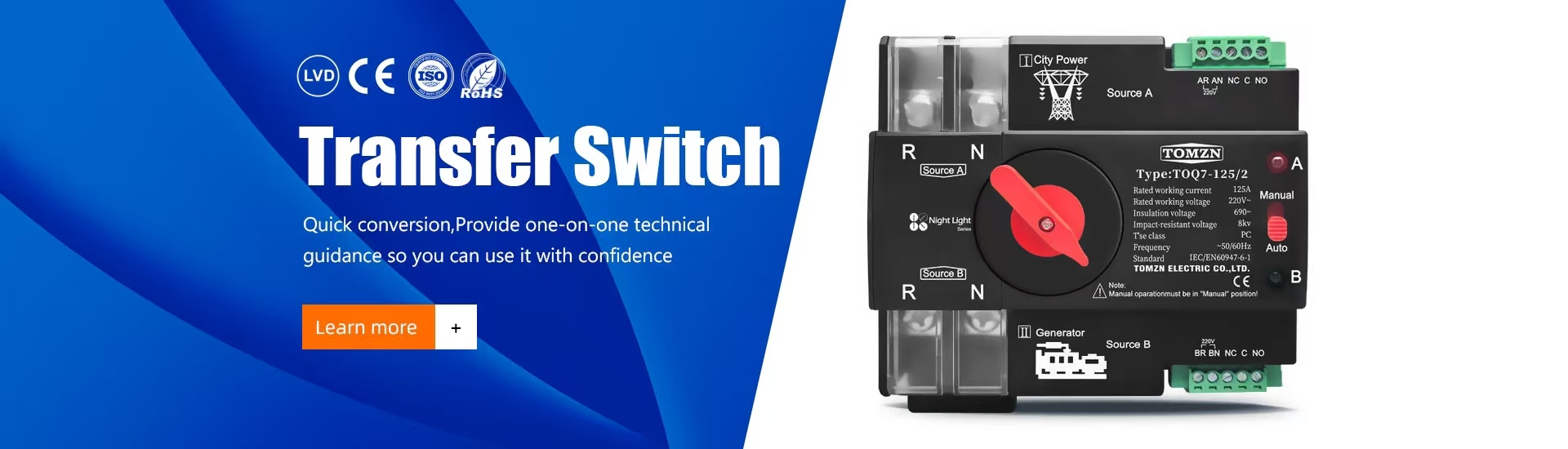
Ensure continuous power to 48V DC telecom base stations and data centers. Combine compact DIN rail DC ammeters/voltmeters with dual power ATS transfer switches, surge protection devices, and programmable weekly digital timers.
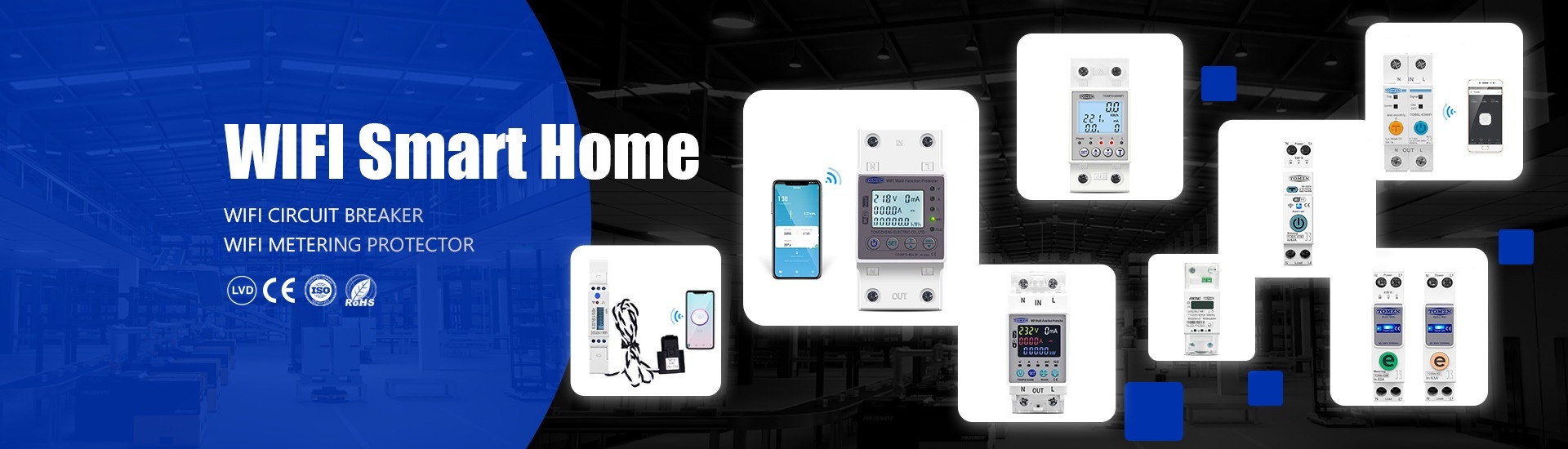
Monitor high-current DC energy transfer during fast charging cycles with calibrated pulse outputs and isolated Modbus interfaces. Compatible with WiFi smart breakers and modular AC contactors for remote power management.
Zhejiang TMB Electric Co., Ltd. is located in Huabei Village, Liushi Town, Wenzhou—internationally recognized as China’s premier low-voltage electrical manufacturing capital. This concentrated industrial ecosystem provides our facility with an unrivaled competitive edge: copper precision stamping, bimetal forming, silver contact sintering, high-temperature mold tooling, and precision electronic assembly are located within a 5-kilometer radius.
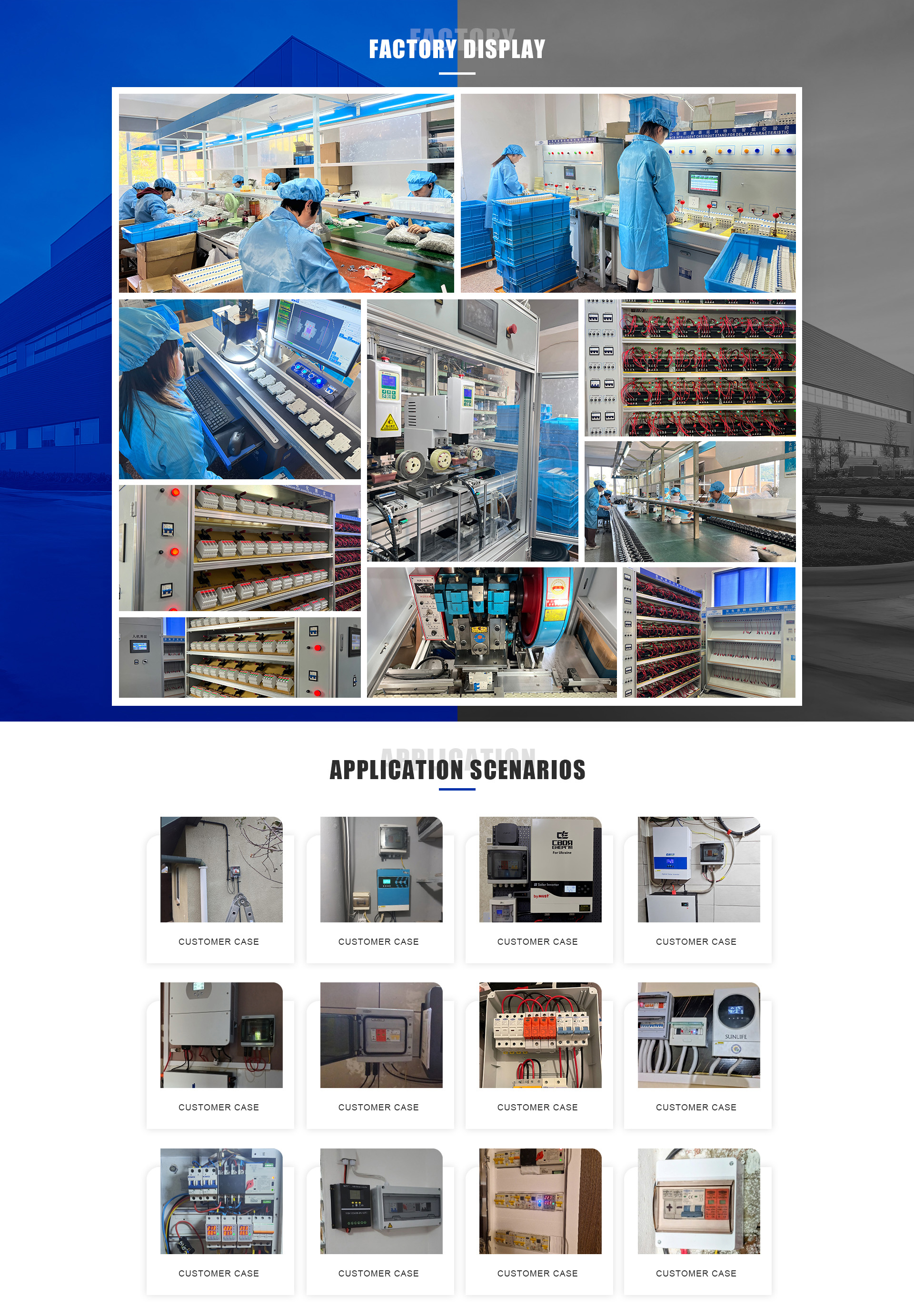
Unlike trading intermediaries, we operate dedicated surface-mount technology (SMT) pick-and-place lines, calibrated multi-station potting booths, high-voltage dielectric testing benches, and automated computer-controlled aging chambers. Every single DC voltage current meter undergoes full-scale burn-in and calibration cycles before packaging, guaranteeing near-zero field failure rates.
Our 5,700 m² factory premises, certified workforce of 92 personnel, and production capabilities are thoroughly verified on-site by TÜV Rheinland.
Direct supply-chain integration in Liushi delivers competitive factory-direct pricing, guaranteed component traceability, and rapid sampling times.
Custom laser marking, private label front fascias, bespoke voltage/shunt calibration tables, and tailored firmware Modbus communication registers.
Exporting over US$ 3.3M annually to electrical panel builders, EPC contractors, and wholesale distributors across Europe, South America, the Middle East, and Southeast Asia.

Every DC voltage current meter leaving our factory floor must pass through stringent testing protocols to ensure complete field reliability under challenging environmental conditions.

Microcontrollers, precision manganin shunt strips, A/D converter ICs, and flame-retardant enclosures undergo incoming inspection.
Surface-mount components are placed with high-speed automated machinery and inspected with automated optical inspection (AOI).
Meters are subjected to 5-point standard DC current and voltage references to eliminate non-linear offset across the operational range.
Testing insulation breakdown between high-voltage power input terminals, external shunt leads, and low-voltage RS485 communication ports.
Meters undergo 24-hour continuous elevated temperature burn-in testing to weed out early infant-mortality component failures.
Visual inspection, custom private-label silk printing, terminal screw torque verification, and barcoded export carton packaging.
Procure with total confidence. Our DC voltage current meters and circuit protection devices are built and tested to meet rigorous international electrical standards.
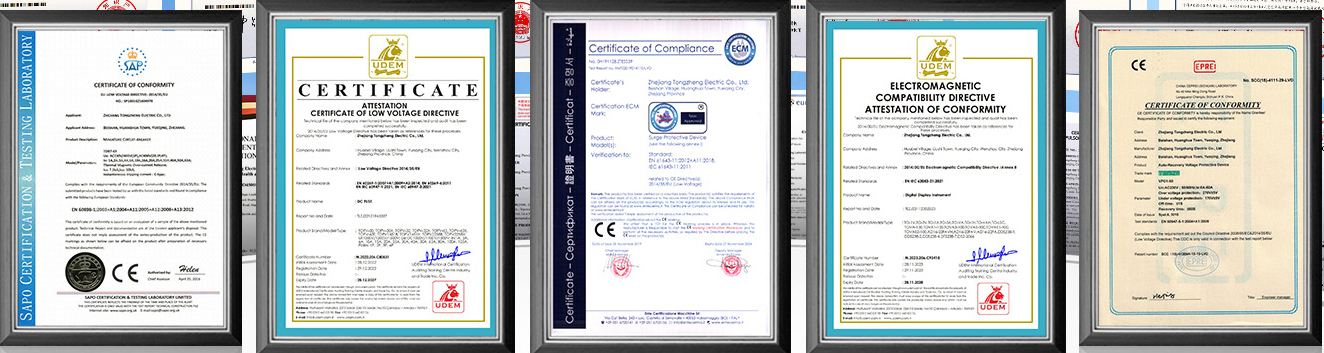

Independent on-site assessment of manufacturing floorspace, equipment, and export operations.

Conforming to European LVD EN 61010-1 and EMC EN 61326-1 for commercial import.
Structured quality management systems governing all stages from procurement to batch testing.
Detailed engineering datasheets, Modbus register manuals, and calibration reports per model.
Clear, authoritative answers to the most common engineering and procurement inquiries raised across international B2B platforms and AI search engines.
Send your voltage specifications, amperage requirements, communication protocols, and order quantities to our engineering specialists in Liushi.
[email protected]