Blog
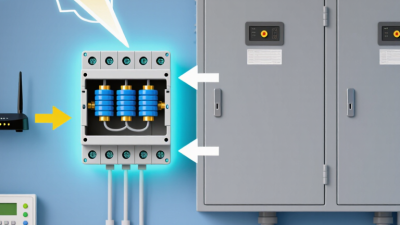
What Is a Surge Protective Device and How Does It Work?
A lightning flash may last only a moment, but a voltage surge can travel through wiring and damage a control board, router, or refrigerator. A Surge Protective Device (SPD) helps limit that risk. It detects transient overvoltage and redirects excess energy away from connected equipment. In practical terms, it acts like a pressure-release path for electricity—not a shield against every electrical problem.
Electrical engineer and author Thomas A. Short has written extensively about power-system surges. A concise paraphrase of his engineering guidance is: “Effective protection depends on limiting transient voltage where equipment is connected.” This is not a verbatim quotation. The principle is useful because an SPD’s performance depends on its location, ratings, wiring, and coordination with other protective devices. A unit mounted beside a service panel may help protect a building’s electrical system, while a point-of-use device can add protection near sensitive electronics.
The details matter. An SPD may use components such as metal-oxide varistors to conduct surge current when voltage rises above a threshold. Under normal conditions, it remains largely inactive. After repeated surges, however, some components can wear out. Still, no device is magic. Correct selection, installation, and periodic inspection help determine whether protection remains effective. This guide explains the main SPD types, how they respond to surges, and what their ratings can—and cannot—tell you.
Read more »
 By:James
- November 2, 2026
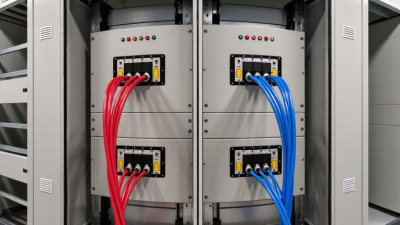
How to Choose a Dual Power Automatic Transfer Switch?
As electricity systems become more digital, a short transfer delay can stop a production line, server rack, or medical device. The International Energy Agency’s Electricity 2024 report projects global electricity demand growth of about 4% in 2024 and 2025. More demand increases pressure on continuity planning, not merely on generation capacity. Uptime Institute’s Annual Outage Analysis 2024 continues to identify power problems as a leading cause of serious data-center outages. That finding matters beyond data centers. It reveals the quiet weakness between two available sources. The details matter.
A Dual Power Automatic Transfer Switch monitors two incoming supplies and moves the load when voltage, frequency, or phase conditions fail. Choosing one is not a catalog exercise. Engineers should verify rated current, short-circuit withstand, transfer time, neutral switching, bypass isolation, controller alarms, and maintenance access. IEC 60947-6-1 provides a useful reference for transfer-switch equipment, while local installation rules govern the final design. In a factory, imagine a 400 A feeder, a warm enclosure, dust near the terminals, and a generator starting under load. Those conditions can change the preferred model.
This guide connects published evidence with practical selection experience. It examines source priorities, load categories, switching mechanisms, protection coordination, and testing routines. A neat specification can still fail during maintenance. No switch is perfect. I would not treat every market figure as universal, because site conditions and operating practices vary widely. Reliable selection therefore requires more than comparing prices or advertised transfer times. It requires measured data, qualified engineering review, documented commissioning, and realistic failure testing. The strongest decision is usually the one that remains understandable during an alarm at 2 a.m.
Read more »
 By:Vivienne
- October 28, 2026
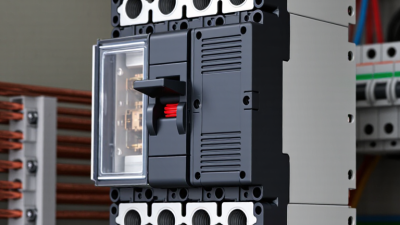
How to Choose a Molded Case Circuit Breaker?
Choosing a Molded Case Circuit Breaker is not simply a matter of matching amperes to a nameplate. A reliable choice must protect conductors, equipment, and people under real operating conditions. The installation may face high fault current, heat inside a panel, frequent motor starting, or limited maintenance access. Each detail changes the decision.
Mike Holt, an electrical safety educator and respected industry author, states, “Electricity is invisible, but its effects are not.” That warning fits every Molded Case Circuit Breaker selection. A breaker must interrupt the available short-circuit current safely. Its voltage rating, frame size, interrupting capacity, poles, trip unit, and temperature derating all deserve careful review. IEC 60947-2 and UL 489 can guide the evaluation, depending on the project and market. Manufacturer test data matters too. Marketing descriptions alone are not enough.
The practical process begins with the load calculation and available fault current. Then, compare long-time, short-time, instantaneous, and ground-fault settings with the protected system. Check selectivity with upstream and downstream devices. A breaker that trips too early can stop production. One that trips too late can leave serious damage. Small details matter.
This choice is rarely perfect on the first pass. I have seen engineers overlook ambient temperature or cable installation methods. That is a useful reminder. Review the datasheet, confirm the application, and ask a qualified professional to verify the final selection. The right Molded Case Circuit Breaker should fit the system, not merely the catalog.
Read more »
 By:Eleanor
- October 21, 2026
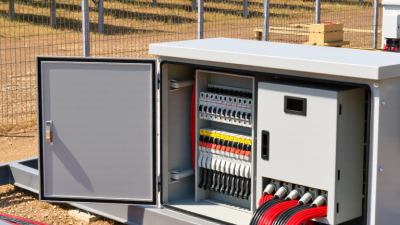
10 Solar PV Combiner Box Buying Tips
Solar photovoltaic deployment is accelerating, but every added module increases the importance of disciplined DC protection. IRENA’s Renewable Capacity Statistics 2024 recorded 346 GW of new solar capacity worldwide in 2023. That scale changes procurement decisions. A small component can influence uptime, inspection effort, and fault isolation across an entire array. The Solar PV Combiner Box sits between module strings and the inverter. It combines circuits, houses overcurrent protection, and may include monitoring, surge protection, and disconnect functions. Details matter.
This guide, “10 Solar PV Combiner Box Buying Tips,” translates field experience into practical evaluation questions. IEC 62548 addresses photovoltaic array design, including wiring and protection considerations. IEC 61439 provides a framework for low-voltage switchgear and controlgear assemblies. These standards do not make every enclosure suitable. They help buyers ask better questions about ratings, testing, creepage, sealing, and service access. NREL’s photovoltaic operations and maintenance guidance also emphasizes preventive inspection, documentation, and response planning. A box installed under intense sun, dust, and seasonal heat needs more than a convincing datasheet.
Look closely at maximum system voltage, string current, fuse coordination, enclosure IP rating, temperature range, and cable entry. Check whether components are replaceable without disturbing neighboring circuits. Confirm certificates with the issuing organization, not only a sales brochure. That extra step feels slow. It is usually cheaper than tracing a hot connection after commissioning. Still, no buying guide removes uncertainty. Site conditions vary, specifications can be incomplete, and experienced teams sometimes overlook compatibility. Use these ten tips as a disciplined starting point, then verify the design against project drawings, local requirements, and qualified engineering review.
Read more »
By:Eleanor
- October 21, 2026
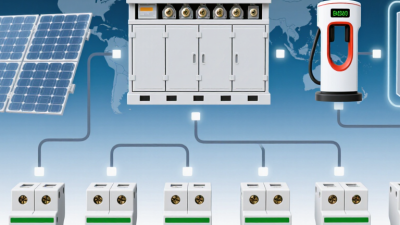
Top 10 DC Miniature Circuit Breakers for Global Buyers
The global shift toward solar power, battery storage, electric vehicles, and data centers is increasing demand for dependable DC protection. The International Energy Agency reported that renewable capacity additions reached approximately 510 gigawatts in 2023, with solar power leading the expansion. IEA PVPS also recorded continued growth in global photovoltaic installations. Each new array, battery cabinet, and control panel needs carefully selected protection. A DC Miniature Circuit Breaker helps interrupt overloads and short circuits before damaged conductors create greater risks. Small device. Serious responsibility.
As IEA Executive Director Fatih Birol has stated, “Renewables are the only source of energy that is growing strongly today.” That growth makes product selection more technical, not simpler. This guide examines ten DC Miniature Circuit Breaker options for global buyers, considering rated voltage, breaking capacity, pole configuration, trip characteristics, installation space, and certification evidence. IEC 60898-1 and IEC 60947-2 provide important reference points, but buyers should confirm each product’s actual DC performance. AC ratings cannot automatically be transferred to DC systems. That mistake still appears in purchasing decisions.
The ranking is not absolute. A compact breaker may suit a rooftop combiner box, yet fail a high-current battery application. Field experience also matters, especially in dusty enclosures, hot climates, and installations with long cable runs. Product datasheets are useful, but verified test reports, traceable manufacturing information, and responsive technical support offer stronger assurance. Buyers should compare the details, not only the price.
Read more »
By:Eleanor
- October 21, 2026