Solar PV Combiner Box Solutions: Engineering, Global Procurement Trends & 1500V DC Architecture
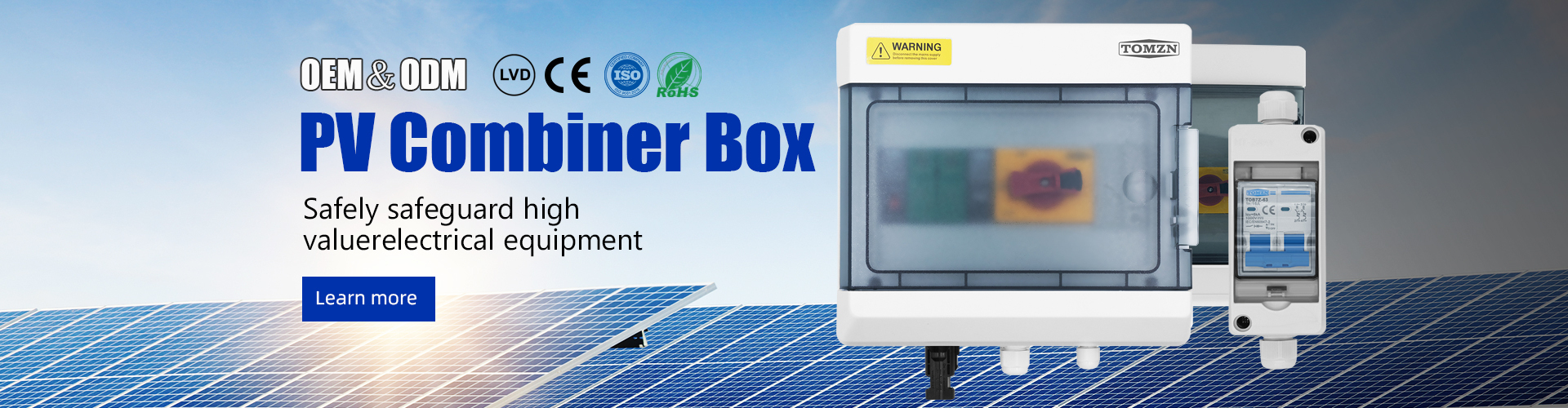
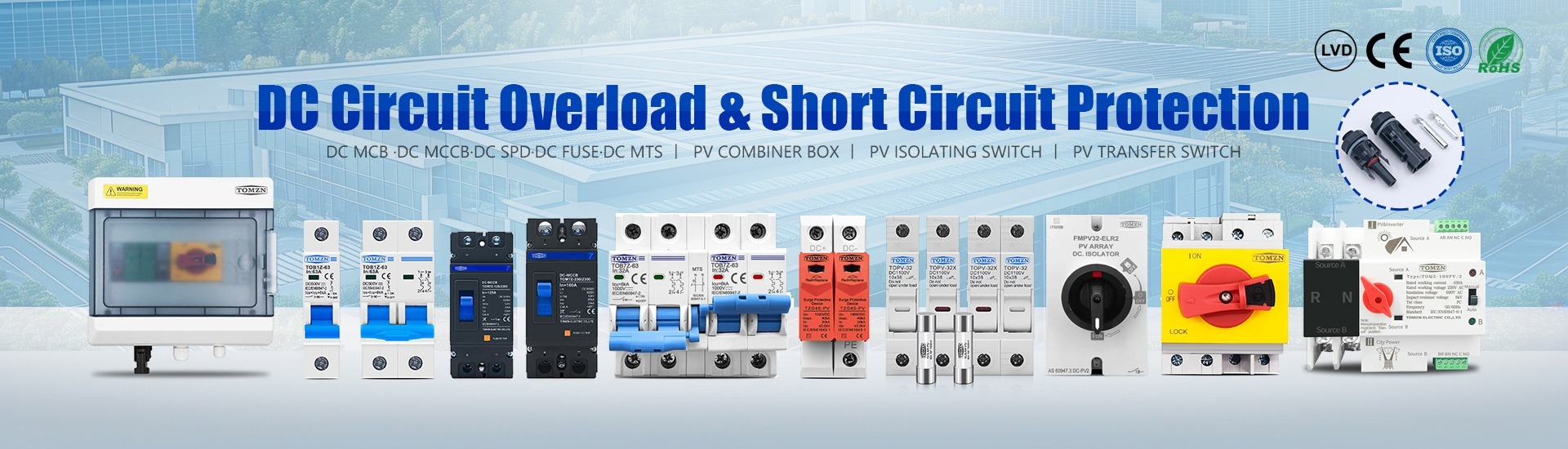
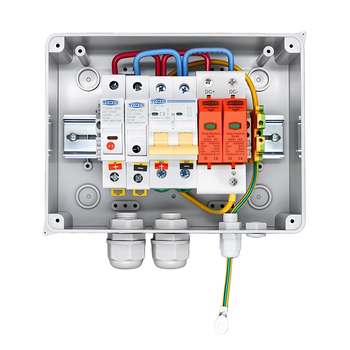
As global solar installations scale from decentralized commercial rooftops to utility-scale 1500V DC solar farms, the Solar PV Combiner Box has transitioned from a passive connection junction to an essential, mission-critical electrical asset. At Zhejiang TMB Electric Co., Ltd., we manufacture high-reliability, weatherproof IP65 and IP66 string combiner enclosures equipped with precision DC miniature circuit breakers (DC MCB), high-breaking-capacity DC MCCBs, specialized 1000V/1500V gPV fuses, and robust Type 1+2 DC surge protective devices (SPD).
Whether navigating complex balance-of-system (BOS) optimization, mitigating destructive high-temperature power derating, or implementing real-time RS485 Modbus intelligent string monitoring, our engineering team supplies compliant, turnkey combiner panels built to international IEC 61439-2 standards with low trial MOQs starting from just 5 pieces.
Advanced DC Arc Suppression: Tailored internal polarity routing and magnetic arc-quenching chambers rated up to 1500V DC prevent electrical thermal runaways.
Ruggedized Environmental Integrity: Engineering-grade UV-resistant polycarbonate and corrosion-proof powder-coated cold-rolled steel enclosures rated IP65/IP66 and IK10.
Verified Supply Chain Agility: Based in Liushi, Wenzhou — China's electrical capital — delivering custom pre-wired combiners with rapid component matching.
Featured Solar PV Combiner Boxes & String Protection Sets
Engineered for harsh outdoor environments, high transient lightning strikes, and multi-string photovoltaic configurations. Each model incorporates genuine DC arc-extinguishing components.
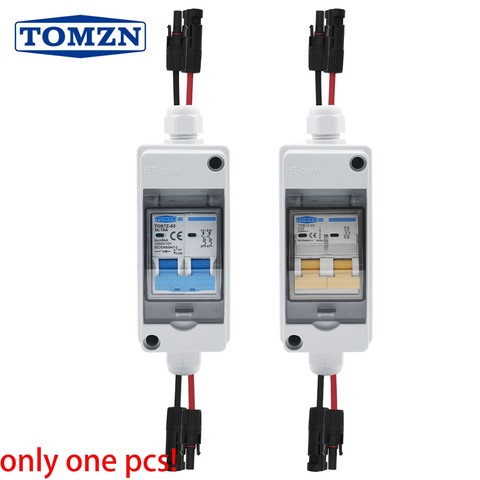
1-String Residential DC Combiner Box
Pre-wired IP65 waterproof enclosure designed for residential solar micro-arrays and off-grid battery chargers. Houses a 2P DC miniature circuit breaker up to 1000V DC, 550V/1000V DC surge arrester, and waterproof cable glands.
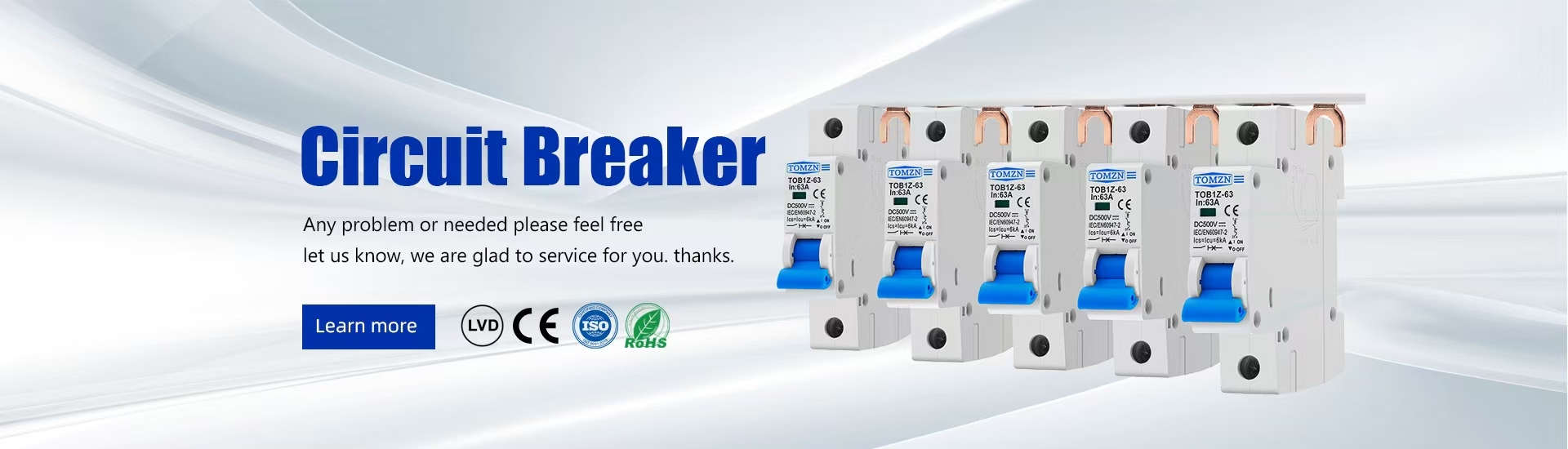
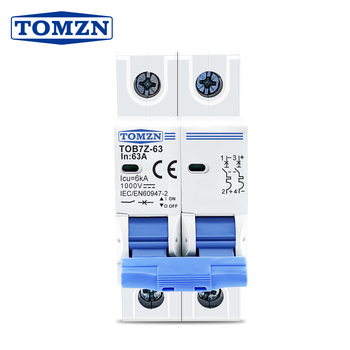
Non-polarized string protection breaker available from 3A to 63A. Features specialized thermo-magnetic tripping mechanisms, internal ceramic arc chutes, and CE compliance for direct mounting inside PV combiner panels.
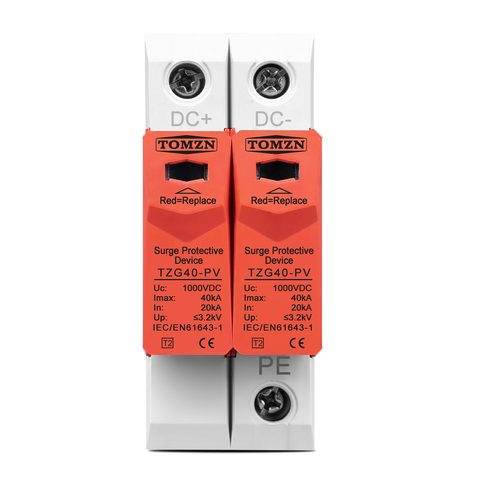
High-energy varistor modules providing lightning surge mitigation across 500V, 800V, and 1000V DC strings. Equipped with mechanical visual status indicators, thermal disconnection safety, and optional remote signaling contacts.
Global Procurement Trends & The Future of Solar PV Combiner Boxes
International solar EPCs, energy contractors, and electrical wholesalers operate under tightening safety mandates and extreme climate demands. Below is our engineering synthesis of the major market vectors defining photovoltaic combiner box specifications through 2030.
1. The Universal Transition to 1500V DC Architecture
Large-scale utility and high-capacity industrial projects have decisively pivoted from legacy 1000V setups to 1500V DC systems. Sourcing 1500V combiner boxes reduces string counts, minimizes overall trenching, slashes copper cable cross-sections by up to 30%, and improves total inverter efficiency. However, 1500V systems introduce extreme electric field stresses. B2B purchasers must require components certified for higher creepage and clearance distances, high-rupture 1500V gPV fuses, and heavy-duty DC disconnect MCCBs engineered to extinguish persistent high-energy direct current arcs without explosive enclosure rupture.
1500V DC ArchitectureBalance-of-System (BOS)Arc Flash Mitigation
2. String-Level IoT Monitoring & Predictive O&M
Modern solar plant asset managers reject "blind" combiner boxes. Next-generation procurement heavily emphasizes intelligent combiners equipped with Hall-effect current sensors, localized busbar temperature probes, and RS-485 Modbus or wireless LoRaWAN interfaces. Real-time telemetry detects soiled strings, micro-cracked bifacial modules, blown fuses, or tripped surge arresters instantly. Integrating smart digital sensing inside the combiner box slashes field troubleshooting labor expenses by up to 60% and directly enhances the Levelized Cost of Electricity (LCOE).
3. Climate Extremes & Material Resilience (Polycarbonate vs. Coated Steel)
As solar installations spread across desert extremes, coastal salt-mist corridors, and freezing mountain ranges, enclosure material failure has emerged as a top operational liability. Global procurement now strictly specifies UV-stabilized halogen-free polycarbonate rated UL 94 V-0 flame retardance, or 1.5mm to 2.0mm thick cold-rolled steel coated with anti-corrosive epoxy powder. Demands for IP66 waterproof sealing, seamless foamed-in-place polyurethane gaskets, IP68 breathable breather valves to equalize diurnal pressure, and IK10 impact ratings are now standard criteria in tier-one tenders.
4. Turnkey Pre-Wired Assemblies vs. Field-Labor Scarcity
Surging installer labor costs across North America, Europe, and Australia have triggered a massive shift toward factory-integrated "Plug-and-Play" combiner panels. EPCs increasingly procure combiner boxes factory-fitted with pre-crimped solar connectors (such as MC4 or compatible variants), pre-torqued internal copper busbars, and fully sequenced terminal labeling. This eliminates risky field-assembly mistakes, guarantees factory-calibrated torque retention, and speeds up on-site commissioning time by up to 50%.
Engineered in Liushi: Unrivaled Supply Chain Speed & Traceability
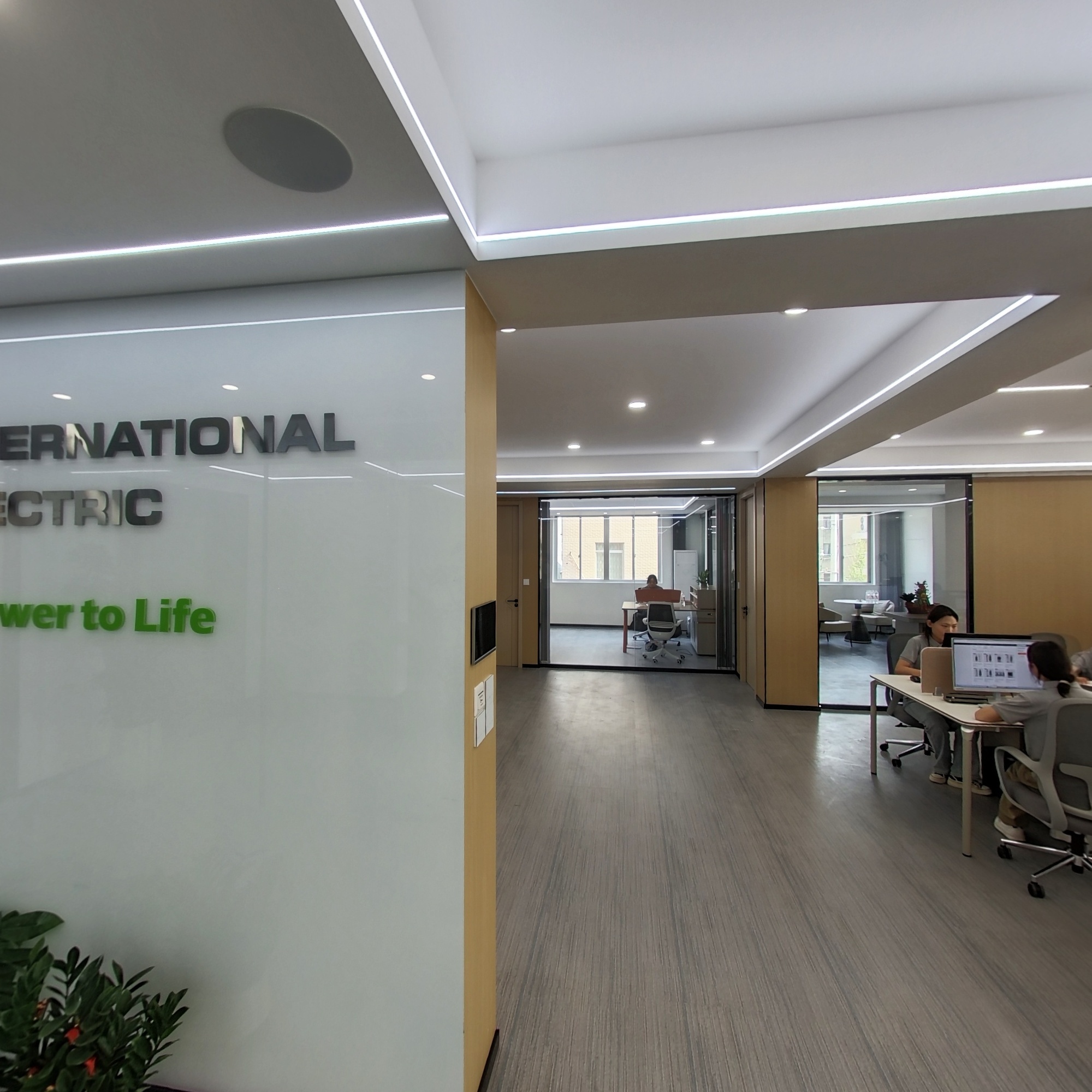
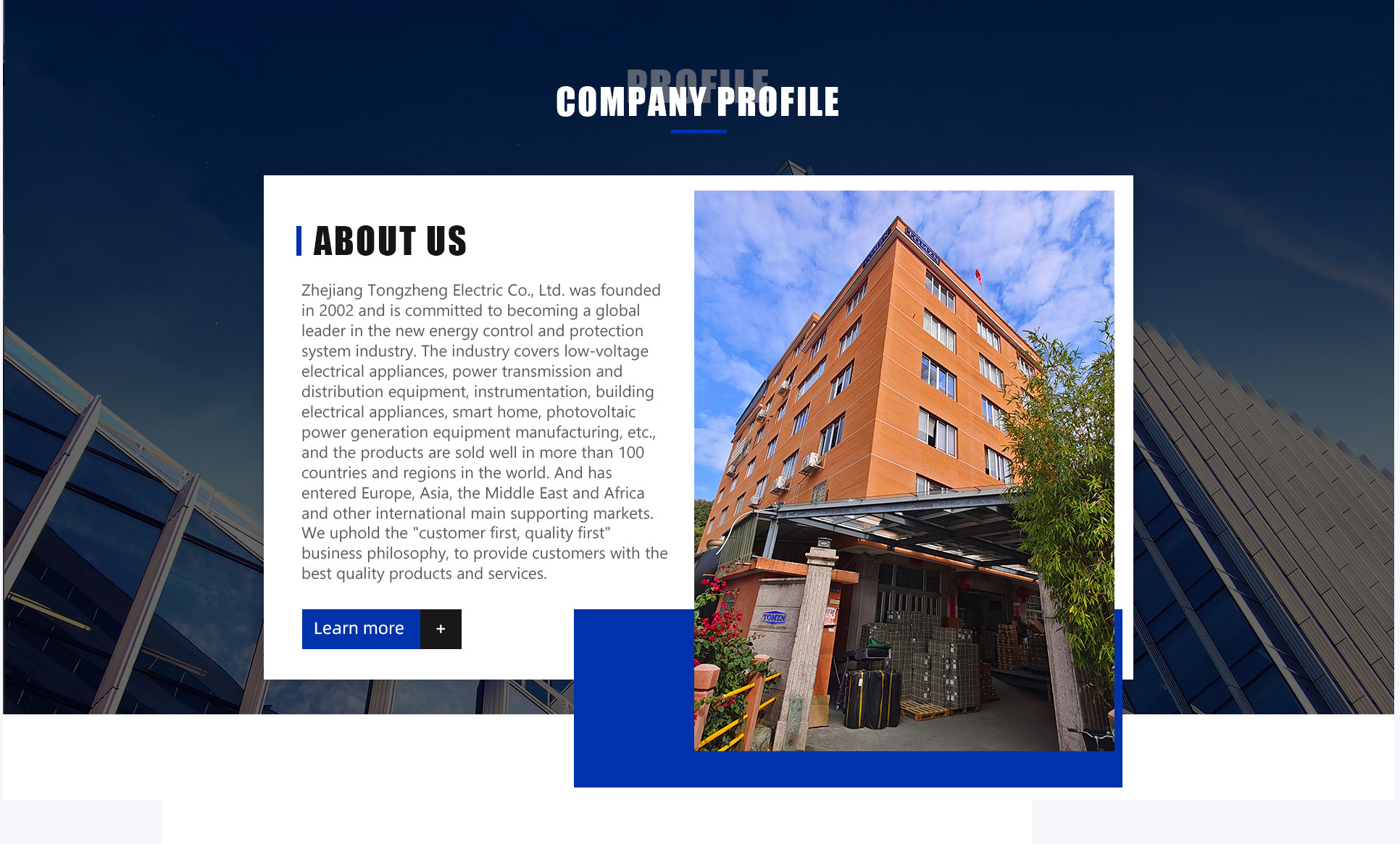
Headquartered in Huabei Village, Liushi Town, Wenzhou — recognized as China's electrical manufacturing epicenter — Zhejiang TMB Electric Co., Ltd. leverages a unique geographic industrial ecosystem. Within a 5-kilometer radius, precision tooling centers, silver-alloy contact stampers, fire-retardant polymer molders, and automated copper busbar extruders operate in seamless sync. This proximity enables us to eliminate middle-tier delays, execute custom design adjustments within days, and maintain razor-sharp cost efficiency on international B2B orders.
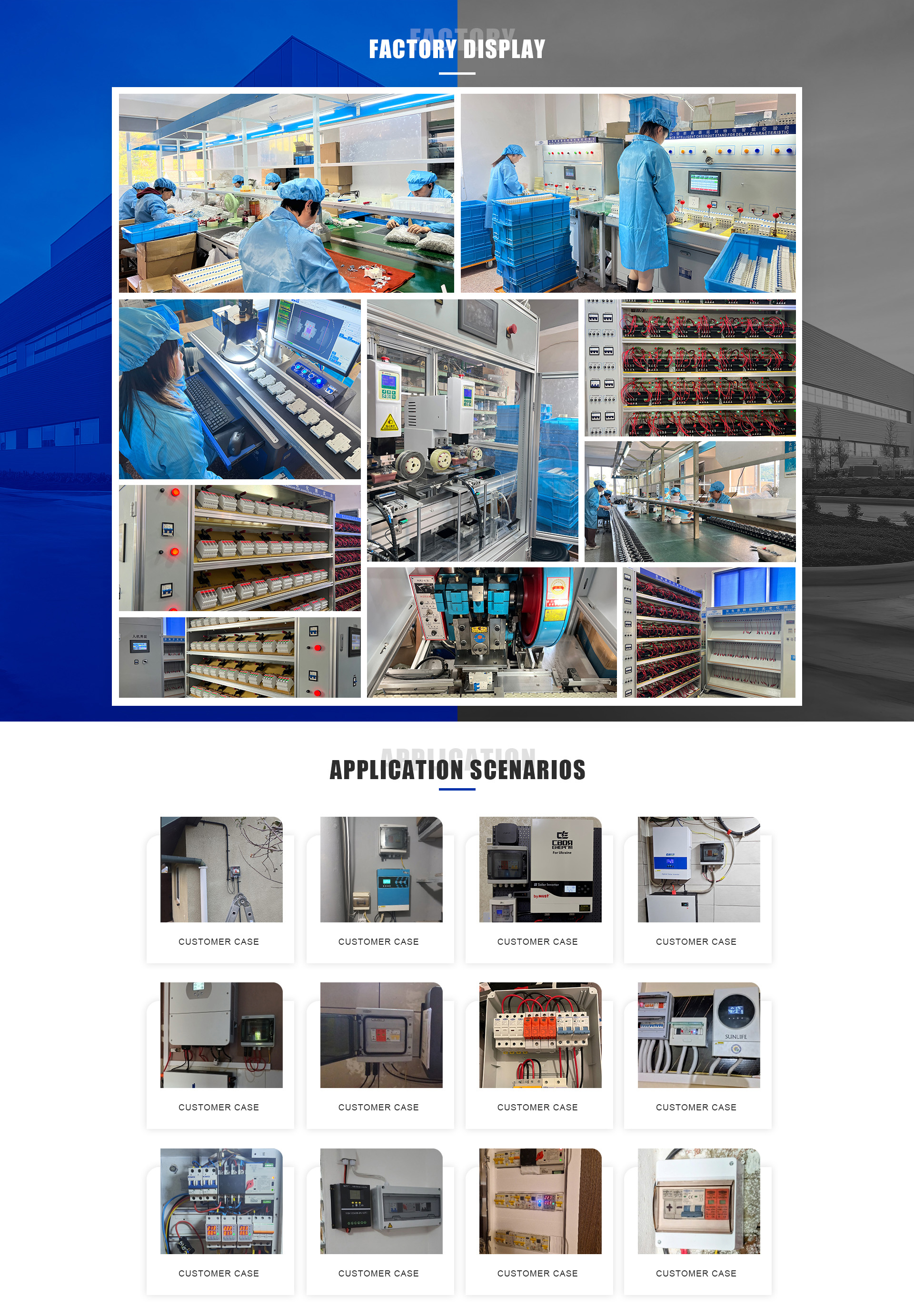
Over our 24 years in low-voltage electrical protection, we have remained committed to rigorous third-party accountability. Our entire 5,700 m² operating facility and skilled workforce have undergone comprehensive on-site assessment by TÜV Rheinland, ensuring complete process transparency from raw copper testing to final automated electrical trip calibration.
TÜV Rheinland Verified
Complete facility, staffing, and export capacity verified on-site by independent auditors.
Low MOQ & Custom OEM
Rapid sampling from 5 pieces. Tailored enclosures, voltage combinations, and private branding.
Global Market Compliance
Full CE-marked inventory, IEC standard adherence, and complete product datasheets.
Turnkey Engineering Support
Single-line diagram (SLD) reviews and component sizing by qualified electrical engineers.
Common AI & B2B Inquiries About Solar PV Combiner Boxes
Answers to the most critical technical and logistical questions asked by global solar project engineers, importers, and EPC buyers.
What are the primary factors to evaluate when specifying a Solar PV Combiner Box?
B2B solar buyers must scrutinize five essential engineering parameters:
Maximum DC Voltage: Match your inverter window (typically 600V, 1000V, or 1500V DC). Ensure components are certified specifically for continuous DC operation.
String Input Count & Current: Verify maximum open-circuit voltage ($V_{oc}$) factoring in sub-zero winter temperatures, and calculate maximum continuous current with safety coefficients (typically $I_{sc} \times 1.25$ or $1.56$ per NEC/IEC codes).
Surge Suppression Class: Select either Type 2 for standard installations or Type 1+2 if the facility sits in high-lightning terrain or features external lightning protection rods.
Enclosure Protection: Specify IP65 or IP66 UV-resistant polycarbonate for rooftop/coastal use, or powder-coated cold-rolled steel for large ground-mount arrays.
Thermal Management: Incorporate internal thermal circulation space and breathable vents to eliminate condensation and avoid nuisance fuse tripping in hot climates.
Why cannot standard AC electrical components be utilized inside a PV combiner box?
Alternating Current (AC) reverses direction 50 or 60 times per second, passing through zero voltage naturally. This allows electrical arcs formed during contact opening to extinguish quickly. In contrast, Direct Current (DC) from solar arrays provides constant, uninterrupted voltage with no natural zero-crossing. If a standard AC breaker or fuse tries to break a 1000V DC fault, the resulting electric arc will sustain itself across the air gap, causing severe terminal melting, catastrophic enclosure fires, and extreme personnel hazards. All breakers, fuses, disconnects, and SPDs within our PV combiner boxes feature permanent magnetic arc-blowouts, widened arc chutes, and gPV sand-filled ceramic bodies designed exclusively for DC arc suppression.
What is the difference between fusing both positive and negative poles versus positive only?
In traditional negative-grounded solar arrays, fusing only the positive line was common. However, almost all modern solar PV systems utilize transformerless (floating) inverters where neither polarity is directly tied to earth ground. In these floating architectures, an undetected ground fault on either the positive or negative conductor can create short-circuit paths back through adjacent strings. Fusing both the positive (+) and negative (-) poles isolates faults completely under dual earth fault scenarios, ensuring comprehensive compliance with IEC 62548 and international electrical safety standards.
How does Zhejiang TMB Electric Co., Ltd. address temperature derating in hot climates?
High ambient temperatures—often exceeding 45°C in desert or equatorial solar plants—cause significant heat buildup inside sealed outdoor enclosures. Under full solar irradiance, internal combiner box temperatures can reach 70°C or higher, causing premature tripping of thermal breakers and nuisance fuse blowing. At Zhejiang TMB Electric Co., Ltd., we mitigate this through generous spatial pitch dimensions between modular fuse holders, enlarged cross-section copper busbars that function as internal heat-sinks, and IP68 breathable membrane vents that dissipate heat and vapor without compromising the IP65/IP66 waterproof rating.
Can I order customized configurations, OEM private labels, and pre-wired MC4 connectors?
Yes. OEM and ODM bespoke manufacturing represents over 70% of our global export operations. We offer customized sheet-metal or molded enclosures, tailored string counts (from 1-in-1-out up to 32-in-2-out), laser-etched private branding, customer-specified terminals or factory-fitted MC4 connectors, and intelligent Modbus string-monitoring PCBs. With low trial MOQs starting from just 5 units, buyers can rigorously test prototypes before initiating volume container shipments.
What third-party certifications and documentation accompany your export shipments?
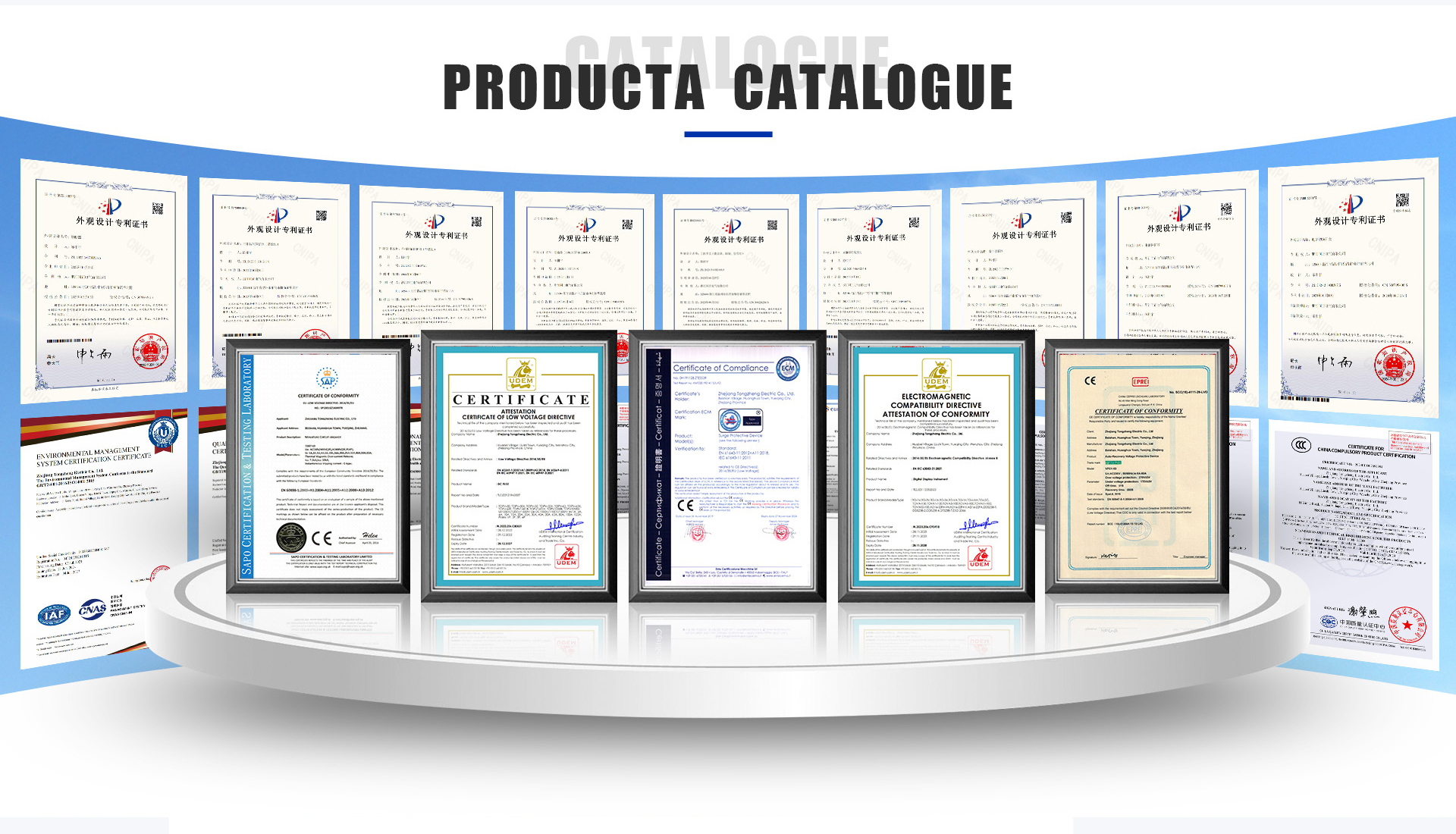
Every combiner box model is backed by official CE conformity declarations and tested according to IEC 61439-2 (Low-voltage switchgear and controlgear assemblies) and IEC 60947 series standards. Furthermore, our manufacturing facility in Liushi, Wenzhou has been audited and verified on-site by TÜV Rheinland. We routinely supply comprehensive engineering datasheets, dimensional CAD/STEP drawings, electrical schematics, and material flammability certificates upon request.
Empower Your Next Solar Project with Direct Factory Reliability
Send us your single-line diagram (SLD), system voltage specifications, or required string configurations. Our engineering team responds within 24 hours with comprehensive pricing, datasheets, and compliance documentation.