Bluetooth
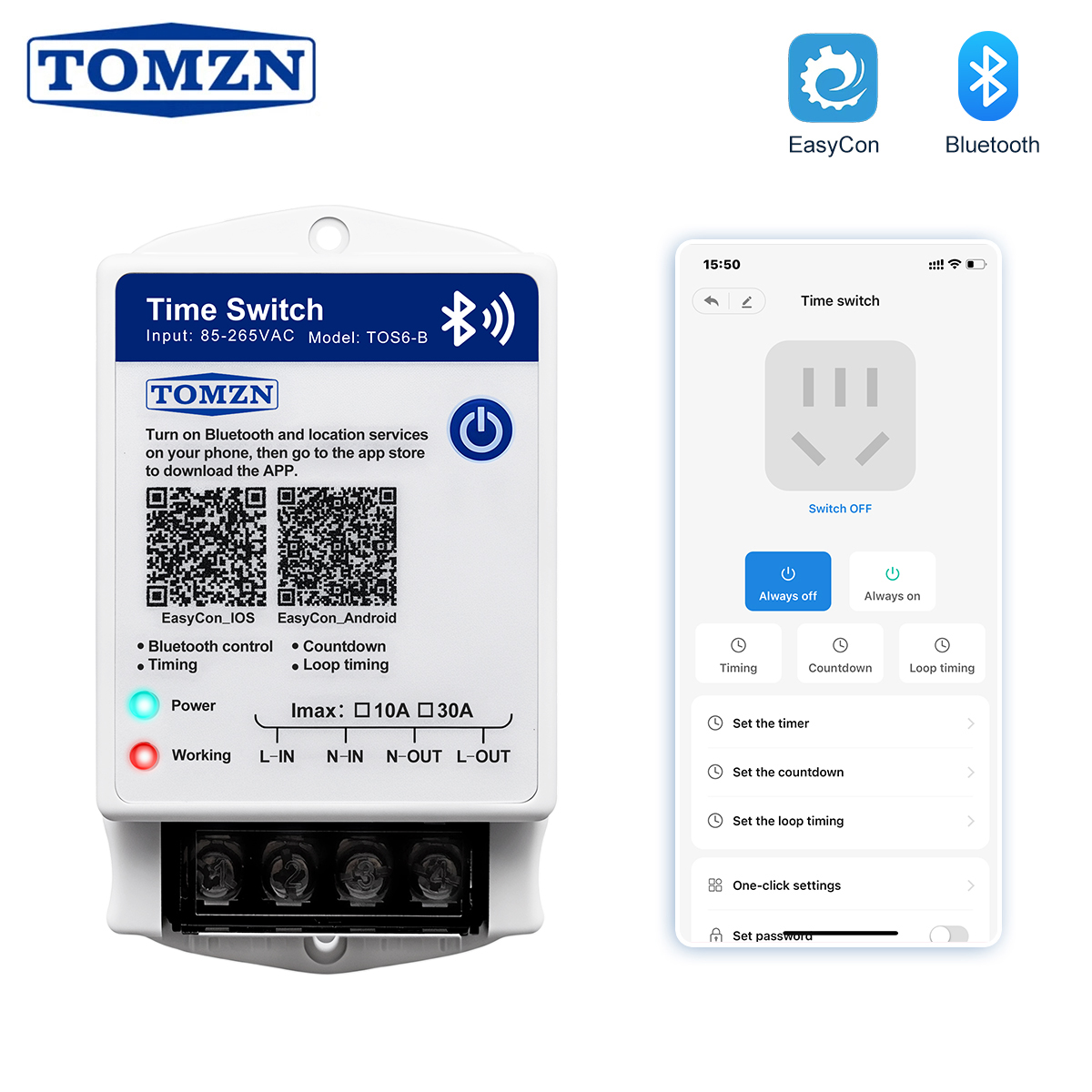
TOMZN Bluetooth Smart Timer Switch 85-265VAC 10A 30A EasyCon Countdown Loop Timing
85-265VAC
10A / 30A
28 Groups
Direct from our 5,700 m² Wenzhou production lines: high-precision DIN rail mounted kilowatt-hour meters, programmable multi-tariff control instruments, and Bluetooth/WiFi smart communication modules with full CE certification.
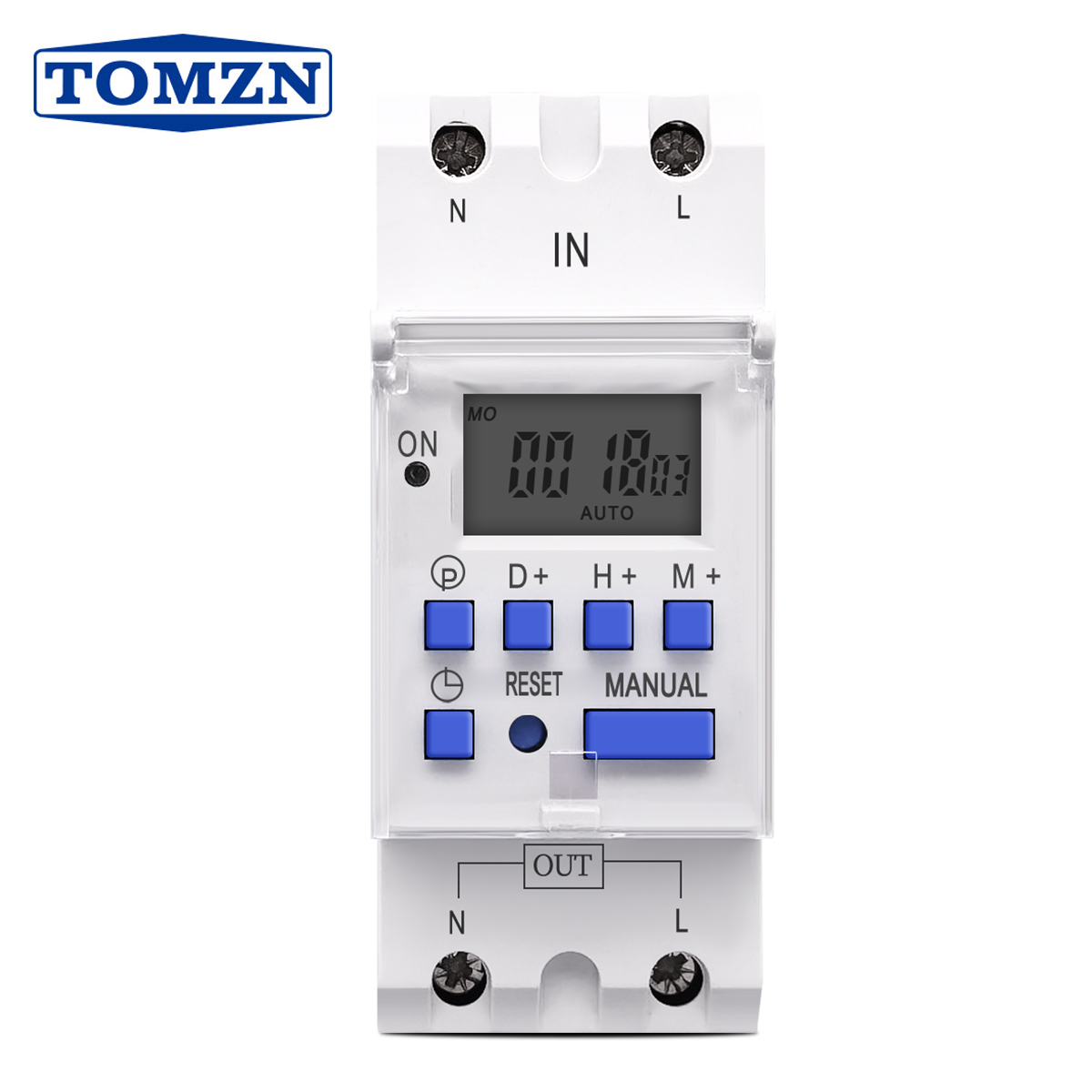
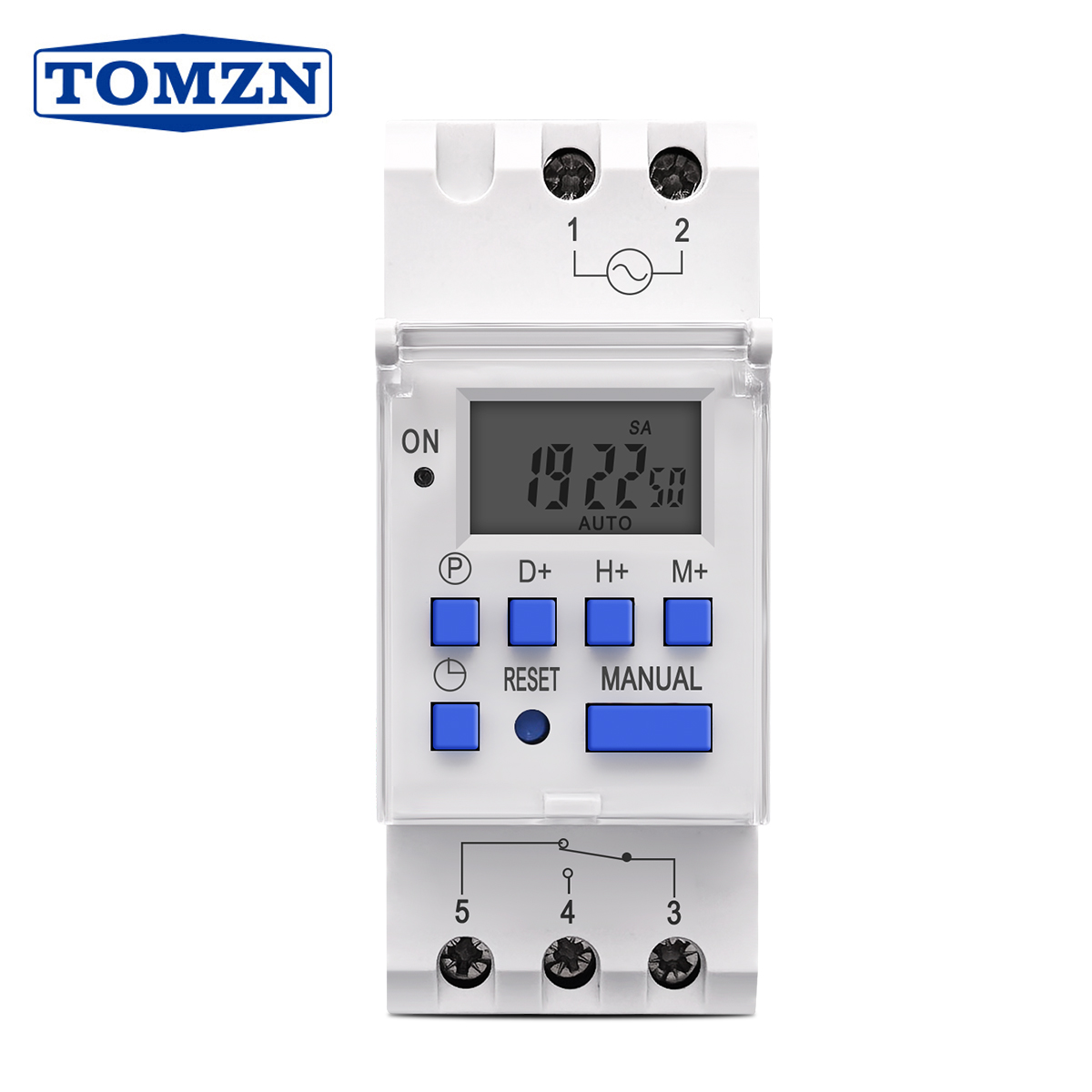



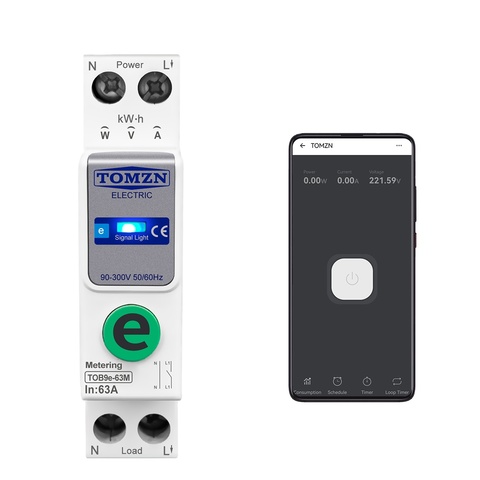
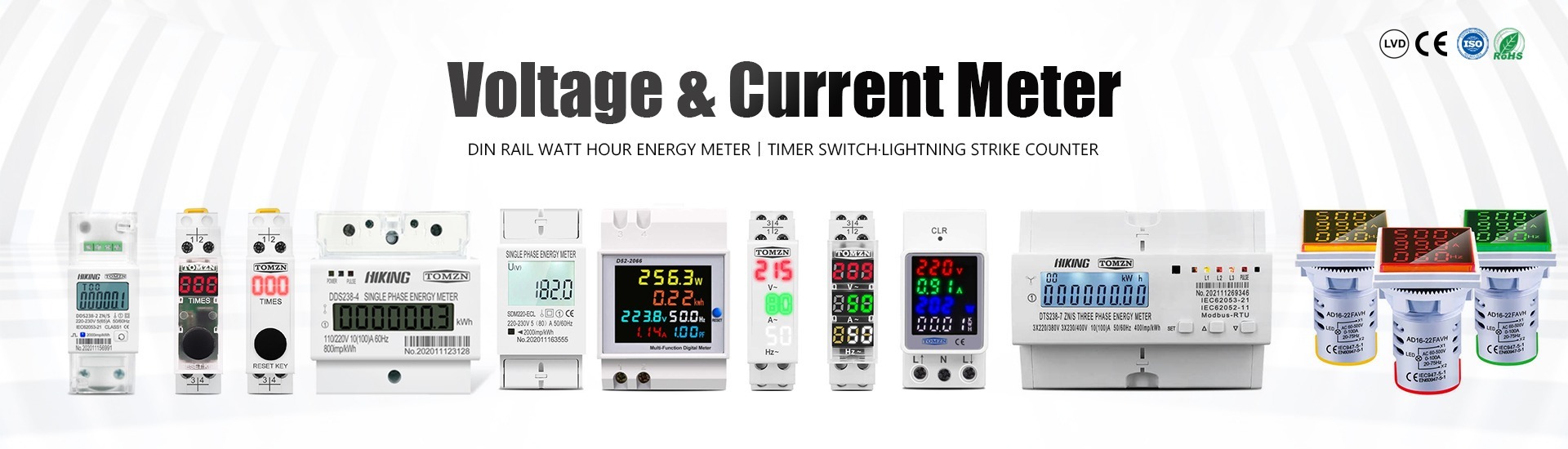
In low-voltage electrical distribution panels, DIN rail meters function as the authoritative measurement instruments for sub-billing, energy auditing, renewable generation accounting, and automated demand-response management. Sourcing from genuine original equipment manufacturers (OEMs) requires a rigorous understanding of the difference between superficial self-declaration CE markings and complete conformity according to European harmonized electromagnetic compatibility (EMC 2014/30/EU), low-voltage electrical safety (LVD 2014/35/EU), and measuring instrument directives (MID 2014/32/EU).
As an established manufacturer based in Huabei Village, Liushi Town, Wenzhou—China's low-voltage capital—Zhejiang TMB Electric Co., Ltd. builds internal transformer coils, manganese-copper shunt measurement sensors, and optical galvanic isolation circuits strictly according to these internationally unified standards. Every meter leaving our automated calibration bench is tested across nominal voltage variations (±20%), frequency shifts (45 Hz to 65 Hz), and extreme harmonic distortion profiles (THD up to 40%).
| Meter Classification | Reference Standards | Accuracy Limits (±) | Typical Measurement Topologies | Target Installation Environments |
|---|---|---|---|---|
| Class 1.0 (Class B MID) | EN 50470-3 / IEC 62053-21 | ±1.0% across 0.05 Ib to Imax | Direct Shunt or Hall-Effect Sensor | Sub-tenant billing, EV chargers, Light Industrial Panels |
| Class 0.5s (Class C MID) | EN 50470-3 / IEC 62053-22 | ±0.5% (Accredited at 0.01 In) | 5A / 1A Precision Current Transformers | Industrial switchboards, Solar PV Plants, Substations |
| Multi-Tariff Smart Meter | IEC 62056 (DLMS/COSEM) | ±1.0% active / ±2.0% reactive | Microcontroller RTC (Real-Time Clock) | Time-of-Use (TOU) tariffs, Peak shaving automation |
| Bidirectional PV Meter | IEC 62053-23 / CE EMC | ±1.0% Import & Export | Dual-quadrant active energy integration | Solar Hybrid Inverters, Battery Energy Storage (BESS) |
In addition to active energy (kWh), advanced OEM DIN rail meters integrate high-speed digital signal processors (DSP) calculating root-mean-square (True RMS) line voltages, load currents, active power (kW), reactive power (kvar), apparent power (kVA), power factor (PF), and power frequency (Hz). This high-density data telemetry is transmitted seamlessly via isolated RS485 Modbus RTU, M-Bus, or short-range wireless channels (Bluetooth Low Energy and 2.4 GHz WiFi), empowering facility operators to pinpoint harmonic anomalies and phase imbalances before they escalate into breaker tripping or equipment overheating.
Procurement teams, panel builders, and EPC electrical contractors across Europe, Southeast Asia, South America, and the Middle East are shifting away from standalone electromechanical registers toward unified, connected IoT metering modules. Based on continuous telemetry from our global distribution network in over 100 countries, four transformative purchasing dynamics define the current market cycle:
With distributed rooftop solar PV and commercial energy storage surging globally, buyers now universally specify 4-quadrant bi-directional measurement capable of distinguishing grid import from solar export.
Enclosure space within 35mm modular distribution boards is at a premium. Procurement now favors compact devices combining Class 1.0 energy metering, over/under voltage protection, and motorized remote tripping in a 2-DIN footprint.
Wholesalers increasingly demand universal wireless interfaces—including Bluetooth EasyCon, Tuya WiFi, Zigbee 3.0, and Matter—allowing frictionless plug-and-play linkage to cloud SCADA, building management systems (BMS), and smartphone applications.
To mitigate supply chain risks, B2B importers are bypassing middlemen to establish direct contractual ties with TÜV-inspected production factories in Liushi that offer rapid custom branding, laser marking, and guaranteed firmware longevity.
Wholesale distributors must calibrate their supply inventories to address Time-of-Use (TOU) tariff structures implemented by utilities. Modern DIN rail meters must feature multi-tariff registers (up to 4 to 8 configurable tariff slots) governed by internal temperature-compensated real-time clocks (RTC) with minimum 10-year lithium backup batteries, guaranteeing that energy accumulated during peak, flat, and off-peak hours is recorded accurately even during prolonged power blackouts.
As power electronics infiltrate everyday electrical infrastructure through EV chargers, inverter air conditioners, variable frequency drives, and switching power supplies, current waveforms have become severely non-linear. The technological evolution of DIN rail meters is actively addressing these operational challenges across three critical vector domains:
Traditional iron-core current transformers suffer from saturation and phase shifts when exposed to DC magnetic bias or steep current gradients. Next-gen DIN rail designs implement micro-ohm electron-beam welded manganese-copper shunts for direct connection up to 100A, and flexible Rogowski coils for retrofitting industrial high-amperage lines without power interruption.
Moving beyond passive kWh registration, firmware in 2026-generation meters incorporates localized mathematical analysis. This includes Fast Fourier Transform (FFT) for tracking up to the 31st harmonic, voltage sag/swell detection within 10ms, and autonomous load shedding driven by programmable internal relay matrices.
Revenue protection remains paramount. Emerging industrial meters feature optical cover-open sensors, reverse-current detection flags, strong magnetic field immunity (tested up to 500mT), and hardware-level AES-128 encryption on RS485 Modbus registers to defend against data spoofing in smart microgrids.
At Zhejiang TMB Electric Co., Ltd., our engineering division is concurrently pioneering thermal simulation modeling for high-current modular terminal blocks. Operating at 63A to 100A continuous current inside crowded distribution enclosures causes thermal dissipation challenges. By using solid tin-plated electrolytic copper terminals with high-tensile steel tightening screws, our designs achieve temperature rise values well below the maximum 60K threshold established in IEC 60947-1, ensuring operational lifespans exceeding 15 years.
Selecting the right OEM partner in China determines your commercial competitiveness, delivery reliability, and warranty exposure. Zhejiang TMB Electric Co., Ltd. is not a broker or trading firm; we operate a dedicated, fully integrated production headquarters in Huabei Village, Liushi Town, Wenzhou City, Zhejiang Province.
Our 5,700 m² modern workshop, production lines, test stations, and 92 verified personnel have undergone rigorous on-site audit assessments by TÜV Rheinland. Full inspection reports are available for engineering review prior to order placement.
Located in the heart of China's electrical capital, our factory sits within minutes of specialized toolmakers, high-grade flame-retardant PC/ABS molders, and terminal hardware fabricators. This supply chain proximity guarantees ultra-competitive tooling costs and rapid prototype turnaround.
We provide comprehensive private labeling: customized laser front-panel printing, proprietary packaging, tailored Modbus register addresses, bespoke firmware timing logic, and pre-assembled distribution boxes matched to your exact project bill-of-materials.
Here are detailed, practical engineering answers to the most common questions raised by electrical contractors, distributors, and panel integrators when specifying CE-certified DIN rail meters and smart timer switches:
Connect with our senior application engineers in Liushi. We provide complete technical datasheets, CAD dimensional drawings, CE declarations, and fast-track quotations for your exact distribution panel specifications.