CE Marked

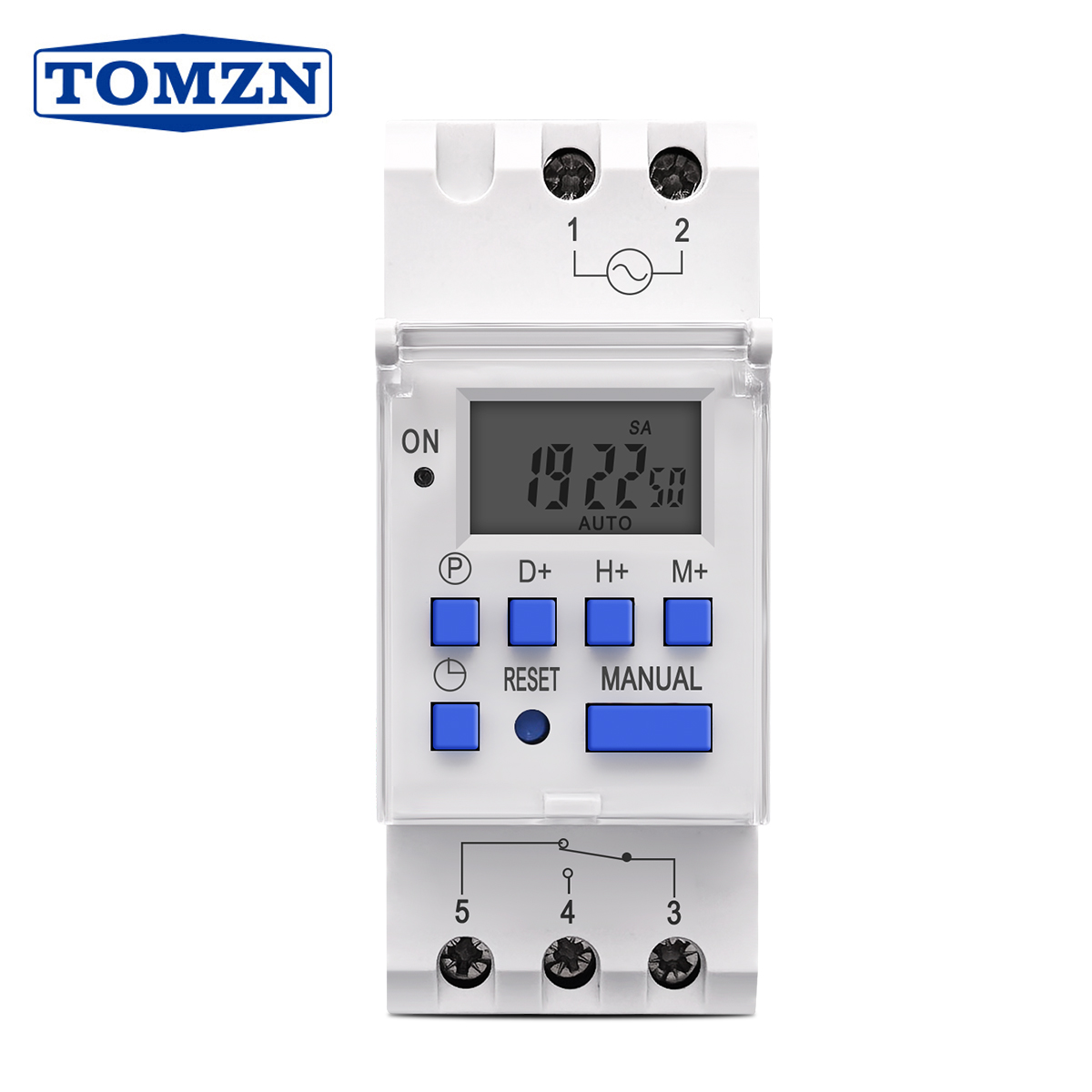
TOMZN Din Rail Single Phase Weekly 7 Days Programmable Energy Controller 16A
AC 220V/230V
16A Relay
DIN Rail 35mm
Direct supply from Liushi Town, Wenzhou: CE-certified three phase smart meters, modular sub-meters, and integrated DIN rail energy controllers.



Modern industrial, commercial, and microgrid installations operate under dynamic harmonic conditions caused by nonlinear switching electronics, variable frequency drives (VFDs), and solar PV inverter feed-ins. Specifying three-phase energy meters requires precise alignment with European electromagnetic compatibility (EMC) regulations, low-voltage directives (LVD), and metrological standards established under the Measuring Instruments Directive (MID 2014/32/EU) and relevant EN/IEC frameworks.
System designers must select between Direct Connection (typically rated up to 63A, 80A, or 100A RMS) and CT-operated architectures (typically 1A or 5A secondary outputs). Direct connection eliminates phase drift associated with external sensing coils, simplifying modular DIN rail integration within HT distribution cabinets. Conversely, industrial panels exceeding 100A continuous draw require external split-core or solid-core CTs with programmable conversion ratios (5:5A up to 6000:5A), requiring bidirectional vector integration to ensure inductive and capacitive reactive quadrant metrics (kvarh) remain mathematically coherent.
| Architecture Type | Rated Voltage (Un) | Current Rating (Ib/Imax) | Harmonic Distortion Tolerance | Communication Protocol | Typical Industrial Deployment |
|---|---|---|---|---|---|
| Direct DIN Rail 3P4W | 3×230/400V AC (±20%) | 5(63)A / 10(100)A | Up to 31st Harmonic (THD-V < 5%) | RS-485 Modbus RTU / M-Bus | Sub-tenant billing, commercial HVAC clusters, EV wallboxes |
| CT-Operated Industrial 3P3W/3P4W | 3×57.7/100V ... 3×240/415V | 1.5(6)A (Ext. /5A or /1A CT) | Up to 63rd Harmonic Individual FFT | Modbus-TCP, BACnet/IP, MQTT IoT | Utility feeder incomers, manufacturing plants, data centres |
| Hybrid Smart PV 3P Bi-Directional | 3×230/400V AC Auto-sense | 0.5–10(80)A Bi-Directional | IEC 61000-4-7 Class I Compliant | WiFi / BLE / Zigbee / RS-485 | Solar PV export-limiting, battery storage (BESS), microgrids |
Commercial tariffs penalize low power factor. Zhejiang TMB Electric's meters capture apparent energy (kVAh), active energy import/export (+kWh / -kWh), and four-quadrant reactive energy (Inductive/Capacitive Import/Export). True Root Mean Square (TRMS) sampling rates up to 6.4 kHz ensure that high crest-factor waveforms from silicon-controlled rectifiers (SCR) do not distort the active energy register.
Shifting grid codes, renewable integration, and edge intelligence are transforming how electrical engineering EPCs and distribution distributors source energy monitoring hardware.
Global demand is pivoting toward meters that natively measure dual-flow net metering (solar PV generation versus grid absorption). Procurement requirements mandate sub-second zero-export communication to hybrid inverters via closed-loop RS-485 Modbus registers to avoid grid injection fees.
Traditional pulse-output meters are rapidly being replaced by embedded wireless solutions. Wholesalers are sourcing three-phase meters integrated with WiFi, BLE mesh, and cellular NB-IoT, enabling native connection to energy dashboards without needing external PLC gateways.
Energy theft remains a primary loss factor for municipal sub-grids. Modern engineering specifications demand hardware-level neutral line missing detection, reverse current locking, optical port tamper alerts, and encrypted firmware handshakes to prevent field register manipulation.
Operating from Huabei Village, Liushi Town, Wenzhou—China's electrical engineering capital—Zhejiang TMB Electric Co., Ltd. provides specialized OEM/ODM manufacturing of circuit protection, power switching, and smart metering devices. We combine localized access to high-grade phosphor bronze stamping, silver contact fabrication, and flame-retardant PC polymers with comprehensive on-site third-party quality oversight.
Our 5,700 m² plant has undergone rigorous on-site facility verification by TÜV Rheinland, proving our engineering depth, workforce capability (92 verified technical specialists), and testing infrastructure. Products feature CE marking, supported by independent test certificates for rapid regulatory customs clearance.
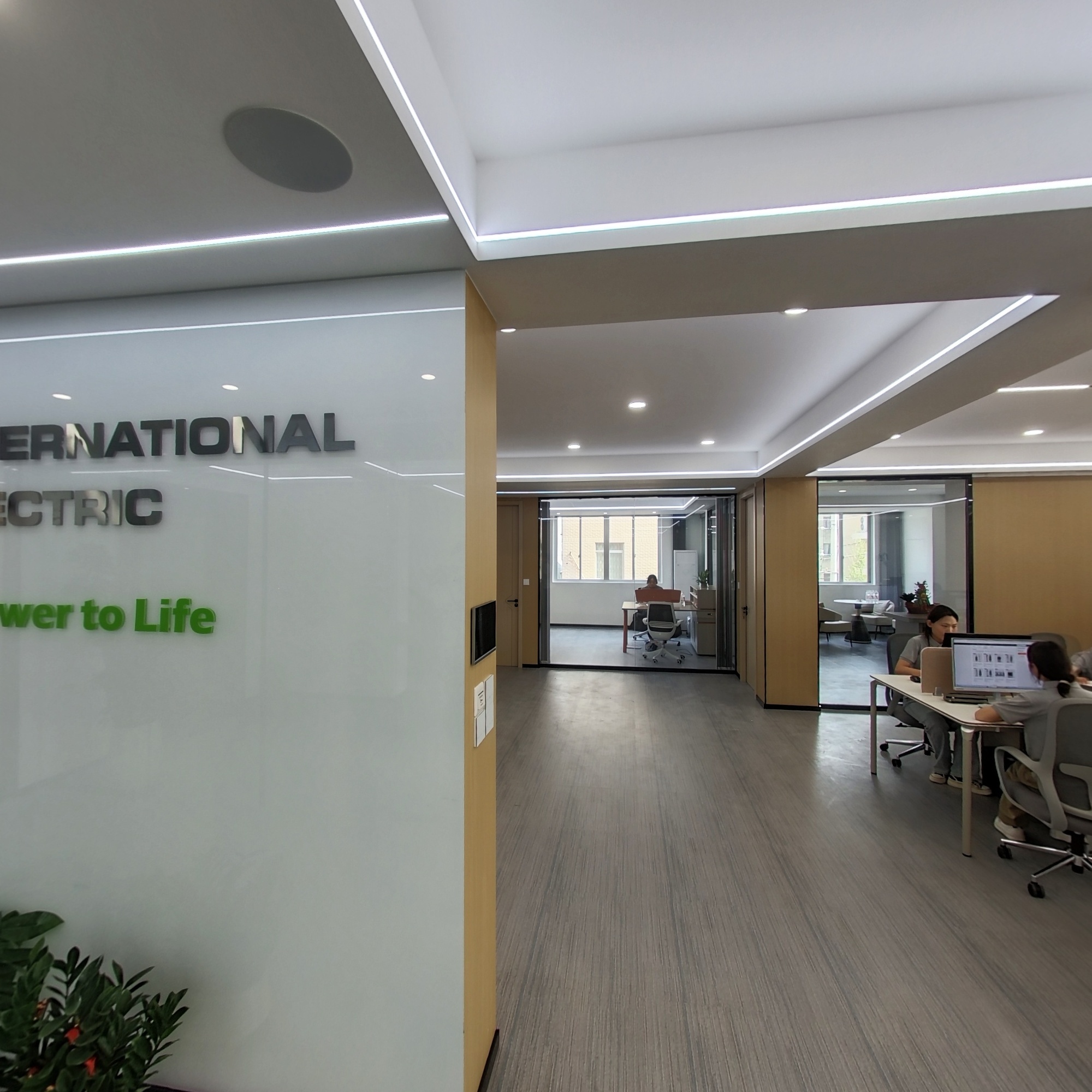

Precision digital testing benches verify thermal and electromagnetic parameters across every batch before sub-assembly release.
Automated assembly lines provide controlled terminal torque, standardized copper plating, and rigid dimensional fidelity.

Complete compliance documentation: CE declarations, LVD/EMC test dossiers, and factory quality audit reports supplied per order.
Direct technical answers regarding factory compliance, customization thresholds, accuracy certification, and global shipping policies.