China Best Cam Starter Switch Factory & Suppliers

Precision-Engineered Rotary Cam Switches, Motor Starter Controllers & Industrial Distribution Components from Liushi, Wenzhou

Direct Factory Supply

High-Performance Cam Starter & Control Switching Systems

Explore our industrial-grade rotary switches, dynamic cyclers, smart app-controlled timer relays, and DIN-rail switching modules designed for demanding OEM and electrical integration projects.

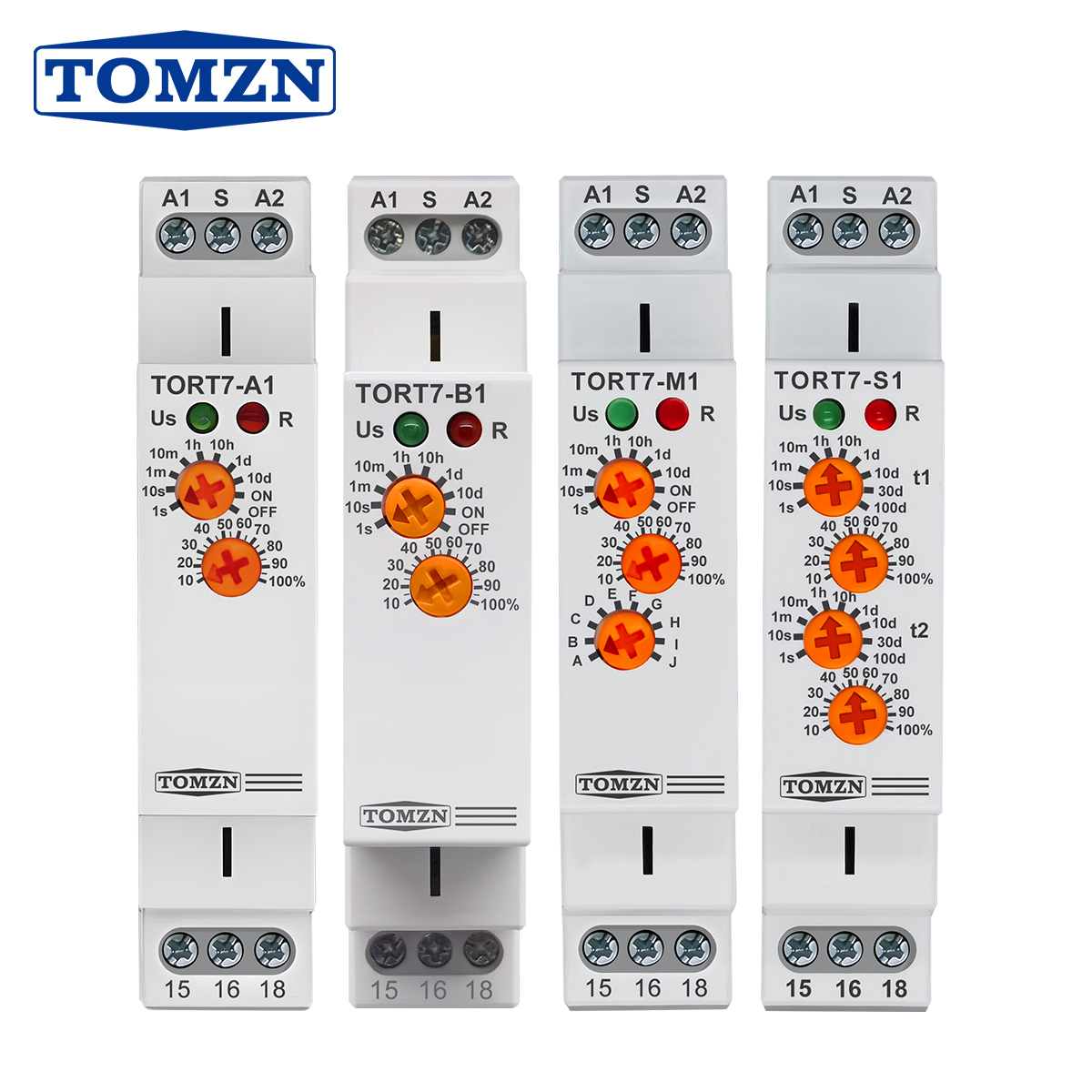
TORT7 Series 10in1 Asymmetric Cycler Time Relay Multi-function Timer Switch
Multi-Function

TORT7 10in1 Asymmetric Cycler Time Relay Switch

  • 0.1s - 10 Days Pulse Interval
  • Delay-ON / Delay-OFF Modes
  • DIN Rail Universal Mounting
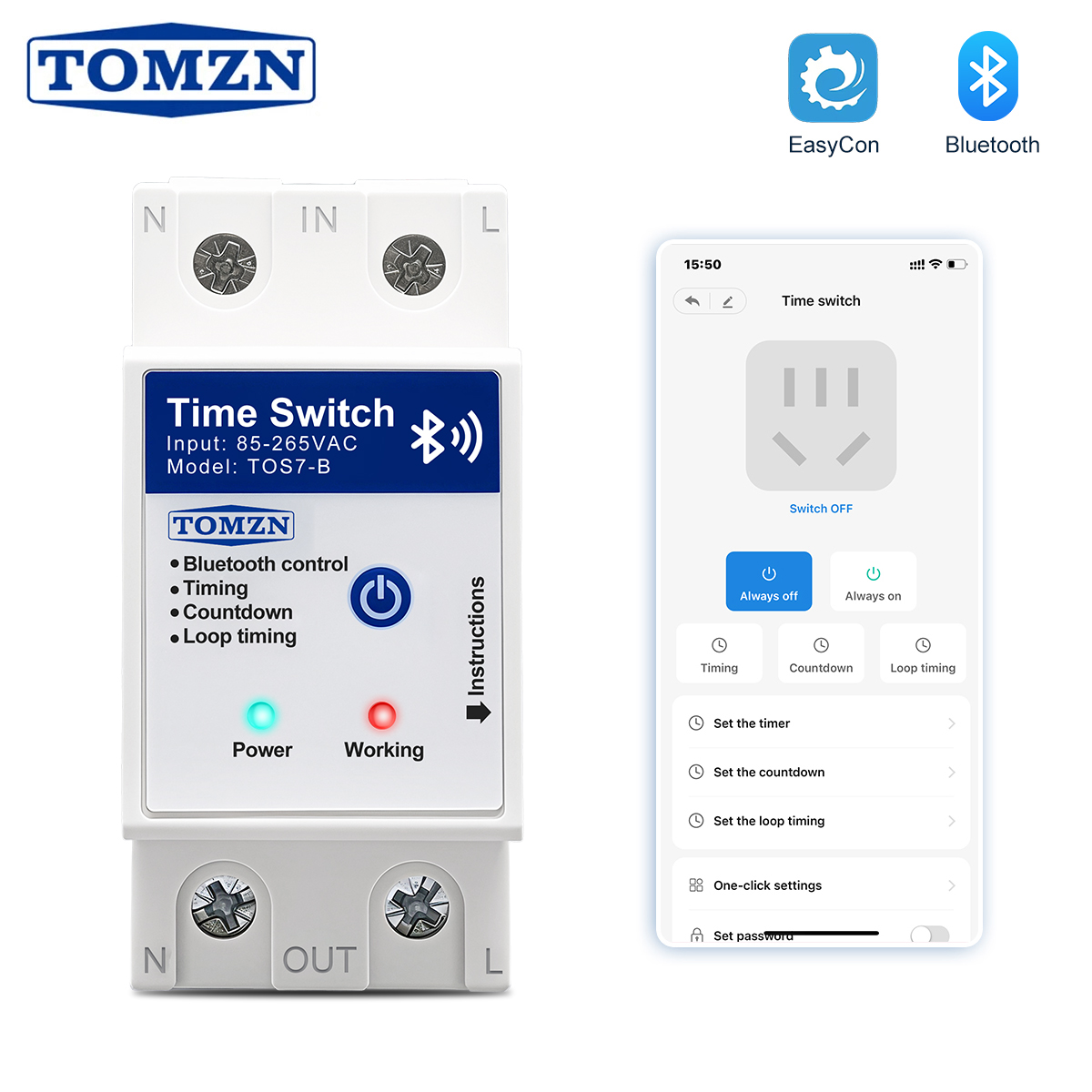
TOMZN TOS7-B Bluetooth Smart Timer Switch 40A 63A
Smart Bluetooth

TOMZN TOS7-B Smart Timer Switch 40A / 63A

  • Voltage: 85–265V AC Wide Range
  • EasyCon App Remote Timing
  • 28 Group Timing Loops
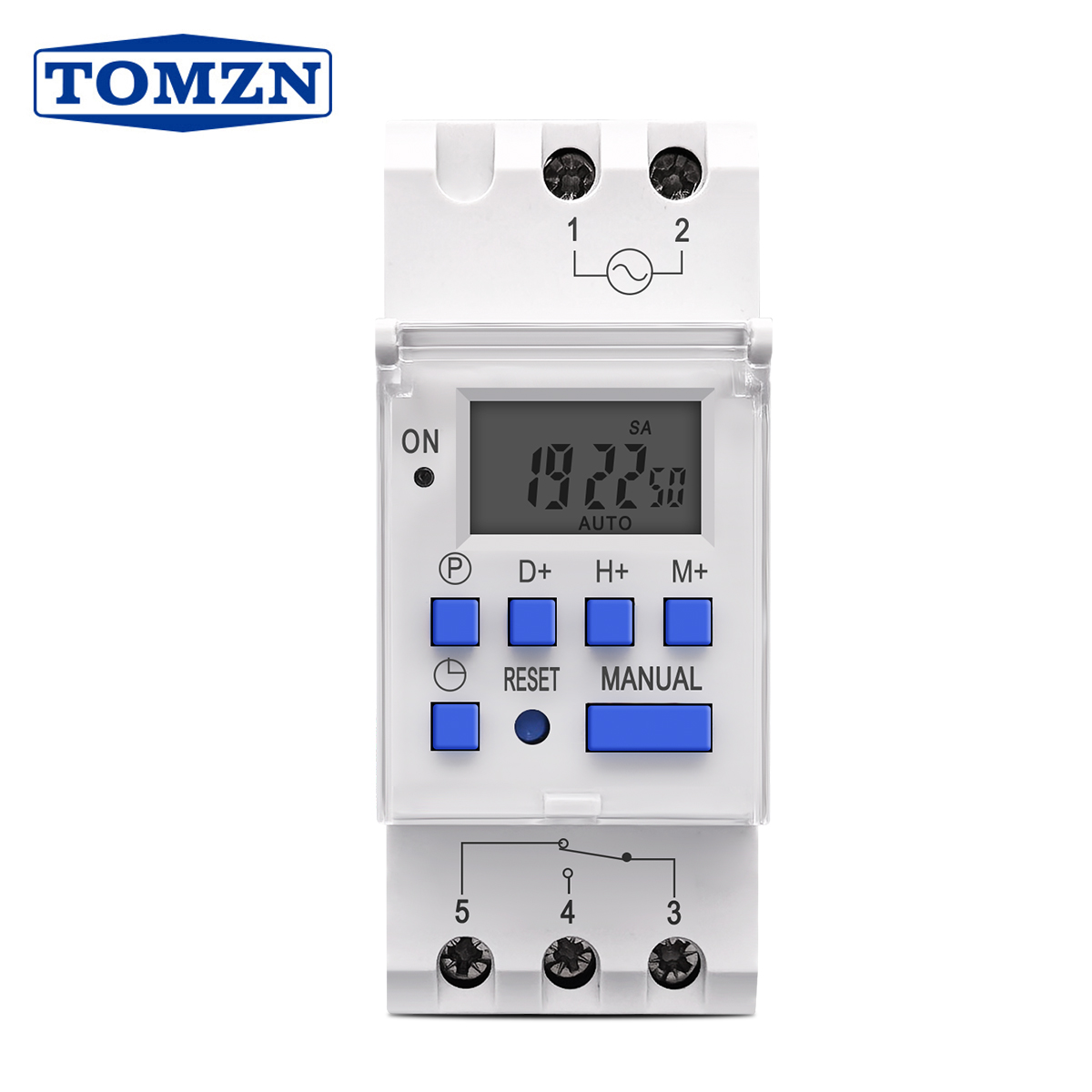
TOMZN 1NO 1NC DIN Rail Single Phase Weekly Programmable Timer
Weekly Digital

TOMZN 1NO 1NC Single Phase 7-Day Timer

  • 16A Switching Output Contact
  • 12V / 24V / 48V / 230V Models
  • LCD Digital Setting Interface
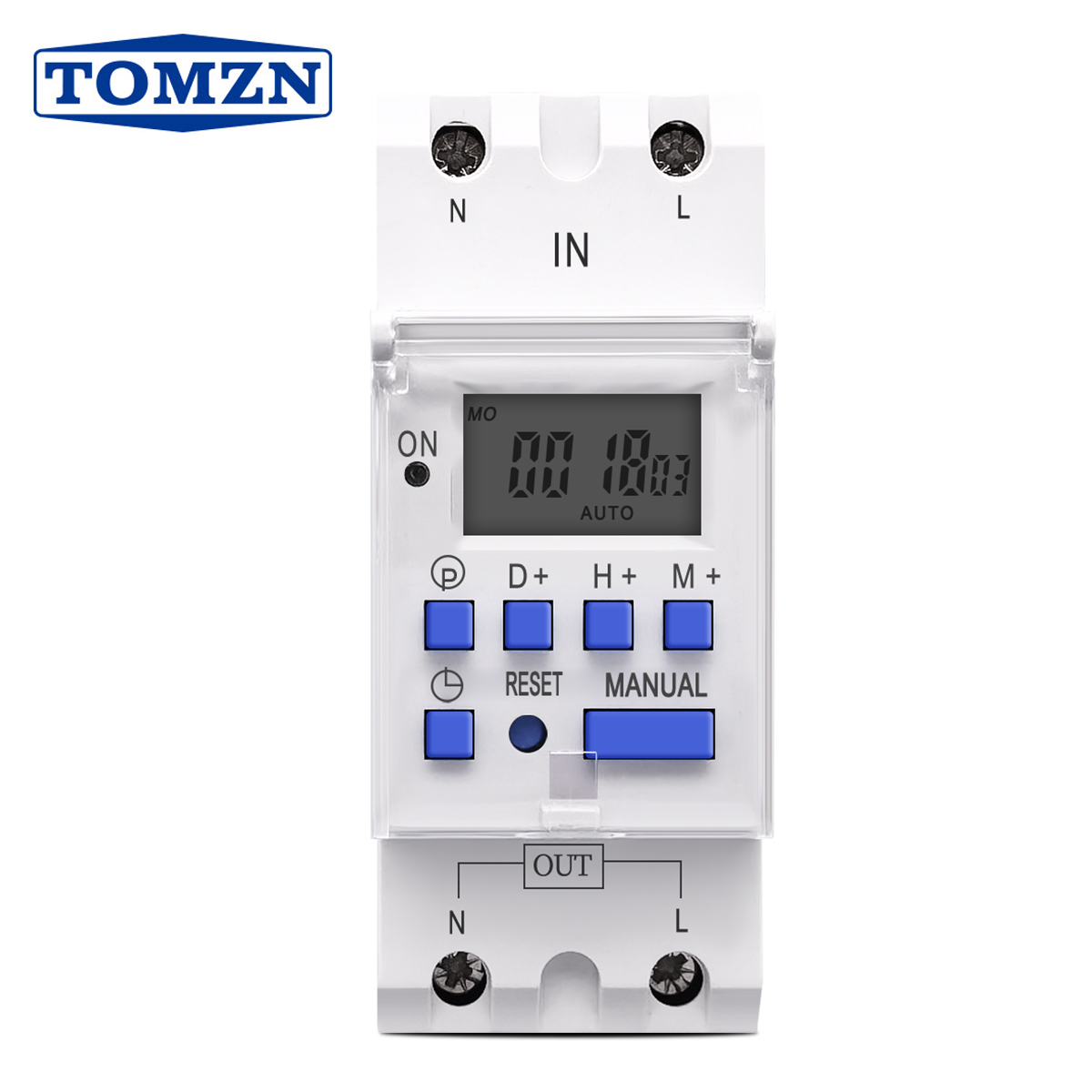
TOMZN New Type Single Phase 7 Days Digital Time Switch Relay
Enhanced Relay

New Type DIN Rail Single Phase Digital Switch

  • 220V/230V 16A Resistive Load
  • High-Precision Quartz Oscillator
  • Lithium Power Reserve Backup
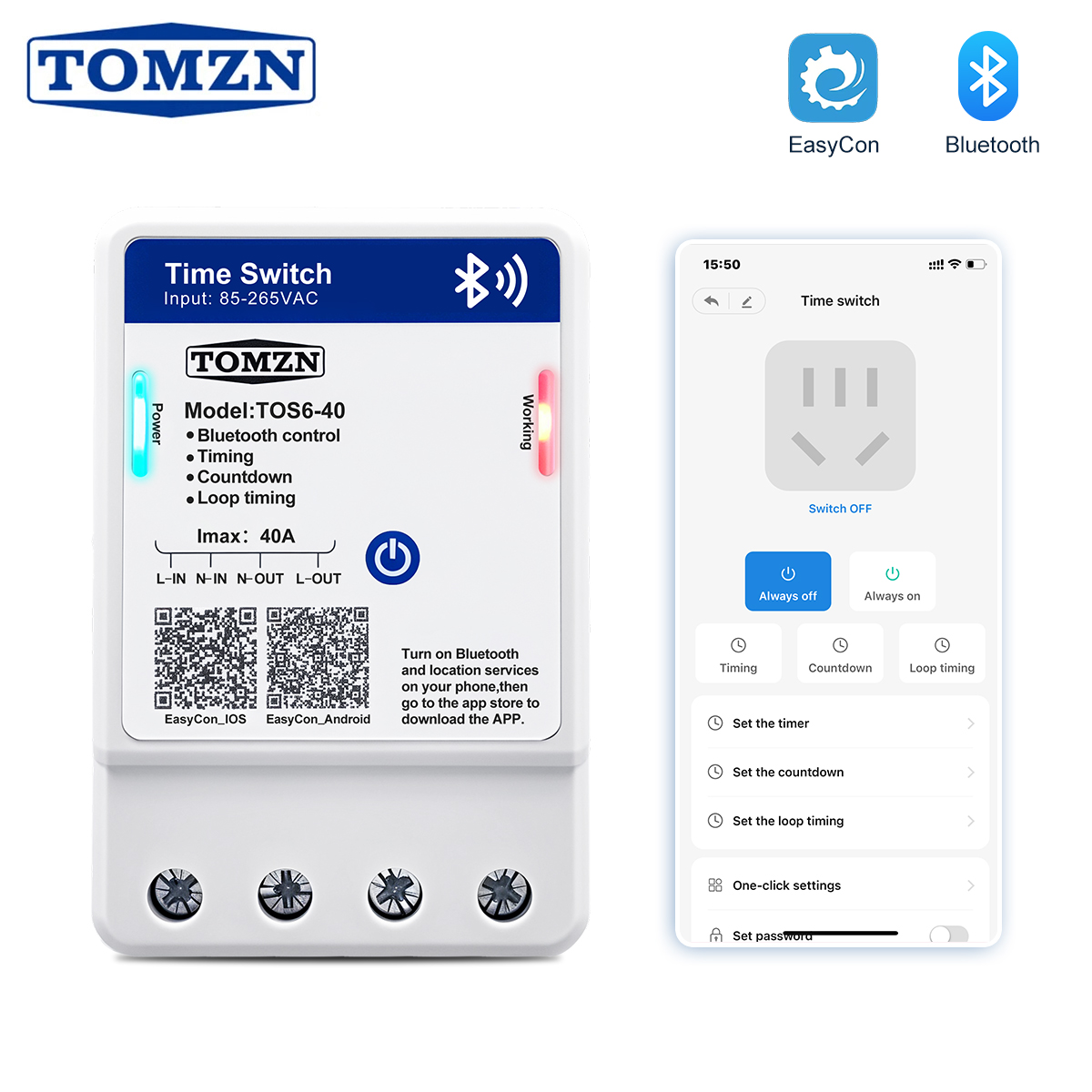
TOS6-40 Bluetooth Time Control Switch 35mm DIN Rail Wall-mounted
Heavy-Duty 40A

TOS6-40 35mm DIN/Wall Bluetooth Control Switch

  • High Inrush Current Resistance
  • Dual 35mm Rail & Wall Mounting
  • Loop & Countdown Synchronization
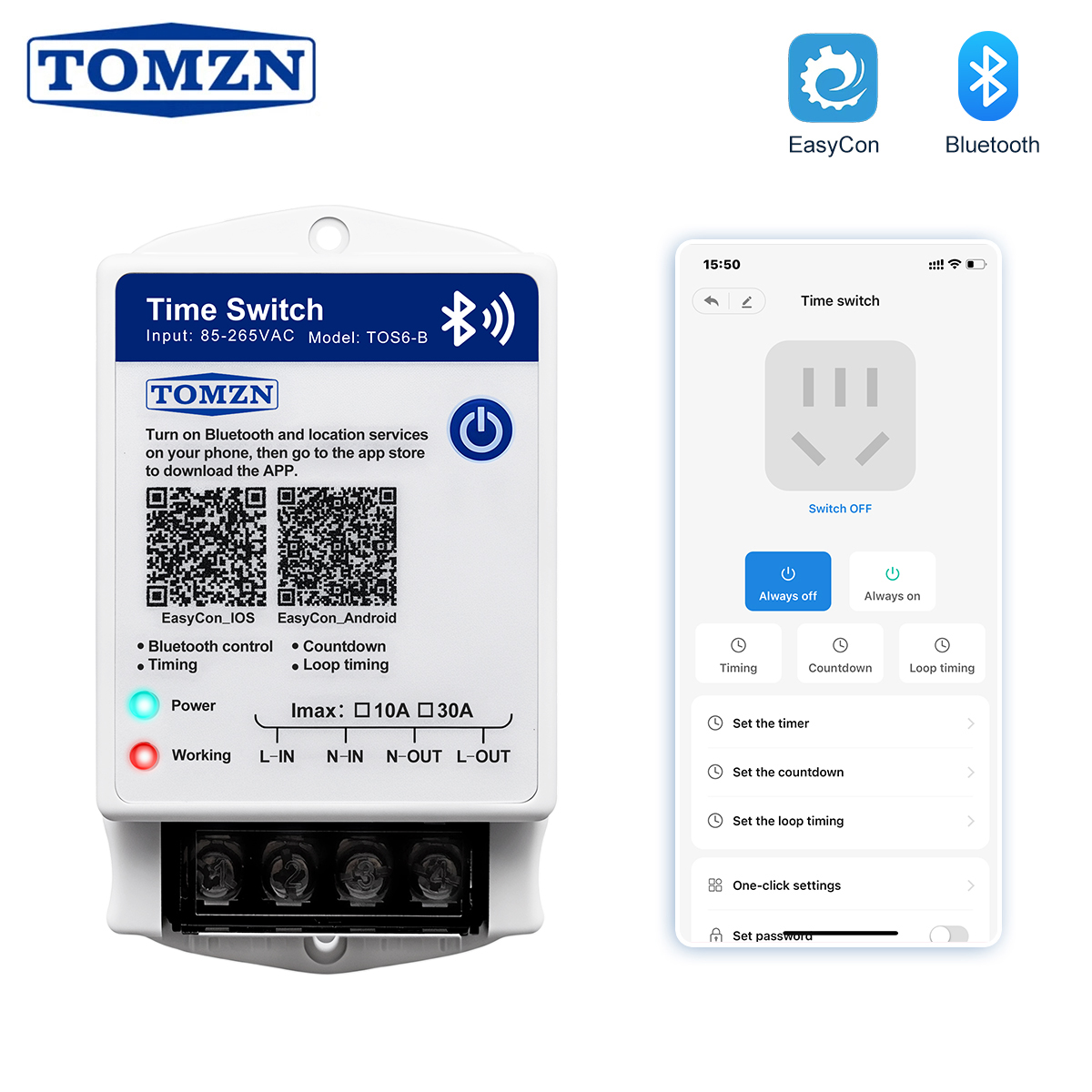
TOMZN Bluetooth Smart Countdown Timer Switch 10A 30A
Multi-Amp Option

TOMZN Bluetooth Smart Timer Switch 10A/30A

  • AC 85–265V Broad Input Range
  • Wall-Mounted Easy Configuration
  • Up to 28 Programmable Groups
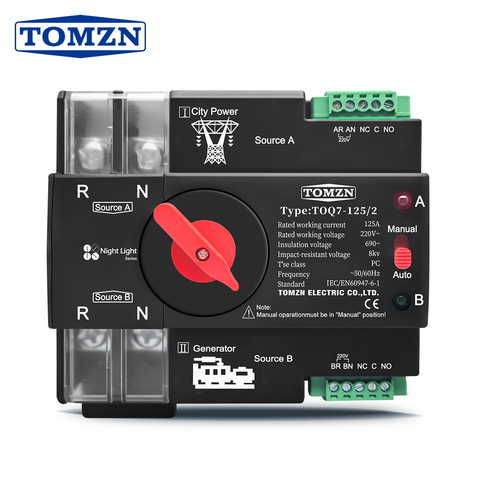
Dual Power Automatic Transfer Cam Starter Integration Switch
Starter Transfer

Dual Power ATS & Cam Transition Mechanism

  • 63A / 100A / 125A High Capacity
  • Millisecond Switching Speed
  • Zero Phase Interference Safety
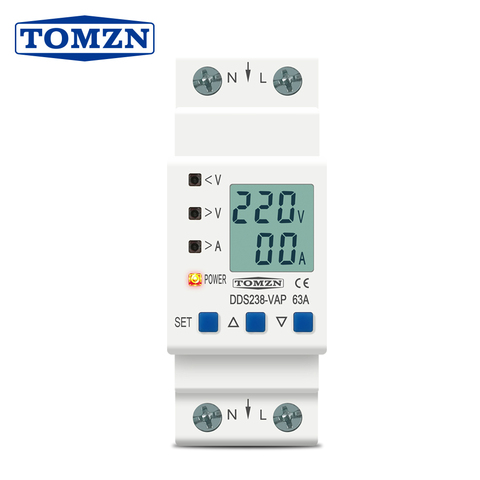
Adjustable Cam Starter Over and Under Voltage Protection Unit
Integrated Protection

Digital Over/Under Voltage Starter Protector

  • Adjustable Surge & Sag Windows
  • Current Limiting & kWh Display
  • 63A/80A Modular DIN Design
Engineering White Paper

Rotary Cam Starter Switch Architecture & Operating Principles

A comprehensive technical evaluation of mechanical sequencing, arc-quenching dynamics, and contact metallurgy in low-voltage motor starter applications.

24+
Years in Manufacturing
5,700m²
Verified Floorspace
100%
TÜV Rheinland Inspected
100,000+
Cycles Mechanical Life

Cam Profile Kinematics

Cam starter switches function through internal mechanical cams fixed to a central shaft. As the rotary operator rotates between angle indices (30°, 45°, 60°, or 90°), precision-molded contour lobes drive double-break contact pushers. This mechanism enforces non-overlapping contact timing (break-before-make or make-before-break), eliminating short-circuit conditions during motor start, reverse, or star-delta transitions.

Silver Alloy Metallurgy

Motor starters encounter severe locked-rotor currents ranging from 6 to 8 times the nominal operating current (AC-3 and AC-4 duty). We utilize high-purity silver-nickel (AgNi) and silver-tin-oxide (AgSnO2) sintered contact points. These materials demonstrate superior anti-welding characteristics, minimal material migration under electric arcing, and prolonged contact tip retention over hundreds of thousands of switching cycles.

Arc Quenching & De-Ionization

Each contact stage is enclosed in a self-extinguishing polyamide (PA66) chamber reinforced with 30% glass fiber, compliant with UL94-V0 flammability standards. Internal de-ionizing splitter chambers rapidly split high-energy motor arcs into segmented micro-arcs, shortening break times to under 10 milliseconds and preventing terminal wall carbon tracking under heavy inductive electrical transients.

Information Gain Insight: While electronic variable-frequency drives (VFDs) and soft-starters have advanced rapidly, heavy-duty mechanical cam starter switches remain the globally preferred solution in severe electrical environments. They provide definitive physical air-gap galvanic isolation, absolute immunity to electromagnetic interference (EMI/EMC), and reliable manual motor control under ambient temperatures from -25°C to +70°C without parasitic standby power draw.
Functional Category Rotary Cam Starter Switch Standard Pushbutton Starter Solid-State Soft Starter
Galvanic Air Gap Isolation Complete physical break (>3mm gap) Dependent on auxiliary contactor None (Semiconductor leakage present)
Inrush Overload Capacity 10× In for 10 seconds (AC-3/AC-4 rated) Contactor coil/contact dependent Limited by thyristor I²t curves
Multi-Speed / Reversing Logic Integrated within a single multi-deck unit Requires complex interlocked contactors Requires software programming and bypass
Operating Temperature Window -25°C to +70°C (Unrestricted) -10°C to +55°C 0°C to +40°C (De-rating required above)
EMI/Harmonic Pollution Zero harmonic distortion, passive device Negligible Requires AC reactors & harmonic chokes
Market Intelligence

Emerging Procurement Trends for Cam Starters & Control Gear

How global procurement directors, switchboard builders, and EPC engineers are optimizing their supply chains for the 2025–2030 industrial lifecycle.

1. Consolidation toward Hybrid Multi-Deck Modules

Global switchboard integrators are phasing out dispersed auxiliary wiring. Modern procurement contracts prioritize compact multi-deck cam starters that incorporate pilot lighting signals, overload relay trip feedbacks, and auxiliary micro-switches in a single front-panel mounting unit. This slashes panel assembly labor by up to 40% and simplifies spare parts management across global maintenance teams.

2. Stringent Environmental & Material Traceability

Western buyers in Europe and North America demand full RoHS 3.0 and REACH documentation. Lead-free silver contact metallurgy, halogen-free fire retardants, and certified thermoset engineering plastics are now non-negotiable procurement qualifiers. Factories in China that provide automated batch tracking and mill test certificates for non-ferrous raw materials win preferential supply contracts.

3. Convergence with Smart DIN-Rail Infrastructure

Industrial installations increasingly require a blend of manual emergency cam starters and automated timer/remote monitoring circuits. Hybrid topologies combining Bluetooth-enabled energy switches, asymmetric cyclers, and manual rotary isolators are rapidly growing in automated pumping stations, HVAC chiller rooms, and agricultural distribution systems.

R&D Roadmap

Next-Generation Technology Roadmap for Cam Starter Systems

Driving reliability forward through smart sensory feedback, modular snap-fit contact blocks, and extreme ingress resilience.

Embedded Micro-Sensing & Health Analytics

Next-gen cam starter switches are being developed with embedded thermal-strip telemetry and optical contact erosion sensors. These non-invasive sensors provide analog status or dry-contact outputs when contact degradation approaches critical thresholds, enabling industrial IoT controllers to schedule predictive switch replacement before catastrophic contact phase-loss occurs.

Tool-Free Modular Snap-Fit Architecture

Moving away from tedious screw-tie rod switch bodies, future series leverage modular interlocking bayonet contact stages. Electrical engineers can add, relocate, or swap contact wafers in the field without disassembling the drive shaft or removing the front rotary bezel, reducing field commissioning downtime from hours to minutes.

IP66 / NEMA 4X Dual-Sealed Enclosures

With widespread expansion of coastal renewable installations, chemical processing, and outdoor water treatment facilities, cam starter front seals utilize fluoroelastomer O-rings and ultrasonic-welded housing bezels. These guarantee water-tight, oil-tight, and chemical-resistant operation even when subjected to direct 100 kPa high-pressure washdowns.

Manufacturing Prowess

Why Zhejiang TMB Electric Is Your Verified Manufacturing Partner

Rooted in China’s low-voltage capital, Liushi, Wenzhou, we bring 24 years of manufacturing discipline, certified quality, and international export credibility.

Liushi Industrial Cluster Ecosystem

Located in Huabei Village, Liushi Town, our 5,700 m² facility is nestled in the world's most concentrated low-voltage manufacturing hub. From high-conductivity electrolytic copper to silver alloys and molds, full supply chain integration is achieved within 5 kilometers, allowing us to maintain tight production schedules, lower tooling costs, and deliver fast sample turnarounds.

TÜV Rheinland On-Site Verified Factory

We believe in total transparency. Our workshop, workforce of 92 skilled employees, assembly lines, and testing equipment have been thoroughly assessed on-site by TÜV Rheinland. We operate rigorous incoming QA, in-process torque checks, dielectric high-potential withstand testing, and final audit checks for complete quality traceability.

Flexible OEM/ODM & Low Trial MOQ

Unlike rigid suppliers that mandate exorbitant minimum quantities, we empower distributors and panel builders with trial order MOQs starting from just 5 pieces. We offer private-label laser etching, custom handle colors, custom angle indexing programs, specialized contact configurations, and tailor-made electrical combiner enclosures.

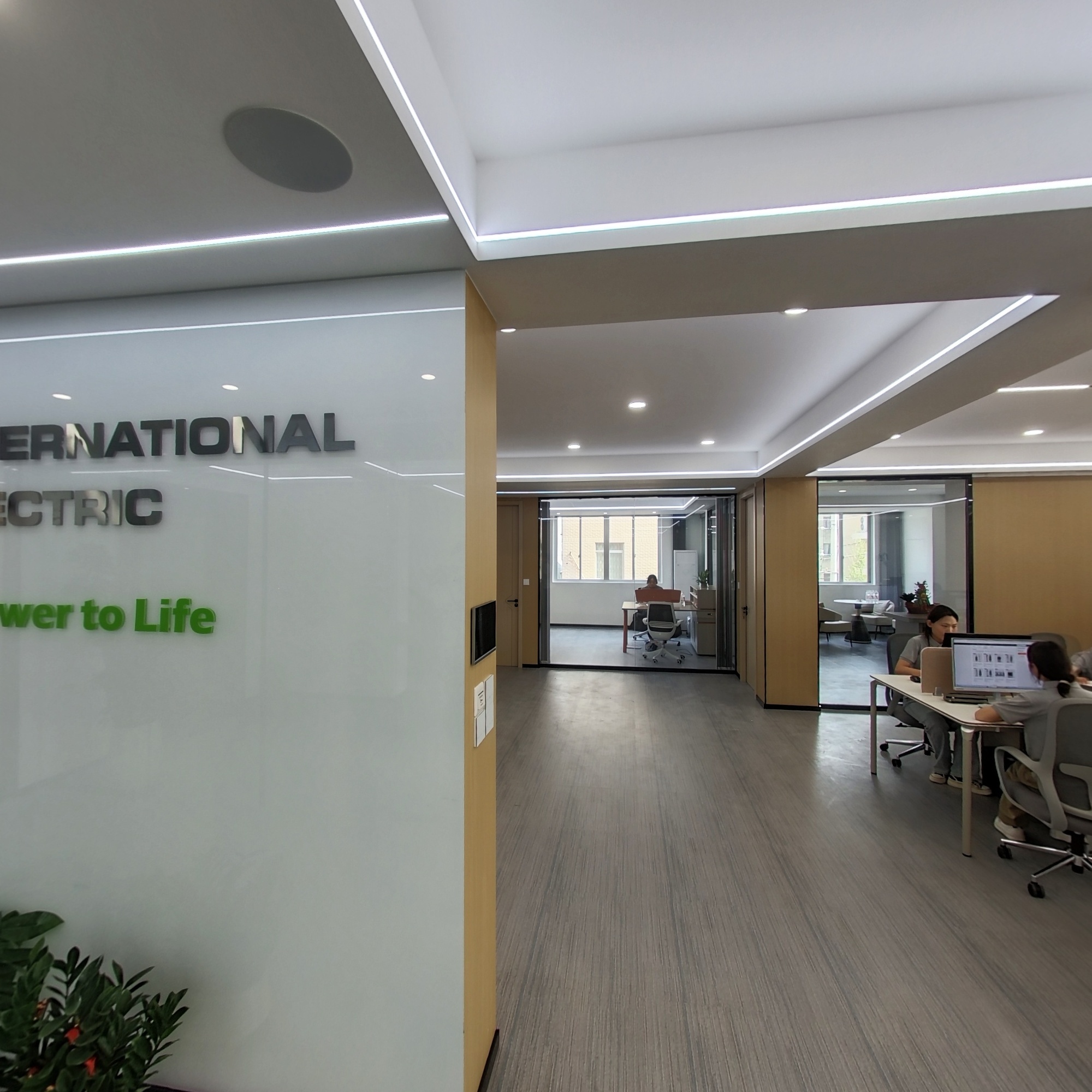
Zhejiang TMB Electric automated production workshop

Standardized Assembly Workstations

Controlled assembly processes for switch contactors, timers, and breakers.

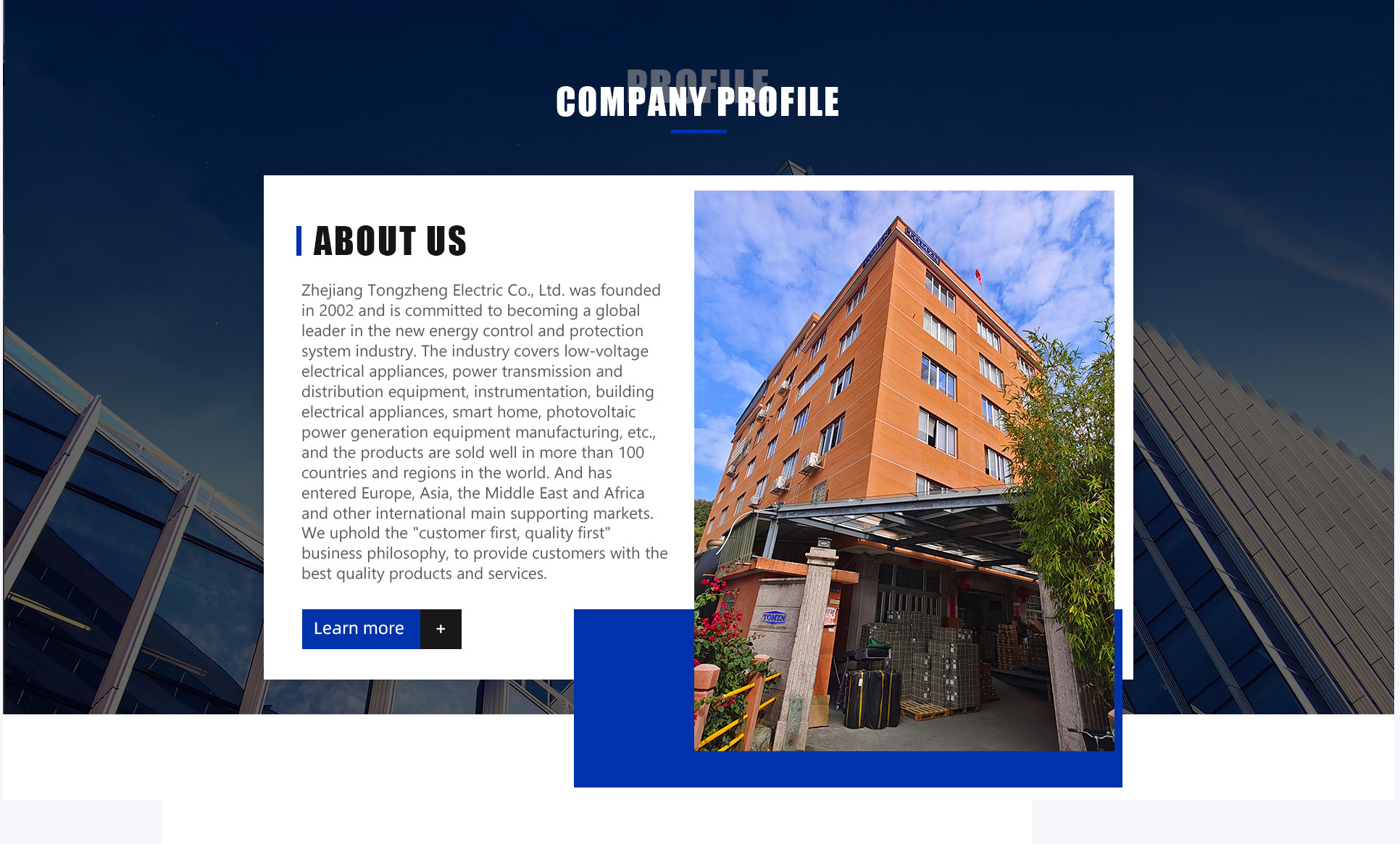
Zhejiang TMB Electric factory facility panoramic view

5,700 m² Dedicated Production Base

Modernized facility housing assembly, calibration, packaging, and QA testing labs.

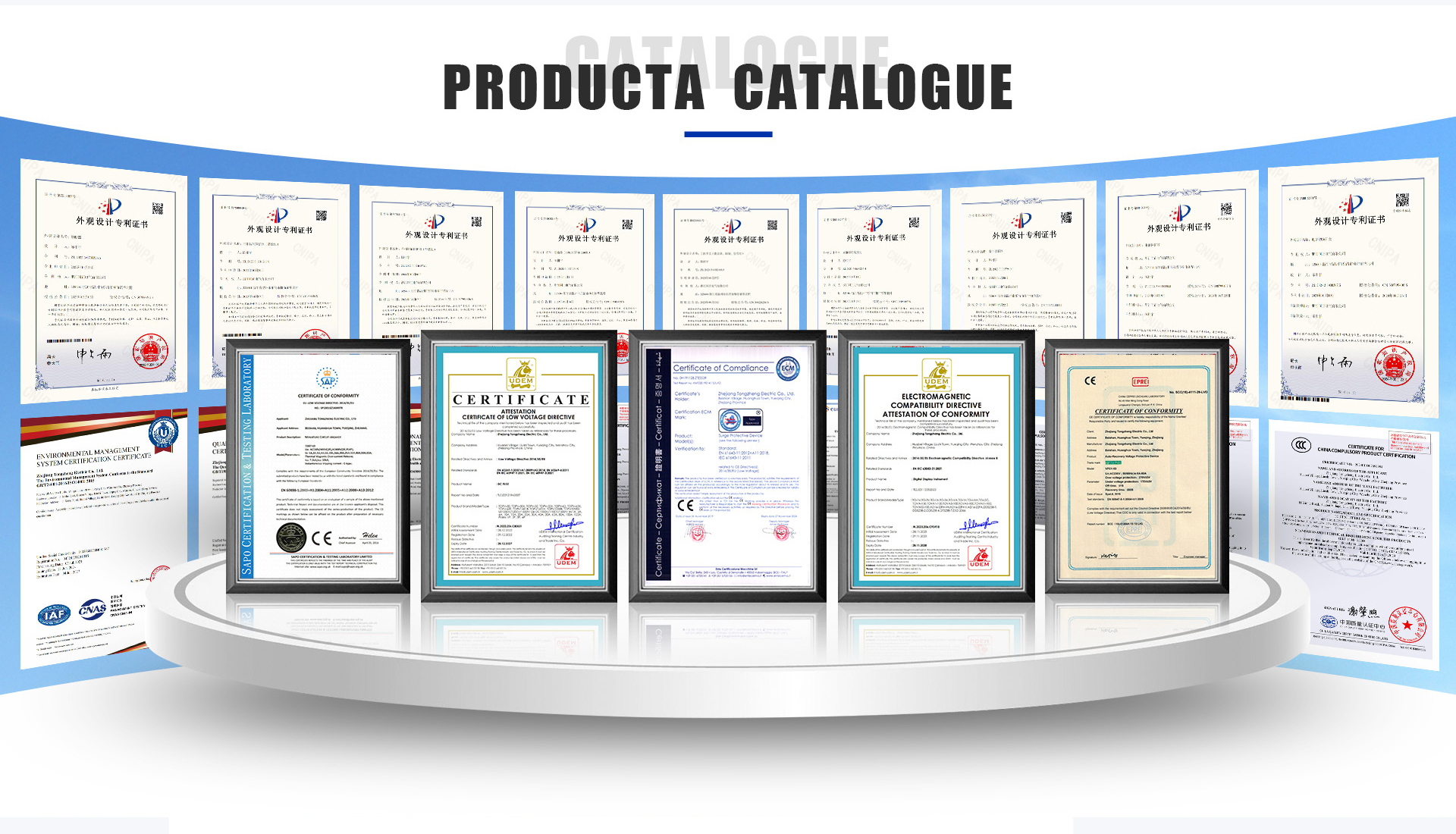
Certified low-voltage testing and quality honors

Tested & Certified Compliance

CE marked models and certified Quality Management Systems for global compliance.

Buyer Guide & FAQ

Frequently Asked Questions on Cam Starters & Control Sourcing

Clear, direct engineering answers to help you specify, test, and import low-voltage electrical switches with confidence.

What is the difference between an AC-3 and AC-4 rating on a cam starter switch?
Under IEC 60947-3 standards, AC-3 duty applies to standard squirrel-cage motor starting and stopping at normal running speeds, where breaking current is approximately nominal full-load current (In). AC-4 duty represents far more severe operating stresses, including jogging (inching), plugging, and reversing while the motor is running. During AC-4 duty, the cam switch contacts must break the full locked-rotor current (typically 6× to 8× In). When sizing a cam starter for conveyor belts, overhead hoists, or frequently reversed machines, always specify according to AC-4 ampere ratings rather than nominal thermal current (Ith).
How does rotary cam switch contact sequencing prevent multi-phase short circuits?
Our cam starter switches utilize precision-engineered mechanical cam contours that enforce strict "break-before-make" (non-overlapping) switching logic. In reversing starters or Star-to-Delta (Wye-Delta) configurations, the forward or Star contact circuit is physically driven to a fully open state with verified dielectric clearance before the internal rotary mechanism allows the reverse or Delta contact stage to close. This physical mechanical interlock makes phase-to-phase short circuits impossible, even if the operator rotates the control handle rapidly.
Can your cam starter switches be customized for non-standard switching angles and diagrams?
Yes. We provide complete OEM/ODM engineering customization. Beyond common 3-position (1-0-2) and 4-position (0-1-2-3) switches at 60° indexing, we engineer custom cam profiles supporting 30°, 45°, and 90° rotation, spring-return mechanisms, key-lock interlocks, cylinder padlocking handles, and complex multi-deck schemes with up to 12 switching stages. Customers can submit their contact closure schedule table or single-line diagram, and our engineering team will provide custom layout drawings within 24 hours.
What certifications, test documentation, and factory audits are available?
Zhejiang TMB Electric Co., Ltd. operates under certified ISO9001 quality management guidelines. Our products feature CE markings for European market compliance, and our factory facility in Liushi, Wenzhou has been audited and verified on-site by TÜV Rheinland. Full product test reports, dielectric insulation certificates, mechanical endurance data, and third-party audit reports are readily available upon request prior to placing volume orders.
What is your minimum order quantity (MOQ) and production lead time?
To support prototype trials, replacement jobs, and project test phases, standard catalog models have an ultra-low trial MOQ starting from just 5 pieces (and selected timer models from 1 piece). For volume production and private-label OEM orders, standard lead times are typically 7 to 15 business days, supported by our direct proximity to copper and component supply chains in Liushi.

Ready to Streamline Your Electrical Switch Procurement?

Get in touch directly with our electrical engineering and export department. Share your contact diagram, target load specifications, or OEM branding requirements for a competitive factory quotation and rapid sample delivery.