
Smart Control
Engineered for rigorous industrial duties, our specialized protection units, programmable timers, and DIN-rail modules provide comprehensive overload, phase failure, and automated operational safety.


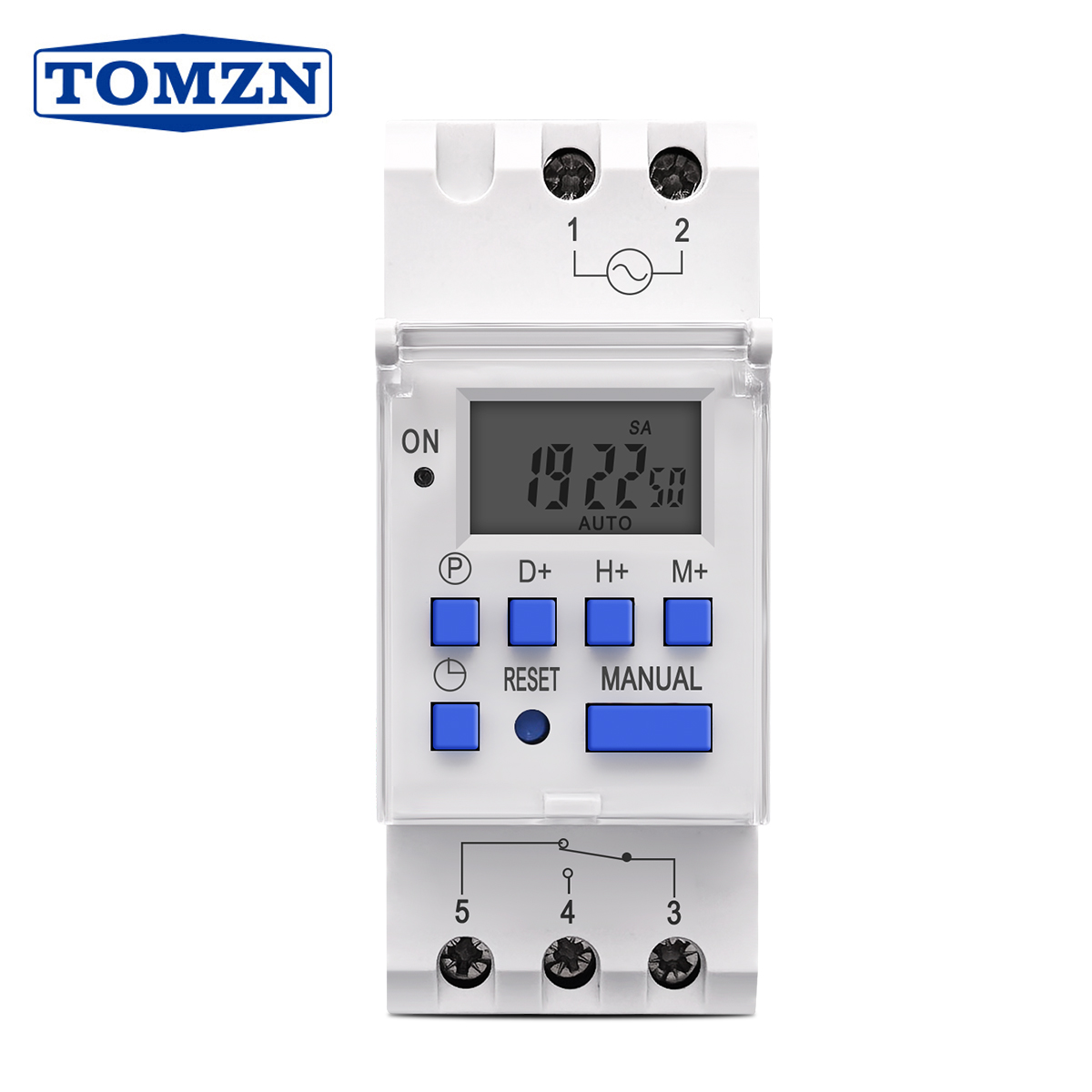

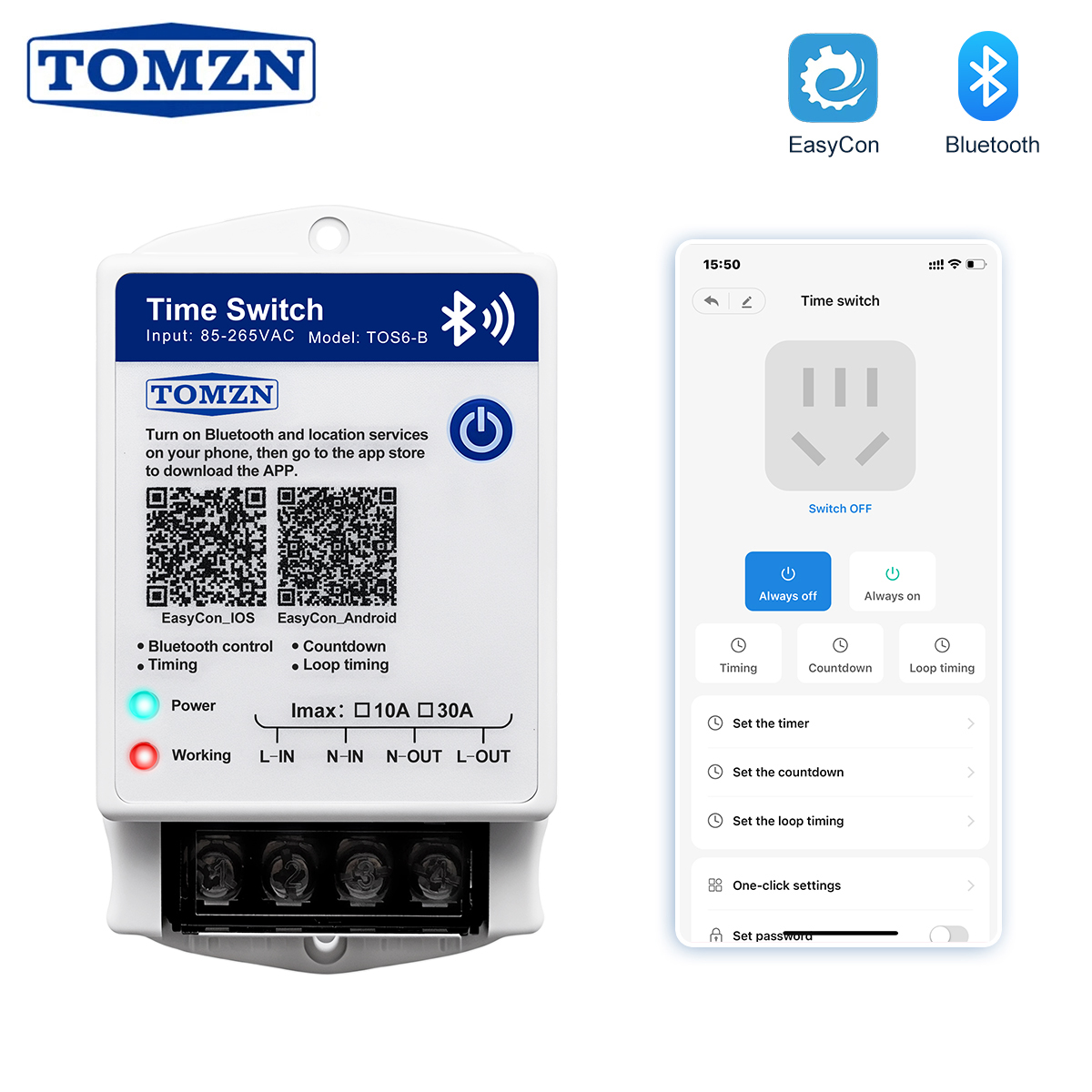
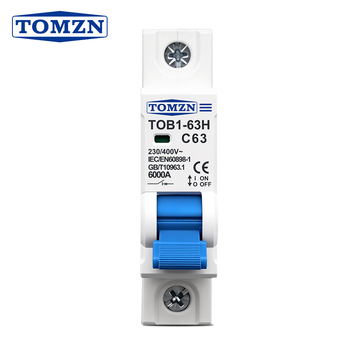
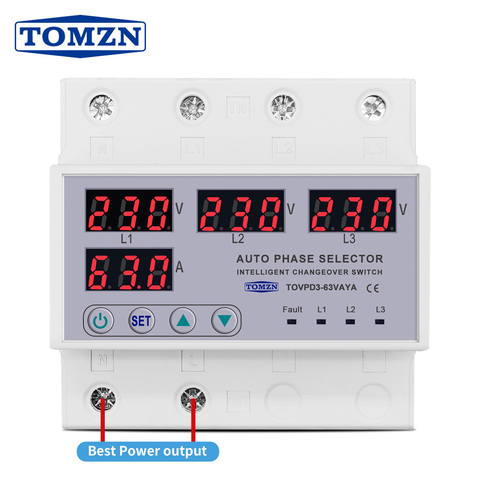
In accordance with evolving IEC 60947-4-1 standards and the rise of smart factory automation, procurement paradigms are migrating from standalone thermal-magnetic trip units to intelligent, connected motor protection systems.
Global procurement teams prioritize Type 2 Coordination to ensure zero-welding of contactors and instant breaker resetting after a fault. Consolidating branch motor disconnect, short-circuit, and overload mechanisms into a single MPCB body reduces panel assembly space by over 45% and minimizes overall installation labor costs.
OEM buyers are migrating to standardized 35mm DIN-rail modules that simplify field replacement and lower maintenance downtime across global manufacturing lines.
Conventional bimetallic strips often fail to track repetitive motor thermal stress caused by cyclic stop-starts. Next-generation breakers incorporate electronic thermal memory with dynamic ambient compensation (-20°C to +60°C).
This innovation completely avoids nuisance tripping in harsh environments like steel mills and chemical facilities, maintaining peak productivity while providing strict Class 10/20 trip characteristics.
Industrial electrification demands connected field devices. Procured switchgear now frequently integrates Bluetooth, Modbus RS485, and WiFi capabilities directly on the breaker or paired secondary module.
Real-time edge monitoring of starting inrush current, contact wear levels, and phase-unbalance percentages allows operations engineers to execute predictive repairs before motor winding burnout occurs.
Understanding the transition from traditional fusible switches and thermal relays to modern Integrated Motor Protection Circuit Breakers (MPCB).
| Evaluation Parameter | Legacy Fuse + Overload Relay | Standard Thermal-Magnetic MCB | Advanced MPCB / Smart Hybrid Unit |
|---|---|---|---|
| Short-Circuit Breaking (Icu) | Moderate; Requires fuse replacement | 6kA - 10kA (General distribution) | Up to 50kA - 100kA without upstream fuse |
| Phase Loss Sensitivity | Poor; High rate of motor burnout | None; Operates strictly on total current | Differential phase failure mechanism (< 3s trip) |
| Adjustable Full Load Amps (FLA) | Limited dial or single heater sizing | Fixed trip curve rating (B, C, D) | Precision dial setting (0.1A increments) |
| Panel Footprint | Bulky (Requires multiple devices) | Medium; Separate contactor & relay | Ultra-compact, all-in-one 45mm DIN module |
| Smart Diagnostics & Control | Zero communication interface | Manual reset toggle only | Integrated Bluetooth / IoT / App status telemetry |
Headquartered in Huabei Village, Liushi Town, Wenzhou—the industrial capital of China's electrical equipment—Zhejiang TMB Electric Co., Ltd. has accumulated over 24 years of manufacturing excellence in low-voltage protection, motor control, and renewable energy components.



Expert answers addressing compliance, curve calibration, and global sourcing parameters.
Standard MCBs (Curve C or D) are designed primarily to safeguard cabling rather than active machinery. MPCBs feature adjustable overload current trip dials tuned directly to the motor’s Full Load Amperage (FLA), incorporate built-in phase-failure differential protection, and tolerate repetitive inrush currents without unwanted tripping.
Trip classes define how long a breaker takes to isolate a locked-rotor condition. A Class 10 breaker trips within 10 seconds at 600% of rated thermal current (ideal for standard pumps, fans, and conveyor drives), while Class 20 accommodates heavy-inertia industrial loads like ball mills and large centrifuges.
Yes. We provide complete OEM and ODM engineering services. This includes configuring auxiliary and alarm signal contacts (1NO+1NC, 2NO), undervoltage release coils, IP55/IP65 surface mount enclosures, and private label silkscreening to meet your brand’s regional specifications.
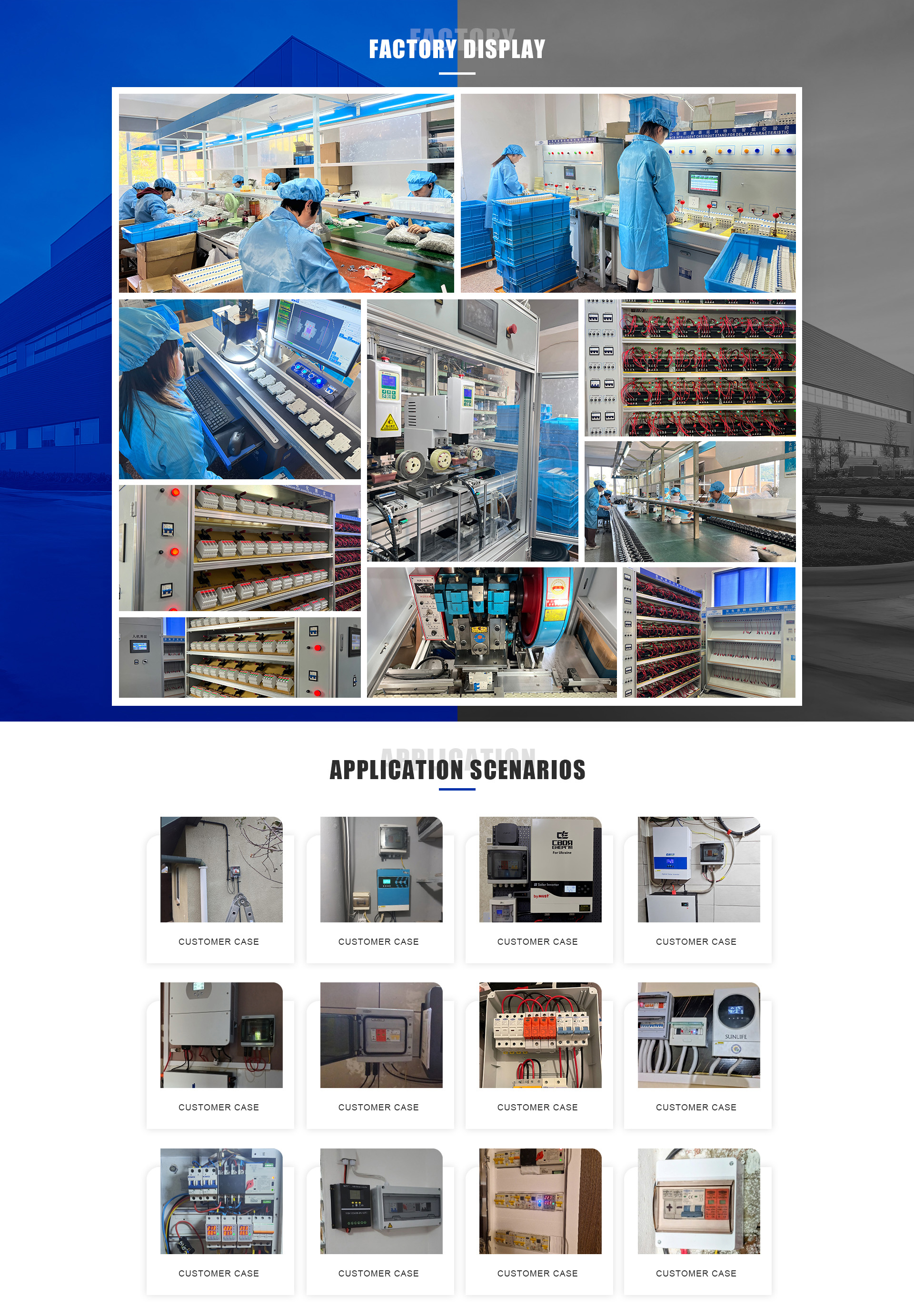
Every motor breaker unit undergoes computer-controlled multi-station bench testing. We verify thermal bimetal deflection curve calibration at nominal load, followed by impulse magnetic latch testing at 12–14 times the set current to guarantee absolute isolation under genuine short-circuit conditions.