Time Relay

TORT7 Series Delay-ON Delay-OFF 10in1 Asymmetric Cycler Time Relay
0.1S-10D Range
Pulse Gen
DIN Rail
Engineered for high mechanical endurance, instantaneous arc extinguishment, and seamless DIN-rail distribution board integration.
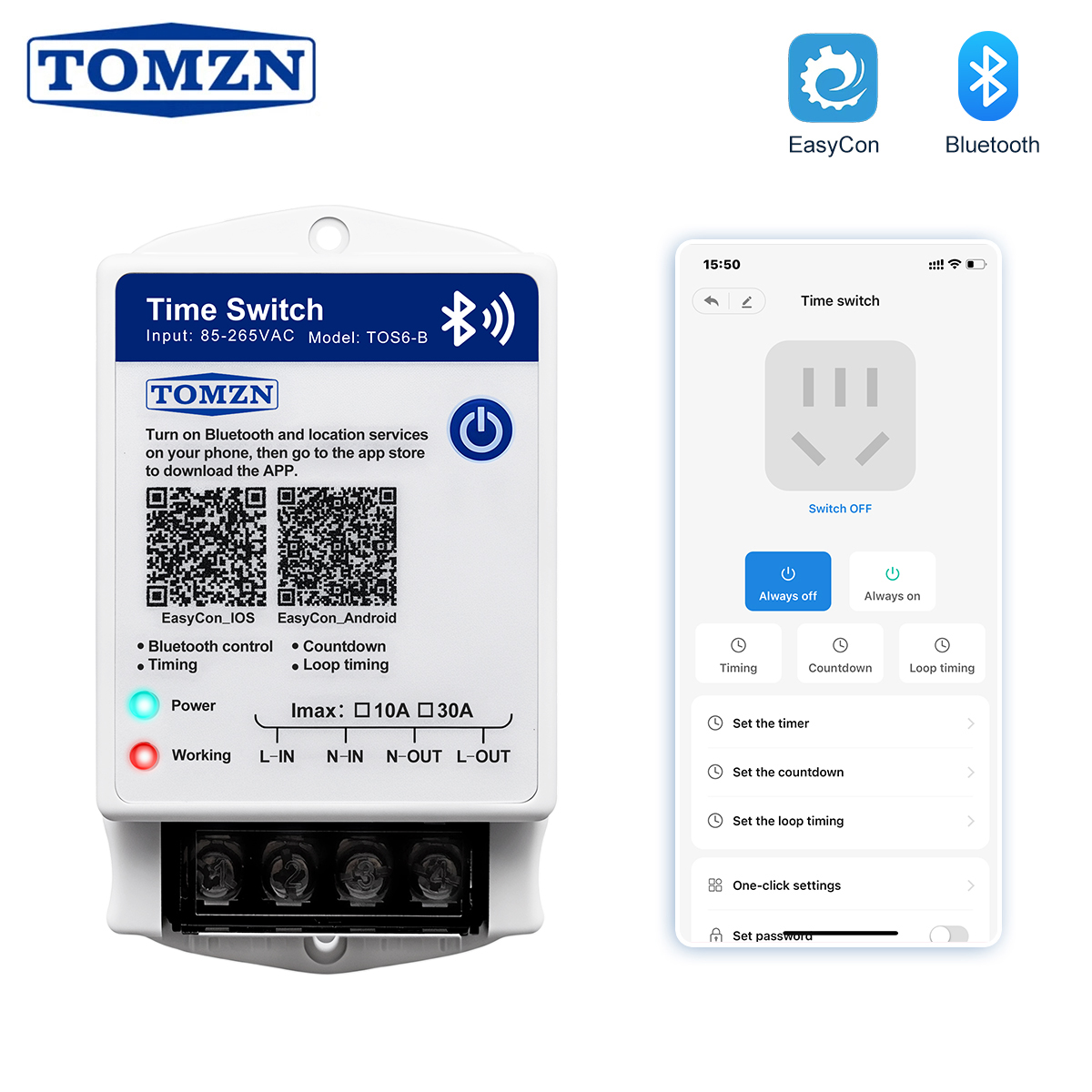

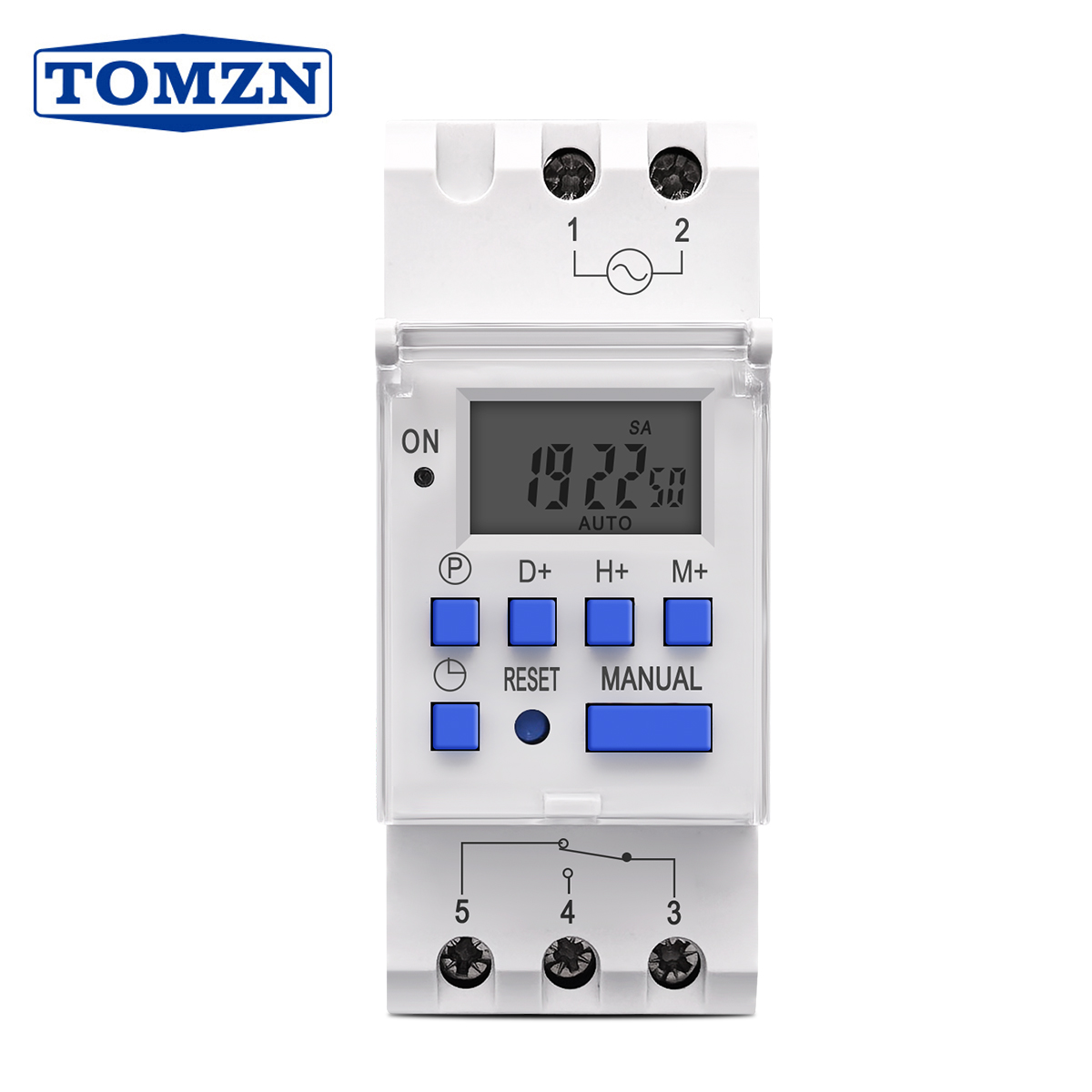


In low- and medium-voltage electrical power distribution, the Load Break Switch (LBS)—also referred to internationally as a switch-disconnector—occupies a vital position between standard non-load disconnectors and complete fault-clearing circuit breakers. When global EPC contractors, industrial panel builders, and energy distributors search for top-tier manufacturing partners in China, the geographic, technological, and supply-chain epicenter converges on Liushi Town, Yueqing, within Wenzhou, Zhejiang Province.
Liushi manufactures over 65% of China's low-voltage electrical apparatus. This specialized industrial cluster consolidates every tier of component manufacturing within a 5-kilometer operational radius. High-conductivity electrolytic copper strip stamping, silver cadmium oxide (AgCdO) and silver tin oxide (AgSnO2) contact welding, glass-fiber reinforced unsaturated polyester (DMC/SMC) thermo-compression molding, and precision high-speed spring-charge kinematic mechanisms are localized completely. This ultra-dense industrial topology eliminates long-distance transit overhead, protects component traceability, and delivers standard production cycle turnaround times 35% shorter than disparate manufacturing operations throughout Southeast Asia and Eastern Europe.
To procure load break switches with engineering confidence, system designers must clearly differentiate the mechanical and electromagnetic physics separating a standard disconnector (isolator), a switch-disconnector (LBS), and a molded-case circuit breaker (MCCB). Under IEC/EN 60947-3 guidelines, an LBS must safely make, carry, and break specified operational currents under nominal rated voltage conditions, while maintaining sufficient dielectric clearance distances in its open state to guarantee galvanic isolation across maintenance boundaries.
The core challenge in load break design lies in arc extinction dynamics during contact separation. Under inductive alternating current (AC-22A, AC-23A) and high-voltage direct current (DC-PV1, DC-PV2) conditions, opening the galvanic contacts generates an ionized plasma channel. AC currents benefit from a natural zero-crossing every half-cycle (10ms at 50Hz, 8.33ms at 60Hz), allowing magnetic de-ion plates within the arc chutes to split, stretch, cool, and extinguish the arc swiftly. Conversely, direct currents possess zero natural voltage null points. Direct current sustained arcs require rotary double-break contact configurations, permanent magnetic blowout fields that mechanically force the ionized plasma into narrow ceramic or arc-resistant splitter chambers, and high contact separation velocities exceeding 3.5 m/s, preventing terminal degradation and catastrophic phase-to-phase flashover.
Utilizing rotary double-break knife contacts and sintered AgSnO2 metallurgical alloys to achieve ultra-low contact resistance, high thermal withstand (Icw), and resistance to contact welding during downstream fault current surges.
Multi-plate de-ionizing arc chambers combined with high-ablation polyoxymethylene (POM) gas-generating liners quench electrical arcs within milliseconds, preventing terminal ablation and ionization gas migration across pole barriers.
Independent manual or motorized spring-stored energy actuators deliver instantaneous switching speeds independent of operator handle actuation force, avoiding intermediate contact dwelling and dangerous partial arc formation.
Procuring the optimal load break switch requires evaluating utilization categories dictated by load types. Installing an AC-21A switch into a highly inductive industrial motor circuit (requiring AC-23A) leads to premature contact failure, excessive Joulean heating, and catastrophic thermal breakdown under high ambient panel temperatures.
| Standard Designation | IEC Utilization Category | Typical Load Application | Making Capacity (x Ie) | Breaking Capacity (x Ie) | Arc Extinguishment Difficulty |
|---|---|---|---|---|---|
| Resistive Load LBS | AC-21A / AC-21B | Heating elements, standard non-inductive loads | 1.5 x In | 1.5 x In | Low (Minimal phase displacement) |
| Mixed Inductive Switch | AC-22A / AC-22B | Commercial lighting, mixed commercial distribution | 3.0 x In | 3.0 x In | Moderate (Cos φ = 0.65) |
| Severe Motor Disconnect | AC-23A / AC-23B | Compressors, industrial induction motor banks | 10.0 x In | 8.0 x In | High (Cos φ = 0.35 to 0.45) |
| Photovoltaic DC Isolator | DC-PV1 | Utility/Residential solar array strings, inverters | 1.5 x In | 1.5 x In | Very High (L/R constant = 1ms, No zero crossing) |
| Battery Energy Disconnect | DC-PV2 / DC-22B | BESS containers, high-voltage lithium racks | 4.0 x In | 4.0 x In | Critical (High continuous short-circuit energy) |
Purchasing managers, electrical wholesalers, and utility procurement directors are adjusting technical specifications in response to macro power shifts: renewable electrification, localized distributed generation, and industrial IoT automation. Suppliers unable to upgrade their manufacturing infrastructure beyond basic manual disconnectors are being replaced rapidly by engineering-driven manufacturing centers.
Utility solar arrays and commercial battery systems (BESS) are moving from 1000V DC to 1500V DC topologies, requiring extended creepage distances and specialized wide-gap rotary contacts.
Manual lever mechanisms are integrating motorized remote actuators, auxiliary micro-switches, and integrated Modbus-RTU/LoRa interfaces for SCADA plant management.
Global markets require RoHS 3.0, REACH SVHC, and halogen-free low-smoke flame-retardant housings (UL 94 V-0 rating), phasing out traditional phenolic resins.
Purchasers favor pre-wired IP65/IP66 weatherproof combiner enclosures incorporating load break switches, surge arresters, and metering directly off the factory line.
Medium-voltage distribution centers are eliminating Sulfur Hexafluoride (SF6) gas insulated switches in favor of vacuum interrupter vials and environmentally inert solid insulation.
As an industry leader rooted in Liushi Town, Wenzhou, Zhejiang TMB Electric Co., Ltd. represents over 24 years of manufacturing and export excellence. Covering an assessed 5,700 m² modern manufacturing footprint with 92 verified technicians, our operations integrate automated contact stamping, high-torque mechanism calibration, and comprehensive pneumatic inspection benches.
Our facility holds verified on-site supplier certification from TÜV Rheinland, an operating ISO9001 quality management framework, and CE marking across core industrial series. From low initial trial orders (MOQ starting at 5 pieces for catalog items) to complete OEM/ODM customized brand assemblies, custom DC voltage calibrations (500V, 600V, 800V, 1000V, 1200V, and 1500V), and integrated private-label pad printing, TMB bridges Chinese industrial cost advantages with international engineering compliance.
Key technical answers addressing switch-disconnector engineering, procurement safety, compliance protocols, and factory operations.
Collaborate with our senior electrical application engineers to match load break ratings, arrange custom OEM configurations, or obtain comprehensive TÜV Rheinland and CE compliance documentation.