High-Performance Low-Voltage Surge Arresters & Intelligent DIN-Rail Devices
Explore eight core components trusted by global panel builders, solar EPC contractors, and electrical wholesalers across 100+ countries. Factory-direct availability with low trial MOQs.
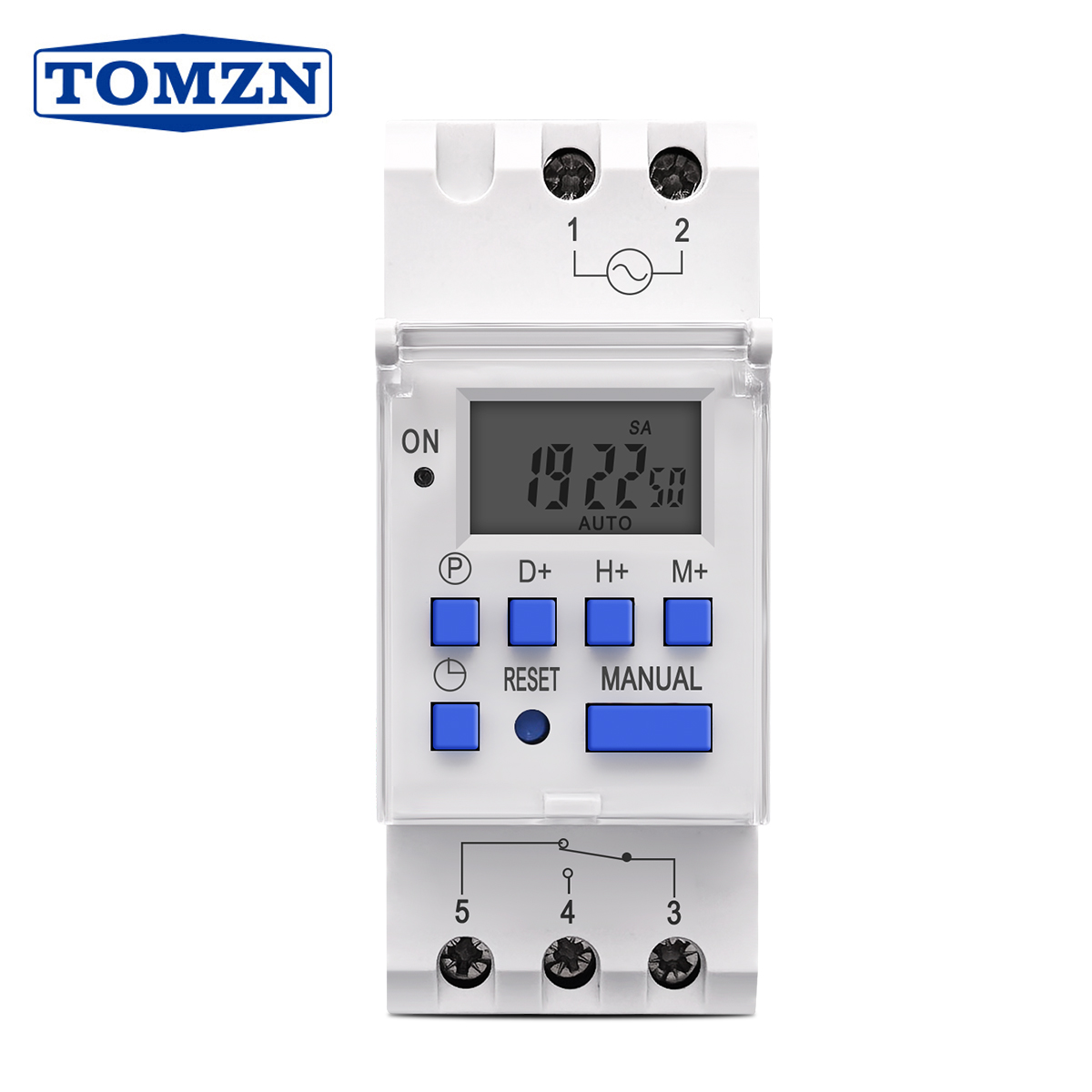
TOMZN 1NO 1NC Din Rail Weekly 7-Day Digital Time Switch Relay
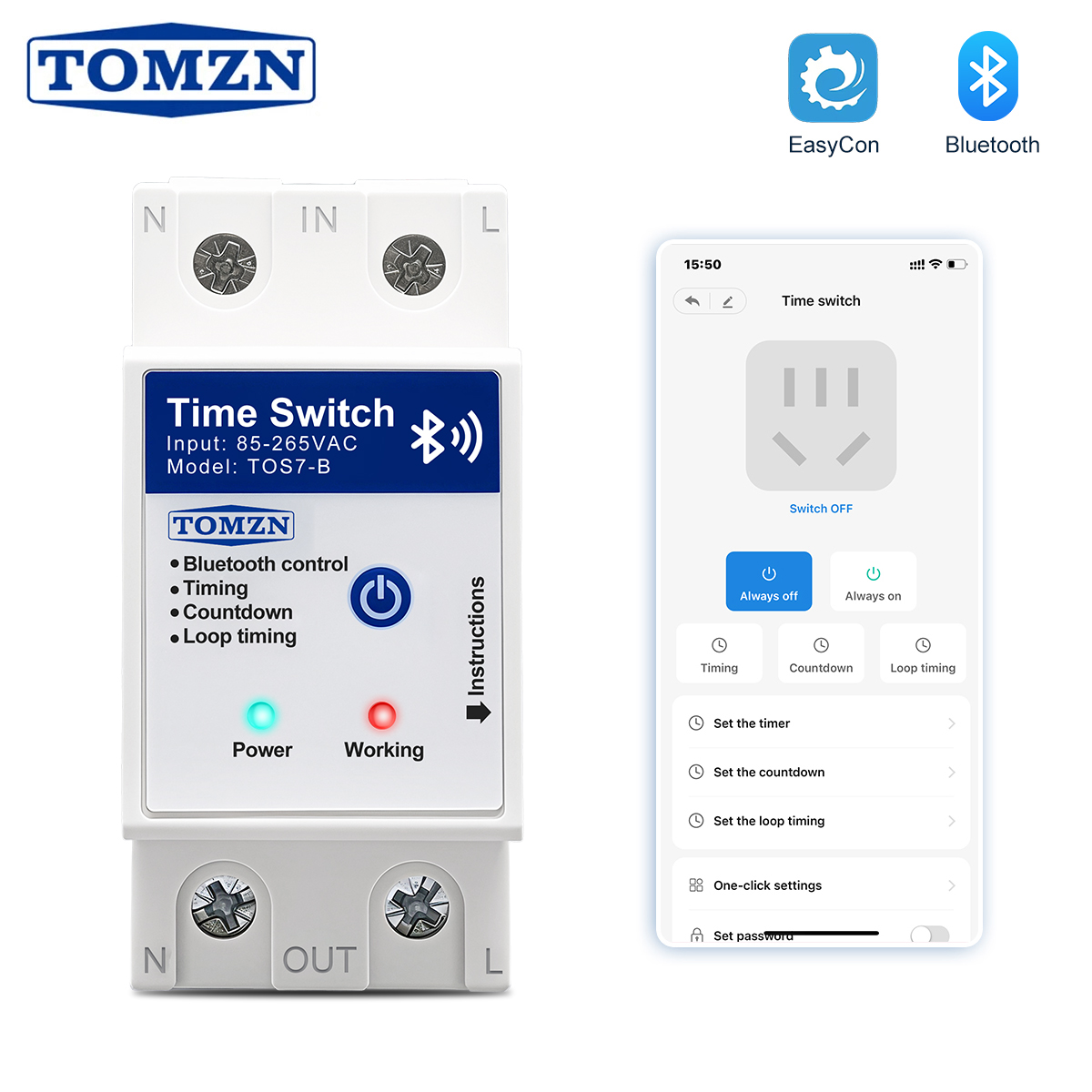
TOMZN TOS7-B Bluetooth Smart Timer Switch 40A/63A EasyCon
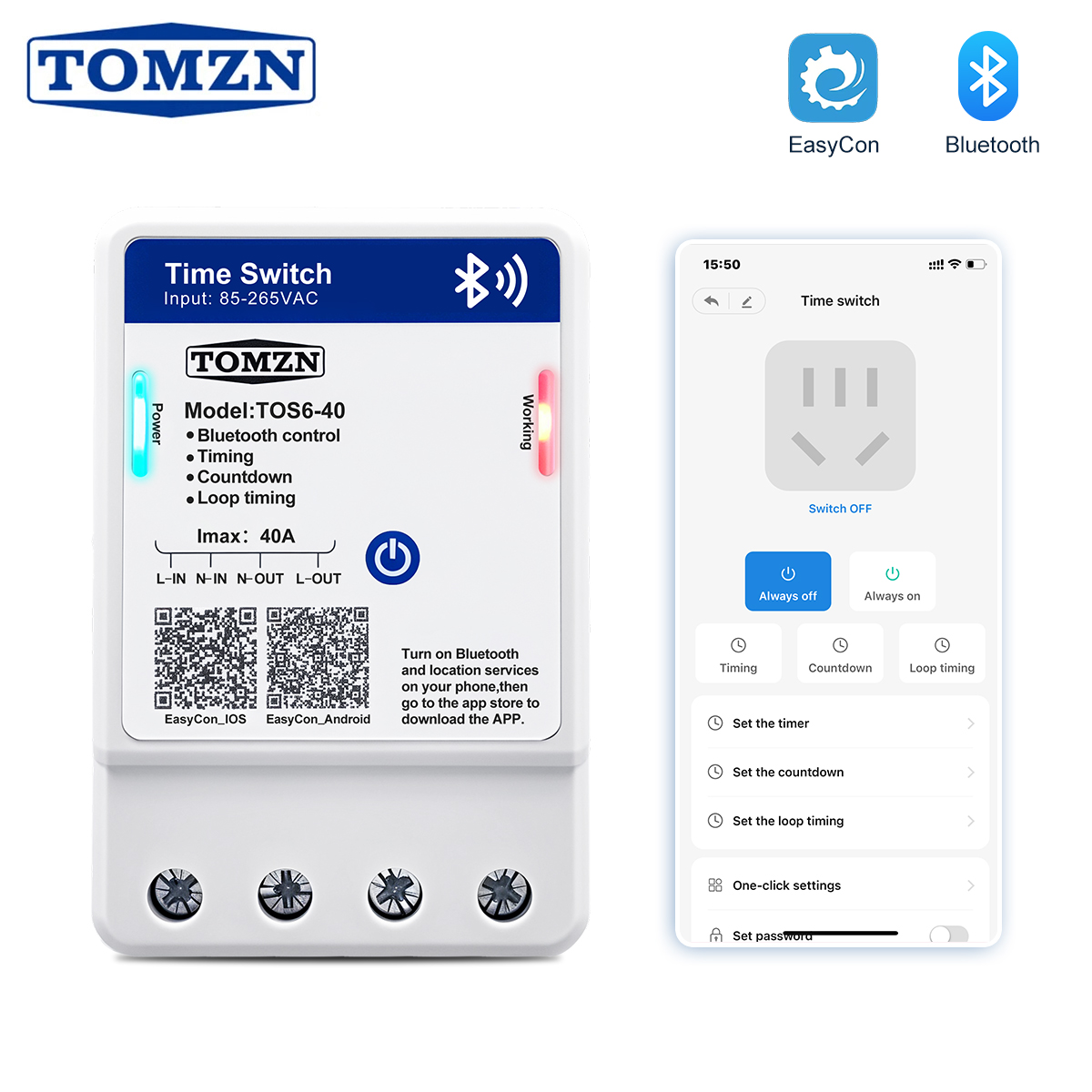
TOS6-40 Bluetooth Time Control Switch 35mm DIN/Wall Mount
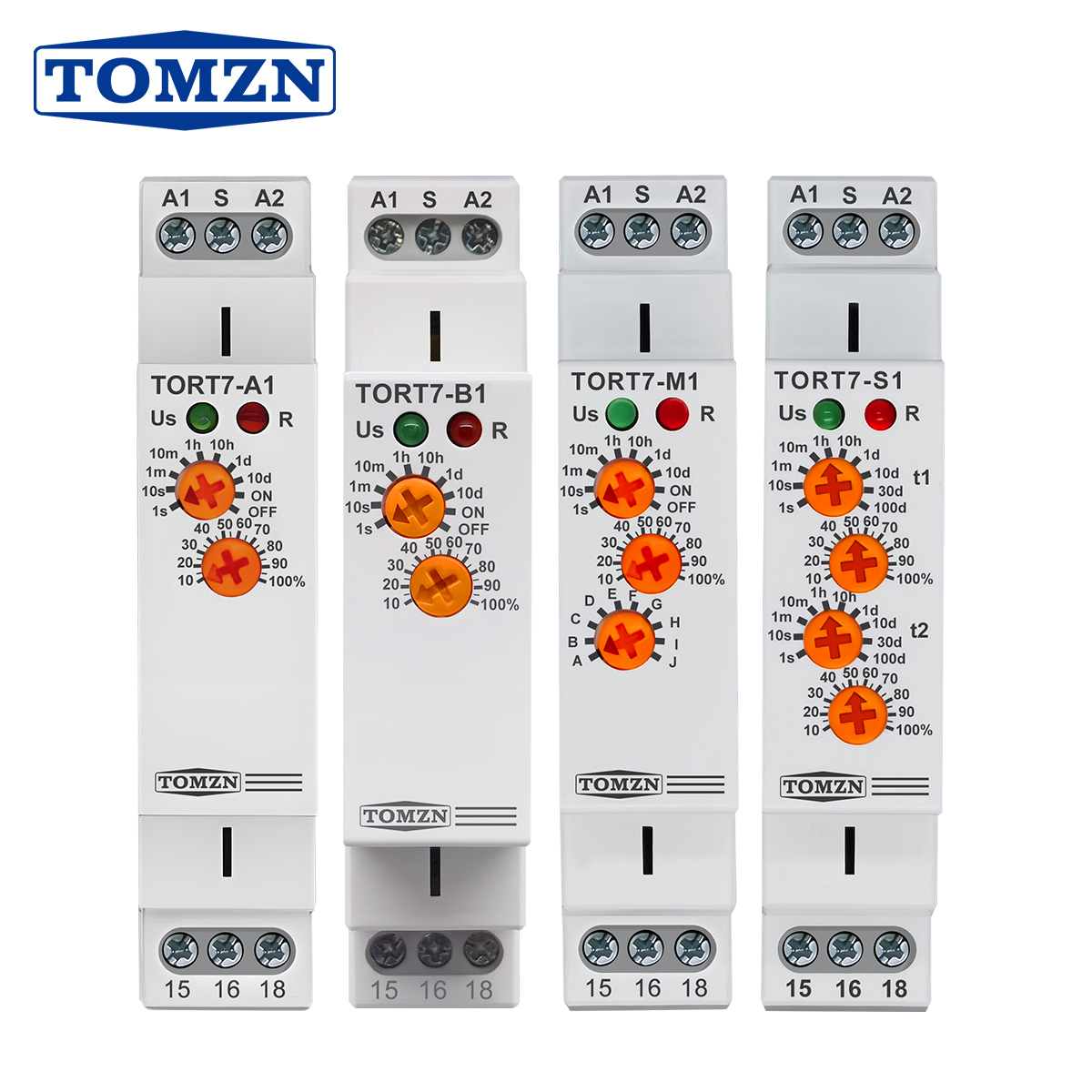
TORT7 Series Delay-ON/OFF 10-in-1 Asymmetric Time Relay
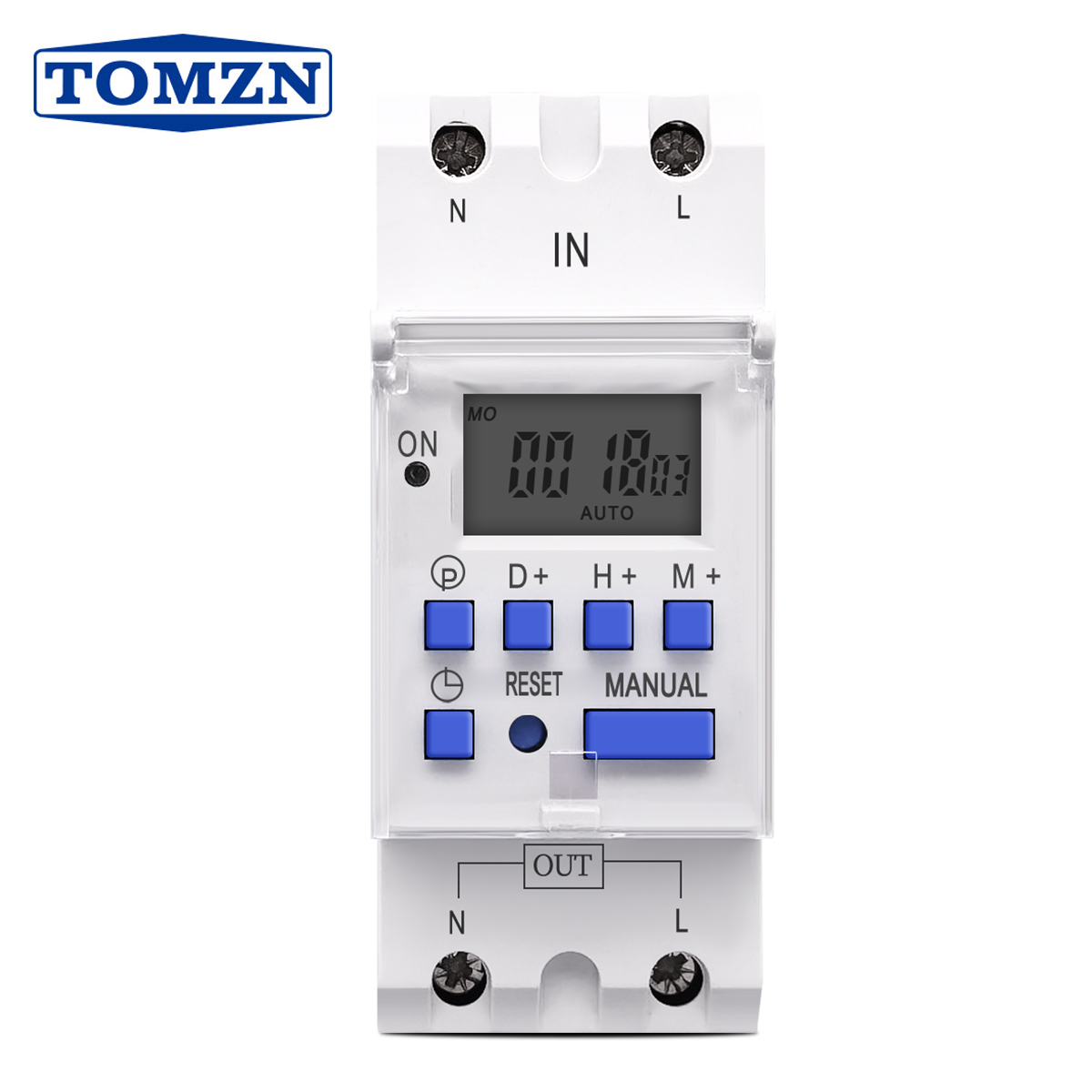
TOMZN New Type Single Phase Digital Weekly Programmable Timer
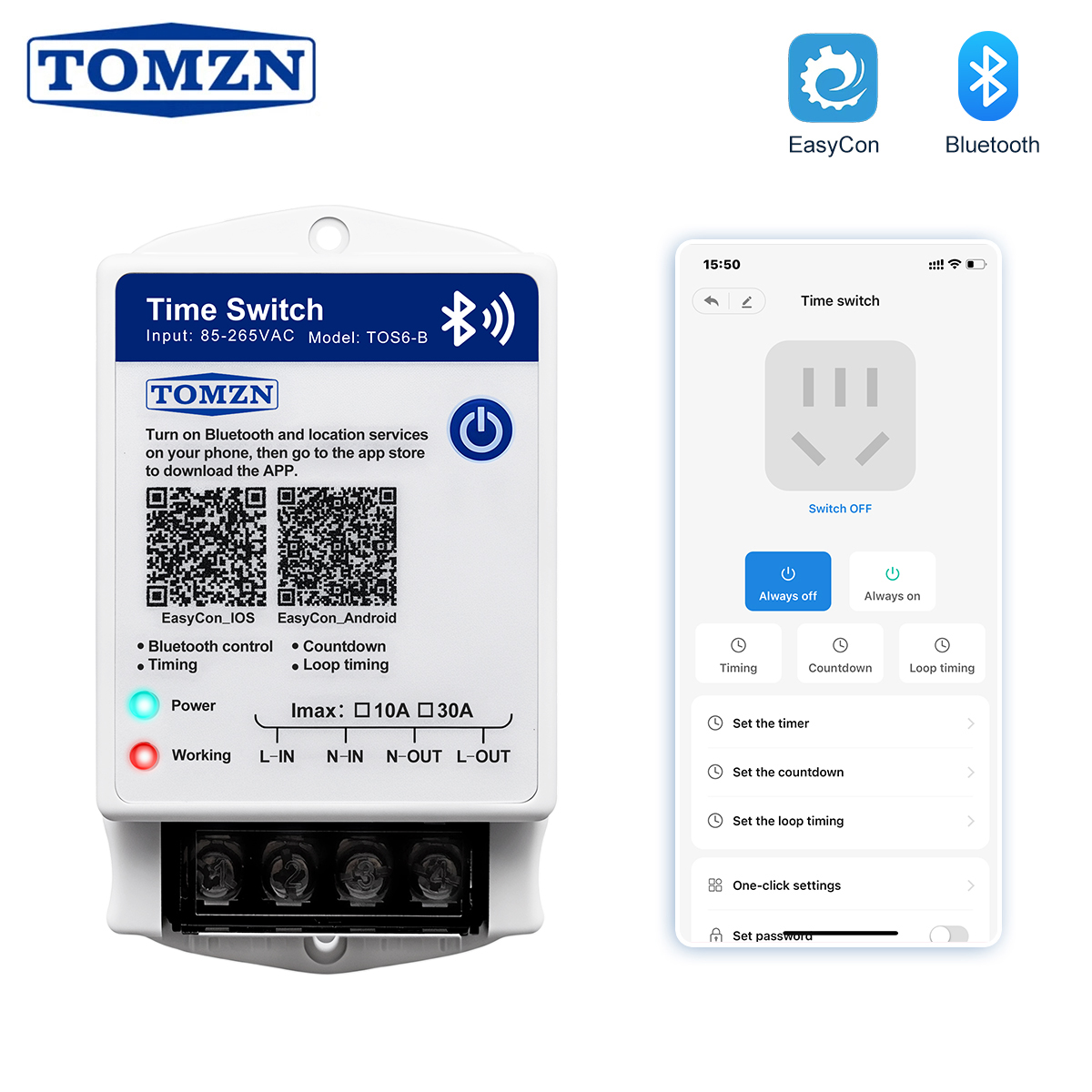
TOMZN Bluetooth Smart Countdown Timer Switch 10A-30A EasyCon
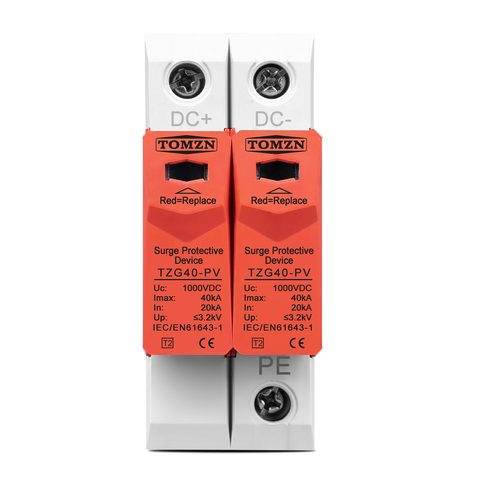
Modular DC SPD 500V-1000V Surge Arrester for Solar PV Arrays
Class II AC Surge Protective Device (SPD) 275V/385V/420V
Inside Low-Voltage Surge Arrester Technology & Manufacturing Precision
A deep engineering overview of internal surge mitigation components, transient arc suppression, and safety mechanisms that distinguish Tier-1 Chinese manufacturers from unverified assemblers.
High-Energy Zinc Oxide Varistors (ZnO MOV)
The core non-linear resistor element determines the energy absorption and clamping response of a low voltage surge arrester. Tier-1 factories utilize ultra-dense microcrystalline ZnO doped with bismuth, antimony, and cobalt oxides, yielding extremely low leakage currents (<20µA under continuous working voltage Uc) and lightning impulse current discharge capacities up to 40kA/80kA (8/20µs wave).
- Symmetrical V/I non-linear clamping curve
- Residual voltage ratio (Up/Uc) optimized under 3.5
- Response time τ < 25 nanoseconds
Dual Dynamic Thermal Disconnect Mechanism
Thermal runaway is the most dangerous failure mode in degraded surge arresters subjected to temporary overvoltages (TOV). Advanced factories integrate low-temperature eutectic alloy micro-soldered spring disconnectors. Upon prolonged varistor heating, the solder liquefies within milliseconds, physically tripping the flag indicator from green to red while activating remote dry contacts.
- Pre-loaded spring snap-action mechanical trip
- Optical fail-safe indicator window
- Zero arc flash escape to neighboring DIN-rail breakers
Gas Discharge Tubes & Spark Gap Hybrids
For TT earthing topologies and sensitive telecommunication distribution points, zero-leakage configurations are mandatory. By coupling ceramic Gas Discharge Tubes (GDT) in series or spark-gap triggers, follow-current quenching is achieved with absolute electrical isolation during normal steady-state operation, eliminating degradation from persistent harmonic distortion.
- Insulation resistance > 1,000 MΩ
- Extinguished follow-on power arcs up to 100A
- Certified for N-PE galvanic isolation in 3P+N boards
B2B Engineering Guide: Specifying the Proper Arrester Class & Voltage Window
Field failures occur almost exclusively when procurement teams specify inappropriate continuous operating voltages (Uc) or fail to balance voltage protection level (Up) with the impulse withstand rating of downstream terminal equipment.
| Arrester Category | Standards Conformity | Typical Waveform | Rated Discharge (In / Imax / Iimp) | Target Placement & Application |
|---|---|---|---|---|
| Type 1 (Class B) | IEC 61643-11 / EN 61643-11 | 10/350 µs & 8/20 µs | Iimp: 12.5kA / 25kA / 50kA | Main incomer distribution board with external lightning protection system (LPS). |
| Type 2 (Class C) | IEC 61643-11 / GB/T 18802.1 | 8/20 µs | In: 20kA, Imax: 40kA / 65kA | Sub-distribution boards, industrial branch feeders, and commercial building panels. |
| Type 3 (Class D) | IEC 61643-11 / UL 1449 | 1.2/50 µs + 8/20 µs | Uoc: 6kV - 10kV / In: 3kA - 5kA | Terminal socket protection, sensitive PLC controllers, medical and telecom electronics. |
| PV DC Type 2 | IEC 61643-31 / EN 50539-11 | 8/20 µs DC | In: 20kA, Imax: 40kA (500V-1000V) | Solar combiner boxes, string inverters, and battery energy storage system (BESS) racks. |
| PV DC Type 1+2 | IEC 61643-31 / UL 1449 | 10/350 µs & 8/20 µs DC | Iimp: 5kA - 12.5kA, Imax: 40kA | Utility-scale solar farms, rooftop solar with direct lightning separation distance < 0.5m. |
Why Tier-1 Importers Source from Zhejiang TMB Electric Co., Ltd.
Headquartered in Huabei Village, Liushi Town, Wenzhou—the world's capital of low-voltage electrical apparatus—we leverage an unassailable supply chain advantage to deliver superior precision, fast dispatch, and comprehensive regulatory clearance.
TÜV Rheinland Verified
Our 5,700 m² modern manufacturing plant and 92 full-time employees undergo independent on-site audit assessments by TÜV Rheinland. Full transparency on tooling, automated assembly lines, and calibrated testing instrumentation.
24 Years Industrial Heritage
With nearly a quarter century of specialized breaker, SPD, and ATS engineering, our factory has perfected tooling tolerances, thermal bimetal stability, and flame-retardant VO-grade polymer molding for extreme operating climates.
Low MOQ & Flexible Customization
Unlike state-run conglomerates demanding container-sized orders, our catalog models start from only 5 pieces for sample validation. Private label laser marking, bespoke packaging, and custom combiner box wiring are delivered seamlessly.
CE & ISO 9001 Certified Quality
Every batch of low voltage arresters undergoes 100% incoming varistor voltage (V1mA) screening, leakage current verification, dielectric withstand tests, and dynamic trip calibrations before crating and export dispatch.
Emerging Sourcing & Technical Trends in Low Voltage Surge Protection
Strategic market analysis for chief procurement officers, electrical engineers, and global distributors navigating evolving grid architecture and renewable integration.
1500V DC Photovoltaic & BESS Dedicated Protection
With utility solar installations and centralized Battery Energy Storage Systems (BESS) standardizing on 1500V DC architectures, legacy 1000V arresters are rapidly being phased out. The future procurement volume is concentrating on high-creepage, multi-pole modular DC SPDs capable of quenching severe direct-current arcs without sustained ion clouds.
Intelligent Degradation Telemetry & Modbus SPDs
Modern mission-critical data centers and offshore wind substations no longer accept manual visual inspections of colored window flags. Sourcing requests are surging for intelligent surge protective devices equipped with embedded surge event counters, leakage current micro-sensors, and RS485 Modbus/WiFi protocols for predictive asset maintenance.
Near-Source Supply Consolidation in Liushi
Global supply chain volatility has made sourcing through middlemen and multi-tier trading companies economically unviable. International procurement managers are contracting directly with original equipment manufacturers in Liushi, Wenzhou. By securing direct access to casting, injection, and stamping plants, buyers cut lead times from 8 weeks to under 15 days.
Frequently Asked Questions by Overseas Electrical Buyers & Specifiers
In-depth technical answers addressing testing protocols, earthing topologies, backup protection coordination, and private labeling.
What is the fundamental difference between an AC surge arrester and a DC photovoltaic surge arrester?
How should external backup overcurrent protection (fuse or MCB) be coordinated with a low voltage SPD?
Why is Liushi Town, Wenzhou considered the optimal manufacturing cluster for low voltage arresters?
What specific test reports and documents should B2B buyers mandate prior to shipment release?
What is the difference between TN-C, TN-S, and TT earthing systems when choosing SPD pole configurations?
Can Zhejiang TMB Electric accommodate private labeling, custom colors, and bespoke combiner box layouts?
Partner Directly with China's Premier Surge Protection Factory
Whether you require sample units for laboratory certification, wholesale distribution volumes, or custom private-label manufacturing, our technical engineering team in Liushi, Wenzhou is ready to review your project single-line diagrams.