Precision Enclosure Encasements & Core Control Components
Explore our export-certified modular control products and heavy-duty pre-configured enclosures engineered for solar PV strings, industrial automation, and commercial distribution boards.
Structural Metallurgy, Ingress Protection & Enclosure Architecture
A comprehensive examination of industrial sheet metal cabinetry fabrication, corrosion resistance tolerances, and electrical safety integration under IEC/EN 62208 standards.
In high-reliability industrial automation, distributed renewable energy networks, and utility switchgear applications, the metal enclosure box serves as the foundational barrier shielding critical internal assets from environmental degradation, mechanical impacts, and catastrophic electrical fault escalation. Sourcing high-performance enclosures requires a rigorous understanding of metallurgical properties, fabrication tolerances, galvanic compatibility, and specialized ingress protection mechanisms.
1. Material Selection: Metallurgy and Environmental Resistance
The operational longevity of a metallic distribution enclosure is predominantly governed by the selected base substrate and its subsequent surface conversion treatment. Manufacturers in the Liushi electrical cluster utilize state-of-the-art cold-rolled carbon steel, austenitic stainless steels (AISI 304 and AISI 316L), and structural aluminum alloys:
- Cold-Rolled Carbon Steel (SPCC / DC01): Boasts high tensile strength and rigid structural integrity. Primarily specified for indoor switchboards, motor control centers (MCC), and factory plant floors. Requires multi-stage nanoceramic phosphating followed by thermosetting polyester powder coating to prevent oxidative corrosion.
- AISI 304 Stainless Steel: Contains 18% chromium and 8% nickel, presenting an exceptional passivated oxide film. Highly suitable for commercial outdoor installations, rooftop solar arrays, and municipal water treatment plants where exposure to high ambient moisture is standard.
- AISI 316L (Low Carbon Marine Grade): Incorporates 2% to 3% molybdenum, which radically enhances resistance to pitting and crevice corrosion in chloride-rich environments such as offshore platforms, coastal photovoltaic stations, and chemical processing facilities.
| Substrate Material | Tensile Strength (MPa) | Corrosion Resistance | Standard Finish / Coating | Typical Applications |
|---|---|---|---|---|
| Cold-Rolled Steel (SPCC) | 270 - 410 | Moderate (Requires Coating) | Electrostatic Powder (RAL 7035) | Indoor Distribution, Factory Automation |
| 304 Stainless Steel | 520 - 720 | High (Atmospheric Moisture) | Brushed Satin / Passivated | Solar PV Combiners, Food & Beverage |
| 316L Marine Stainless | 485 - 680 | Extreme (Chloride & Acids) | Electropolished / Acid Pickled | Offshore Energy, Marine, Chemical Plants |
| 5052-H32 Aluminum | 210 - 260 | High (Self-Passivating) | Anodized / Powder Coated | Telecom Towers, Pole-Mounted Enclosures |
2. Ingress Protection (IP) & Continuous Foam Gasketing Technology
Achieving true IP65 or IP66 performance under IEC 60529 requires more than precise laser cutting and CNC press brake bending. The integrity of the seam weld and door sealing perimeter dictates the barrier's performance. Traditional manual neoprene strip insertion suffers from seam gap degradation, adhesive failure, and compression set over thermal cycling.
Modern export-grade enclosures manufactured by Zhejiang TMB Electric utilize automated CNC polyurethane (PU) continuous form-in-place foam gaskets (FIPFG). Liquid two-component polyurethane is robotically dispensed along the door channels, curing seamlessly without joints or splices. This robotic execution ensures an elastic seal that maintains over 95% elastic recovery after thousands of compression cycles across a temperature range of -40°C to +100°C.
3. Thermal Dissipation and Internal Arc Containment Dynamics
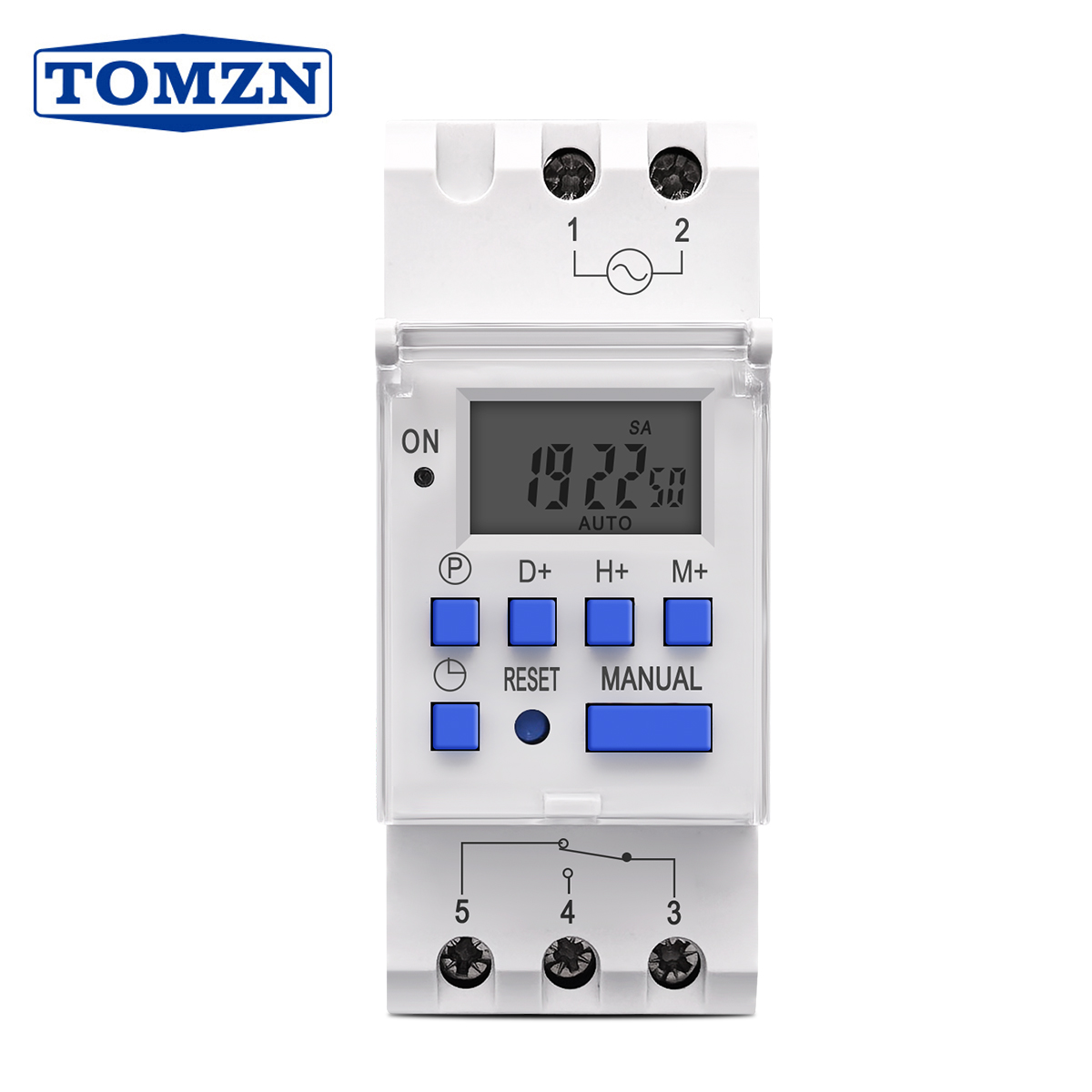
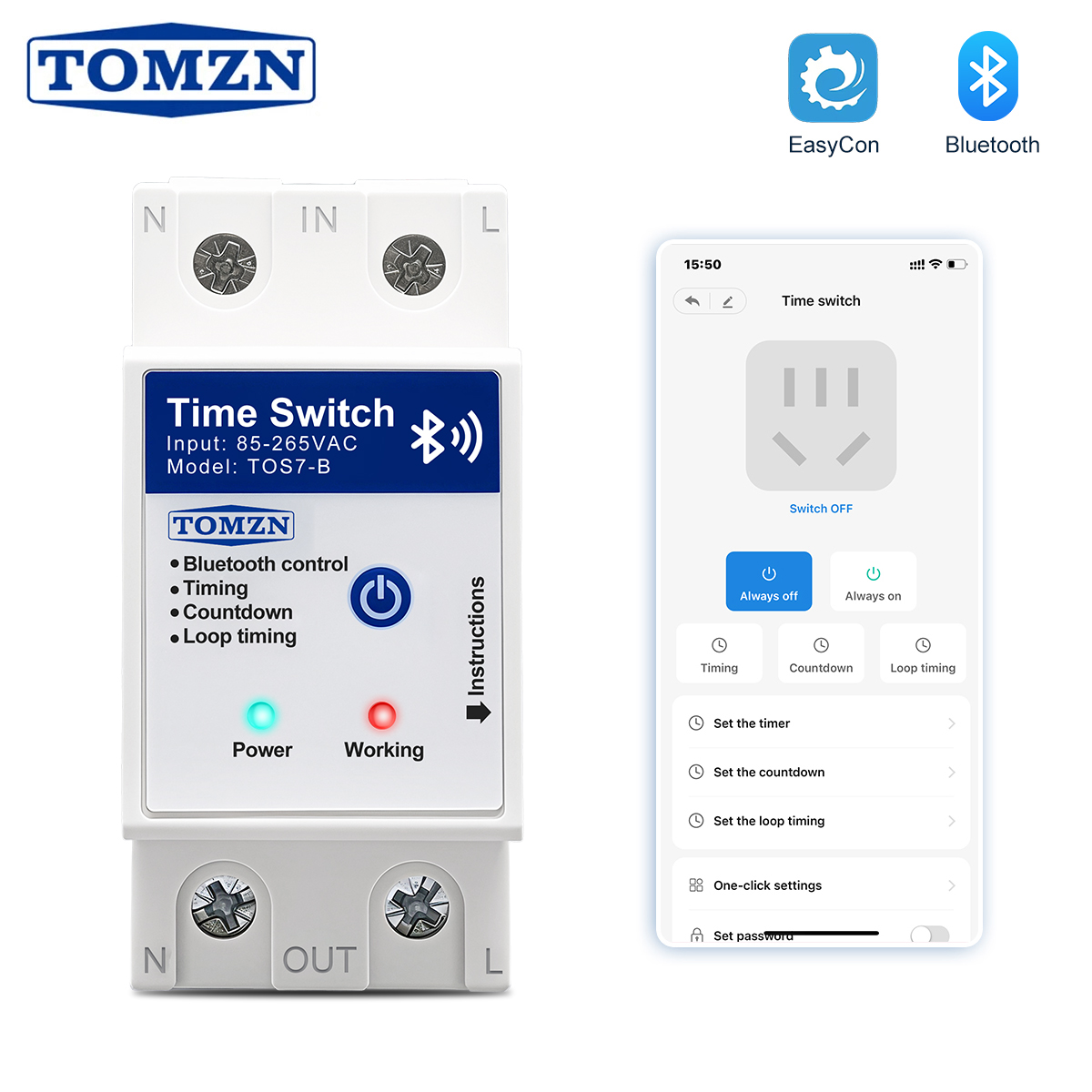
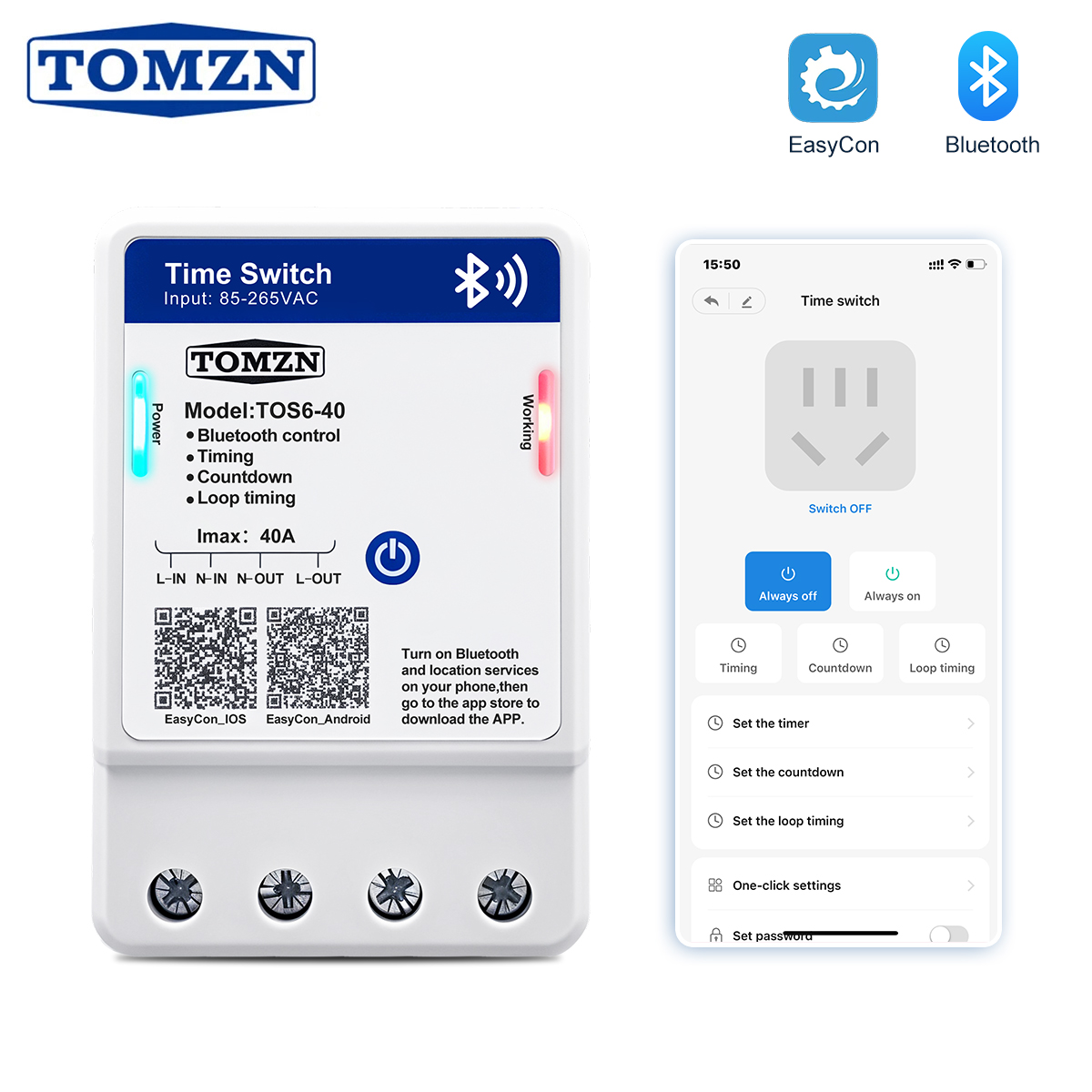
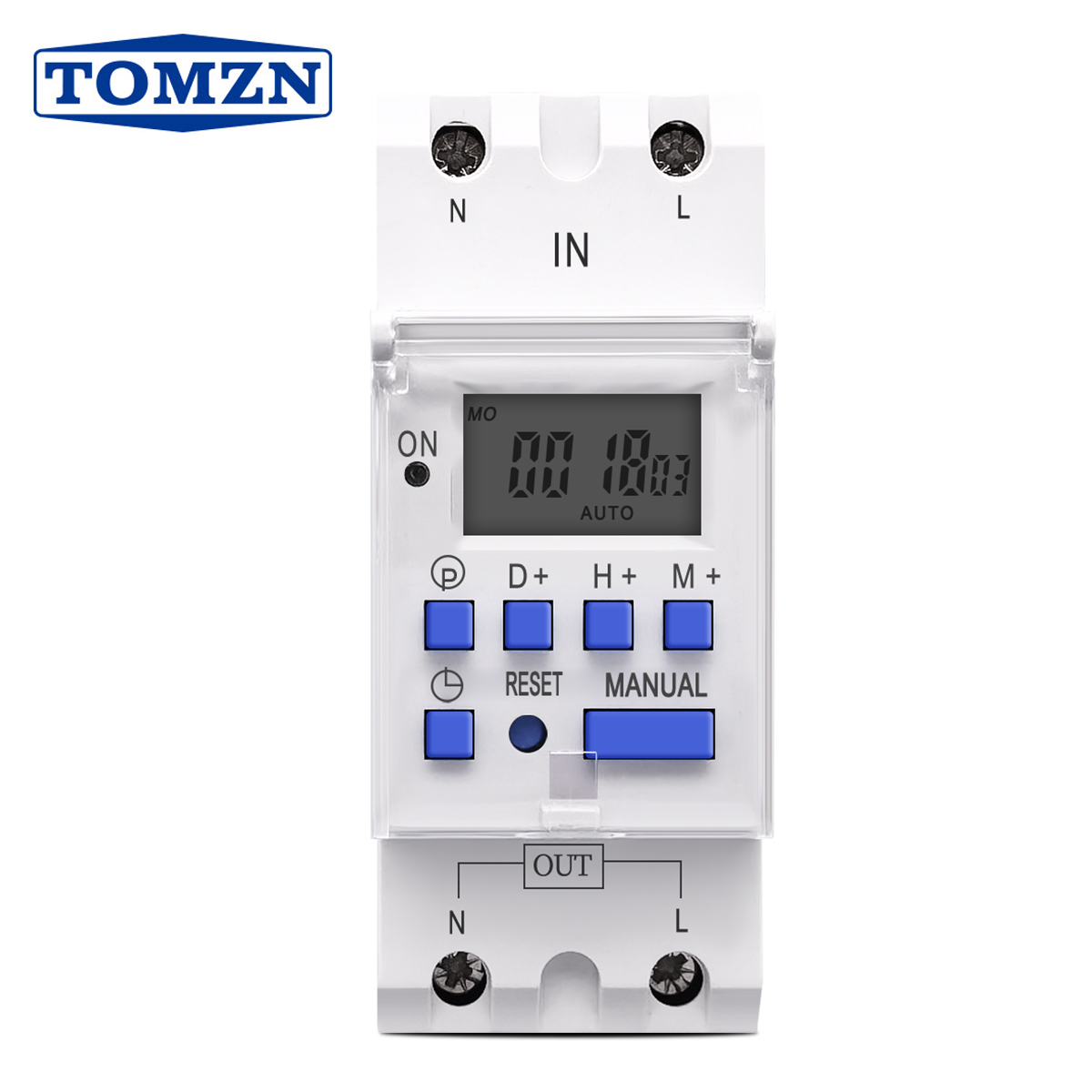
As enclosed power densities increase due to high-current DC circuit breakers, PV string fuses, multi-function timer switches, and automatic transfer switches (ATS), internal ambient temperatures rise significantly. Uncontrolled thermal accumulation degrades contact spring temper, lowers breaker magnetic-trip thresholds, and induces premature failure of digital microprocessors.
Top-tier Chinese metal enclosure fabricators calculate internal heat load using thermal transfer equations based on total surface radiation. When natural convective dissipation is insufficient, engineered solutions such as integrated labyrinth ventilation louvers with insect-proof filtration, passive phase-change heat pipes, or thermostatically controlled forced-air fans are deployed, maintaining internal temperature balance without sacrificing IP ratings.
Future Procurement & Product Development Trends (2025–2030)
Emerging requirements reshaping how international engineering contractors, OEMs, and wholesalers source metal enclosures from China.
Smart Enclosures with IoT Diagnostics
Enclosures are shifting from passive sheet metal shells to active diagnostic hubs equipped with integrated temperature, door-tamper, and internal humidity micro-sensors linked to centralized SCADA systems.
Pre-Wired Turnkey Assembly
Global EPCs increasingly bypass empty boxes. Sourcing fully populated, pre-wired enclosures featuring tested breakers, timers, and surge protectors saves up to 60% on high-cost field installation labor.
Modular Standardized Sizing
Adoption of standardized modular dimensions (DIN spacing, multi-tier gear plates) allows overseas panel builders to swap internal components dynamically without commissioning new punching dies.
Green Steel & Decarbonized Production
European and North American supply chains prioritize suppliers utilizing scrap-recycled steel and zero-emission powder coating lines to comply with Carbon Border Adjustment Mechanisms (CBAM).
Rapid Prototyping via Fiber Laser
High-power fiber laser cutting centers eliminate custom stamping die charges, allowing custom hole punch-outs, gland plates, and bracket geometries with lead times under 5 days for sample validation.
Strict Compliance with IEC 62208 & UL 508A
Procurement teams demand certified proof of mechanical impact (IK10), dielectric strength, flammability, and continuous salt spray performance verified by accredited bodies like TÜV Rheinland.
Verified Manufacturing Strength in Liushi, Wenzhou
Combining 24 years of low-voltage production mastery with China's densest electrical supply chain cluster to deliver unbeatable quality, agility, and cost-efficiency.
TÜV Rheinland On-Site Verified
Our comprehensive 5,700 m² production base in Huabei Village, Liushi, has undergone rigorous on-site verification by TÜV Rheinland, proving legitimate industrial manufacturing capacity, strict QA systems, and documented trade competence.
24-Year Supply Chain Clustering
Located in Liushi, China's undisputed capital of electrical apparatus, our raw materials—high-purity copper busbars, silver-alloy contacts, microswitch modules, and sheet metal coils—are sourced within a 5 km radius, ensuring short production lead times and lower overhead.
One-Stop Internal Integration
Unlike pure sheet metal fabricators, Zhejiang TMB manufactures both the external enclosure and the high-grade internal components: DC breakers, PV combiner assemblies, ATS, and weekly digital timers, providing a complete factory-warranted system under one roof.
Flexible OEM / ODM & Low MOQs
We support international partners with low trial barriers: catalogue models start from just 5 pieces. Our engineering department offers custom laser cutouts, custom RAL powder coating colors, silk-screened client logos, and specialized box depths tailored to client specs.
Full Technical Traceability
Every batch of incoming sheet metal, internal switchgear, and terminal wiring is documented. Routine inspections include insulation dielectric tests, torque-tightness audits, trip-curve verification, and salt-mist corrosion chamber evaluations.
Frequently Asked Questions on Metal Enclosure Sourcing
Essential engineering and logistical considerations answered by our senior technical export team.
What are the key structural differences between IP65 and IP66 metal enclosures?
How do you prevent galvanic corrosion between internal copper busbars and steel enclosures?
What certifications are provided for customs clearance in Europe and North America?
Can you supply pre-assembled PV combiner boxes customized to our single-line diagram?
What is the standard production lead time and minimum order quantity (MOQ)?
How do you handle condensation issues inside outdoor sealed metal enclosures?
Request Engineering Support & Factory-Direct Quotations
Send your dimensional drawings, electrical single-line diagrams, or tender specifications. Our technical engineering division in Wenzhou will provide a validated solution and quotation within 24 hours.