Featured Photovoltaic Combiner Boxes & Control Components
Directly dispatched from our Huabei Village (Liushi Town) production hub. Each unit integrates certified DC miniature circuit breakers (MCBs), specialized 1000V/1500V PV fuses, Class II Surge Protective Devices (SPDs), and smart telemetry modules.
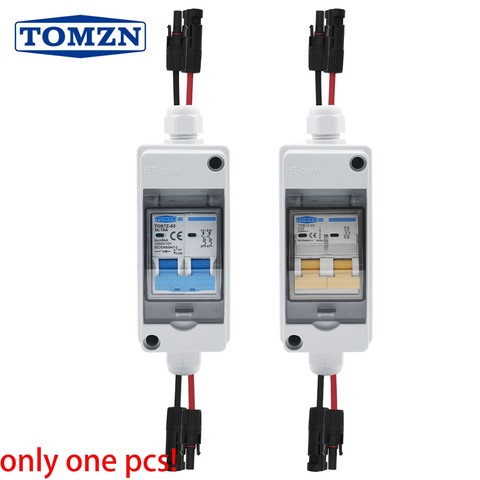
IP65 Solar Photovoltaic Combiner Box 1-In 1-Out
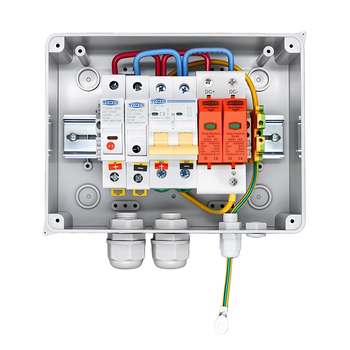
8-Way 600V DC PV Box with DC Breaker, Fuse & SPD
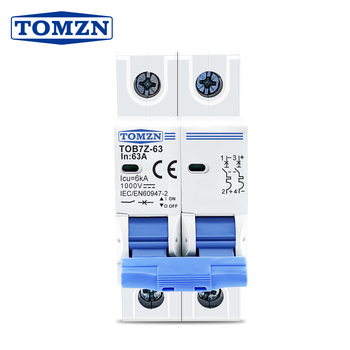
2P 1000V DC MCB Miniature Circuit Breaker
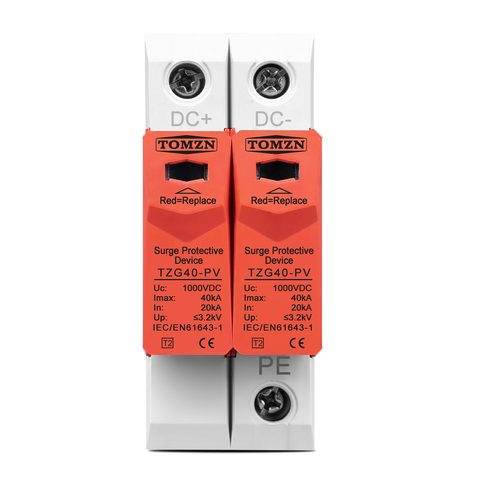
DC SPD 500V-1000V 20kA-40kA Lightning Arrester
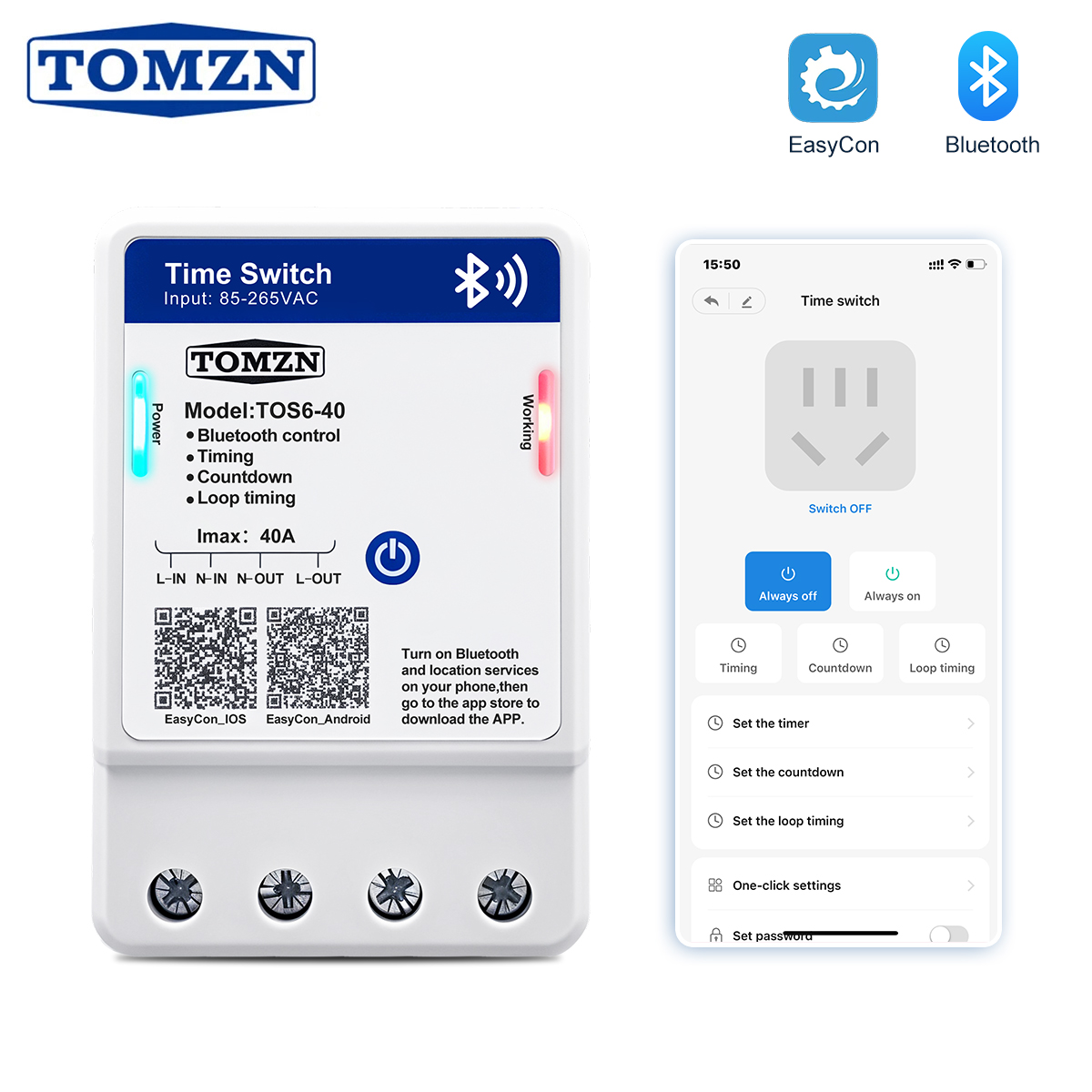
TOS6-40 Bluetooth Time Control Switch DIN Rail 40A
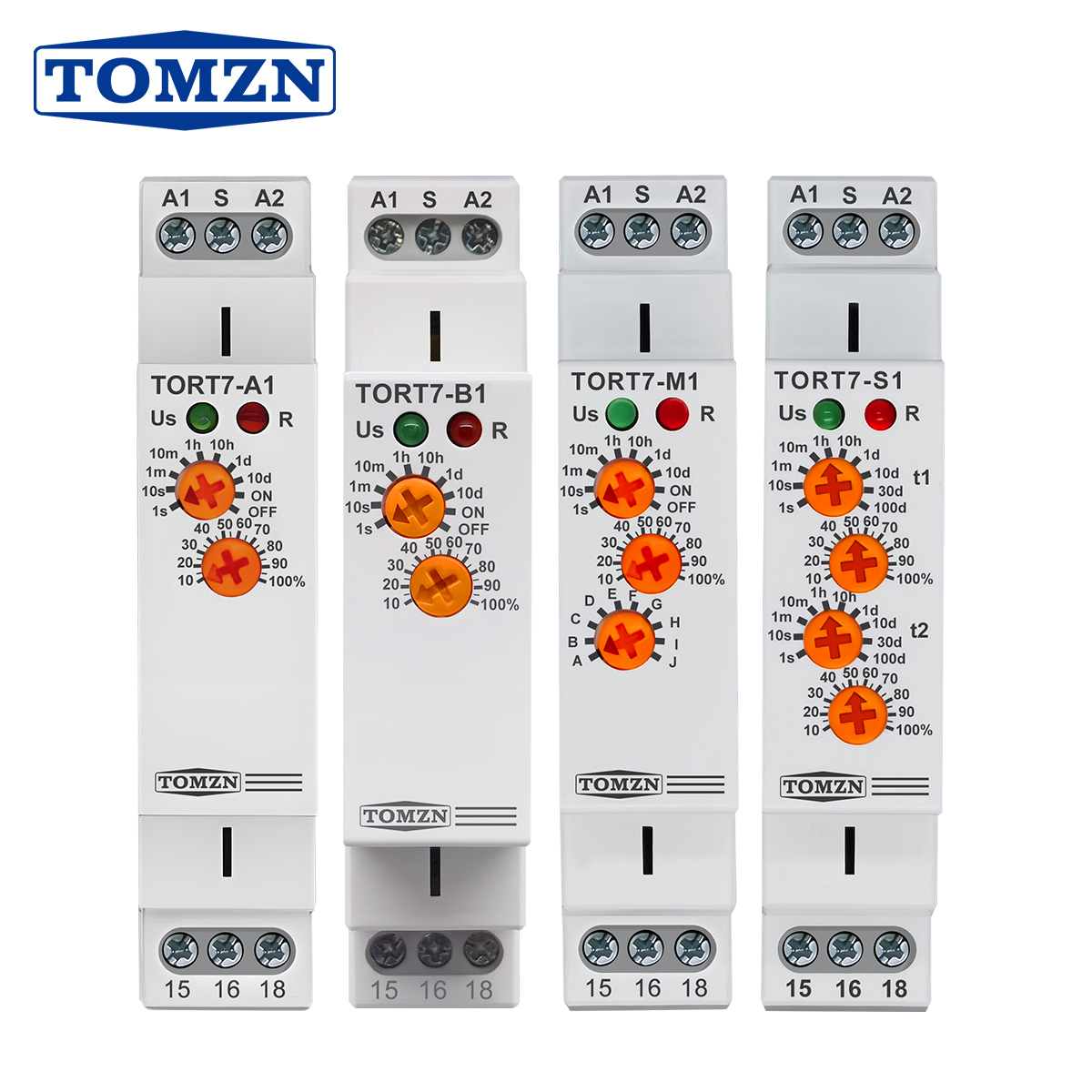
TORT7 10-in-1 Asymmetric Cycler Multi-function Relay
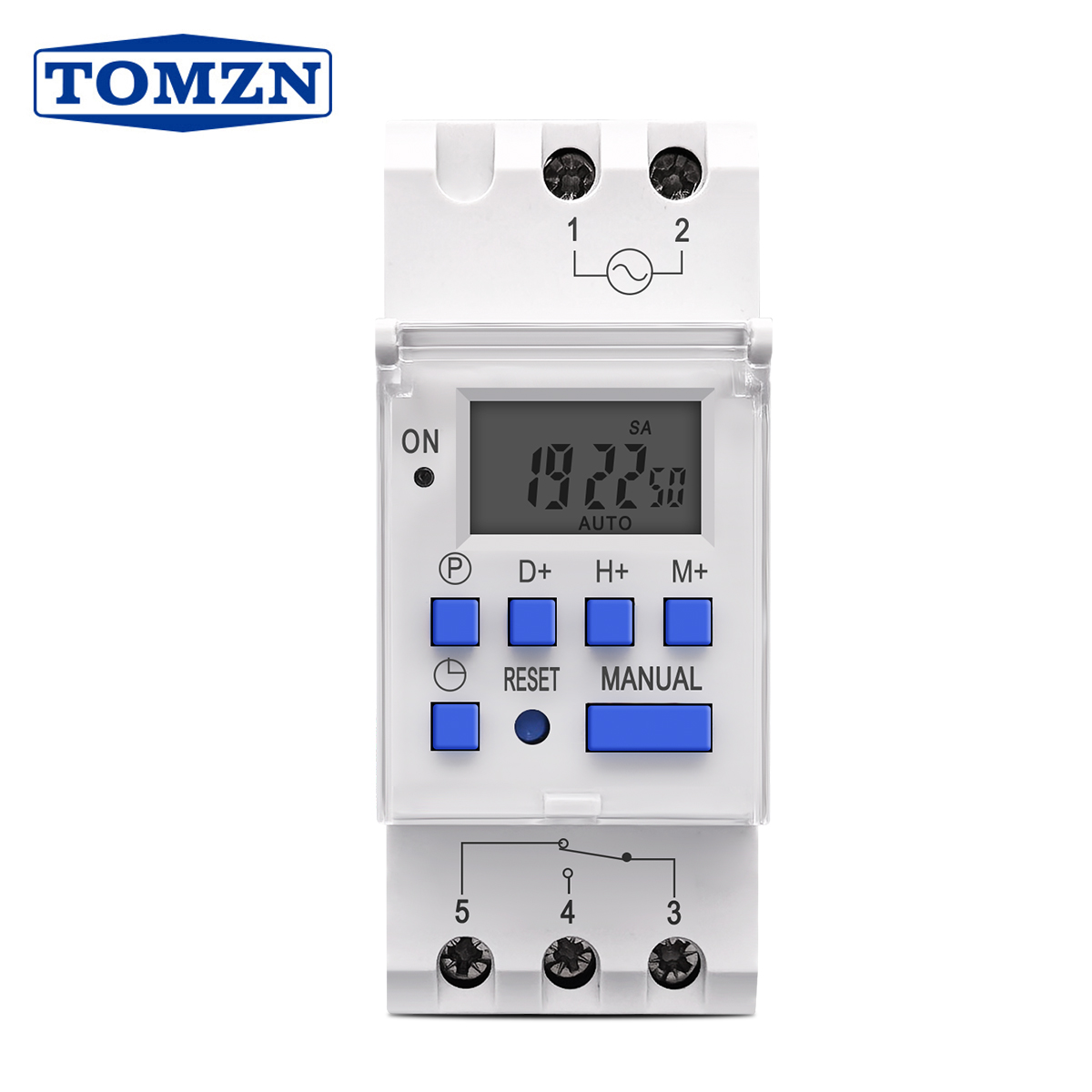
1NO 1NC DIN Rail Weekly 7-Day Digital Time Switch
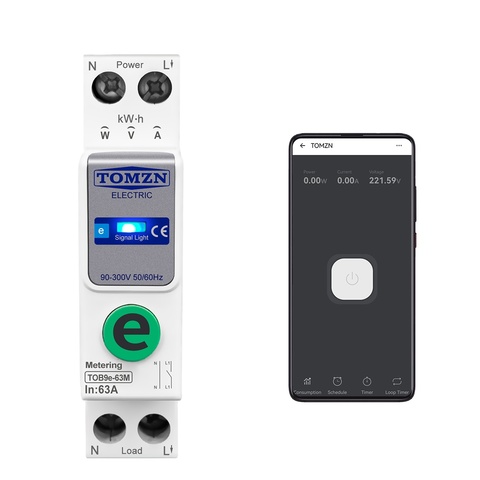
TOB9e-63M WiFi Smart Breaker with Energy Metering
Solar Combiner Box Architecture: Overcoming DC Arc Physics in PV Arrays
In modern photovoltaic installations, the direct current (DC) combiner box serves as the foundational aggregation node between fragile solar modules and central or high-power string inverters. Selecting the right supplier requires evaluating not just enclosure aesthetics, but internal thermomechanical engineering.
DC Arc Quenching vs AC Zero-Crossing
Unlike alternating current (AC) grids that pass through zero voltage 100 or 120 times per second—allowing magnetic arc splitters to naturally starve electrical arcs—photovoltaic DC current maintains a continuous, sustained arc during fault conditions. Zhejiang TMB Electric equips combiner boxes with dedicated DC-rated miniature circuit breakers and molded-case breakers featuring specialized magnetic blow-out coils and extended ceramic de-ionizing arc runner plates capable of breaking high-voltage DC arcs up to 1000V and 1500V without plasma flashover.
gPV Fuse Overcurrent Coordination
When three or more PV strings are wired in parallel, a single line-to-line or ground-fault condition allows adjacent parallel strings to feed reverse short-circuit currents into the faulted branch. Our combiner boxes integrate 10x38mm and 14x51mm gPV cylindrical fuses engineered specifically per IEC 60269-6. With breaking capacities rated up to 33kA DC, our fuse holders withstand extreme diurnal thermal cycles without micro-fretting or nuisance thermal tripping.
Type 1+2 DC High-Energy Surge Suppression
Photovoltaic arrays occupy expansive open terrains and unshaded rooftops, creating massive inductive loop areas susceptible to indirect lightning electromagnetic pulses (LEMP). We integrate heavy-duty Metal Oxide Varistor (MOV) arresters coupled with gas discharge tubes (GDT). Configured in Y-topology (positive-to-ground, negative-to-ground, positive-to-negative), these SPDs prevent residual leakage current from prematurely degrading internal varistors.
| Engineering Parameter | Residential String Box (1-2 In / 1 Out) | Commercial C&I Array (4-8 In / 1-2 Out) | Utility Scaled Node (16-32 In / 1 Out) |
|---|---|---|---|
| Rated Operational Voltage (Ue) | 500V DC / 600V DC | 1000V DC | 1500V DC (High Efficiency) |
| Overcurrent Protection Element | DC MCB (3A - 32A C-Curve) | 1000V gPV Fuse (15A - 32A) + DC MCCB | 1500V gPV Cartridge + Motorized DC Switch |
| Surge Arrester Class (IEC 61643-31) | Type 2 (In: 20kA, Imax: 40kA) | Type 2 / Type 1+2 (In: 20kA, Imax: 40kA) | Type 1+2 Combined (Iimp: 12.5kA, Imax: 50kA) |
| String Telemetry & Monitoring | Optional WiFi / Micro-kWh Display | RS485 Modbus RTU Current Shunt | Hall Effect Sensor String Level Monitoring |
| Enclosure Ingress & Impact Class | IP65 Polycarbonate (IK08) | IP65 Flame-Retardant ABS/PC (IK09) | IP66 Cold-Rolled Steel / SMC Polyester (IK10) |
| Operating Temperature Range | -25°C to +60°C | -30°C to +65°C | -40°C to +75°C (With Internal Vents) |
Global Solar Combiner Box Sourcing Trends: 2025–2030 Roadmap
International EPC contractors and regional wholesalers are encountering rapid shifts in PV module design, voltage limits, and regulatory fire-safety requirements. Understanding these transitions ensures that overseas orders maintain compliance and yield long operating lifecycles.
1. The 1500V DC Mainstream Shift
While residential setups remain stable at 600V-1000V, commercial and utility projects have rapidly migrated to 1500V architectures. Sourcing 1500V combiner boxes slashes balance-of-system (BOS) wiring expenses by 30%, decreases combiner box quantities, and minimizes line losses across multi-megawatt solar parks.
2. High-Current Bifacial Strings
With the global adoption of n-type TOPCon and HJT cells with larger wafers (M10/G12), module short-circuit currents (Isc) routinely exceed 15A to 18A. Traditional 15A string fuses are obsolete. Future procurement mandates 25A to 32A rated fuse bases and low-impedance copper busbars to prevent thermal degradation.
3. Intelligent String-Level Telemetry
Blind combiner boxes are being replaced by smart boxes equipped with Modbus RS485 communication, current transducers, and ambient temperature probes. O&M teams detect soiled panels, damaged strings, or shading losses remotely, reducing truck rolls and maximizing system ROI.
4. Integrated Rapid Shutdown & AFCI
In accordance with UL 1699B and IEC 63027 arc-fault detection requirements, buyers are demanding integrated Arc Fault Circuit Interrupters (AFCI) alongside motorized DC disconnection switches to automatically isolate solar arrays in micro-seconds during catastrophic faults or emergencies.
Why Global Buyers Partner with Zhejiang TMB Electric Co., Ltd.
Headquartered in Huabei Village, Liushi Town, Wenzhou—universally recognized as China’s low-voltage electrical equipment capital—Zhejiang TMB Electric capitalizes on an unmatched local supply ecosystem to deliver precision, speed, and cost efficiency across every order.
Clustered Component Traceability
Within a 5-kilometer radius of our 5,700 m² factory, precision silver contact stamping, oxygen-free copper busbar extrusion, and UL94-V0 flame-retardant injection molding are executed under rigorous standards. This immediate proximity eliminates shipping bottlenecks, ensures strict raw material oversight, and keeps sample delivery lead times under 7 days.
TÜV Rheinland Verified Production
Our 92 dedicated manufacturing staff operate under an internationally certified Quality Management System verified on-site by TÜV Rheinland. Our export revenue ($3.3M+ annually) covers residential distributors, utility EPC contractors, and OEM brands across Europe, Southeast Asia, South America, and the Middle East.
Custom OEM/ODM Engineering Flexibility
We provide complete architectural customization: from 1-in-1-out rooftop distribution enclosures to 32-string utility junction boxes with MC4 connectors pre-installed. Buyers select breaker trip curves, fuse ampacities, enclosure materials (polycarbonate, sheet metal, SMC fiberglass), and private label silk-screening with trial MOQs starting at just 5 units.
Solar Combiner Box Sourcing & Engineering FAQ
Clear, technically rigorous answers to the critical engineering and logistics questions asked by solar project developers, purchasing managers, and electrical system integrators.
What distinguishes an authentic DC Solar Combiner Box from an assembled AC distribution box?
How do I size the DC miniature circuit breaker and fuses for my PV strings?
Can Zhejiang TMB Electric configure custom combiner boxes with ATS and smart energy meters?
What are the lead times and minimum order quantities (MOQ) for international OEM orders?
How does your factory prevent internal moisture build-up and thermal runaway in humid climates?
What international testing certifications and factory reports do you provide?
Accelerate Your Solar PV Project With Factory-Direct Supply
Send us your single-line diagram (SLD), string configuration, or target product specifications. Our Liushi engineering team provides tailored quotes, complete CAD dimensional drawings, and component datasheets within 24 hours.