Tier-1 Engineered Devices
Featured Industrial Relays, Protectors & Switching Units
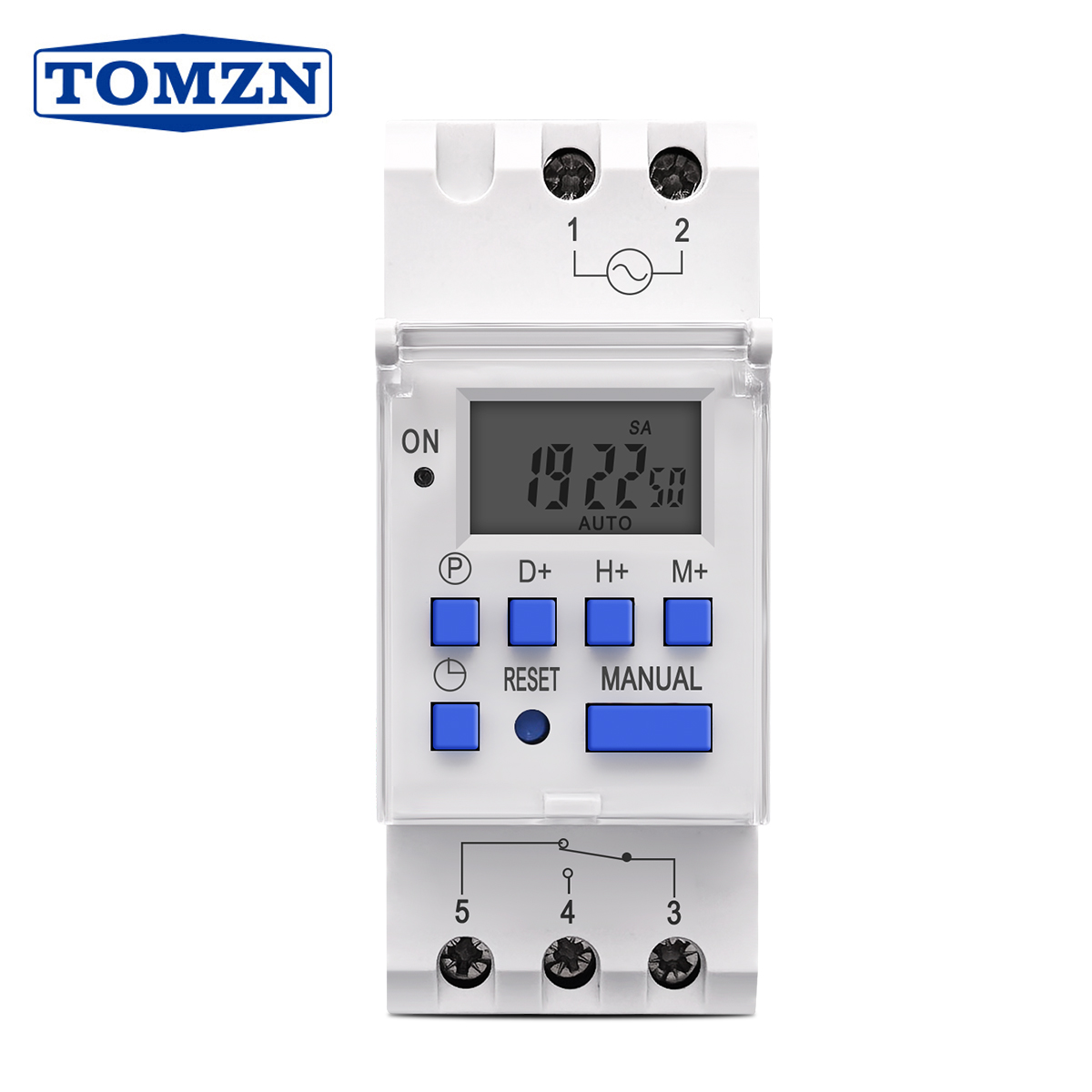
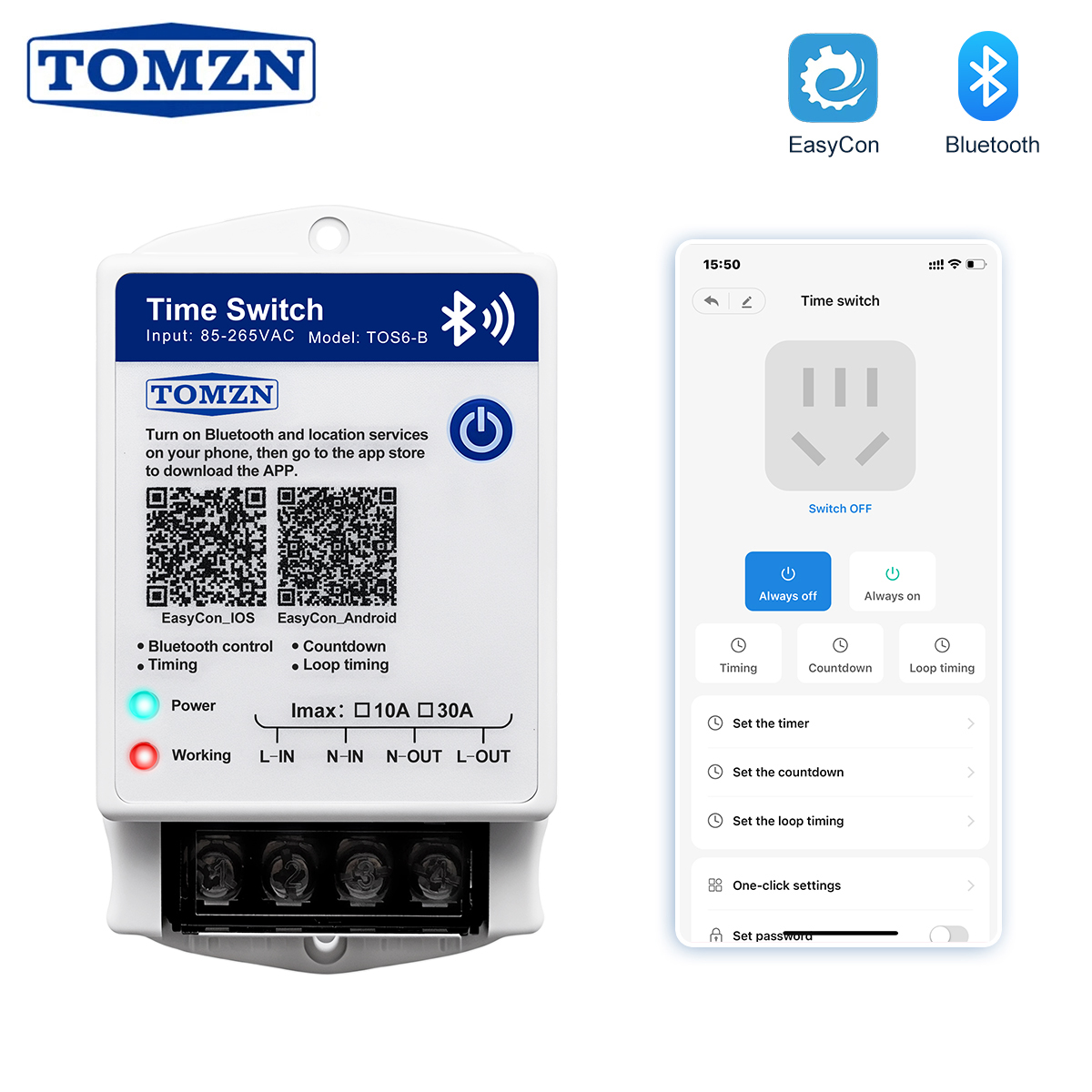
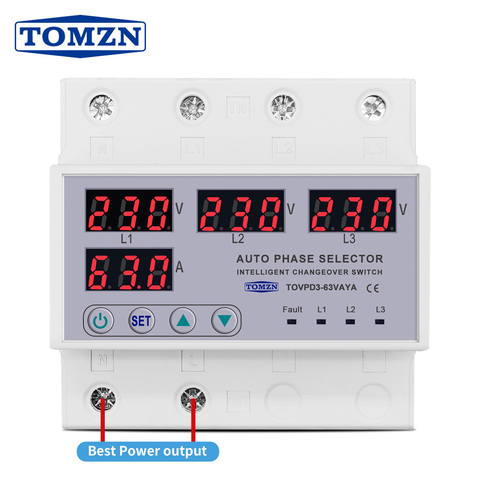
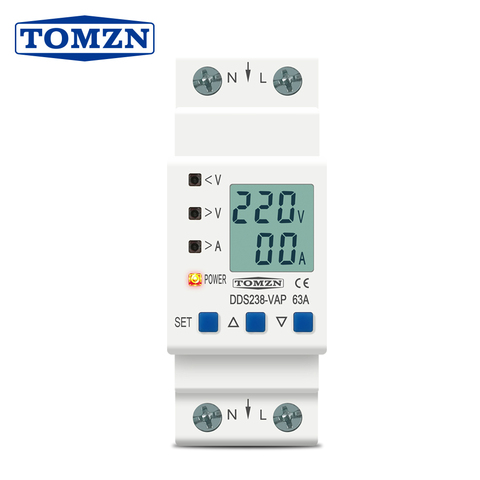
Direct factory supply from Liushi, Wenzhou. Fully certified for IEC/EN 60947-4-1 compliance, optimized for phase failure detection, motor overload control, and automated timing circuits.
Industry White Paper & Technical Insights
Engineering Dynamics of Modern Thermal Overload Protection
Addressing thermal fatigue, bimetallic responsiveness, ambient compensation, and phase loss dynamics in challenging industrial grid architectures.
Next-Generation Motor Overload Protection: From Bimetallic Strips to Solid-State Sensing
Thermal overload relays (TORs) remain the frontline defense in industrial automation, pumps, compressors, and material handling systems. Modern industrial loads operate under extreme cycle rates, non-linear harmonic pollution, and aggressive thermal variations. As China’s premier manufacturing hub for low-voltage apparatus, Zhejiang TMB Electric Co., Ltd. continuously refines relay electromechanics to guarantee deterministic trip behavior conforming to IEC/EN 60947-4-1 and IEC 60947-5-1 standards.
Ambient Temperature Compensation (-20°C to +60°C)
Traditional overload relays exhibit trip curve drifting as enclosure temperatures rise. Our advanced thermal overload units integrate dual-bimetallic compensating strips. By mechanically counteracting ambient expansion, the relay ensures that nominal trip points rely entirely on true motor I²t thermal accumulation rather than seasonal or control panel heat buildup.
Differential Phase Loss (Single-Phasing) Detection
Phase failure accounts for more than 40% of AC induction motor burnouts. Utilizing differential link mechanisms, our overload relays amplify unequal displacement between the three current-carrying bimetal phases. If single-phasing occurs, the relay trips at approximately 80% full load amperage (FLA) within seconds, protecting the motor windings from irreversible insulation collapse.
Selectable Trip Classes: 10A, 10, 20 & 30
Different industrial inertia requires calibrated release timing. Heavy high-inertia machinery (e.g., loaded centrifuges, ball mills, heavy slurry pumps) requires Class 20 or Class 30 thermal ratings to prevent nuisance tripping during prolonged starting cycles. Conversely, standard centrifugal pumps and HVAC air handlers benefit from rapid Class 10 protection profiles.
Relay Parameter Specification Matrix
| Relay Series | Current Setting Range | Trip Class Standard | Reset Mechanism | Auxiliary Contacts | Primary Industrial Use Case |
|---|---|---|---|---|---|
| TMB-JR28 Series | 0.1A to 93A (Continuous) | Class 10A (IEC 60947) | Manual / Auto Selectable | 1NO + 1NC Isolated | Direct AC Contactor mounting, general motor circuits |
| TMB-EOR Digital | 0.5A to 120A (CT Compatible) | Class 5 to 30 Adjustable | Auto / Manual / Remote App | 2 Independent Relays | Intelligent pump panels, variable torque loads, IoT grids |
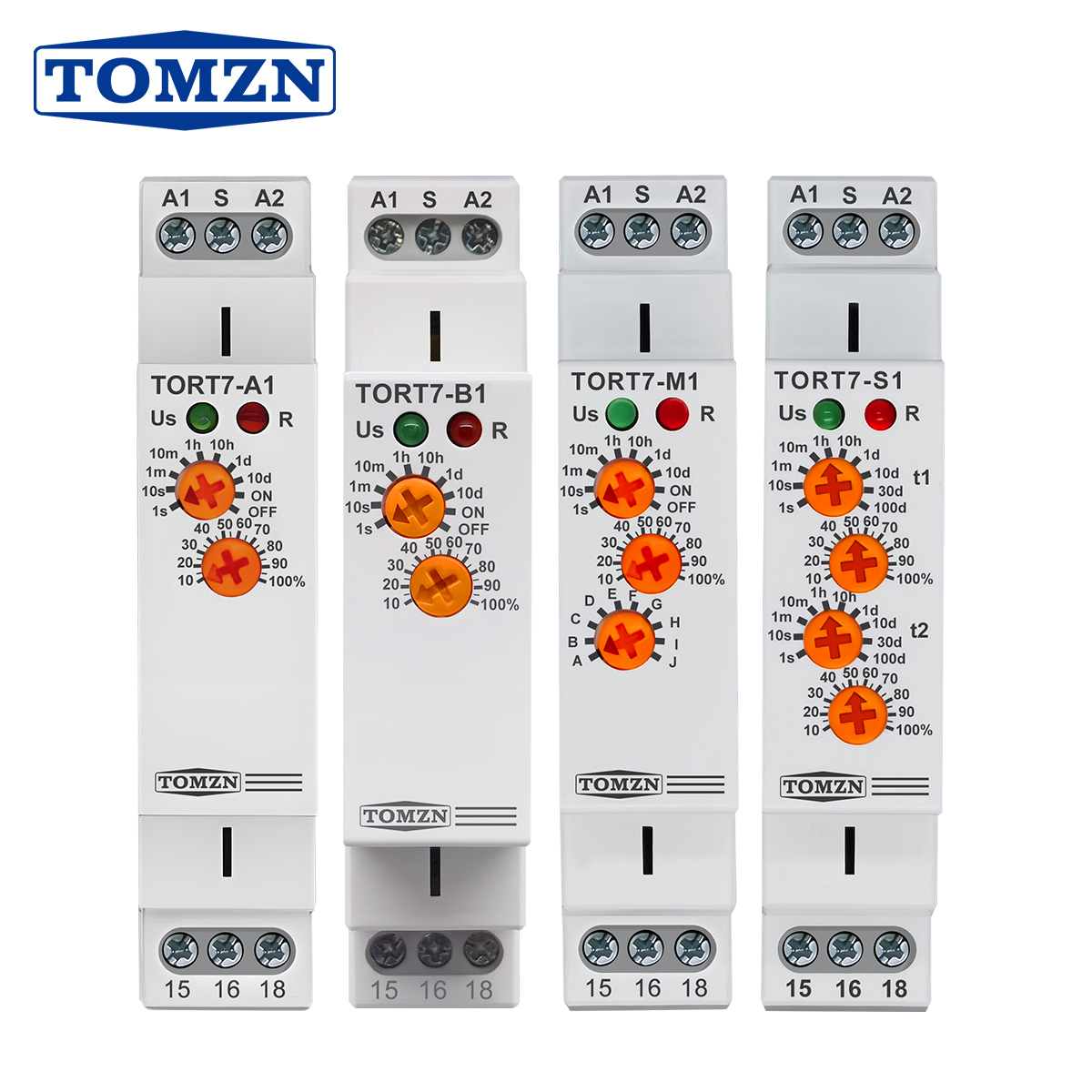
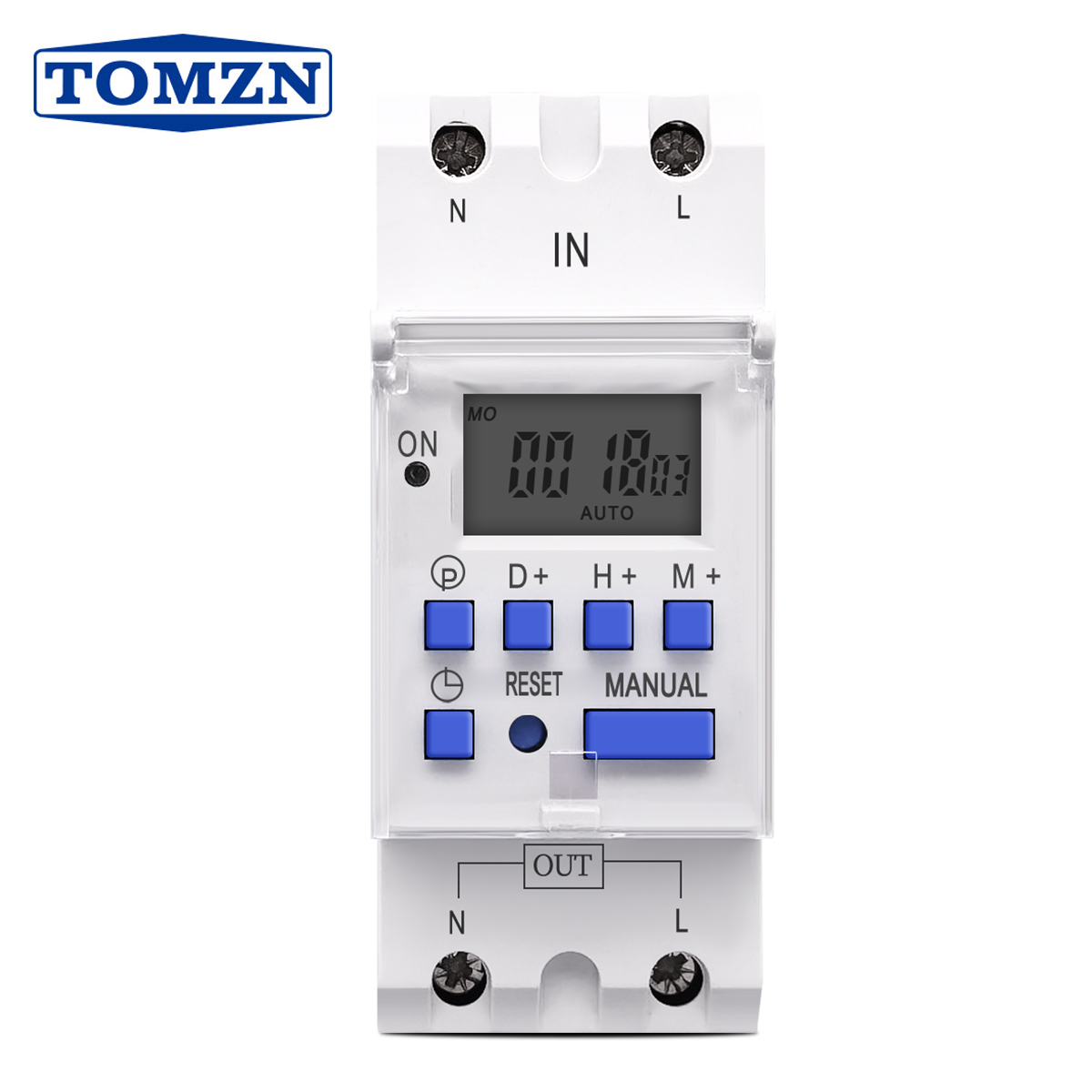
| TORT7 Hybrid Timing | 16A Resistive / 5A Inductive | Custom Delay Profiles | Cyclic / Impulse Reset | 1 C/O or 2 C/O SPDT | Star-Delta starting transition, sequence overload gating |
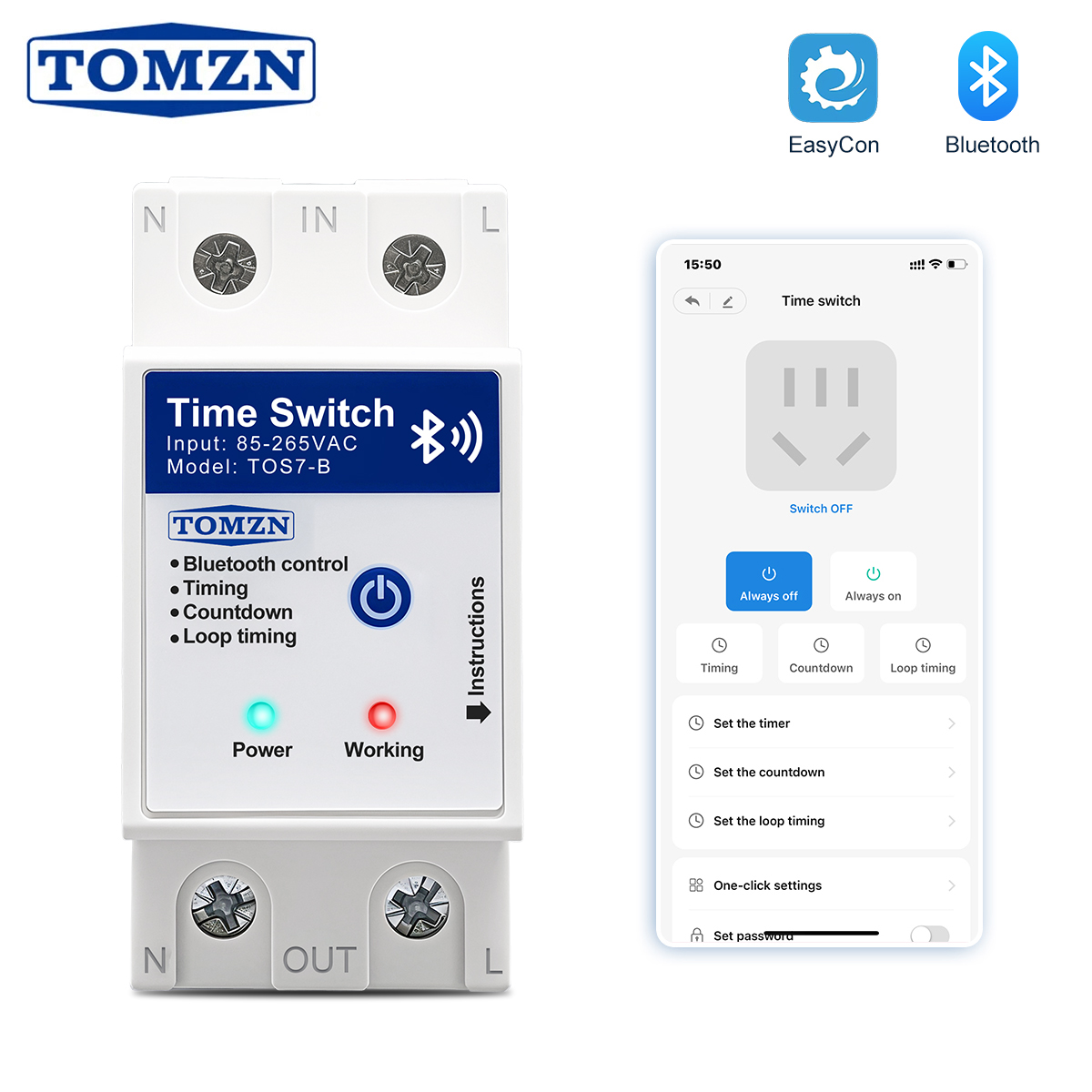
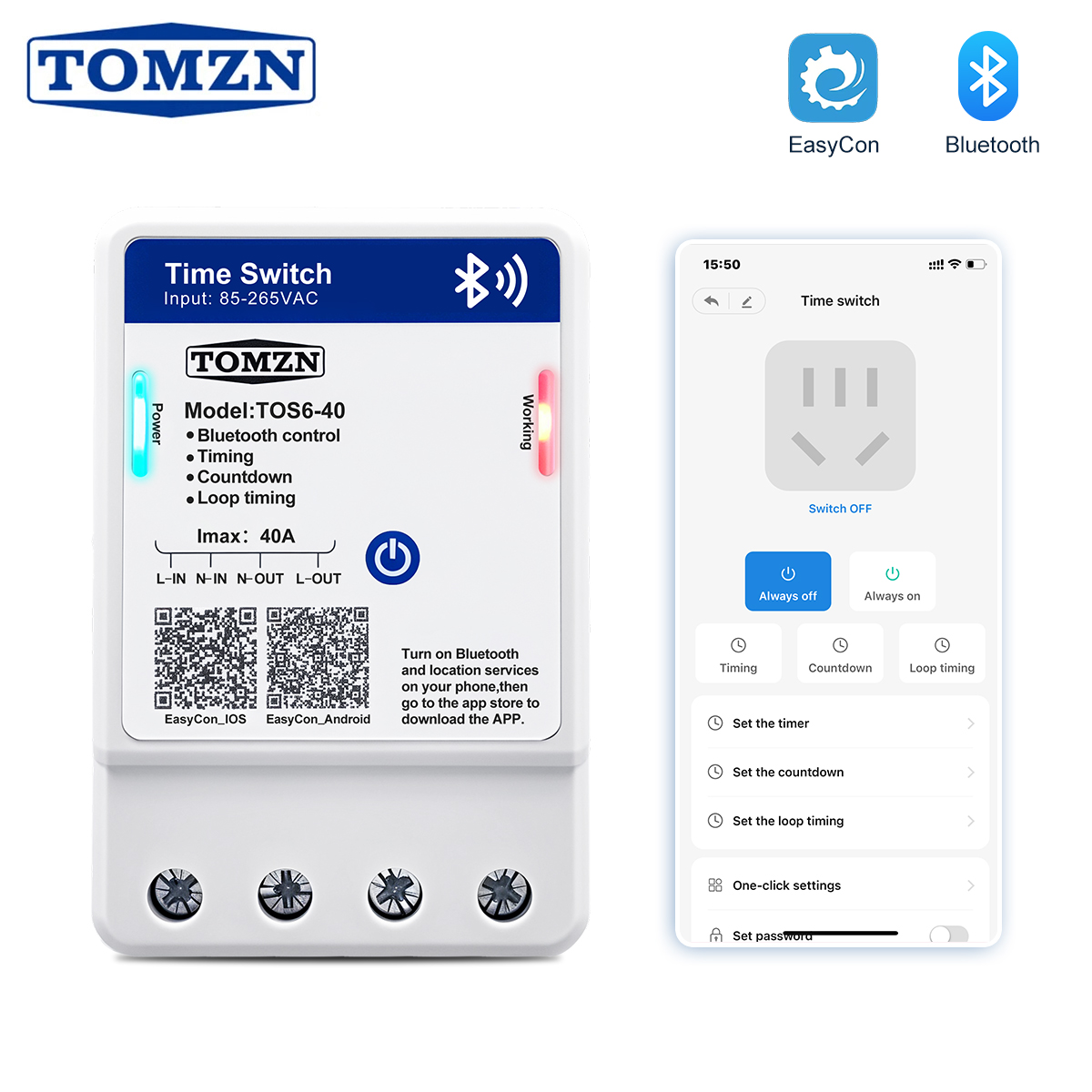
| TOS7 Smart Bluetooth | 10A to 63A Direct Drive | Solid-State Overcurrent Curve | Software / App Recoverable | Integrated Switching | Agricultural pumping, distributed EV chargers, automated HVAC |
Strategic Sourcing Roadmap
Future Procurement & Technology Trends in Protection Relays
How global decarbonization, industrial digitalization, and supply chain consolidation are redefining the selection of motor protection components.
Transition to Solid-State & Microprocessor Hybrid TORs
While bimetallic units remain cost-effective, international buyers are scaling purchases of electronic motor protection relays (EMPRs). These integrate real-time current transformers, zero-phase ground fault protection, and phase imbalance calculation, reducing energy loss within the relay itself by up to 60% compared to heating elements.
Direct Bus Communication & Edge Telemetry
Procurement contracts across Europe and the Americas now frequently mandate RS-485 Modbus, IO-Link, or wireless Bluetooth interfaces. Relays no longer simply cut power during an overcurrent event—they stream operational current, run hours, thermal memory %, and pre-alarm thresholds to central PLC hubs for predictive maintenance.
Compact DIN Modularization & Space Optimization
As automation enclosures shrink, demand is gravitating toward 18mm and 35mm modular DIN-rail mounted relays that integrate contactor direct-plug terminal structures. Buyers eliminate external jumper wiring, drastically cutting panel assembly man-hours and error rates during mass integration.
Verified Manufacturing Power
Why Global B2B Buyers Partner with Zhejiang TMB Electric
Rooted in Liushi Town, Wenzhou—the capital of low-voltage electrical apparatus in China. Fully backed by TÜV Rheinland on-site factory verification.
Liushi Industrial Cluster Synergies
Our facility in Huabei Village, Liushi Town operates inside China's densest low-voltage supply chain. Premium silver-alloy contacts, precision stamping, copper busbars, and UL94 V-0 flame-retardant housings are sourced within minutes, drastically compressing prototyping times and manufacturing lead times.
TÜV Rheinland On-Site Verification
Confidence in every shipment. Our factory, staff, and testing lines undergo rigorous third-party auditing by TÜV Rheinland. We operate documented Quality Management Systems (QMS), executing complete incoming material sampling, continuous trip calibration, dielectric withstand testing, and final batch inspection.
Flexible OEM/ODM & Low Trial MOQ
We break international procurement barriers. Standard catalog models feature trial MOQs starting from just 5 pieces (some timer switches from 1 piece), allowing engineering teams to test physical samples before committing to large volumes. Full custom branding, dial laser etching, custom enclosures, and tailored trip parameters are supported.
Procurement Clarity
Thermal Overload Relay Sourcing FAQ
Detailed technical answers to common queries submitted by industrial distributors, switchboard builders, and project engineers.
How do I precisely calculate the current setting for a thermal overload relay?
The thermal overload relay current dial should normally be set to the exact Full Load Amperes (FLA) printed on the motor nameplate, not higher. For motors with a 1.15 Service Factor (SF) operating under continuous stable loads, the setting may be adjusted up to 1.15 × FLA if permissible under local electrical codes (e.g., NEC Article 430). If the motor is used with Star-Delta starters where the relay is connected under the phase contactor, the setting must equal the FLA divided by √3 (approx. 0.58 × FLA).
What is the difference between Class 10, Class 20, and Class 30 trip curves?
Trip classes define the maximum operating time (in seconds) of the thermal relay under locked-rotor conditions (600% of FLA rating). A Class 10 relay will trip in 10 seconds or less at 6× rated current; Class 20 trips in 20 seconds or less; Class 30 trips in 30 seconds or less. High-inertia industrial loads (large blowers, crushers, heavy shredders) require Class 20 or 30 to permit the motor rotor to accelerate without false tripping.
Why must an overload relay never replace a short-circuit protective device (MCB/MCCB)?
Thermal overload relays are designed exclusively to protect against moderate, prolonged overcurrents and locked rotors. They have relatively slow reaction times (seconds to minutes) based on thermal expansion. A short-circuit event (hundreds or thousands of amperes) generates immediate destructive magnetic forces and rapid heat that can fuse the relay bimetal strips before they can flex. A dedicated branch circuit breaker (MCB/MCCB) or fast-acting fuse must always precede the contactor-relay assembly (Type 2 Coordination).
Can thermal overload relays protect DC motors or VFD output circuits?
Standard AC thermal relays can occasionally be used on DC circuits by wiring all three poles in series to ensure equal heating across each bimetal unit. However, placing a mechanical bimetallic thermal relay on the output of a Variable Frequency Drive (VFD) is not recommended: pulse-width modulated (PWM) high-frequency harmonics cause excessive eddy current heating within the bimetal, leading to erratic nuisance tripping. For VFD motors, use PTC thermistors embedded in windings or electronic motor relays calibrated for harmonic content.
Is Zhejiang TMB Electric Co., Ltd. a factory manufacturer or trading agency?
Zhejiang TMB Electric Co., Ltd. is an established, physical manufacturer with an integrated export trading division. Our manufacturing facility in Huabei Village, Liushi Town, Wenzhou covers 5,700 m² and employs over 92 personnel. The plant has been independently evaluated on-site by TÜV Rheinland, verifying our production lines, injection molding capabilities, calibration equipment, and direct export capacity.
What documentation and export certifications are supplied with sample and mass orders?
Every shipment can be accompanied by CE compliance certificates, official Factory Inspection and Test Reports, RoHS compliance declarations, material composition sheets, and standard IEC 60947 series performance dossiers. For specialized project procurement, our engineering team supplies calibrated time-current characteristic curves and AutoCAD / 3D STEP dimensional drawings.
Need Reliable Thermal Overload Relays or Custom Control Panels?
Consult with Zhejiang TMB Electric’s engineering department for technical specifications, trial samples, or custom OEM branding packages.