High-Performance Junction Boxes & Pre-Wired Assemblies
Explore our export-grade waterproof junction enclosures, PV string combiner boxes, and intelligent DIN-rail timing and switching controllers engineered in compliance with IEC 60670-1, IEC 62208, and IEC 61439.
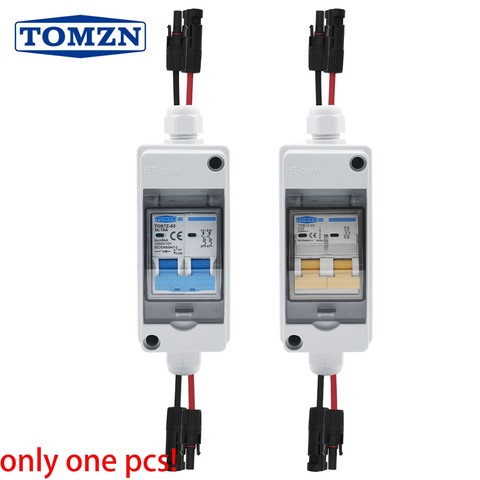
IP65 Solar PV Combiner Box (1-In 1-Out Pre-Wired with DC Breaker)
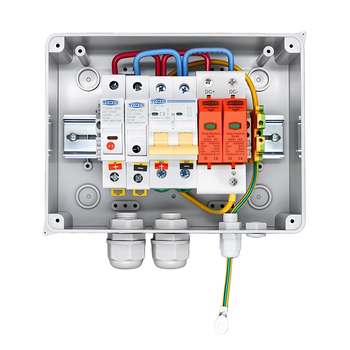
8-Way 600V DC PV Junction Box with MCB, Cartridge Fuse & SPD
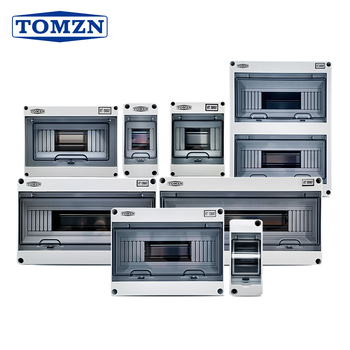
HT Outdoor Waterproof Electrical Junction & Distribution Box (5–18 Ways)
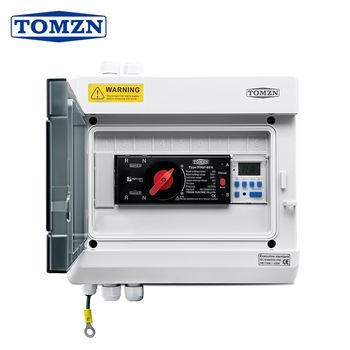
HT-9WAY Integrated Dual Power ATS Transfer Enclosure with 7-Day Timer
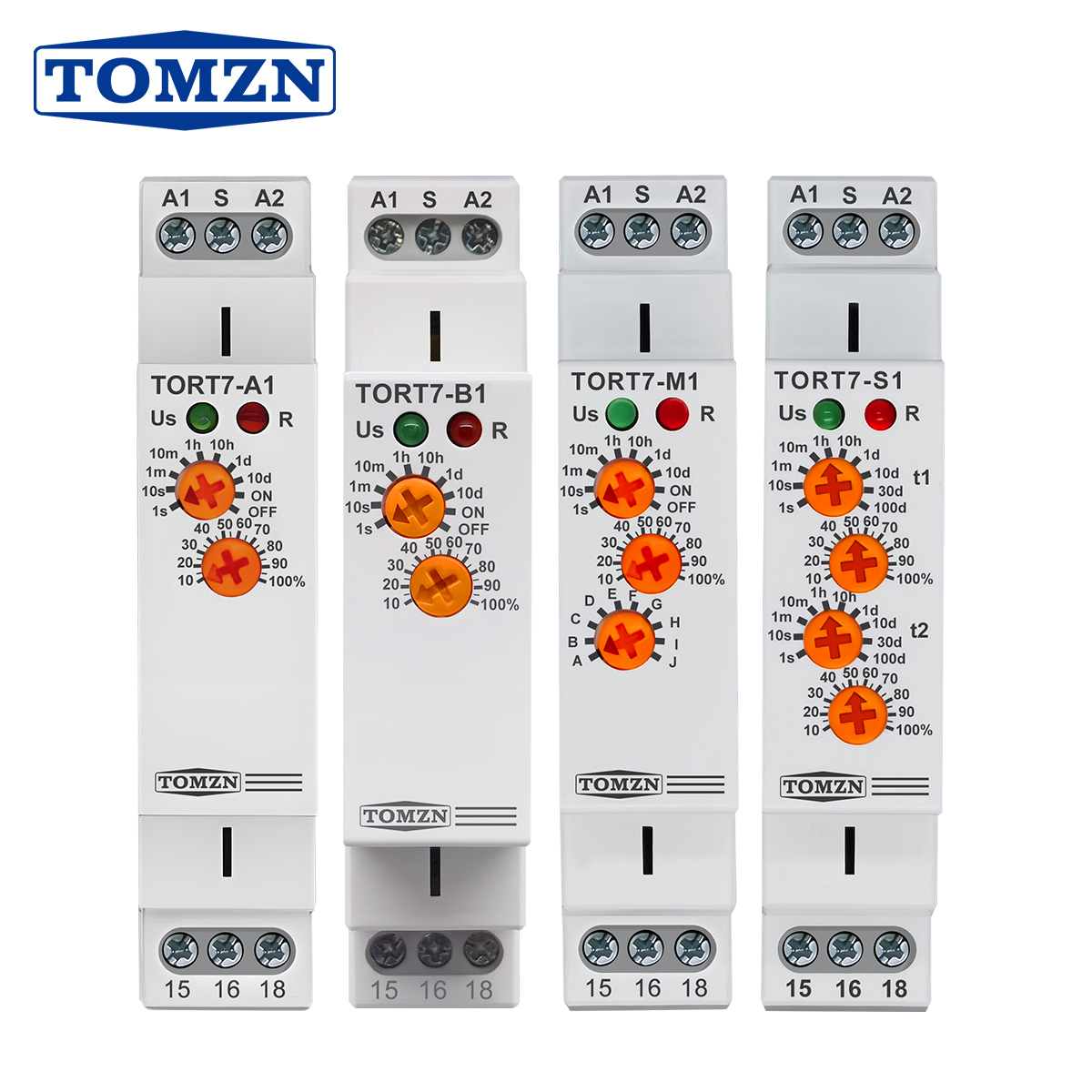
TORT7 Series 10-in-1 Asymmetric Cycler Delay Relay Multi-Function Switch
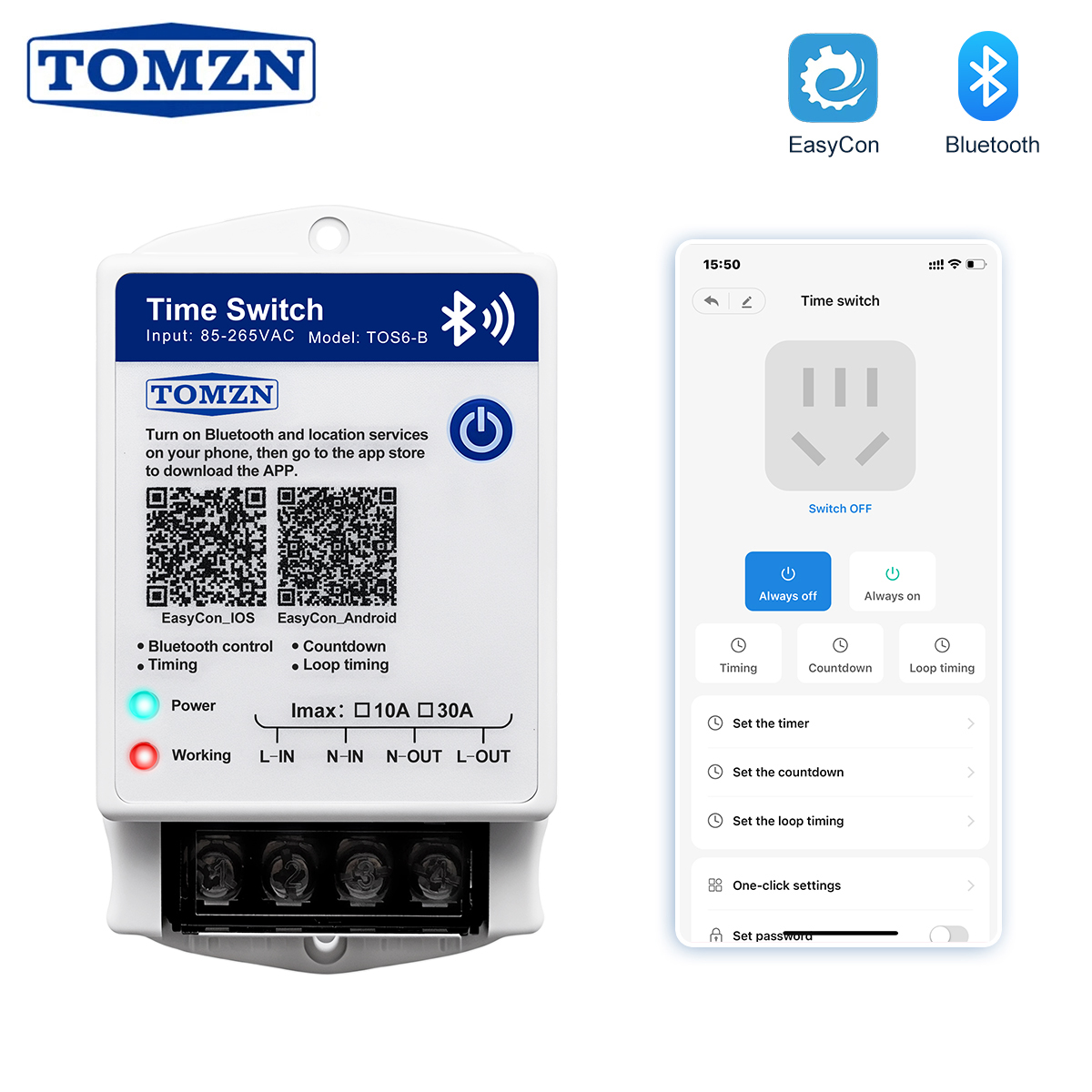
TOMZN Bluetooth Smart Timer Enclosure Switch (85–265VAC 10A/30A)
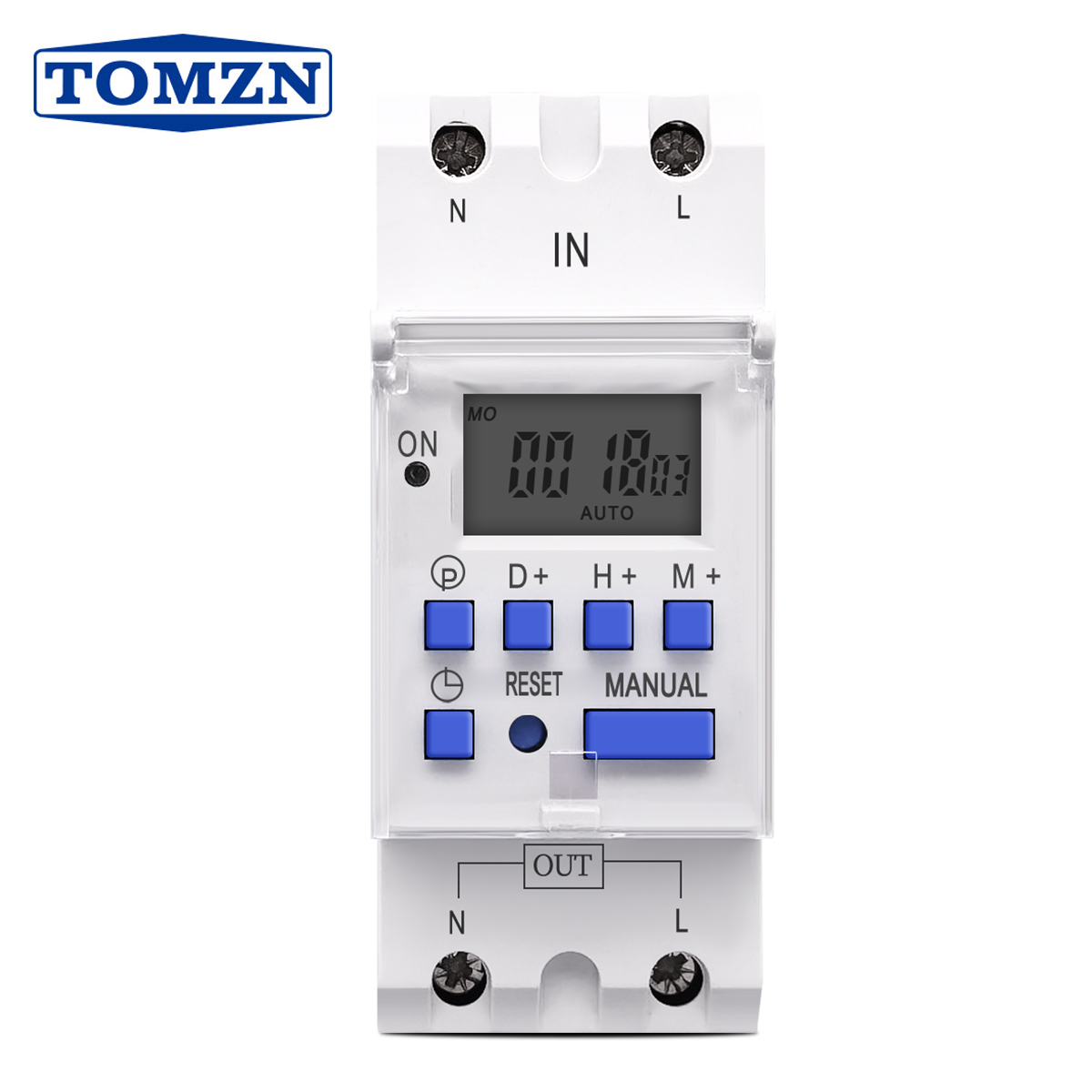
TOMZN DIN Rail Single-Phase Weekly 7-Day Programmable Digital Time Switch
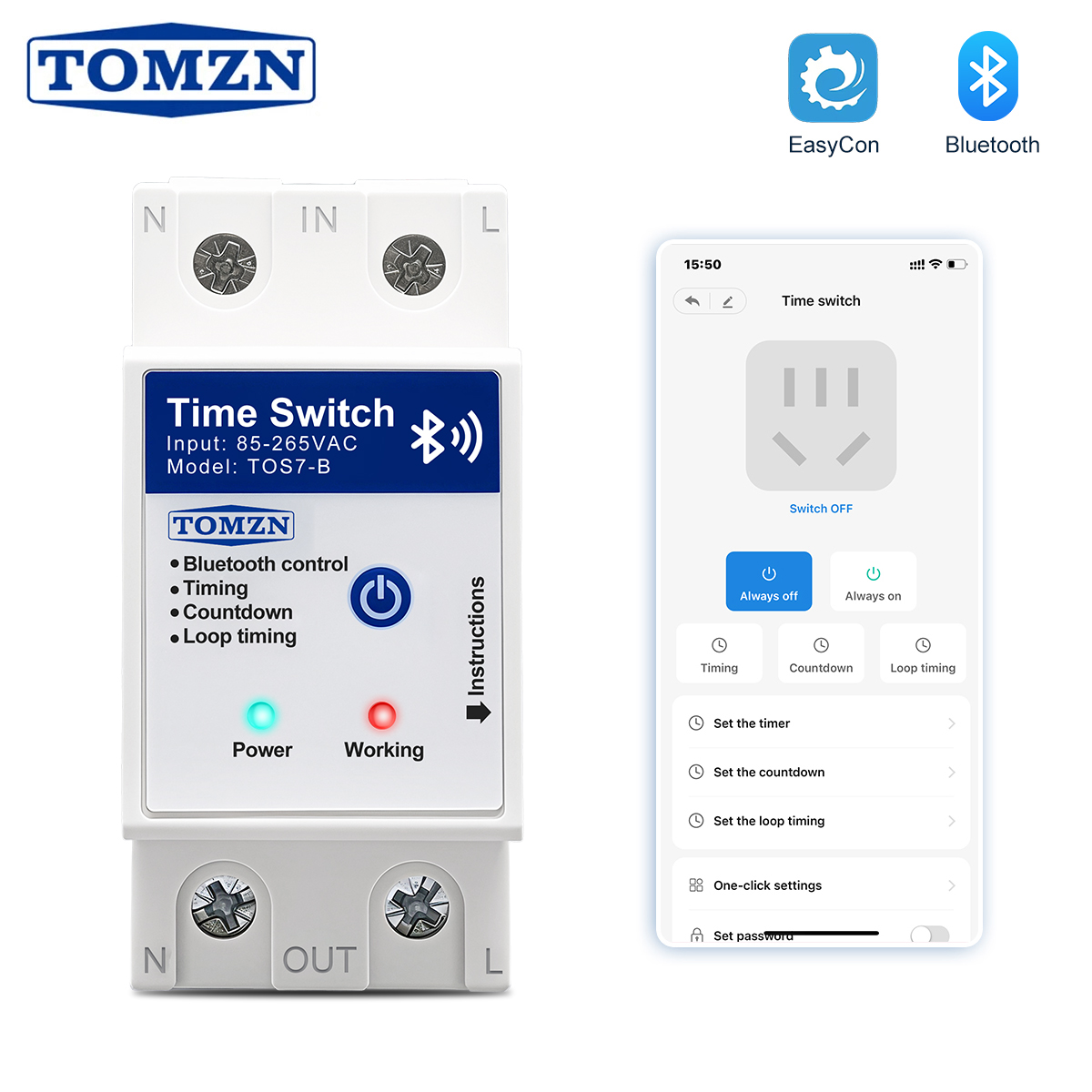
TOMZN TOS7-B Bluetooth Smart DIN Rail Switch 40A/63A with App Control
Why Global B2B Electrical Buyers Partner with Zhejiang TMB Electric
Rooted in Huabei Village, Liushi Town, Wenzhou—universally recognized as the capital of low-voltage electrical apparatus in China—Zhejiang TMB Electric Co., Ltd. leverages a concentrated 24-year industrial ecosystem. Our supply perimeter provides direct, same-day access to raw engineering polymers, high-conductivity oxygen-free copper busbars, precision stamping dies, and automated thermoplastic injection tooling.
By eliminating multiple tiers of intermediary trading markups and consolidating component-level manufacturing under one audited roof, TMB Electric empowers global importers, renewable energy EPC contractors, and private-label distributors to achieve robust pricing margins without sacrificing technical compliance.
Audited Factory Profile & Trade Capacity
Official on-site audit baseline recorded under international B2B certification standards:
- Operating Entity:Zhejiang TMB Electric Co., Ltd.
- Industrial Hub:Liushi, Wenzhou, Zhejiang, China
- Manufacturing Plant Size:5,700 m² Audited Floorspace
- Workforce & Technical Team:92 Verified In-House Personnel
- Verified Annual Export Volume:US$ 3,304,733+
- Core Product Categories:PV Combiner, MCB, ATS, SPD, Timers
- Quality Certifications:CE Marked, TÜV Verified, QMS
- OEM / ODM Private Label:Supported (Silk-screen, Tooling, Box)
- Trial Order Flexibility:From 1–5 Pcs Prototype MOQ
Engineering Anatomy of Next-Generation Electrical Junction Boxes
In electrical engineering, an electrical junction box or terminal enclosure is far more than a passive plastic housing; it serves as the critical safety interface protecting terminations from catastrophic insulation breakdown, environmental oxidization, UV embrittlement, and ingress of solid particulate or pressurized water jets. Modern solar PV installations and industrial smart buildings subject enclosures to extreme thermo-mechanical cycling, elevated DC string voltages up to 1500V DC, and sustained ambient ultraviolet radiation.
At Zhejiang TMB Electric, our engineering methodology relies on rigorous substrate selection, continuous finite-element thermal analysis (FEA), and standardized environmental chamber stress-testing to satisfy international benchmarks including IEC 60670-1 (Boxes and enclosures for electrical accessories for household and similar fixed electrical installations) and IEC 62208 (Empty enclosures for low-voltage switchgear and controlgear assemblies).
Virgin Polycarbonate + ABS Blends
Combines the high mechanical impact resilience (IK08–IK10) and thermal deflection tolerance of Polycarbonate with the cost-effective moldability and chemical resistance of Acrylonitrile Butadiene Styrene, engineered to UL94 V-0 flame-retardant standards.
Seamless PUR Foamed Gaskets
Continuous Polyurethane (PUR) robotic liquid foaming technology ensures a permanent elastic gasket seal along the enclosure lid lip, achieving verified IP65 and IP66 hermetic protection against moisture ingress, coastal saline air, and airborne dust.
UV Stabilizers & Anti-Aging Resins
Infused with specialized UV absorbers and hindered amine light stabilizers (HALS), guaranteeing extended outdoor life under intense solar irradiation without surface chalking, cracking, or loss of dielectric isolation properties over 15 to 25 operating years.
Enclosure Substrate Comparison Matrix for Sourcing Engineers
Evaluate mechanical impact, chemical corrosion, dielectric insulation, and thermal degradation across common junction box materials:
| Substrate Material | Impact Strength (IK) | Dielectric Strength | Corrosion & Saline Resistance | Continuous Operating Temp | Ideal Application Environment |
|---|---|---|---|---|---|
| PC/ABS Composite Blend | IK08 – IK09 | Excellent (>25 kV/mm) | Immune to rust; resistant to weak acids | -40°C to +85°C | Outdoor solar PV combiner boxes, distribution enclosures, telecom nodes |
| Pure Virgin Polycarbonate | IK09 – IK10 | Exceptional (>30 kV/mm) | High resistance to atmospheric weathering | -50°C to +120°C | Severe outdoor environments, desert solar arrays, high-vibration plants |
| General Purpose ABS | IK06 – IK07 | Good (>18 kV/mm) | Good indoor chemical resistance | -20°C to +60°C | Indoor residential distribution boxes, false ceiling junction junctions |
| Fiberglass Reinforced Polyester (SMC/FRP) | IK10 | Superior (>32 kV/mm) | Exceptional resistance to chemical acids & alkaline | -50°C to +140°C | Petrochemical facilities, coastal ports, marine splash zones |
| Die-Cast Aluminum Alloy | IK10+ | Conductive (Requires ground) | Susceptible to galvanic corrosion if unpainted | -60°C to +200°C | Hazardous ATEX explosive atmospheres, heavy industrial mechanical shielding |
Emerging Procurement & Technological Trends in Electrical Junction Enclosures
The global electrical junction box market is experiencing rapid structural transformation driven by global decarbonization, utility-scale solar PV expansion, electric vehicle charging infrastructure (EVSE), and smart building microgrids. B2B procurement leaders who align their sourcing strategies with these developments will secure substantial operational and financial advantages.
1. Accelerated Migration to Pre-Wired "Plug-and-Play" Combiner Assemblies
Rising on-site electrical labor costs across North America, Europe, Australia, and Latin America have rendered field wiring of discrete DIN-rail circuit breakers, SPDs, and terminal blocks economically inefficient. Global EPC contractors increasingly mandate factory pre-wired, pre-tested junction boxes that integrate DC breakers, fast-blow photovoltaic fuses, surge arresters, and automated ATS transfer switches directly inside waterproof HT distribution enclosures. By importing fully assembled junction modules from Zhejiang TMB Electric, field installation labor is reduced by over 65%, while eliminating wiring wiring mistakes that lead to electrical fires.
2. IoT-Enabled Intelligent Junction Enclosures & String Monitoring
Traditional passive junction boxes are giving way to smart enclosures embedded with micro-sensors, Bluetooth/WiFi communication controllers, and high-precision current transducers. These smart junction systems measure string current, open-circuit voltage, terminal overheating, and earth-fault leakage in real-time. Products such as our TOMZN Bluetooth Smart Countdown Timer Switch and TOS7-B Smart DIN Rail Switch demonstrate how digital timing, cycle loops, and cloud app control can be integrated directly into modular distribution enclosures without consuming excessive DIN-rail real estate.
3. Pressure Equalization Technology & Anti-Condensation Breather Vents
In humid climates and day-night temperature swings, hermetically sealed IP66 junction boxes suffer from internal condensation due to vacuum pressure cycles—a phenomenon known as "pumping effect". The future of outdoor junction box procurement demands integrated waterproof breather valves (ePTFE microporous membrane vents). These vents allow gaseous moisture and pressure to equalize freely while completely barring liquid water droplets and dust ingress, effectively protecting sensitive DC contactors and surge suppression cartridges from premature corrosion.
4. Stringent Halogen-Free & Eco-Design Directives
Regulatory frameworks such as the European RoHS (Restriction of Hazardous Substances), REACH, and strict building safety codes (NFPA 70 / BS 7671) are mandating halogen-free plastics. In the event of an electrical short-circuit fire, junction boxes constructed with halogenated flame retardants emit dense, highly corrosive hydrogen chloride gas. Wholesale procurement contracts now overwhelmingly favor halogen-free Polycarbonate/PBT compounds that produce minimal smoke toxicity and exhibit self-extinguishing capabilities according to the Glow-Wire Test method (IEC 60695-2-11 at 850°C or 960°C).
Frequently Asked Questions by Overseas B2B Buyers
Technical clarity addressing structural compliance, factory verification, order logistics, and customized manufacturing capabilities for global distributors and project contractors.
Is Zhejiang TMB Electric Co., Ltd. a direct manufacturing factory or an export intermediary?
What are the critical distinctions between standard AC junction boxes and solar DC combiner boxes?
1. DC-rated circuit breakers or disconnectors with specialized magnetic arc-blowout chutes and enlarged contact gaps.
2. 10×38mm or 14×51mm gPV solar cartridge fuses rated to handle high DC breaking currents.
3. High-energy Metal Oxide Varistor (MOV) DC surge protective devices (SPDs) with specific maximum continuous operating voltage (Uc) ratings matching string Voc.
4. Non-polarized or strictly marked polarized terminal busbars with heightened creepage and clearance distances under IEC 60947-3.