Precision Control, Timing Relays & DC Switching Arrays
Source CE-certified electrical control devices and DC contactor subsystems directly from our Liushi industrial manufacturing cluster. Low initial sample MOQs with high-precision custom OEM production.
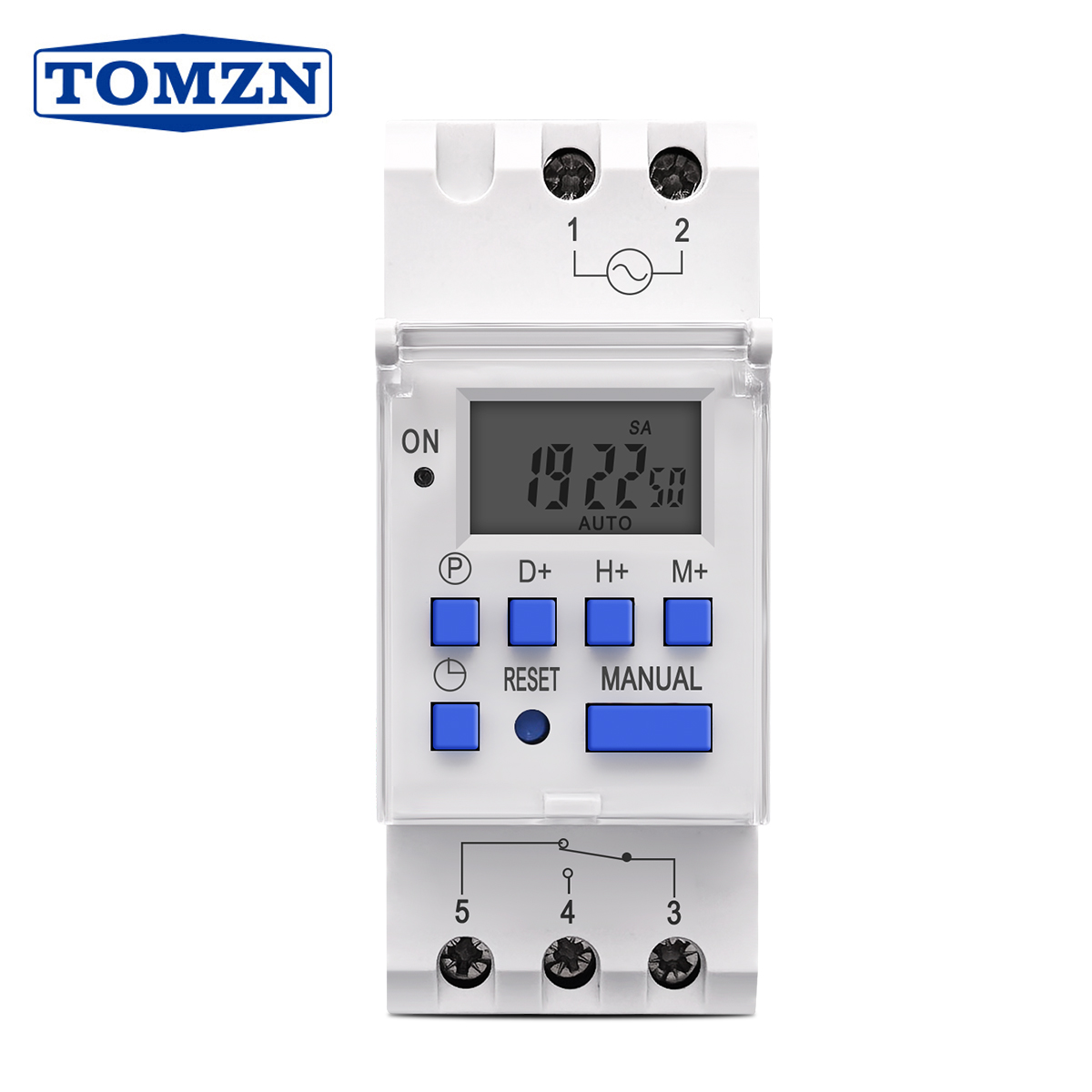
TOMZN 1NO 1NC Din Rail Single Phase Weekly 7 Days Programmable Digital TIME SWITCH Relay Timer AC 220V 230V 12V 24V 48V 16A
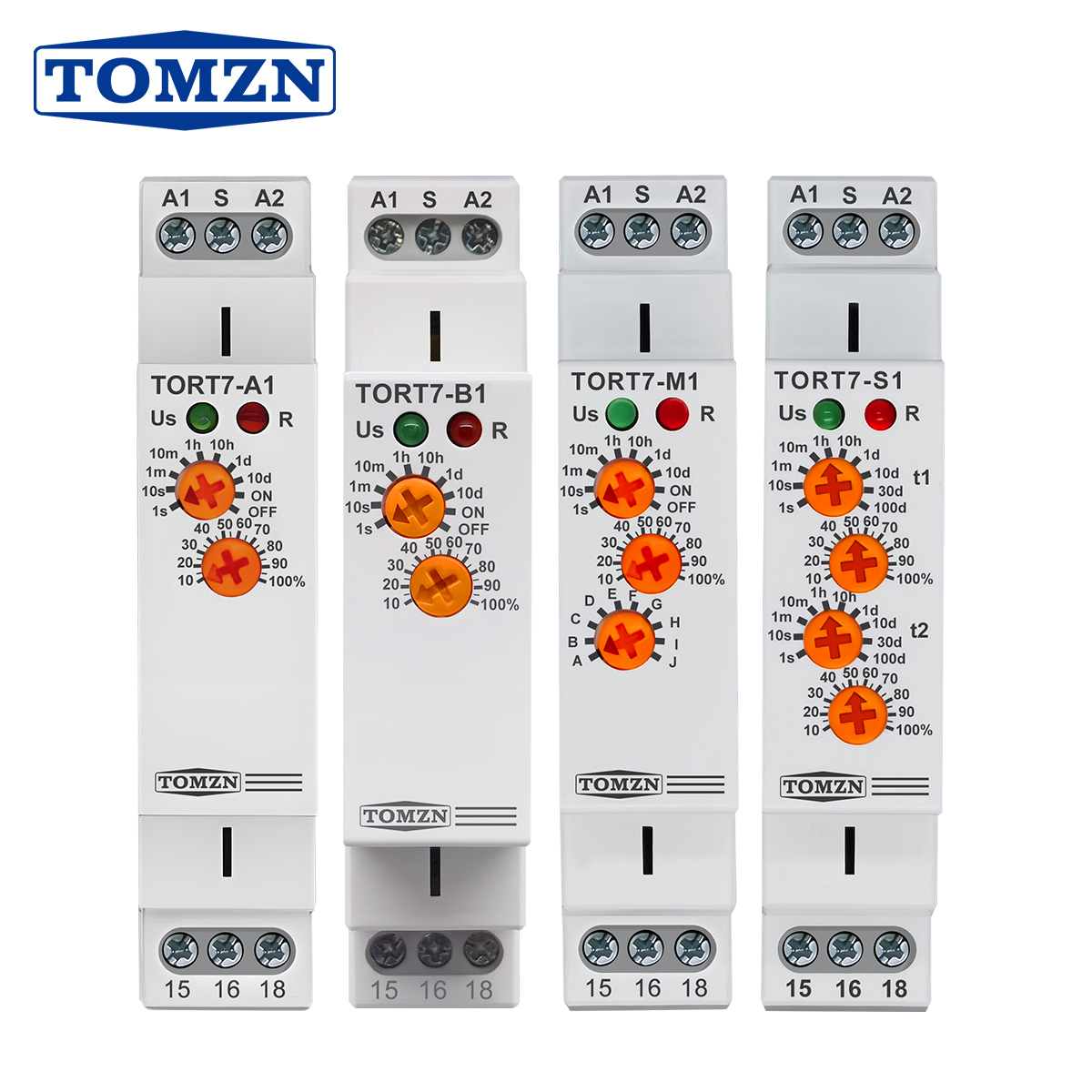
TORT7 Series Delay-ON Delay-OFF 10in1 Asymmetric Cycler Time Relay Multi-function Timer Switch 0.1S-10D Pulse Generator Interval
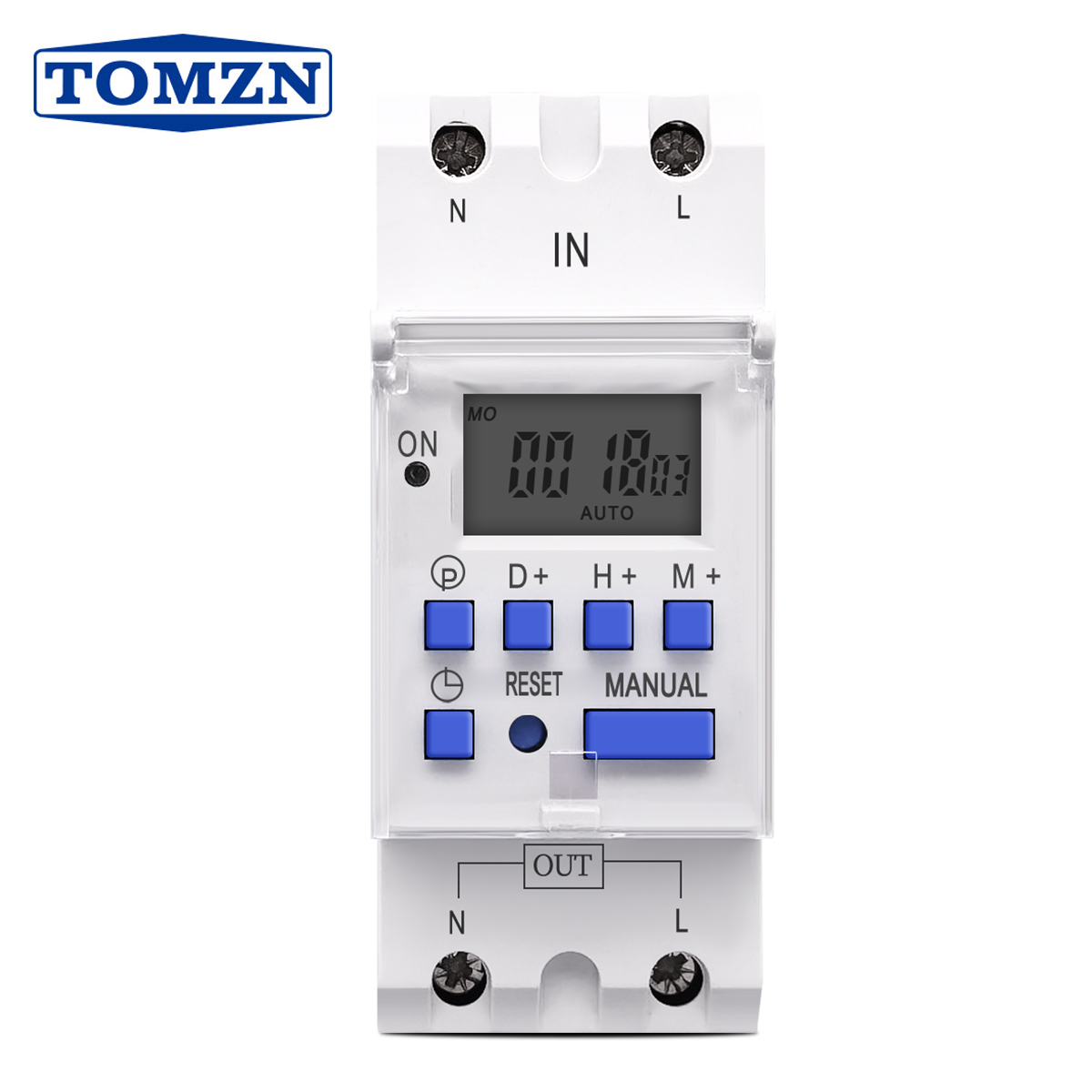
TOMZN New Type Din Rail Single Phase Weekly 7 Days Programmable Digital TIME SWITCH Relay Timer AC 220V 230V 12V 24V 48V 16A
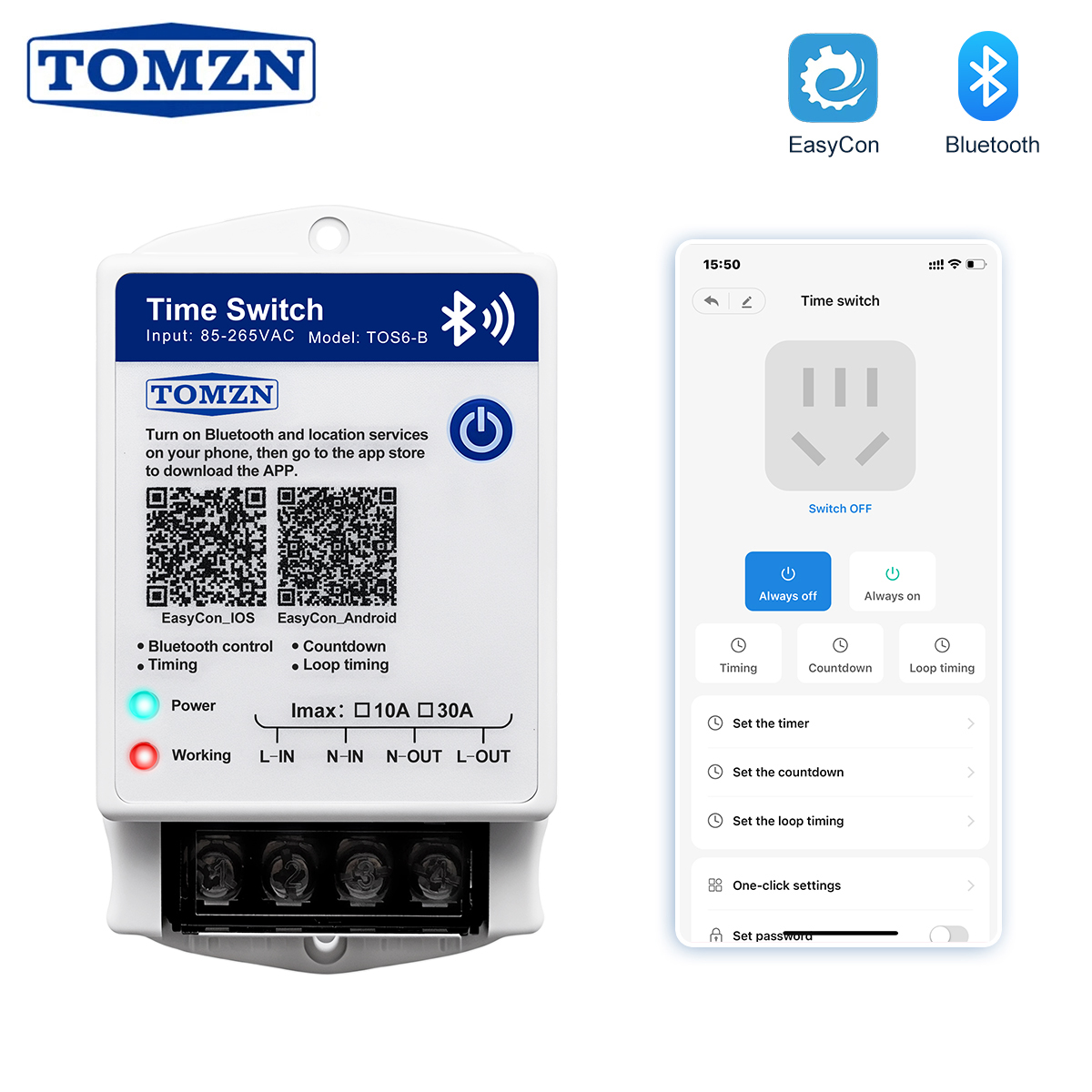
TOMZN Bluetooth Smart Timer Switch 85-265VAC 10A 30A EasyCon Wall-mounted Countdown 28 Groups Timing Loop Timing
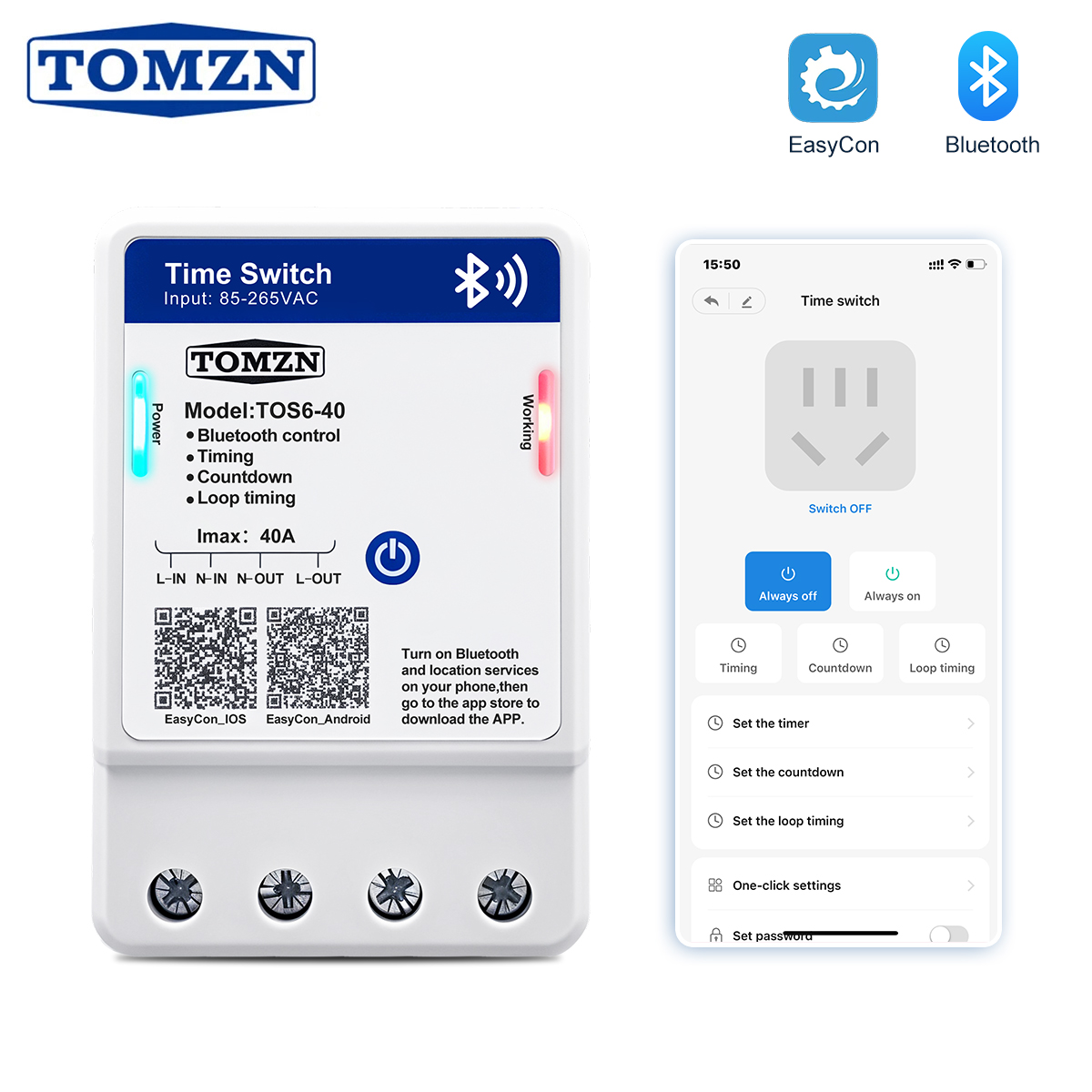
TOS6-40 Bluetooth Time Control Switch 35mm DIN Rail Wall-mounted Timing Countdown Loop Timing AC85-265V 40A Tomzn Official
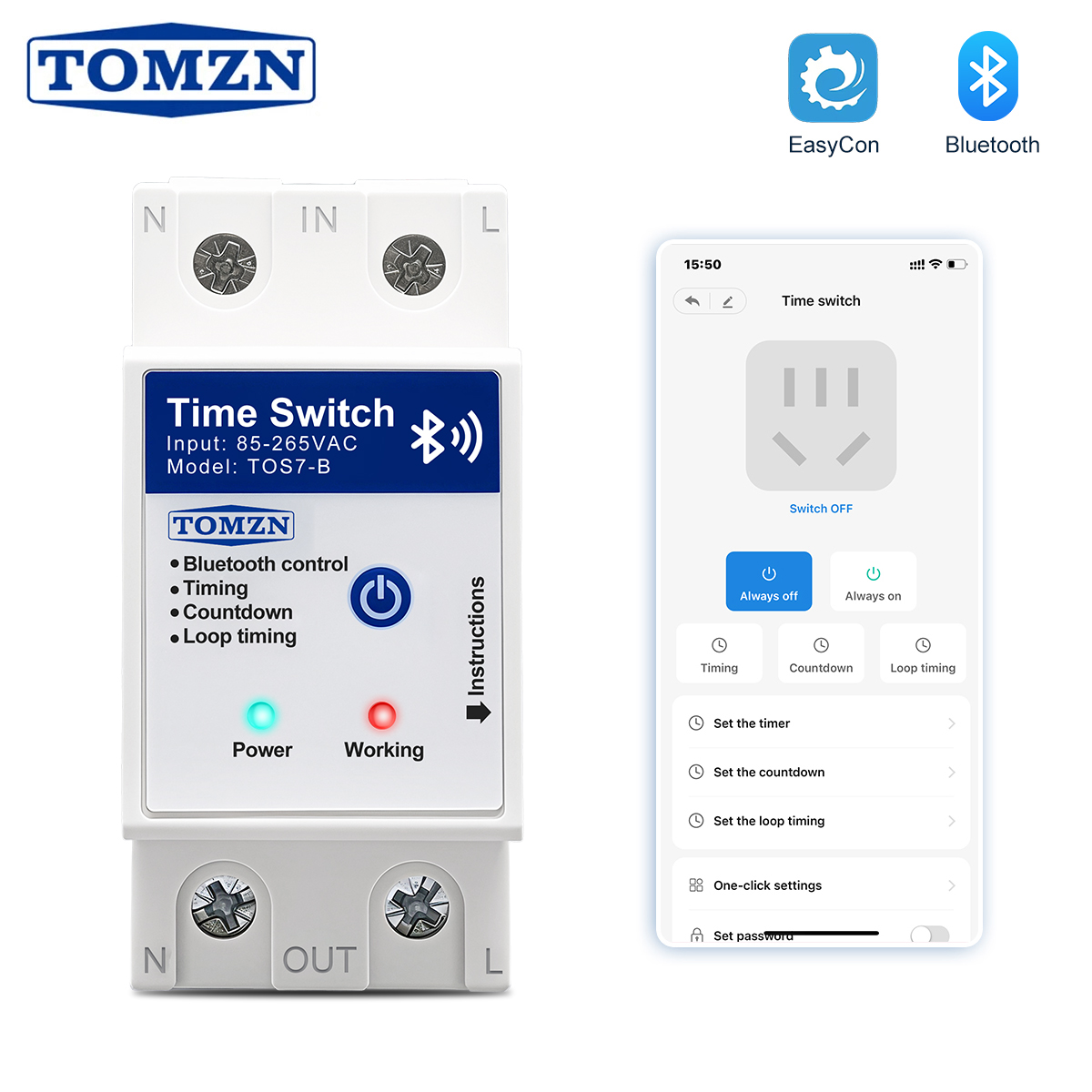
TOMZN TOS7-B Bluetooth Smart Timer Switch 40A 63A 85-265V EasyCon App Remote Control DIN Rail Countdown 28 Groups Timing Loop
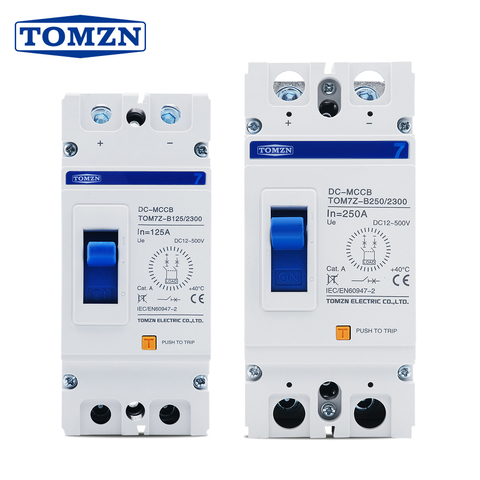
Custom OEM High-Voltage 500V/1000V DC Contactor & Arc-Extinguishing Disconnect Assembly
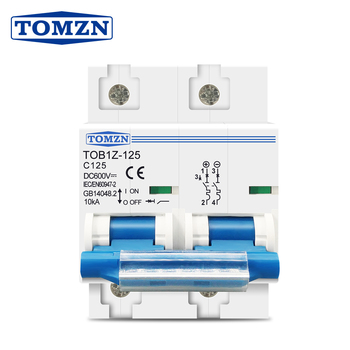
Heavy Duty 600V 80A-125A DC Solid-State & Magnetic Latching Contactor Array for BESS Units
DC Arc Quenching Mechanics: Why Direct Current Switching Requires Specialized OEM Engineering
Hermetic Ceramic Arc Chambers
Contacts are sealed within brazed alumina ceramic chambers evacuated and backfilled with high-pressure reducing gases (such as 90%+ hydrogen and nitrogen blends). The high thermal conductivity of hydrogen rapidly cools the arc plasma, achieving dielectric recovery speeds up to 10× higher than atmospheric open-air contacts.
Rare-Earth Permanent Magnetic Blowouts
Strategically positioned NdFeB (Neodymium Iron Boron) permanent magnets generate strong transverse magnetic flux densities across the contact gap. Utilizing the Lorentz force ($F = q(E + v \times B)$), the arc plasma is physically driven outwards into insulated ceramic splitter plates where it splits, elongates, and cools in sub-millisecond durations.
Silver Alloy Contact Metallurgies
Rather than standard copper, OEM contact pads utilize sintered Silver Tin Oxide (AgSnO2) or Silver Nickel (AgNi) composites. These refractory alloy compositions exhibit superior anti-welding properties under 2000A inrush currents and prevent contact material transfer erosion during repeated switching under high inductive loads (L/R time constants > 5ms).
Configurable Subsystems for High-Voltage Energy Storage, EV Charging & Solar Photovoltaic
| OEM Subsystem | Standard Catalog Offering | Custom OEM Engineered Options | Target Technical Application |
|---|---|---|---|
| Coil Actuation & Economization | Single continuous coil, standard 12VDC, 24VDC, or 220VAC | Dual-coil electronic economizer with PWM holding circuitry (power drop from 45W inrush to 1.8W holding) | Energy-sensitive BESS battery management systems (BMS) & telecom backup nodes |
| Contact Polarity & Current Flow | Unidirectional polarized contacts with directional blowout magnets | Symmetric non-polar bidirectional contact arrays with center-biased magnetic suppression chambers | V2G bidirectional chargers, regenerative braking systems & battery charge/discharge cycles |
| Auxiliary Contact Logic | No auxiliary feedback or 1NO microswitch | Optically isolated or gold-flashed SPST-NO/NC auxiliary switches mechanically linked directly to main armature | ASIL-D automotive safety loops, UL1741 fire isolation shutdown, and SCADA telemetry |
| Insulation & Dielectric Voltage | 1,000V DC rated insulation; 2.5 kV dielectric withstand | Up to 1,500V DC nominal operating voltage; reinforced insulation withstanding 6 kV impulse surges (1.2/50 μs) | Utility-scale 1500V string inverters and centralized megawatt energy storage systems |
| Terminal Connections & Hardware | Standard M6/M8 copper threaded studs | Nickel-plated oxygen-free high-conductivity (OFHC) copper busbars, custom terminal orientation & push-fit control terminals | Custom power distribution units (PDU), combiner boxes, and compact electric bus chassis |
Need Custom Electrical Schematics or Prototype Tooling?
From initial contact gap simulations to full mechanical envelope 3D STEP models, our R&D team provides comprehensive OEM/ODM design packages within 7 working days.
Why Global B2B Distributors & EPCs Partner with Zhejiang TMB Electric
Liushi Supply Cluster Proximity
Our 5,700 m² production facility is situated within minutes of premier raw material specialists, stamping shops, copper foundries, and flame-retardant polymer molders. This localized vertical cluster ensures short component supply lead times, lower tooling costs, and agile prototype adjustments.
TÜV Rheinland Assessed Facility
Our workshops, assembly cells, inventory reserves, and quality management systems (QMS) have undergone complete on-site physical auditing by TÜV Rheinland. We operate documented incoming material inspections (IQC), in-process checks (IPQC), and 100% full dielectric and contact resistance factory testing (OQC).
Low MOQ (From 5 Pcs) for Agility
Unlike massive conglomerates demanding initial orders of 5,000+ units, we support B2B buyers, solar EPCs, and panel builders with trial batches starting from 5 pieces. This allows full laboratory bench testing, thermal chamber validation, and market feedback before committing to volume sea freight.
Advanced Inspection & Manufacturing Protocol
Every single DC contactor, digital timer, and circuit breaker that leaves our assembly floor complies with strict international electrical safety benchmarks. We maintain internal laboratories equipped to verify mechanical life cycles up to 300,000 operations.
- Automated Laser Marking: Bespoke client logos, wiring diagrams, and batch traceability codes.
- Millivolt Drop & Contact Resistance Testing: Ensuring under 0.5 mΩ initial resistance to minimize heat buildup.
- Helium Mass Spectrometer Leak Detection: Verifying airtight seal hermeticity (< 1×10⁻⁸ Pa·m³/s).
Future Sourcing & Technology Roadmap: What Sourcing Directors Must Anticipate (2025–2030)
Migration to 1500V DC Architectures
Commercial solar arrays and utility-scale BESS have almost universally migrated from 1000V to 1500V DC systems to reduce cable copper mass and I²R distribution losses. Contactors must handle higher open-circuit voltages (Voc) under sub-zero temperatures with creepage distances exceeding 25mm.
Bi-Directional Power Handling (V2G)
Traditional unidirectional contactors fail rapidly when current reverses during regenerative braking or Vehicle-to-Grid (V2G) discharging because blowout magnets push reverse arcs directly into contact arms. Sourcing managers are specifying symmetrical dual-directional magnetic systems.
Smart IoT Telemetry & Cycle Counting
The convergence of DIN-rail smart timing relays (such as TOMZN Bluetooth EasyCon systems) with main contactors allows predictive health monitoring. Hall-effect sensors and microcontrollers monitor contact temperature and cumulative switching cycles to forecast contact erosion prior to catastrophic failure.
Eco-Friendly Gas Chemistry (RoHS & REACH)
Stricter environmental mandates across the European Union and North America are accelerating the phase-out of greenhouse or halogenated arc-quenching compounds (such as SF6). Advanced factories are shifting entirely to purified H2/N2 hermetic mixtures and clean epoxy/ceramic seals.
Frequently Asked Questions: Sourcing Custom OEM DC Contactors
Technical, commercial, and operational queries answered by our senior electrical engineering and international trade team.
What is the distinct difference between an AC Contactor and a DC Contactor?
AC contactors depend on the natural zero-crossing of the voltage wave (every 10ms at 50Hz) to extinguish arcs, requiring simple air de-ion plates and shading rings on the magnetic core to stop 100Hz mechanical chattering. DC contactors have no zero-crossing, continuous magnetic pull without shading rings, wider mechanical contact gaps, and active arc-elongation systems (permanent magnets or hermetic gas) to avoid sustained plasma burning.
Why is the L/R time constant critical during DC contactor sizing?
The inductive time constant (L/R ratio, in milliseconds) determines how much magnetic energy is stored within the circuit inductance ($E = \frac{1}{2} L I^2$). Under pure resistive loads (L/R ≤ 1ms), contact separation is swift and arc duration is minimal. Under inductive motor or transformer loads (L/R ≥ 5ms to 15ms), stored energy sustains the arc during separation, drastically increasing contact vaporization and demanding higher rated contactors.
Can you provide custom coil voltages and pulse economizer circuits?
Yes. Zhejiang TMB Electric routinely designs custom coils ranging from 12V DC, 24V DC, 48V DC, up to 110V/220V DC and AC wide-range inputs (85V-265V). We can integrate dual-coil PWM economizers inside the housing that provide a powerful 30ms mechanical pick-up stroke, immediately dropping continuous holding power by 85-95% to reduce standby heat inside sealed enclosures.
What is the standard production lead time for OEM sample orders vs container shipments?
For standard catalog configurations and minor custom modifications (laser engraving, terminal geometry, custom wire harness), prototype samples typically ship within 5 to 7 working days. Full 20ft/40ft container export shipments generally require 20 to 30 calendar days, backed by our streamlined Liushi supply chain for rapid raw component acquisition.
Which third-party certifications and inspection documents accompany orders?
Our product lines carry applicable CE markings (EN 60947-4-1, EN 60947-2), RoHS compliance reports, and internal factory dielectric/temperature-rise test reports. Furthermore, our complete facility has been verified through a detailed on-site assessment report by TÜV Rheinland, which is available for client compliance auditing before order placement.
How do you guarantee quality consistency across repeat production batches?
Every batch follows strict Standard Operating Procedures (SOPs). Contact alloy silver content is verified through spectrometer sampling; coil wire insulation is checked against breakdown voltages; and 100% of finished units undergo computerized pick-up/drop-out voltage calibration, coil resistance verification, and terminal torque tightening verification.
Connect Directly with Our OEM/ODM Engineering Team
Send us your technical specification sheet, circuit topology, target operating voltage, continuous load current, and coil parameters. Our application engineers will evaluate your requirements and provide tailored samples and wholesale pricing.