High-Precision DIN Rail & Digital Timing Meter Showcase
Explore our export-certified modular control and digital monitoring series. Tailored specifically for panel builders, automation integrators, and solar energy equipment distributors.


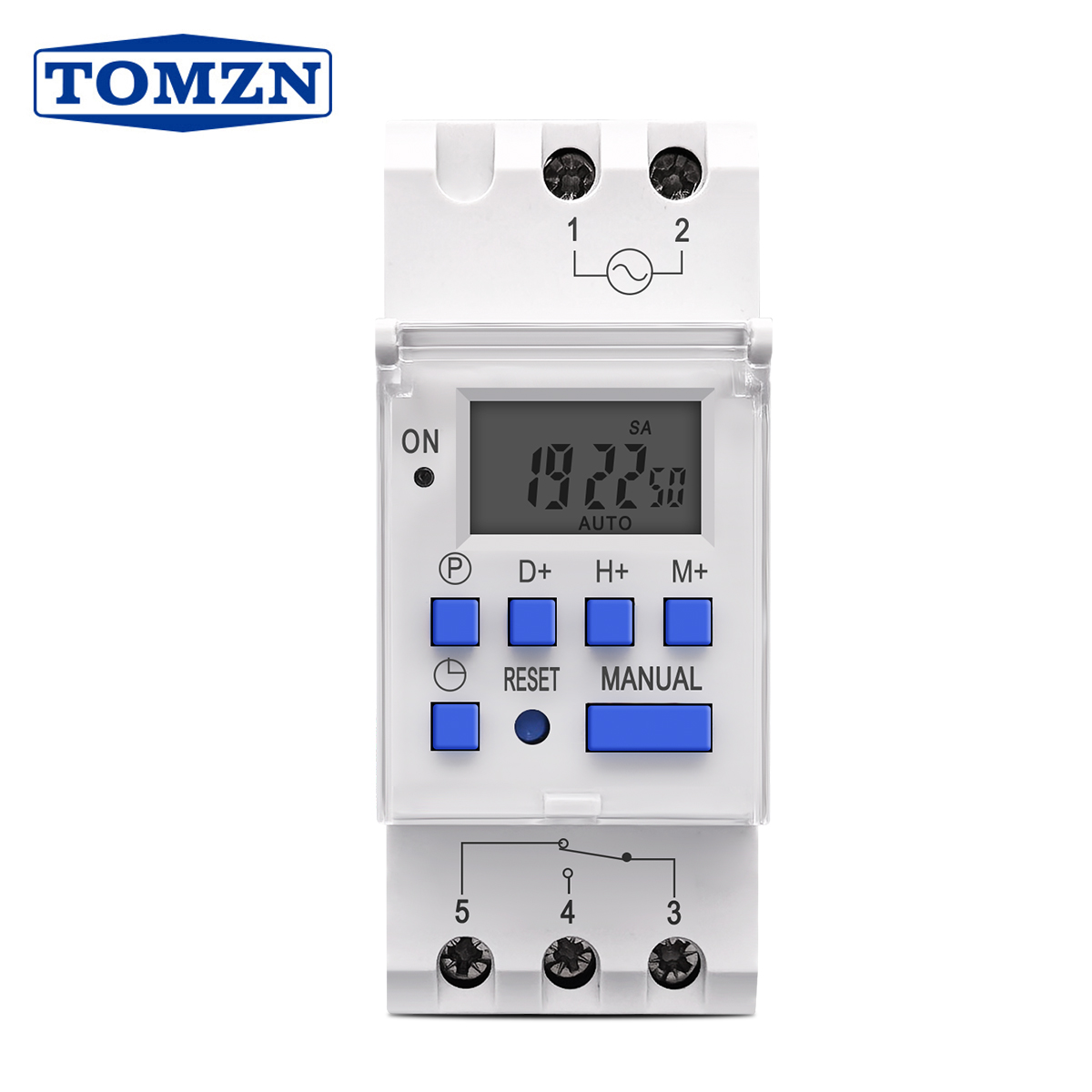
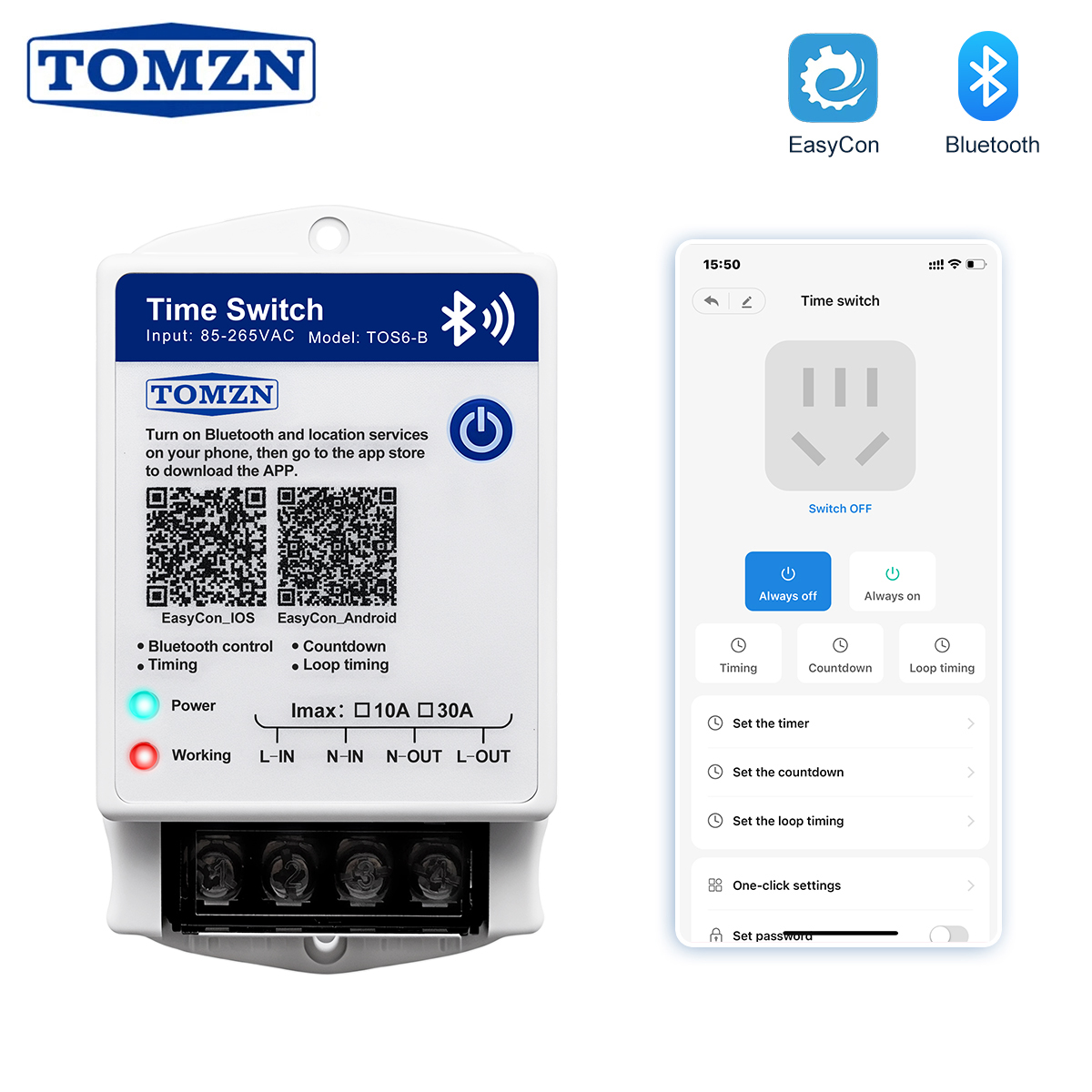


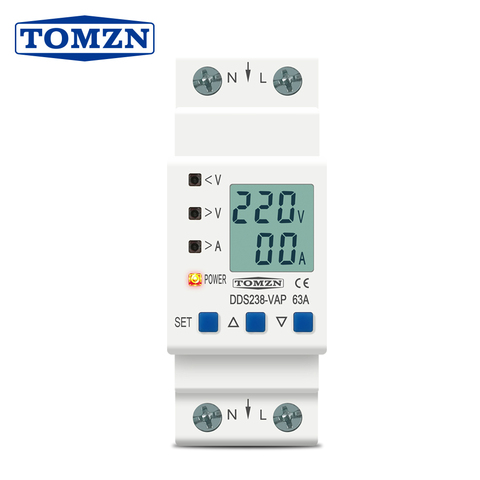
Adjustable Digital Voltage Protector with kWh Meter
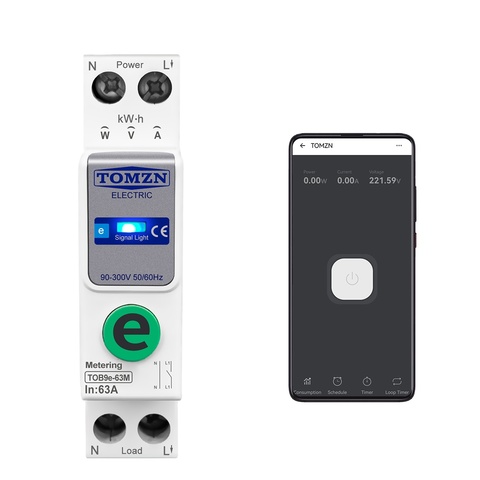
TOB9e-63M Smart WiFi Digital Energy Panel Meter
Engineering Paradigm Shift: Next-Generation Digital Panel Metering
In low-voltage power distribution networks, the digital panel meter has evolved from a passive analog transducer reader into an edge-computing telemetry unit with active safety tripping capabilities.
High-Speed Microprocessor Architectures
Modern digital panel meters utilize 32-bit ARM Cortex processing cores capable of True-RMS real-time sampling up to the 63rd harmonic. This prevents erroneous readings caused by nonlinear loads, variable frequency drives (VFDs), and switching solar inverters.
Hybrid Protocol Telemetry (Modbus / BLE / WiFi)
Gone are isolated displays. Modern panel meters integrate multi-drop RS-485 Modbus-RTU alongside local low-latency Bluetooth Low Energy (BLE) and cloud WiFi. Field technicians configure loop profiles, hysteresis trip points, and download event logs directly through industrial mobile interfaces.
Combined Metering & Active Dielectric Safety
The convergence of class-leading metering chips with high-current latching relays (up to 80A continuous) allows meters to act as dynamic over/under voltage, loss-of-neutral, and overload trip units, reducing cabinet DIN rail footprint by over 40%.
Comparative Specification Matrix for B2B Procurement
Engineers must evaluate panel meters based on dielectric withstand capabilities, sampling rates, and thermal handling under continuous peak loading conditions.
| Meter Architecture | Measurement Scope | Class Accuracy | Communication Bus | Overload & Isolation Tolerance |
|---|---|---|---|---|
| Standard DIN Rail Single-Phase | Active Power (kWh), Voltage, Current, Frequency | Class 1.0 (IEC 62053-21) | Pulse Output / RS485 Optional | 4kV dielectric withstand, 30x Imax for 10ms |
| Programmable Multi-Function Relay | Time-base cycling, asymmetric pulse, contact latching | <0.2% Repeatability | Dry Contact Optocoupled | Galvanic isolation 2.5kV between coil and contact |
| Intelligent BLE / IoT Hybrid Meter | Bi-directional kWh, V, A, PF, Harmonic THD, Temp | Class 0.5S / Class 1.0 | Modbus-RTU, BLE 5.0, 2.4GHz 802.11b/g/n | 6kV impulse withstand; auto-reclosing relay protection |
| 3-Phase Industrial Digital Panel Meter | VLL, VLN, A, kVA, kvar, kW, Demand, Four-Quadrant | Class 0.2S Laboratory Grade | Dual RJ45 Ethernet / Modbus-TCP | Cat III 600V / Cat IV 300V safety rating |
Strategic Sourcing Trends: 2025–2030 Procurement Outlook
For international supply chain directors, panel builders, and EPC procurement executives, sourcing digital panel meters involves navigating changing trade dynamics and evolving technical standards.
1. Modular DIN Rail Standardization vs. Cutout Mounts
Traditional 72x72mm and 96x96mm square door cutouts are increasingly giving way to standard 35mm DIN-rail modular meters. DIN rail designs cut assembly and wiring labor by roughly 35%, eliminate complex door wire harnesses, and provide unified aesthetic conformity alongside MCBs, contactors, and surge arresters.
2. Bi-Directional Solar & Battery Storage Compliance
With distributed rooftop solar PV and microgrid battery adoption accelerating worldwide, procurement mandates have pivoted toward four-quadrant, bi-directional energy metering. Panel meters must accurately isolate forward power consumption from reverse net-metering generation to ensure billing accuracy and prevent reverse-current protection fault trips.
3. Hardware Disaggregation & Firmware White-Labeling
Major B2B distributors are bypassing closed-architecture brand-name meters in favor of custom OEM manufacturers offering open hardware platforms. Sourcing teams prioritize factories capable of customizing firmware registers, flashing customer-branded mobile applications, and tailoring terminal block metallurgy to withstand harsh desert or humid tropical environments.
4. Traceability, ESG, and Environmental Robustness
High-grade flame-retardant thermoplastics (UL94 V-0 PC/ABS alloys), heavy-duty phosphor bronze shunt terminals, and halogen-free components are now baseline procurement hurdles. Buyers are auditing suppliers for ROHS 2.0 and REACH chemical compliance, alongside strict lifecycle mean-time-between-failures (MTBF) exceeding 50,000 continuous operating hours.
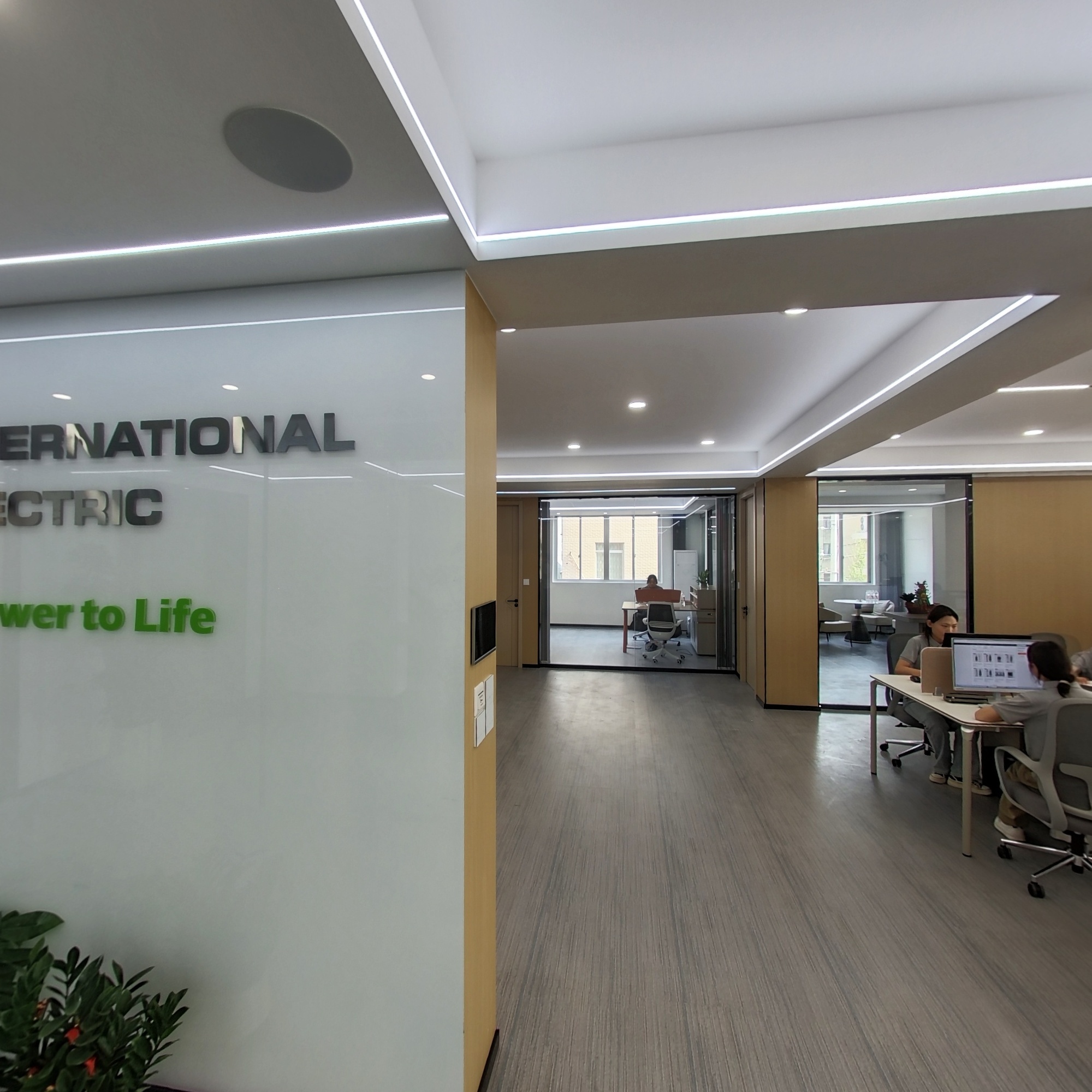
Zhejiang TMB Electric: World-Class OEM/ODM Prowess
Located in Huabei Village, Liushi Town, Wenzhou—the world-renowned capital of low-voltage electrical engineering—Zhejiang TMB Electric Co., Ltd. provides comprehensive end-to-end manufacturing for industrial electrical control and digital monitoring devices.
- TÜV Rheinland On-Site Assessed: Rigorously verified infrastructure, assembly lines, and calibrated QC testing benches.
- Cluster Advantage: Direct, zero-delay access to localized copper stamping, silver contacts, precision mold fabrication, and automated SMT pick-and-place lines.
- Flexible Procurement Tiers: Low sample MOQ (from 1–5 units) for prototyping, scaling to container-load OEM automated volume manufacturing.
- Certified Compliance: Models CE-marked with comprehensive test reports, RoHS alignment, and ISO9001 certified quality management systems.
Frequently Asked Questions: Sourcing Digital Panel Meters
Key technical and logistics inquiries addressed by our electrical application engineering division.