Bluetooth BLE
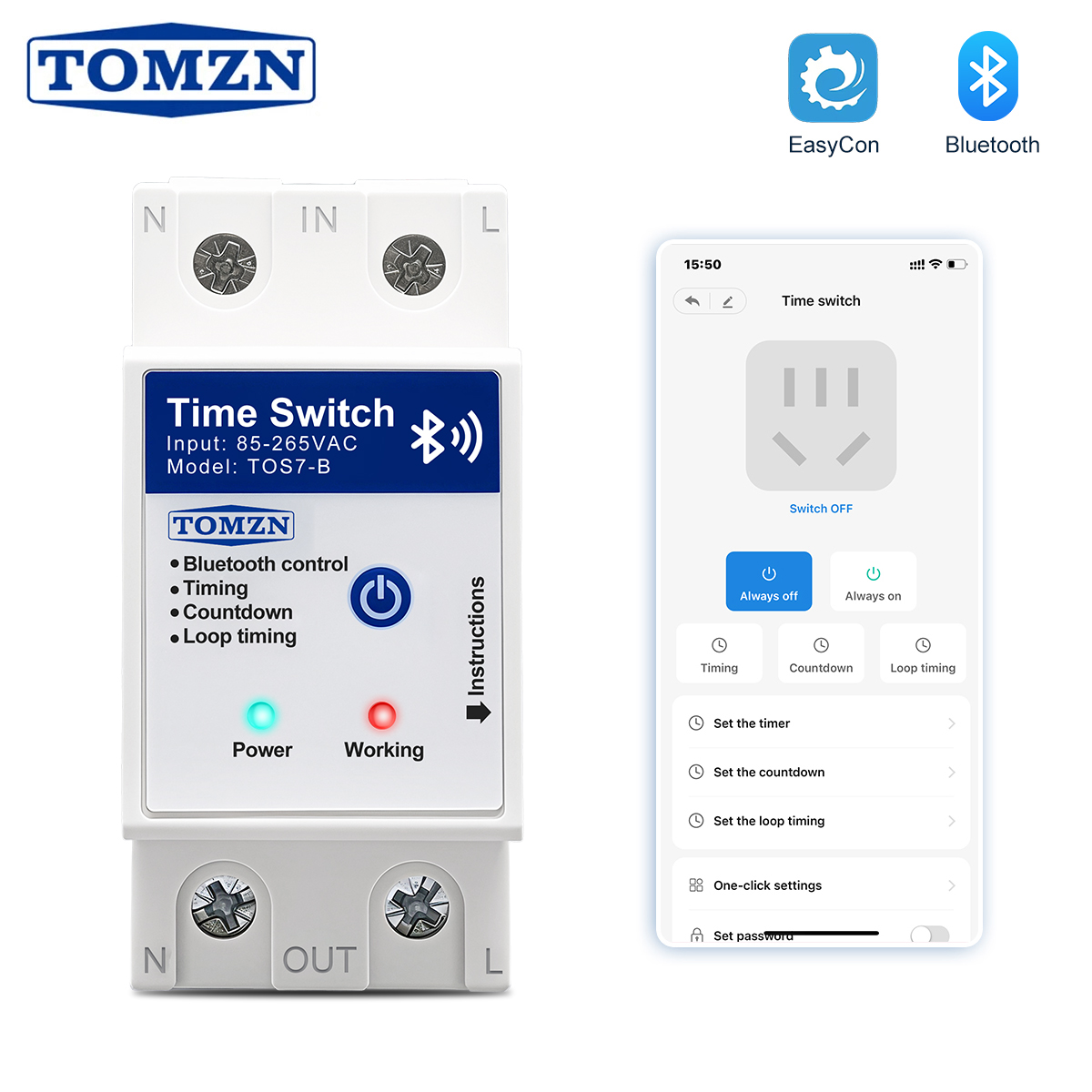
Factory-direct din-rail intelligent relays, multi-mode over/under voltage control modules, and smart synchronized timers engineered for municipal and commercial loads.
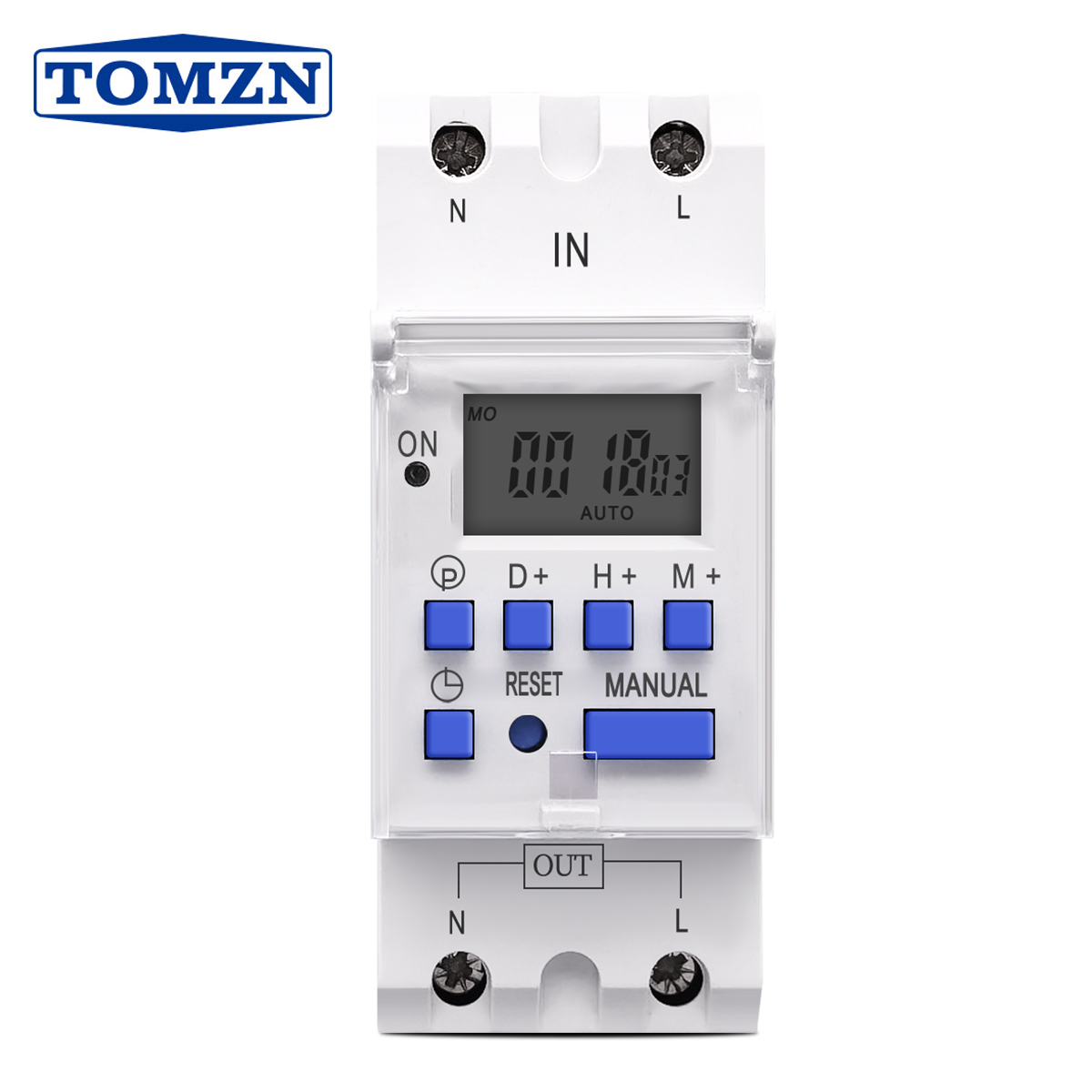
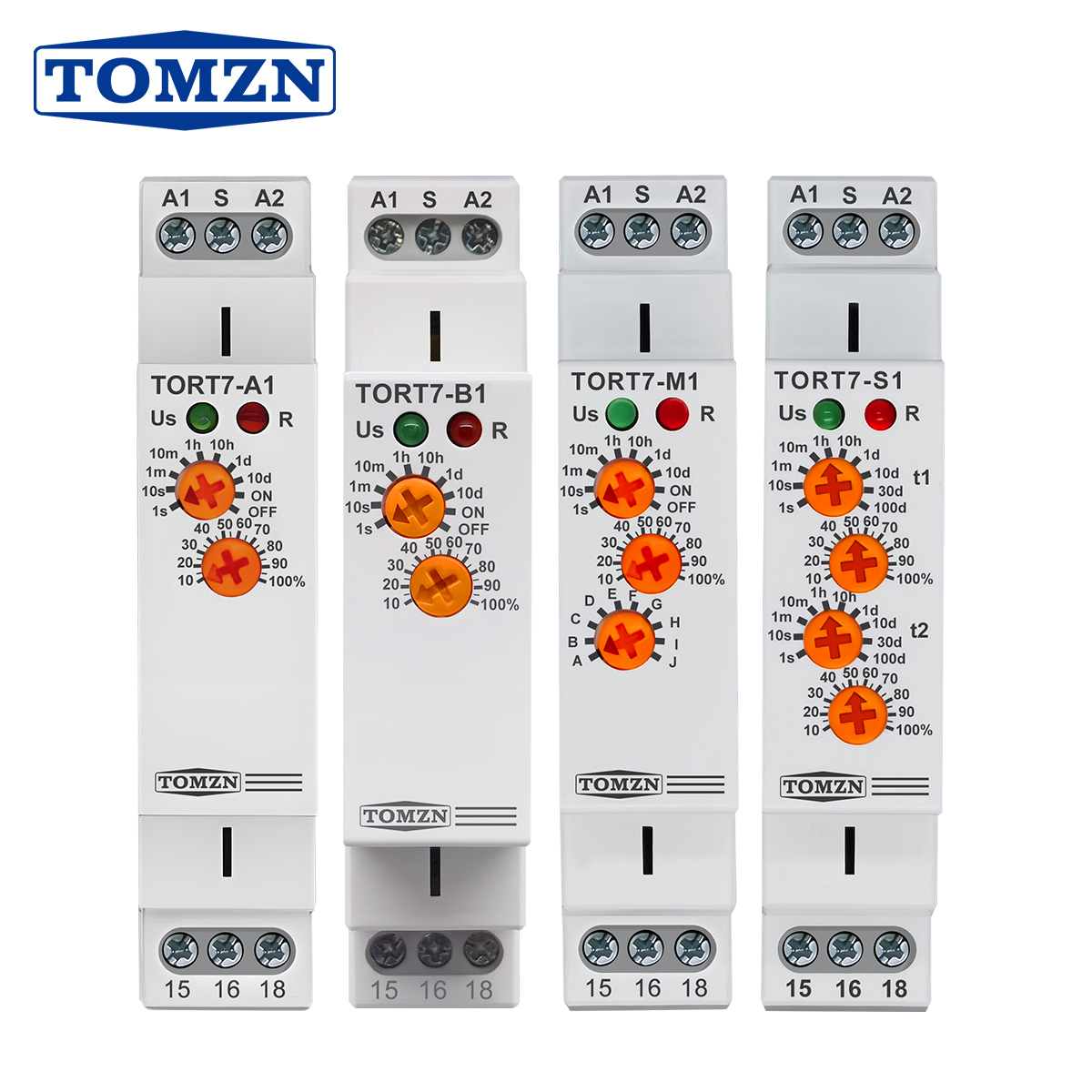
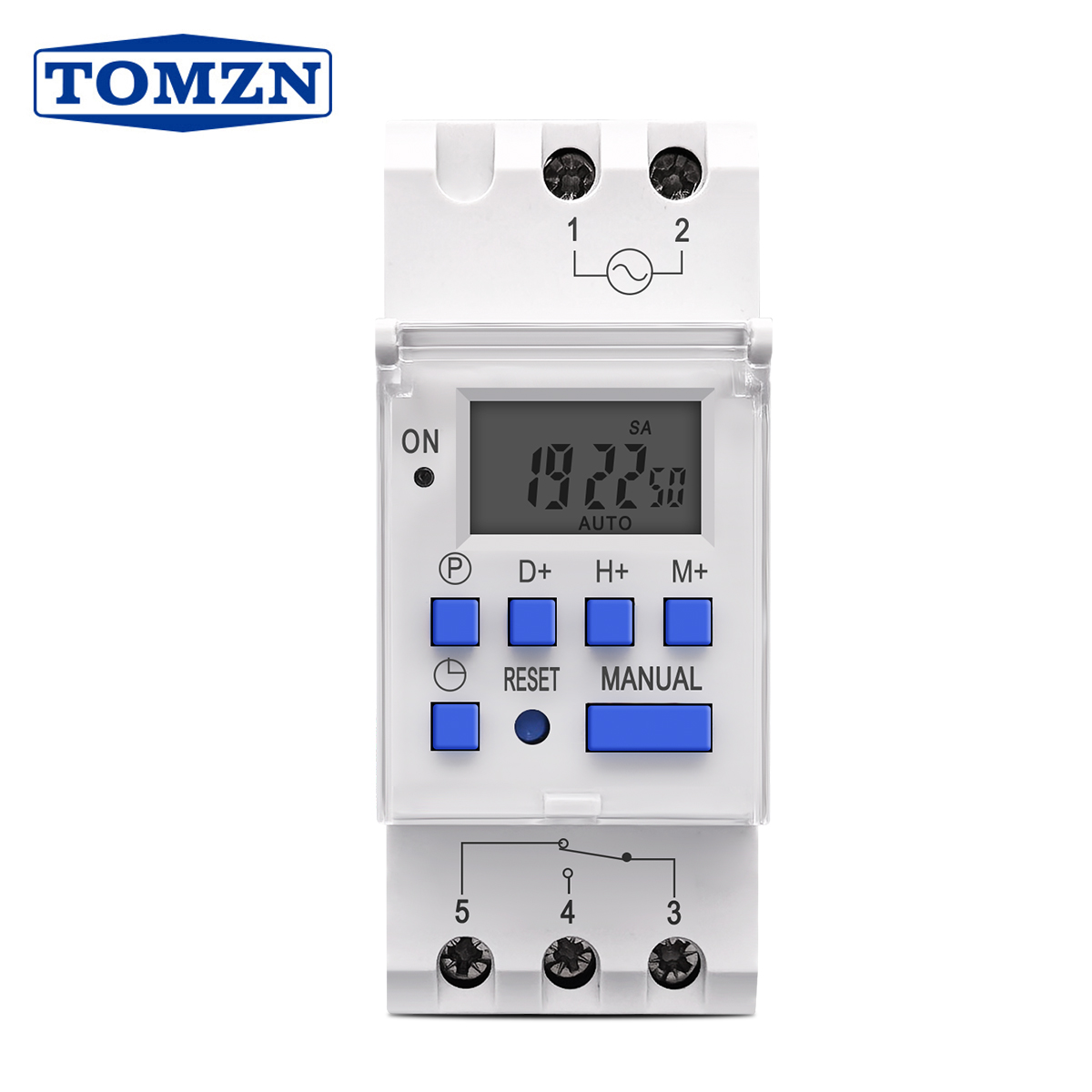
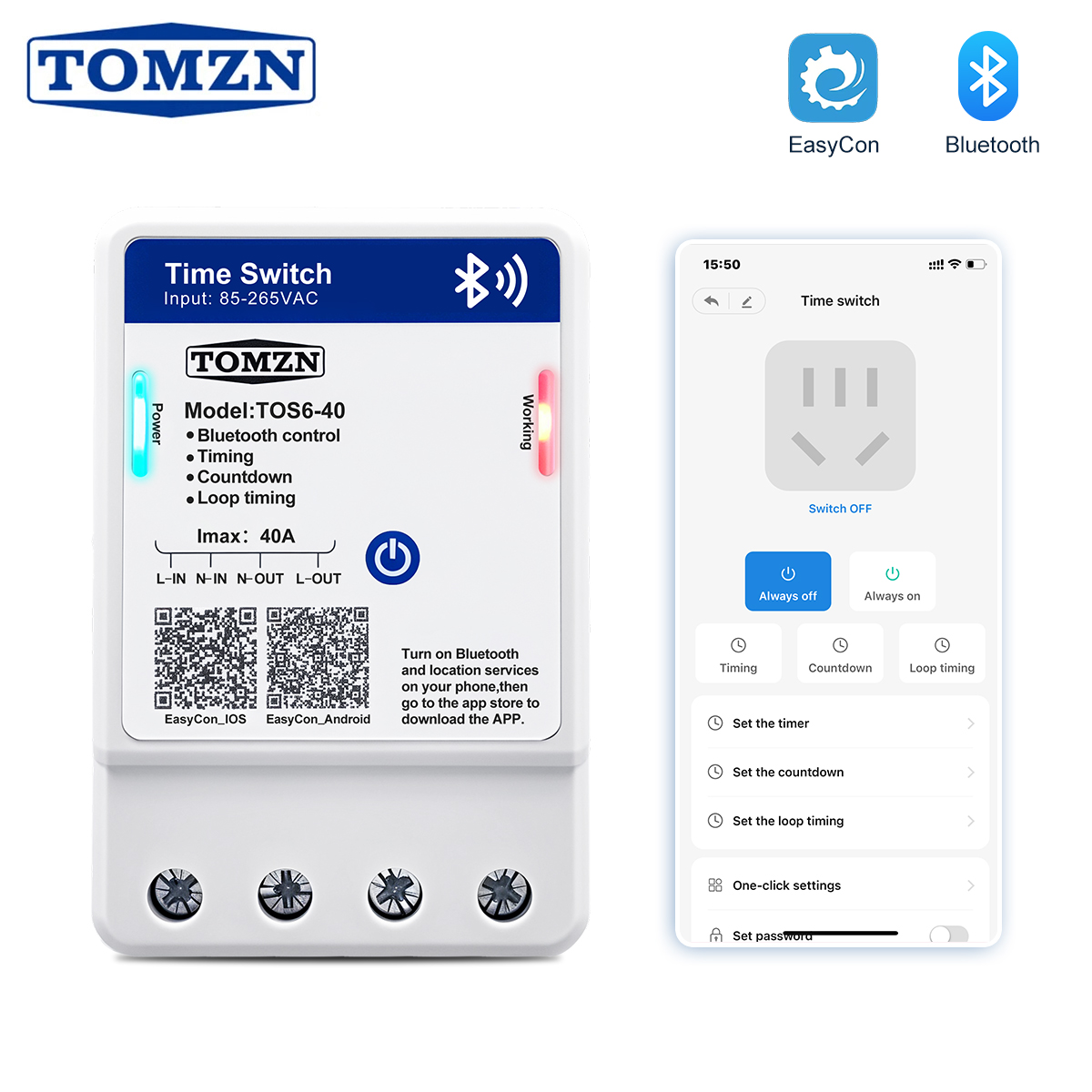
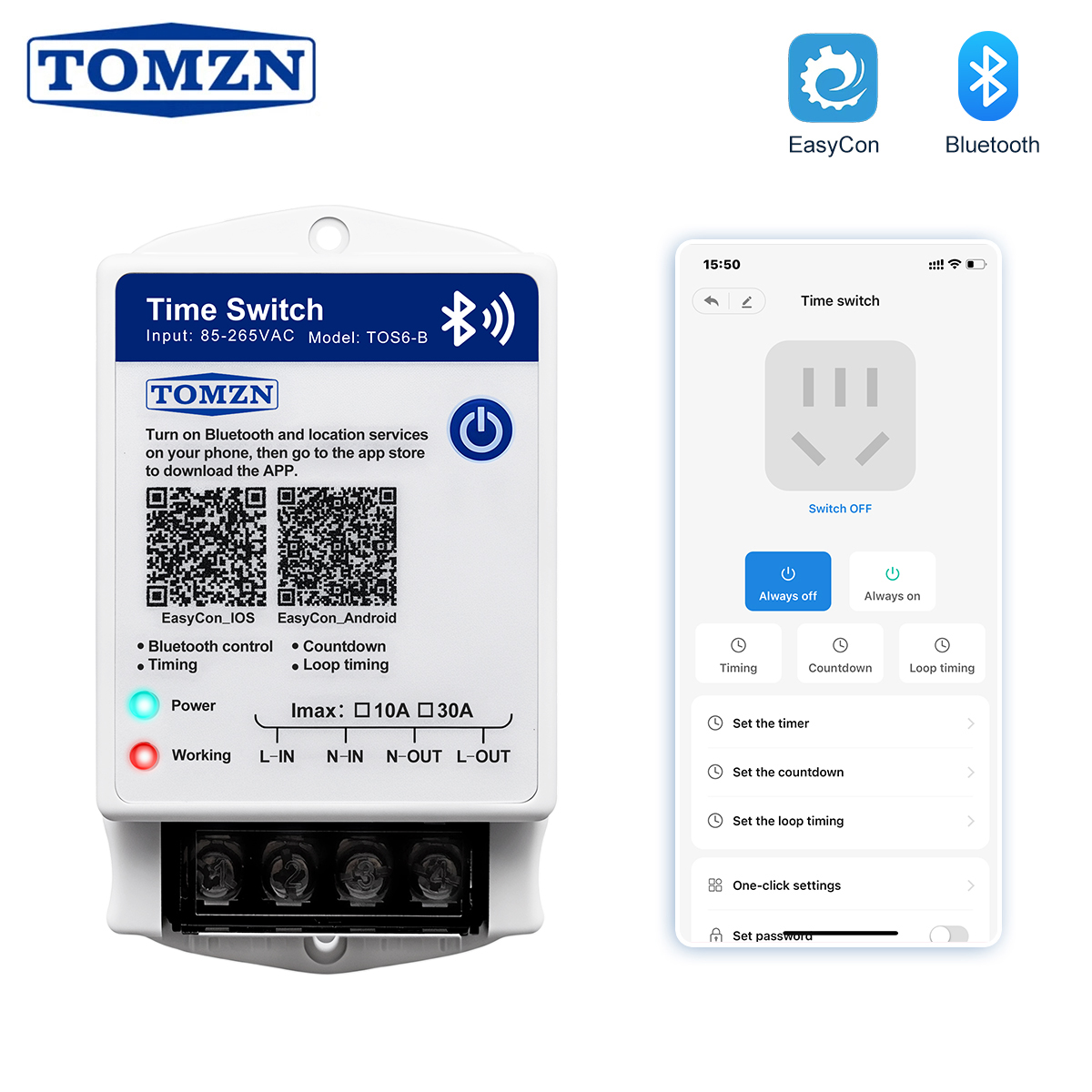
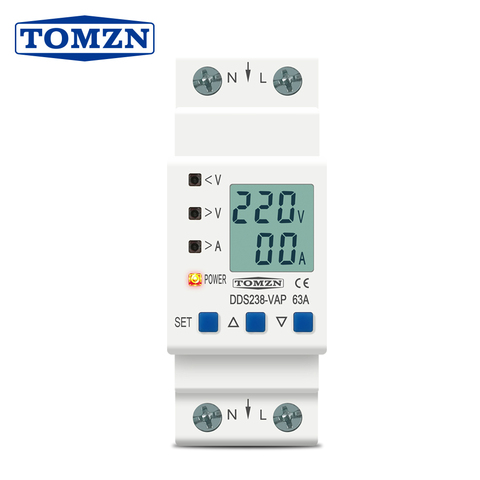
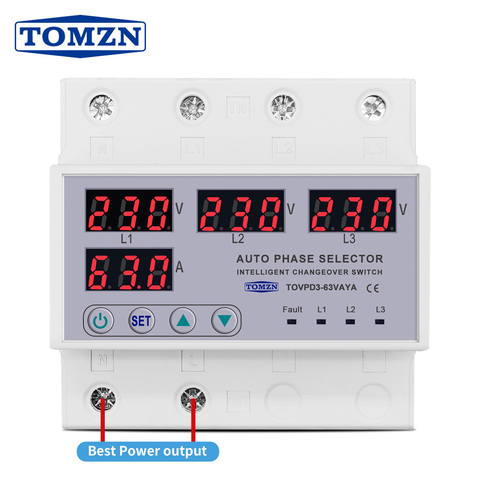
In modern low-voltage distribution networks, overvoltage conditions present significant threats to industrial electronics, commercial variable frequency drives (VFDs), and sensitive domestic infrastructure. An overvoltage condition can stem from switching surges, grid transformer tap failures, neutral conductor discontinuity (floating neutral events), or indirect lightning transients. Standard circuit breakers (MCBs) protect wiring purely from thermal overload and magnetic instantaneous short circuits; they offer zero intrinsic defense against prolonged overvoltage surges or brownout undervoltage cycles. As a certified low-voltage manufacturing hub in Liushi Town, Wenzhou, Zhejiang TMB Electric Co., Ltd. builds specialized Din-rail self-recovery over-and-under voltage protective devices (OUPD) engineered to suppress line-borne thermal runaway and voltage stress.
Procurement directors frequently conflate Surge Protective Devices (SPDs) with Automatic Over/Under Voltage Protectors (OUPDs). SPDs rely on Metal Oxide Varistors (MOVs) or Gas Discharge Tubes (GDTs) to clamp microsecond-level impulse voltage transients (8/20µs or 10/350µs waveforms). However, if an electrical network experiences sustained swell voltages—such as a 415V neutral break shifting line-to-neutral voltages beyond 380V for hundreds of milliseconds—an SPD will suffer catastrophic thermal puncture and burn out.
Conversely, our microprocessor-monitored OUPD modules utilize continuous RMS voltage sampling loops paired with high-endurance magnetic latching relays or high-capacity mechanical contact bridges. Upon detecting an anomalous voltage threshold:
In three-phase industrial deployments, the floating neutral is an insidious hazard. When a three-phase distribution feed loses its reference neutral, unbalanced phase impedances cause phase-to-neutral voltages on lightly loaded legs to surge to near line-to-line levels (approaching 400V). Our 3P+N self-recovery protective relays isolate all three phases simultaneously while continually maintaining neutral integrity monitoring. Integrated micro-controllers execute synchronous phase-angle tracking, phase-sequence validation, and dynamic zero-crossing disconnection to mitigate contact arcing and prolong relay mechanical lifecycle past 100,000 operations.
| Functional Parameter | Single-Phase OUPD (e.g., TOV-63) | 3-Phase 4-Wire OUPD (3P+N) | Industrial Combination ATS Box |
|---|---|---|---|
| Nominal Rated Current (In) | 40A, 63A, 80A continuous | 63A, 80A, 100A, 125A | 63A to 125A selectable |
| Operating Voltage Envelope | 85V – 300V AC (50/60Hz) | 280V – 450V AC (Phase-to-Phase) | 110V / 230V / 400V AC options |
| Overvoltage Trip Threshold | 230V – 300V AC (Adjustable, default 270V) | 390V – 460V AC Line Voltage | Integrated Relay Dynamic Range |
| Trip Disconnection Velocity | < 0.1 seconds instantaneous | < 0.1 seconds synchronous | < 50ms transfer / disconnect |
| Self-Recovery Delay Window | 1 – 500 seconds (User customizable) | 1 – 500 seconds calibrated | 3 – 30 seconds programmable |
| Dielectric Insulation Rating | 2.5 kV (50Hz / 1 min) | 4.0 kV impulse withstand (Uimp) | Complies with IEC 60947-6-1 |
How edge microprocessing, IoT synchronization, and solid-state materials are reshaping next-generation electrical power safety devices.
Traditional electromagnetic relays suffer contact pitting during repeated breaking cycles under full inductive loads. The emergence of hybrid silicon-carbide (SiC) / mechanical relay topographies permits zero-voltage turn-on and zero-current turn-off, cutting breaking arc durations from milliseconds to sub-microsecond levels, effectively eliminating contact vaporization.
Beyond simple binary trip flags, future DIN-rail devices integrate high-accuracy bi-directional current transformers and power factor sensors. Protectors double as Class 1.0 energy monitoring nodes, recording harmonic distortions (THD-V), line frequency drifts, and neutral-to-ground leakage voltages, converting passive relays into intelligent telemetry points.
Smart buildings require seamless integration across disparate ecosystems. Next-gen smart timers and overvoltage modules natively bridge BLE, Matter, Zigbee 3.0, and Modbus RTU without proprietary hubs, giving panel fabricators universal firmware adaptivity across European and North American automation platforms.
Shifts in supply-chain diligence, environmental compliance, and modular consolidation governing electrical device tenders.
Global EPC contractors are eliminating field labor costs by abandoning individual discrete components. Procurement contracts have transitioned toward pre-engineered, turnkey IP65 combiner enclosures where OUPDs, transfer switches, and DC surge breakers are pre-wired, tested, and certified as a single tested assembly.
Wholesalers no longer rely on paper CE declarations from unverified suppliers. Strict customs enforcement and brand liabilities require on-site factory audits by independent third parties such as TÜV Rheinland, verifying internal torque-testing jigs, dielectric chamber inspections, and copper raw-material lot traceability.
Rapid localized market evolution requires agile inventory control. Major importers favor manufacturing plants capable of running high-mix, low-volume pilot batches (low initial MOQs from 5 pieces) with customized laser marking, multilingual manual insertions, and localized voltage setting calibration before scaling to container-level commitments.
Direct factory access within China's low-voltage capital, delivering precision engineering, rapid tooling, and uncompromised quality assurance.
Located in Huabei Village, Liushi Town, Wenzhou—the world's largest low-voltage component cluster. Our factory secures injection-molded housings, silver contacts, bimetallic elements, and high-conductivity copper stampings within minutes, providing superior lead times and tight cost controls.
Our 5,700 m² modern manufacturing plant and 92 skilled technicians are on-site assessed by TÜV Rheinland. We enforce standard Operating Procedures (SOPs) across multi-stage incoming component audits, automated calibration benches, and full-load burn-in testing chambers.
We provide full white-label capabilities including customized housing molds, customer logo pad-printing and laser engraving, tailored voltage/current trip curves, and pre-packaged retail or wholesale cartons engineered to target international retail requirements.
With an annual verified export throughput exceeding US$ 3.3 Million across more than 100 countries, our export department navigates complex maritime logistics, tariff classifications, regional compliance documents, and secure payment escrow operations with institutional proficiency.
Every single overvoltage protector and timer switch undergoes six rigorous quality gates: raw material spectral check, terminal torque retention, thermal-magnetic trip profiling, 4kV dielectric breakdown withstand, powered function logic confirmation, and pre-dispatch packaging audits.
We facilitate rapid prototyping and trial line qualifications by supporting standard catalog orders from as low as 5 units (and timer switches from 1 piece). Rapid air-courier sample shipping ensures engineering teams evaluate physical samples within days of inquiry.
Critical engineering and commercial answers to streamline your evaluation process prior to placing volume purchase orders.
Partner with Zhejiang TMB Electric Co., Ltd. for factory-direct wholesale pricing, certified IEC/CE compliance documentation, and rapid-turnaround OEM custom manufacturing.