Bluetooth
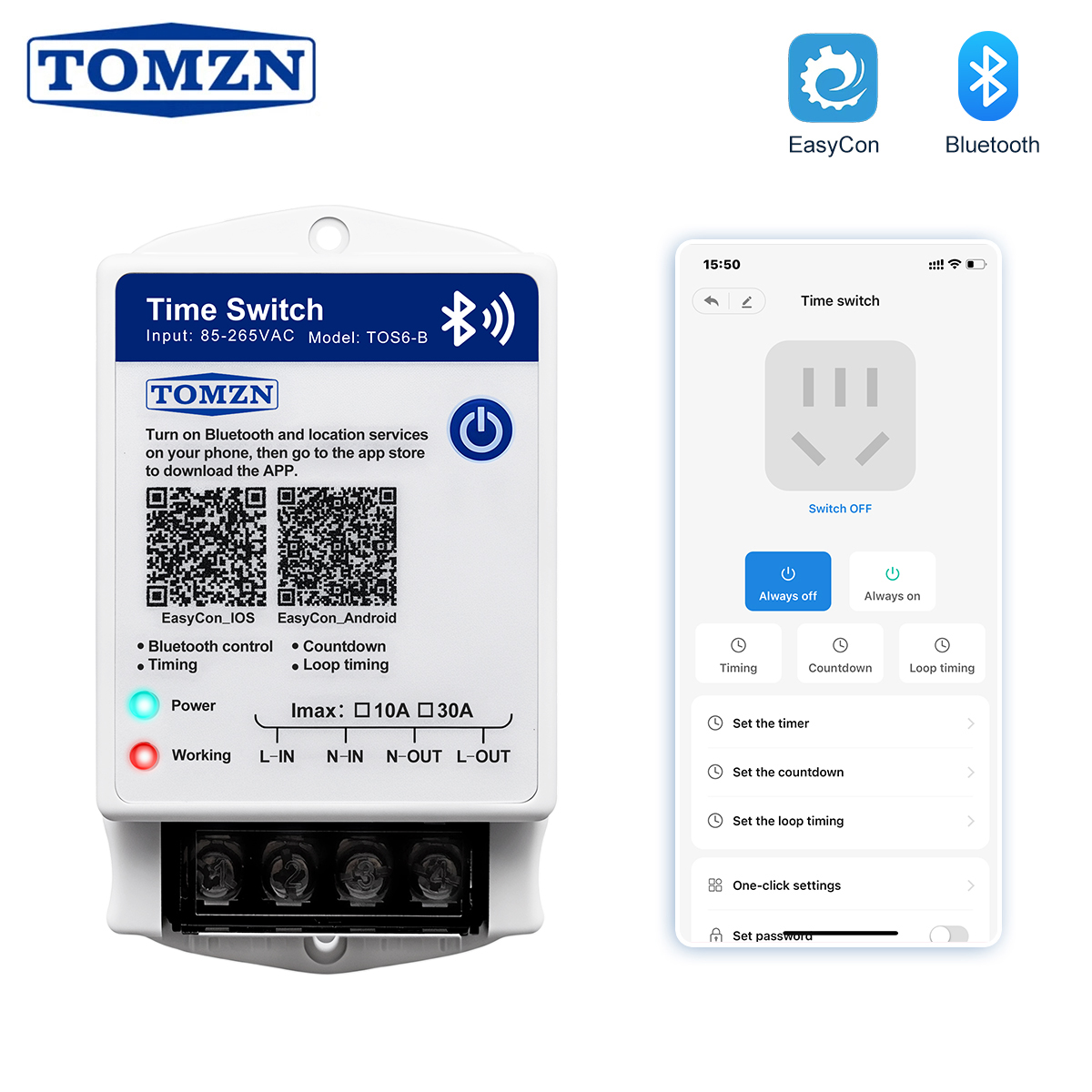
TOMZN Bluetooth Smart Timer Switch 85-265VAC 10A 30A EasyCon
Wall-Mounted
28 Groups
Loop Timing
Factory-direct photovoltaic protection components, intelligent DIN rail time control units, and surge mitigation modules manufactured in Liushi, Wenzhou.




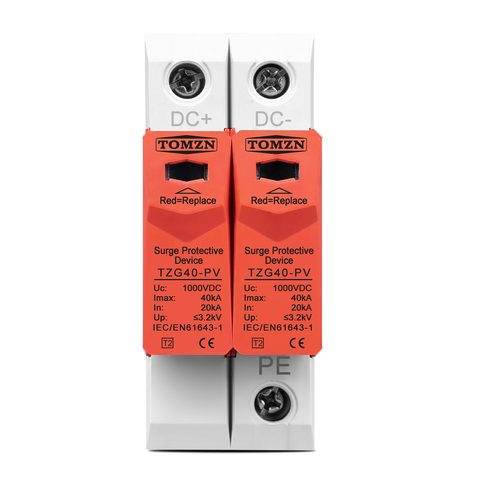
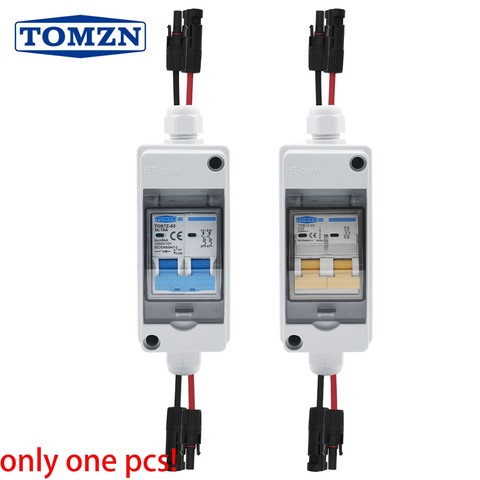
In modern commercial, industrial, and utility-scale solar generation, transient overvoltages represent the single greatest cause of catastrophic inverter failure, yield degradation, and fire risk. Photovoltaic strings operate under extreme direct current (DC) conditions where persistent open-circuit voltages ($V_{oc}$) lack natural zero-crossing points. Consequently, standard AC arresters cannot extinguish arcs once conduction occurs, creating thermal runaways. Selecting custom OEM PV Surge Protective Devices (SPDs) compliant with IEC 61643-31 and EN 50539-11 standards is paramount for solar EPC contractors, original equipment manufacturers, and system integrators.
High-reliability DC surge arresters engineered by Zhejiang TMB Electric Co., Ltd. utilize high-density Zinc Oxide ($\text{ZnO}$) Metal Oxide Varistors (MOVs) paired in symmetric Y-topologies (DC+, DC-, PE). Under nominal operation, the varistor exhibits micro-ampere leakage currents. When lightning strikes or switching transients induce kilovolt surges across the array, the MOV shifts to low-impedance conduction within less than 25 nanoseconds, discharging tens of kilo-amperes safely into ground before clamping residual voltage ($U_p$) below inverter breakdown thresholds.
Heavy-duty Class II MOV configuration capable of withstanding repetitive high-energy transients without dynamic degradation.
Ultra-fast response time effectively suppresses inductive lightning transients before sensitive MPPT bridge circuits are stressed.
Patented low-temperature eutectic solder alloy decouples compromised cartridges safely, preventing DC flashovers.
Dry contact auxiliary output terminals provide real-time status relays to SCADA systems and monitoring dashboards.
Specifying custom OEM assemblies requires exact alignment with inverter topologies, string voltage calculations, and local grid interconnection codes:
| Electrical Parameter | Residential String (600V DC) | Commercial C&I (1000V DC) | Utility Scale (1500V DC) | Standard Compliance |
|---|---|---|---|---|
| Max. Continuous Voltage ($U_{cpv}$) | 600V DC | 1000V – 1200V DC | 1500V DC | IEC 61643-31 / EN 50539-11 |
| Nominal Discharge ($I_n$, 8/20μs) | 15 kA – 20 kA | 20 kA | 20 kA – 30 kA | Class II / Type 2 Test |
| Max. Discharge ($I_{max}$, 8/20μs) | 40 kA | 40 kA | 50 kA | UL 1449 4th Ed. / CE |
| Impulse Current ($I_{imp}$, 10/350μs) | N/A (Type 2) | 6.25 kA (Type 1+2 Option) | 12.5 kA (Type 1) | Class I Lightning Arrester |
| Voltage Protection Level ($U_p$) | ≤ 2.5 kV | ≤ 3.6 kV | ≤ 4.5 kV | At Nominal $I_n$ Threshold |
| Short-Circuit Rating ($I_{scpv}$) | 1,000 A | 1,000 A | 2,000 A (No Back-up Fuse) | Galvanic Disconnect Test |
As the solar industry transitions from early subsidies to unsubsidized Levelized Cost of Energy (LCOE) parity, procurement criteria have matured significantly. System developers and balance-of-system (BOS) procurement managers no longer assess components purely by purchase price; instead, component longevity, localized field serviceability, and integrated diagnostics dominate the evaluation lifecycle.
Global utility developments have largely standardized on 1500V DC string topologies to minimize cabling resistive losses. OEM suppliers must manufacture SPDs with widened creepage distances, high tracking-index plastics, and multi-stage arc suppression chambers to prevent phase-to-ground flashovers.
Severe skilled labor shortages across European and North American installation sites have propelled demand for turnkey, factory pre-wired combiner and junction boxes. Sourcing complete enclosures that integrate DC breakers, fuses, and pluggable SPDs directly slashes on-site commissioning errors by up to 65%.
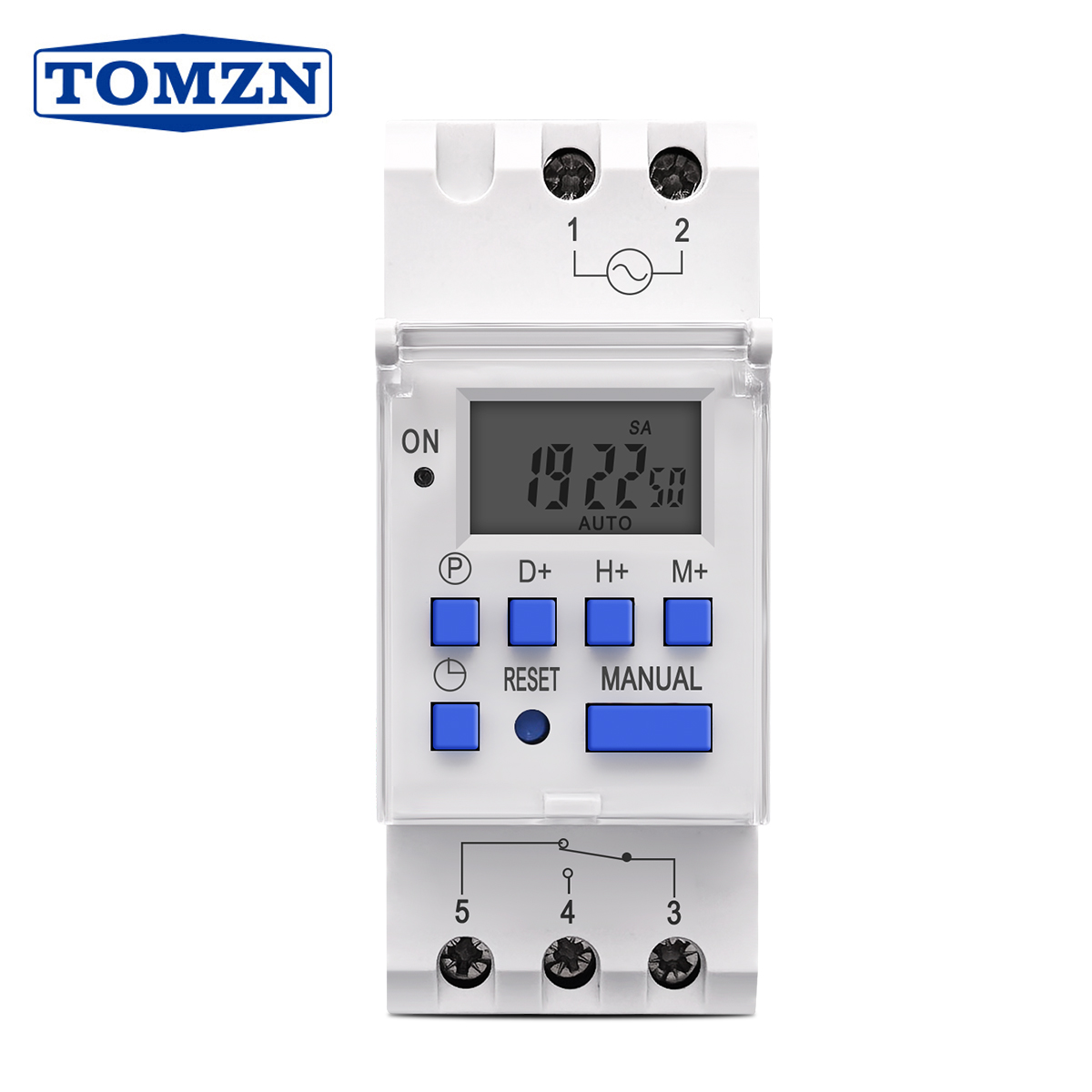
Traditional mechanical green/red visual indicators require physically intensive manual site inspections. Next-generation SPDs are increasingly paired with intelligent DIN-rail telemetry modules (such as our Bluetooth and WiFi smart relays) to broadcast surge hit counters and varistor health status directly to cloud monitoring software.
Sourcing directly from verified manufacturers located in Liushi, Wenzhou—the acknowledged epicentre of China's low-voltage electrical industry—provides measurable competitive moats. Within a five-kilometer radius, precision tooling, stamped silver-alloy contacts, flame-retardant polyamide enclosures, and zinc-oxide varistor chemistry are co-located. This dense vertical integration shortens prototype turnaround cycles from months to days and buffers overseas distributors against global raw material volatility.
Founded with a focus on mission-critical low-voltage protection, Zhejiang TMB Electric Co., Ltd. provides robust manufacturing capabilities for solar energy distributors, electrical panel builders, and international trading brands. Our verified facilities in Liushi Town, Wenzhou, combine automated injection molding, precision contact stamping, and computerized trip/surge testing lines.
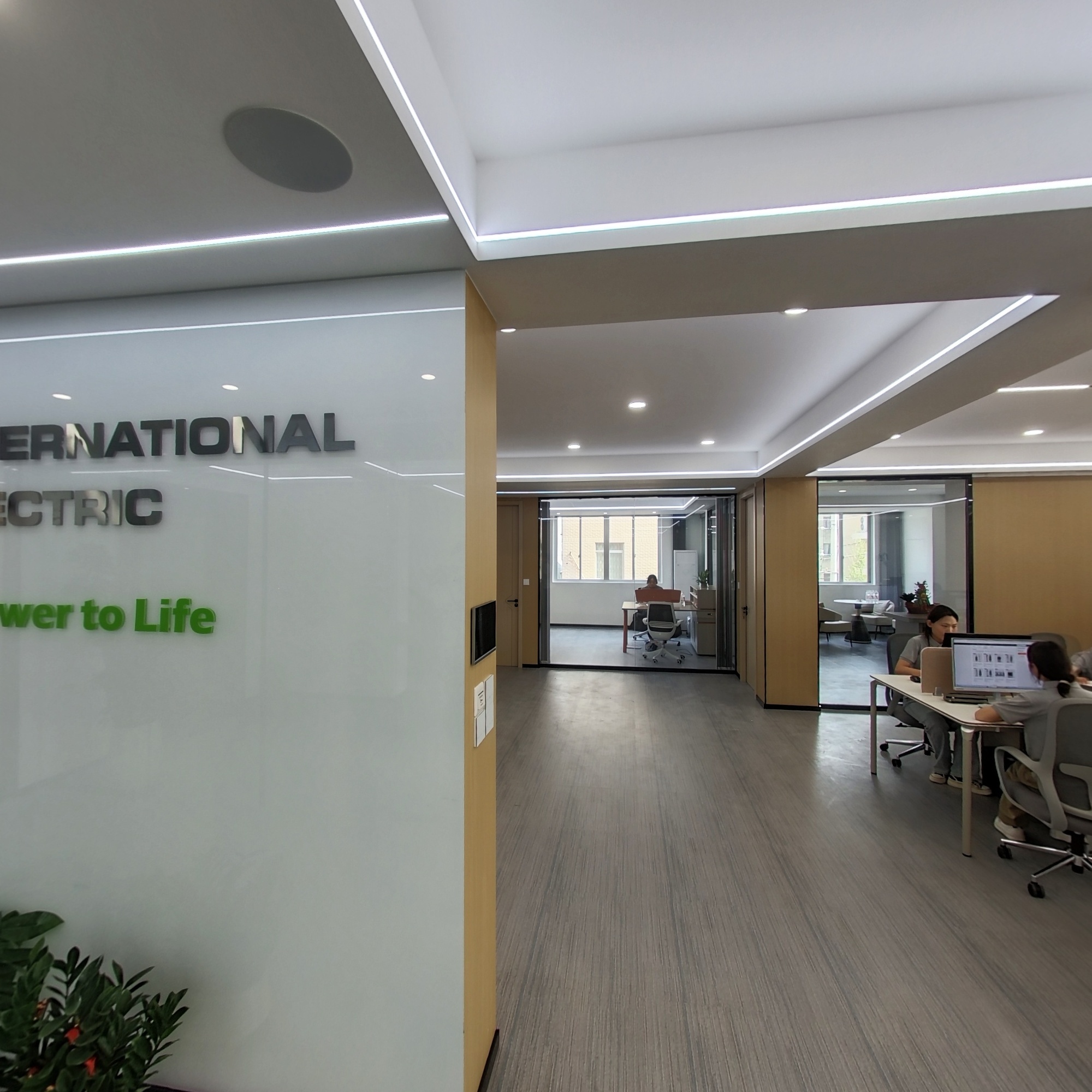
We provide full-spectrum engineering support from initial CAD concept and terminal configuration to complete CB, CE, and TÜV documentation packs.
Detailed engineering and export answers formulated according to Google E-E-A-T search intent standards for electrical engineers and procurement directors.
Connect directly with our engineering and export sales department in Liushi, Wenzhou. Request full electrical data sheets, customized OEM quotations, or sample evaluation units for your upcoming solar PV installations.
Get a Quote