Featured Solar DC & Smart Control Enclosure Assemblies
Engineered for high-voltage DC isolation, precision sub-circuit timing, and system-level surge protection across residential, commercial, and utility photovoltaic installations.
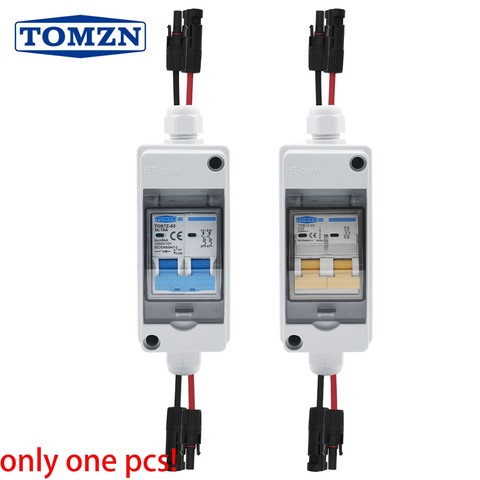
IP65 Solar Photovoltaic Pre-Wired Combiner Box 1-In 1-Out
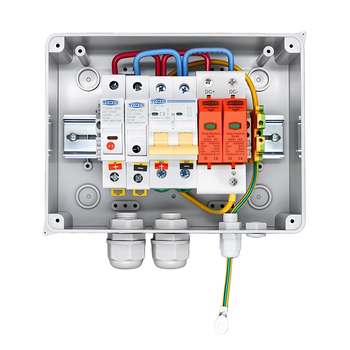
TOMZN 8-Way 600V/1000V DC Array Combiner with SPD & Fuses
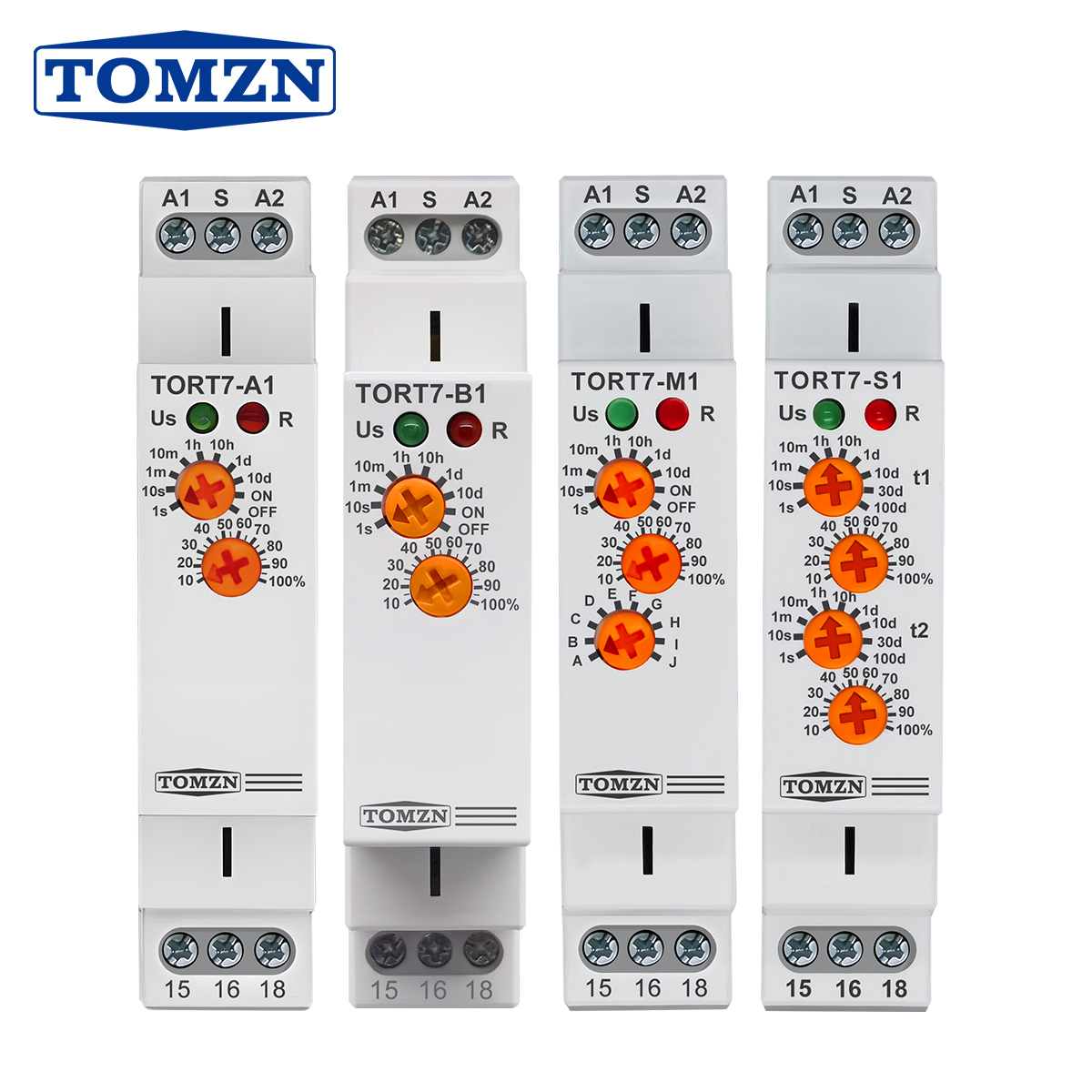
TORT7 Series 10-in-1 Asymmetric Cycler Time Relay Switch
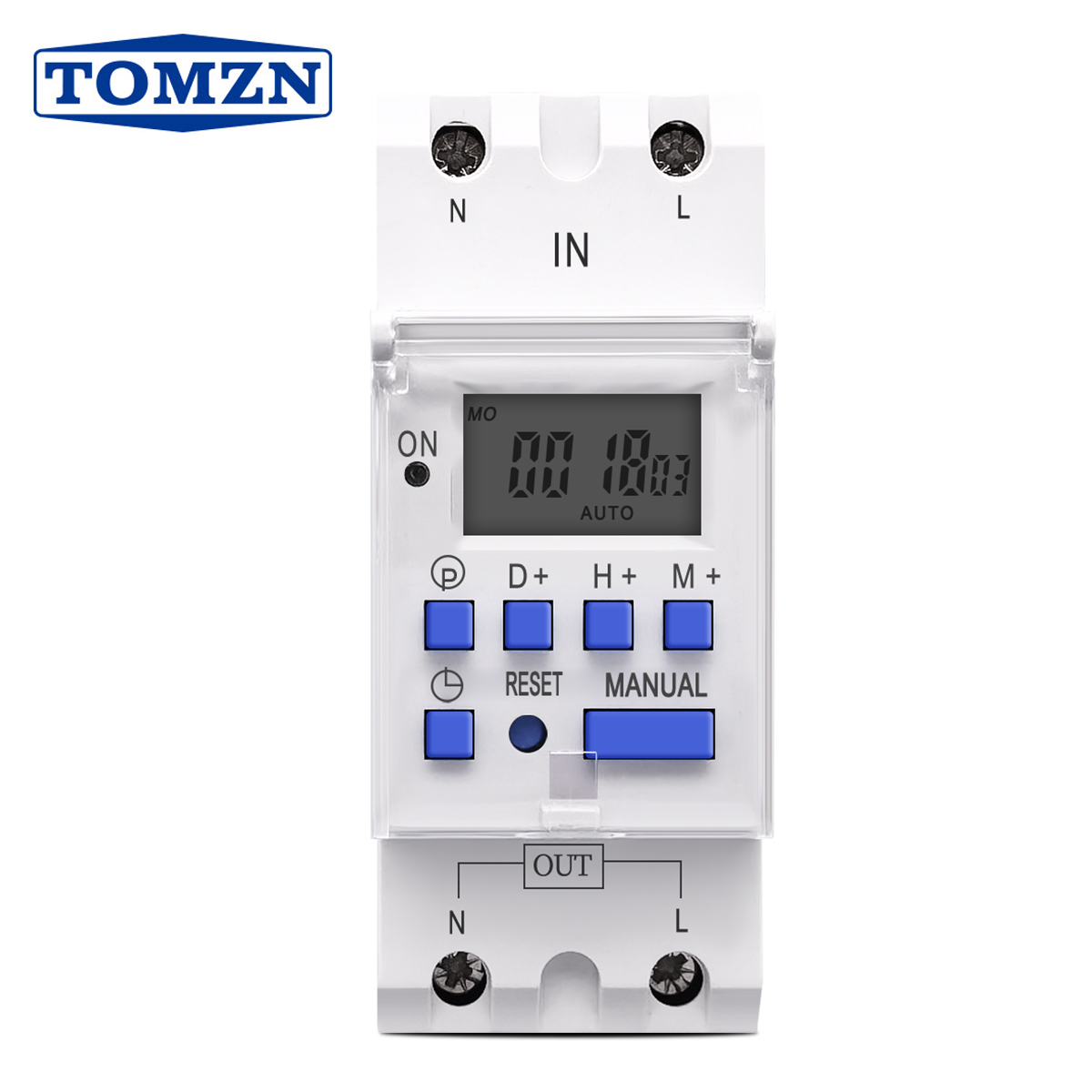
DIN Rail Weekly 7-Day Programmable Digital Switch Relay
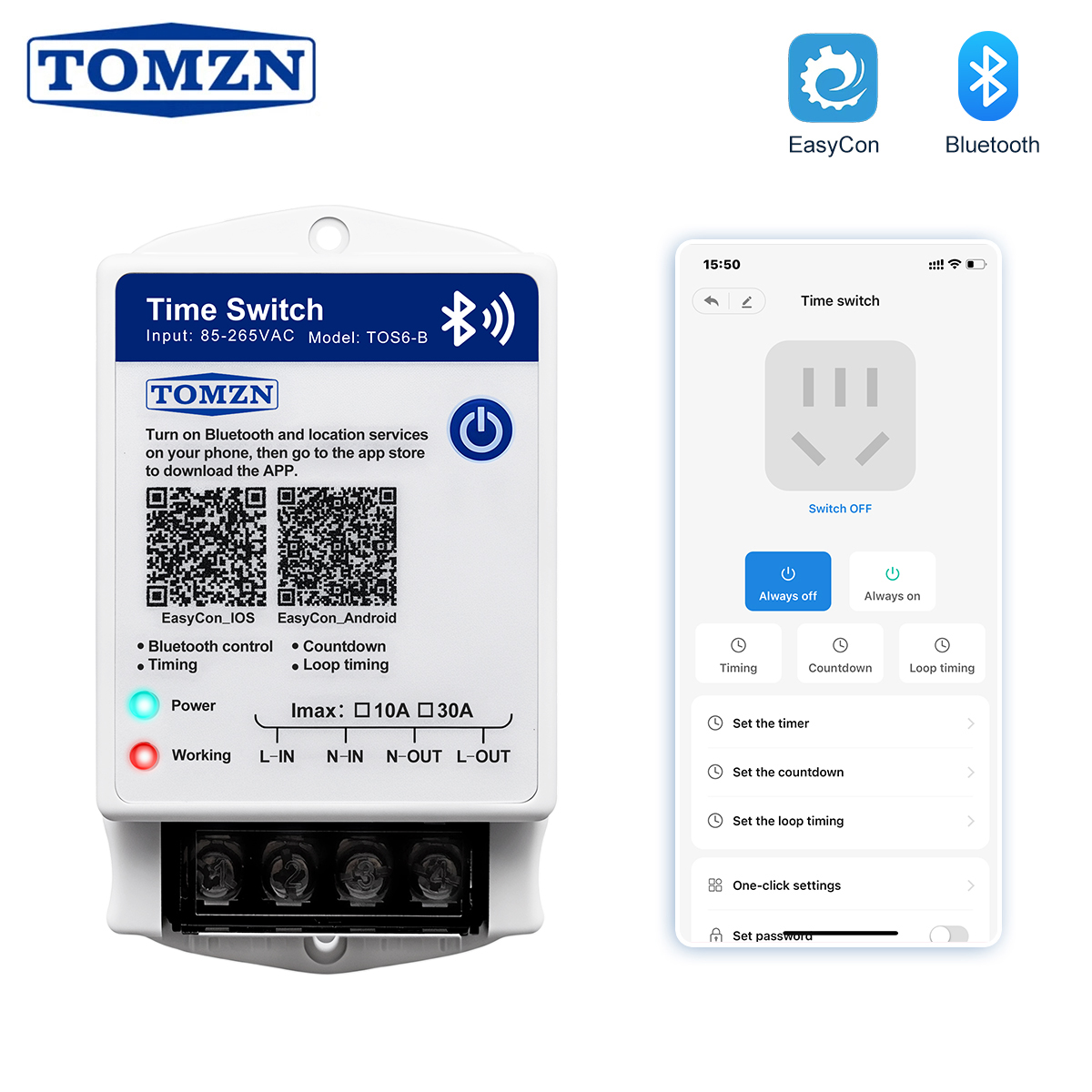
Bluetooth Smart Timer Switch 85-265VAC EasyCon App Control
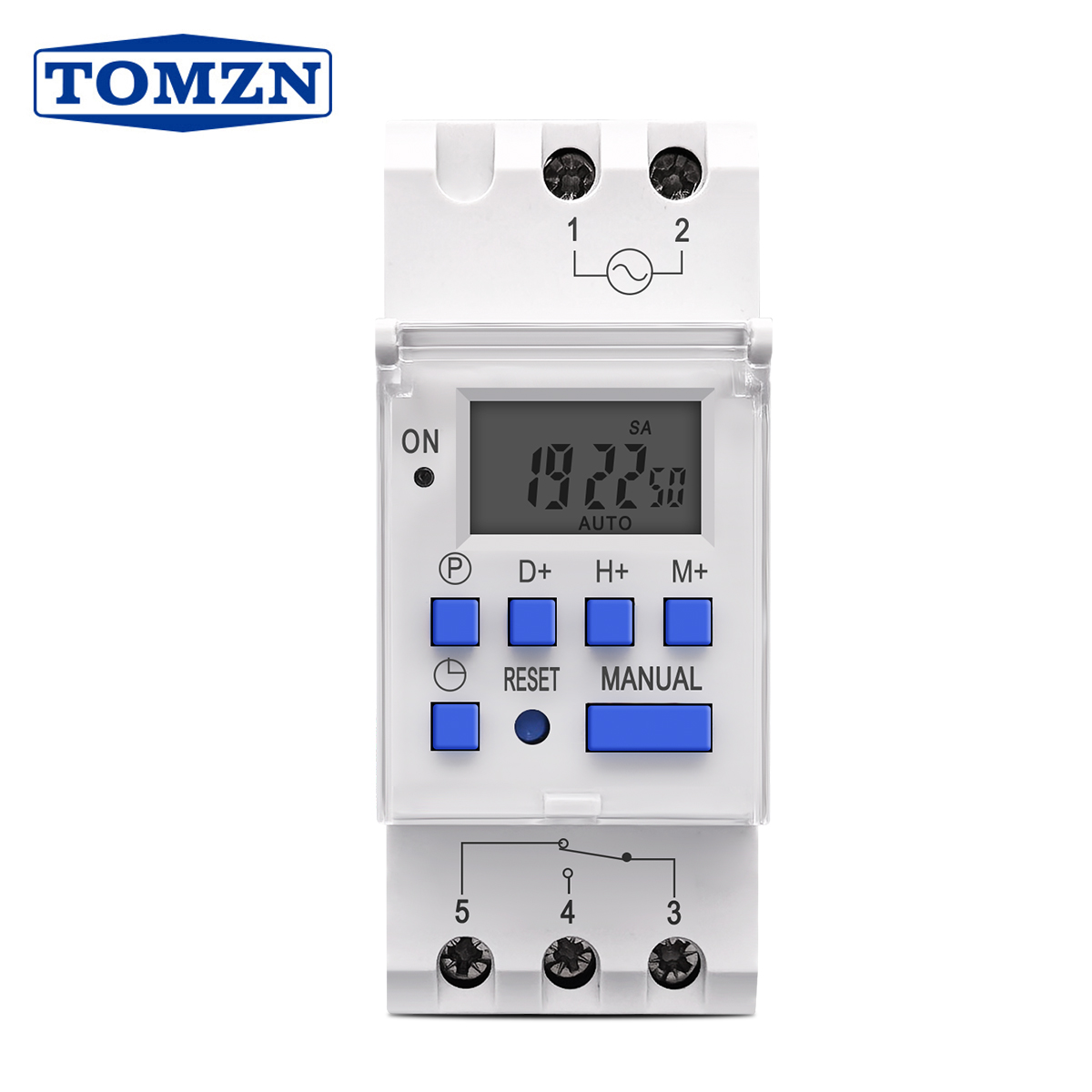
1NO + 1NC Dual Output Programmable Digital Timing Relay
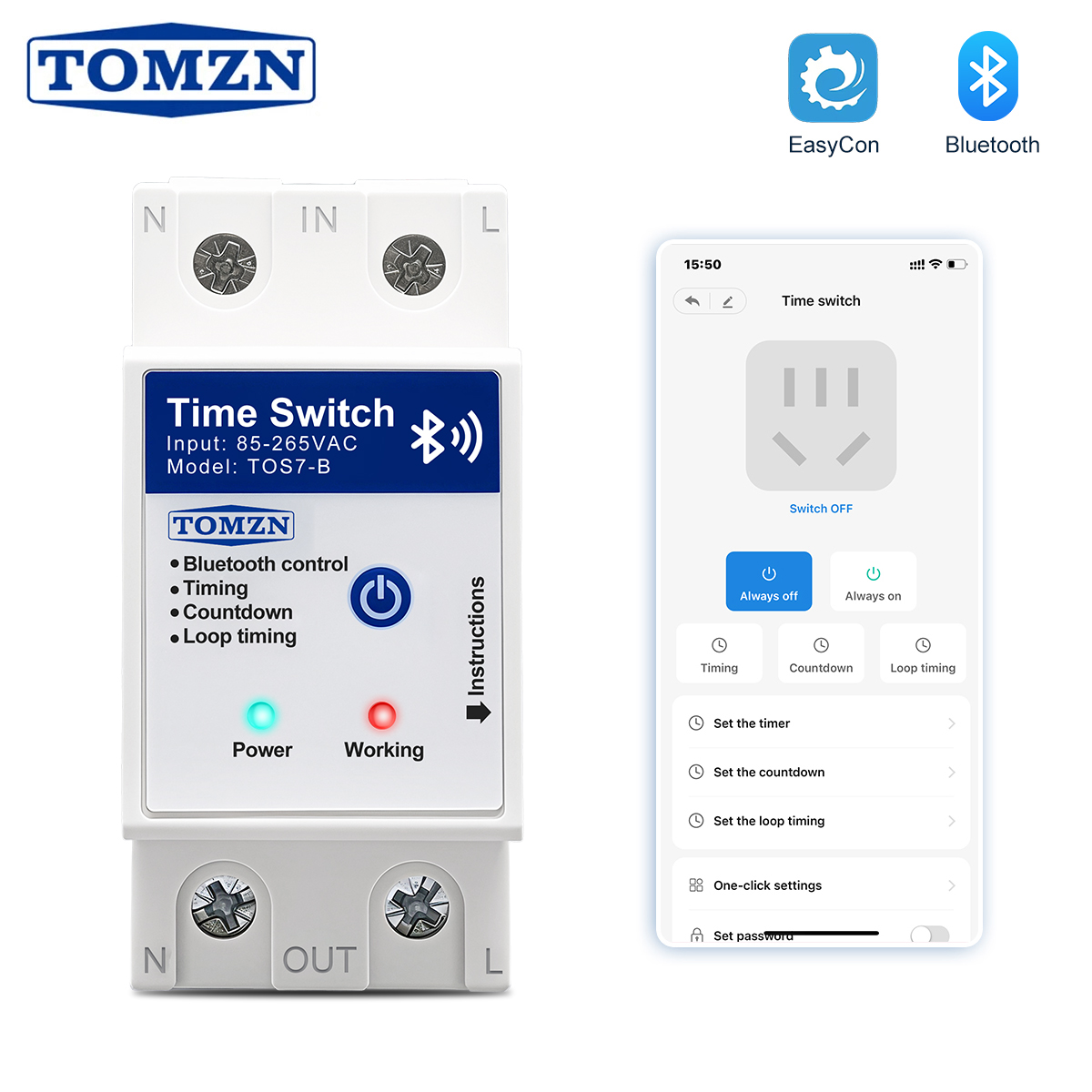
TOS7-B High-Amperage 40A/63A Bluetooth Remote Control Timer
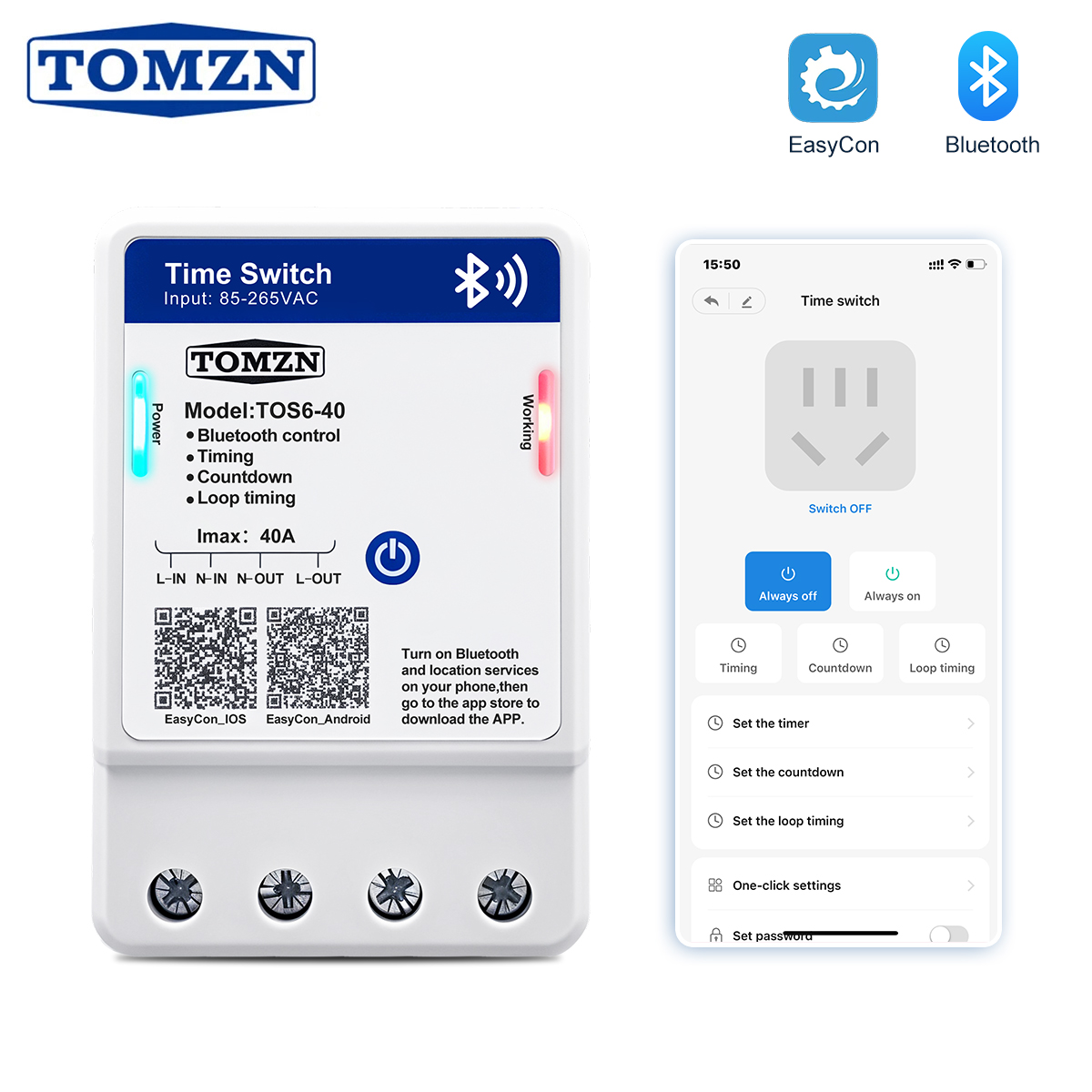
TOS6-40 DIN-Rail 35mm Industrial Bluetooth Switch Relay
Core Engineering & Manufacturing Competencies
Strategically headquartered in Liushi, Wenzhou—the epicentre of China's electrical industrial cluster—Zhejiang TMB Electric Co., Ltd. delivers vertically integrated OEM/ODM advantages for international developers.
Localized Supply Chain Agility
Situated in the Liushi industrial belt, our manufacturing hub provides immediate, direct access to precision copper stampings, bimetallic thermal components, specialized arc chutes, and custom flame-retardant enclosures, drastically shortening prototype cycles.
TÜV Rheinland Validated Facility
Our 5,700 m² plant, operating equipment, and technical workforce of 92 specialists undergo rigorous third-party verification by TÜV Rheinland. We maintain strict ISO 9001 quality management procedures and complete CE conformity across product families.
Full-Scope ODM/OEM Customization
From custom string count layouts (1-in-1-out up to 32-string inputs), bespoke copper busbar architectures, laser-etched private labeling, and targeted DC voltage ratings (600V, 1000V, 1500V DC) to dedicated packaging matching exact distributor profiles.
Low Pilot MOQ & Rapid Prototyping
Minimizing commercial risk for tier-1 distributors and EPC partners, standard catalog units begin at low pilot minimums (from 5 pcs), supported by rigorous calibrated dielectric withstand, thermal shock, and contact millivolt drop verification testing.
Industry Trends, Architecture & Strategic Procurement
An authoritative analysis of evolving balance of system (BOS) standards, thermal arc mitigation, and procurement dynamics in utility and distributed photovoltaic arrays.
1. 1500V DC Architecture & High-Current Topologies
Modern solar plant design has transitioned aggressively from legacy 600V and 1000V configurations to 1500V DC operating topologies. This migration reduces balance of system (BOS) cabling losses, cuts installation footprint, and lowers levelized cost of energy (LCOE).
However, 1500V architectures impose extreme demands on combiner box internals:
- Zero-Crossing DC Arc Quenching: Unlike sinusoidal AC circuits, direct current does not cross zero. Arcs do not self-extinguish. DC disconnects require magnetic blowout runners and de-ion plates to rapidly split and quench arcs.
- Thermal Creepage & Clearance Distances: Voltage stress demands extended tracking distances and high Comparative Tracking Index (CTI > 600M) polymer materials to eliminate flashovers under damp heat conditions.
- Large Format PV Modules: With 182mm and 210mm wafer sizes producing short-circuit currents (Isc) surpassing 15A to 20A per string, combiner box gPV fuses require 25A to 32A nominal continuous capability without nuisance tripping.
2. Smart String-Level IoT & Predictive Maintenance
Combiner boxes are no longer simple passive junction enclosures. As digital grid compliance tightens, smart combiner units incorporate string-level real-time sensing architectures directly networked into central SCADA systems.
Leading technological directions driving global engineering bids include:
- Hall-Effect Non-Contact Current Sensing: High-precision current sensors monitor each string individually to detect soiling, partial shading, diode failures, and degradation anomalies before major yield losses occur.
- Embedded Thermal Array Analytics: Internal thermal probes continuously assess main busbar connections, catching loose screw torque or terminal oxidation before catastrophic thermal runaway events take place.
- Wireless Sub-GHz & RS485 Modbus Integration: Hybrid monitoring boards transmit real-time string voltage, current, internal temperature, and SPD surge status back to central plant diagnostics platforms.
3. Environmental Resilience & Material Longevity
Photovoltaic installations operate under unforgiving open-air conditions, from high-humidity coastal zones to deserts subject to severe ultraviolet radiation and ambient temperatures exceeding 50°C.
Procurement teams must specify critical structural containment requirements:
- UV-Resistant Polycarbonate vs. Sheet Steel: High-grade flame-retardant (UL94-V0) polycarbonate enclosures resist corrosive atmospheres, salt-spray, and rust, eliminating external ground fault leakage through metal housing panels.
- Ingress Protection & Pressure Equalization: IP65/IP66 enclosures must incorporate specialized breathable ePTFE vent plugs to balance internal and external atmospheric pressure swings, preventing moisture suction and condensation buildup.
- Type 1+2 DC Surge Protection: Combiner boxes must integrate high-capacity metal oxide varistors (MOV) with integrated thermal disconnectors capable of managing direct lightning strikes and induced transient spikes (Imax up to 40kA).
Strategic Component Specification Matrix for Photovoltaic Arrays
Engineering teams and EPC procurement officers can reference the matrix below to match electrical subsystem parameters with optimal protection configurations:
| System Architecture | Maximum DC Voltage | Input Strings | Protective Isolation Element | Surge Rating (Up / Imax) | Target Applications |
|---|---|---|---|---|---|
| Residential Rooftop | 500V - 600V DC | 1 to 2 Strings | 2P DC MCB (16A - 32A C-Curve) | Type 2 (Up < 2.5kV / 20kA) | Single-family solar arrays, off-grid cabins, telecom base stations |
| C&I Solar Rooftop | 1000V DC | 4 to 8 Strings | gPV 1000V Fuses + DC Disconnect Switch | Type 2 (Up < 3.8kV / 40kA) | Factory warehouses, agricultural canopies, commercial offices |
| Utility Ground-Mount | 1500V DC | 16 to 32 Strings | 1500V DC MCCB / High-capacity Disconnect | Type 1+2 Combined PV SPD | Centralized megawatt solar plants, utility energy storage systems |
| BESS / Hybrid Inverter | 600V - 1000V DC | Battery Main Line | 2P High-Current DC MCB (80A - 125A) | Bi-Directional Heavy Surge Diverter | Commercial microgrids, UPS backup, solar-plus-storage tie-ins |
Frequently Asked Questions by International Engineering Buyers
Direct technical answers addressing system architecture, verification, compliance standards, and custom project execution.
What differentiates an authentic solar DC circuit breaker from a standard AC breaker inside a combiner box?
How should gPV fuse current ratings be sized against solar module datasheets?
What specific compliance and on-site audit credentials can Zhejiang TMB Electric supply?
How does an integrated Dual Power Automatic Transfer Switch (ATS) complement solar installations?
Can TMB customize internal layouts, enclosure types, and private labels for OEM contracts?
Accelerate Your Solar BOS Supply Chain
Connect directly with our engineering department in Liushi, Wenzhou. Request detailed technical datasheets, CAD drawings, customized combiner box quotes, or order validation samples today.
Send an Inquiry