Top 10 Molded Case Breaker Manufacturer & Suppliers

An Industrial Procurement White Paper & Engineering Evaluation on Next-Gen MCCB, DC Breakers & Dynamic Intelligent Distribution Systems

Production Portfolio

High-Performance Molded Case, DC & DIN-Rail Switchgear Systems

Engineered for mission-critical reliability across heavy industrial, commercial solar photovoltaic, and automated control panels. Factory-direct supply compliant with international IEC/EN safety benchmarks.
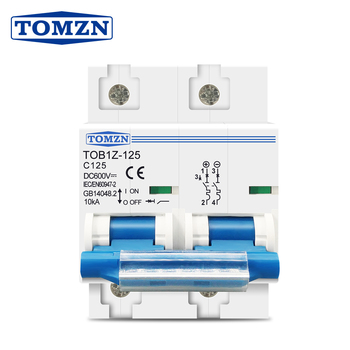

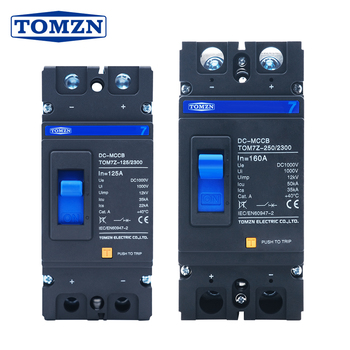
Solar DC TOM7Z 2P 1000V DC Molded Case Circuit Breaker
TOM7Z 2P DC 1000V Molded Case Circuit Breaker (MCCB)
1000V DC MCCB Frame Heavy Duty
CE Certified 2P DC MCB 600V 80A 100A 125A Breaker
High-Ampere 2P DC MCB 600V 80A-125A Battery Disconnect Switch
600V DC 80-125A C Curve
Smart Control TOMZN TOS7-B Bluetooth Smart Timer Switch
TOMZN TOS7-B Bluetooth Smart Timer Switch 40A 63A 85-265V EasyCon DIN Rail
Bluetooth 5.0 40A/63A 28 Groups
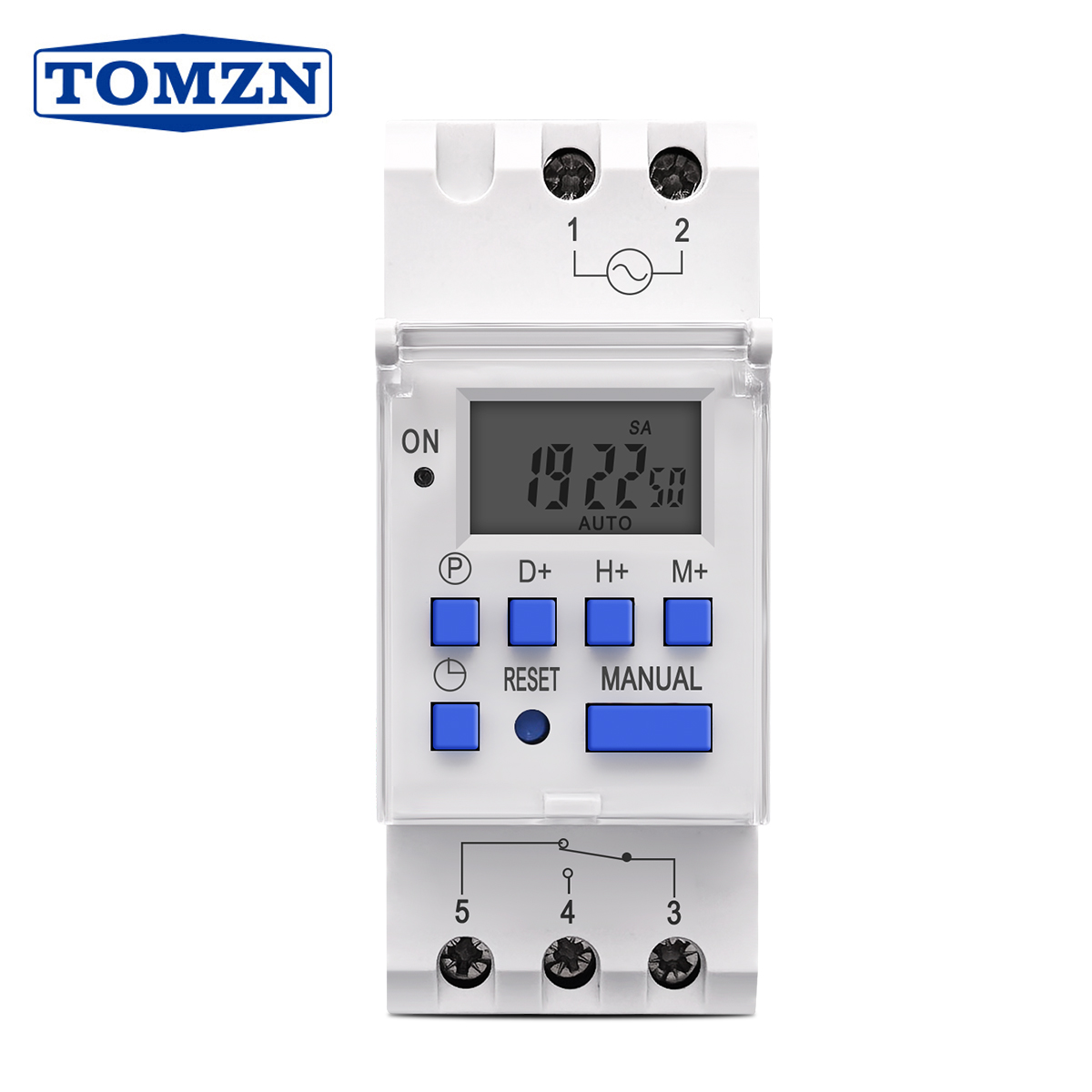
7-Day Timing TOMZN 1NO 1NC DIN Rail Programmable Digital Timer Switch
TOMZN 1NO 1NC DIN Rail Single Phase Weekly Programmable Relay Timer 16A
1NO + 1NC 16A Rated LCD Screen
DIN / Wall TOS6-40 Bluetooth Time Control Switch
TOS6-40 Bluetooth Time Control Switch 35mm DIN Rail Wall-Mounted AC85-265V 40A
40A Capacity Countdown Loop App Ready
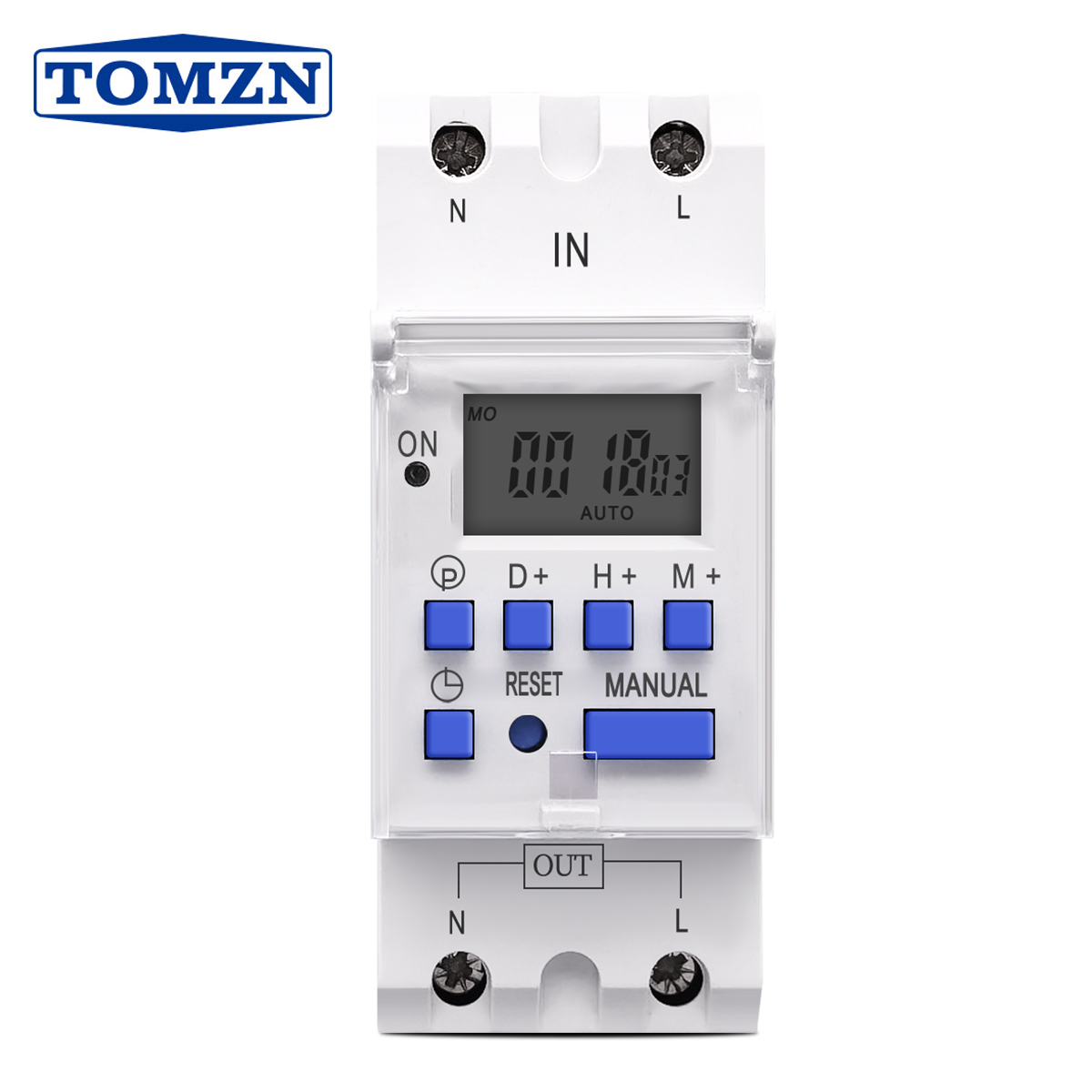
Multi-Voltage TOMZN New Type Single Phase Digital Time Switch
TOMZN New Type Single Phase Weekly 7-Day Digital Time Switch AC/DC 12V-240V
AC/DC Universal Microcontroller DIN Rail 35mm
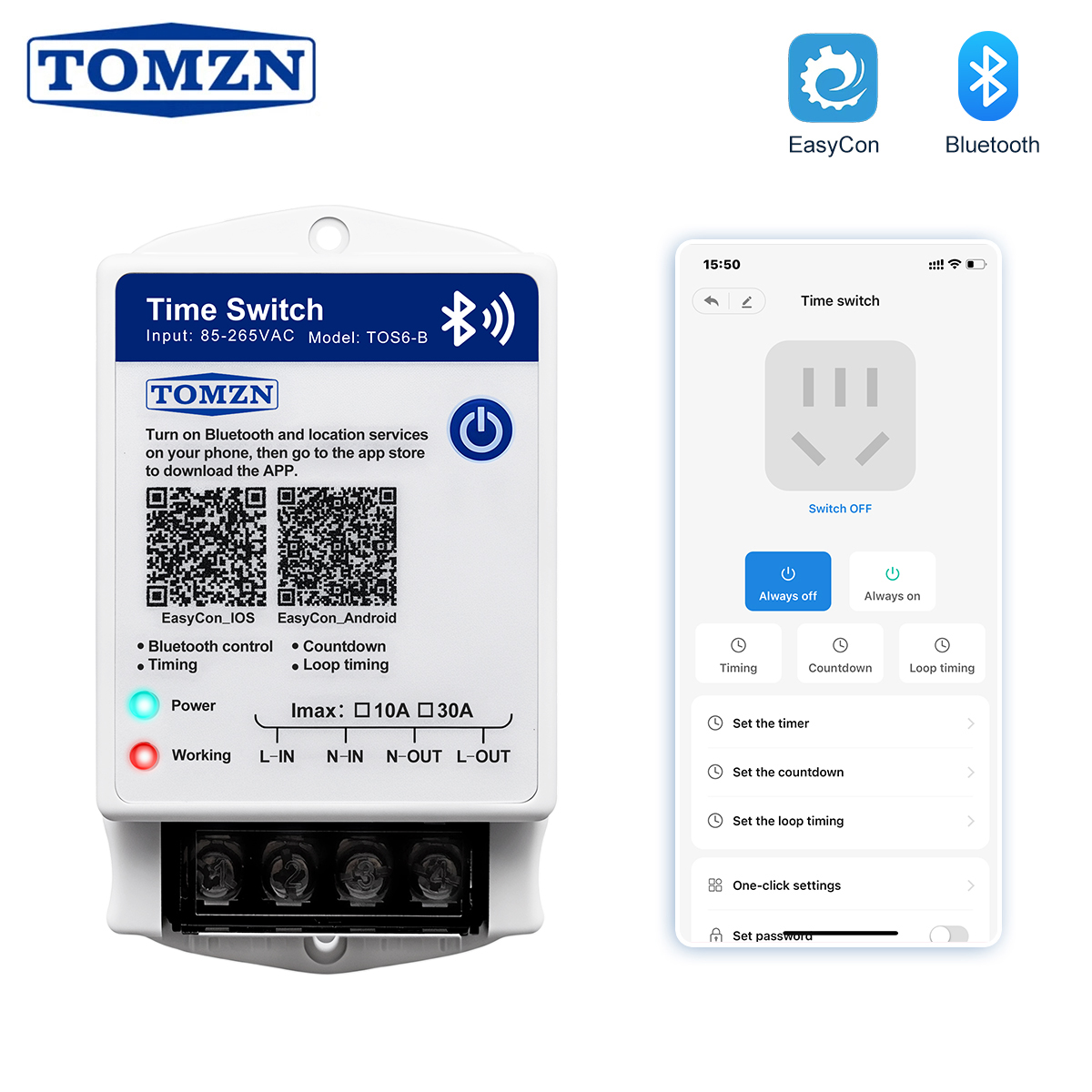
Compact IoT TOMZN Bluetooth Smart Timer Switch 85-265VAC
TOMZN Bluetooth Smart Countdown Timer Switch 85-265VAC 10A 30A EasyCon Wall-Mount
10A / 30A EasyCon Engine Low Idle Draw
Multi-Relay TORT7 Series 10 in 1 Asymmetric Cycler Time Relay
TORT7 Series 10-in-1 Multifunction Delay-ON Delay-OFF Time Relay Switch 0.1S-10D
10 Functions 0.1s - 10 Days Wide Voltage
Strategic Sourcing Report

Top 10 Molded Case Circuit Breaker (MCCB) Manufacturers & Global Landscape

In electrical distribution systems, the selection of Molded Case Circuit Breakers (MCCB) dictates arc quench efficacy, interrupting capacity (Icu/Ics), and long-term thermal lifecycle endurance. Here is the operational analysis of the top tier suppliers dominating global infrastructure.

1. Schneider Electric (France)

Global leader with the Compact NSX range. Renowned for integrated Micrologic trip units offering selective discrimination, remote Modbus power telemetry, and high breaking capacities up to 150kA.

2. ABB (Switzerland)

Celebrated for its SACE Tmax XT series. Known for compact dimensions, high short-circuit withstand capabilities, and seamless integration with industrial IoT energy control suites.

3. Siemens (Germany)

The 3VA series delivers exceptional engineering precision. Highly favored by European EPC contractors for severe utility, marine certifications, and high-frequency manufacturing environments.

4. Eaton (United States)

The Power Defense and Series G lines dominate North American UL 489 demands. Robust molded cases with reliable thermal-magnetic and electronic trip options up to 2500A.

5. Zhejiang TMB Electric (China)

Strategic export specialist operating from Liushi, Wenzhou. Unrivaled cost-to-performance ratio in DC MCCB (TOM7Z series), solar PV string combiner integration, agile low MOQ (5 pcs), and certified TÜV Rheinland factory auditing.

6. Mitsubishi Electric (Japan)

Pioneers of the WS-V Series utilizing proprietary expanded arc-extinguishing chambers. Exceptionally low thermal derating in tropical and humid environmental conditions.

7. Fuji Electric (Japan)

The G-TWIN Series offers modular internal and external accessories. Outstanding mechanical durability and twin-break contact designs for harsh marine and mining installations.

8. LS ELECTRIC (South Korea)

The Susol and Metasol MCCB lines provide high breaking capacities (up to 150kA at 415V) with interchangeable trip units, prominent in Asian commercial real estate and panel workshops.

9. CHINT Electrics (China)

Massive global scale with the NM8N series. Broad distribution coverage spanning residential, tertiary, and infrastructure projects across Europe, South America, and the Middle East.

10. Hyundai Electric (South Korea)

The HG-Series MCCB provides dependable circuit protection for heavy marine, naval vessels, and offshore oil platforms where vibration resistance and high breaking capacities under harsh galvanic conditions are mandated.

Industry Foresight

Future Procurement Trends & Technological Evolution in Circuit Breakers

The transition toward renewable microgrids, energy storage systems (BESS), and digital infrastructure is radically restructuring circuit breaker procurement criteria for global B2B engineering buyers.

1. Accelerated Shift to High-Voltage DC Interruption (1000V-1500V DC)

With utility solar strings and battery energy storage migrating to higher DC voltages, traditional AC-quenched contact geometries are obsolete. Procuring engineers prioritize non-polarized DC MCCBs equipped with magnetic blowout coils and multi-slit arc chutes capable of handling uninterrupted zero-crossing DC arcs.

2. Digital Trip Units (ETU) & Edge Energy Telemetry

Thermal-magnetic bimetal tripping is giving way to Electronic Trip Units with integrated Modbus-RTU, BACnet, and LoRaWAN transceivers. Sourcing contracts now mandate Class 1.0 energy accuracy, dynamic fault waveform capture, and remote temperature diagnostics at primary copper terminals.

3. Modular Solid-State & Hybrid Circuit Interrupters

Solid-state circuit breakers (SSCB) utilizing SiC (Silicon Carbide) MOSFETs deliver microsecond interruption speeds—nearly 1000 times faster than mechanical contacts. Procurement pipelines over the next decade will blend hybrid mechanical-solid-state configurations to mitigate arc flash hazards in AI hyperscale data centers.

4. Circular Economy & Low-Carbon Traceability

Corporate ESG procurement mandates have made Environmental Product Declarations (EPD) and RoHS/REACH material certifications mandatory. Buyers favor manufacturers utilizing lead-free silver alloy contacts (AgSnO2) and halogen-free, recyclable thermoset polyester composite moldings.

5. Multi-Source Supply Chain Decentralization

Severe delivery backlogs from European conglomerates have driven panel builders toward agile, certified OEM/ODM manufacturers in specialized industrial clusters like Liushi, Wenzhou. Direct factory tier-1 sourcing cuts lead times from 36 weeks down to 3-4 weeks.

6. Predictive Maintenance via AI Thermography & Contact Wear Sensors

Next-generation distribution systems integrate IoT contact erosion monitors. Breakers calculate remaining electrical life dynamically by evaluating cumulative break energies (kA²t), alerting maintenance teams before catastrophic terminal flashover occurs.

Evaluation Parameter Standard Mechanical MCCB Electronic Trip Unit (ETU) MCCB Solid-State Hybrid Breaker (SSCB)
Break Time (Short Circuit) 10 – 25 ms 8 – 15 ms < 5 microseconds
Arc Flash Energy Exposure High (Requires heavy PPE) Moderate (Configurable ZSI) Negligible (Extremely safe)
Telemetry & Telecontrol Auxiliary Contact only Full (Current, Voltage, Harmonics) Full Digital Cloud API
Total Cost of Ownership Lowest initial Capex Optimal balanced ROI High initial investment
Key Industrial Applications Commercial HVAC, General Panels Critical Power, Data Centers, Solar AI Compute Clusters, Marine EV
24+
Years in Manufacturing
5,700m²
TÜV Assessed Facility
92Staff
Technical Workforce
100+
Export Destinations
Enterprise Strength

Why Global EPCs & Wholesalers Partner with Zhejiang TMB Electric

Located in Huabei Village, Liushi Town, Wenzhou—recognized as the low-voltage electrical capital of the world—Zhejiang TMB Electric Co., Ltd. brings 24 years of vertically integrated engineering capabilities directly to overseas distributors and switchgear fabricators.

By producing copper busbars, precision stamping mechanisms, arc chute assemblies, and flame-retardant moldings within our local ecosystem, we eliminate global supply chain bottlenecks while upholding stringent TÜV Rheinland-audited production protocols.
✓ TÜV Rheinland Verified ✓ CE Compliance ✓ Low Trial MOQ (from 5 pcs) ✓ Full OEM / ODM Support
Inquire Now
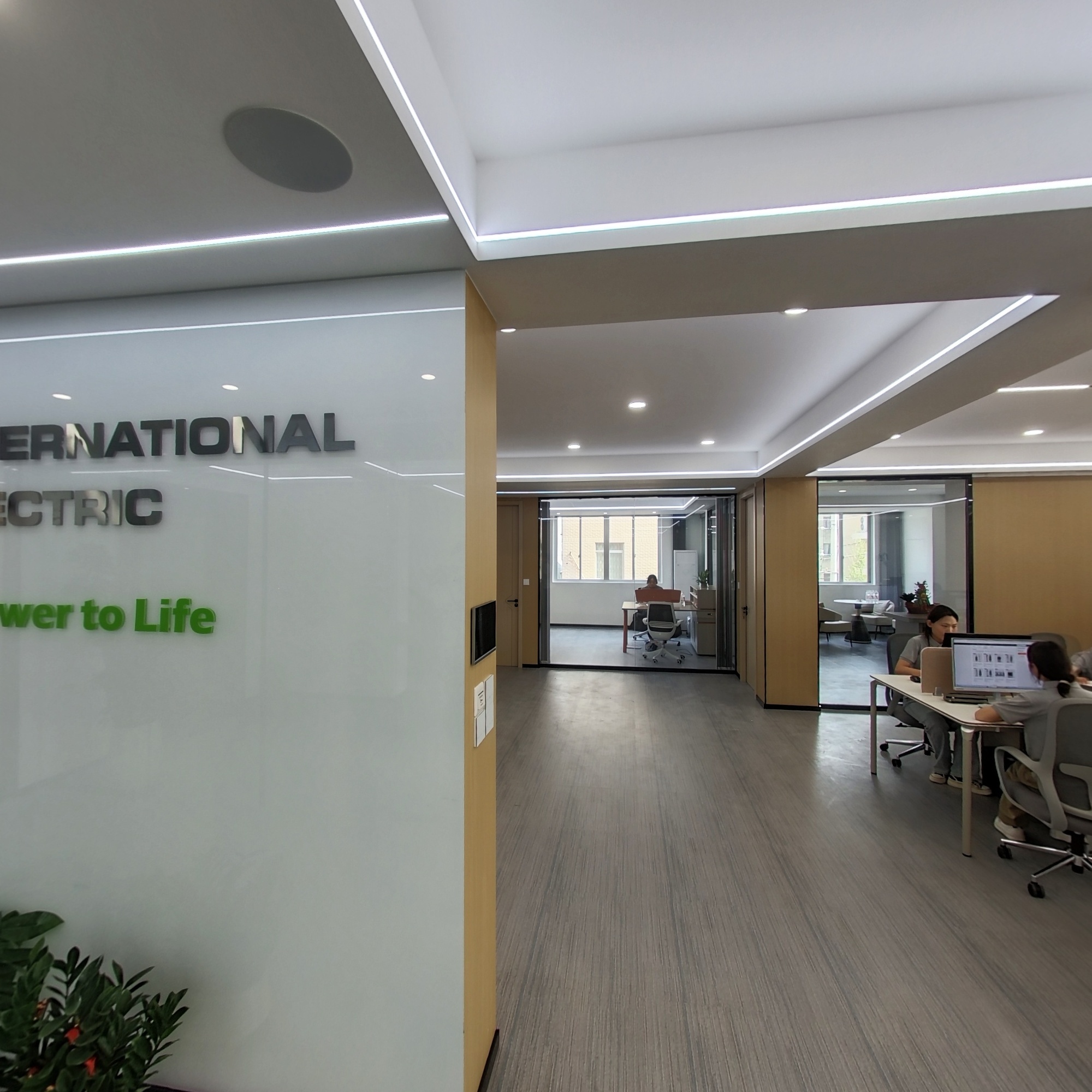
Zhejiang TMB Electric Co., Ltd. Verified Manufacturing Facilities
Procurement Clarity

Frequently Asked Questions on Molded Case & Low-Voltage Switchgear

Direct technical answers addressing engineering validation, compliance documentation, and export purchasing mechanics.

What is the core difference between an MCCB and an MCB?
Miniature Circuit Breakers (MCB) are typically rated up to 125A with fixed trip settings and breaking capacities rarely exceeding 10kA or 15kA, primarily designed for final branch sub-circuits. Molded Case Circuit Breakers (MCCB) handle currents up to 2500A with short-circuit interrupting capacities ranging from 25kA up to 150kA. Additionally, MCCBs offer adjustable thermal-magnetic or digital trip characteristics and field-installable accessories like shunt trips, undervoltage releases, and motor operators.
Can standard AC Molded Case Breakers be applied in DC solar string arrays?
No. Alternating current naturally passes through zero volts 100 or 120 times per second, which aids in de-ionizing and quenching the electric arc during contact separation. Direct current (DC) has no natural zero-crossing; the arc burns continuously and violently. Using AC-rated breakers on DC voltages will cause contact vaporization, catastrophic terminal flashover, and fire hazards. Always specify dedicated DC MCCBs (such as our TOM7Z series) calibrated for high DC string voltages.
What breaking capacity rating (Icu vs Ics) should be specified?
Icu (Ultimate Short-Circuit Breaking Capacity) indicates the maximum fault current the breaker can interrupt twice without exploding, though it may no longer function safely afterward. Ics (Service Short-Circuit Breaking Capacity) indicates the fault current the breaker can clear and remain fully operational. Sourcing best practice requires checking the Ics rating as a percentage of Icu (e.g., Ics = 50%, 75%, or 100% Icu). For high-reliability data centers and industrial mains, an Ics = 100% Icu is strongly recommended.
How does ambient temperature derating affect MCCB performance in outdoor combiner boxes?
Thermal-magnetic MCCBs rely on internal bimetal bending calibrated at a baseline ambient temperature (typically 40°C). In enclosed IP65 outdoor solar combiner boxes subjected to direct solar radiance, internal temperatures often exceed 55°C to 65°C. This causes premature nuisance tripping. Sourcing engineers must refer to the manufacturer's thermal derating coefficient tables or select Electronic Trip Units (ETU), which are less sensitive to ambient enclosure thermal shifts.
What documentation and testing guarantees are available for sample evaluations?
Zhejiang TMB Electric supplies complete product datasheets, CE declarations of conformity, type test reports, and TÜV Rheinland facility assessment reports. We support low MOQ sample orders starting from just 5 pieces, allowing your engineering and quality assurance teams to verify mechanical trip mechanisms, contact resistance, and thermal thresholds prior to container-level release.

Connect Directly with Our Switchgear Engineering Department

Send your single-line electrical schematics, breaking capacity requirements, or private-label OEM specifications. Our technical sales engineers in Liushi provide quotes, dimension drawings, and compliance dossiers within 24 business hours.

Inquire Now