Smart Control
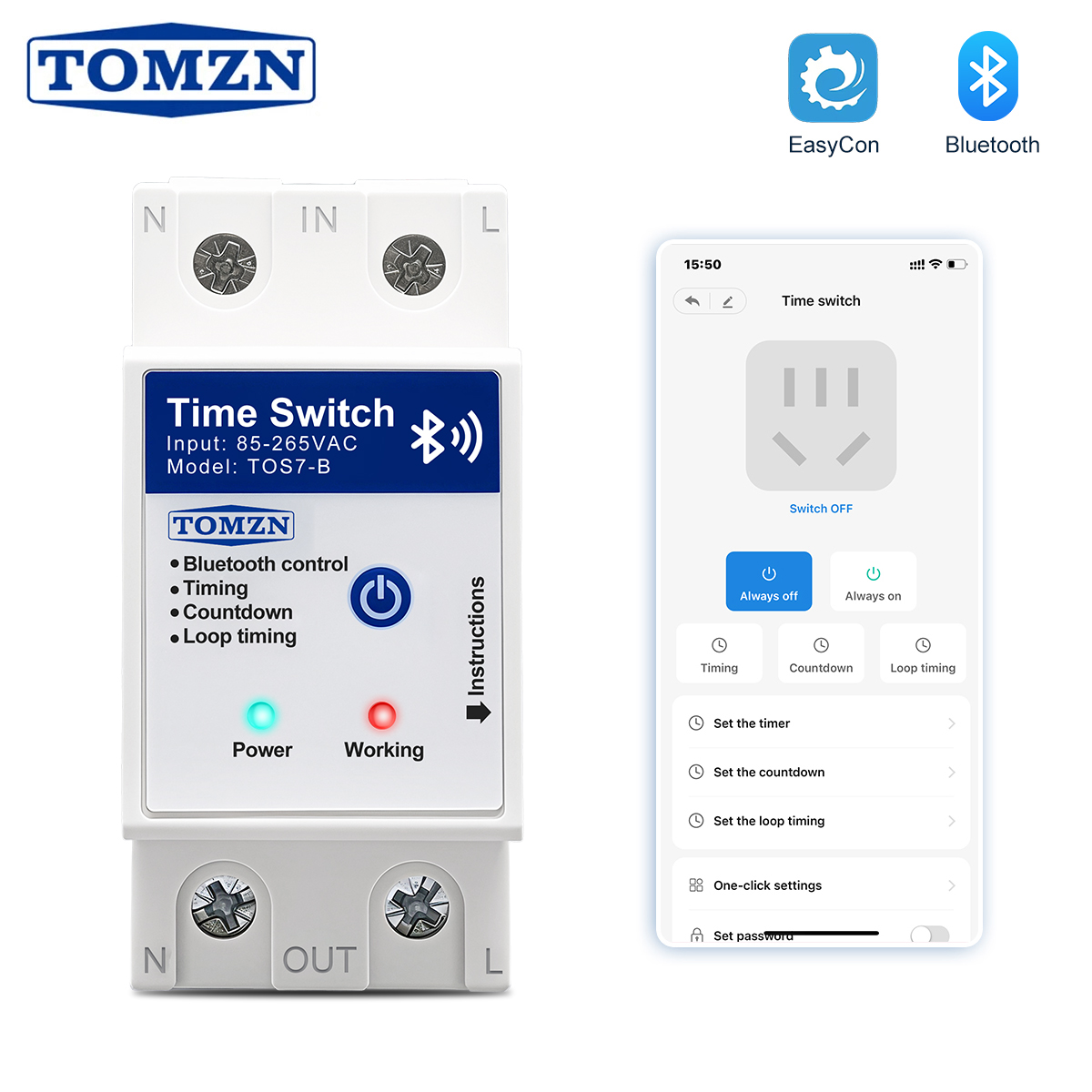
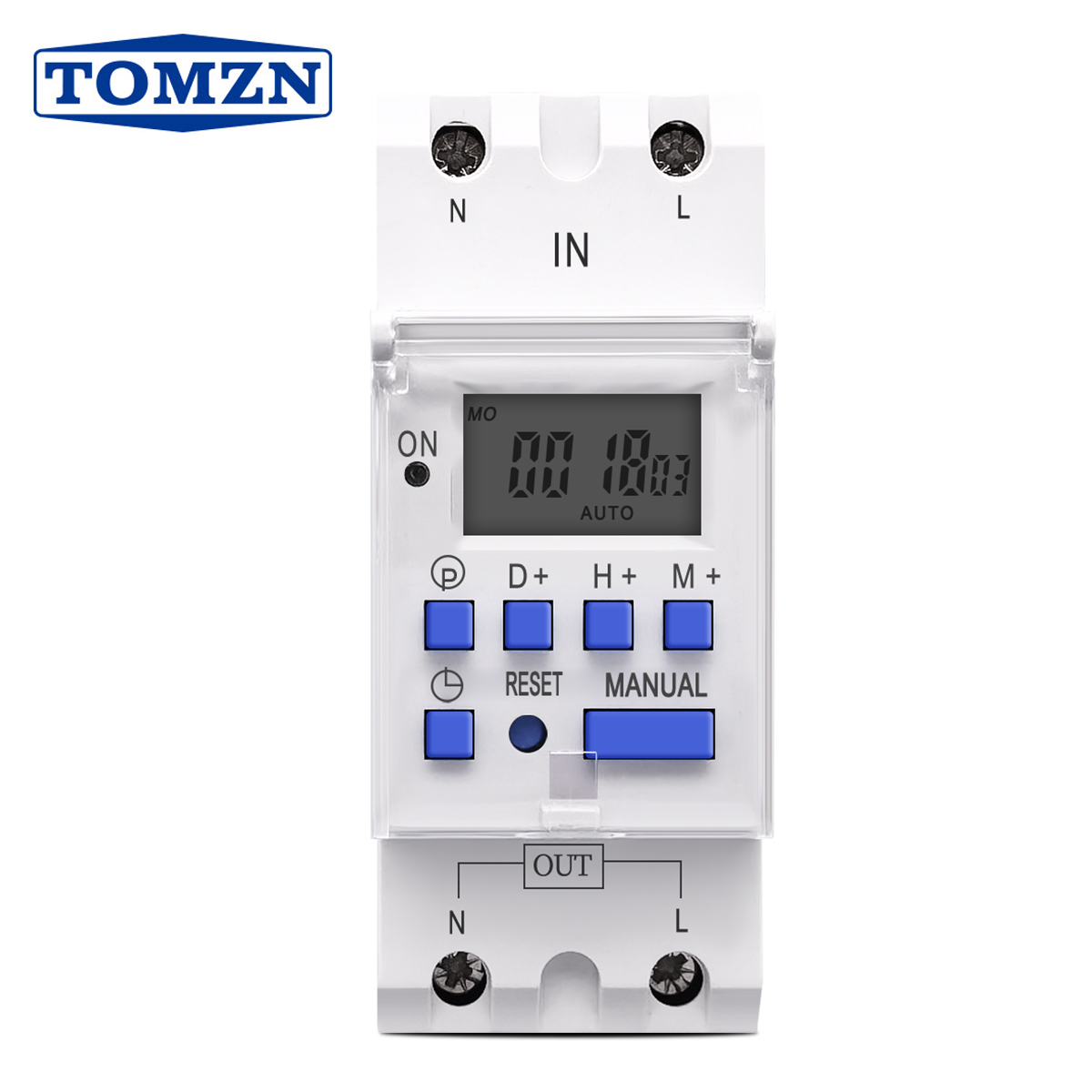
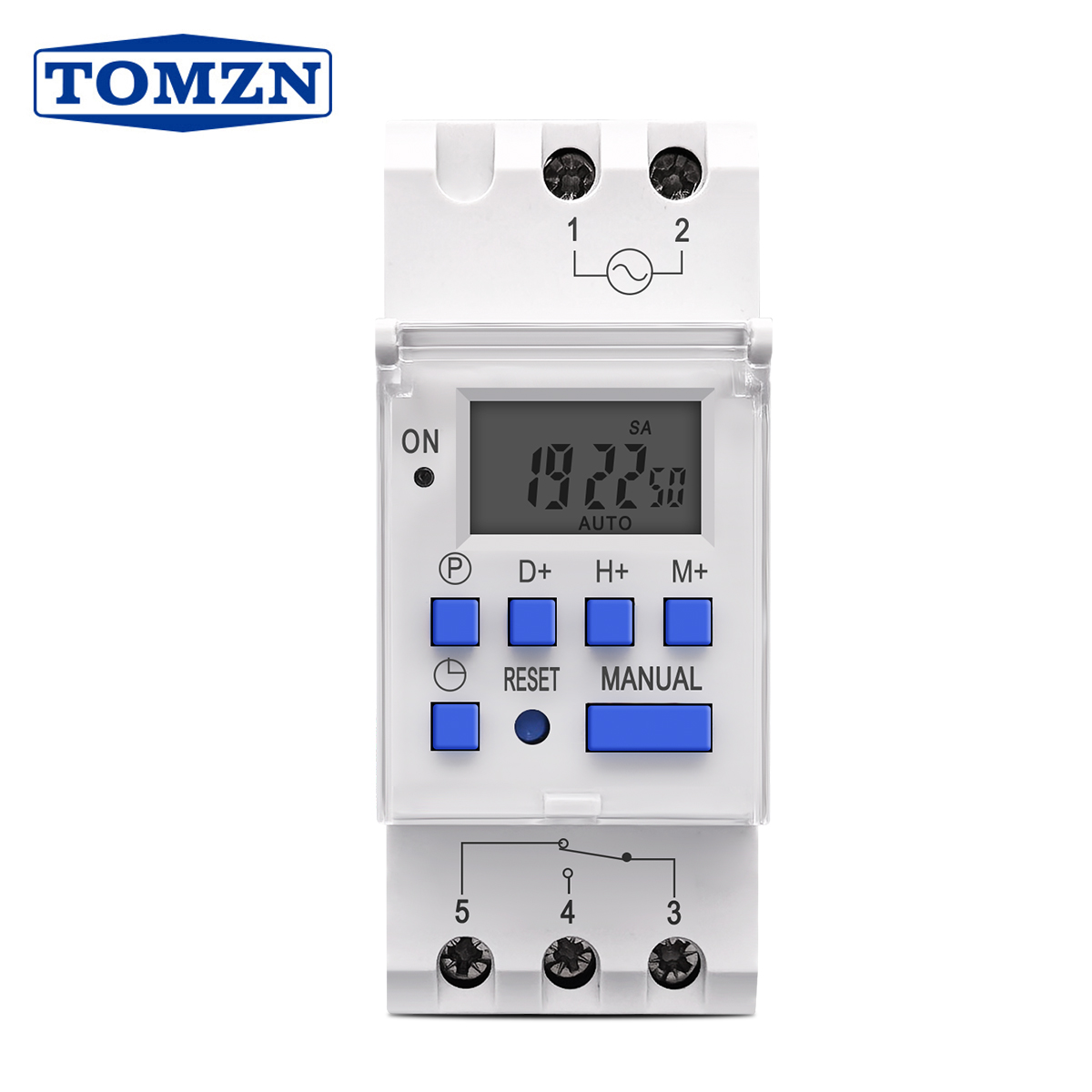
TOMZN TOS7-B Bluetooth Smart Timer Switch 40A 63A 85-265V EasyCon App Remote Control
40A / 63A
85-265V AC
28 Timing Groups
35mm DIN Rail
Precision-tested low-voltage protection units, smart micro-switches, and automated timer modules built to international IEC and CE frameworks for mission-critical installations.
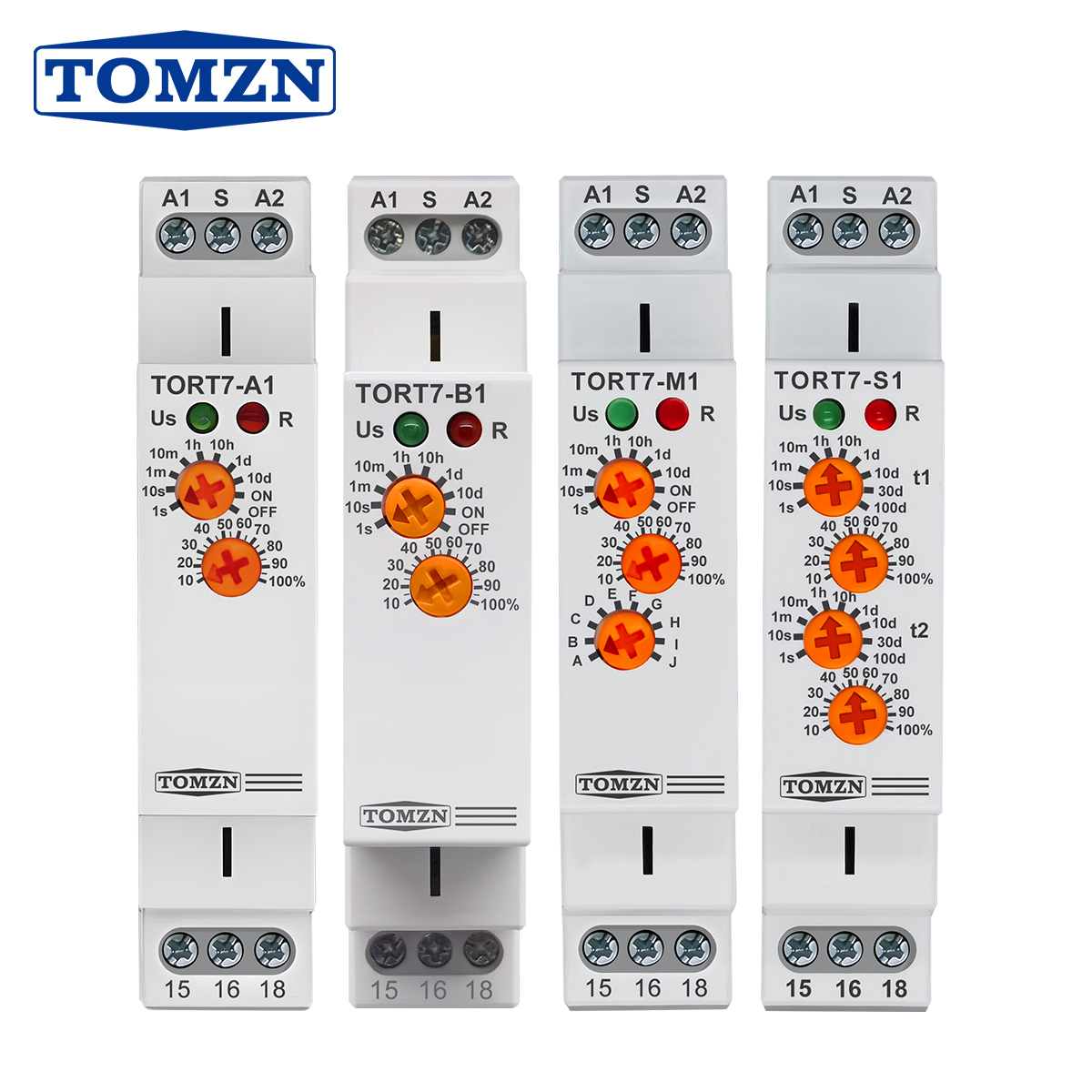
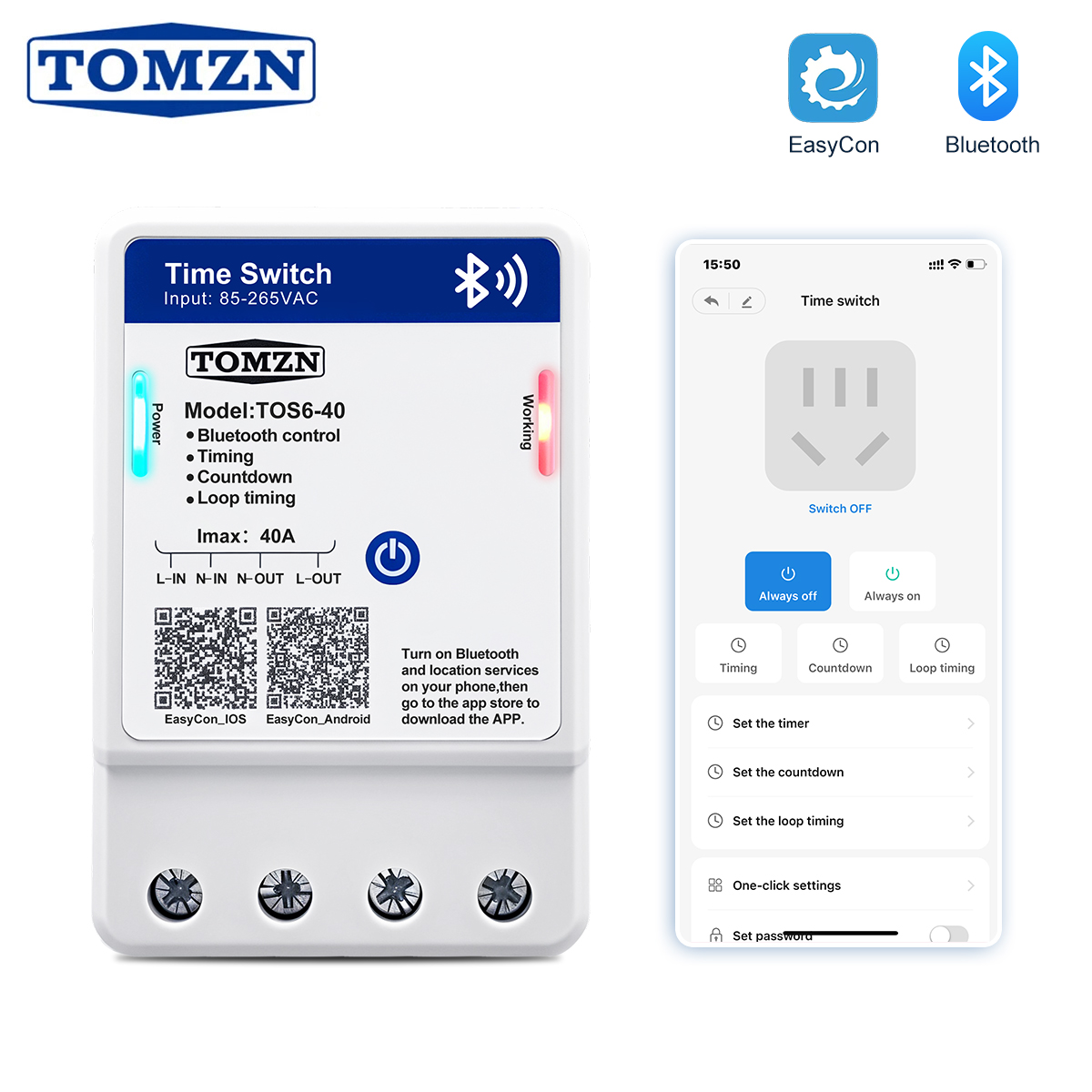
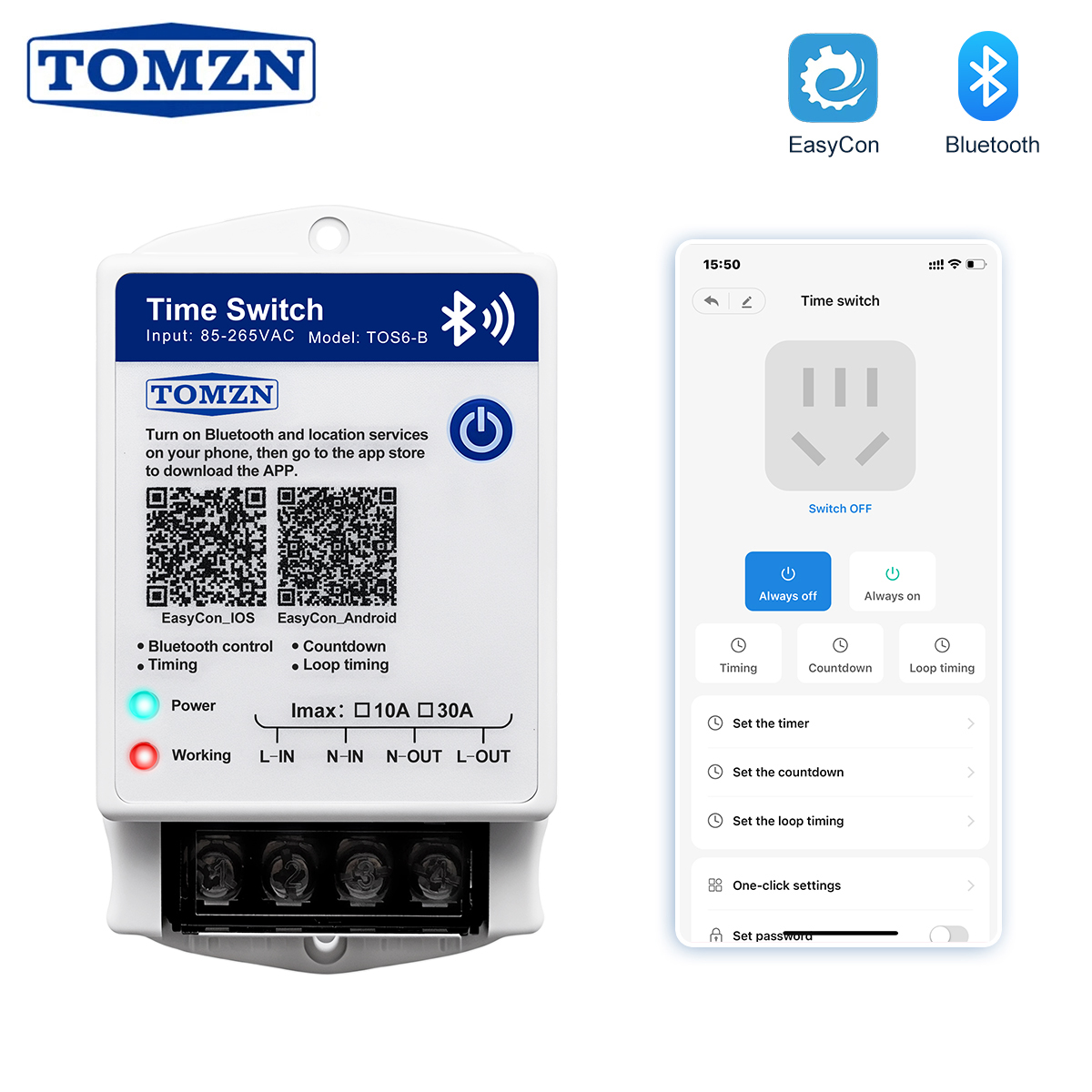
A rigorous review of core electromagnetic topologies, zero-phase current transformers (ZCT), and galvanic isolation architectures across modern industrial and renewable networks.
Residual Current Devices (RCDs), along with Residual Current Circuit Breakers (RCCBs) and RCBOs (Residual Current Breakers with Overcurrent protection), serve as the foundational safeguard against indirect contact shocks, galvanic fault degradation, and ground-fault thermal fire incidents. In conventional single-phase or three-phase alternating networks, Kirchhoff’s first law stipulates that the vector summation of all line currents and neutral current must precisely equal zero: Σ I = 0. When an insulation breakdown occurs or a human body touches an energized phase, a differential vector current (residual current, IΔn) bypasses the intended return path through the grounding system. This magnetic imbalance excites the toroid of an internal zero-phase current transformer (ZCT), inducing a secondary proportional electromotive force that triggers a sensitive polarized relay to unlatch the mechanical contacts within fractions of a millisecond.
Global distributors and switchgear fabricators must differentiate between four prominent operational topologies to guarantee field reliability and avert dangerous non-tripping blind spots caused by core saturation:
Technical verification criteria for switchboard engineers, project consultants, and global wholesale distributors.
| RCD Type Class | Detectable Fault Waveforms | High-Frequency Cutoff | DC Leakage Threshold | Primary Industrial Application |
|---|---|---|---|---|
| Type AC | Pure Alternating Current (50/60 Hz) | Standard Line Freq only | Blinds if DC > 0.5 mA | Legacy resistive heating, non-electronic networks |
| Type A | Sinusoidal AC + Pulsating Rectified DC | Up to 1 kHz attenuation | Immune up to 6 mA DC | Standard modern residential, office automation, PCs |
| Type F | Type A + Multi-frequency mixed harmonics | Up to 1 kHz active band | Immune up to 10 mA DC | Single-phase VFDs, inverter HVAC, pool pumps |
| Type B | Pure DC, Pulsating DC, High Freq AC, HF Residuals | Up to 100 kHz response | Full smooth DC measurement | Solar PV combiners, EV quick chargers, 3-phase UPS |
How the green energy transition, microgrid decentralization, and IoT protocols are transforming electrical supply lines.
As residential solar shifts to DC-coupled hybrid battery banks (400V–1000V DC), conventional AC branch devices fail to extinguish sustained DC arcs. Future B2B purchasing is heavily consolidating toward bidirectional Type B RCBOs and integrated DC MCCB combiner designs with zero-clearance arc chutes.
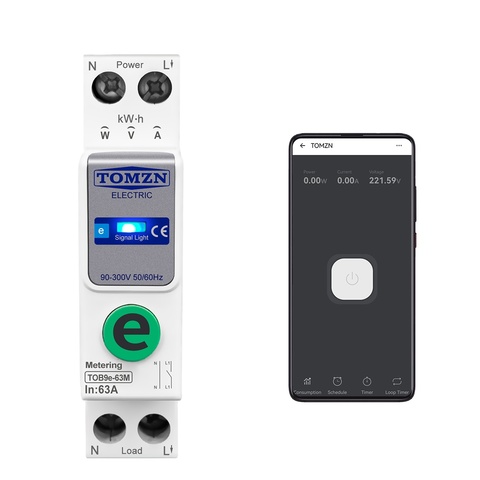
Autonomous circuit monitoring is superseding passive thermal-magnetic devices. Smart miniature devices integrated with micro-controllers, wireless telemetry (Bluetooth/Wi-Fi/Modbus), real-time energy metering, and remote reclosing allow facilities managers to detect gradual insulation decay before total circuit tripping occurs.
Standard engineering practices recommend monthly manual test-button toggling—a requirement rarely executed in real-world environments. Emerging tier-1 supply specifications stipulate self-testing digital RCD modules that pulse sub-threshold test signals continuously without disturbing downstream continuity or requiring manual downtime.
Headquartered in Liushi Town, Wenzhou—China’s epicenter of low-voltage electrical engineering. Backed by 24 years of manufacturing discipline, vertically integrated fabrication, and stringent international testing.
Our dedicated 5,700 m² production base undergoes rigorous on-site facility assessments by TÜV Rheinland, validating machinery capability, clean-room assembly, and ISO-compliant process parameters.
Operating within the core Liushi electrical manufacturing cluster grants us instantaneous access to certified silver-alloy contacts, copper busbars, and UL94-V0 flammability enclosures, eliminating global lead time bottlenecks.
From low trial MOQs starting at 5 pieces for sample validation to massive container-load private label contracts, we supply custom breaker tripping calibrations, multi-pole ATS assemblies, and branded distribution enclosures.
Actionable answers addressing critical certification, mechanical calibration, and logistics parameters.
IΔn ≤ 30 mA, with instantaneous mechanical interruption (typically under 40 milliseconds at 5 times rated current) to prevent ventricular fibrillation. Conversely, 100 mA, 300 mA, and 500 mA units are utilized for indirect contact protection, machine equipment insulation monitoring, and fire protection against electrical tracking in industrial distribution frameworks.
Connect with our technical applications desk to receive comprehensive datasheets, third-party TÜV Rheinland factory audit reports, and container-volume price schedules.
Get Catalog