Next-Gen Smart Energy Meters & Intelligent Load Timing Relays
Tested under strict quality assurance regimens in Liushi Town, Wenzhou—China's low-voltage electrical capital. Explore advanced DIN-rail energy monitoring units, Bluetooth programmable interfaces, and high-amperage smart switches.
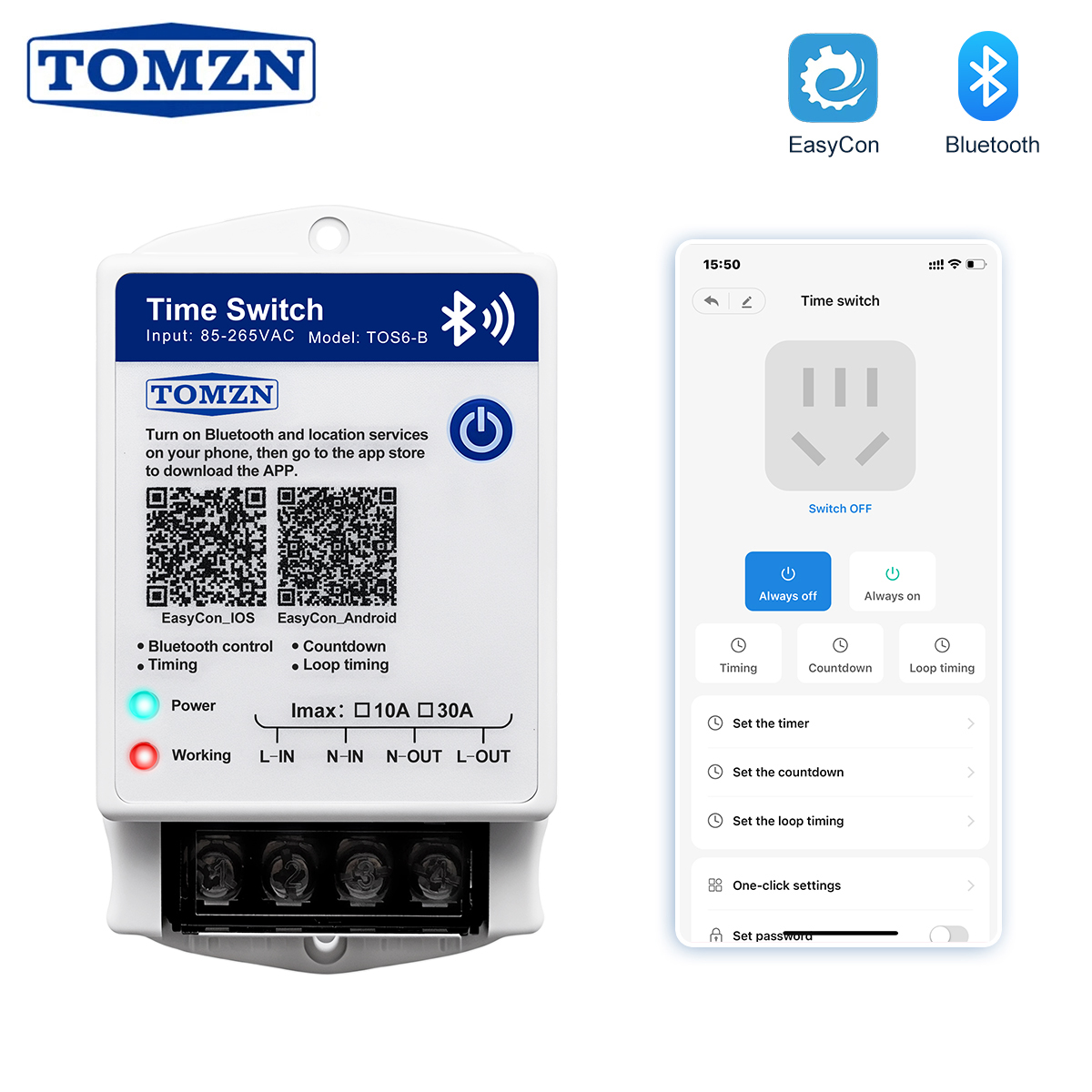
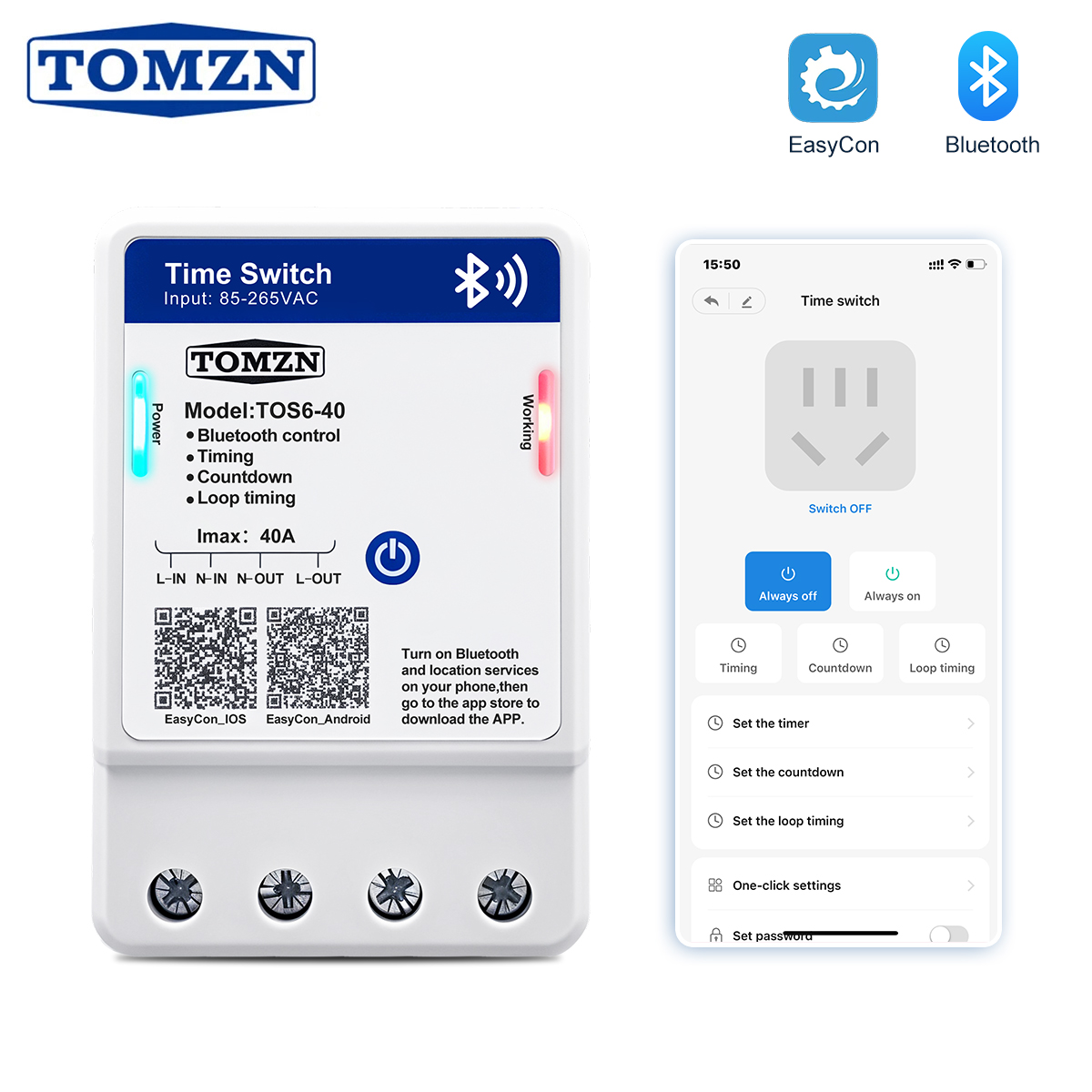
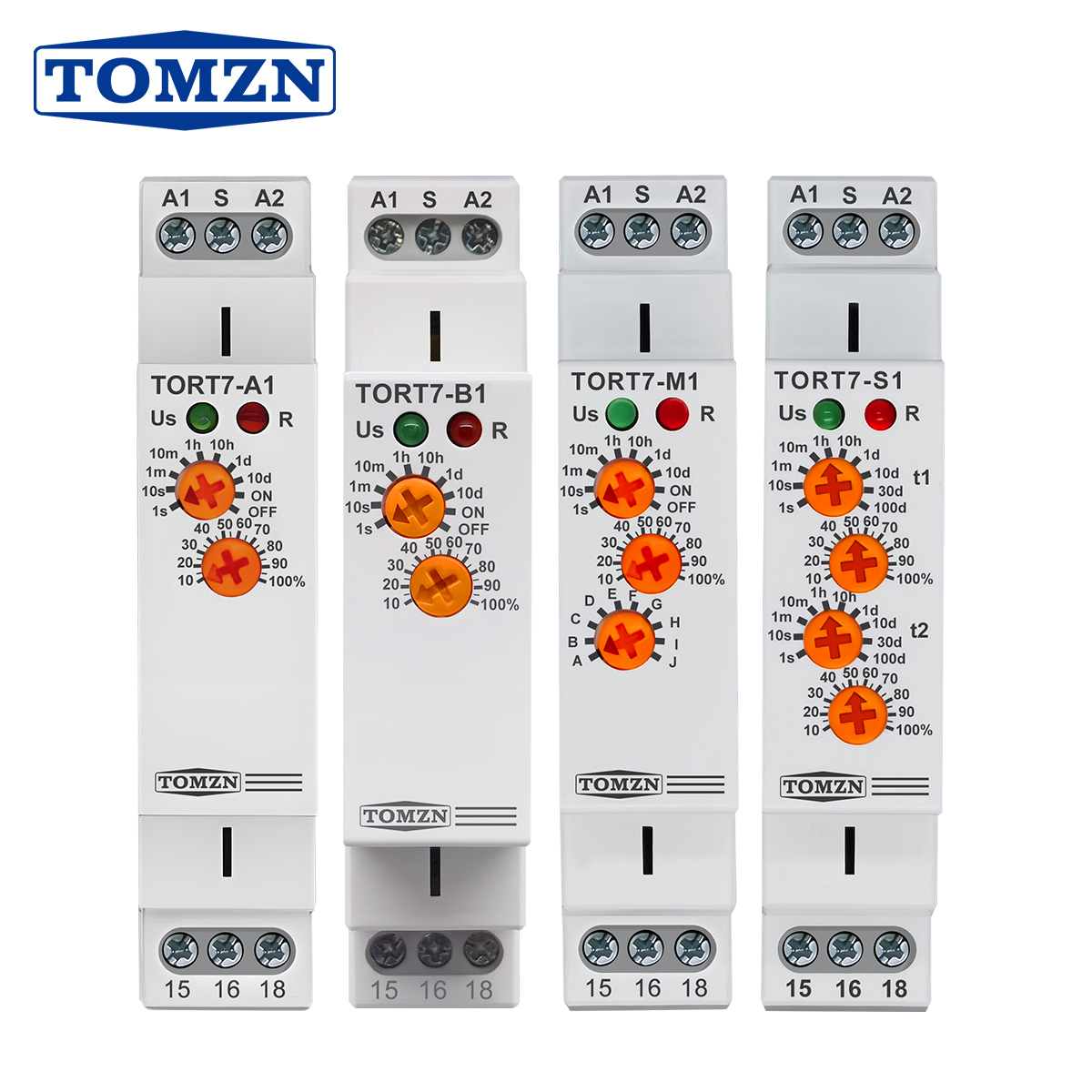
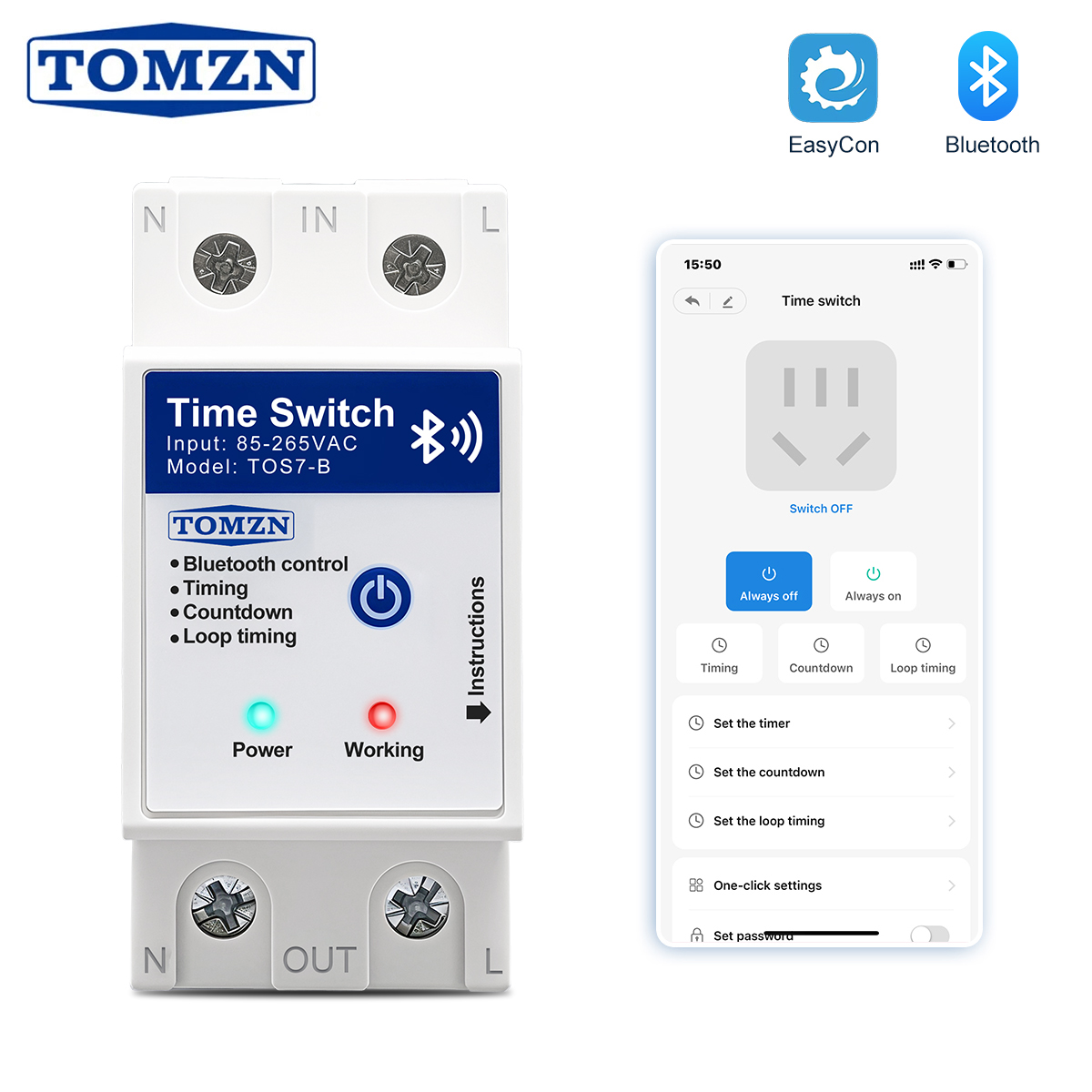
The Global Architecture of Smart Energy Meter Exporters: Executive Analysis
The transition toward distributed energy resources (DERs), microgrids, commercial solar photo-voltaic (PV) installations, and dynamic time-of-use (TOU) tariffs has fundamentally shifted the engineering requirements of energy metering. Once seen as basic electromechanical billing counters, contemporary smart meters now function as sophisticated edge computing nodes capable of multi-quadrant harmonic analysis, bi-directional load balancing, zero-crossing disconnect switching, and secure wireless telecommunication.
International procurement authorities, EPC engineering firms, and electrical equipment importers must evaluate potential exporters beyond surface unit pricing. The genuine cost of ownership is determined by calibration drift rates, mean time between failures (MTBF), electromagnetic compatibility (EMC) compliance under severe grid disturbances, and interoperability with open transmission protocols like DLMS/COSEM, ANSI C12.19, and Modbus-RTU/TCP.
Technical Evaluation Criteria for Global Smart Meter Exporters
To establish an objective, audit-ready framework for evaluating the top smart energy meter manufacturers and export operations, international buyers must benchmark prospective vendors against five critical engineering pillars:
Metrological Rigor
Adherence to IEC 62053-21/22 Class 1.0 and Class 0.5S active accuracy standards across variable thermal conditions (-25°C to +70°C) with low temperature-coefficient resistive shunts or high-linearity current transformers (CTs).
Communication Modularization
Native support for swappable and embedded backhaul layers, encompassing cellular NB-IoT/LTE-Cat-M1, LoRaWAN, Wi-SUN, RS485 Modbus, and secure Bluetooth BLE interfaces for hassle-free field commissioning.
Anti-Tamper Hardening
Integrated mechanical micro-switches detecting cover removal, hall-effect sensors shielding against high external magnetic flux (>0.5 Tesla), neutral-missing metering, and encrypted audit trail logging.
Top 10 Smart Energy Meter Exporters & Global Manufacturers (2025–2026 Index)
The global export landscape features a combination of multi-billion dollar multinational conglomerates executing utility-scale rollouts and highly agile precision manufacturers based in world-class industrial clusters like Liushi, Wenzhou. Below is the definitive ranking of leading smart energy meter exporters, evaluated on product portfolio breadth, technical certification rigor, supply chain integration, and OEM/ODM capability.
| Rank & Manufacturer | Primary Industrial Base | Key Export Specialties | Supported Communication Protocols | Target Sourcing Sector |
|---|---|---|---|---|
| 1. Zhejiang TMB Electric Co., Ltd. | Liushi, Wenzhou, China | Modular DIN-Rail Smart Meters, Smart WiFi/BLE Relays, DC PV Sub-meters | Modbus-RTU, WiFi, Bluetooth BLE, RS485, Pulse Output | Commercial, Multi-Tenant Sub-metering, Solar PV, OEM/ODM |
| 2. Landis+Gyr | Cham, Switzerland / Global | Utility Grid Advanced Metering Infrastructure (AMI), Grid Edge Sensors | DLMS/COSEM, Cellular LTE-M, RF Mesh, Wi-SUN | National Electric Utilities, Transmission Operators |
| 3. Itron Inc. | Liberty Lake, WA, USA | Smart Grid Edge Computing, Distributed Intelligence Meters | OpenWay Riva, Cellular 4G/5G, IPv6 Multi-Comm | Municipal Utilities, Large Smart Cities |
| 4. Wasion Holdings | Changsha / Hong Kong, China | High-Precision High-Voltage Polyphase Billing, STS Prepayment | DLMS/COSEM, STS Standard, G3-PLC, NB-IoT | Regional Grid Concessions, African/Asian Public Utilities |
| 5. Hexing Electrical Co. | Hangzhou, China | Microgrid Metering, Split-Prepayment Clustered Boxes | STS, DLMS, LoRaWAN, Cellular GPRS/NB-IoT | Developing Infrastructure Projects, Latin America Utilities |
| 6. Schneider Electric | Rueil-Malmaison, France | PowerLogic Power Quality Analyzers, Modular Switchboard Meters | Modbus-TCP, BACnet/IP, IEC 61850, Ethernet | Industrial Automation, Tier III/IV Data Centers |
| 7. Jiangsu Linyang Energy | Qidong, Jiangsu, China | Grid Polyphase Meters, Smart Commercial DIN-rail Transducers | HPLC, DLMS, RS485, Zigbee | Domestic State Grid & European EPC Partnerships |
| 8. Siemens Smart Infrastructure | Zug, Switzerland / Germany | SENTRON PAC Series, Industrial Substation Class 0.2S Revenue Meters | PROFINET, PROFIBUS, Modbus, BACnet | Heavy Industry, Mission-Critical Marine/Offshore |
| 9. Holley Technology | Hangzhou, China | Single/Three-Phase Anti-Tamper Residential Smart Meters | PLC, LoRa, GPRS, Optical Port IEC 62056-21 | Emerging Market Public Tenders, Residential Complexes |
| 10. Sensus (a Xylem brand) | Raleigh, NC, USA | FlexNet Point-to-Multipoint Grid Meters, Dual Utility Combo | FlexNet RF Licensed Spectrum, Modbus | Public Power Authorities, Water-Electric Utilities |
Cluster Dynamics: Why Wenzhou & Liushi Dominate the Agility Curve
While massive conglomerates like Landis+Gyr and Itron command tier-one public utility tenders with decade-long procurement cycles, agile exporters like Zhejiang TMB Electric Co., Ltd. represent the backbone of the international B2B distributor, panel builder, and solar installer trade. Located in Liushi Town, Wenzhou—universally recognized as China’s low-voltage electrical capital—manufacturers benefit from immediate, hyperlocal supply chains. Raw electrolytic copper terminals, bimetallic strips, custom poly-carbonate flame-retardant housings (UL94-V0 standard), and precision shunt resistors are engineered within a 5-kilometer radius. This hyper-dense industrial cluster shortens tooling lead times from months to days and permits low trial order thresholds (MOQs starting from 5 pieces) without compromising quality assurance.
Future Sourcing & Procurement Trends: Strategic Projections to 2030
Global procurement teams must look ahead to structural transitions impacting electrical distribution panels, solar microgrids, and building energy management systems (BEMS). Procurement managers who align their technical specifications with future-ready standards avoid premature obsolescence and costly field retrofits.
AMI 2.0 & Distributed Edge Intelligence
Smart meters are transitioning from periodic telemetry counters to high-speed sampling edge computers. Contemporary architectures perform continuous 8 kHz point-on-wave waveform captures to execute Non-Intrusive Load Monitoring (NILM), allowing building managers to distinguish individual HVAC compressors, water heaters, and EV chargers from a single DIN-rail feeder point without supplementary sub-sensors.
Bi-Directional Net-Metering for Solar & Storage
The global surge in residential and commercial solar PV installations has generated critical demand for 4-quadrant bi-directional DIN-rail energy meters. Exporters are shifting production lines toward models capable of isolating active import (kWh), active export (kWh back into grid), inductive reactive (kvarh), and capacitive reactive energies, matching net-billing compliance under modern inverter feed-in arrangements.
Zero-Trust Cyber-Physical Meter Security
With smart meters categorized as critical infrastructure nodes, tenders increasingly mandate hardware-level cryptography. Leading exporters integrate dedicated secure cryptoprocessors (Secure Elements) managing AES-128/256 dynamic session key encryption, Elliptic Curve Digital Signatures (ECDSA), and asymmetric mutual authentication to prevent man-in-the-middle grid sabotage or remote disconnect manipulation.
Technological Evolution: Transducers, Accuracy Standards & Isolation
Understanding the internal electrical topology of modern solid-state smart meters is essential for technical auditing. Below is a detailed breakdown of core sub-systems and metrology engineering choices made by top-tier exporters:
1. Primary Current Sensing Methodology
Smart meter architectures employ one of three main sensing techniques to transform line current into measurable micro-volt signals:
- Manganin Shunt Resistors: Highly favored in single-phase and compact DIN-rail devices up to 100A due to absolute immunity against external DC magnetic tampering. High-grade manganin maintains extremely low temperature drift (<15 ppm/°C), guaranteeing Class 1.0 or 0.5 compliance across extreme climates.
- Permalloy Core Current Transformers (CTs): Utilized in polyphase three-phase meters and heavy industrial indirect metering setups (5A/1A secondary). They deliver inherent galvanic isolation between mains potential and sensitive metering ICs, though they require active magnetic shielding to prevent saturation attacks.
- Rogowski Coils: Frequently integrated into flexible retrofit analyzers. They eliminate magnetic saturation entirely and measure di/dt currents up to tens of thousands of amperes, ideal for arc furnace monitoring and non-invasive commercial retrofitting.
2. Power Quality Analysis & High-Order Harmonics
Modern commercial distribution boards suffer substantial harmonic distortion created by non-linear loads such as variable frequency drives (VFDs), EV fast chargers, and switched-mode power supplies (SMPS). Standard low-tier meters register false power values under high Total Harmonic Distortion (THD). Advanced smart meters exported by engineering-focused manufacturers sample true root-mean-square (TRMS) voltage and current up to the 31st or 63rd harmonic harmonic order, calculating fundamental active power separately from harmonic distortion power.
Manufacturer Profile: Zhejiang TMB Electric Co., Ltd.
As a seasoned custom manufacturer located in Huabei Village, Liushi Town, Wenzhou, Zhejiang, Zhejiang TMB Electric Co., Ltd. has established 24 years of manufacturing excellence in low-voltage electrical protection, modular switching, and smart DIN-rail metering components. Our enterprise is engineered specifically to address the complex requirements of distributors, EPC contractors, switchgear panel builders, and international trading entities across more than 100 countries.
TÜV Rheinland Verified Manufacturing
Our expansive 5,700 m² production base undergoes rigorous on-site supplier assessments conducted by TÜV Rheinland. We operate verified quality management systems (QMS) ensuring complete incoming material batch tracking and outgoing compliance with CE marking requirements.
Vertical Cluster Efficiency
Positioned directly inside Liushi—the global capital of low-voltage electrical engineering—our supply chain latency is nearly zero. Silver-nickel alloy contacts, copper busbars, and custom molds are sourced with uncompromised precision, ensuring industry-best lead times for volume contracts.
Flexible OEM/ODM & Low Pilot MOQ
We eliminate high procurement barriers. Standard catalog models require an MOQ of just 5 pieces (with selected timer switches starting from 1 piece), allowing engineering validation before full-container volume shipments. Custom laser private labeling, customized packaging, and tailor-made firmware configurations are fully supported.
Procurement Engineering FAQ: Addressing Technical Sourcing Dilemmas
What is the difference between Class 1.0 and Class 0.5S accuracy in smart meters?
Can standard AC DIN-rail energy meters be utilized for direct DC solar string metering?
How do smart meters protect against sophisticated magnetic tampering in tenant sub-metering?
What parameters must be specified when sourcing an Automatic Transfer Switch (ATS) with energy monitoring?
What documentation should an overseas importer require prior to authorizing volume smart meter shipments?
Ready to Upgrade Your Global Sourcing Pipeline?
Access our comprehensive 2025–2026 low-voltage protection and smart metering technical catalog. Benefit from factory-direct pricing, custom OEM laser branding, and certified engineering support from Liushi Town, Wenzhou.