Featured AC Contactors, Time Switches & Motor Control Units
Engineered for high mechanical longevity (up to 10,000,000 cycles) and electrical switching reliability under AC-1, AC-3, and AC-7a duty cycles. Selected models ready for OEM customization and bulk export from Wenzhou.
Engineering Dynamics of AC Magnetic Contactors: The China Manufacturing Paradigm
In low-voltage electrical distribution and motor automation infrastructure, the AC magnetic contactor represents the fundamental electromechanical switching heart. Operating under alternating current electromagnetic actuation, these devices govern induction motor starters, heating batteries, capacitor banks, and transfer circuits. International EPC contractors, switchboard builders (switchgear OEMs), and wholesale electrical distributors face an evolving procurement landscape. Selecting a premier China AC magnetic contactor exporter is no longer simply an exercise in unit-cost minimization; it demands deep evaluation of contact metallurgical composition, magnetic core eddy-current hysteresis, dynamic arc-extinction chamber aerodynamics, and thermal endurance curves under IEC/EN 60947-4-1 and GB/T 14048.4 frameworks.
Core Engineering Insight: When selecting an AC contactor, the operational utilization category dictates life expectancy. While standard AC-1 resistive ratings appear generous, sizing an inductive squirrel-cage induction motor under AC-3 (starting and stopping during run) or AC-4 (plugging, jogging, and reversing) requires contact tips made of silver-tin-oxide (AgSnO2) rather than legacy silver-cadmium-oxide (AgCdO) to resist weld-bonding and transfer erosion caused by breaking 6 to 8 times the rated full-load current (FLA).
Electromechanical Design Architecture & Contact Metallurgy
Modern magnetic contactor assemblies manufactured in the Liushi electrical cluster (Wenzhou, Zhejiang) utilize cold-rolled grain-oriented silicon steel laminations for both the E-core stator and dynamic armature. This laminated architecture limits parasitic eddy-current generation, attenuates coil running temperatures (limiting delta-T to within 65K), and drastically reduces audible 50/60 Hz hum through diamond-ground pole faces fitted with copper or brass shading rings.
Our export-standard contact systems incorporate premium silver alloy contact tips sintered at controlled high-density pressures. Traditional AgCdO contacts, while historically common, are increasingly restricted under global RoHS and REACH directives due to toxic cadmium vaporization during repeated arcing. Zhejiang TMB Electric Co., Ltd. adopts advanced silver-tin-oxide with indium-oxide doping (AgSnO2-In2O3), yielding superior thermal conductivity, improved arc migration velocity, and heightened resistance against material migration during severe AC-4 inrush conditions (up to 1,200 A transient peaks on 95 A framed devices).
| Duty Classification | Typical Industrial Application | Make Current (x In) | Break Current (x In) | Power Factor (cos φ) |
|---|---|---|---|---|
| AC-1 | Non-inductive or slightly inductive loads, resistance furnaces, heaters | 1.0 × In | 1.0 × In | cos φ ≥ 0.95 |
| AC-2 | Slip-ring motor starting, plugging, and inching | 2.5 × In | 2.5 × In | cos φ ≈ 0.65 |
| AC-3 | Squirrel-cage induction motors: starting, switching off running motors | 5.0 to 8.0 × In | 1.0 × In | cos φ ≈ 0.35 to 0.45 |
| AC-4 | Plugging, rapid reversing, jogging/inching of cranes and machine tools | 6.0 to 8.0 × In | 6.0 to 8.0 × In | cos φ ≈ 0.35 |
| AC-7a / AC-7b | Modular household appliances, HVAC fan coils, heat pump compressors | 1.5 × In to 6.0 × In | 1.0 × In | cos φ = 0.45 to 0.8 |
Thermal stability across the contactor terminals is guaranteed through high-conductivity electrolytic tough pitch (ETP) copper busbars plated with 5 to 8 micrometers of bright tin or nickel. This prevents galvanic oxidation at high ambient operating temperatures (-25°C to +60°C) and prevents catastrophic terminal runaway under continuous full-load operating conditions inside tightly sealed distribution boxes.
Future Procurement Trends for AC Magnetic Contactors
The global electrical market is transitioning toward renewable microgrids, energy decentralization, and building management automation. Procurement officers from Europe, North America, Southeast Asia, and the Middle East are recalibrating supplier qualification matrices. The key strategic procurement vectors redefining the contactor export sector include:
Total Cost of Ownership (TCO) vs Purchase Price
Procurement teams are moving away from evaluating base unit pricing in isolation. Factoring coil operational power consumption over a 10-year lifecycle—where an energy-efficient electronically regulated coil saves up to 75% in holding VA—radically lowers lifecycle TCO across commercial facilities.
Supply Chain Traceability & Material Purity
Exporting to compliant markets requires uncompromised traceability. Suppliers must verify PA66 virgin resin housing flammability (UL94 V-0 glow-wire testing up to 960°C) and provide material declarations confirming the absence of conflict metals and REACH substances of high concern (SVHC).
Integrated Modular DIN-Rail Ecosystems
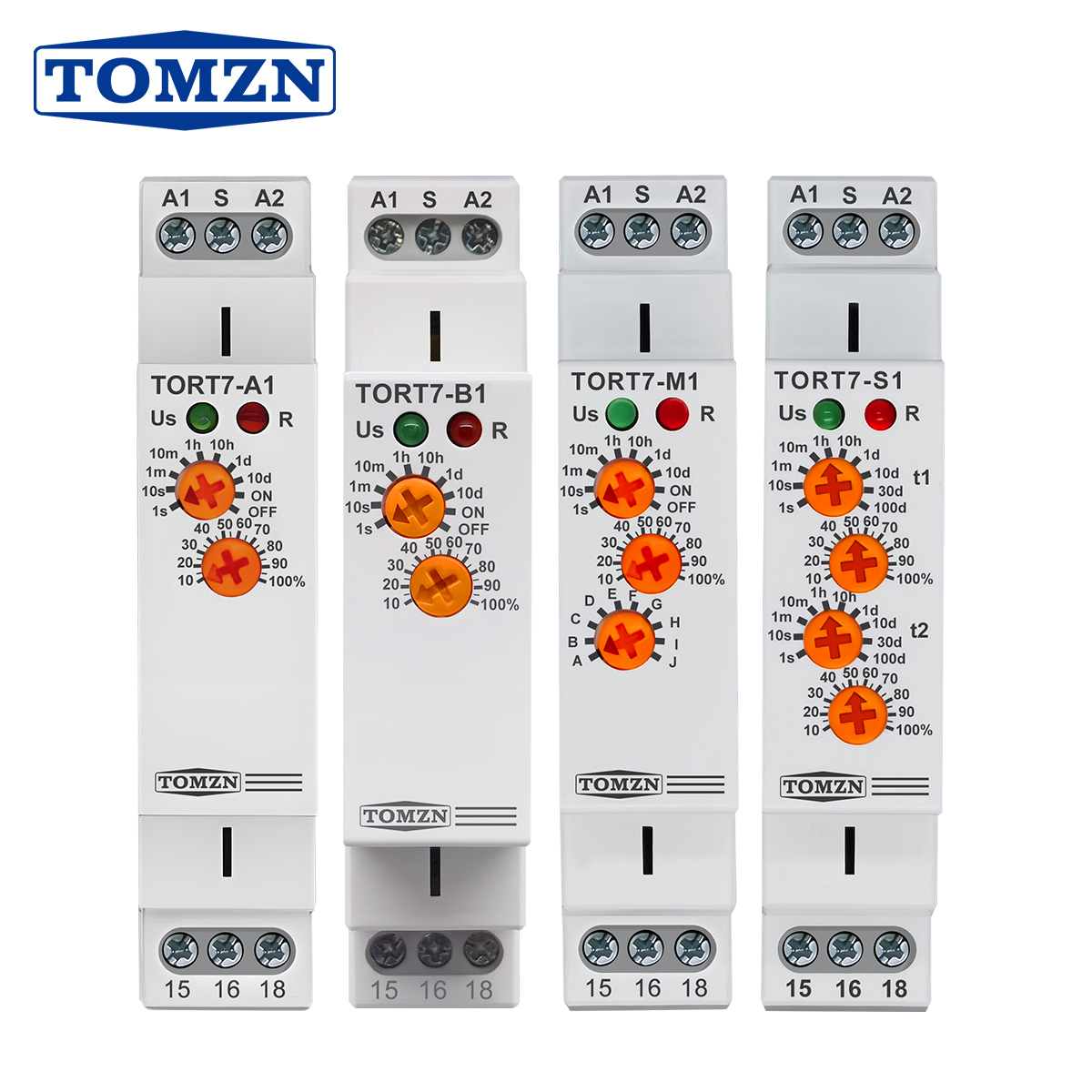
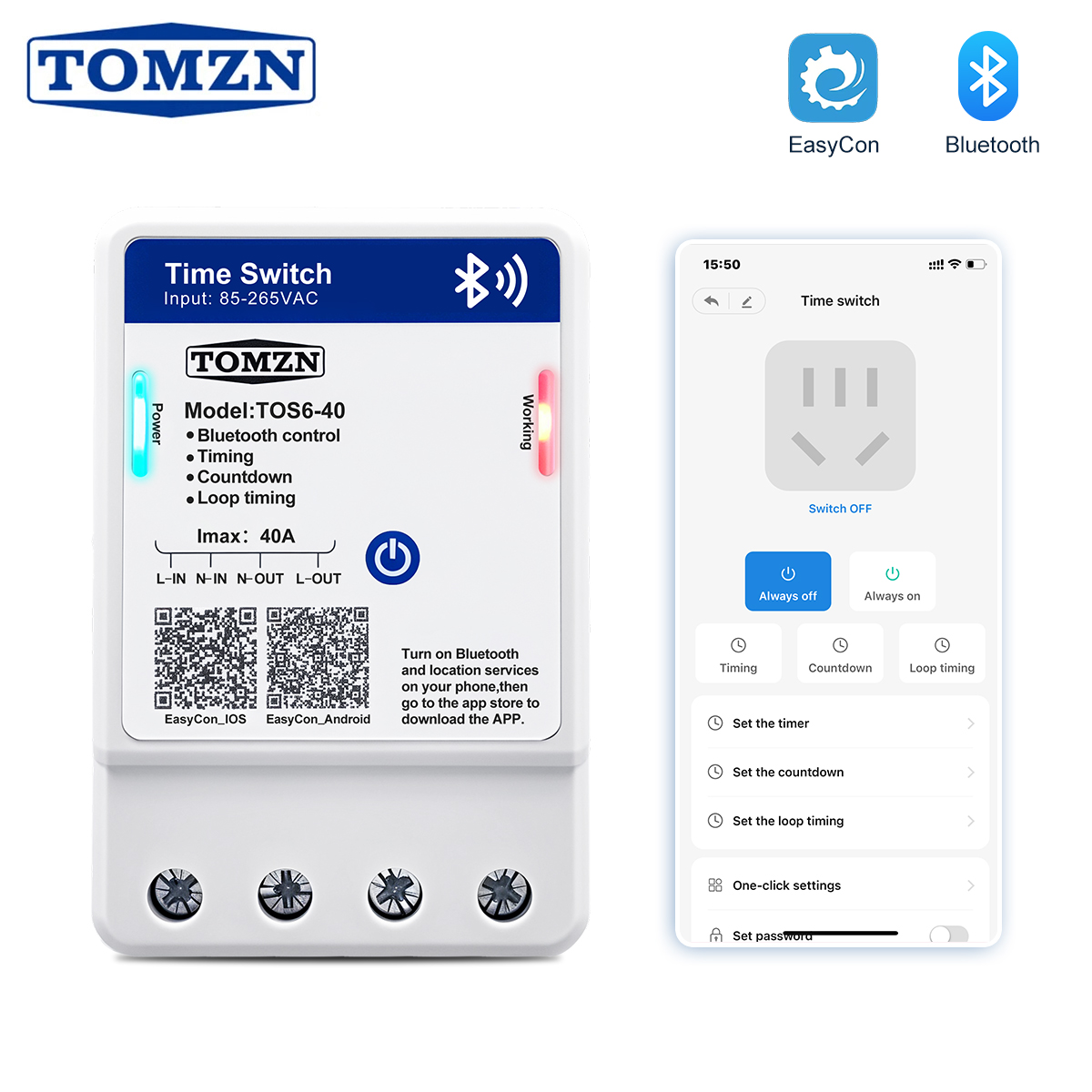
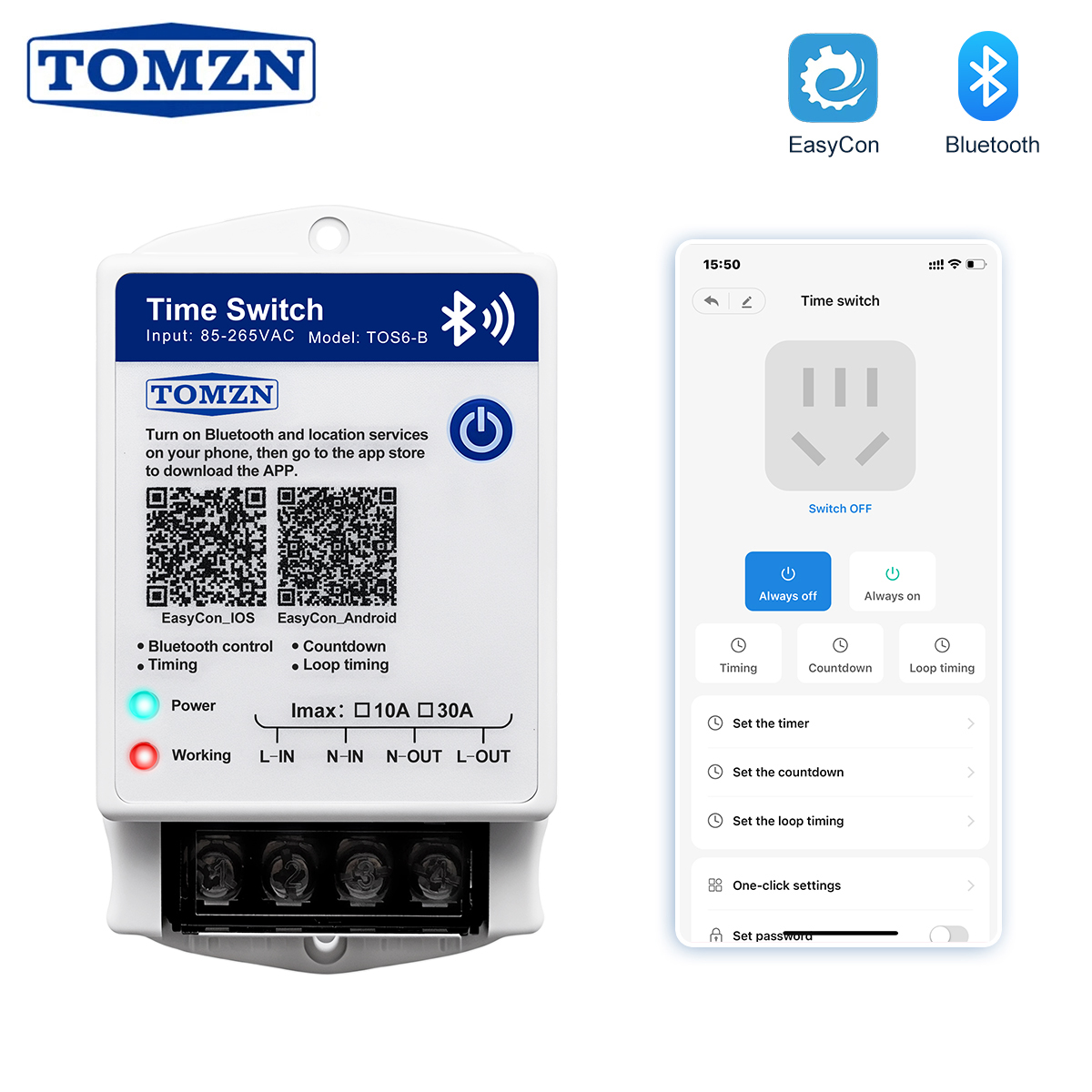
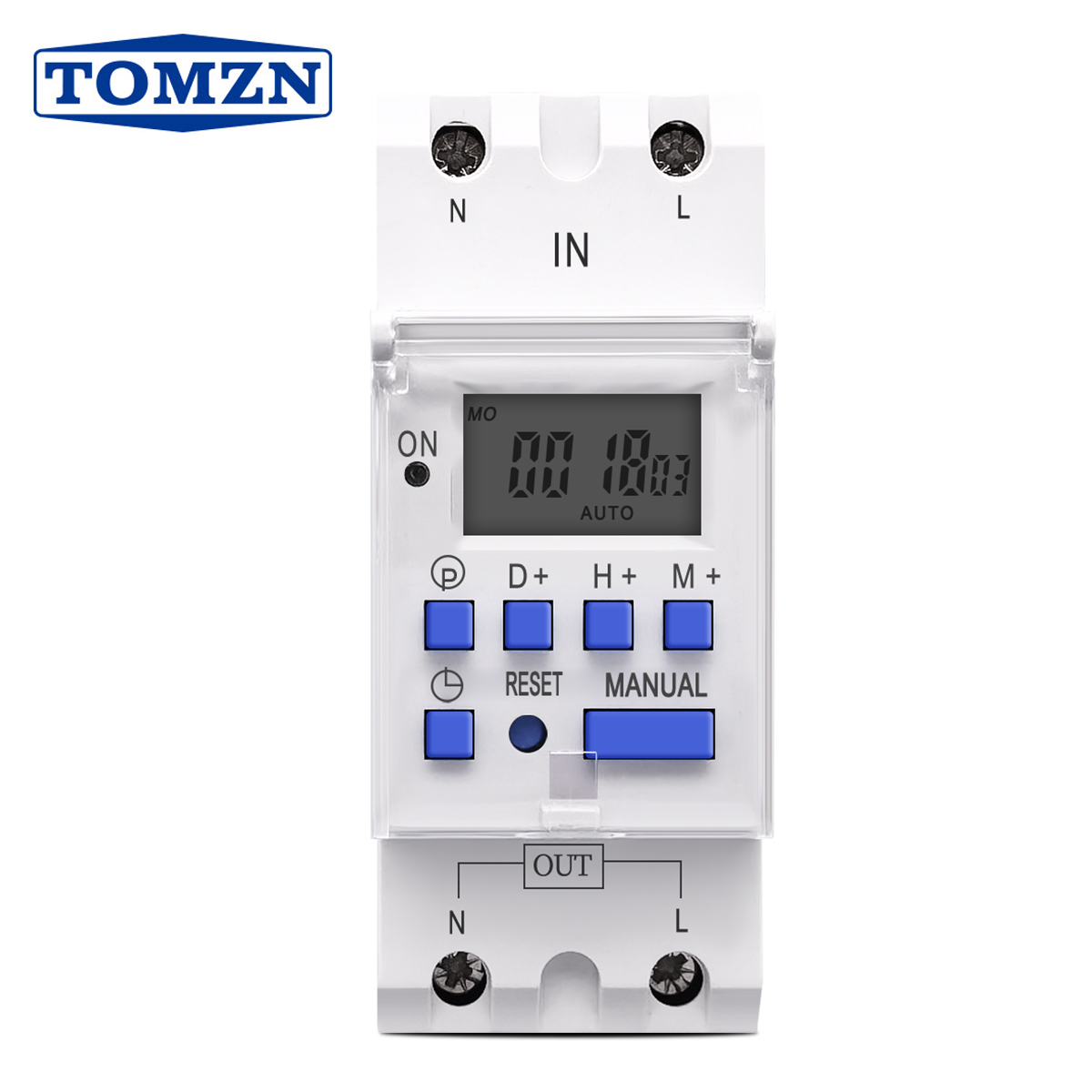
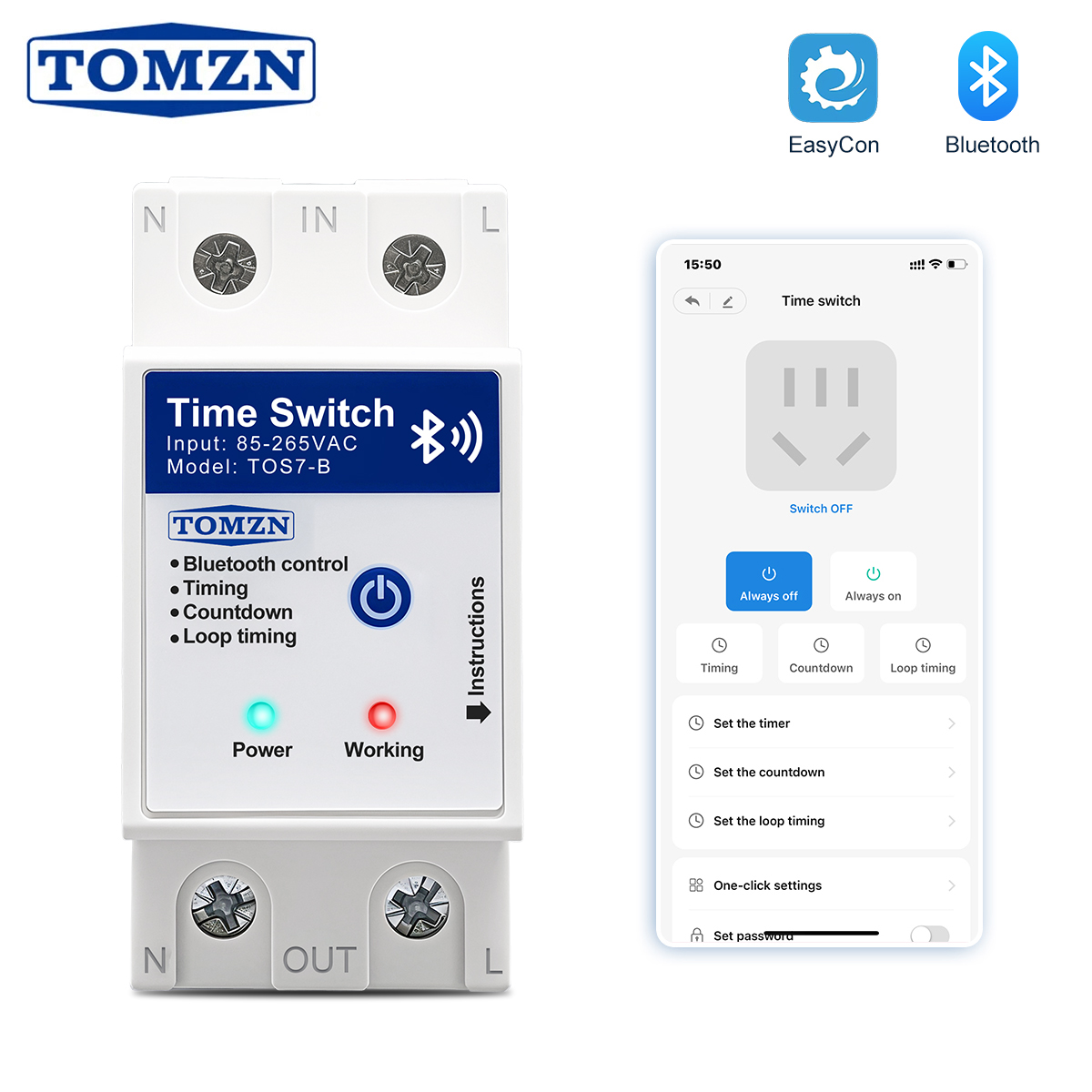
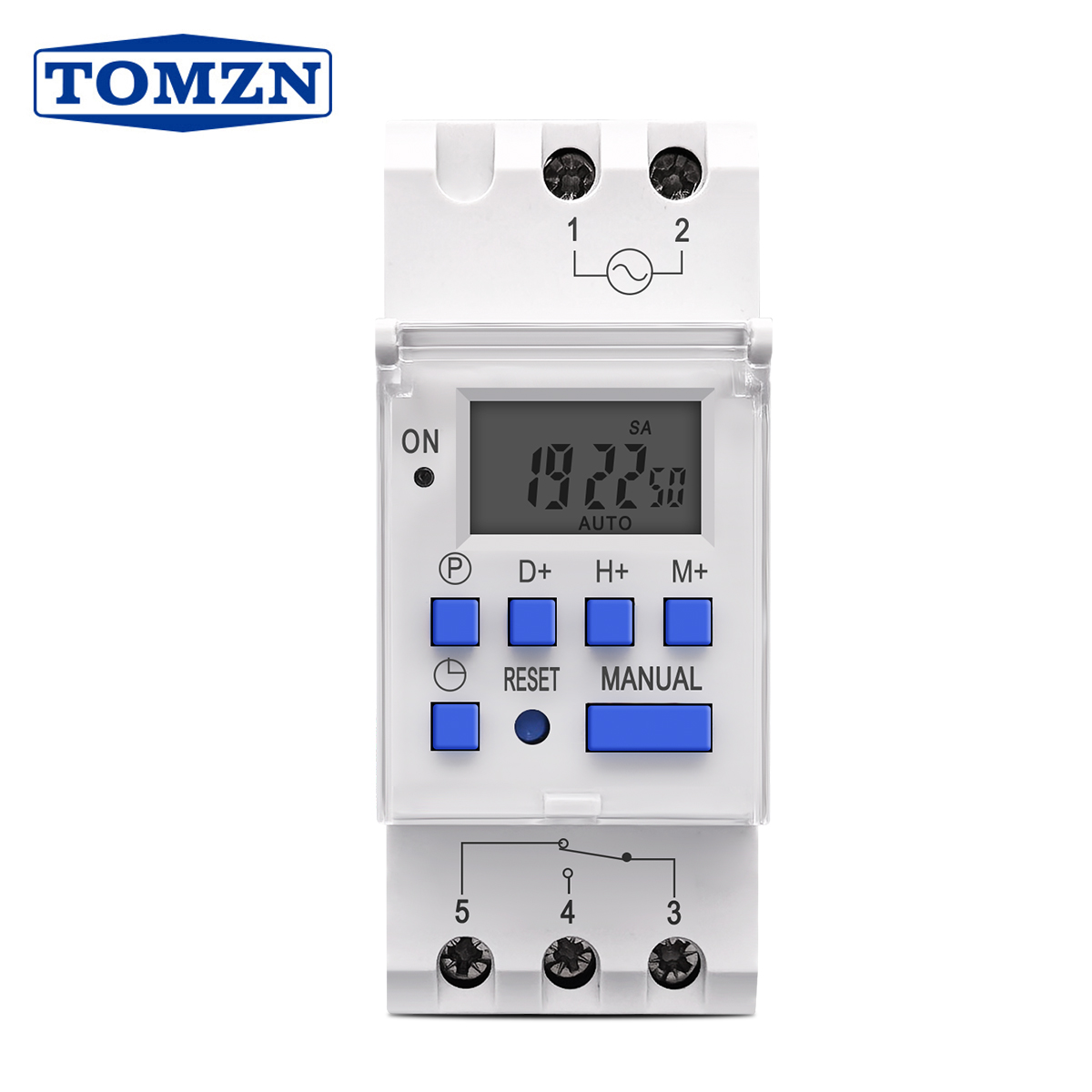
Instead of isolated panel-mount contactors, buyers now specify modular DIN-rail enclosures that interface directly with digital timers, Bluetooth scheduling relays, and AC/DC surge protection devices (SPDs), minimizing wiring man-hours on job sites.
Technological Innovations Reshaping AC Contactor Design
Electromechanical switching is experiencing its largest technological leap in three decades. As China's leading electrical exporters innovate, traditional thermal and magnetic limits are being expanded via the following technological breakthroughs:
Wide-Voltage Electronic Coils (Universal AC/DC)
Microprocessor-controlled coils tolerate massive grid sags (70% to 120% nominal voltage) without armature chatter. Universal 100V-250V AC/DC coils reduce SKU stock requirements by 60% for overseas distributors.
Aerodynamic Arc Chute CFD Simulation
Advanced Computational Fluid Dynamics (CFD) modeling of split de-ion arc plates directs high-temperature plasma away from structural plastics in under 4 milliseconds, dramatically extending electrical switching longevity.
IoT Telemetry & Health Monitoring
Auxiliary blocks now embed Hall-effect current sensors and contact wear monitoring chips. Real-time operation counts, contact bounce duration, and operating temperature are transmitted via Modbus RS-485 or Bluetooth BLE to supervisory networks.
Zero-Cross Synchronous Hybrid Switching
Coupling anti-parallel thyristors (solid-state relays) with mechanical silver contacts enables pure zero-voltage closing and zero-current opening, practically eliminating switching arcs and mechanical contact degradation.
Why Partner with Zhejiang TMB Electric Co., Ltd.?
Positioned at Huabei Village, Liushi Town, Wenzhou—widely recognized as China's low-voltage electrical capital—Zhejiang TMB Electric Co., Ltd. offers global buyers unprecedented supply-chain velocity and manufacturing integrity refined over 24 years of industry focus.
TÜV Rheinland On-Site Assessed Plant
Our 5,700 m² modern manufacturing infrastructure, audited on-site by TÜV Rheinland, operates certified quality management protocols. Every workshop station operates under calibrated torque and dielectric safety parameters.
Vertical Ecosystem Advantage in Liushi
Located in the heart of China's core component cluster, copper stamping, silver brazing, mold injection, and precision winding are located within a 5 km radius, drastically compressing R&D turnaround and prototype fabrication times.
Low Trial MOQ & Agile OEM/ODM
We eliminate market entry barriers by offering catalog pilot batches from just 5 pieces. Full OEM private label printing, custom voltage coil ratings, tailored packaging, and custom combiners are backed by dedicated engineers.
Stringent 6-Stage Quality Assurance Protocol
Zero-defect export compliance is safeguarded through our comprehensive six-stage internal quality control workflow:
| Inspection Stage | Test Parameters & Methodology | Acceptance Criteria |
|---|---|---|
| 1. Incoming Raw Materials (IQC) | Spectrometric analysis of copper purity, silver alloy contact thickness, and resin UL94 flammability. | ETP Copper > 99.95%, AgSnO2 layer thickness within ±0.05mm of technical drawings. |
| 2. Automated Sub-Assembly | Precision pneumatic screw torque control for core mountings; automated coil turn/resistance testing. | 100% adherence to DIN/IEC torque profiles; coil resistance within ±5% tolerance. |
| 3. Pick-Up & Drop-Out Verification | Dynamic voltage stepping across 75% to 110% Us (pick-up) and 20% to 70% Us (drop-out). | Zero bounce at low voltage thresholds; instant release without residual magnetic stick. |
| 4. High-Voltage Dielectric Test | Applied AC withstand voltage (2,500V AC for 60 seconds) between poles, coil-to-frame, and main circuits. | Zero dielectric flashover or insulation leakage current exceeding 5 mA. |
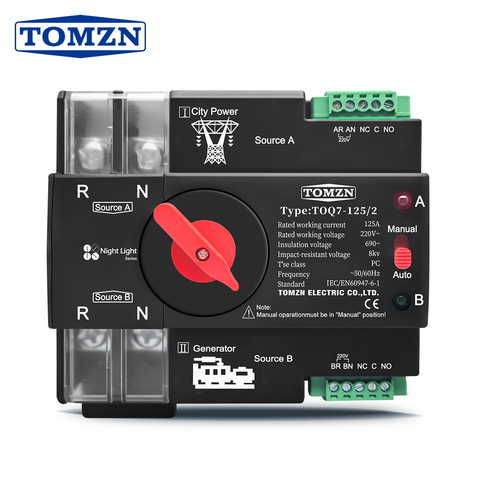
| 5. Full Operational Functional Run | Integrated load testing with timing relays, ATS linkages, and electronic overload release simulation. | Switching delay and contact synchronization within 15 ms across all three phases. |
| 6. Final Pre-Shipment Audit (OQC) | Laser marking legibility, CE/RoHS label integrity, barcoding, and master carton drop testing. | AQL 0.65 visual and mechanical standard compliant for container dispatch. |
Frequently Asked Questions for Overseas Contactor Procurement
Authoritative answers based on feedback from international panel builders, EPC procurement managers, and electrical safety audits.
The AC-1 rating applies to non-inductive or purely resistive loads (e.g., heaters) where power factor (cos φ) is ≥ 0.95 and make/break currents equal continuous current. The AC-3 rating applies to squirrel-cage induction motors where the contactor must withstand starting currents 5 to 8 times the rated continuous operating current without contact erosion or sticking.
Contactor hum is caused by the alternating magnetic field passing through zero twice per cycle. In high-quality contactors from Zhejiang TMB Electric, humming is eliminated by integrating high-conductivity copper shading rings on the pole faces to maintain a phase-shifted residual magnetic flux, paired with precision-ground lamination faces free of airborne dust.
Standard AC contactors should not be used on high-voltage DC without severe derating. AC arcs self-extinguish at voltage zero-crossings, whereas DC arcs are continuous and intensely destructive. When using AC contactors for DC, all three poles must typically be wired in series, or dedicated DC contactors with permanent-magnet blowout coils should be selected.
Standard catalog models are stocked with a trial MOQ starting at just 5 pieces to support engineering sample qualification. For custom OEM printing, private labeling, custom coil operating voltages (e.g., 24V, 48V, 110V, 380V), and tailored packaging, project MOQs generally begin at 100 to 500 units depending on chassis frame size.
At altitudes exceeding 2,000 meters above sea level, thinner atmospheric density reduces dielectric insulation strength and cooling efficiency. As a rule of thumb, contactors operated above 2,000 m require a 2% current derating per 100 m elevation increase, or the selection of an oversized frame to prevent thermal runaway.
Every shipment from Zhejiang TMB Electric includes full CE declarations of conformity, factory routine test inspection certificates, comprehensive product parameter datasheets, and raw material RoHS/REACH compliance reports. Third-party TÜV audit documents are available upon formal inquiry.
Accelerate Your Low-Voltage Procurement with China's Premier Exporter
Connect directly with our engineering sales group in Liushi, Wenzhou. Whether you require customized AC contactor configurations, single-line diagram reviews, or volume OEM quotes with factory-direct pricing, our team responds within 12 business hours.