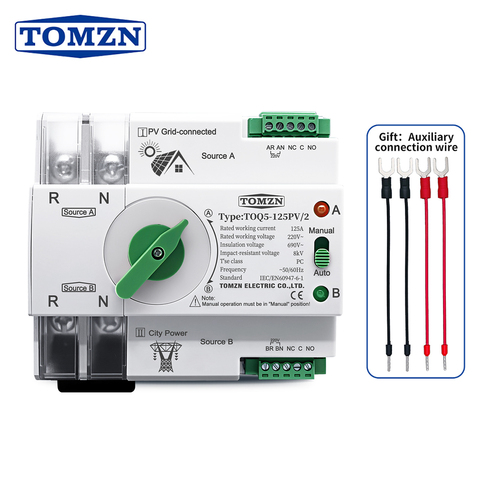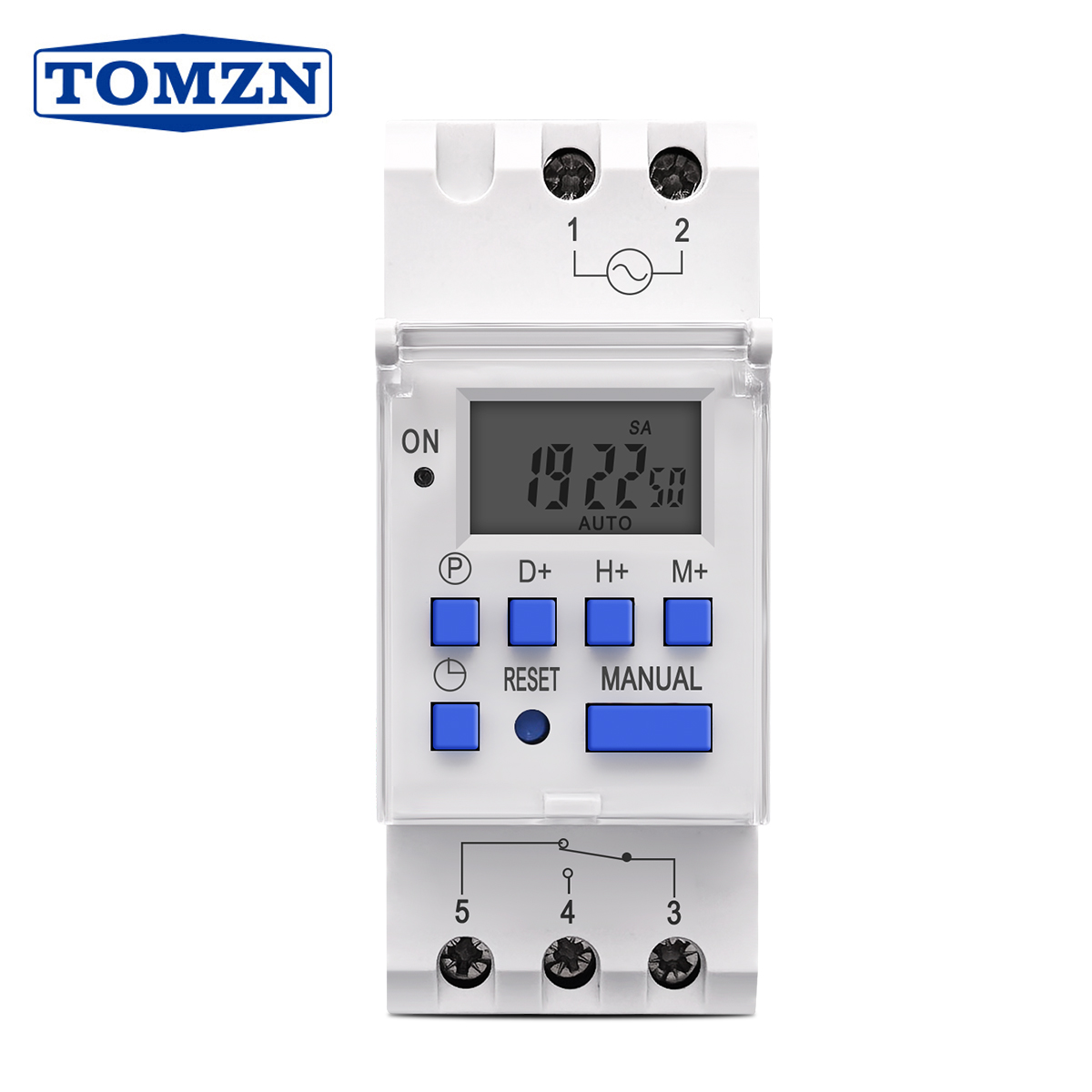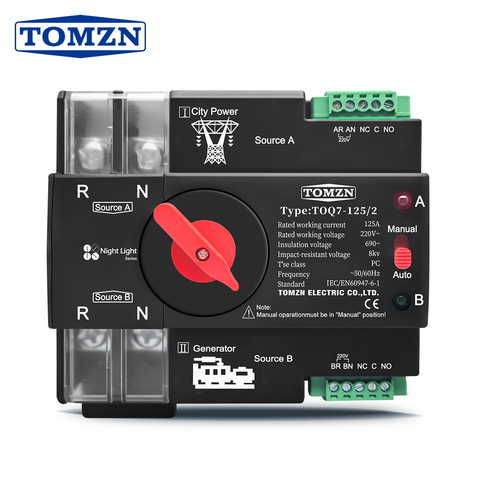
Top China Automatic Transfer Switch Factories & Factory

Precision-Engineered Dual Power Transfer Systems, Integrated Smart Controls, and Solar PV Switching Architecture from China's Industrial Electrical Epicenter.

Engineered Solutions

High-Reliability Power Switching & Control Lineup

Explore field-proven dual-power automatic transfer units, multi-function microprocessors, and smart load-break relays manufactured under rigorous dielectric and temperature-rise factory auditing.
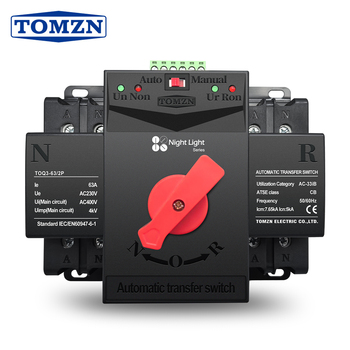
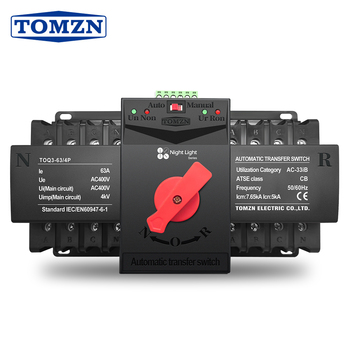
24+
Years Manufacturing Experience
5,700 m²
TÜV Audited Workshop Area
< 30 ms
Class PC High-Speed Transfer
100+
Global Export Destinations
100%
Dielectric & Thermal Verified
Technical Whitepaper

Engineering Top-Tier Dual Power Transfer Systems in China

A rigorous review of structural design, galvanic isolation, arc extinction dynamics, and supply chain verticalization within the Wenzhou low-voltage manufacturing corridor.

In modern mission-critical infrastructure, an Automatic Transfer Switch (ATS) is not simply an electromechanical toggle; it is the cornerstone of continuity for commercial grids, industrial automation facilities, distributed renewable generation, and hybrid microgrids. When comparing manufacturing ecosystems across East Asia, the low-voltage apparatus ecosystem centered around Liushi, Wenzhou stands apart. With specialized metallurgical facilities, precision tooling workshops, and localized automated assembly lines, high-tier Chinese ATS manufacturers offer exceptional price-to-performance ratios without compromising compliance with IEC 60947-6-1 and UL 1008 safety standards.

1. Architectural Classification: PC Class vs. CB Class ATS

Procurement directors and electrical design engineers must clearly differentiate switch topology before defining procurement specifications:

  • PC Class (Power Contact) ATS: Constructed specifically to make, carry, and withstand short-circuit currents without incorporating an integral overcurrent tripping mechanism. PC Class devices feature massive silver-alloy contacts capable of surviving high I²t let-through energies, resulting in exceptionally high short-time withstand current (Icw) ratings and mechanical endurance exceeding 10,000 switching operations.
  • CB Class (Circuit Breaker) ATS: Built utilizing two interlocked miniature circuit breakers (MCBs) or molded case circuit breakers (MCCBs) equipped with integral overcurrent trips. While offering combined overload and short-circuit protection, CB Class transfer times are typically slower (60–100ms) than PC Class switches (<30ms), and contact life can be limited under frequent inductive load switching.

2. Contact Metallurgy and Extinction Dynamics

The primary point of degradation in automatic transfer switching is contact erosion caused by electrical arcing during transition, particularly under highly reactive (cos φ = 0.4) motor loads. Elite Chinese ATS production lines utilize AgCdO (Silver Cadmium Oxide) or AgSnO2 (Silver Tin Oxide) composite contacts deposited via automated brazing or vacuum cold-upsetting techniques. AgSnO2 contacts prevent material migration and exhibit higher anti-welding capabilities during momentary system transients.

Furthermore, internal arc splitters (de-ionizing grid plates) must be configured with a minimum of 7 to 9 cold-rolled steel plates with selective nickel coating to break down arc voltage into multiple series sub-arcs, safely dissipating heat energy before the ionization plume can cross-contaminate adjacent phases or the secondary input line.

Switch Parameter Standard Utility Grade (CB Class) Industrial Heavy Duty (PC Class) Solar PV / Hybrid Microgrid Grade
Transfer Time (Total Break) 80 ms – 150 ms 15 ms – 35 ms < 20 ms (Inverter Synchronization)
Rated Operating Current (Ie) 6A to 125A 63A to 1600A 32A to 250A Bi-directional
Short-Time Withstand (Icw) Not applicable (Trips via MCB) 5 kA to 25 kA (1s RMS) 8 kA to 15 kA (Specialized)
Mechanical Endurance 8,500 Operations 15,000 Operations 12,000 Operations
Isolation Dielectric Test 2.0 kV (50Hz / 1min) 3.5 kV to 4.0 kV 3.0 kV Reinforced

3. Future Sourcing & Technological Trajectories (2025–2030)

As microgrids, commercial energy storage systems (BESS), and distributed rooftop solar continue their exponential expansion across North America, the EU, and emerging markets, transfer switch sourcing criteria are undergoing structural shifts:

  • Zero-Cross Inverter Synchronization: Modern inverter installations require seamless switching that does not trigger internal phase-angle mismatch errors. Future ATS units integrate active sensing circuitry to perform break-before-make transitions only when voltage vectors between the utility grid and the off-grid inverter are within tolerable phase bounds.
  • Integrated Cloud & Fieldbus Telemetry: Standalone manual or passive transfer switches are rapidly giving way to IoT-enabled architectures. Utilizing Modbus-RTU, RS485, and low-power Bluetooth modules, facility managers can monitor line frequency, voltage total harmonic distortion (THD), and individual phase current balance in real time.
  • Pre-Engineered Enclosure Standardization: Global EPC contractors increasingly procure complete, pre-wired IP65 distribution packages containing the transfer switch, Type 2 surge protective devices (SPD), back-up overcurrent protection, and digital timer relays under a single factory part number. This dramatically decreases on-site labor overhead and guarantees dielectric coordination.
Sourcing Intelligence

Emerging Procurement Trends in Global Switchgear Markets

Strategic purchasing benchmarks for panel builders, international distributors, and renewable EPC entities.

String-to-Grid Integration

Modern distribution boards demand compact DIN-rail ATS footprints that sit directly beside solar DC MCBs and combiner boxes, driving consolidation of supplier bases toward factories with end-to-end low-voltage tooling capabilities.

IoT-Connected Microcontrollers

Procurement manifests for commercial facilities now consistently specify integrated under/over voltage sensing, phase loss protection, and app-based countdown timers to automatically shed non-essential loads during generator startup.

Rigorous Factory Auditing

B2B buyers are abandoning trading intermediaries in favor of on-site inspected production facilities. Documented third-party verifications (such as TÜV Rheinland assessments) and full CE traceability are non-negotiable prerequisites.

Factory Capabilities

Why Partner with Zhejiang TMB Electric Co., Ltd.?

Combining 24 years of manufacturing heritage in Liushi with certified quality management, automated test benches, and agile OEM/ODM customization.

5,700 m² Audited Facility

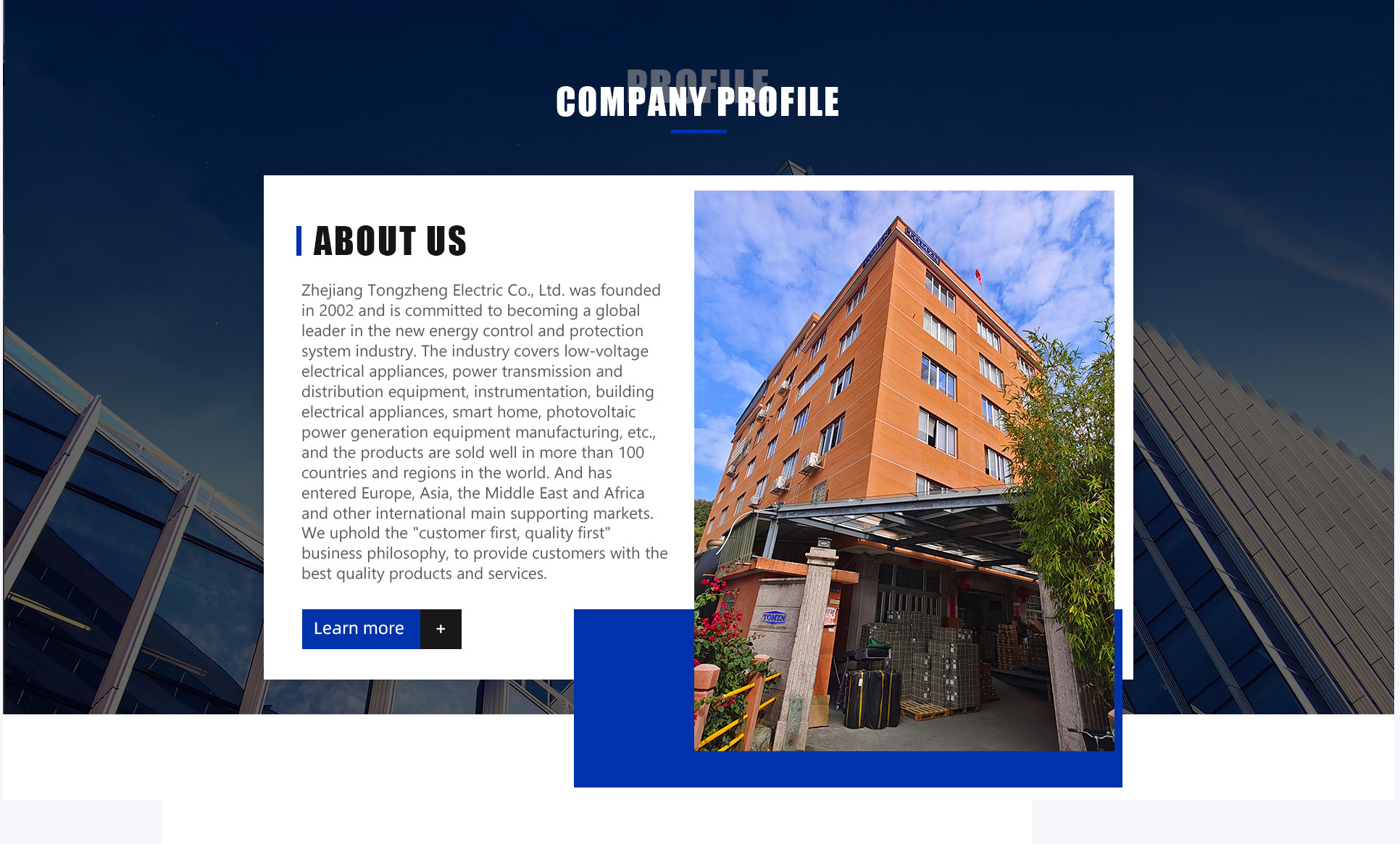
Located in Huabei Village, Liushi Town, Wenzhou—China's premier electrical cluster. Verified on-site by TÜV Rheinland with an expert workforce of 92 technicians, ensuring full control over component lead times and stamping tooling.

Rigid 6-Stage QC Protocol

Every single automatic transfer switch unit undergoes incoming raw material checks, contact alignment torque tests, thermal/magnetic trip calibration, insulation withstand testing, automated transfer cycle testing, and final visual inspection.

Low MOQ & Rapid OEM/ODM

Support for private label printing, custom pole combinations (2P, 3P, 4P), bespoke enclosure packaging, and rapid sample prototyping starting from low minimum order quantities (MOQ from 5 pieces) to empower distributors worldwide.

Zhejiang TMB Electric automated production workshop and assembly lines
Direct Answers

Frequently Asked Questions on ATS Procurement

Essential technical, operational, and commercial insights for international procurement teams.

What are the key technical differences between 3P and 4P Automatic Transfer Switches?
A 3-Pole (3P) transfer switch switches only the three active phase conductors while maintaining a solid, continuous neutral bus. A 4-Pole (4P) transfer switch actively breaks and transfers the neutral line along with the phases. 4P switches are strictly required when utility and backup generator systems feature separately derived grounding or independent ground-fault protection systems to prevent circulating neutral ground-loop currents and nuisance ground fault trips.
Can standard AC dual-power transfer switches switch direct current (DC) solar battery circuits?
No. Alternating current features natural sinusoidal zero-crossing points (100 or 120 times per second), which assist in extinguishing the electrical arc. Direct current has continuous voltage with no natural zero-crossing, producing a persistent, high-energy arc that will weld contacts or destroy standard AC arc chutes. For solar battery banks or PV array switching, dedicated DC MCCB switches or DC-rated transfer systems must be employed.
What is the typical transfer time of your DIN-rail automatic transfer switch models?
Our modular DIN-rail ATS switches achieve an ultra-fast total transfer break-before-make transition time between 15ms and 30ms (depending on model series and rated current). This speed is fast enough to ensure that lighting, heating elements, and the majority of switch-mode power supplies (SMPS) utilized in consumer and telecom electronics do not reset during the transition.
What verification documentation is provided with volume export shipments?
Every export consignment from Zhejiang TMB Electric Co., Ltd. is accompanied by relevant CE Declaration of Conformity certificates, third-party TÜV Rheinland factory audit reports, individual batch routine dielectric test sheets, and comprehensive product data manuals. Additional country-specific compliance declarations can be coordinated upon request.
What is the minimum order quantity (MOQ) for custom private-label branding?
While our standard catalog products have a low sample-testing MOQ starting from 5 pieces, full OEM private label printing (laser marking or high-durability pad printing) and custom color-branded carton packaging typically require a minimum project commitment of 100 to 500 units depending on the device frame size.

Ready to Streamline Your Power Transfer Supply Chain?

Submit your single-line diagram, electrical ratings, and compliance specifications directly to our engineering export desk in Wenzhou for a certified technical quote within 24 hours.