Engineering Solar Safety: The Crucial Role of DC Isolation
An authoritative technical guide designed for solar project developers, balance-of-system (BOS) procurement managers, switchgear assemblers, and EPC engineering directors seeking certified, tier-level DC switching components.
In utility-scale photovoltaic infrastructure, commercial rooftop installations, and Battery Energy Storage Systems (BESS), the DC isolator switch (also classified as a DC disconnector or switch-disconnector) serves as the primary fail-safe defense mechanism. Operating under continuous, non-zero-crossing direct current conditions, these devices must guarantee positive, load-break galvanic physical disconnection between the energized PV arrays and grid-tied string or central inverters. As global solar architectures rapidly transition from legacy 600V and 1000V string configurations to higher-efficiency 1500V DC operating topologies, the rigorous engineering demands on contact metallurgy, dielectric creepage clearance, magnetic blowout chambers, and thermal equilibrium have expanded exponentially.
Procuring DC isolation gear from Chinese manufacturing hubs requires moving beyond generic price comparison to evaluate comprehensive factory audit data, specialized precision tooling, mechanical endurance under cyclic operational thermal strain, and alignment with harmonized international standards including IEC/EN 60947-3 (Utilization Category DC-PV1, DC-PV2, DC-21B) and UL 98B. Zhejiang TMB Electric Co., Ltd., situated at the epicenter of China's electrical apparatus cluster in Liushi, Wenzhou, leverages 24 years of foundational low-voltage component craftsmanship to deliver certified, precision-tested DC isolation solutions designed for decades of resilient, hazard-free field operation.
Information Gain & Engineering Reality: The Non-Zero Crossing Challenge
Unlike alternating current (AC), which naturally passes through a zero-voltage potential 100 or 120 times per second to facilitate natural arc extinction, DC current remains flat and unbroken under system load. Opening a contact in a 1000V–1500V DC solar array generates a sustained, high-temperature plasma arc exceeding 3000°C. Without rapid knife-edge contact acceleration (<5 milliseconds) and permanent neodymium magnetic arc runners coupled with heavy copper splitter plates, unrated or counterfeit disconnectors experience catastrophic thermal runaway, contact welding, and disastrous fire hazards.
Recommended DC Isolation & PV Protection Hardware
Engineered for harsh outdoor environments, IP65/IP66 enclosure integration, and multi-channel DC distribution switchboards. Select from our core verified manufacturing portfolio below:
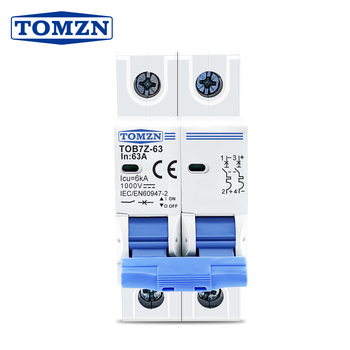
2P 1000V DC Solar Disconnector & Miniature Breaker
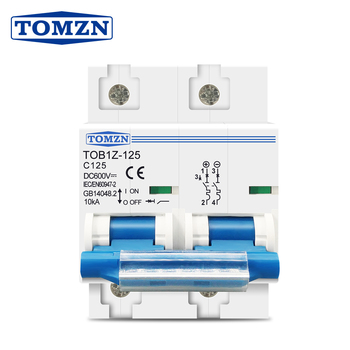
High-Current 2P DC Isolator Breaker 600V 80A–125A
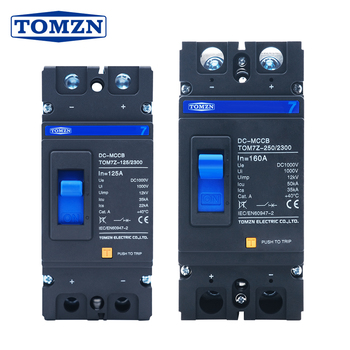
TOM7Z Series 2P 1000V DC Molded Case Switch
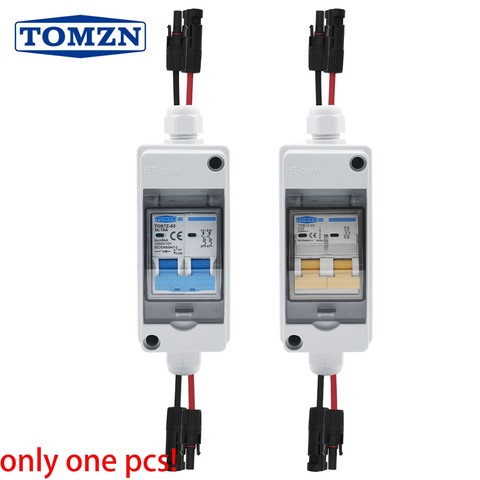
IP65 Pre-Wired Solar Combiner Box with DC Isolator
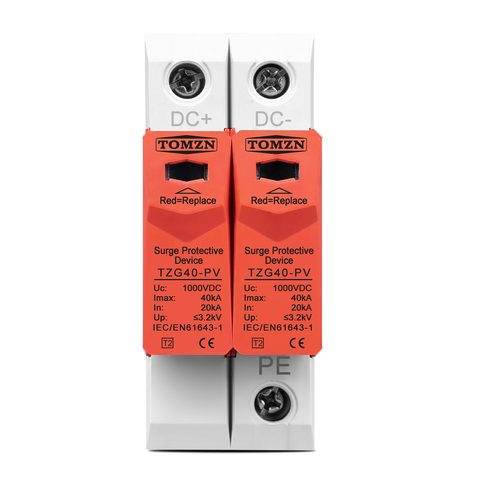
DC Surge Protective Device (SPD) 500V–1000V
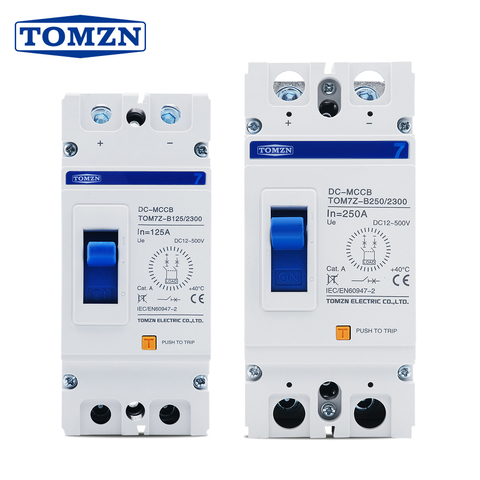
2P 500V DC Modular Isolating Switch Disconnector

TOS6-40 Bluetooth Time Control Switch 40A

TORT7 Multi-Function Delay Timer Relay 10-in-1
Physics of Direct Current Interruption in High-Voltage Solar Farms
Analyzing internal contact kinematics, magnetic blowouts, thermal dissipation, and chamber venting under extreme ambient conditions.
The primary operational risk encountered during DC isolation is the creation of continuous ionization channels across separating mechanical contacts. In traditional AC disconnectors, current sinusoidal waves cross the zero-voltage axis twice per cycle (every 10ms in a 50Hz system), which momentarily deprives the electric arc of energy, allowing insulating air or dielectric gas to recover its breakdown resistance. In stark contrast, a DC photovoltaic array under peak irradiance acts as a stiff, constant-current generator. When an isolator switch handle is turned to the "OFF" position under load, the voltage difference across the separating gap ionizes surrounding atmospheric gases, generating a plasma column with temperatures exceeding 3,000 Kelvin.
To extinguish this destructive plasma before catastrophic dielectric destruction or contact vaporization occurs, top-tier Chinese manufacturing facilities utilize a multi-stage physical arc suppression process:
High-Speed Spring Mechanism
Manual operating speed varies significantly among field technicians. Certified DC isolators utilize an independent, patented snap-action spring trigger mechanism. The human operator charges the internal spring; once the trip threshold is passed, the contacts separate in under 3 milliseconds, completely independent of human hand speed.
Permanent Magnetic Blowout
Strategic orientation of rare-earth neodymium permanent magnets within the arc chute creates a strong transverse magnetic field. In accordance with the Lorentz force equation (F = q(E + v × B)), the ionized electrons and cations are deflected sideways away from the contact surfaces and driven into the arc splitting chamber.
Multi-Plate Arc Chute Splitters
Once forced into the chute, the sustained arc encounters multiple nickel-plated copper de-ionizing splitter plates. These plates segment the single high-voltage plasma column into numerous series sub-arcs, dramatically multiplying the total anode-cathode voltage drop above the array supply voltage to achieve immediate quenching.
Technical Parameters & Sizing Selection Matrix
System engineers must verify that nominal ratings align exactly with the solar string's temperature-adjusted Open Circuit Voltage (Voc) and Short Circuit Current (Isc).
| Application Environment | Operating Voltage (Ue) | Thermal Current (Ith) | Utilization Category | Enclosure Protection | Arc Extinction Tech |
|---|---|---|---|---|---|
| Residential Solar String | 300V – 600V DC | 16A – 32A | DC-PV1 / DC-21B | IP65 UV-Resistant Polycarbonate | Rotary double-break contacts + De-ion chamber |
| Commercial Rooftop Array | 1000V DC | 32A – 63A | DC-PV2 (Frequent switching) | IP66 Aluminum / Polycarbonate with padlock | Multi-layer arc splitters + Magnetic blowout |
| Utility-Scale Solar Farm | 1500V DC | 100A – 250A | DC-PV2 / DC-22B | IP65 Enclosure / Pre-wired Combiner Box | Heavy-duty knife contacts + 8-stage splitter |
| Battery Storage (BESS) Incomer | 48V – 1000V DC | 125A – 630A | DC-23B (Highly inductive) | Powder-coated metal switchboard cubicle | Molded-case mechanical toggle + Arc runners |
| Inverter Integrated DC Disconnect | 1000V – 1500V DC | 25A – 50A | DC-PV2 Direct PCB/Base Mount | Embedded Inverter Chassis (IP20 touch-safe) | Modular snap-in dual-break contact blocks |
Future Procurement Trends for Global B2B Solar Buyers
Navigating shifting regulatory dynamics, supply chain nearshoring, raw material volatilities, and next-generation product architectures.
Transition to 1500V Standard
BOS cost reduction strategies are driving utility projects entirely into 1500V DC architecture. Procurement teams are consolidating bills of materials around 1500V DC-rated isolators that feature wider internal contact air gaps, creepage distances exceeding 25mm, and specialized self-extinguishing PA66 flame-retardant thermoplastics (UL 94-V0).
Rapid Shutdown (RSD) Integration
Strict National Electrical Code updates (NEC 2020/2023 Article 690.12) are pushing traditional mechanical switches toward motorized, electronically controlled DC isolation units. Inverters and combiner boxes require motorized DC switches capable of instantly discharging module string potential to below 30V within 30 seconds of an emergency signal.
Pre-Wired Turnkey BOS Packaging
Due to escalating on-site electrical labor costs in North America, Europe, and Australia, EPC contractors increasingly bypass discrete switch sourcing. The dominant procurement trend favors factory-integrated, pre-wired IP65 combiner boxes combining DC isolators, Class II SPDs, DC fuses, and monitoring shunts directly from verified manufacturers.
Demanding Raw Material Traceability
Global buyers are auditing factory supply chains to prevent premature contact oxidation. Premium Chinese factories are replacing pure copper-plated rivets with heavy silver-nickel (AgNi) or silver-tin-oxide (AgSnO2) contact alloy compositions that maintain minimal internal resistance and prevent micro-welding during repeated inrush current occurrences.
Stringent Climate-Simulation Testing
With extreme weather events accelerating worldwide, isolator procurement now mandates proof of rigorous environmental endurance: IP66 ingress protection, IP69K high-pressure washdown resilience for agricultural PV, UV resistance under ISO 4892-2, and continuous thermal performance across operating spans from -40°C up to +70°C.
Why Tier-1 Solar Buyers Partner with Zhejiang TMB Electric
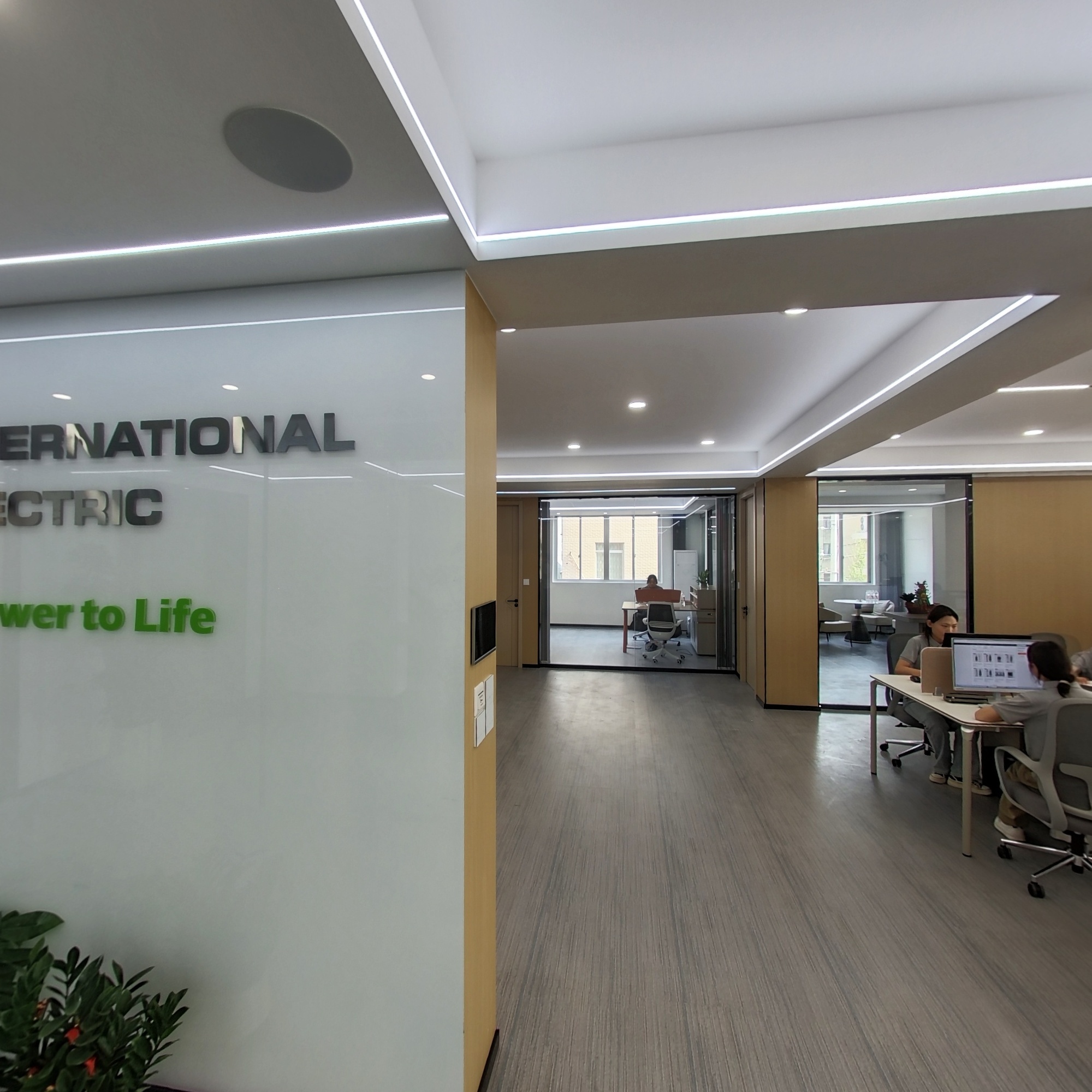
Founded in 2001 and situated in Huabei Village, Liushi Town, Wenzhou—widely recognized as China’s epicentric electrical industrial manufacturing capital—Zhejiang TMB Electric Co., Ltd. provides distinct structural supply-chain advantages that international trading intermediaries cannot match.
- Cluster Precision Supply Chain: Precision copper stamping, mold tooling, flame-retardant injection molding, and automated contact riveting occur within a 5km radius, minimizing lead times and raw material overhead.
- TÜV Rheinland On-Site Verified: Complete independent factory inspection validating our 5,700 m² physical production floor, 92 skilled employees, and compliant quality management systems.
- Rigorous In-House QC Protocols: Dedicated testing benches for millivolt contact drop measurement, dielectric flash testing, high-temperature thermal rise tests, and mechanical cycle aging.
- Flexible OEM/ODM & Low Trial MOQ: Catalog models supported from low MOQs (from 5 pcs) to enable rigorous field pilot testing before full container-load volume procurement.
Frequently Asked Questions by Overseas Solar EPCs & Wholesalers
Clear, authoritative answers addressing technical ratings, safety regulations, polarity rules, and factory sourcing protocols.
What is the critical technical distinction between a DC Isolator and an AC Isolator?
What standard classifications apply to DC disconnectors under IEC 60947-3?
Are DC isolator switches polarized or non-polarized, and what happens if wired backwards?
How do I correctly size the voltage and current ratings of a solar DC disconnector?
What quality and factory credentials should buyers verify before issuing a PO?
Ready to Source High-Reliability DC Isolation Switchgear?
Whether you require custom OEM branding, specialized DC-PV2 rated switches, or complete pre-wired IP65 PV combiner assemblies, our engineering team in Liushi, Wenzhou provides rapid prototyping, full datasheets, and direct factory pricing.