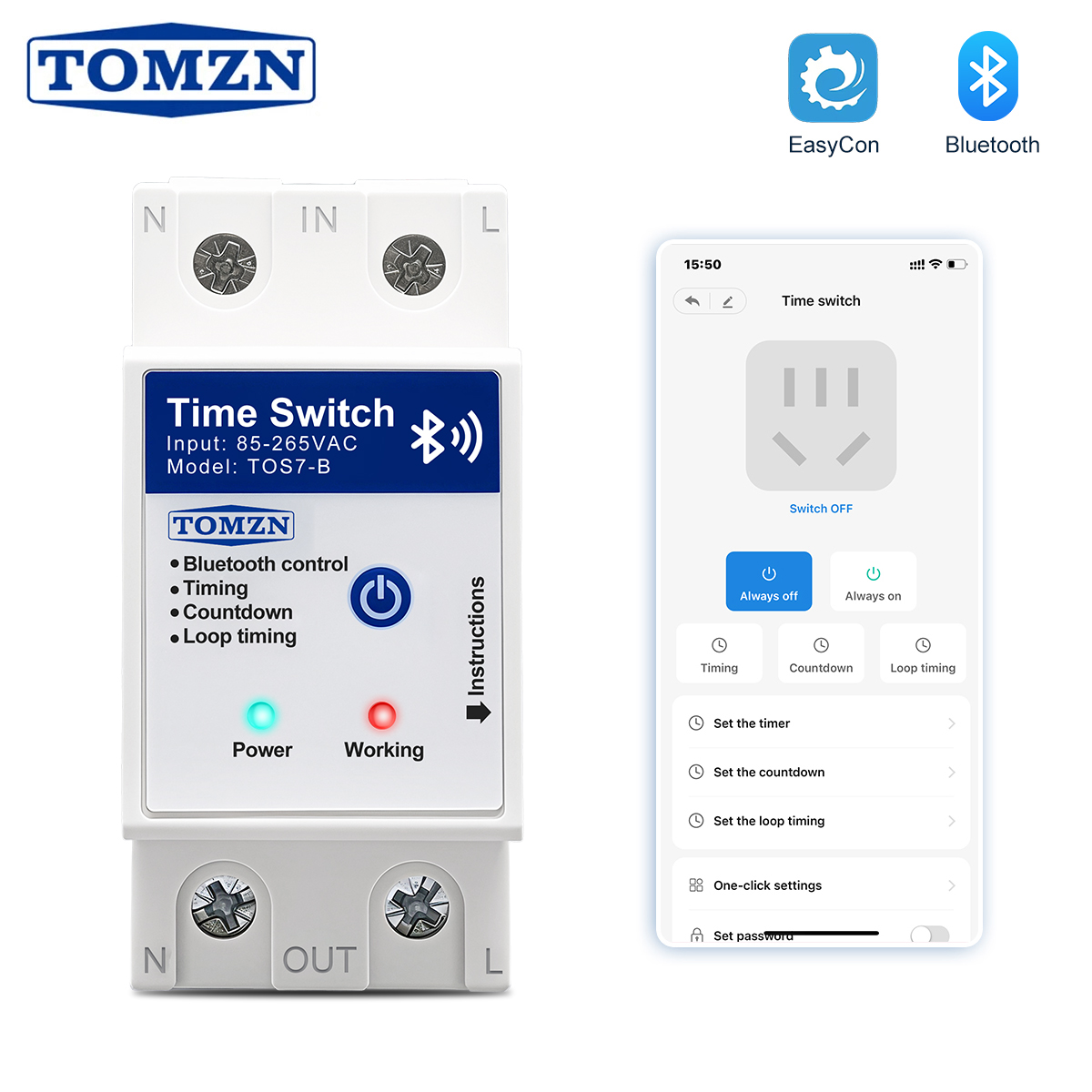
Smart Time Switch
Bluetooth Control
40A / 63A
DIN Rail
Direct supply solutions from Zhejiang TMB Electric Co., Ltd. Engineered with high-velocity breaking capacity, precision bi-metal calibrations, and robust galvanic isolation for industrial, commercial, and residential switchboards.
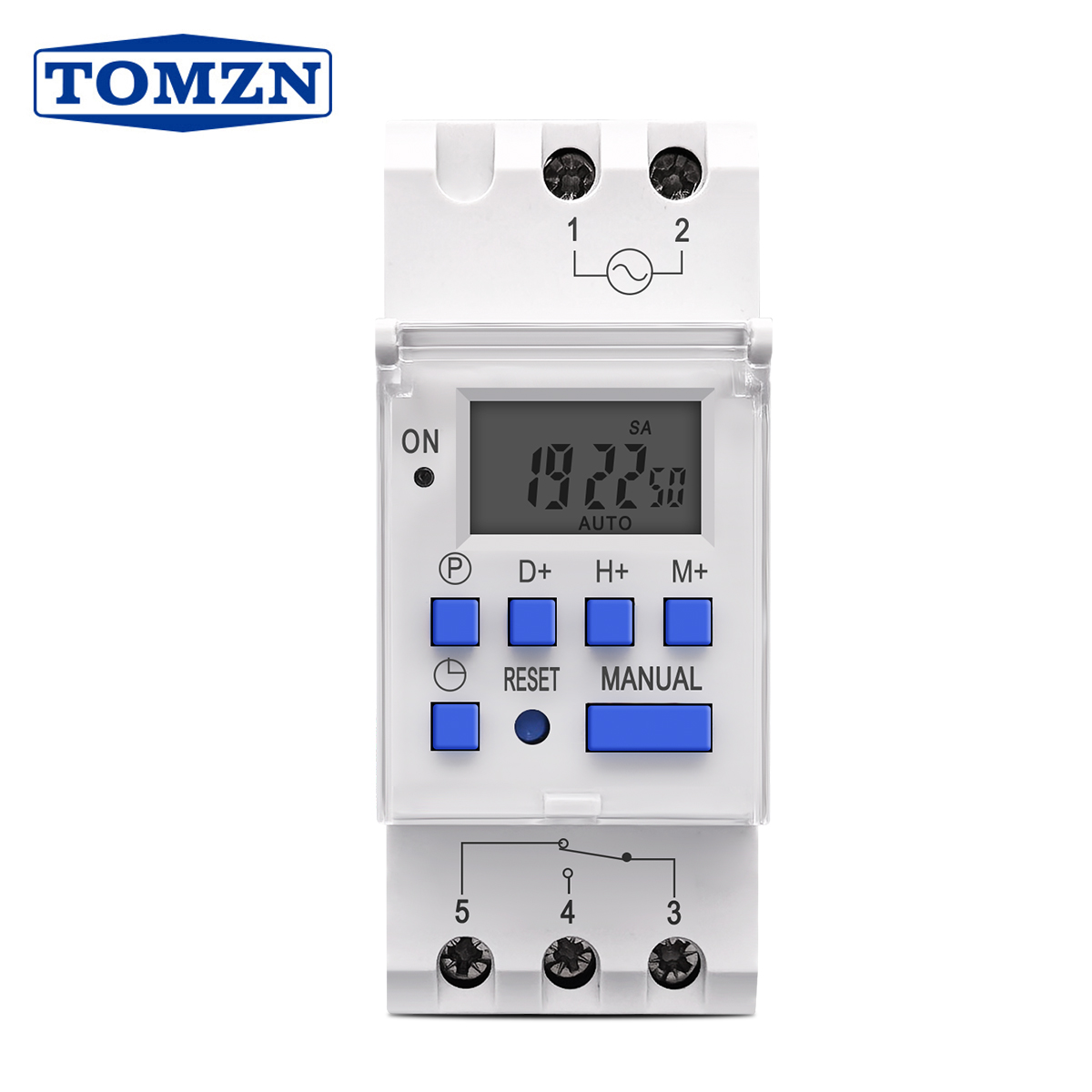
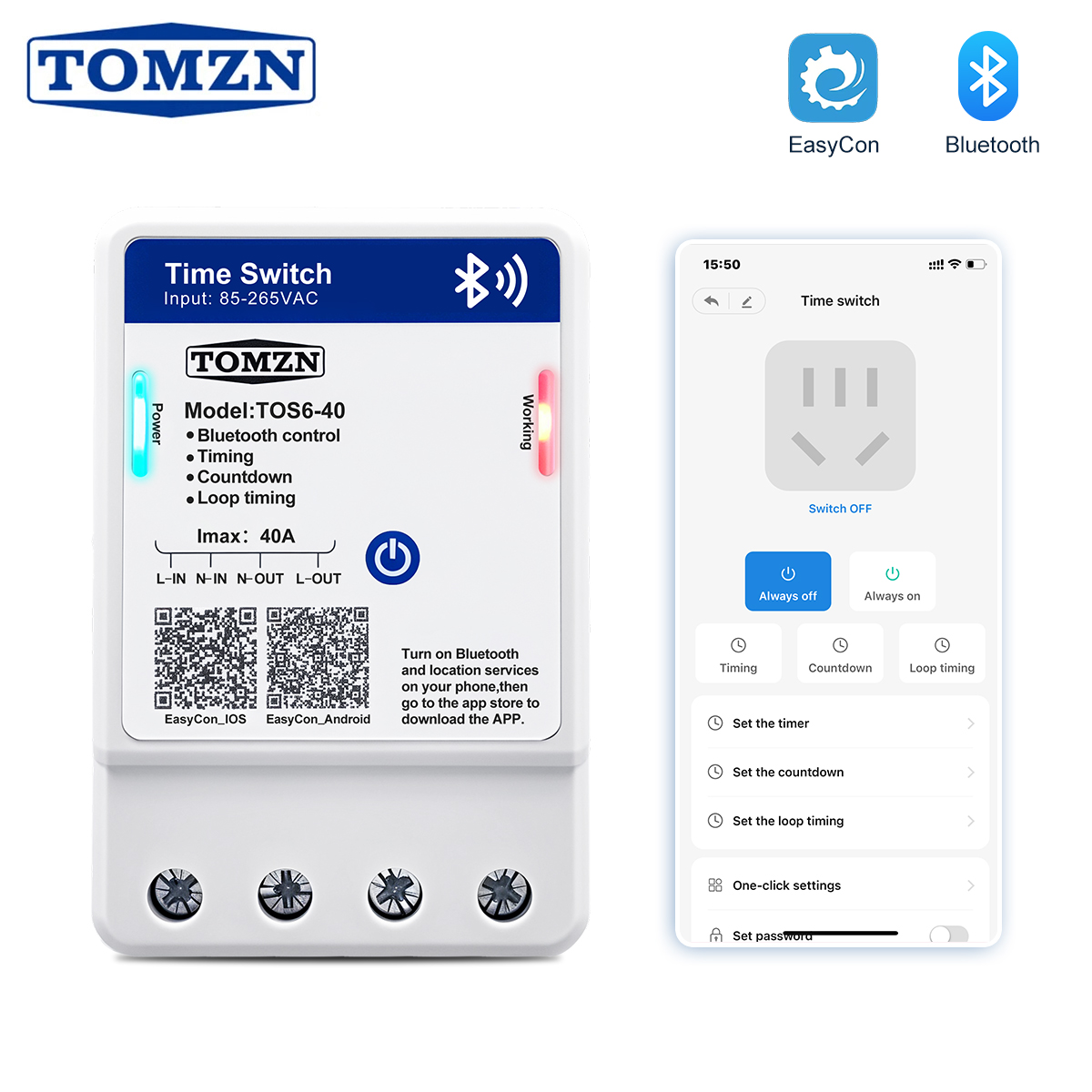
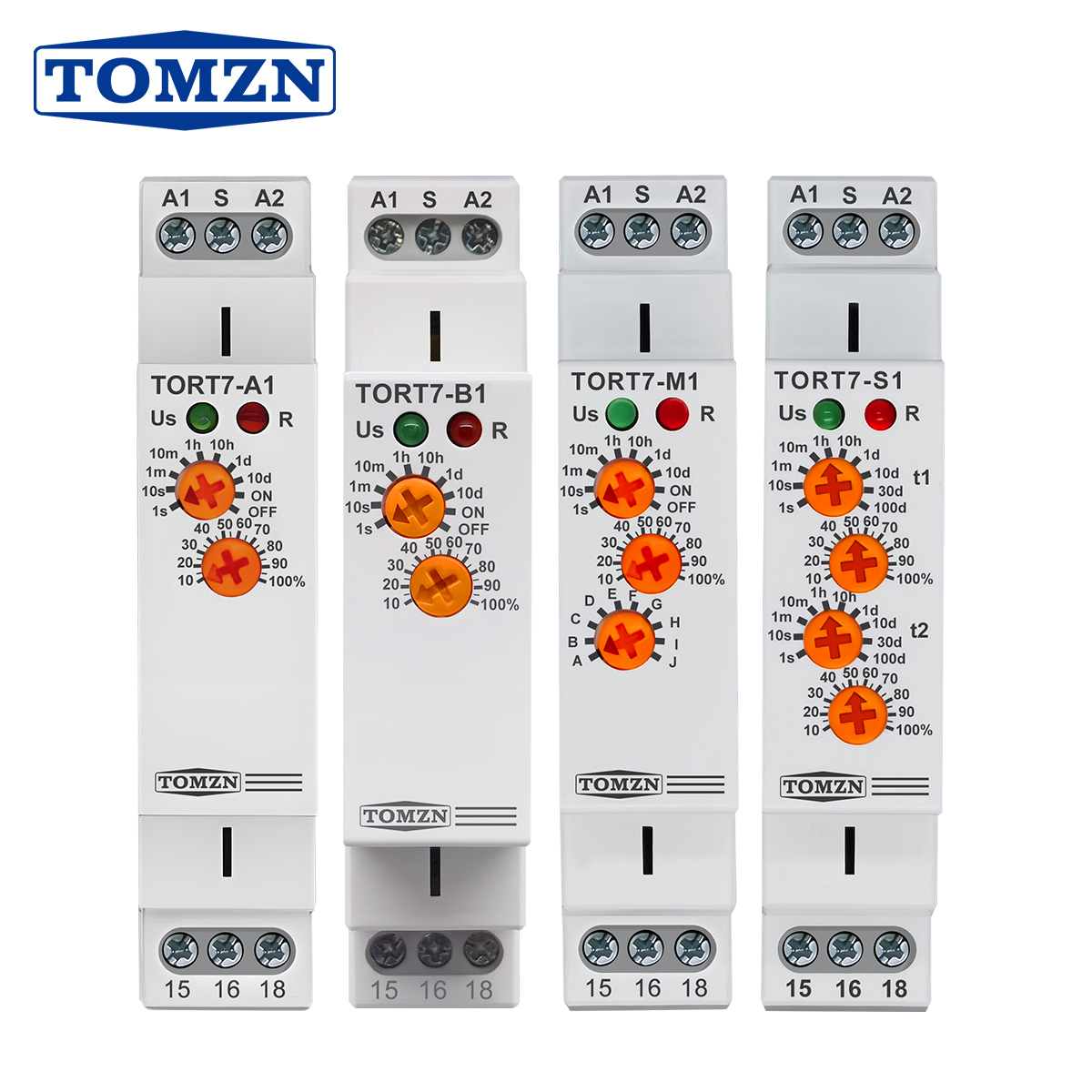
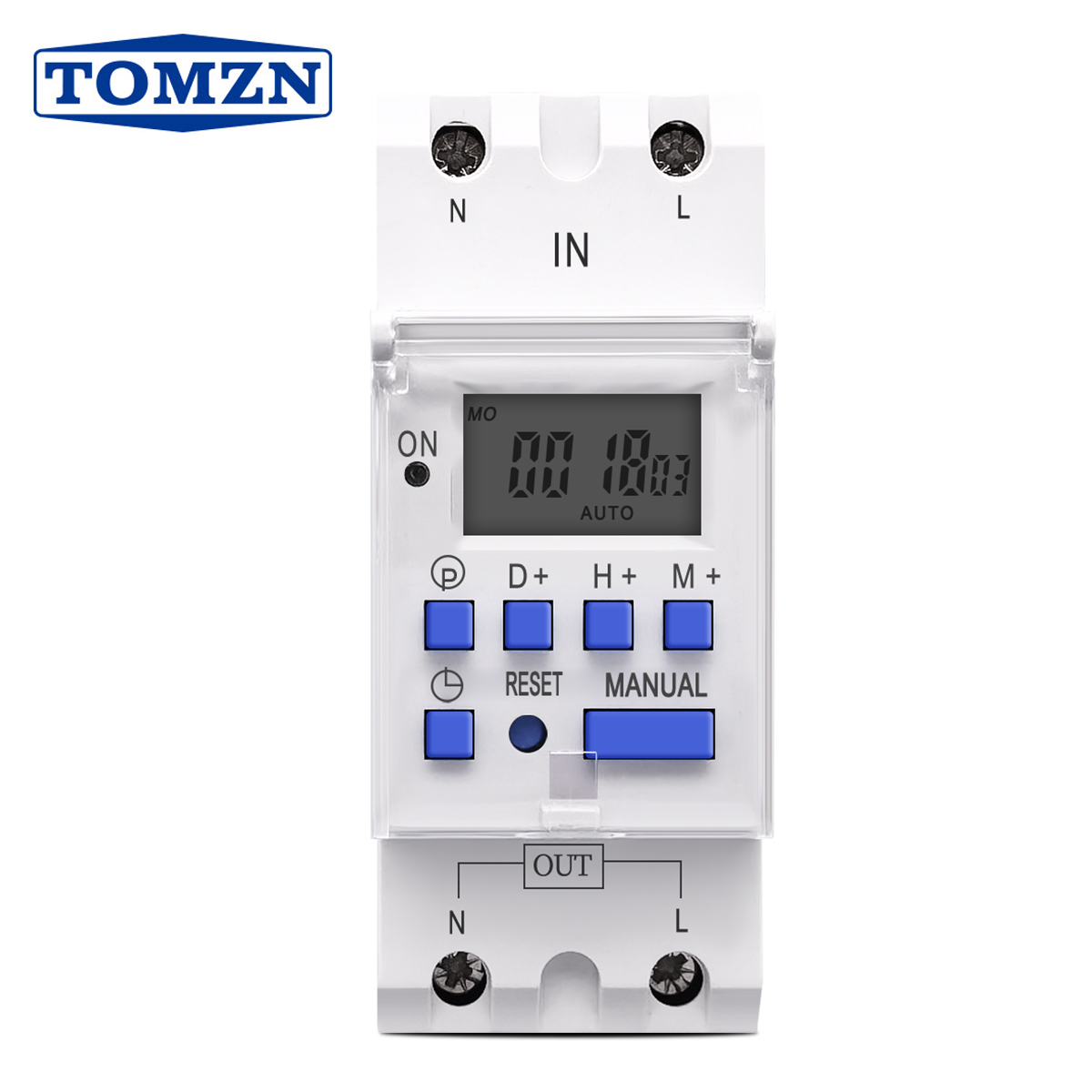
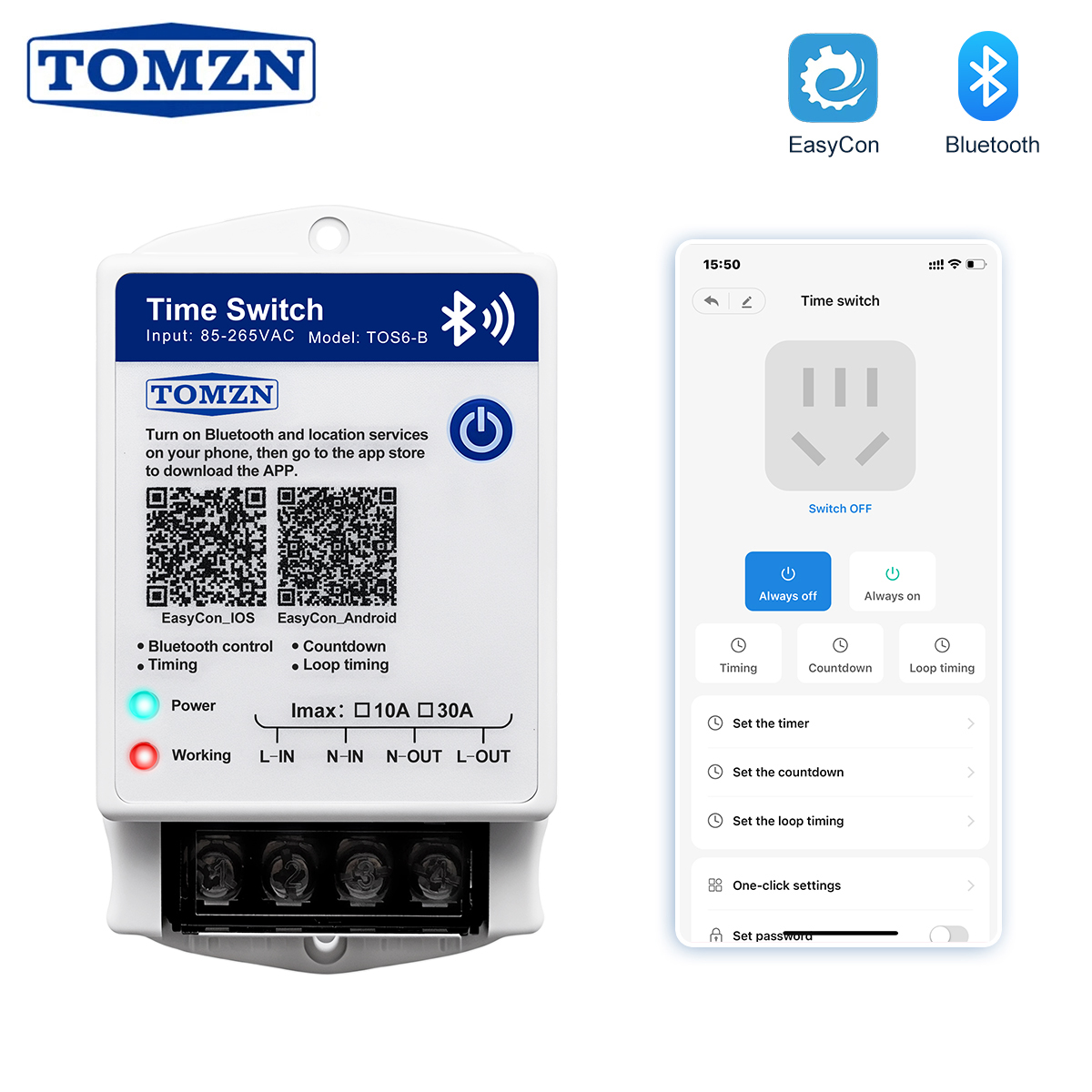
Bridging overcurrent protection (thermal-magnetic) and residual current leakage mitigation within a single unified DIN-rail module according to IEC/EN 61009-1 standards.
In legacy low-voltage electrical distribution, circuit designers historically relied on paired discrete assemblies: a Residual Current Device (RCD / RCCB) placed upstream of multiple branch Miniature Circuit Breakers (MCBs). While this design minimizes raw component expenditure, it imposes severe systemic vulnerabilities. A single residual current earth fault on one downstream lighting or socket branch trips the master RCCB, de-energizing completely healthy parallel sub-circuits—a phenomenon known as nuisance sympathetic tripping.
Residual Current Breakers with Overcurrent Protection (RCBOs) resolve this operational limitation entirely. By integrating a Zero-Phase Current Transformer (ZCT), an electronic or electromechanical tripping solenoid, an inverse-time bimetallic strip for thermal overload, and a fixed magnetic coil for catastrophic short-circuit interruption into a unified enclosure, RCBOs isolate faults strictly to the affected sub-branch. The integrity of mission-critical loads—such as enterprise IT infrastructure, commercial refrigeration, medical equipment, and telemetry lines—remains entirely unimpaired.
Modern Chinese low-voltage manufacturing has radically transformed RCBO engineering through the development of ultra-compact 1P+N architectures encapsulated in single-pitch 18mm DIN-rail modules. Traditionally requiring 36mm (two module pitches), Chinese precision tooling, advanced micro-molded thermoset composites, and miniaturized differential transformers now allow international panel builders to double circuit density inside existing consumer units without rebuilding electrical enclosures.
Operates purely on vector induction from the core flux of the core transformer. Does not rely on line voltage to actuate the trip mechanism. Retains life-safety protection even during catastrophic neutral line breaks upstream.
Utilizes an integrated printed circuit board (PCB) amplifier to process micro-volt secondary signals from the ZCT. Delivers superior immunity to ambient electromagnetic interference and enables cost-effective high-volume smart metering.
Crucial for multi-tenant and industrial sub-distribution. Provides true galvanic isolation by breaking both the active phase and neutral conductors simultaneously, preventing cross-neutral feedback during localized maintenance cycles.
Matching dynamic downstream power electronic signatures with the appropriate magnetic core composition to prevent core saturation and total protection failure.
| RCBO Class | Detectable Fault Signatures | Typical Downstream Loads | Core Metallurgy | Export Compliance |
|---|---|---|---|---|
| Type AC | Pure sinusoidal alternating currents (50/60 Hz) | Resistive heating, incandescent lamps, linear power supplies | Standard Silicon-Iron Alloys | Restricted in EU |
| Type A | Sinusoidal AC + Pulsating rectified direct current (DC) | Single-phase EV chargers, variable speed drives, computers | High-Permeability Permalloy | Global Standard |
| Type F | Type A + High composite frequencies up to 1 kHz | Single-phase frequency converters, heat pumps, washing units | Composite Nanocrystalline | EN 62423 Compliant |
| Type B | Type F + Smooth pure DC leakage + high freq. up to 100 kHz | Commercial EV infrastructure, PV battery hybrid inverters, UPS | Dual-Core Fluxgate Sensors | Tier-1 EPC Requisite |
A widespread yet dangerous vulnerability in modern electrical installations involves using Type AC RCBOs in circuits connected to variable speed drives (VFDs), solar inverters, or electric vehicle on-board chargers. These power conversion devices utilize bridge rectifiers and switching transistors that can leak smooth DC residual currents into the grounding conductor. When a DC fault current flows through a conventional Type AC RCBO's toroidal transformer, it creates a persistent unidirectional magnetic bias in the core.
This DC bias drives the magnetic core material into premature magnetic saturation. Once saturated, the core loses its permeability, rendering it incapable of transferring AC magnetic flux variations to the secondary tripping winding. Consequently, an actual lethal sinusoidal AC shock occurring simultaneously will fail to trip the device. Leading Chinese manufacturers like Zhejiang TMB Electric have redesigned differential transformers using ultra-low coercivity nanocrystalline ribbon alloys and active fluxgate topologies, ensuring positive trip action even when blinded by DC leakage components up to 6mA or higher.
The industrial logic of ultra-dense vertical supply ecosystems: how Huabei Village and Liushi Town achieve unrivaled manufacturing agility, lead times, and metallurgical consistency.
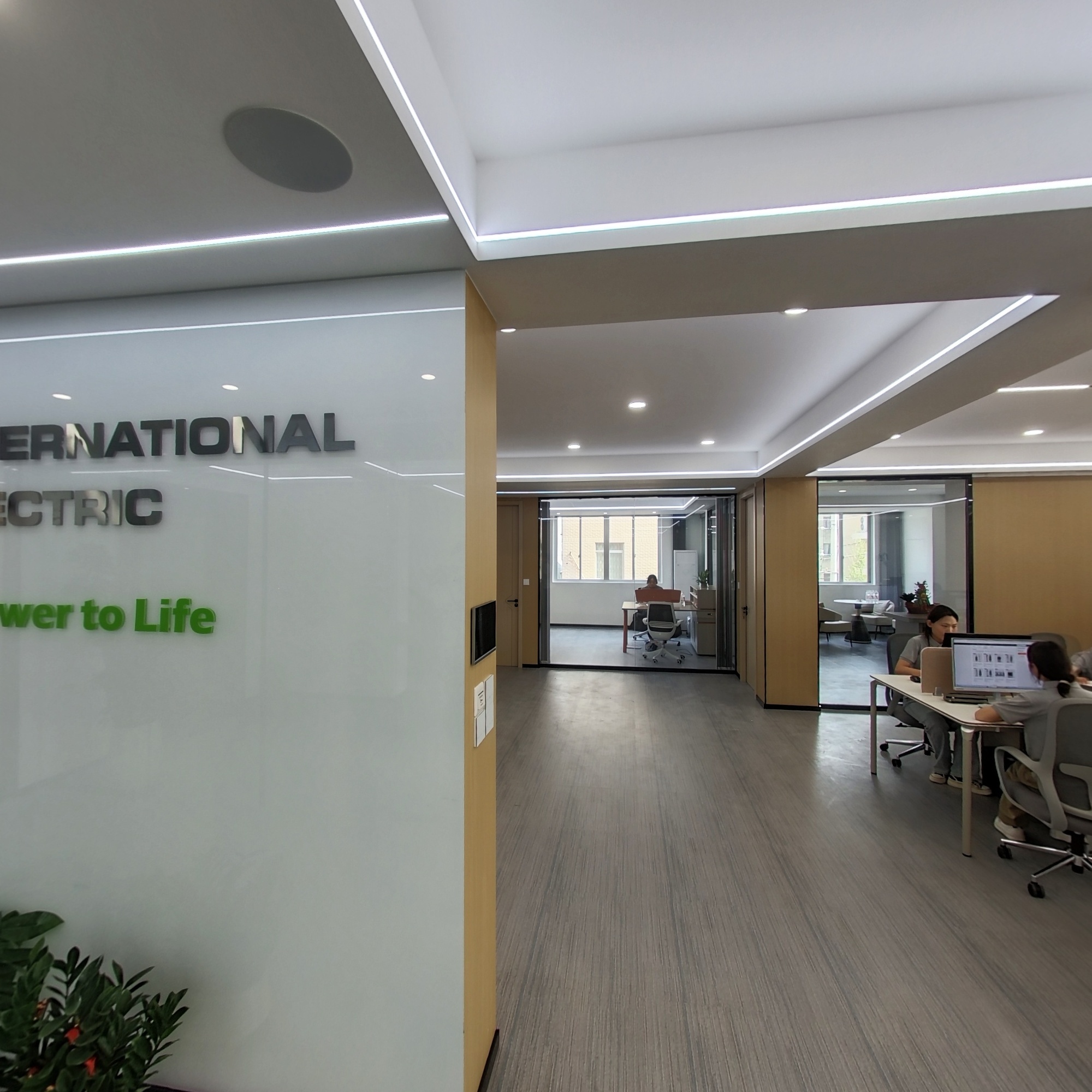
Founded over 24 years ago in Liushi Town, Wenzhou—universally recognized as the "Electrical Capital of China"—Zhejiang TMB Electric Co., Ltd. represents the apex of specialized low-voltage circuit protection manufacturing. Operating from a verified 5,700 m² physical footprint with 92 highly trained assembly technicians, TMB maintains end-to-end control across the component value chain.
Within a 5-kilometer radius of our manufacturing plant, our engineers source precision stamping dies, high-conductivity oxygen-free copper conductors, moving contact metallurgy (AgNi and AgSnO2 silver oxide alloys), arc chute de-ion splitter plates, and halogen-free PA66-V0 flame-retardant housings. This spatial integration slashes tooling lead times from months to days, shielding our international B2B partners from international supply shocks.
Anticipating structural shifts in energy distribution: how smart microgrids, EV adoption, and smart homes are dictating next-generation breaker purchase orders.
RCBOs are shifting from purely passive thermal-magnetic devices to intelligent data endpoints. Integrated Tuya, Zigbee, Wi-Fi, and RS-485 Modbus microchips enable live monitoring of active phase voltage, amperage draw, power factor, and milliamp earth leakage directly from industrial SCADA or mobile management interfaces.
Space constraints inside retrofitted distribution boards have driven the obsolescence of wide 36mm 2-pole RCBOs for single-phase circuits. Global contractors overwhelmingly demand 18mm single-pitch RCBOs with switched neutral protection, allowing complete board retrofits without costly sheet-metal box replacement.
With global EV charging regulations (IEC 61851-1) and solar micro-inverter installations expanding exponentially, international tenders are phasing out Type AC units completely. Procurement mandates for Type A and Type B residual current devices have surged over 300% across European, Australasian, and Latin American ports.
Modern commercial buildings demand integrated Arc Fault Detection Devices (AFDD) fused alongside RCBO assemblies. These 3-in-1 devices utilize microprocessors that analyze high-frequency RF noise on the line to extinguish dangerous series and parallel arcing before structural electrical fires can ignite.
Where legacy low-cost breakers deteriorated after 4,000 switching operations, Tier-1 Chinese exporters are engineering composite silver contacts with AgSnO2 (silver tin oxide) metallurgy, achieving endurance exceeding 10,000 mechanical cycles and 4,000 full-load electrical operations under IEC 60947-2 testing protocols.
Every single protection device shipped from Zhejiang TMB Electric passes through automated calibration rigs and dielectric verification gates to guarantee field performance.
Optical emission spectroscopy checks for silver alloy contact purity and oxygen-free copper busbars.
Robotic screw assembly with computerized torque feedback prevents internal bimetal pre-stressing.
Dynamic heating baths test bimetallic deflection curves under 1.13 In non-trip and 1.45 In trip conditions.
Instantaneous millisecond impulse firing verifies B, C, or D magnetic release tolerances accurately.
Precision constant-current leakage generators audit trip thresholds at 0.5 IΔn, 1.0 IΔn, and 5.0 IΔn.
2,500V AC high-potential dielectric withstand test verifies galvanic isolation between open poles.
In-depth responses to the technical, legal, and logistics queries most frequently submitted by international electrical distributors, OEM brand owners, and switchboard builders.
Whether you require single-module 18mm 1P+N Type A breakers, 1000V DC photovoltaic protection, or full-board OEM private label branding, Zhejiang TMB Electric Co., Ltd. delivers engineered reliability directly from our verified Liushi production facility.