Factory Recommended Isolator & Intelligent Switching Units
Engineered to international IEC/EN 60947-3 standards. Select high-end equipment tested for extreme thermal stability, rapid arc extinguishment, and high electrical endurance.
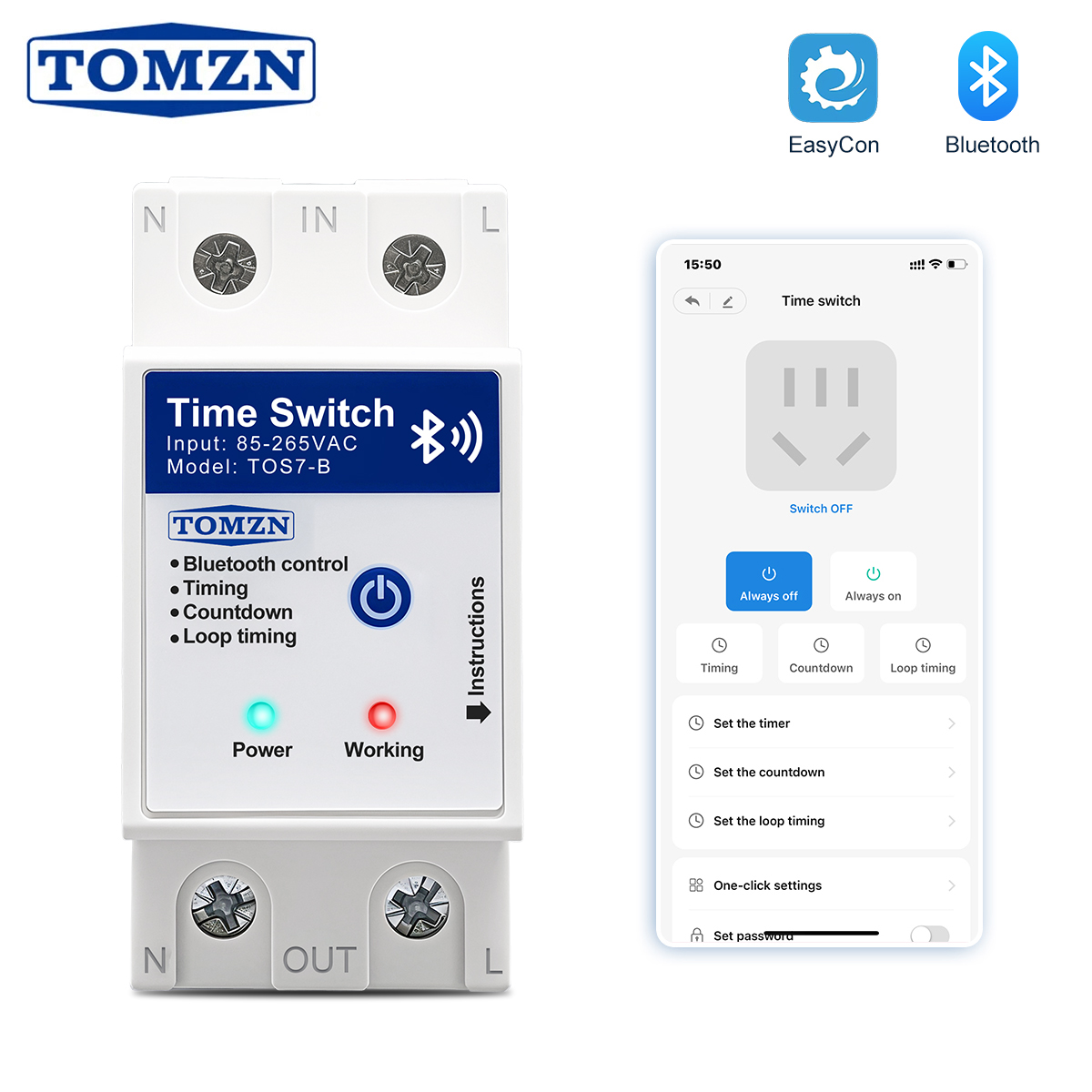
TOMZN TOS7-B Bluetooth Smart Timer Switch 40A 63A
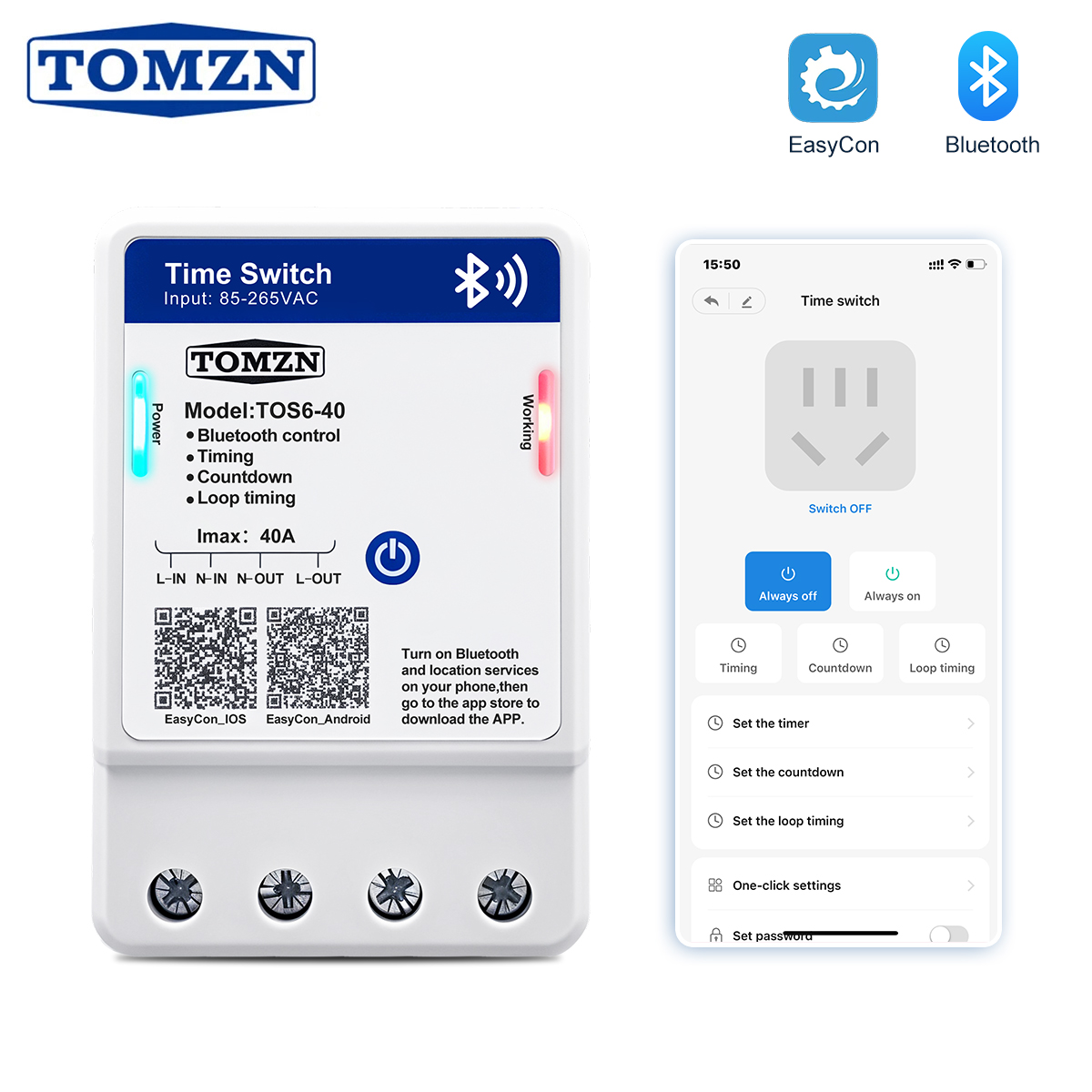
TOS6-40 Bluetooth 35mm DIN-Rail Time Control Switch
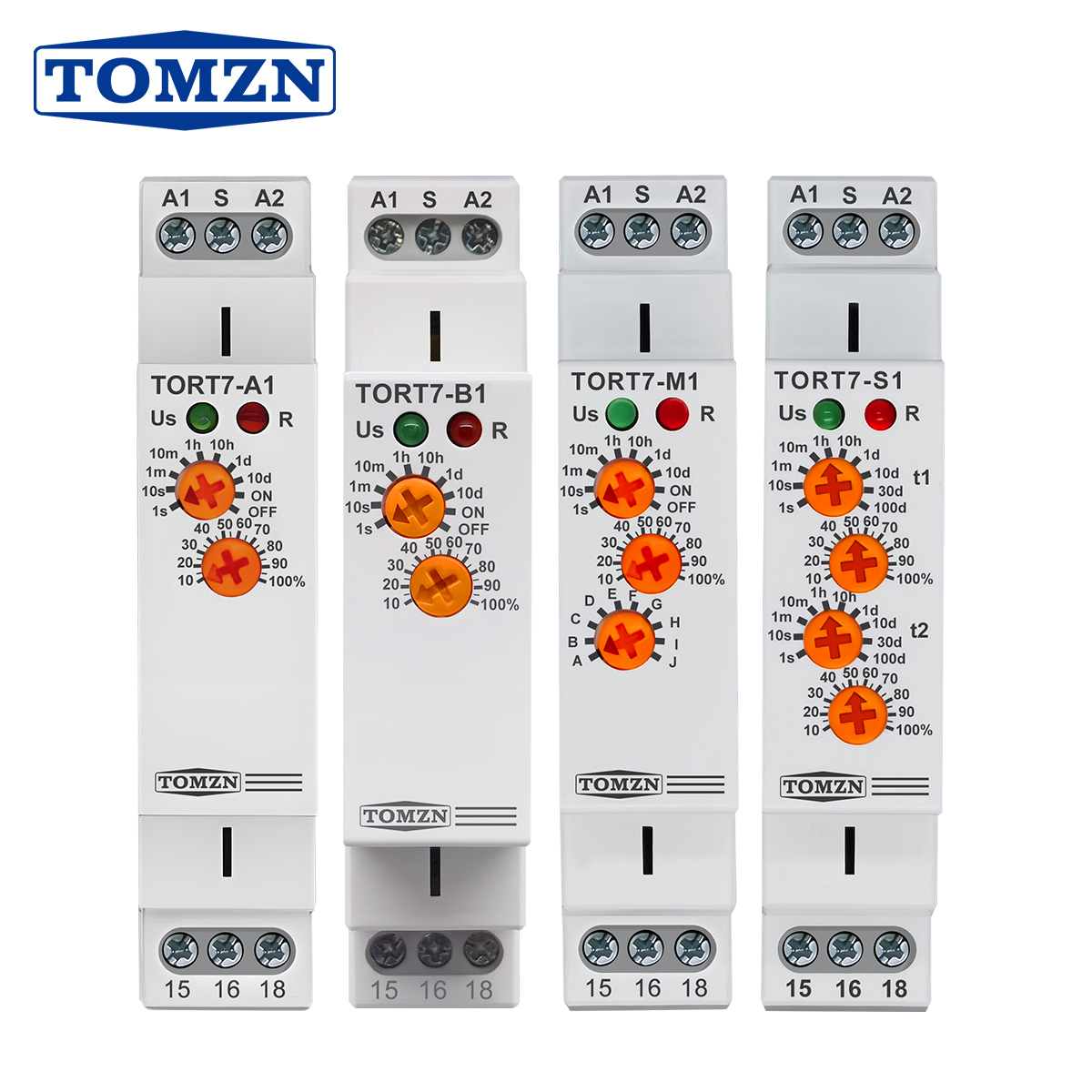
TORT7 Series 10-in-1 Asymmetric Cycler Delay Relay
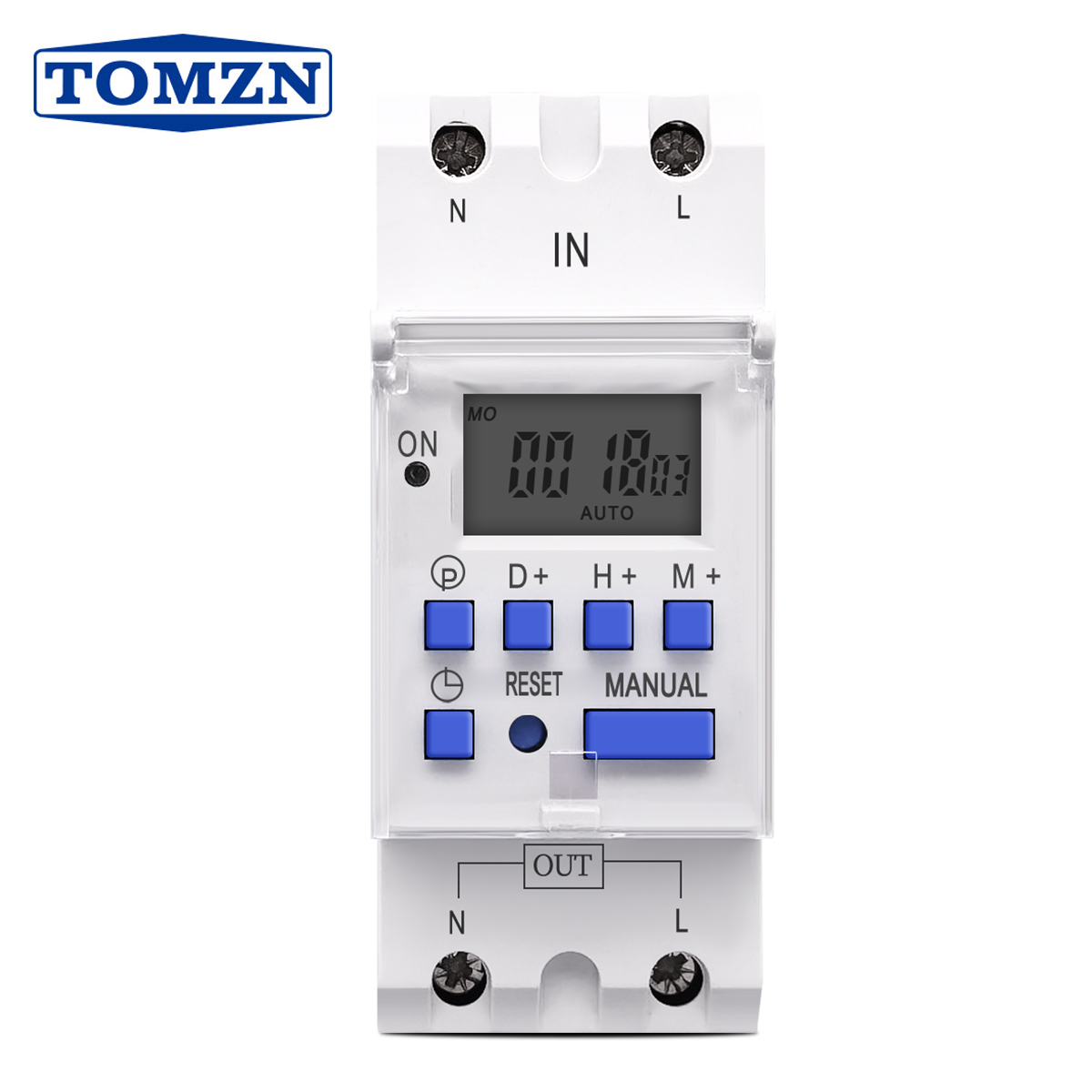
TOMZN Din Rail Single Phase 7-Day Digital Time Switch
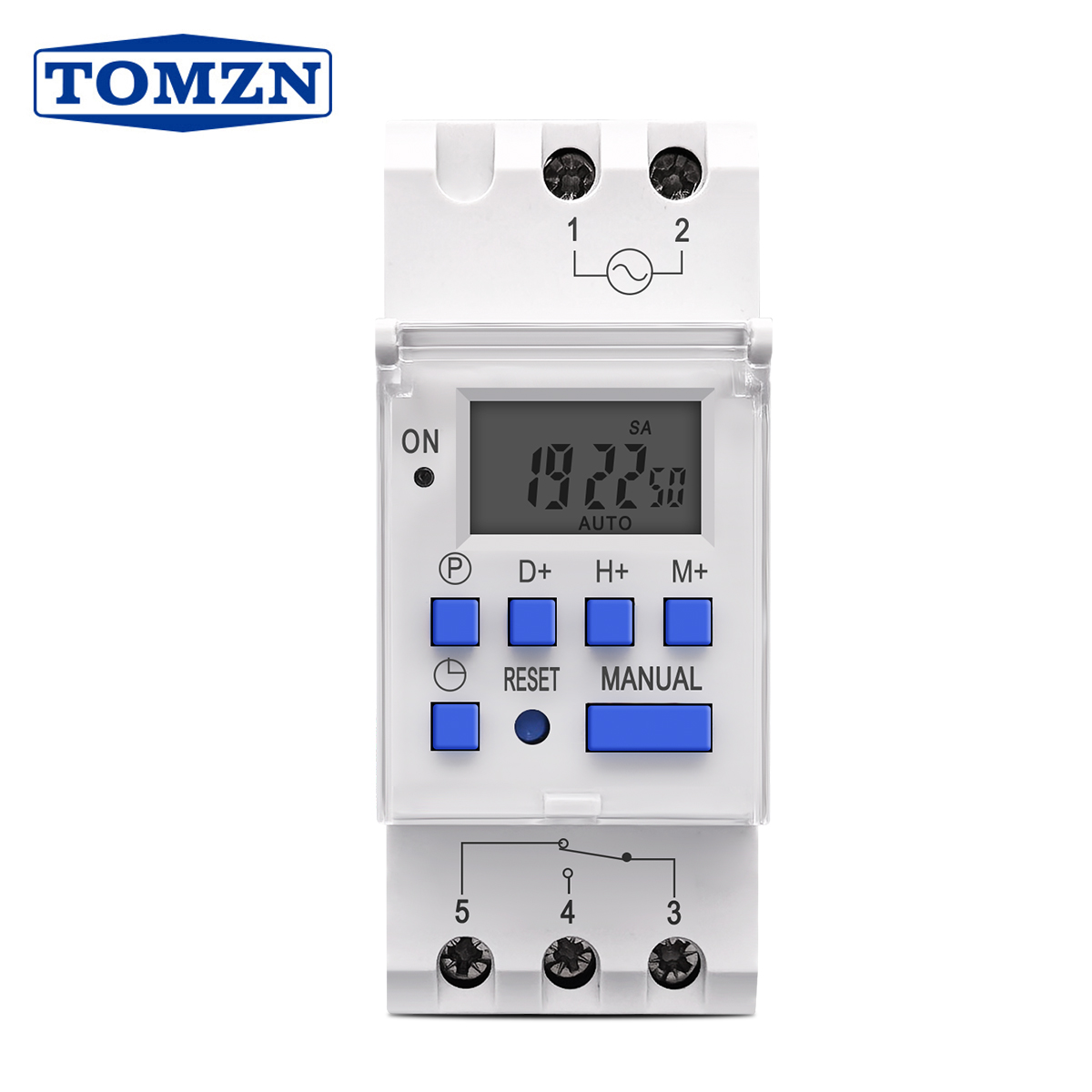
TOMZN 1NO+1NC Single Phase Weekly Programmable Relay
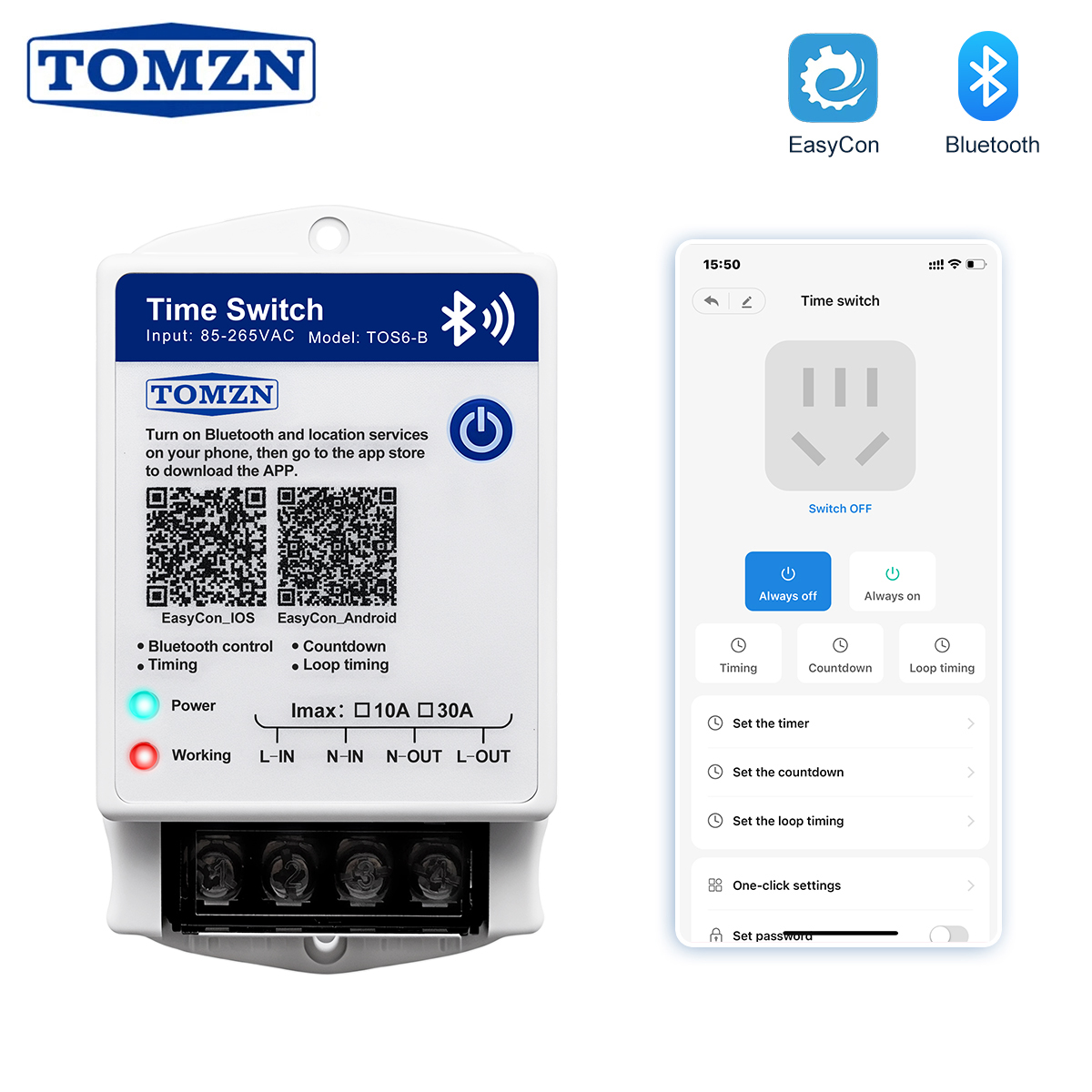
TOMZN Bluetooth Smart Timer Switch 10A 30A Wall-Mounted
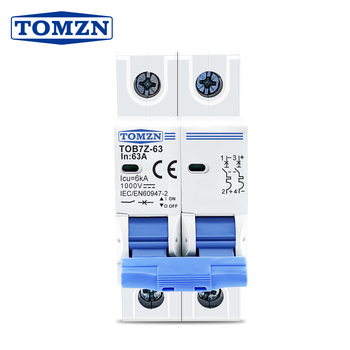
2P 1000V DC Photovoltaic Isolation Circuit Breaker
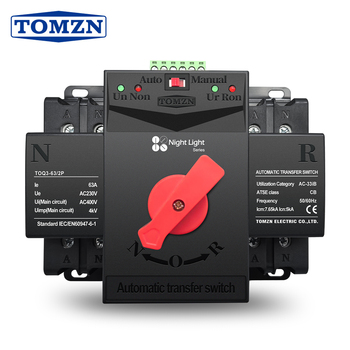
TOQ3 2P MCB-Type Dual Power Automatic Transfer Switch
Industrial Whitepaper: Safe Isolation Engineering in Modern High-Voltage AC & DC Networks
In contemporary electrical engineering, electrical isolator switches—also commonly designated as main disconnectors, load break switches, or switch-disconnectors—serve as the foundational hardware ensuring human life protection, fire containment, and structural grid resilience during planned maintenance and emergency shutdown protocols.
Unlike standard thermal-magnetic miniature circuit breakers (MCBs) which are optimized specifically for overcurrent and short-circuit clearance, an electrical isolator switch is architected to deliver a guaranteed physical galvanic break across conductors. Under harmonized standard IEC/EN 60947-3, an isolating device must exhibit certified dielectric withstand voltages across its open contacts, eliminate leakage currents under elevated potential gradients, and offer visual or definitive mechanical position indication that cannot fail under welded contact scenarios.
With the global transition toward high-voltage direct current (HVDC) solar PV architectures (operating at 1000V to 1500V DC) and multi-megawatt commercial Battery Energy Storage Systems (BESS), the physics of isolation have evolved drastically. DC currents lack the natural sinusoidal zero-crossing present in 50Hz/60Hz AC topologies. Consequently, drawing an electrical arc under direct current initiates a continuous plasma flame capable of reaching temperatures exceeding 5,000°K. Engineering reliable isolation hardware mandates cutting-edge magnetic blowout runners, multi-stage rotary wiping contacts, and proprietary silver-tin-oxide (AgSnO2) metallurgic contacts that quench arcs within single-digit milliseconds.
Why Tier-1 EPCs & Global Importers Partner with Zhejiang TMB Electric
Headquartered in Liushi Town, Wenzhou—the world-renowned capital of low-voltage electrical manufacturing—Zhejiang TMB Electric Co., Ltd. blends 24 years of manufacturing heritage with rigorous international third-party compliance.
Continuous R&D and low-voltage manufacturing since foundation
Dedicated tooling, stamping, and automated assembly bays
Verified engineers, QC auditors, and precision operators
Verified export volume spanning 100+ worldwide markets
From DC MCBs and ATS to smart IoT timers and switchgear
TÜV Rheinland Audited Facility
Our Huabei Village, Liushi facility operates with full on-site factory verification audited independently by TÜV Rheinland. We ensure transparent traceability across raw copper feeds, thermoplastic polymers, and mechanized calibration testing benches.
Localized Supply Chain Clustering
Operating inside China's largest electrical apparatus industrial cluster gives us unrivaled lead-time elasticity. Precision stamping dies, arc chutes, bimetals, and terminal screws are sourced within minutes, slashing tooling lead times by 60% compared to inland factories.
OEM / ODM Agility & Low Trial MOQ
We eliminate high barrier-to-entry friction for wholesalers and panel assemblers. Starting with low trial minimums (from 5 pcs on core catalog units), we provide custom laser logo etching, multi-pole voltage configurations, private labeling, and tailored packaging.
Future Global Procurement Trends in Isolator Switch Technology
Cross-border procurement heads, renewable EPC engineers, and electrical distributors must position their inventory ahead of major regulatory and technological shifts.
1. Migration to 1500V DC Photovoltaic Systems
Global utility-scale solar farms and commercial rooftop arrays are rapidly adopting 1500V DC operating voltages to mitigate ohmic line losses and reduce string wiring cross-sections. Isolator switch procurement is heavily pivoting away from older 600V/800V rated gear toward certified 1200V–1500V DC disconnectors featuring multi-pole series bridging and reinforced creepage distances.
2. Remote Motorized Tripping & Rapid Shutdown
Global safety mandates (including NEC 690.12 in North America and evolving EN/IEC directives in Europe) require rapid rooftop de-energization during firefighter intervention. Future-ready procurement strategies emphasize motorized switch-disconnectors with built-in shunt trip releases, under-voltage coils, and auxiliary communication buses allowing sub-second emergency disconnection.
3. BESS Bi-Directional High-Ampere Isolation
Grid-scale lithium battery storage facilities present intense fault currents with near-instantaneous discharge velocities. Procurement specifications for BESS switchgear now dictate bi-directional breaking capabilities (DC-PV2 or DC-22B categorization) up to 250A–630A, where polarity reversibility does not compromise contact longevity or magnetic blowout effectiveness.
4. Carbon-Neutral & Halogen-Free Enclosures
Stricter European environmental norms (RoHS 3, REACH, and WEEE directives) are compelling overseas buyers to mandate zero-halogen polycarbonate and flame-retardant polymers (UL94 V-0 rating). Procurement managers are vetting factories capable of verifying low smoke toxicity, UV resistance (f1 rating), and end-of-life circular recyclability across outdoor enclosures.
Technological Frontiers: Structural Innovation in Isolator Design
A closer engineering look at how high-performance switch-disconnectors are manufactured to withstand extreme thermal shocks and inductive breaking energies.
Rotary Double-Break Contact Dynamics
Conventional single-knife isolators are vulnerable to contact welding during severe inductive transients. Modern isolator switches from Zhejiang TMB Electric implement rotary double-break mechanisms. When operated, two contact gaps open simultaneously per pole, effectively doubling the dielectric clearance distance and splitting the electrical arc voltage in half, resulting in lightning-fast extinguishing within 3ms to 5ms.
Magnetic Arc Deflection Chutes
To overcome the absence of zero-crossing in DC current interruption, modern DC isolators feature neodymium permanent magnets positioned adjacent to the stationary contacts. The magnetic field exerts a Lorentz force on the conductive plasma arc, driving it violently into copper splitter plates (de-ionizing grid), cooling the arc below its re-ignition threshold.
Smart Telemetry & IoT Integration
Bridging mechanical isolation with digital building management, advanced isolators incorporate built-in current transducers, thermal sensor thermistors at line terminals, and micro-switch status transmitters. Utilizing wireless protocols (Bluetooth, Zigbee, WiFi) or RS485 Modbus, facility operators detect loose terminal torques and abnormal heat buildup prior to physical arc flash occurrences.
B2B Technical Sourcing Specification & Utilization Guidelines
Compare operational characteristics across typical AC and DC isolation scenarios to prevent dangerous field misapplications and warranty rejections.
| Application Segment | Standard Rating (Ue / Ie) | Standard Utilization Category | Arc Extinguishing Mechanism | Key Sourcing Checkpoints |
|---|---|---|---|---|
| Solar String Inverter Disconnect | 600V – 1000V DC / 16A–63A | DC-PV1 / DC-PV2 | Multi-chamber deionizing plates & magnetic field deflectors | Independent knife-action speed regardless of operator handle velocity; padlockable 'OFF' handle. |
| Battery Storage (BESS) Main Switch | 400V – 1000V DC / 100A–250A | DC-22B / DC-23B | Heavy-duty dual rotary contacts with AgSnO2 alloy cladding | Bi-directional load breaking guarantee; short-time withstand current (Icw) rating verified. |
| Commercial HVAC / Motor Isolator | 400V / 415V AC / 25A–125A | AC-23A (Frequent heavy inductive) | Standard multi-fin copper arc splitter with mechanical rapid break | Capacity to interrupt locked-rotor motor surge currents (6x to 8x rated full-load amperage). |
| Residential Incomer Disconnector | 230V / 240V AC / 40A–100A | AC-22A (Mixed resistive & moderate load) | Spring-loaded mechanical toggle mechanism | DIN-rail modularity (18mm per pole width); full neutral pole switching compatibility. |
| Industrial Generator Dual Power ATS | 230V / 400V AC / 63A–125A | AC-31B / AC-33B | Solenoid/motor-driven interlocked isolation mechanisms | Rigid mechanical and electrical interlocks preventing cross-connection of un-synchronized sources. |
Frequently Asked Questions by Overseas Electrical Importers
Direct answers addressing technical parameters, factory audits, compliance standards, and supply chain protocols.
Q1: What is the crucial operational distinction between an Isolator Switch and an MCB?
An MCB is engineered to automatically interrupt fault currents (overloads and short circuits) via thermal bimetal and magnetic coils. An isolator switch (switch-disconnector) is a manual safety apparatus designed to switch nominal load currents and provide a certified visible air-gap distance ensuring zero leakage current across contacts during human servicing.
Q2: Why can an AC-rated switch not be used in a solar DC string circuit?
Alternating current naturally drops to zero voltage 100 or 120 times per second, extinguishing arcs organically. Direct current maintains constant voltage. Applying an AC switch to a 600V–1000V DC solar array will result in continuous internal arcing, contact thermal vaporization, plastic melting, and catastrophic enclosure fires.
Q3: What does the "DC-PV2" rating signify on your solar disconnectors?
According to IEC 60947-3, DC-PV2 is the highest string-level classification for PV circuits. It guarantees that the switch is qualified to make and break frequent combined operational loads including solar arrays with significant parasitic capacitance, short-circuit loops, and reverse feeds up to 4 times the rated full-load current.
Q4: How does Zhejiang TMB Electric ensure batch-to-batch quality across high-volume runs?
Every batch undergoes our six-stage production quality checkpoint: incoming material verification (spectrometer copper purity checks), automated terminal torque screwdriving, automated thermal-magnetic trip profiling, 3.5kV dielectric withstand hipot testing, mechanical cycling validation, and pre-shipment barcode audit.
Q5: What are the customization possibilities under your OEM/ODM terms?
We provide full-spectrum OEM solutions: custom brand laser-marking on breaker and switch housings, custom colored handle levers, tailor-made distribution box knockouts, custom multi-language instruction leaflets, and matched terminal hardware designed for specialized aluminum or fine-stranded copper cables.
Q6: What third-party documentation can be provided for customs clearance?
We supply CE Declaration of Conformity documents, factory audit verification dossiers issued by TÜV Rheinland, third-party laboratory test reports (testing dielectric strength, IP65/IP66 ingress protection, UL94 flammability), and detailed technical specification sheets for customs and utility authorization.
Initiate Direct Factory Technical Sourcing with Zhejiang TMB Electric
Send your project single-line diagrams (SLD), required voltage and ampere ratings, target certifications, or annual container procurement plans. Our engineering department delivers custom quotation schedules, technical submittals, and test samples within 24 hours.