Featured Switching, Timing & Motor Control Assemblies
Precision-engineered modular DIN-rail AC contactors, programmable digital timers, Bluetooth controllers, and automatic transfer arrays designed for high-density metropolitan distribution boards.

TORT7 10-in-1 Asymmetric Delay Time Relay Switch

TOS7-B Bluetooth Smart DIN-Rail Timer Switch
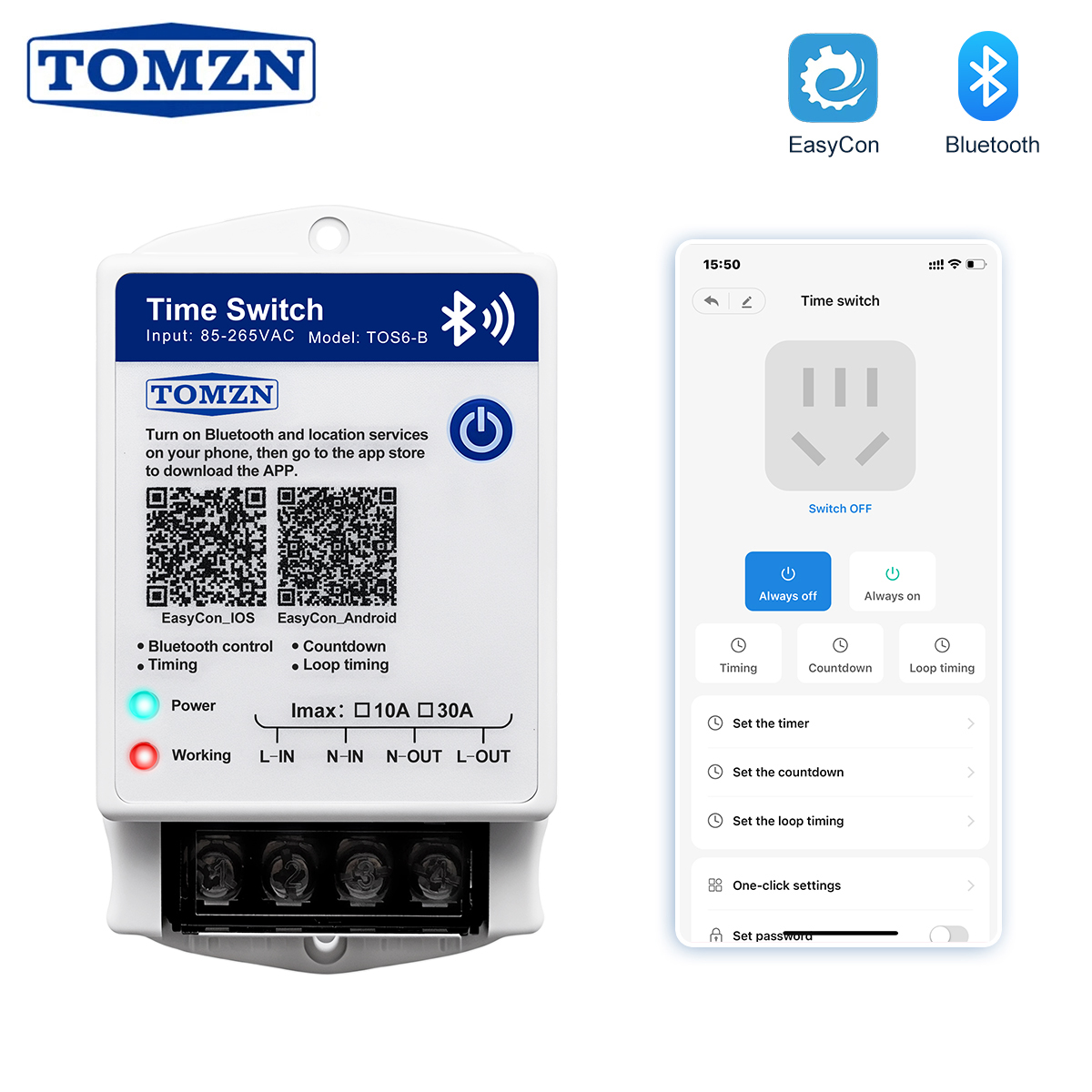
TOMZN Wall-Mounted Bluetooth Smart Time Relay
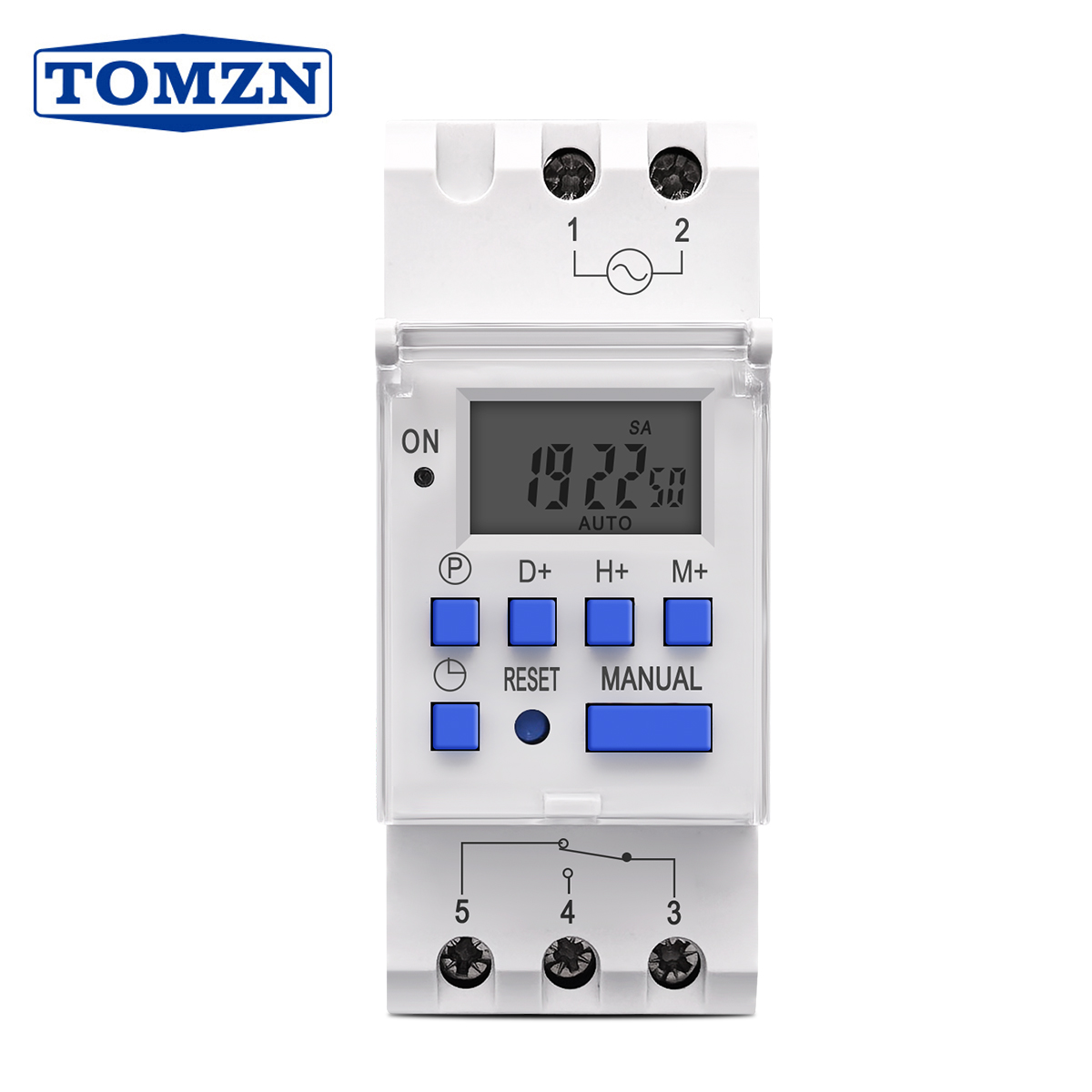
1NO+1NC 7-Day Programmable Digital Time Switch
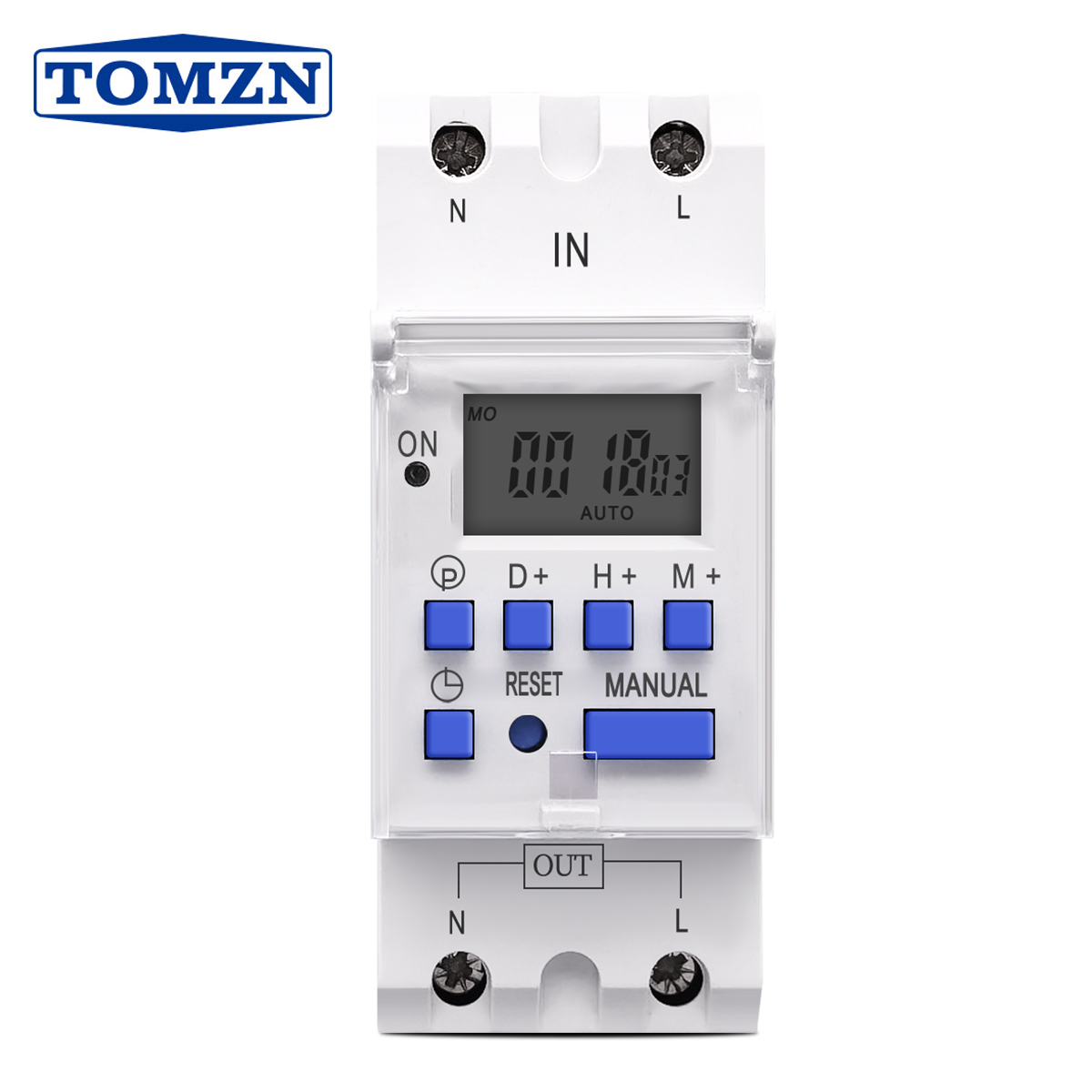
New-Gen Single Phase Digital DIN Timer Relay

TOS6-40 35mm DIN-Rail Bluetooth Time Controller
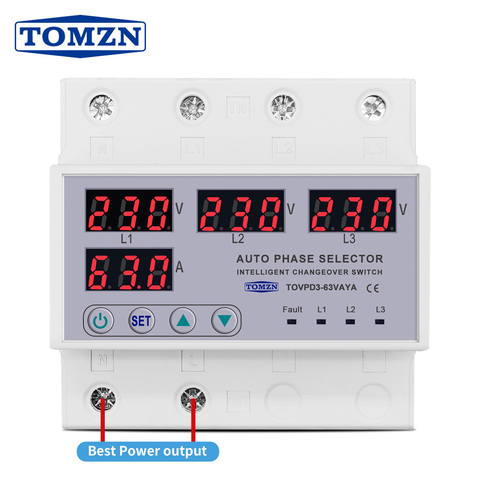
63A 3P+N Modular AC Contactor Protection Unit
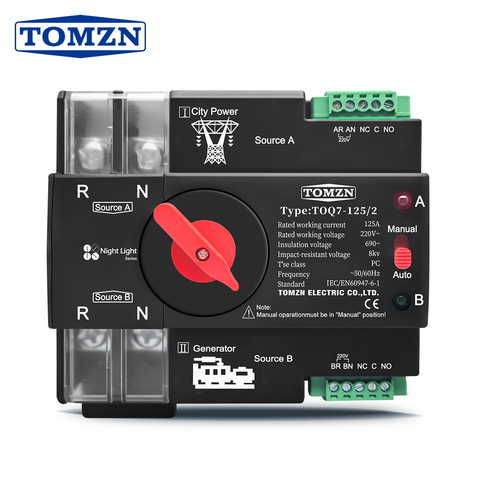
Dual-Power Fast Transfer AC Contactor Sub-System
Engineering Sourcing Note: While metropolitan commercial centers such as West End demand swift delivery, localized compliance, and whisper-quiet hum-free operation for modern commercial real estate, sourcing directly from verified tier-one manufacturing plants guarantees cost optimization, metallurgical integrity of silver contacts, and tailored OEM branding for low-voltage switchboards.
1. AC Contactor Engineering Topologies: Technical Deep Dive for West End Projects
Alternating Current (AC) contactors serve as the fundamental electro-mechanical workhorses within electrical power distribution boards, HVAC central plants, escalator control panels, and automation cabinets. Unlike miniature circuit breakers (MCBs) whose primary function is trip protection during overcurrent or short-circuit events, an AC contactor is designed for repeated, high-frequency remote switching of operational load currents under standard operating conditions and heavy transient overloads.
An AC contactor operates through electromagnetic induction. When the control coil is energized across designated terminals (A1 and A2), magnetic flux builds within a laminated silicon-steel magnetic core (stator). This electromagnetic field pulls down the moving armature against internal counteraction return springs, instantaneously forcing the power bridge contacts together to establish line continuity across the load poles. Conversely, de-energizing the coil collapses the magnetic flux, releasing the armature so the mechanical return springs drive the contacts apart, interrupting the circuit. Crucially, in AC-driven magnetic systems, shading coils (copper or brass rings embedded in the pole faces) prevent armature chatter, vibration, and destructive hum at the zero-crossing points of the sinusoidal current waveform.
| IEC 60947-4-1 Category | Primary Industrial / Commercial Load Profile | Typical Inrush Multiplier | Typical Contact Thermal Stress |
|---|---|---|---|
| AC-1 | Non-inductive or slightly inductive loads, resistance furnaces, heaters | 1.0 × Ie (Resistive) | Low mechanical wear, standard thermal dissipation |
| AC-2 | Slip-ring motors: starting, reversing, plugging | 2.5 × Ie | Medium arc wear, elevated breaking current stress |
| AC-3 | Squirrel-cage induction motors: starting, switching off running motors | 5.0 to 7.0 × Ie | High breaking arcing, heavy transient magnetic pull |
| AC-4 | Squirrel-cage motors: plugging, inching, rapid jogging reversing | 6.0 to 8.0 × Ie | Extreme arc erosion; necessitates heavy silver-nickel alloy pads |
| AC-7a / 7b | Household and modular DIN-rail appliances, light motor/compressor loads | 1.5 to 6.0 × Ie | Acoustically sensitive environments requiring hum-free DC/rectified coils |
In dense metropolitan commercial centers like West End—encompassing high-end retail, heritage building retrofits, massive data transmission centers, and entertainment complexes—electrical contractors face unique operational challenges. Space in mechanical and electrical (M&E) risers is strictly limited, ambient plant-room temperatures fluctuate, and structural acoustics require low-noise contactor operation. Consequently, traditional open-frame clapper contactors have been widely superseded by modular DIN-rail AC contactors equipped with electronic wide-band coils and silver cadmium oxide (AgCdO) or eco-compliant silver tin oxide (AgSnO2) contacts that resist arc welding during heavy inrush cycles.
2. Localized West End Application Scenarios for AC Contactors
In West End commercial districts and urban fringe facilities, switching devices endure continuous stress across multiple specialized operating environments:
Commercial HVAC & Variable Refrigerant Chillers
West End office towers and historical conversions rely on rooftop chillers and multi-split heat pumps. Contactors operating compressor loads (AC-3/AC-4 ratings) must withstand locked-rotor motor starting surges without contact sticking or coil burnout under phase imbalance conditions.
Acoustic-Critical Theaters & Boutique Hospitality
In performance venues, hotels, and luxury retail suites, acoustic hum from conventional AC magnetizing coils is unacceptable. Contractors specify DIN-rail modular contactors featuring rectified DC coils with built-in surge suppressors to guarantee 0 dB continuous holding noise.
Microgrid, Dual-Supply & Solar PV ATS Integration
Modern West End facilities incorporate solar PV, battery energy storage systems (BESS), and emergency diesel backup generators. Mechanical and electrically interlocked AC contactor pairs form the core of automatic transfer switches (ATS) that change over power sources in milliseconds.
Furthermore, the rapid rollout of high-power Electric Vehicle (EV) fast-charging infrastructure across underground parking structures in West End has accelerated the demand for durable 4-pole AC contactors. These units must perform isolation switching under AC-1 duty cycles of 32A to 80A while resisting high operating cycles and integration with smart digital control timers and BMS relays.
3. Modern Procurement Trends & Supply Chain Dynamics in West End
Electrical procurement officers, MEP consultancy firms, and facility management companies in West End are shifting their sourcing models. Historically reliant on localized distributors stocking legacy Western European or American brands at high distributor markups, modern buyers now build direct relationships with verified original design manufacturers (ODMs) and original equipment manufacturers (OEMs).
Key market drivers transforming AC contactor procurement include:
- Supply Chain Shortening: Tier-one mechanical and electrical contractors are bypassing multiple tiers of middleman distribution by ordering containerized modular assemblies directly from certified manufacturing plants, cutting procurement budgets by 30% to 45%.
- Stringent Environmental Regulations (RoHS & WEEE): Low-voltage equipment installed in high-density urban zones must comply with cadmium-free directives. The industry has migrated toward advanced AgSnO2 contact materials that maintain anti-welding characteristics without harmful toxic byproducts.
- Miniaturization & Modular DIN Architecture: Switchboards in urban spaces face strict square-footage constraints. Standardized 18mm, 36mm, and 54mm width modular contactors with integrated manual override toggles allow panel builders to pack double the control density compared to older rectangular block contactors.
- Smart Control Convergence: Combining AC contactors with Bluetooth-programmable smart timers and Wi-Fi energy-metering circuit breakers allows remote energy scheduling, peak-shaving, and preventative diagnostic monitoring directly via cloud interfaces.
4. Engineering Specifications: Sizing & Derating Guidelines
A frequent root cause of premature contactor failure in West End installations is incorrect de-rating for ambient temperature and inductive load types. When installing multiple modular AC contactors side-by-side inside enclosed plastic or sheet-metal distribution boards without adequate ventilation, thermal buildup requires de-rating factors to be applied.
For ambient plant temperatures exceeding 40°C, contactors must be de-rated by 0.8× of nominal rated operational current (Ie). Additionally, when switching high-efficiency IE3 or IE4 three-phase motors, starting currents can spike up to 8.5 to 10 times the rated full-load current (FLA), far exceeding standard AC-3 testing parameters. Engineers must select contactors with adequate thermal continuous current (Ith) headroom and robust magnetic blowout chutes to prevent contact material vaporization during repeated start-stop sequences.
5. Enterprise Advantages: Zhejiang TMB Electric Co., Ltd.
As an international low-voltage electrical apparatus manufacturer based in Liushi Town, Wenzhou—China's premier low-voltage electrical manufacturing cluster—Zhejiang TMB Electric Co., Ltd. delivers distinct engineering and cost advantages for electrical contractors, panel builders, and equipment distributors in West End and worldwide.
Our competitive strengths include:
- Verified Industrial Base: Operating across a 5,700 m² production facility with 92 skilled technicians, our plant is fully assessed on-site by TÜV Rheinland, ensuring complete authenticity in production capacity, workforce competency, and material verification.
- Liushi Industrial Ecosystem: Being positioned in the heart of Liushi gives us direct, immediate access to world-class precision stamping dies, specialized silver-alloy wire drawing, flame-retardant polyamide polymers (PA66 with UL94 V-0 ratings), and automated winding technology. This localized synergy keeps production lead times short and tooling overhead low.
- Zero-Defect Quality Control Process: Every contactor, transfer switch, and smart timer undergoes a multi-point quality assurance pipeline: incoming raw material metallurgy checks, mechanical torque-controlled automated assembly, electrical endurance cycling under loaded conditions, coil dielectric insulation withstand testing, and final laser-etched dimensional audits.
- B2B Flexibility & Low MOQs: While traditional conglomerates enforce prohibitive minimum batch thresholds, we support rapid prototyping and commercial project delivery with catalog product trial quantities starting from just 5 pieces, alongside scalable OEM/ODM private label packaging, custom coil voltage combinations (12V, 24V, 110V, 230V, 380V), and integrated auxiliary contact configurations.
- Comprehensive Compliance Portfolio: Our devices carry CE markings, conform strictly to IEC/EN 60947-4-1 and IEC 61095 specifications, and are accompanied by full technical datasheets and type-test documentation necessary for immediate submission in municipal project tender portfolios.