Bluetooth
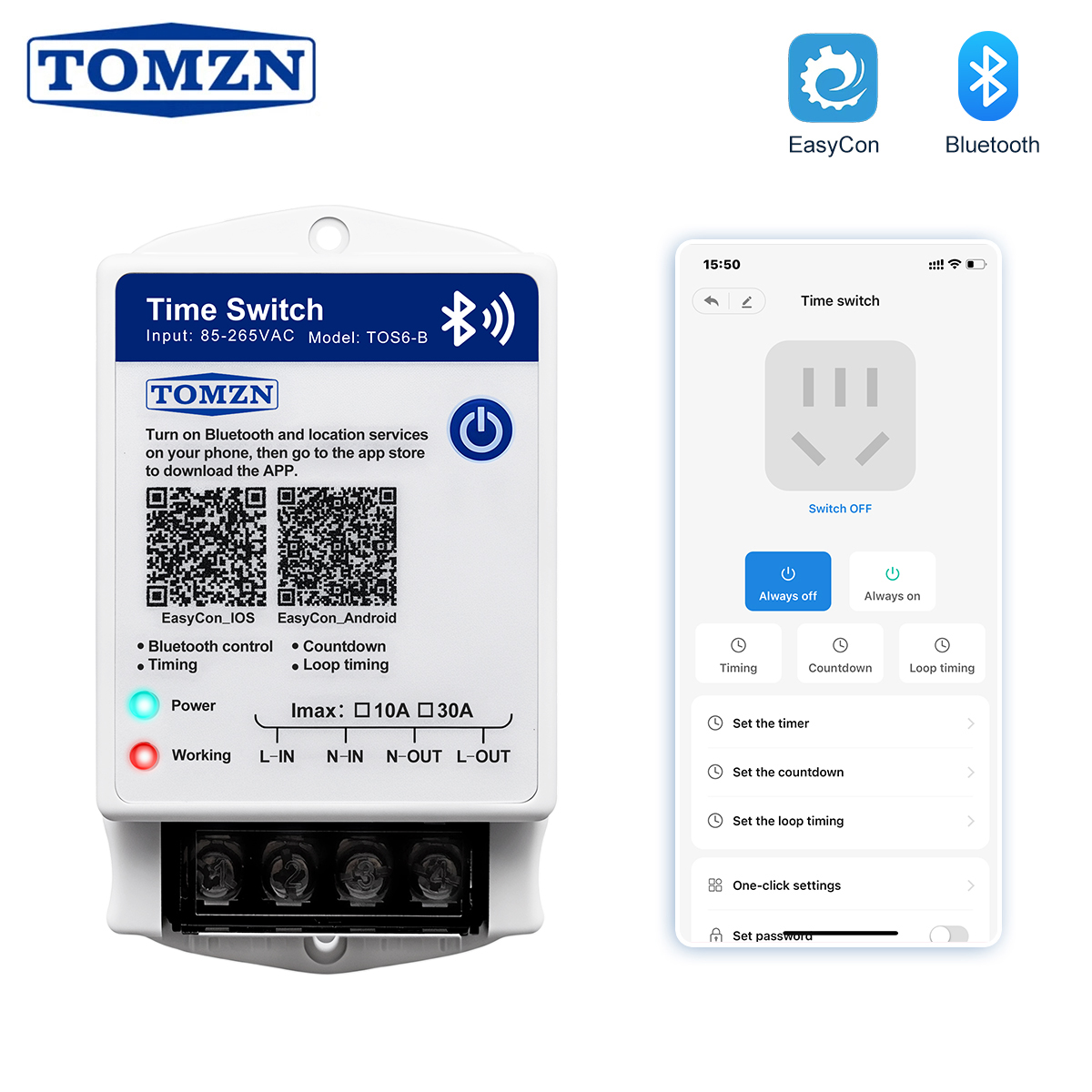
Pre-calibrated for Naypyidaw geographical coordinates (19.7633° N, 96.0785° E). Verified CE-compliant switching mechanisms built for extreme monsoonal ambient shifts and utility voltage fluctuations.
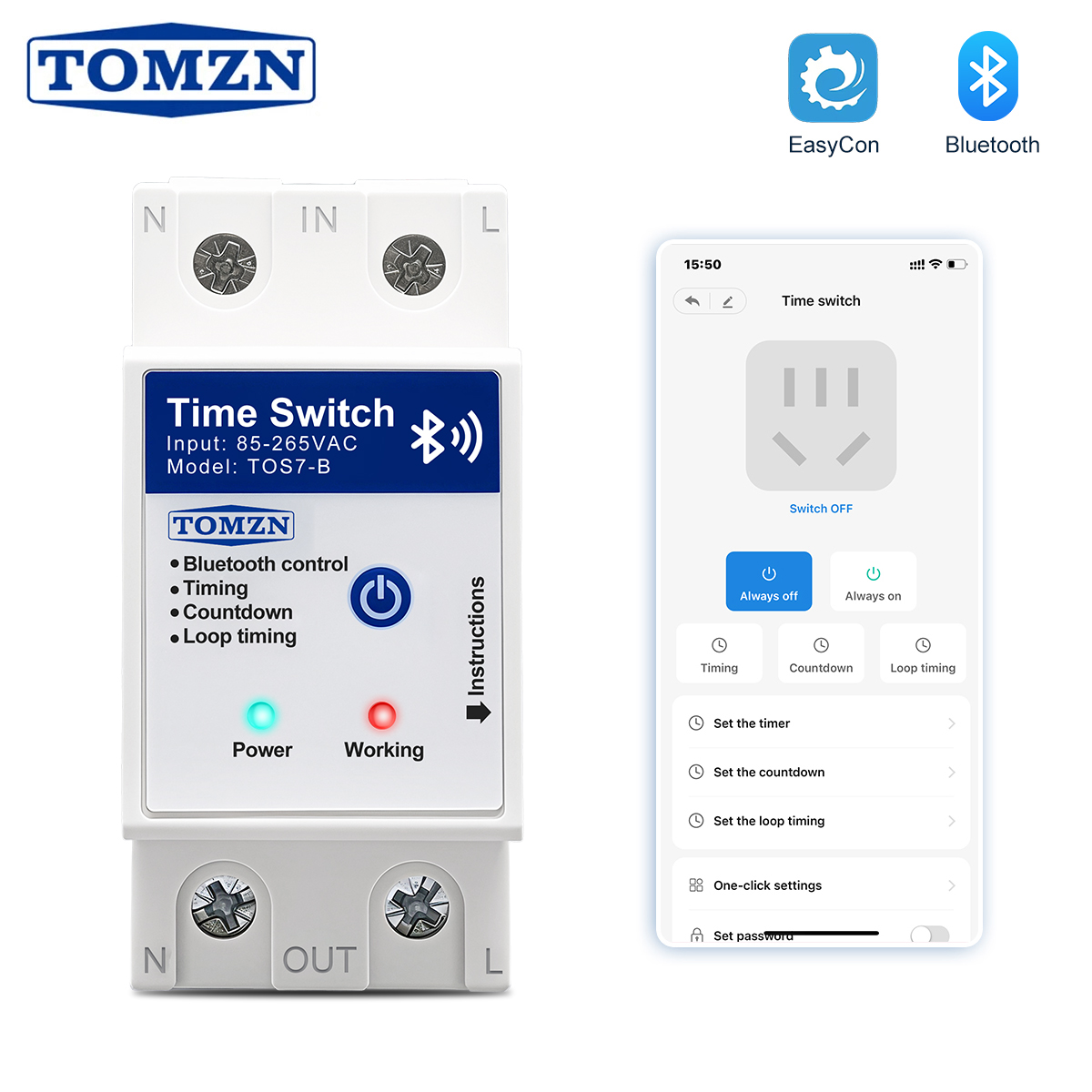
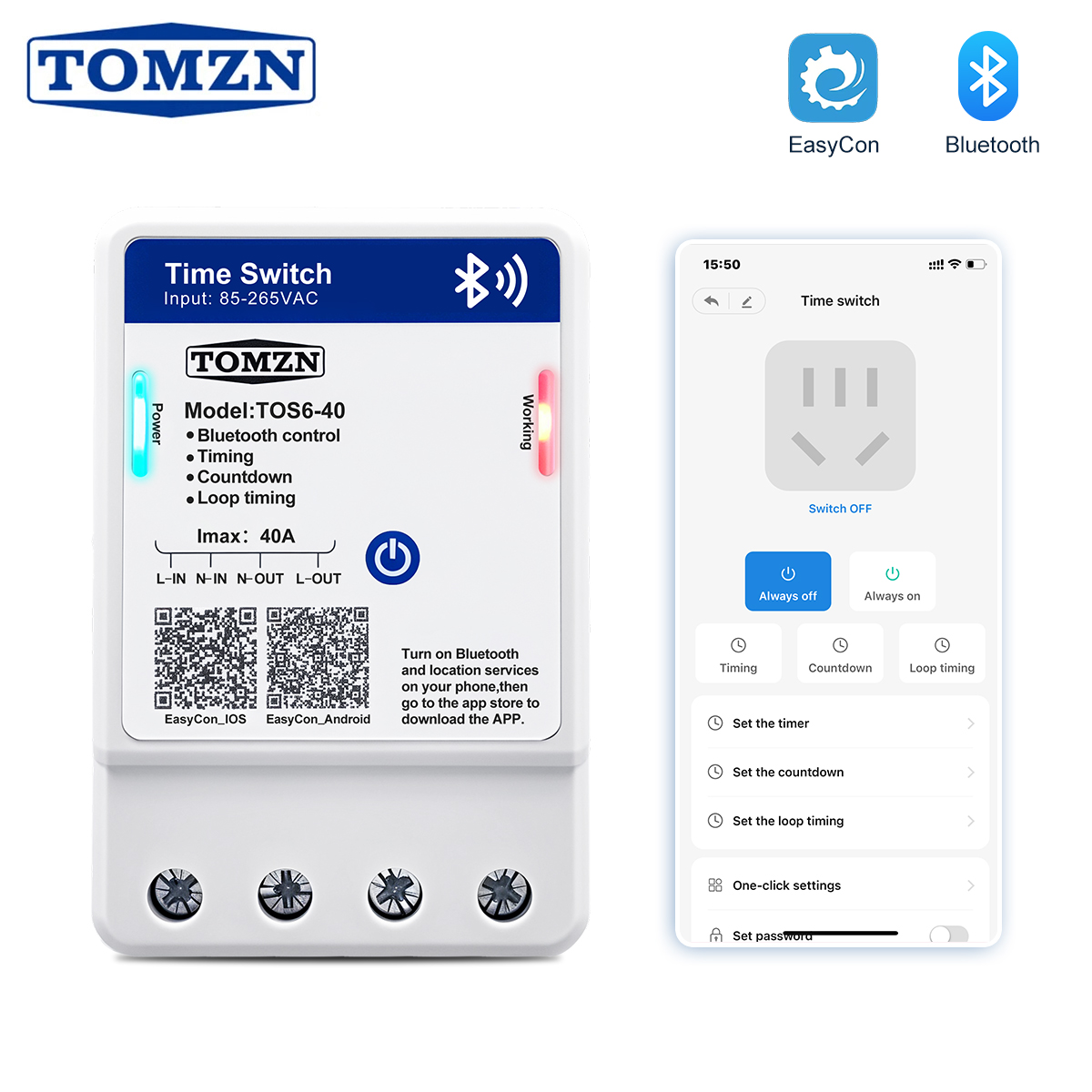
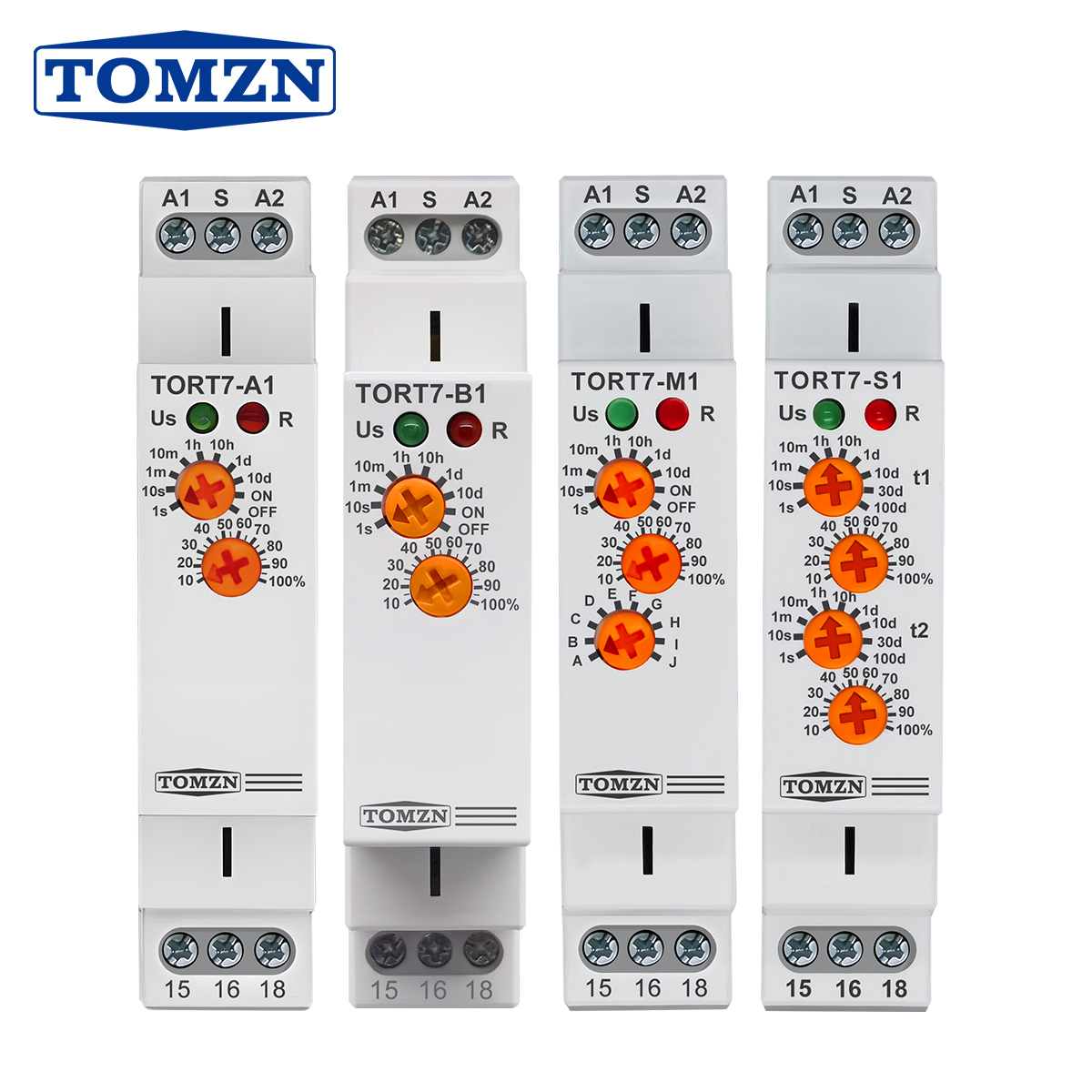
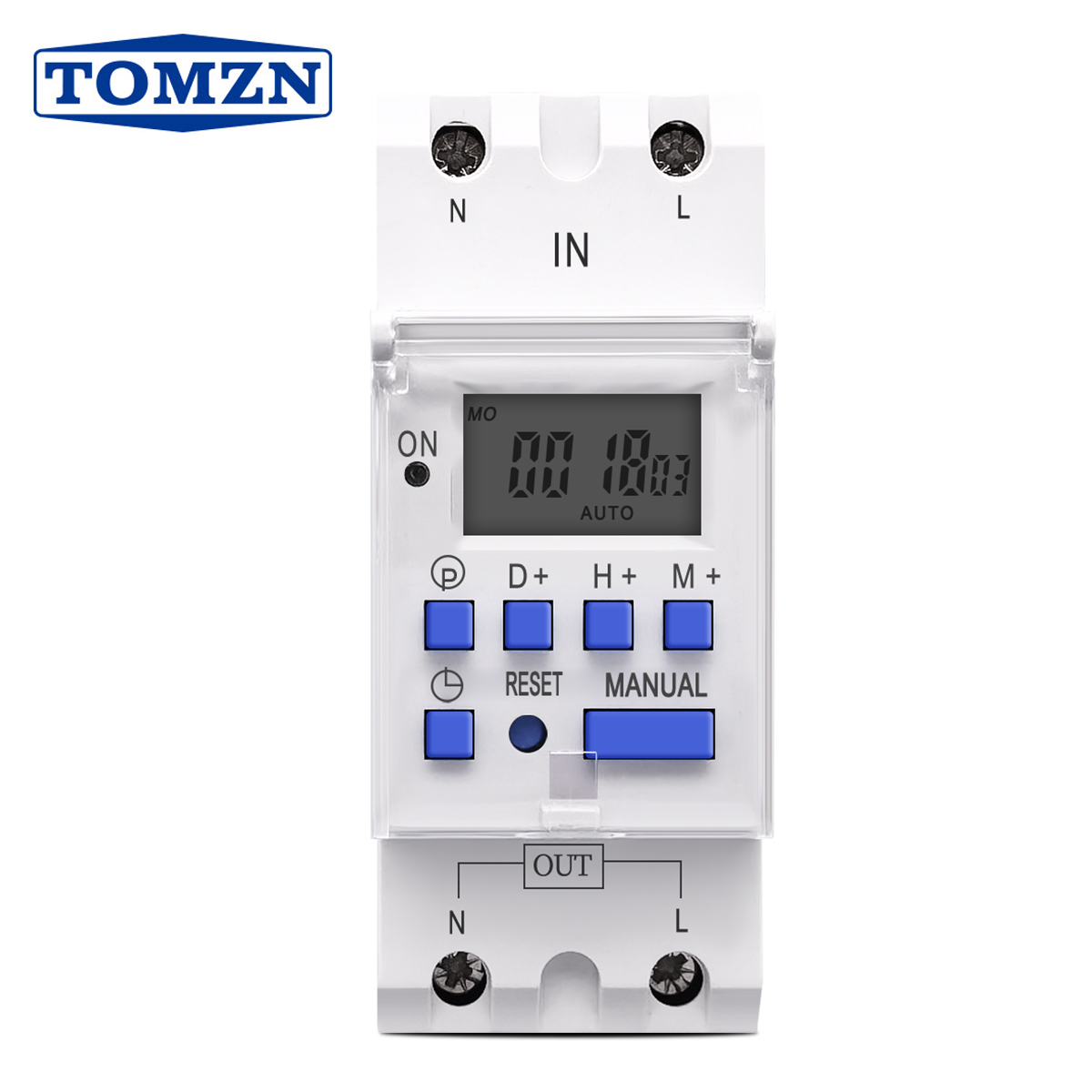
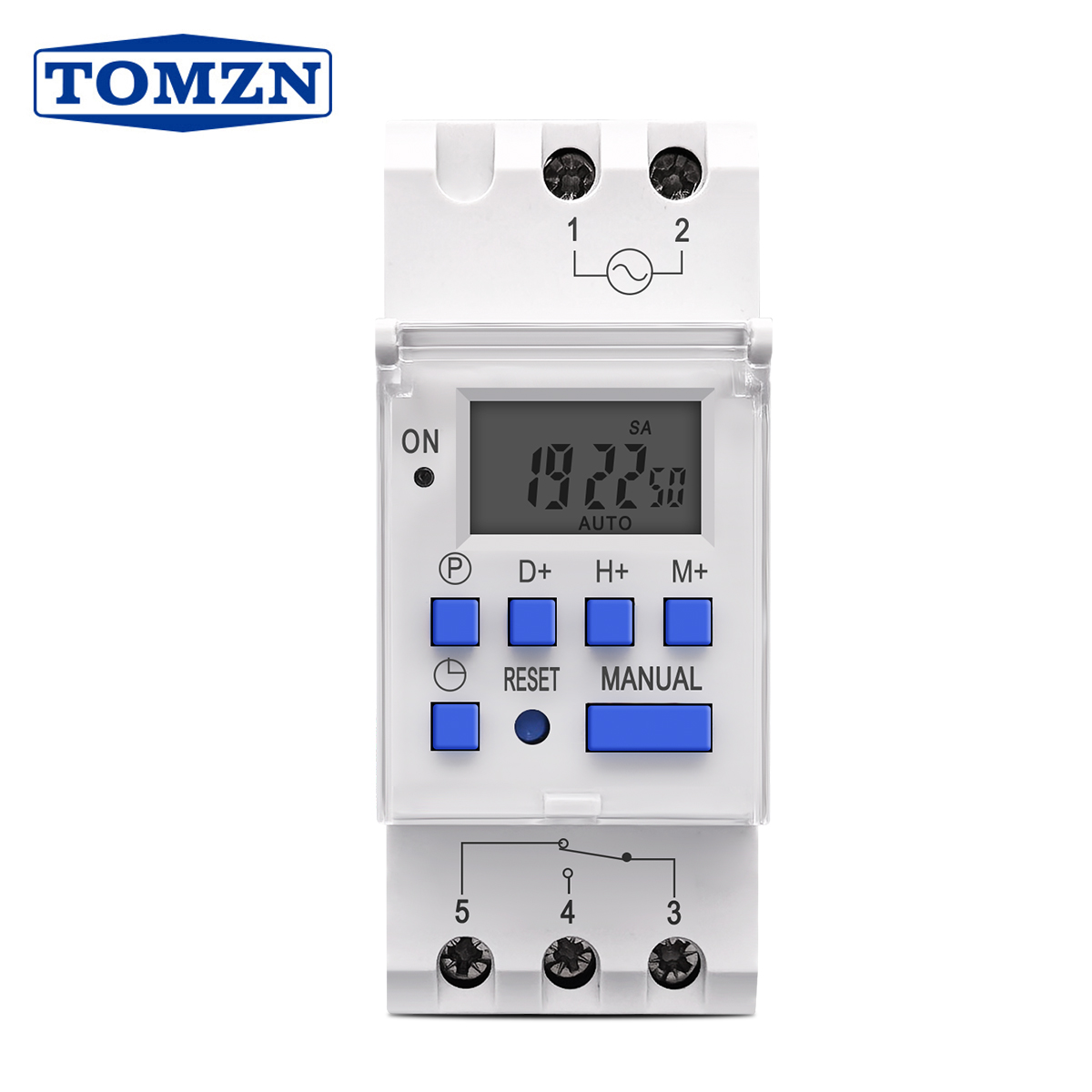
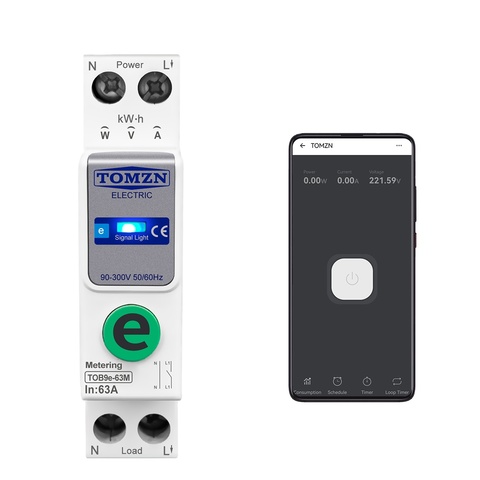
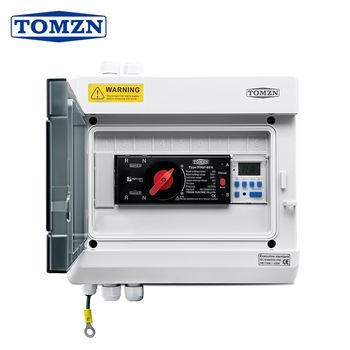
Addressing the specific grid topology, high seasonal insolation shifts, and extensive arterial thoroughfares of Myanmar’s Union Territory.
In Naypyidaw, electrical engineers face recurring maintenance bottlenecks with traditional cadmium-sulfide (CdS) photocell twilight sensors. The intense dry-season dust deposition across the Dekkhinathiri and Zabuthiri townships, followed by sudden monsoon washouts, alters optical surface transparency by up to 47% within 90 days. This optical degradation triggers premature illumination during daylight hours or delayed turn-off, causing immense baseline energy wastage.
Zhejiang TMB Electric’s astronomical time switches eliminate physical optical sensors entirely. Engineered with an embedded microchip executing a pre-loaded mathematical ephemeris algorithm, our switches calculate the exact geometric sunrise, sunset, civil twilight, and nautical twilight based on Naypyidaw’s precise coordinates (19.7633° N, 96.0785° E). The internal clock remains uncompromised by atmospheric particulate density, heavy torrential monsoon rains, or artificial shadow obstructions from newly erected commercial complexes.
Deploying astronomical switches along the expansive 8-lane and 20-lane boulevards connecting administrative ministries. Configured with dual-circuit midnight load shedding (staggered pole illumination) to reduce municipal tariff costs by 38% after 01:00 AM.
Coordinating agricultural pumping and irrigation circuits across the surrounding Lewe and Tatkone agricultural zones. Switches trigger heavy pump contactors strictly during peak solar generation curves to prevent generator thermal strain.
Installed inside low-voltage switchboards to control perimeter floodlighting, compound ventilation, and cooling towers. Designed with a wide operating window (AC 85V–265V) to survive severe brownouts and line surges without dropping scheduled cycles.
Analyzing key structural factors driving the migration from electromechanical analog dials to smart digital and astronomical time relays.
Naypyidaw’s feeder grids experience substantial voltage drops, routinely descending to 140V during peak evening loads, coupled with inductive back-EMF spikes reaching 280V. Modern procurement requirements mandate switching power supplies (SMPS) onboard timers capable of sustaining continuous operation between 85V and 265V without heating or memory loss.
Frequent blackouts render analog mechanical timers useless, as mechanical synchronous motors freeze and lose time synchronization. Municipal engineers now specify digital units containing rechargeable lithium cells or industrial supercapacitors that retain accurate clock time for a minimum of 3 to 5 years throughout sustained outages.
Navigating locked control panels across secure governmental districts in Naypyidaw presents logistical challenges. Installers increasingly require Bluetooth BLE-enabled switches (such as the TOS7-B series), enabling programming, calendar offsets, and emergency manual overrides from up to 15 meters via smartphone applications without unlocking enclosures.
| Switch Technology | Astronomical Ephemeris Switch | Optical Photocell (CdS Sensor) | Electromechanical Dial (Quartz) |
|---|---|---|---|
| Seasonal Accuracy | Mathematical Solar Curve (±1 sec/day) | Drifts due to lens dust and cloud cover | Requires manual adjustment every month |
| Power Outage Behavior | Internal Lithium Backup keeps real clock running | Operational only when continuous grid power is live | Mechanical wheel stops; clock accumulates cumulative delay |
| Naypyidaw Dust / Rain Vulnerability | Zero external vulnerability (sealed inside panel) | High failure rate; lens requires bi-monthly cleaning | Mechanical gear binding under tropical high humidity |
| Energy Optimization Capability | Supports Midnight Staggered Curtailment (Load Shedding) | All-or-Nothing operation; continuous full burn | Single-cycle fixed schedules only |
Engineered in Liushi, Wenzhou—the low-voltage capital of the world—under TÜV Rheinland verified protocols and ISO-certified manufacturing controls.
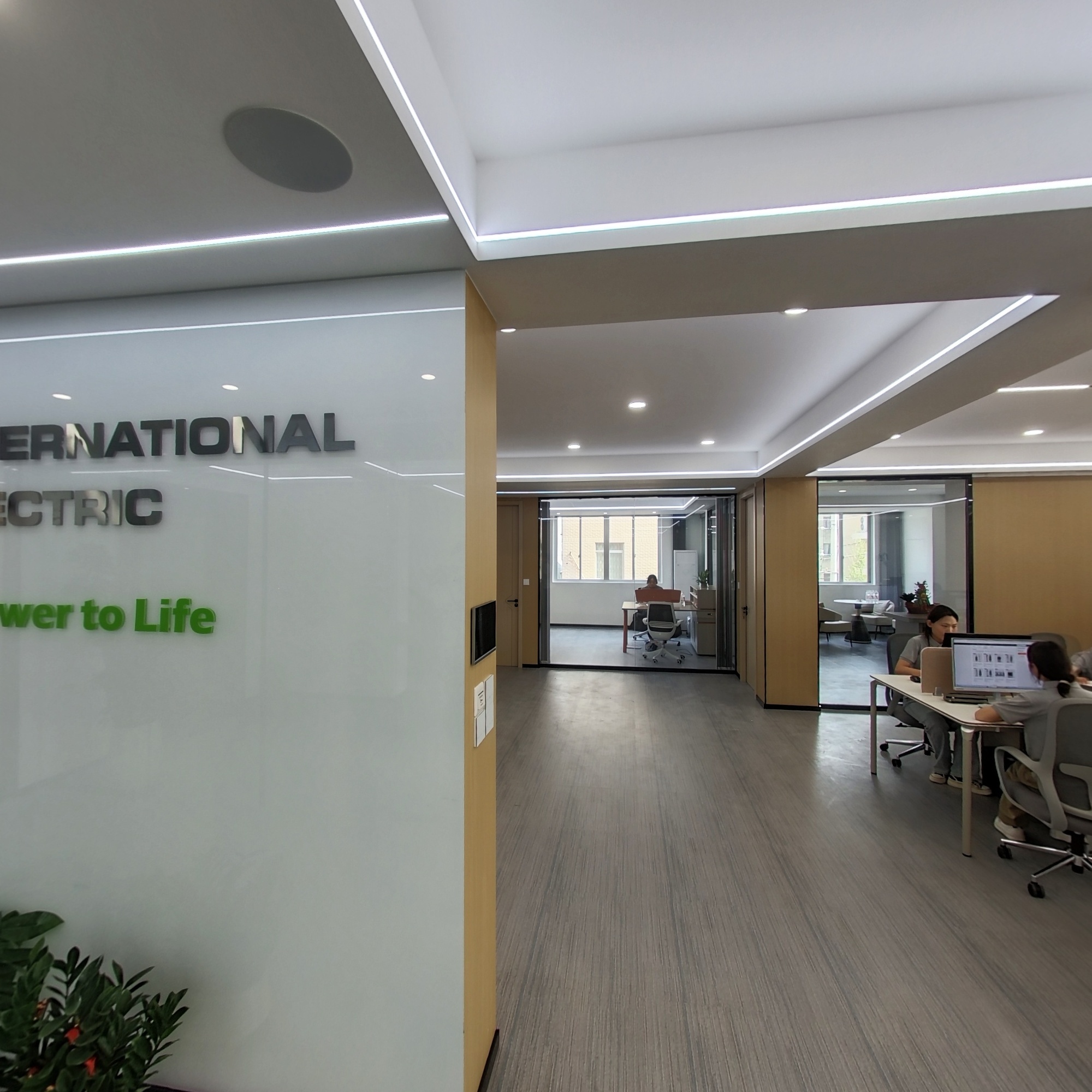
Physical on-site audit of our Liushi workshop confirms our supply chain transparency, cleanroom testing rooms, and QA routines.
Our timer relays and auxiliary circuits utilize high-content silver cadmium oxide (AgCdO) and silver alloy tips to combat contact welding during inductive inrush.
We supply complete distribution board ecosystems: pairing time switches with DC MCBs, automatic transfer switches (ATS), and modular AC contactors.
Low initial trial barriers starting from 1 to 5 pieces for sample engineering qualification, alongside private label packaging and OEM custom firmware options.


Ensure reliable operation and prevent premature contact burnout by reviewing key parameters before submitting a tender request.
A frequent error made across industrial zones in Myanmar is connecting high-pressure sodium (HPS) street lamps, metal-halide luminaires, or pump induction motors directly to a 16A-rated timer contact. While the resistive AC-1 rating may be 16A, the AC-5a/AC-5b lamp load capability drops to 3A–5A due to high capacitive driver inrush current. Always interpose a heavy-duty modular AC contactor (such as TMB 25A–63A contactors) to isolate high-energy arcs from the timer relay.
Naypyidaw’s terrain includes undulating hills and forested ridges, which alter perceived sunset horizons compared to flat coastal areas like Yangon. Our astronomical series allows users to program a custom offset time (e.g., ±1 to ±59 minutes) relative to computed civil twilight. This ensures high-visibility municipal security lighting activates well before shadow cast reduces thoroughfare safety.
During March, April, and May, Naypyidaw regularly encounters ambient temperatures surpassing 40°C. Inside an unventilated outdoor metal distribution pillar exposed to direct sun, temperatures can spike above 65°C. Specify timer models with high-grade V0 flame-retardant polyamide bodies and factor in an ambient derating multiplier of 0.8 to preserve electrical switching endurance.
Answers to common questions regarding customs, specifications, logistics, and on-site integration across Myanmar projects.