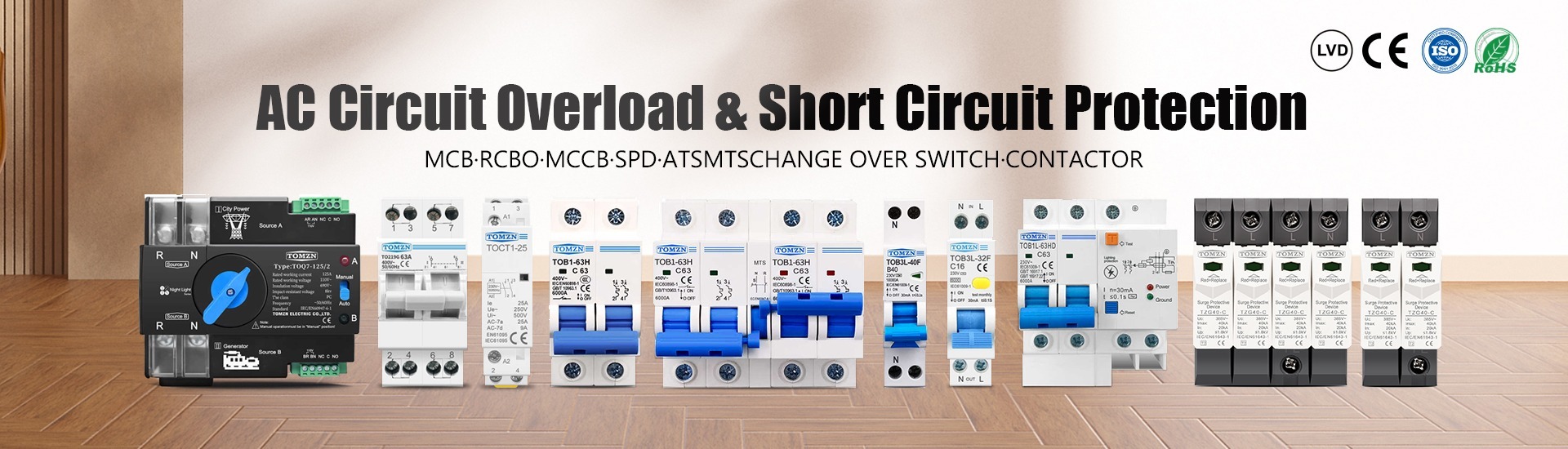
Commercial & Industrial Low Voltage Protection Line-up
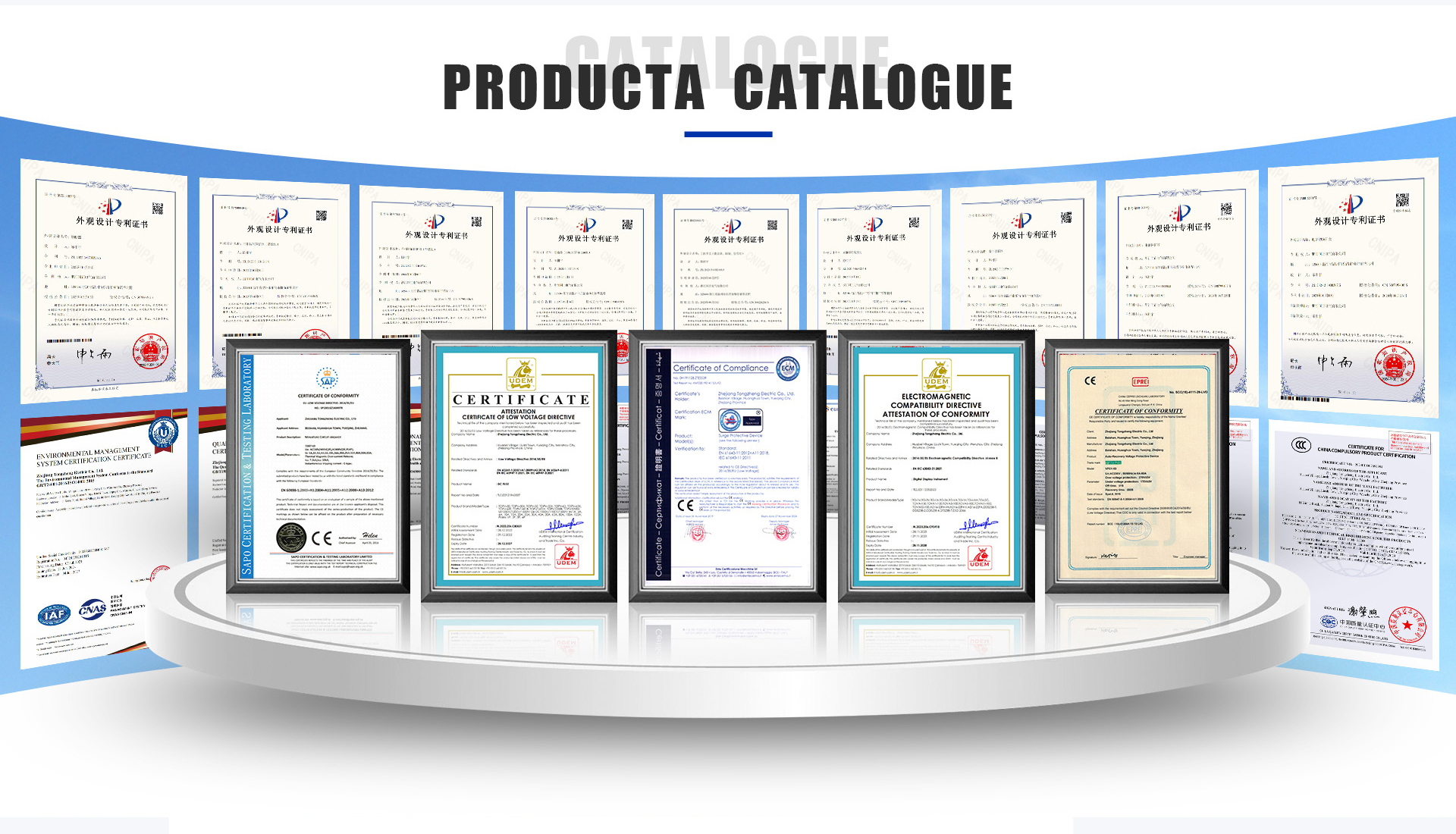
Sourced directly from our TÜV Rheinland-assessed manufacturing hub in Liushi, Wenzhou. Fully certified to CE, IEC/EN 61643-11 standards, and reinforced for Sandy Point Town’s coastal humidity, salt-spray corrosion, and generator-grid transfer transients.
Mitigating Transient Overvoltages in Tropical Island Electrical Networks
A rigorous examination of low voltage surge arrester architecture, lightning flashover kinetics, and dielectric coordination for Saint Kitts and Nevis electrical infrastructure.
Sandy Point Town, situated on the north-western coastline of Saint Kitts adjacent to the historic Brimstone Hill Fortress, represents one of the Caribbean's most challenging electrical environments. Exposed directly to maritime trade winds, persistent airborne saline particles, and violent convective tropical thunderstorms descending from Mount Liamuiga, local low-voltage electrical distributions operate under extraordinary physical and electrical stresses. For electrical wholesalers, procurement managers, and MEP engineering contractors operating within the Federation of Saint Kitts and Nevis, standard consumer-grade arresters consistently fail prematurely due to corrosive oxidation, thermal runaway, and insufficient discharge clamping speeds.
As a seasoned CE-certified manufacturer and global exporter rooted in Liushi Town, Wenzhou—China's primary electrical capital—Zhejiang TMB Electric Co., Ltd. produces industrial-grade Type 1, Type 2, and Type 3 Low Voltage Surge Arresters (Surge Protective Devices - SPDs) designed strictly in accordance with IEC 61643-11 and EN 61643-11 standards. This whitepaper analyzes the transient dynamics unique to the Sandy Point Town micro-grid, the technical parameters mandatory for dependable protection, and the critical role of coordinated cascade surge attenuation.
Direct & Inductive Lightning Transients
The Caribbean storm belt experiences ground flash densities ($N_g$) often exceeding 4 to 8 flashes/km²/year. Cloud-to-ground strikes on overhead utility feeders induce travelling voltage surges exceeding 15kV on 230/400V low voltage busbars within nanoseconds, requiring Class I ($I_{imp} \ge 12.5\text{kA}$) and Class II ($I_n \ge 20\text{kA}$) suppression.
Salt Fog & Galvanic Degradation
Sandy Point's shoreline position carries airborne chlorides continuously into distribution cabinets. Standard arresters suffer from tracking currents across polymer boundaries. TMB arresters utilize UL94-V0 flame-retardant polyamide housing, anti-corrosive silver-tin alloy contact blades, and hermetically sealed zinc-oxide discs.
SKELEC Grid & Generator Transfer Surges
With utility power supplied by St. Kitts Electricity Company (SKELEC) frequently backed up by automatic transfer switches (ATS) and diesel or solar inverter microgrids, sudden inductive load dropping generates extreme switching spikes ($L \cdot di/dt$), demanding robust non-linear zinc oxide varistor (MOV) arresters.
The Physics of Low Voltage Arrester Suppression: MOV and Spark Gap Technology
A surge arrester's primary mission is to restrict transient overvoltages below the impulse withstand voltage rating ($U_w$) of sensitive downstream equipment—such as micro-inverters, commercial refrigeration chillers, communication hubs, and digital timers. The core clamping element in Zhejiang TMB Electric's low voltage arresters is high-density Zinc Oxide ($\text{ZnO}$) metal varistors blended with proprietary bismuth and cobalt dopants. Under nominal utility operating voltages (such as 230V Phase-to-Neutral or 400V Phase-to-Phase at 60Hz), the varistor displays near-infinite electrical resistance, conducting leakage currents under $20\mu\text{A}$.
The instant an atmospheric strike or inductive grid fault creates a surge voltage exceeding the continuous operating voltage ($U_c$), the zinc oxide microcrystalline boundaries transition within 25 nanoseconds into a highly conductive state. The excess kinetic electrical charge is diverted safely through the grounding bus to Earth, clamping the residual voltage ($U_p$) to less than $1.2\text{kV}$ to $1.5\text{kV}$, well beneath the $2.5\text{kV}$ dielectric breakdown limit of standard electrical appliances.
Thermal Disconnector Dynamics & Fail-Safe Mechanics
A common vulnerability in tropical regions like Sandy Point Town is MOV thermal degradation resulting from prolonged Temporary Overvoltages (TOV), caused by open-neutral faults or severe phase unbalance on overhead lines. Under prolonged TOV, standard varistors overheat, creating fire risks. TMB Electric incorporates an internal low-melting-point solder alloy thermal disconnect mechanism backed by a micro-mechanical spring. Upon reaching an internal threshold temperature of $125^\circ\text{C}$, the disconnector mechanically trips, isolating the degraded MOV cartridge from the main circuit while rotating a bright red optical flag to the viewing window.
High-Reliability Application Scenarios Across Sandy Point Town
Field installations where CE-certified low voltage surge arresters are mission-critical across Saint Kitts commercial, municipal, agricultural, and domestic sectors.
Rooftop & Ground-Mounted Solar PV
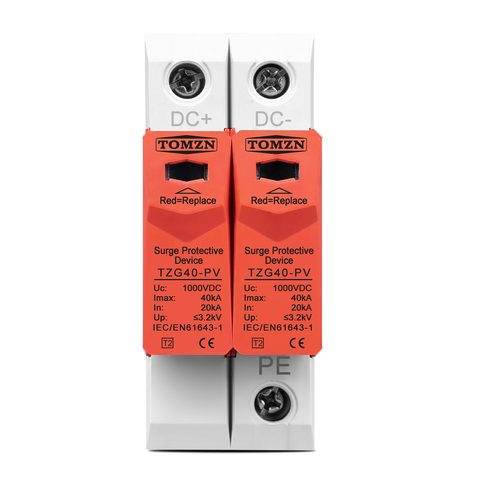
Sandy Point and surrounding coastal estates boast high solar irradiance. Rooftop arrays act as elevated lightning receptors. TMB DC SPDs (500V, 800V, 1000V DC) integrated into IP65 combiner boxes protect string inverters from lethal DC bus overvoltages.
Coastal Tourism & Eco-Resorts
Boutique hotels and heritage sites near Sandy Point rely on sophisticated HVAC, refrigeration, and smart lighting systems. Installing Type 2 AC arresters at main intake panels prevents catastrophic PCB failure during coastal thunder squalls.
Standby Generators & ATS Stations
During hurricane seasons, backup diesel generators take over frequent SKELEC outages. Fast automatic transfer switches generate contact arcing and switching surges that destroy variable frequency drives unless clamped by heavy-duty arresters.
Telecom & Water Pumping Wells
Municipal water borehole pumps and cellular transmission masts on the lower slopes of Mount Liamuiga face extreme inductive surge back-feeding. TMB Type 1+2 hybrid arresters safeguard critical municipal pumping motors and PLCs.
Saint Kitts Sustainable Island State Transformation
Analyzing renewable energy mandates, grid modernization, and electrical distribution protection trends across Sandy Point Town through 2030.
The Government of Saint Kitts and Nevis has embarked on an ambitious journey to transform the twin-island nation into the Caribbean's first recognized "Sustainable Island State." Central to this economic vision is a planned diversification away from high-cost, imported diesel fuel toward decentralized renewable energy, notably utility-scale solar photovoltaics, battery energy storage systems (BESS), and commercial rooftop solar arrays. As Sandy Point Town expands its residential sectors and revamps local fishing, light processing, and logistics facilities, the electrical topology is evolving rapidly from a passive radial grid into an active, bidirectional distributed energy network.
This technical evolution presents four distinct paradigm shifts for low voltage electrical protection equipment:
- Higher Voltage Photovoltaic Strings (1000V DC Standard): Modern residential and commercial solar installations in St. Kitts are transitioning from legacy 600V DC architectures to high-efficiency 1000V DC strings. Installers require specialized 2-Pole and 3-Pole DC surge arresters capable of enduring continuous $U_{cpv}$ ratings of $1060\text{V}$ without degrading under intense Caribbean ambient solar heat.
- Bidirectional Power Inversion & Harmonics: Grid-tied inverters introduce high-frequency switching harmonics and micro-transients onto local 230/400V 60Hz feeder lines. Low voltage arresters must possess flat frequency response characteristics and high non-linear exponent coefficients ($\alpha \ge 40$) to prevent spurious tripping or accelerated heating.
- Climate-Resilient Grid Hardening: In the wake of intense Atlantic cyclonic activity, SKELEC and regional contractors prioritize hardware durability. Surge arresters must pass rigorous salt-mist spray tests (ASTM B117 / IEC 60068-2-11) and maintain IP20 touch-safe ingress ratings inside IP65 sealed distribution enclosures.
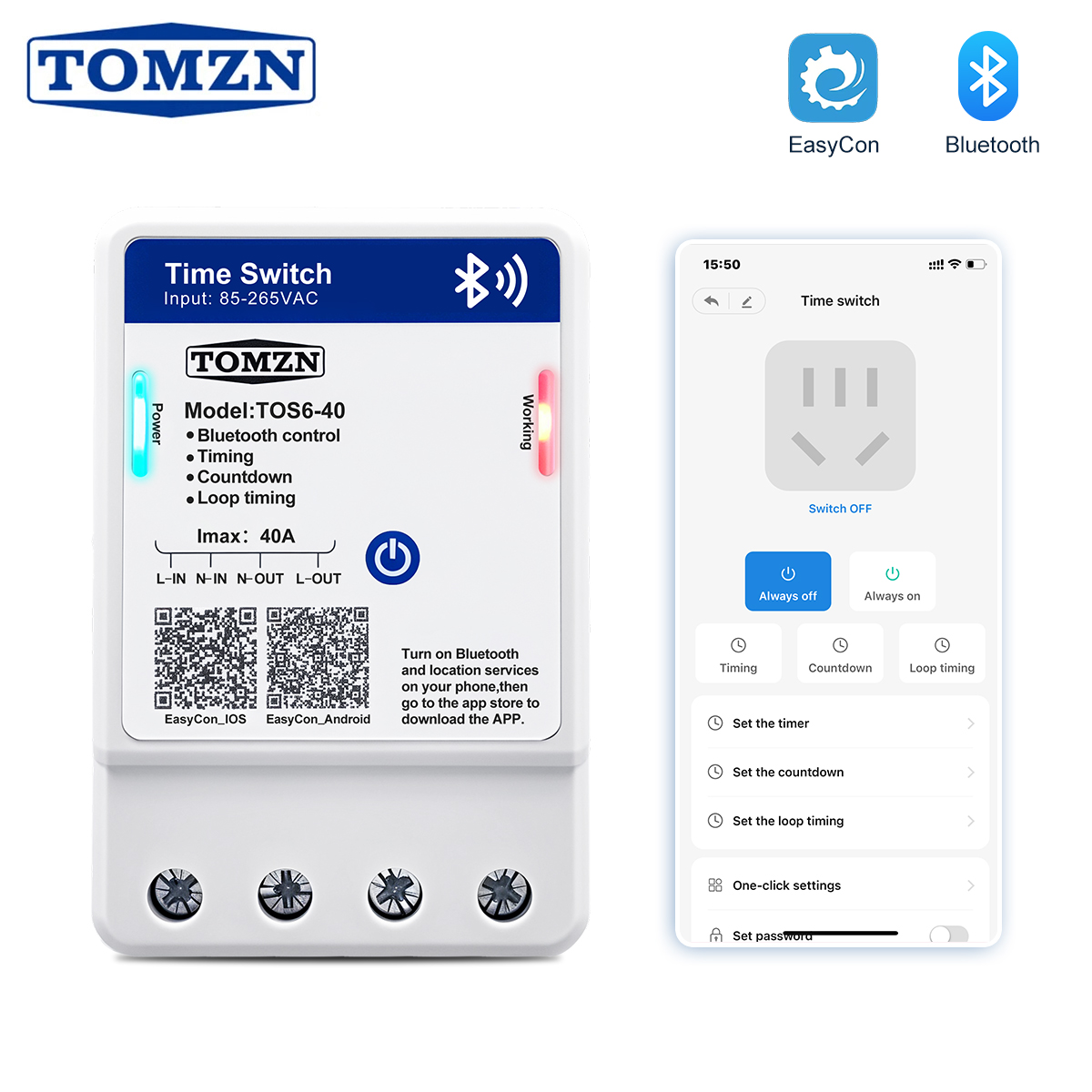
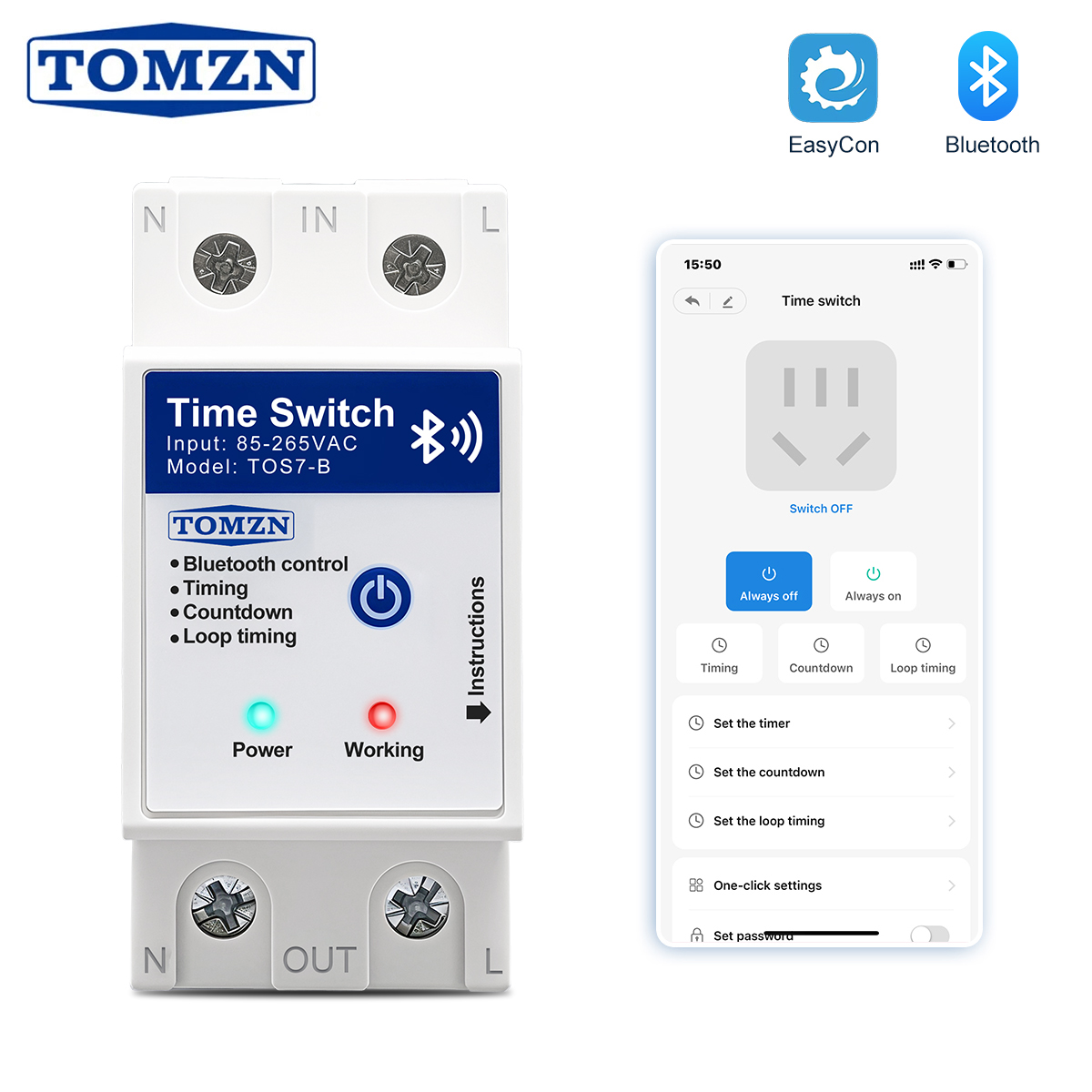
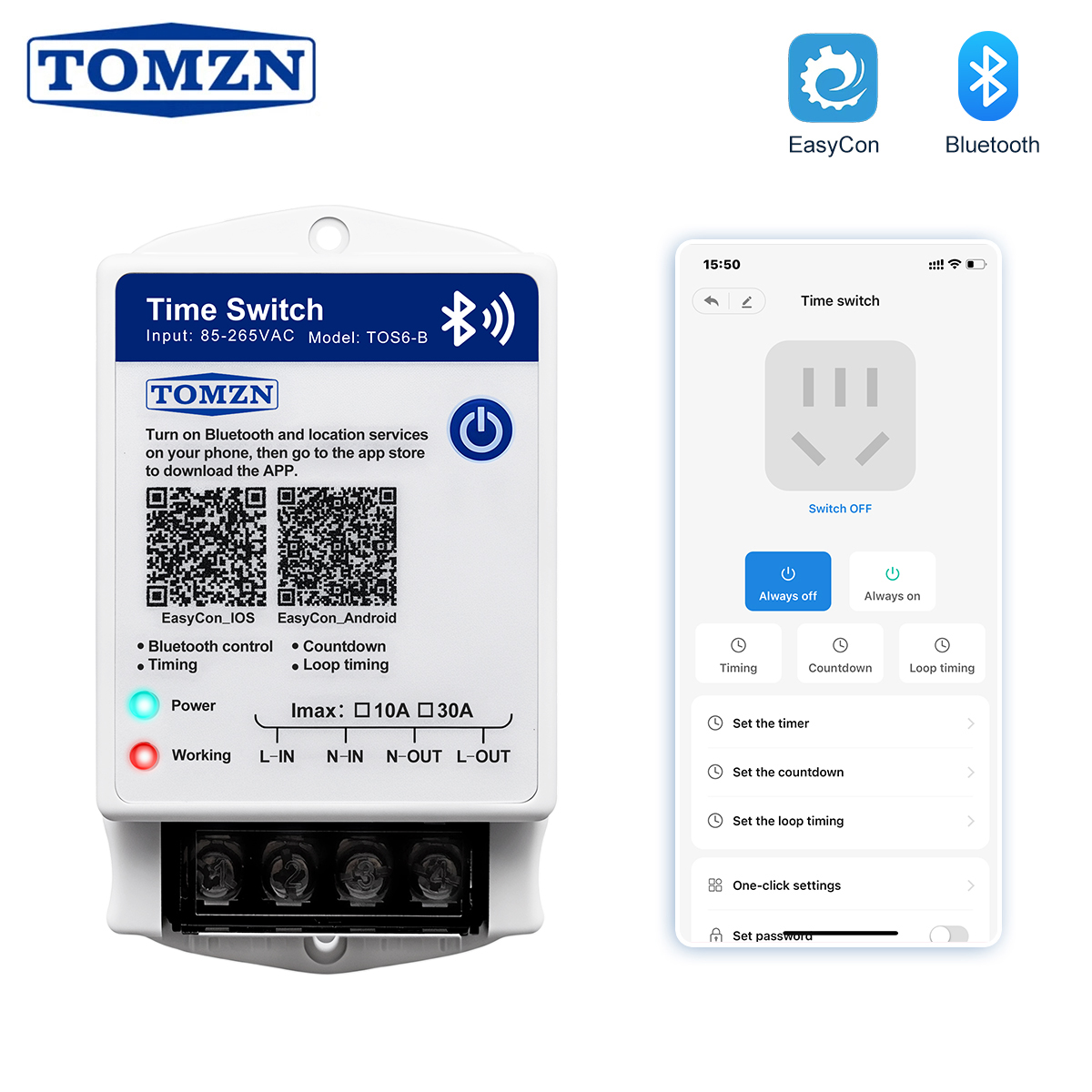
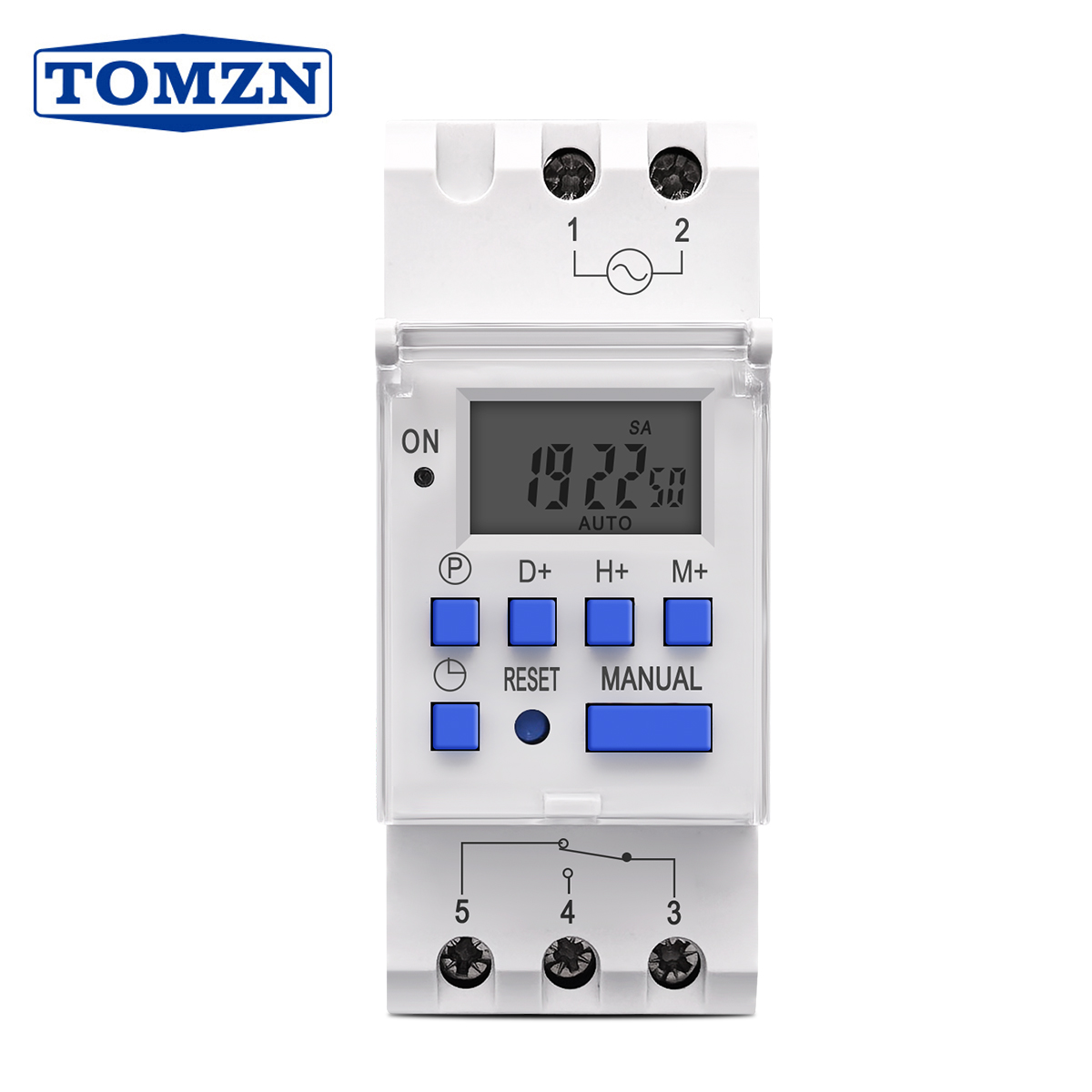
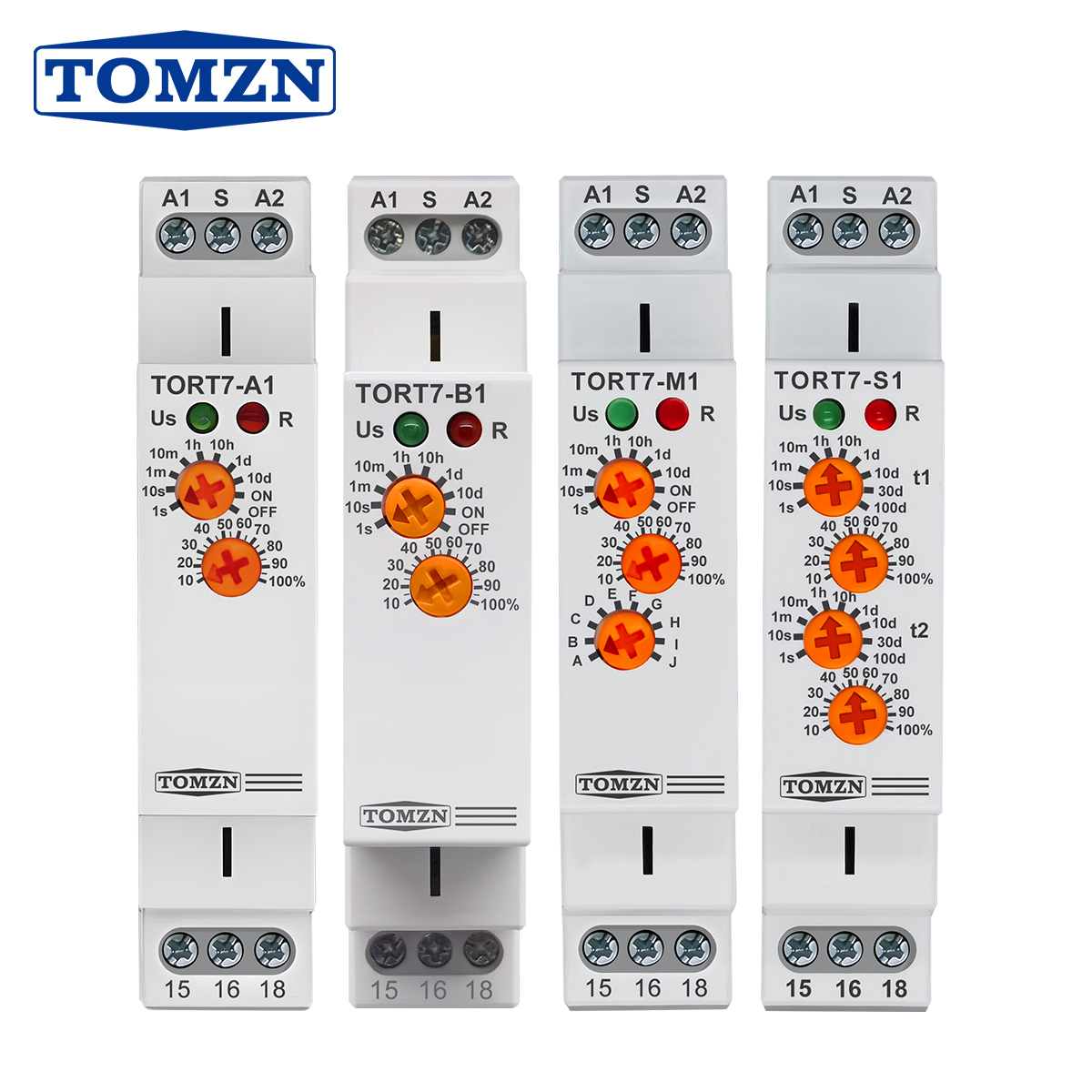
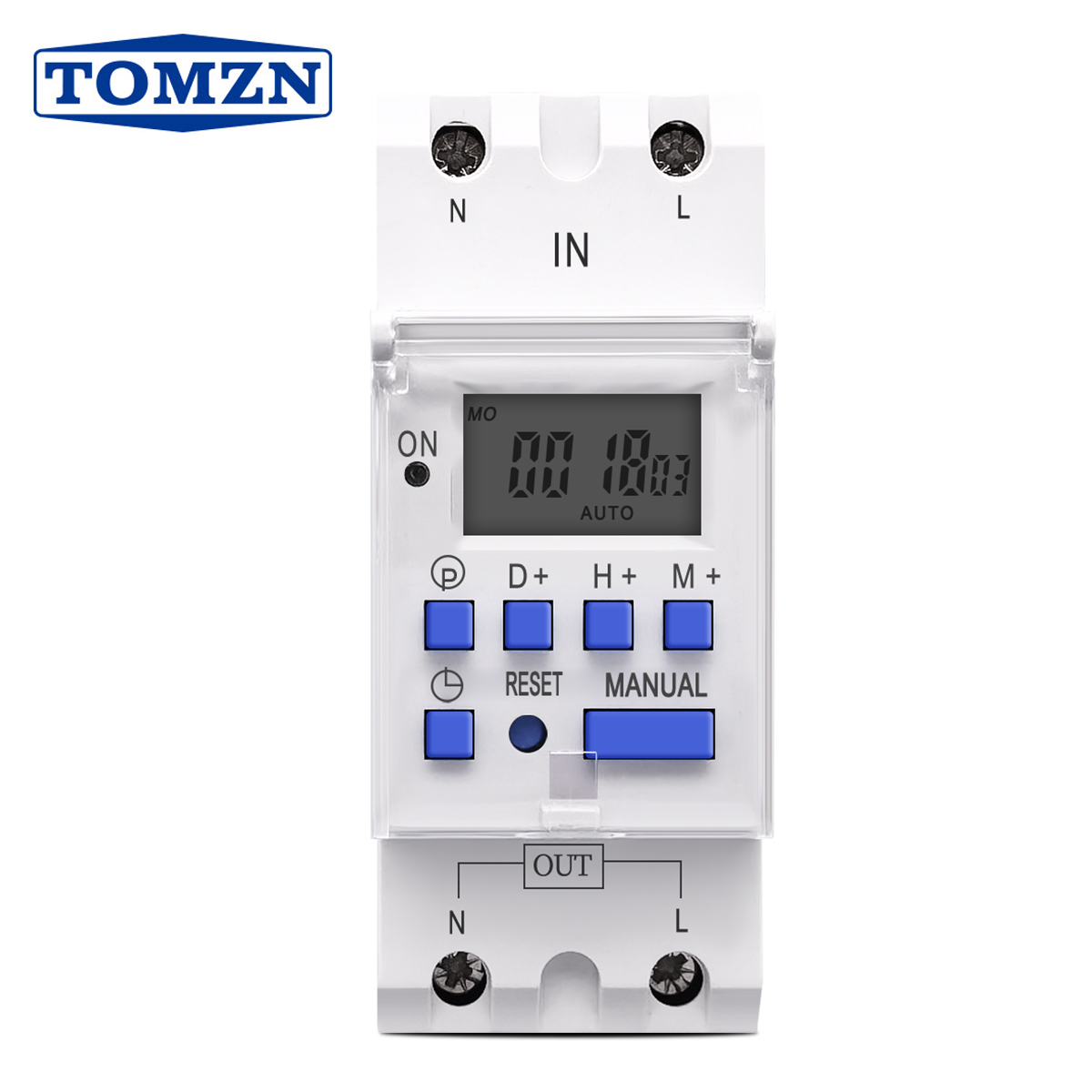
- Modular Smart Automation & Load Scheduling: To optimize battery storage during peak solar hours, electrical contractors in Sandy Point are coupling surge arresters with intelligent DIN-rail controls, such as TMB's Bluetooth programmable switches (TOS6, TOS7-B) and automated digital timer relays, establishing self-regulating micro-circuits.
Engineering Parameter Specification Guide for Low Voltage Arresters
Before purchasing or specifying low voltage arresters for delivery into Saint Kitts, consulting engineers and electrical distributors should match system parameters using the comparative engineering matrix below:
| Arrester Class (IEC / EN) | Target Application In Sandy Point | Continuous Voltage ($U_c$) | Nominal Discharge ($I_n$) | Max / Impulse ($I_{max} / I_{imp}$) | Voltage Protection ($U_p$) | Recommended Upstream Backup Fuse |
|---|---|---|---|---|---|---|
| Type 1 (Class B) | Main Intake / Service Entrance with external lightning rod | 275V / 440V AC | 25kA (8/20µs) | 12.5kA / 25kA (10/350µs) | ≤ 2.0 kV | 250A gG / gL |
| Type 1+2 (Class B+C) | Commercial Combiner Panels & High-Risk Shoreline Buildings | 275V / 385V AC | 20kA (8/20µs) | 7kA–12.5kA (10/350µs) | ≤ 1.5 kV | 125A–160A gG |
| Type 2 (Class C) | Sub-Distribution Boards, Residential Incomers, PV AC Inverters | 275V / 385V AC | 20kA (8/20µs) | 40kA (8/20µs) | ≤ 1.35 kV | 63A–80A gG |
| Type 2 DC PV (Class C) | Solar Array String Combiner Boxes & Inverter DC Inputs | 600V / 1000V DC | 20kA (8/20µs) | 40kA (8/20µs) | ≤ 3.2 kV (at 1000V) | 20A–32A 1000V DC Fuse |
| Type 3 (Class D) | Point-of-Use Protection for Medical, Telecom & Server Cabinets | 230V AC | 3kA–5kA (8/20µs) | 10kA (8/20µs) | ≤ 1.0 kV | 16A MCB (C-Curve) |
Zhejiang TMB Electric Co., Ltd. — Your Direct Factory Partner
Twenty-four years of specialized low-voltage circuit protection manufacturing, backed by TÜV Rheinland on-site audits, CE compliance, and full export supply chain integration.
When sourcing low voltage surge arresters, DC circuit breakers, and automated DIN-rail control devices for import into Sandy Point Town or regional Caribbean ports, intermediary markups and dubious quality certificates undermine business margins and end-user safety. Zhejiang TMB Electric Co., Ltd. (operating from Huabei Village, Liushi Town, Wenzhou, Zhejiang, China) offers overseas buyers a verified, direct-from-manufacturer advantage.
Liushi Industrial Ecosystem
Located in the epicenter of China's electrical apparatus cluster. Tooling, precision stamping, copper contact alloy fabrication, and flame-retardant injection molding take place within a 5km radius, minimizing lead times and raw material variance.
TÜV Rheinland Assessed
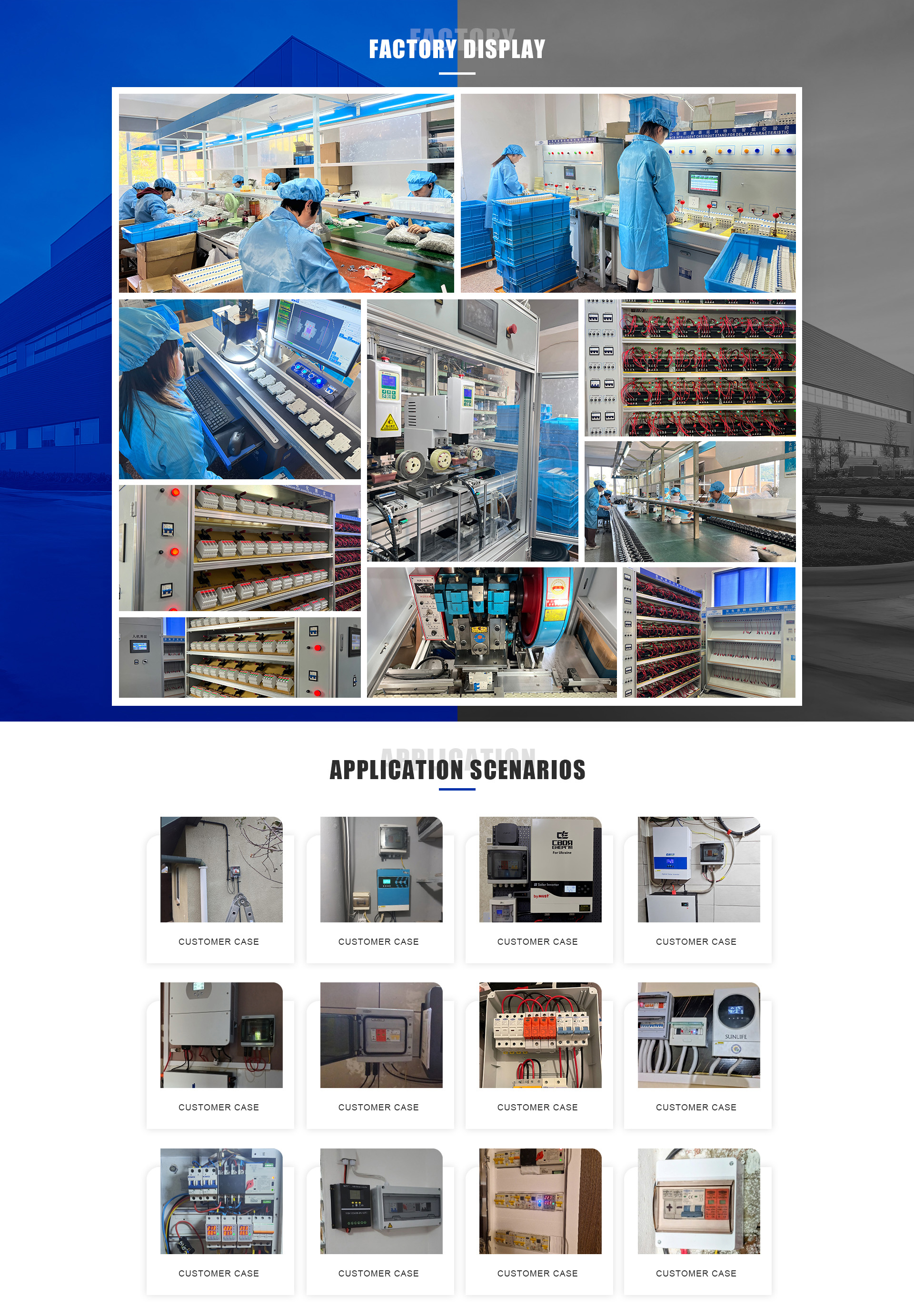
Our 5,700 m² factory footprint and 92 full-time staff undergo stringent on-site assessment by TÜV Rheinland. We hold verified annual export revenues exceeding US$ 3.3 million, proving seasoned international trade execution.
Flexible OEM/ODM & 5-Piece MOQ
We support local brand building for St. Kitts electrical distributors with private labeling, custom multi-pole SPD configurations, and branded packaging. Low trial MOQ from just 5 pieces allows sample verification prior to full container orders.
Our Six-Stage Quality Assurance Protocol for Arrester Manufacturing
Every single surge protective cartridge and DIN-rail module leaving our Wenzhou warehouse passes through non-negotiable verification gates:
- Varistor Disc Batch Sorting: 100% testing of $\text{ZnO}$ varistor discs for varistor voltage ($U_v$ at 1mA DC) and leakage current ($I_L \le 20\mu\text{A}$).
- Impulse Current Withstand Test: Type-testing batches using our high-energy 8/20µs and 10/350µs current surge generator to verify maximum clamping capacity without flashover.
- Thermal Disconnect Mechanism Check: Simulating prolonged overvoltage heating to confirm thermal spring detachment within designated safety windows.
- Dielectric & High-Potential Insulation: Checking insulation resistance ($>100\text{M}\Omega$) at 500V DC between active terminals and DIN rail mounting grounds.
- Environmental Stress Screening: Accelerated salt-spray and thermal cycle testing (-40°C to +85°C) to simulate Sandy Point's tropical maritime climate.
- Final Optical & Cartridge Fit Audit: Verifying mechanical flag indicators, terminal screw torque specifications (3.5 N·m), laser markings, and barcode tracking.
Frequently Asked Questions for Sandy Point Town Wholesalers & Contractors
Comprehensive technical and commercial responses addressing voltages, certifications, earthing systems, and Caribbean shipping logistics.
What specific utility voltage ratings should I specify for arresters deployed in Sandy Point Town?
Are CE-certified low voltage arresters legally accepted by electrical inspectors in St. Kitts and Nevis?
How does earthing system configuration (TT, TN-S, TN-C-S) affect arrester pole selection in Sandy Point?
Can low-voltage surge arresters withstand hurricane-season direct lightning strikes?
What is your Minimum Order Quantity (MOQ) and sample policy for Caribbean buyers?
What are the shipping routes, lead times, and sea freight logistics from Ningbo/Shanghai to Saint Kitts?
Request Engineering Datasheets & Wholesale Arrester Quotations
Connect directly with our international export engineering department in Wenzhou. We provide single-line diagram surge reviews, bespoke combiner box schematics, and competitive factory-direct pricing for the Sandy Point Town electrical market.