Core PV DC Protection & Industrial Control Portfolio
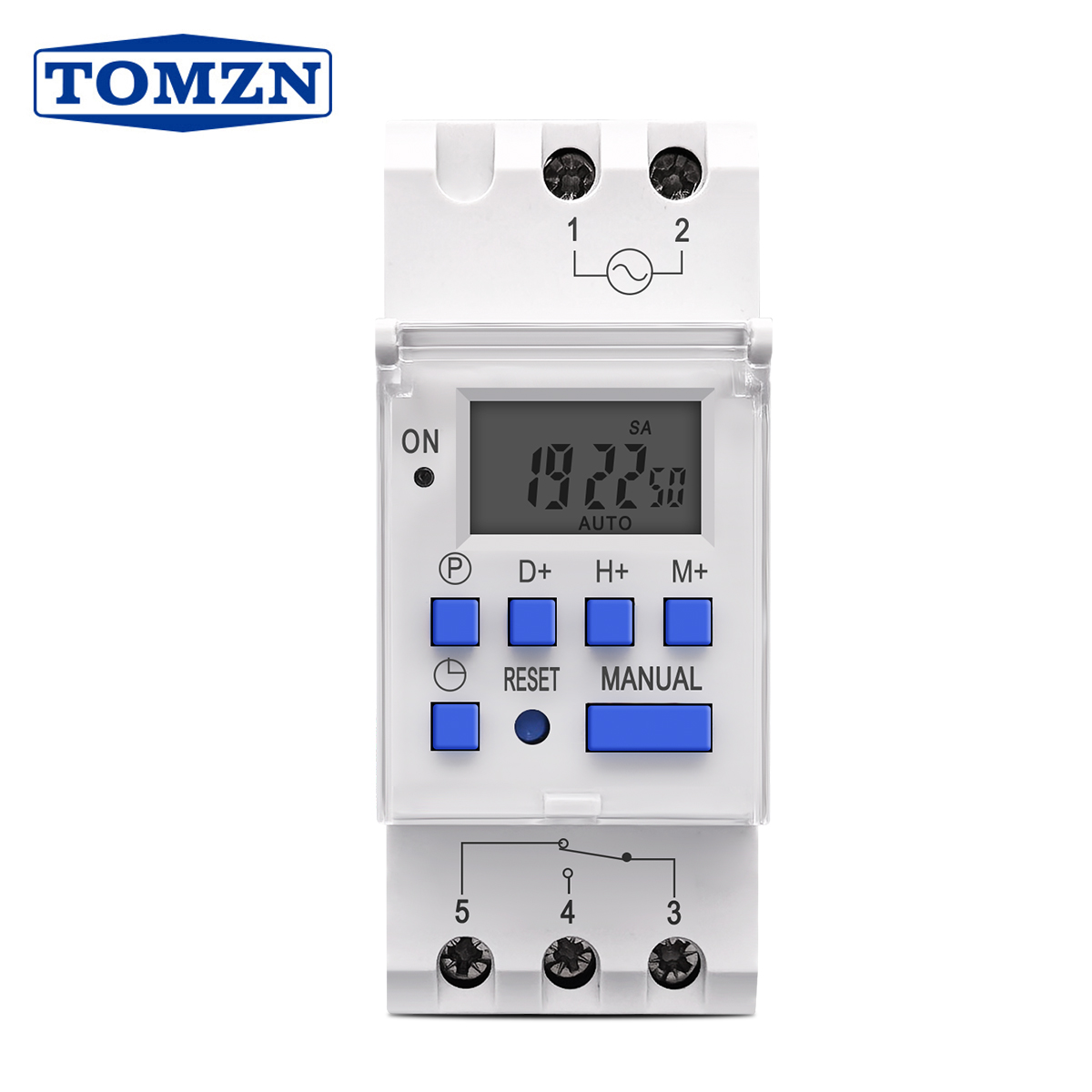
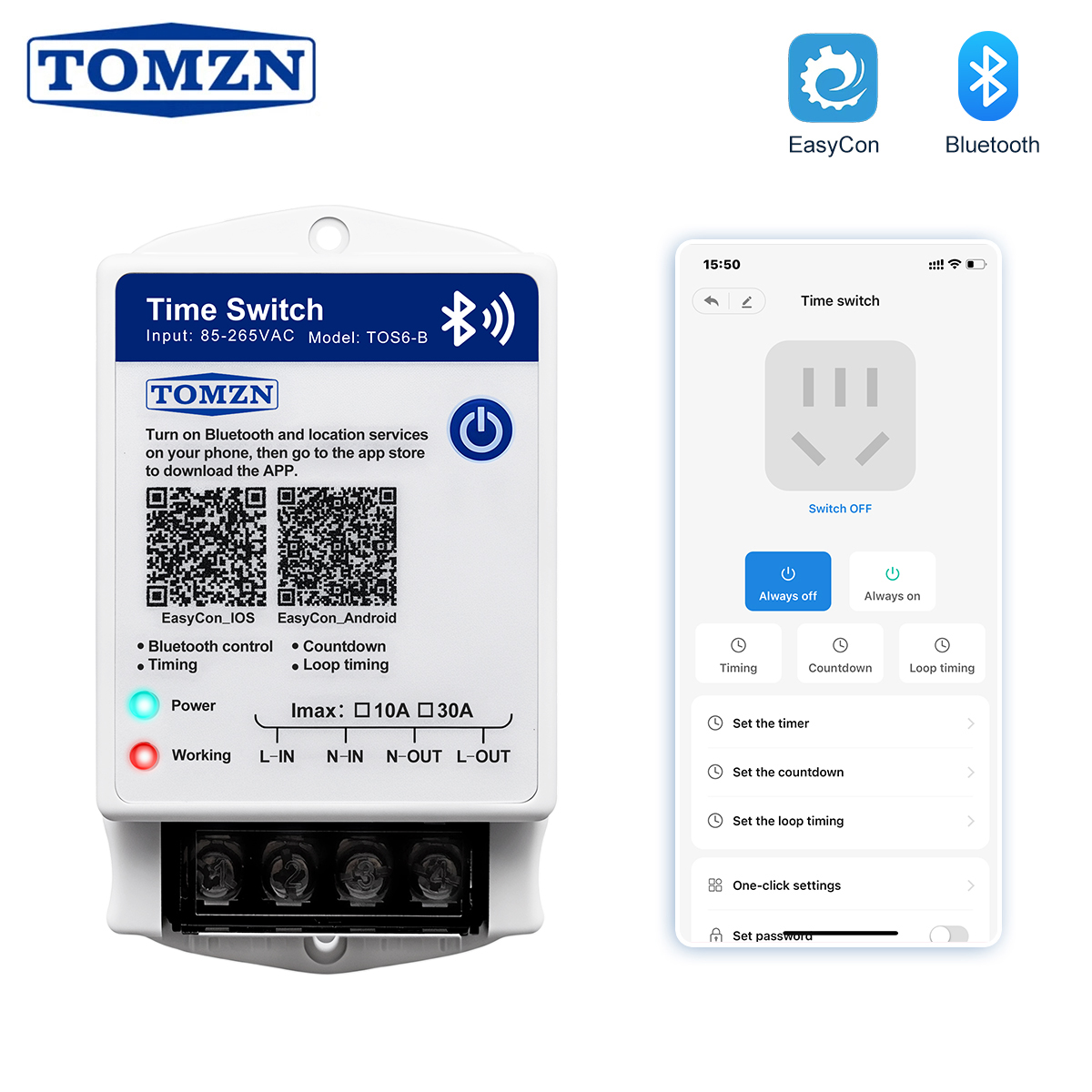
Tested for extreme thermal cycles and harsh particulate resistance, serving photovoltaic installations, transfer subsystems, and dynamic timing controls.




Technical Whitepaper: Engineering DC Disconnect Switchgear for the Nablus Commercial & Industrial Basin
The deployment of photovoltaic (PV) generation across the Northern West Bank—anchored prominently by the municipality of Nablus, the Beit Furik agricultural corridor, the Rafidia commercial sector, and the Eastern Industrial Zone—has transitioned rapidly from supplementary rooftop arrays to mission-critical infrastructure. As the Northern Electricity Distribution Company (NEDCO) navigates ongoing grid capacity constraints, transmission intermittency, and regional power quota caps, commercial enterprises and domestic users increasingly deploy hybrid solar-plus-storage topologies. In these demanding environments, the safety, compliance, and thermal durability of the direct current (DC) disconnect switch determine overall system survivability.
Unlike alternating current (AC) networks where natural voltage zero-crossings occur every 10 milliseconds (at 50 Hz), direct current from energized photovoltaic strings maintains an unbroken, continuous potential. When an operator or an automatic fail-safe disconnects an energized circuit under full solar load, the resulting electric arc cannot self-extinguish without specialized physical intervention. If an inferior switch or an unrated AC mechanism is incorrectly introduced into a Nablus facility, the drawn sustained arc produces catastrophic temperatures exceeding 4,000°C, leading to catastrophic enclosure melt-down, terminal welding, and high-risk electrical fires.
For electrical contractors, solar panel builders, and municipal project managers across Nablus, sourcing CE-certified solar disconnect switches compliant with IEC/EN 60947-3 (Utilization Category DC-PV1 and DC-PV2) is not simply an engineering recommendation; it is an uncompromising operational requirement.
Zero-Cross Arc Quenching
Equipped with internal permanent magnetic blowout chutes and splitter plates that forcefully stretch, fragment, and rapidly cool electric arcs during DC circuit disruption.
Thermal Derating Resilience
Engineered with oversized electrolytic silver-nickel (AgNi0.15) alloy contact tips designed to operate at sustained ambient temperatures exceeding 45°C without contact degradation.
Limestone Dust Ingress Sealing
Robust IP66 and IP65 outer poly-carbonate enclosures that completely isolate internal contacts from airborne limestone particulates generated by Nablus quarries.
Localized Application Scenarios in Nablus & Surrounding Municipalities
Solar installations in the Nablus district operate under distinct environmental stresses that differentiate them from standard European or coastal installations. Sited within a mountainous valley terrain ranging from 550 meters to over 900 meters above sea level, installations experience intense ultraviolet (UV) radiation, severe diurnal temperature fluctuations, and substantial atmospheric dust containing alkaline calcium carbonate derived from local stone-cutting yards. Below are the primary deployment profiles where Zhejiang TMB Electric Co., Ltd. disconnect switches and combiner systems excel:
1. Limestone Quarries & Stone Fabrication Plants (Eastern Industrial Zone)
The stone-processing belt in Eastern Nablus relies heavily on medium-scale PV installations (50 kW to 250 kW) to offset punitive peak-tariff diesel generator running costs. In these facilities, heavy vibratory machinery and thick ambient particulate coatings pose extreme threats to rotary switch mechanisms. TMB's IP66 UV-stabilized disconnect switches utilize continuous cellular rubber sealing gaskets and high-torque rotary operators that prevent micro-dust ingress, completely mitigating phase-to-ground flashovers and mechanical actuator lockup.
2. Commercial Rooftops & Cold Storage Warehouses (Beit Iba & Rafidia)
Commercial cold storage units housing perishable foods, olive oils, and pharmaceutical distribution centers cannot afford erratic power trips or safety switch failures. In these grid-tied distributed architectures, string voltages frequently operate at 800V to 1000V DC. Our high-voltage DC miniature disconnect switches and modular DC MCCBs provide emergency manual isolation within reach of the inverter arrays, allowing immediate mechanical cut-off during system inspection, inverter maintenance, or grid reconnection sequences.
3. Solar Deep-Well Agricultural Pumping (Tubas & Jordan Valley Transitions)
Water pumping systems on the outskirts of Nablus district run directly on variable frequency drive (VFD) solar inverters without battery stabilization. These systems generate erratic open-circuit voltages ($V_{oc}$) during peak midday irradiance shifts. The integration of TMB 1000V DC MCBs alongside dual-power automatic transfer switches (ATS) facilitates seamless, arcless transitions between the solar pump controller and local backup generator networks during winter cloud-cover periods.
| Switch Type / Series | Nominal DC Voltage ($U_e$) | Rated Current ($I_n$) | Utilization Category | Ingress Protection | Recommended Nablus Project Siting |
|---|---|---|---|---|---|
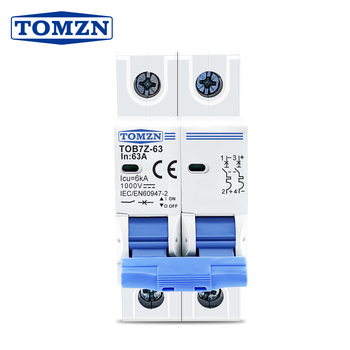
| TMB DC-MCB 2P 1000V | 1000 V DC | 16A, 32A, 63A | DC-PV2 (IEC 60947-3) | IP20 (DIN) / IP65 Box | String combiner boxes, residential rooftops in Rafidia |
| TMB Rotary DC Isolator | 1000V / 1200V DC | 25A, 32A, 40A | DC-21B / DC-PV1 | IP66 External | Exposed rooftop inverter isolator, stone industrial zones |
| TOM7Z Molded Case DC | 1000 V DC | 100A, 160A, 250A | DC-PV2 Heavy Duty | IP20 / Sub-distribution | Central battery storage bank main cutoff, utility carports |
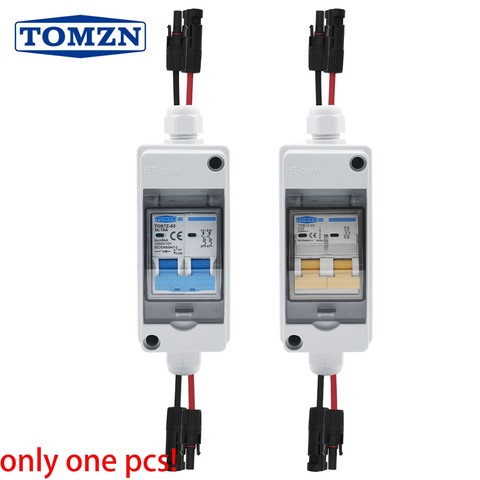
| Pre-Wired IP65 PV Box | 600V / 1000V DC | 1-In 1-Out / Multi | System Complete | IP65 Enclosure | Agricultural pump arrays, commercial rooftop fast-installs |
| TOQ3 Dual ATS Modular | 230V / 400V AC | 63A, 100A, 125A | AC-31B / AC-33B | DIN Mount Modular | Critical backup failover, solar-to-diesel generator switching |
Procurement Realities & Renewable Energy Trends Across the West Bank (2025–2030)
The renewable energy procurement matrix in Palestine is governed by unique logistics pathways and stringent international validation standards. Because engineering components entering via Ashdod Port or through logistical clearing channels in Jordan must undergo rigorous scrutiny, local EPCs and panel-building switchboard manufacturers cannot afford customs impoundments caused by missing or non-accredited compliance paperwork.
Three macro trends define the present Nablus procurement climate:
- Transition from 600V to 1000V/1500V Array Platforms: To minimize wiring losses and balance-of-system (BOS) copper cabling costs, engineers are expanding string lengths. This drives the imperative for disconnect switches capable of handling higher dielectric stresses without flashover breakdown.
- Hybrid Solar-Storage Integration: Battery Energy Storage Systems (BESS) based on Lithium Iron Phosphate (LiFePO4) chemistry are becoming standard across Nablus commercial complexes. Bi-directional DC isolation requires switches with non-polarized magnetic blowouts, guaranteeing identical arc-quenching performance regardless of current directional flow.
- Factory-Direct Customization & Lead-Time Control: With supply chain vulnerabilities affecting regional distribution hubs, importers in Nablus increasingly bypass secondary trading agents, sourcing directly from audited original manufacturers in Liushi, Wenzhou. This guarantees authentic raw materials, traceability of silver contacts, and tailored silk-screen brand printing.
Manufactured by Zhejiang TMB Electric Co., Ltd.
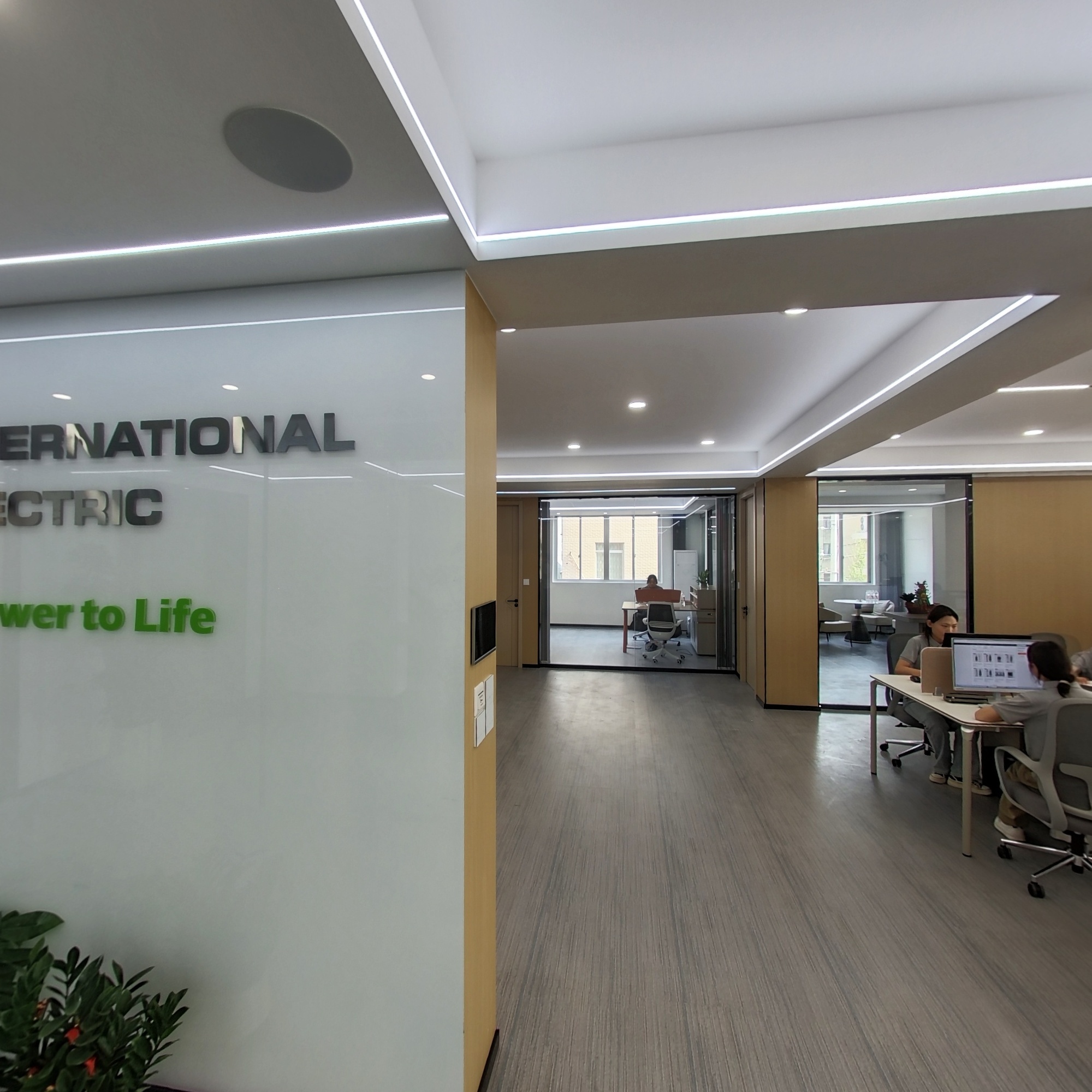
Operating out of Liushi Town, Wenzhou—universally recognized as China’s low-voltage electrical capital—Zhejiang TMB Electric Co., Ltd. has dedicated over 24 years to engineering advanced circuit breakers, transfer switches, and solar protection components. Our 5,700 m² modern manufacturing hub leverages the most tightly integrated supply ecosystem in the industry, keeping precision tooling, housing molding, and metallurgical QC under strict in-house governance.
Each batch of DC solar disconnect switches destined for export to the West Bank undergoes 100% incoming mechanical actuation screening, dielectric withstand voltage verification at 3,000V AC, and high-precision contact resistance calibration.
Engineering FAQ: Solar Disconnect Switch Selection for Nablus Installers
Technical guidance addressing real-world wiring challenges, regulatory questions, and environmental considerations encountered by electrical contractors across Palestine.
Why can't standard AC circuit breakers be installed as solar DC disconnects in Nablus?
AC circuit breakers rely on natural sinusoidal alternating current zero-crossings (every 10ms at 50Hz) to quench the electric arc. Direct current (DC) from solar arrays does not have a zero-crossing point. When contacts open under DC load, the arc persists continuously. Installing standard AC breakers on DC strings will cause terminal burn-out, contact fusion, and catastrophic electrical panel fires. Always insist on dedicated, polarity-marked DC isolators or bi-directional DC-PV2 rated switches.
How does summer ambient heat in Nablus impact DC disconnect switch ampacity?
During peak summer periods in Nablus and the adjacent Jordan Valley, ambient temperatures inside unshaded outdoor combiner boxes can easily exceed 50°C to 55°C. Switchgear rated at an ambient reference of 25°C or 30°C must be thermally derated using engineering temperature correction factors ($k_\theta$). As an engineering rule of thumb, select a switch whose nominal rated current ($I_n$) is at least 1.25 to 1.30 times higher than the solar string's maximum continuous short-circuit current ($I_{sc}$).
What is the difference between DC-21B, DC-PV1, and DC-PV2 utilization ratings?
Under the international IEC 60947-3 standard, DC-21B applies to resistive switching under moderate overload conditions. DC-PV1 covers switching of non-inductive photovoltaic strings where normal operational load currents dominate. DC-PV2 represents the highest safety tier: it verifies the switch's capability to safely make and break critical reverse currents, string faults, and high short-circuit loads typical of multi-string combiner arrays. TMB isolators are engineered to satisfy rigorous DC-PV2 criteria.
Can Zhejiang TMB Electric configure custom combiner boxes for NEDCO grid compliance?
Yes. As a verified custom manufacturer, TMB designs pre-wired, IP65/IP66 PV combiner boxes featuring custom combinations of 1000V DC disconnects, fast-acting ceramic PV fuses (1000V DC gPV), Type 2 DC surge protection devices (SPDs), and auxiliary status contacts. We offer custom enclosure knockouts, tailored internal terminal blocks, and custom branding labels that conform directly with local municipal utility and inspection blueprints.
What documentation accompanies TMB export shipments to Palestine?
Every export consignment is backed by comprehensive CE Declarations of Conformity, TÜV Rheinland on-site factory verification certificates, certified factory test reports verifying insulation resistance and dielectric breakdown limits, detailed English datasheets, and accurate commercial invoices/packing lists formatted for clear, expedited regional customs clearance.
What is the factory MOQ and typical lead time for commercial sample validation?
To enable engineering contractors and panel fabricators in Nablus to physically validate our quality, we maintain a flexible trial policy with minimum order quantities starting from just 5 pieces for standard catalog models (and from 1 piece for select modular timers). Standard sample orders dispatch within 3 to 7 working days, while customized OEM container runs are produced in approximately 15 to 25 days.
Ready to Secure Your Photovoltaic DC Distribution in Nablus?
Connect directly with our senior application engineering team in Liushi, Wenzhou. Send your single-line diagram (SLD), array voltage requirements, or custom combiner box specifications for instant technical matching and competitive tier-one direct pricing.