Precision Vacuum Switching & Automation Portfolio for Pakse Sub-Stations
Explore our certified low-voltage and vacuum-compatible timing, contactor, and smart distribution components engineered for demanding industrial duties in Southern Laos.
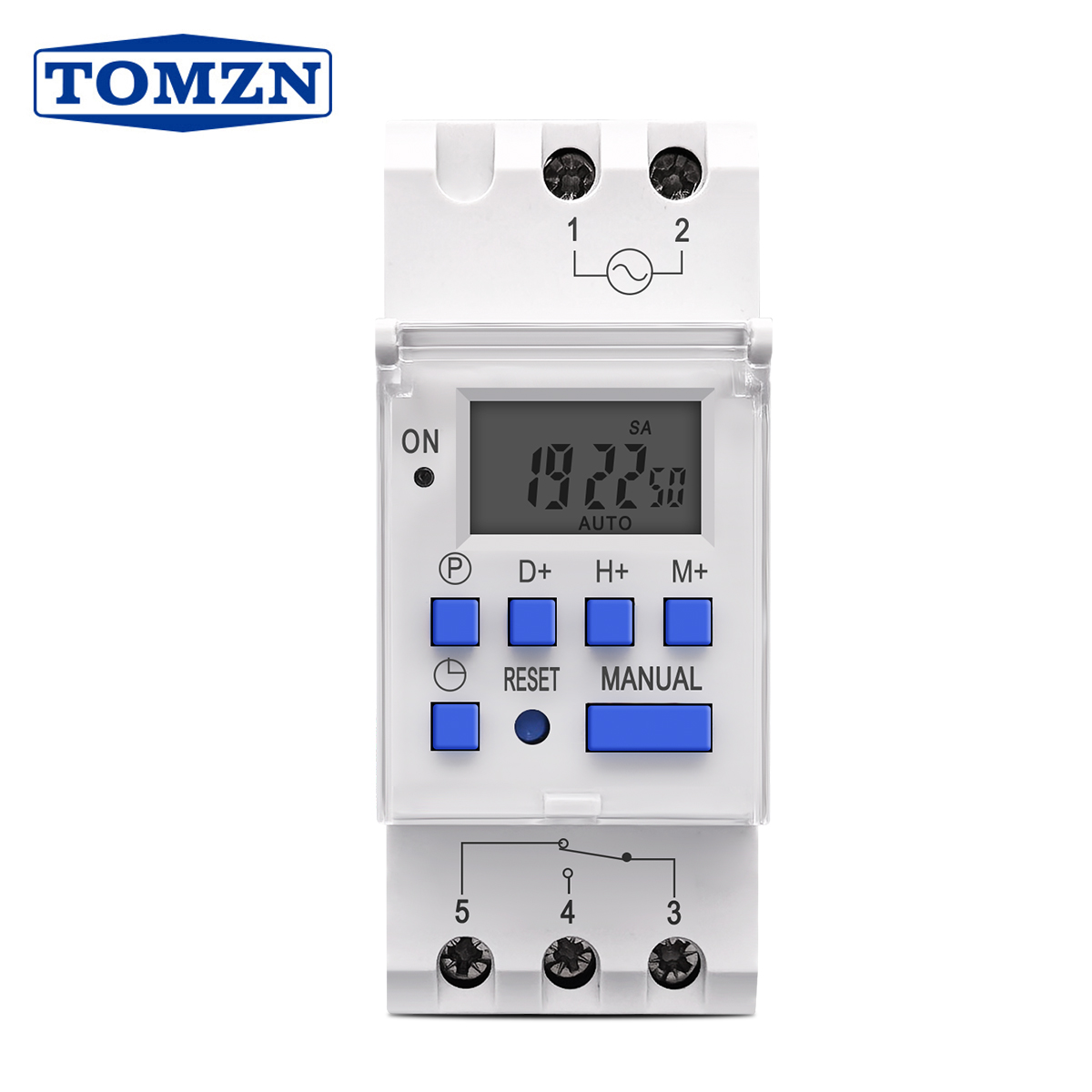
TOMZN 1NO 1NC Weekly 7 Days Programmable Time Switch
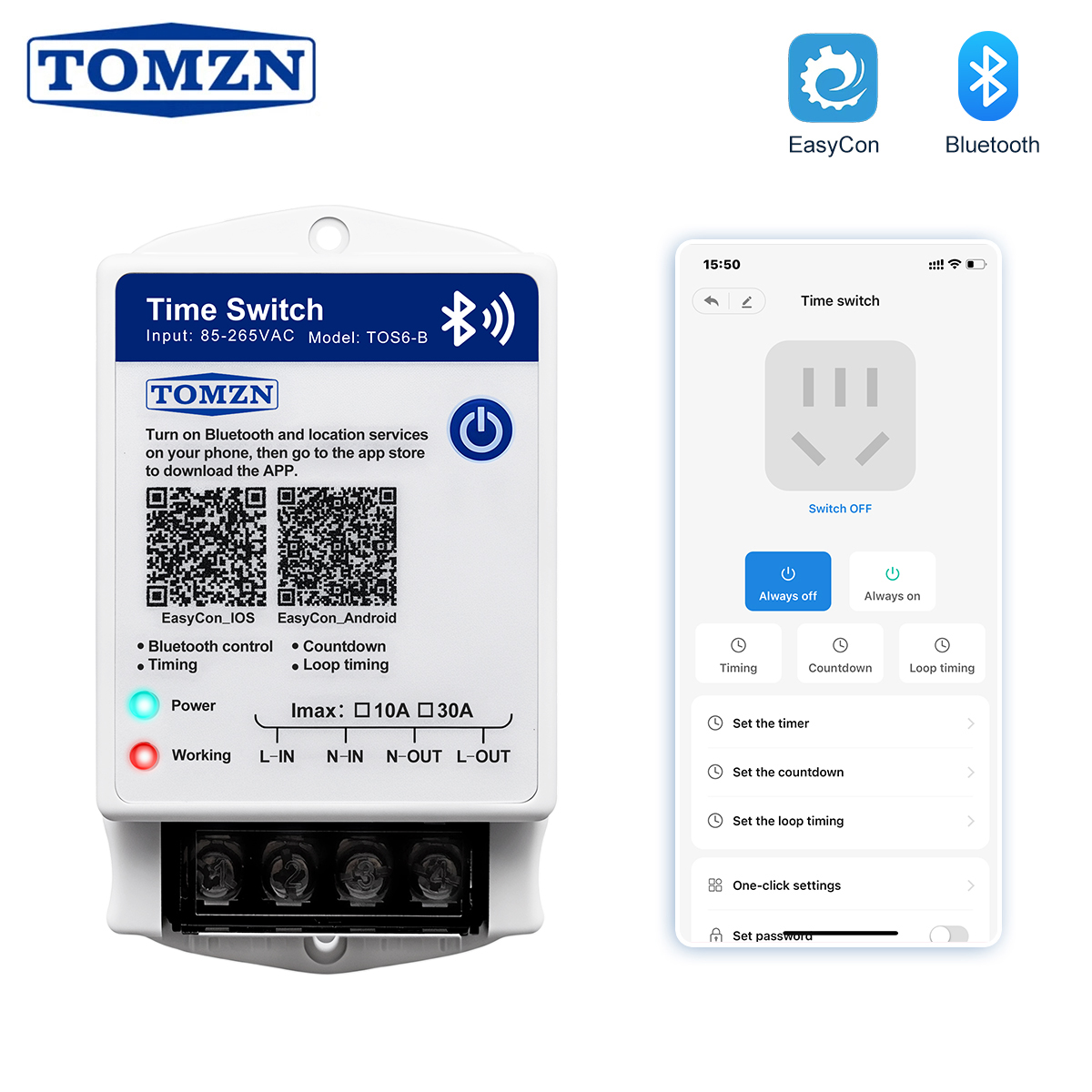
TOMZN Bluetooth Smart Countdown Timer Switch 10A-30A
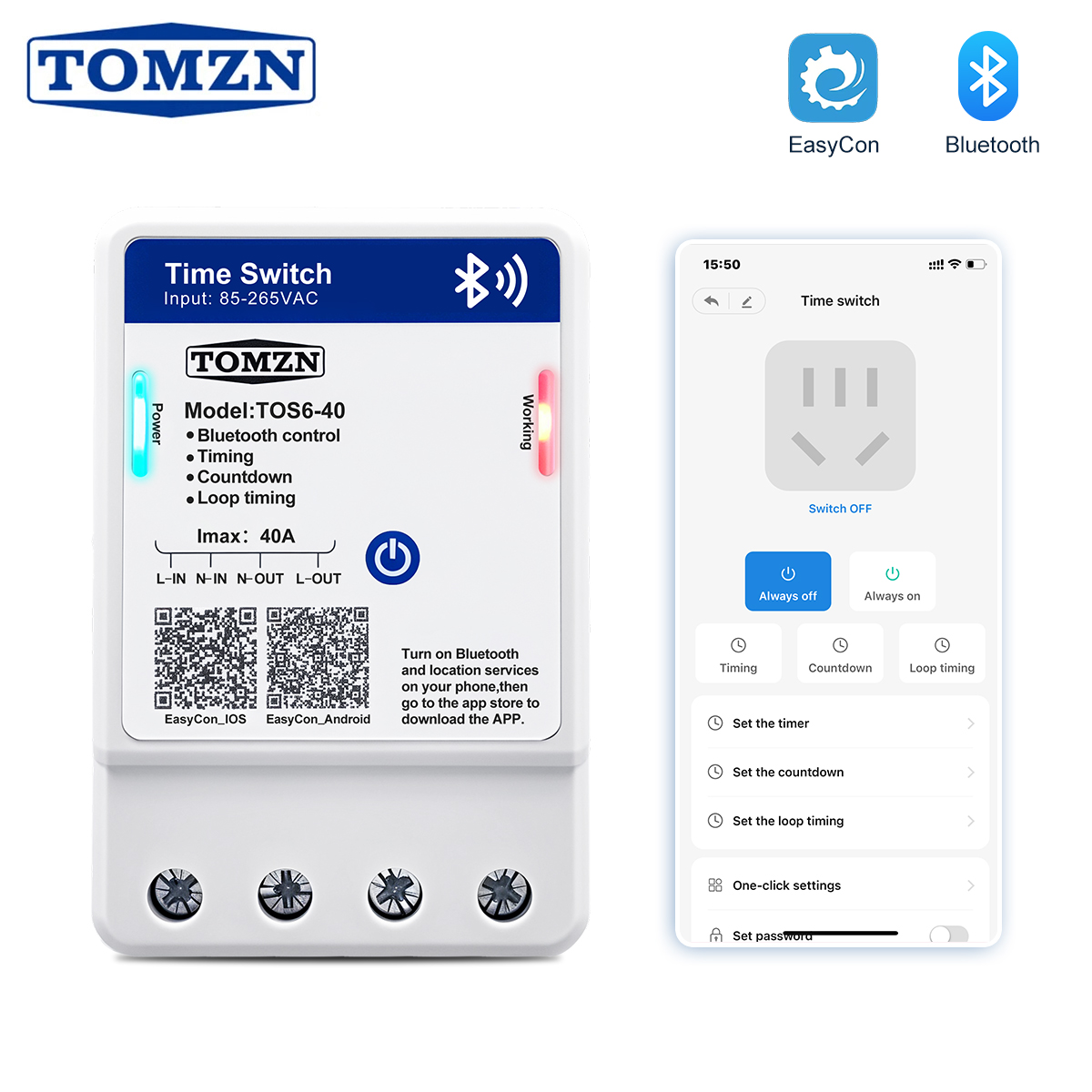
TOS6-40 Bluetooth 35mm DIN-Rail Time Control Switch
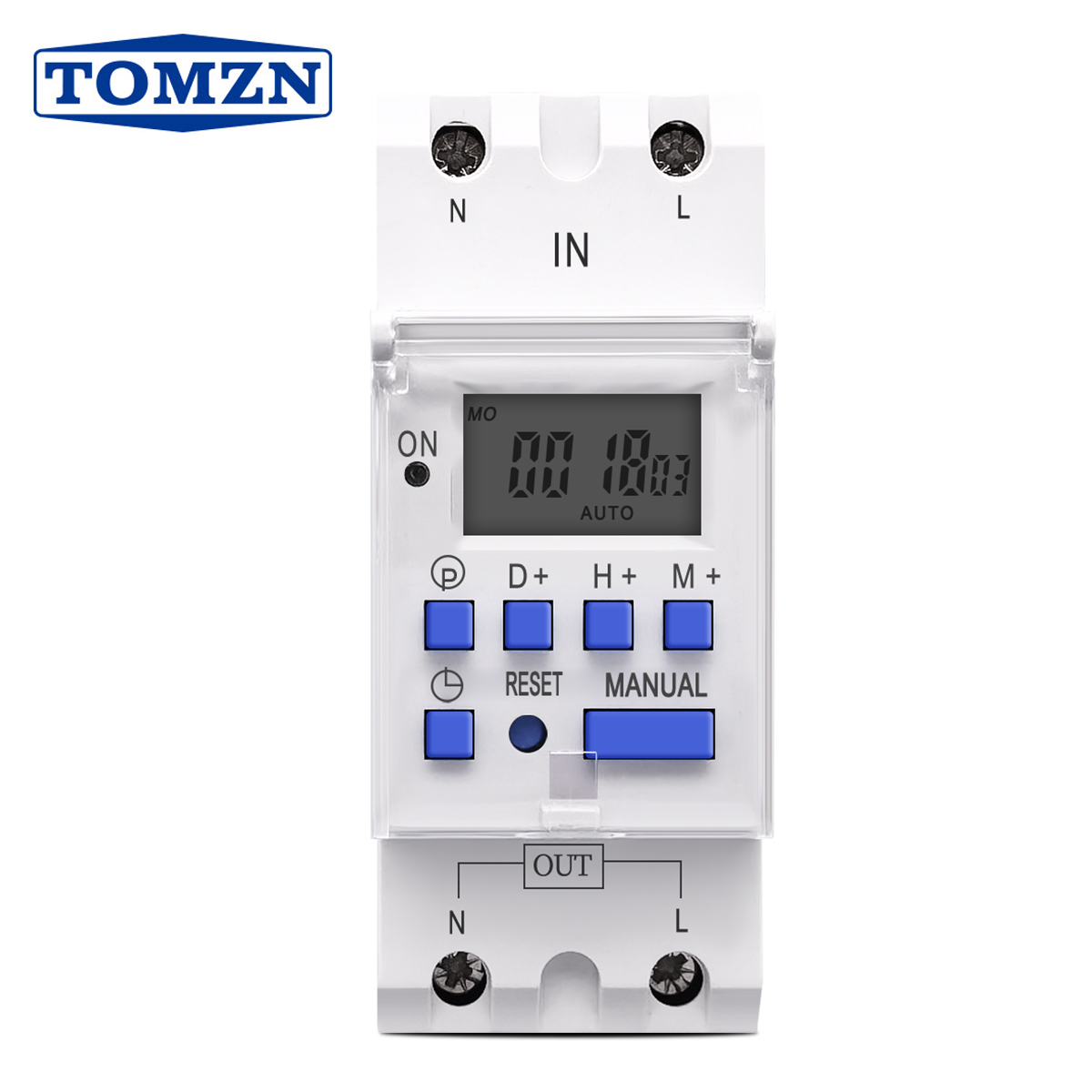
TOMZN New Type Single Phase Digital Contactor Timer
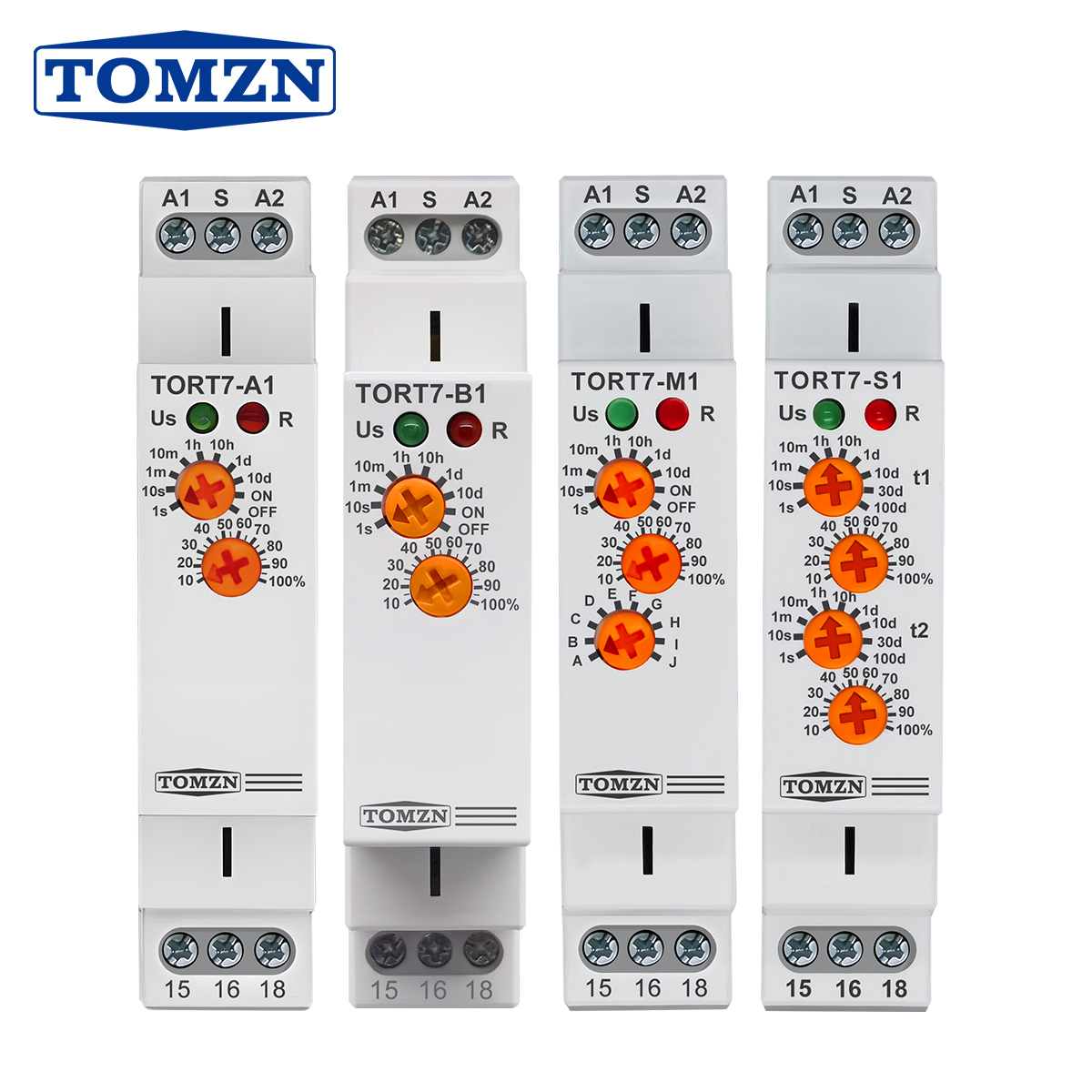
TORT7 Asymmetric Multi-Function Delay & Cycler Relay
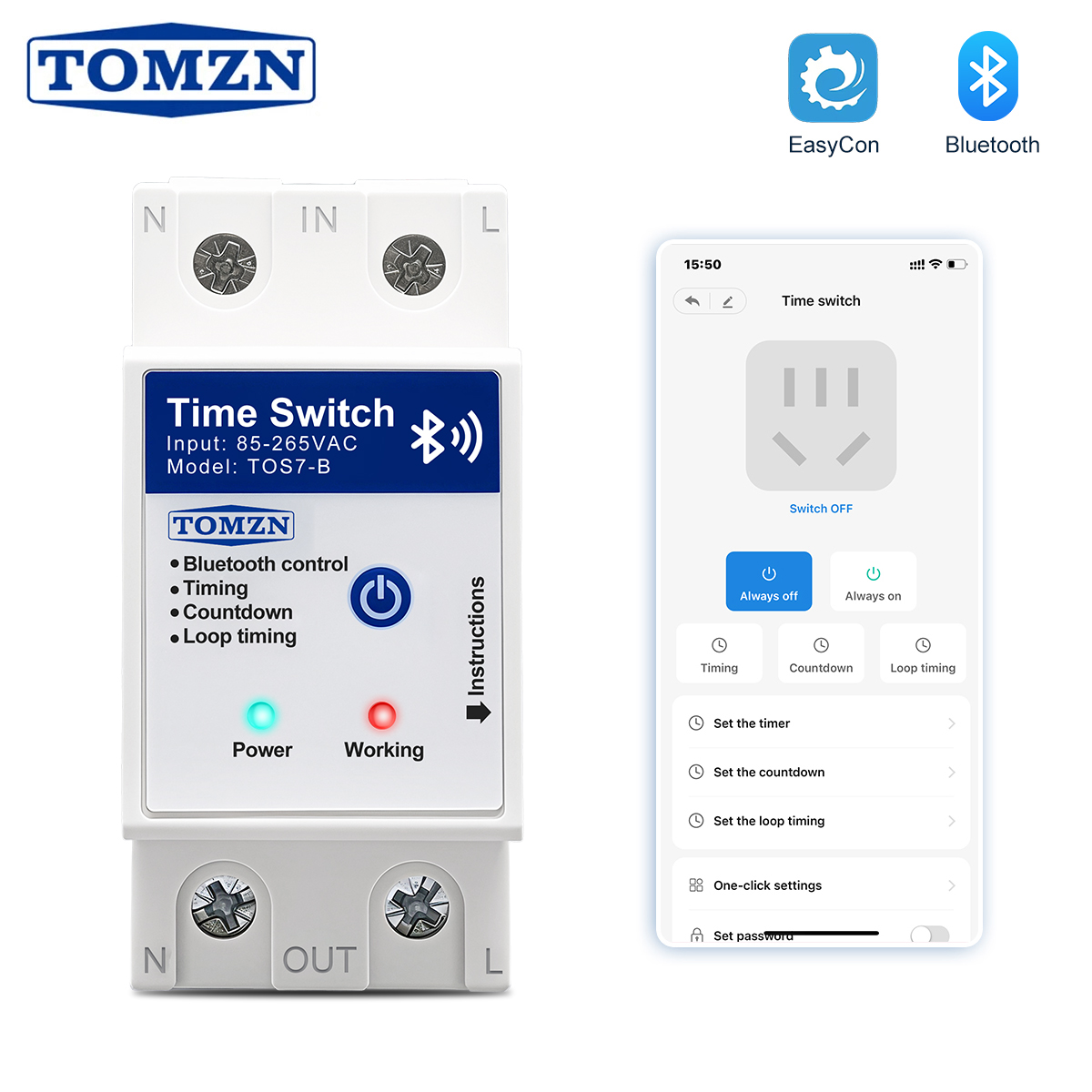
TOMZN TOS7-B Bluetooth High-Current Contactor Switch
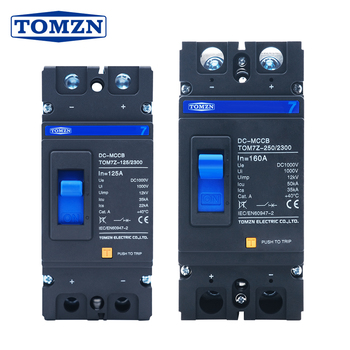
Industrial Vacuum Contactor & Heavy MCCB Controller
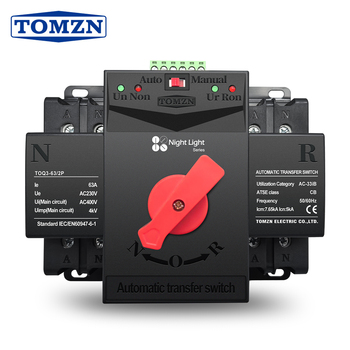
TOQ3 Fast Dual Power Automatic Transfer Switch (ATS)
Vacuum Switching Dynamics & Arc-Extinction Physics in Medium/Low Voltage Grids
In modern power engineering, the requirement for frequent load switching with virtually zero contact erosion has made the vacuum contactor an indispensable core component. Unlike traditional air-magnetic or oil-immersed contactors, a vacuum contactor encapsulates its fixed and moving contacts within a permanently sealed ceramic or high-dielectric glass vacuum interrupter bottle maintained at pressures below 10-5 Pa. For engineering projects in Pakse and the greater Champasak province, this architectural difference translates into immense operational survivability under severe ambient humidity and repetitive switching duties.
The physical phenomenon governing vacuum arc quenching is fundamentally distinct from gas-expansion or arc-chute splitting. When contacts part under load in a vacuum chamber, a metal vapor arc is initiated from the micro-protrusions on the cathode surface. Because there is no ambient gas medium to ionize, the arc is composed entirely of microscopic vaporized electrode material. At the first natural zero-crossing of alternating current (AC), the vapor rapidly diffuses away from the gap and condenses back onto specialized vapor condensation shields within microseconds. The dielectric recovery rate of a vacuum gap is astonishingly rapid—reaching thousands of volts per microsecond—enabling contact separation gaps as small as 1.2 mm to 4.5 mm for low-voltage (1.14 kV) to medium-voltage (7.2 kV/12 kV) tiers.
Zero Arcing Flashout
Arc containment inside a sealed ceramic vacuum interrupter eliminates exterior open ionization, guarding adjacent switchgear cubicles from phase-to-phase flashovers.
Low Current Chop
Using premium CuCr (Copper-Chromium) contact alloys, current chopping values are limited to under 0.5A, preventing dangerous inductive overvoltages during motor tripping.
Extended Mechanical Life
Stainless steel welded bellows and balanced electromagnetic armature systems achieve up to 3 million mechanical switching cycles with zero contact maintenance.
Contact Metallurgy: Why Copper-Chromium (CuCr) Matters in Pakse
For heavy inductive motor starting (AC-3/AC-4 categorization) and reactive power capacitor bank switching across Southern Laos, our contactors utilize powder-metallurgy sintered Copper-Chromium (CuCr20 to CuCr50) contacts. Pure copper contacts suffer from severe cold-welding tendencies under vacuum when subject to high inrush currents, while tungsten alloys generate severe current chopping that damages transformer and stator winding insulation. CuCr delivers the ideal metallurgical compromise: superior electrical conductivity, exceptional resistance to contact erosion, minimal contact welding propensity, and controlled low chopping current characteristics.
Localized Industrial Applications in Pakse & Champasak Basin
Pakse, situated strategically at the confluence of the Mekong and Sedone Rivers, serves as the economic, commercial, and transport hub of southern Laos. As the gateway to the Bolaven Plateau and bordering Thailand via the Vang Tao-Chong Mek crossing, the region combines agro-industrial scale with heavy renewable hydroelectric generation. Vacuum contactors supplied by Zhejiang TMB Electric Co., Ltd. address the specific engineering constraints found in this distinct operational geography.
1. Bolaven Plateau Agro-Processing & Coffee Milling Complexes
The Bolaven Plateau is internationally renowned for wet-method Arabica and Robusta coffee processing, cassia mills, and agricultural cold storage. The processing season demands relentless 24/7 continuous cycles where industrial wet mills, pulpers, centrifugal pumps, and heavy exhaust ventilation systems operate simultaneously.
Air contactors deployed in these mills frequently suffer from premature failure due to microscopic organic dust ingress settling on open contact silver tips, which carbonizes under humid air arcs. Our vacuum contactors hermetically seal the interruption mechanism, ensuring that coffee parchment dust, agro-particulates, and moisture cannot degrade the arc quenching chamber.
2. Run-of-the-River Hydropower Stations & Auxiliary Switchgear
Southern Laos features dense tributaries feeding the Mekong basin (such as the Xe Don, Xe-Pian, and Xe-Namnoy river basins). Small-to-medium hydropower plants require dependable auxiliary control switchgear to govern governor hydraulic pumps, penstock drainage gates, cooling water circulators, and capacitor banks. Our CE-certified vacuum contactors withstand the immense voltage transients and sustained back-to-back capacitor switching currents that frequently disrupt conventional air contactors.
Pakse-Japan SME SEZ Facilities
Light manufacturing, automotive assembly, and plastic injection plants within the Pakse Special Economic Zone demand high-frequency cycling contactors for automated injection presses, compressors, and motor control centers (MCC).
Mekong Alluvial Sand & Gravel Dredging
Continuous vibration, aggregate dust, and sudden mechanical stalling currents define sand pumping barges along the Mekong River. Vacuum interrupters provide instant recovery without contact welding during motor stall.
Municipal Water Treatment & Pumping
Urban water supply infrastructure along Road 13 requires automated pump sequencing via intelligent digital relays (like our TORT7 and TOS7 timer series) coupled with rugged vacuum contactors for soft-start bypass lines.
Engineering Comparison: Vacuum vs. Air-Break vs. SF6 Contactors
Plant electrical engineers in Pakse face the challenge of selecting contactors that balance capital expenditure against long-term operational and maintenance overhead. The following matrix contrasts the primary medium-voltage switching topologies under tropical and dust-laden operational realities:
| Performance Parameter | Zhejiang TMB Vacuum Contactor | Conventional Air-Break Contactor | SF6 Gas-Insulated Contactor |
|---|---|---|---|
| Operating Medium | Hard Vacuum (<10-5 Pa) | Atmospheric Air at ambient pressure | Sulfur Hexafluoride Gas (SF6 pressurized) |
| Dielectric Recovery Rate | Ultra-rapid (10–30 kV/μs) | Slow (subject to air temperature & humidity) | Fast (superior electronegativity) |
| Mechanical Life Expectancy | 1,000,000 – 3,000,000 operations | 100,000 – 500,000 operations | 250,000 – 1,000,000 operations |
| Electrical Life (AC-3/AC-4) | 250,000 – 1,000,000 cycles | 50,000 – 150,000 cycles | 100,000 – 300,000 cycles |
| High Humidity Degradation | Zero impact (hermetically sealed) | High (contact oxidation, tracking) | Low (sealed tank required) |
| Environmental Safety & GWP | Zero GWP, zero toxic by-products | Zero GWP, generates ozone & NOx | Extremely high GWP (23,500x CO2), toxic arc byproducts |
| Maintenance Routine | Virtually maintenance-free (wear check only) | Frequent tip polishing & arc chute cleaning | Requires regular gas pressure & leak monitoring |
| Switching Frequency | Up to 1,200 operations/hour | Maximum 300 operations/hour | Maximum 600 operations/hour |
Note: Technical metrics reflect testing standards under IEC 60947-4-1 (low voltage) and IEC 62271-106 (medium voltage AC contactors).
Macro Trends: Electrification & Substation Upgrades in Southern Laos
The Lao People's Democratic Republic continues its national strategic push to serve as the "Battery of Southeast Asia". Champasak province plays a pivotal role in this framework due to its geographic proximity to Thailand's Ubon Ratchathani province and northern Cambodia. Three substantial infrastructural shifts are currently reshaping electrical equipment procurement throughout Pakse:
1. Électricité du Laos (EDL) Grid Modernization & Distribution Automation
Historically, distribution networks in southern Laos struggled with frequent voltage dips and line sags caused by seasonal precipitation swings and long rural transmission runs. EDL has accelerated the transition from manual, open-air pole-mounted isolators toward centralized, enclosed ring main units (RMUs) and automated motor control distribution boards. Vacuum switching components represent the baseline requirement for these upgrades because they do not require scheduled gas refills or contact re-profiling in remote mountain substations.
2. Transition to Solar-Hydro Hybrid Generation
To balance rainy season hydro abundance with dry season water depletion, substantial commercial solar installations are expanding along the Champasak plains. Interfacing solar inverter outputs with regional grid interties demands automated transfer switches (ATS) like our TOQ3 series and robust contactors capable of handling sudden disconnects without catastrophic arc retention.
3. Adoption of Smart Communication & Energy Sub-Metering
Factories across Pakse's industrial zones are actively integrating IoT-enabled digital timers and Din-rail energy meters (such as the TOMZN EasyCon Bluetooth and WiFi series). Connecting multi-function time relays directly to heavy vacuum contactor control coils allows facilities to implement automated off-peak tariff scheduling, curbing peak demand penalties imposed during daytime regional distribution stress.
Tropicalization Engineering: Conquering Pakse's Heat & Monsoon Humidity
Procuring electrical equipment for southern Laos requires deep consideration of environmental stress factors. Pakse features a tropical savanna climate (Köppen Aw) marked by intense southwest monsoons from May through October, ambient daytime temperatures exceeding 38°C in March-April, and relative humidity figures sustaining above 90% for weeks at a time.
Fungus & Moisture Proofing
Every control coil is impregnated under vacuum with high-grade Class H polyurethane varnish, passing severe damp-heat cycle tests (IEC 60068-2-30) without insulation breakdown.
Thermal Derating Calculations
Standard equipment rated at 40°C is calibrated with upgraded copper terminal lugs and cross-sectional silver plate thickness to prevent overheating when switchgear internal temperatures reach 55°C.
Creepage Distance Extension
Molded housing structures employ track-resistant thermoset resins with comparative tracking index (CTI) ratings >600V, preventing surface tracking across dusty, condensation-prone phase partitions.
Why Partner with Zhejiang TMB Electric Co., Ltd.
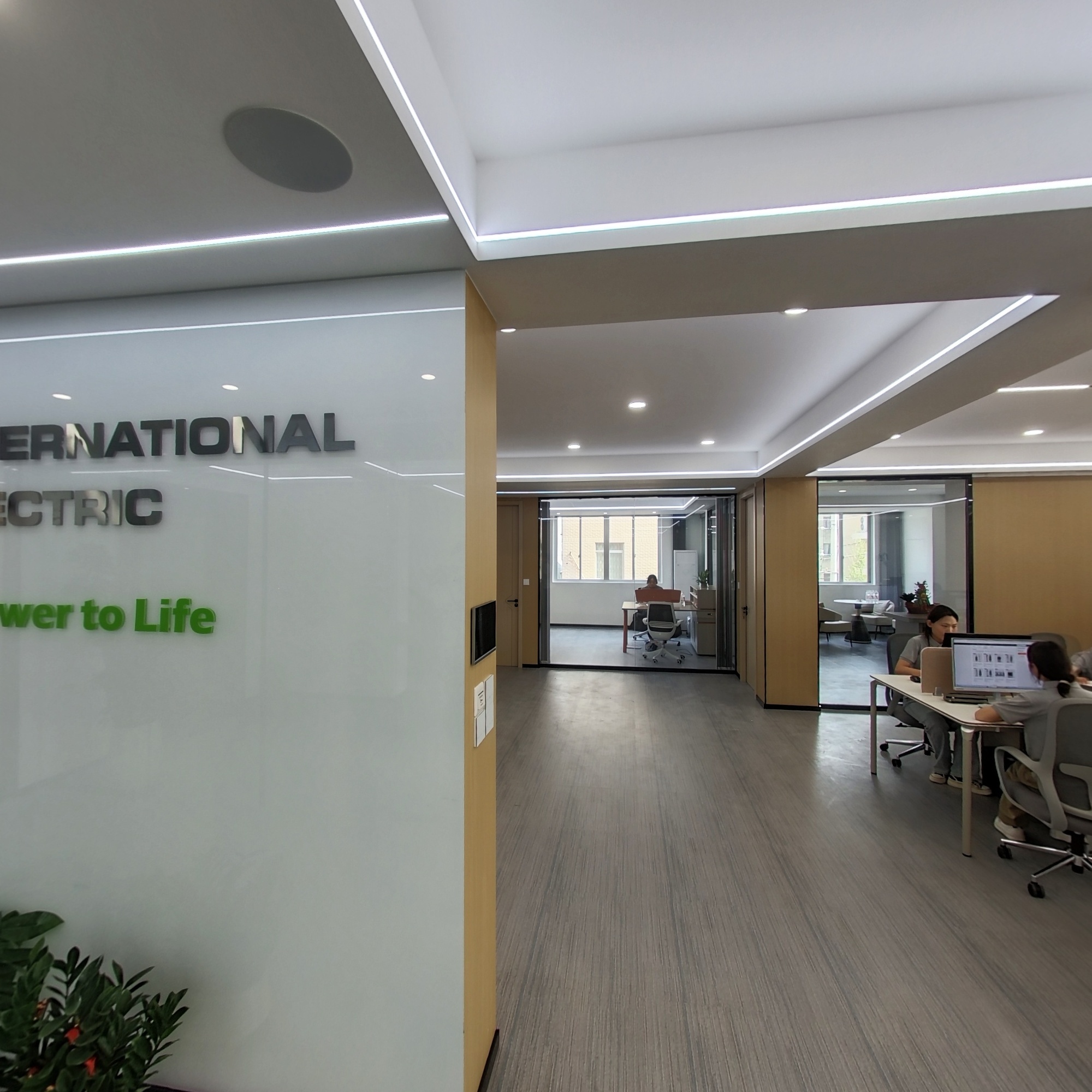
Sourcing medium and low-voltage electrical protection directly from an authentic Chinese manufacturing center gives contractors and distributors in Pakse a decisive advantage in lead time, compliance rigor, and unit economics. Headquartered in Huabei Village, Liushi Town, Wenzhou—universally recognized as the low-voltage electrical capital of China—Zhejiang TMB Electric Co., Ltd. brings 24 years of manufacturing heritage directly to your projects.
Rigorous On-Site Verification & Standards Compliance
Unlike trading intermediaries, our 5,700 m² production base and 92 specialized personnel operate under full, on-site supplier verification audited by TÜV Rheinland. We control the complete manufacturing pipeline: from raw copper punching, silver alloy contact sintering, and robotic automated coil winding, to individual vacuum integrity leak detection.
- CE Marked Models: Full conformance with EU Low Voltage Directive (LVD) 2014/35/EU and EMC Directive 2014/30/EU.
- Flexible Procurement MOQs: Starting from just 5 pieces for standard catalog models, permitting cost-effective trial prototyping for switchgear builders.
- Turnkey OEM/ODM Engineering: Bespoke auxiliary contact configurations (e.g., 2NO+2NC, 4NO+4NC), custom coil voltages (24VDC, 110VAC, 220VAC, 380VAC), and customized branded packaging.
- Integrated Protection Ecosystem: Single-source supply spanning vacuum contactors, DC/AC miniature circuit breakers, smart timers, surge protective devices (SPD), and dual-power ATS units.
Frequently Asked Questions for Electrical Buyers in Pakse
Direct answers to technical, commercial, and logistical queries encountered by switchboard builders, plant managers, and procurement officers across Champasak Province.
What are the primary transport routes and delivery timelines from your factory to Pakse?
Can a vacuum contactor replace a circuit breaker in my Pakse factory switchboard?
How does high relative humidity in Champasak affect vacuum interrupter reliability?
What documents are supplied to assist with import customs clearance at Lao border checkpoints?
What is the recommended replacement or inspection cycle for vacuum contactors in heavy duty cycles?
Do you offer matching control and timing relays for automated pump and compressor scheduling?
Ready to Upgrade Your Industrial Switchgear in Pakse?
Whether you are engineering a high-voltage pumping scheme along the Mekong, outfitting a coffee processing facility on the Bolaven Plateau, or upgrading power distribution panels in Champasak SEZ, Zhejiang TMB Electric Co., Ltd. delivers tested, CE-certified durability with direct factory support.