Featured DC Fuse Links & Complementary Switchgear
Precision-calibrated string fuses, DC disconnectors, modular DIN-rail time switches, and heavy-duty combiner enclosures factory-tested for Kuwaiti grid, petrochemical, and utility solar arrays.
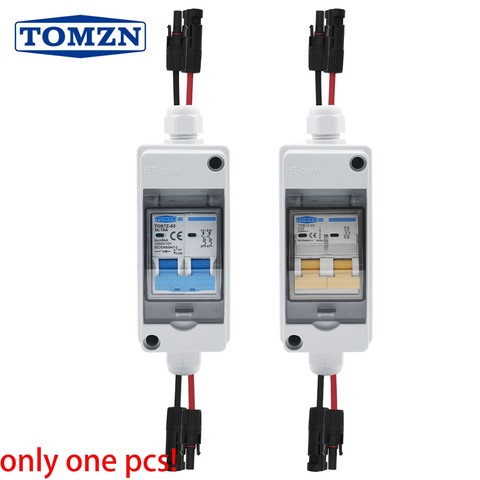
Solar PV Combiner Box with 1000V DC Fuse Links & DC Breakers
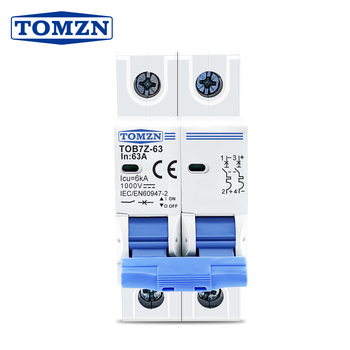
2P DC MCB 1000V Photovoltaic Protection Miniature Breaker
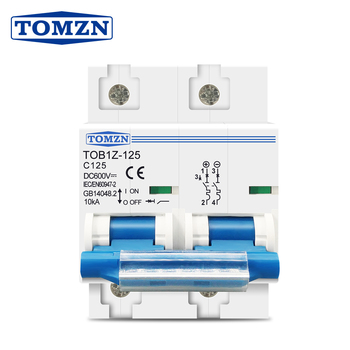
2P DC High-Capacity 600V/1000V Battery Isolation Breaker 125A
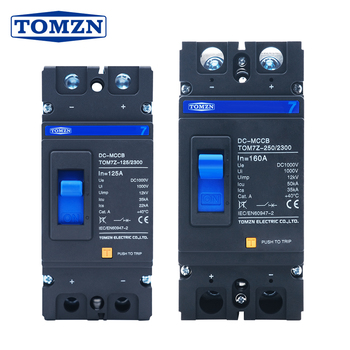
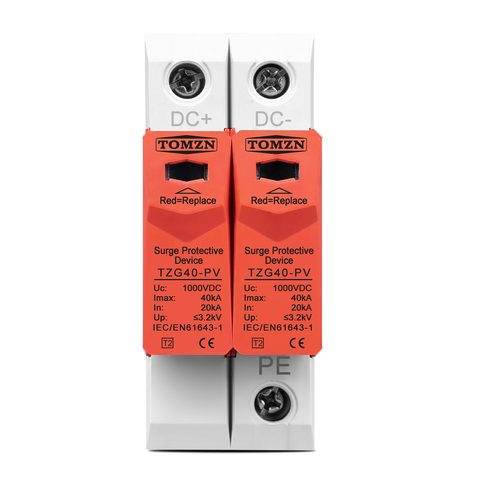
DC SPD 500V–1000V 20–40kA Photovoltaic Arrester Module
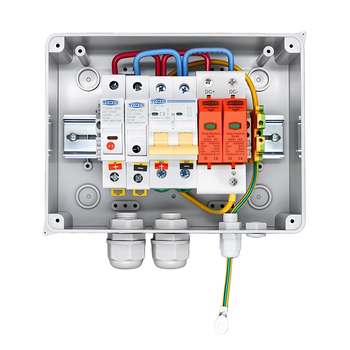
8-Way Array DC Combiner Box with Ceramic gPV Fuse Carrier
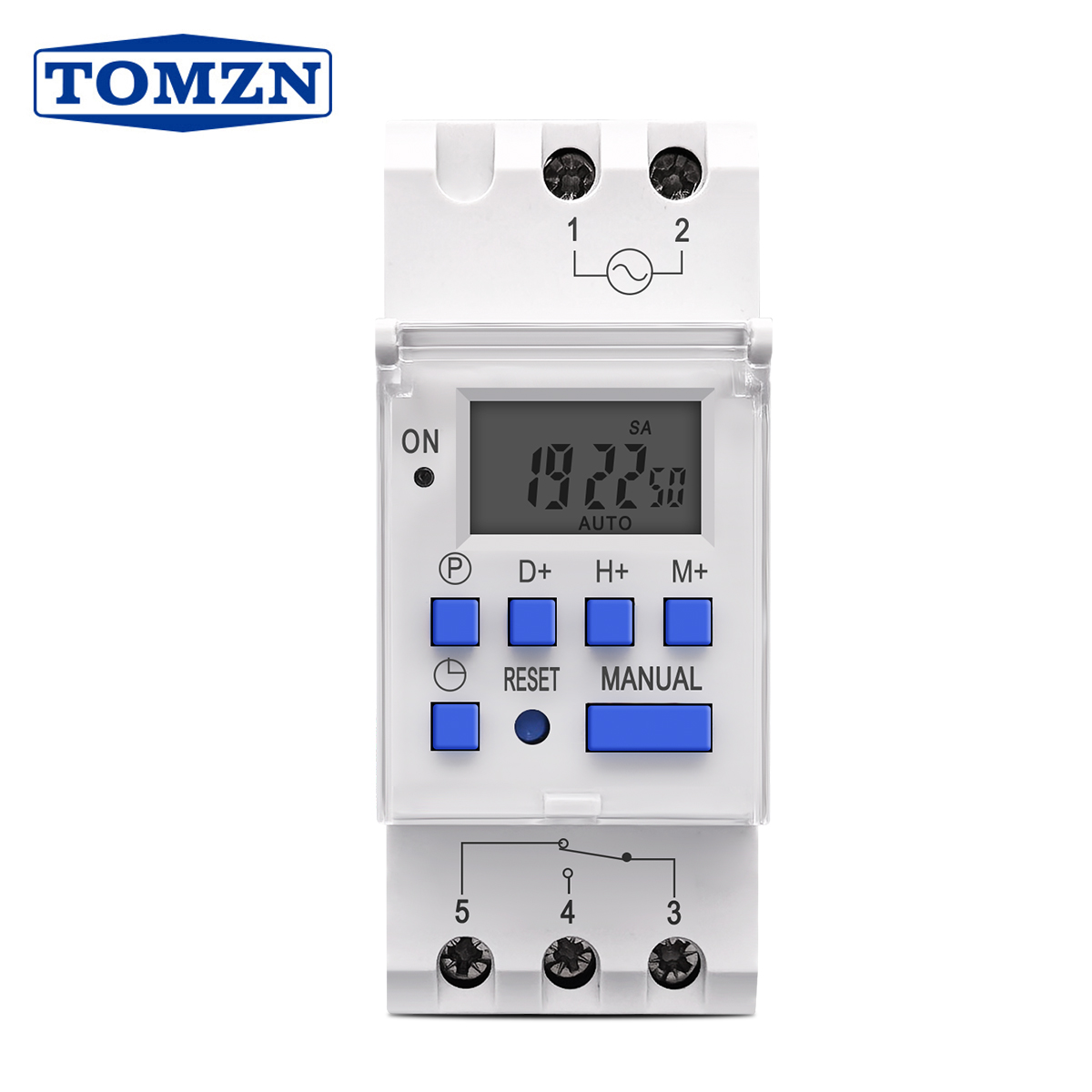
TOMZN 1NO+1NC DIN Rail 7-Day Digital Programmable Timer Switch
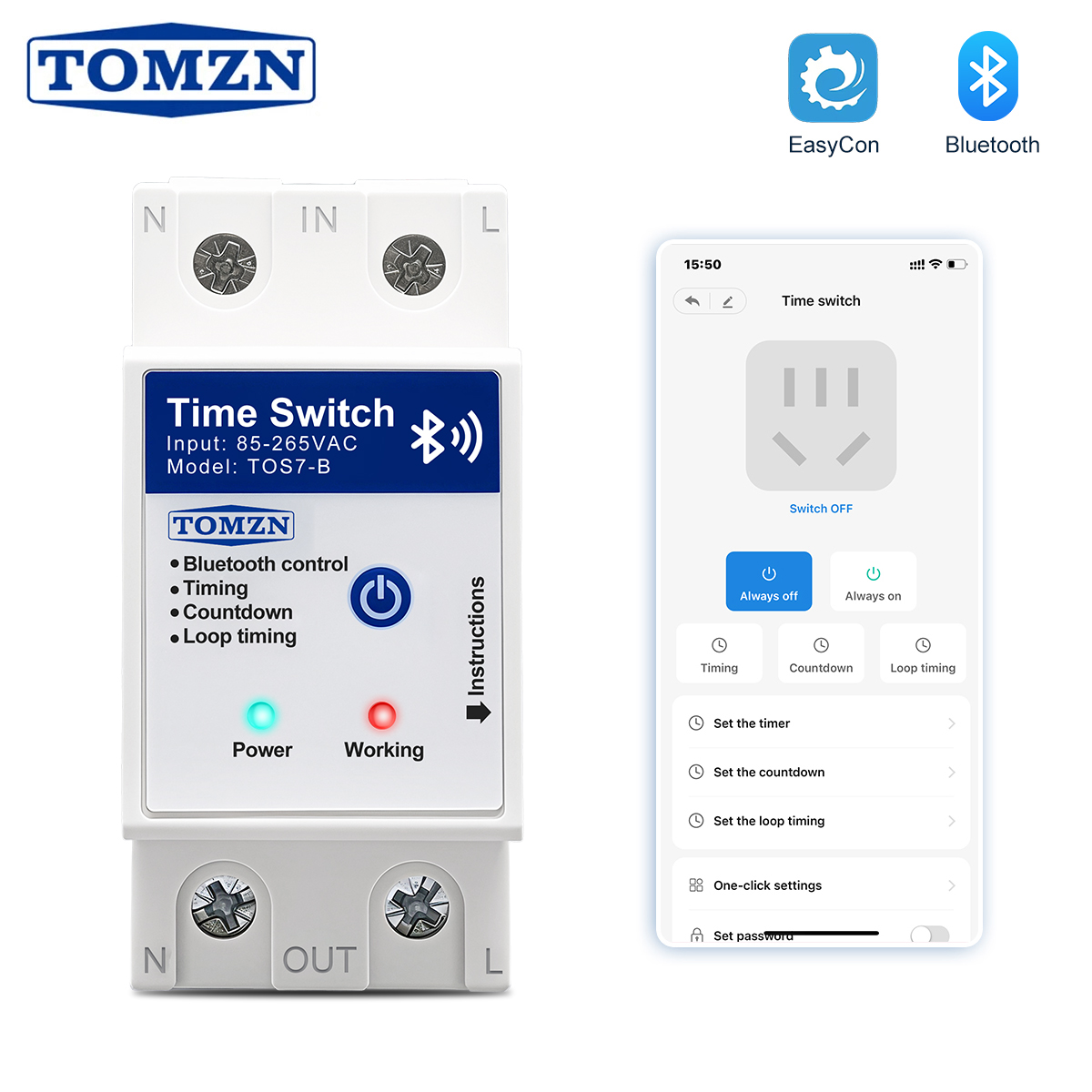
TOS7-B Bluetooth Smart Timer Switch 40A/63A EasyCon APP
Physics of DC Arc Extinction & Overcurrent Challenges in Kuwait
Why standard alternating current (AC) circuit protection fails catastrophically under continuous DC fault currents, and how specialized gPV/gBat fuse elements prevent catastrophic thermal runaway in desert environments.
In alternating current circuits, current alternates sinusoidally, crossing a "voltage zero" point 100 or 120 times every second. This instantaneous zero-point affords electrical switchgear an organic window to extinguish ionizing electrical arcs. In sharp contrast, direct current (DC) generated by photovoltaic arrays, energy storage system (BESS) batteries, and uninterrupted power supply (UPS) skids features continuous, uninterrupted current flow with zero voltage crossings. When an overcurrent or short-circuit event strikes a 1000V or 1500V DC system, sustaining arc plasma temperatures can exceed 6,000°C within milliseconds. Without instantaneous quenching, this persistent plasma arc ionizes surrounding air, vaporizes contact materials, and induces severe phase-to-ground flashovers that destroy entire combiner enclosures.
For engineering contractors, procurement managers, and switchgear assemblers throughout the State of Kuwait—specifically those operating under the stringent oversight of the Ministry of Electricity & Water & Renewable Energy (MEW) and the Kuwait Oil Company (KOC)—deploying certified, low-watt-loss DC fuse links is the foundational baseline for electrical asset safety.
Critical Engineering Principle: Under IEC 60269-6 standards, a true DC Solar gPV fuse link must interrupt full-range overcurrents—from small sustained fault currents (down to 1.35 × In to 1.45 × In) caused by damaged bypass diodes or array shading, all the way up to extreme short-circuit fault levels reaching 30kA to 50kA DC at rated system voltages up to 1500V DC.
As one of China's premier low-voltage electrical protection apparatus manufacturers rooted in the world-renowned Liushi industrial cluster in Wenzhou, Zhejiang TMB Electric Co., Ltd. manufactures precision DC fuse links, fuse carriers, and integrated DC switchgear designed specifically to withstand the brutal mechanical and thermal stresses characteristic of the Arabian Gulf desert basin.
99.99% Pure Silver Elements
Precision-stamped 99.99% pure silver ribbons engineered with variable cross-section M-effect geometries ensure ultra-low internal resistance, minimizing operational watt losses and limiting thermal accumulation inside hermetically sealed IP65/IP66 PV combiner boxes.
High-Density Steatite Barrels
High-frequency ceramic bodies forged from enriched steatite and alumina ceramics provide extraordinary mechanical bursting resistance (up to 50kA breaking pressure) and withstand extreme thermal shock during sub-millisecond DC arc quenching.
Chemically Inert Quartz Matrix
Filled with micro-granulated, high-purity crystalline quartz sand with strictly monitored moisture contents below 0.05%. Under arc flash conditions, the quartz melts instantaneously into fulgurite glass, rapidly cooling, absorbing energy, and starving the DC arc.
Localized Application Scenarios across Kuwait's Harsh Climates
From central utility-scale desert arrays to offshore oilfield SCADA arrays and urban Kuwait City commercial rooftops, our DC fuse links operate reliably across mission-critical infrastructure.
Kuwait's regional atmospheric profile ranks among the most demanding operating theaters globally for electrical equipment. During the peak summer window extending from May to September, ambient shade temperatures regularly exceed 52°C, with direct unshaded metal enclosure skin temperatures escalating beyond 80°C. Coupled with recurring fine silica sandstorms (Simoom winds), airborne maritime humidity near Arabian Gulf coastlines, and sulfurous corrosive gas atmospheres near petroleum installations, conventional commercial-grade fuse links rapidly experience fatigue, embrittlement, nuisance tripping, and fatal thermal failure.
Shagaya Renewable Energy Park
Utility-scale solar farms require high-voltage 1500V DC 10x85mm or NH-style blade fuse links rated from 15A to 32A per string. They offer robust continuous duty under heavy cyclic heating without element migration.
KOC / KNPC Oilfield RTU Skids
Solar-powered Wellhead Supervisory Control and Data Acquisition (SCADA) setups, remote pipeline cathodic protection, and solar chemical injection skids operate in unshaded deserts exposed to H2S-laden environments.
Kuwait City Rooftop Solar C&I
Commercial shopping malls, government ministries, and private villas in Shuwaikh, Jahra, and Hawally require 1000V DC compact 10x38mm DIN-rail fuse links integrated alongside DC MCBs for safe maintenance isolation.
Containerized Desert BESS
Utility-grade lithium-iron-phosphate (LFP) battery energy storage racks require ultrafast gBat and aR-class DC fuse links capable of clearing massive DC fault currents (up to 100kA) in under 3 milliseconds.
Technical Specification Matrix & Thermal Derating Guidelines
Comprehensive engineering reference for MEP consultants, panel builders, and electrical contractors sizing DC fuse installations across the Gulf Cooperation Council (GCC).
One of the primary failure modes encountered by Kuwaiti electrical contractors is the neglect of the Thermal Ambient Derating Factor ($k_{th}$). Typical international test benches certify DC fuse links at an ambient reference temperature of 25°C. However, inside a sealed IP65 glass-reinforced polyester (GRP) combiner enclosure situated under direct solar insolation in Kuwait's northern deserts, the sustained internal temperature regularly reaches 65°C to 75°C.
To compute the correct operational rating ($I_n$) of a DC fuse link, electrical engineers must apply the derating coefficient according to the ambient thermal index equation:
Design Derating Equation: $I_{n(adjusted)} \ge \frac{I_{sc(string)} \times 1.25 \times 1.25}{k_{th}(T_{internal})}$ — Where $1.25$ represents the continuous irradiance factor (1.25 × Isc), the secondary $1.25$ is the NEC/IEC safety coefficient, and $k_{th}$ is the ambient derating constant ($k_{th} \approx 0.80$ at 70°C internal enclosure ambient).
| Series Code | Dimensions (mm) | Rated Voltage (Un) | Current Rating (In) | Breaking Capacity (Icu) | Time Constant (L/R) | Standards Compliance |
|---|---|---|---|---|---|---|
| TMB-PV10-1000 | 10 × 38 mm | 1000 V DC | 1A – 32A | 33 kA DC | 1 – 3 ms | IEC 60269-6, CE, RoHS |
| TMB-PV10-1500 | 10 × 85 mm | 1500 V DC | 2A – 32A | 50 kA DC | ≤ 2 ms | UL 248-19, IEC 60269-6 |
| TMB-PV14-1500 | 14 × 85 mm | 1500 V DC | 25A – 63A | 50 kA DC | ≤ 2 ms | IEC 60269-6, CE |
| TMB-NH00-PV | NH00 Blade | 1000V / 1500V DC | 50A – 160A | 50 kA DC | ≤ 3 ms | IEC 60269-6, DIN 43620 |
| TMB-NH1/NH2-PV | NH1 / NH2 Blade | 1500 V DC | 160A – 400A | 50 kA DC | ≤ 5 ms | IEC 60269-6, CE |
| TMB-BAT-gBat | Bolt-on High Speed | 500V – 1000V DC | 40A – 500A | 100 kA DC | ≤ 1 ms | IEC 60269-7, UL 248-13 |
Kuwait Clean Energy Trends & Procurement Drivers for 2025–2035
How state-backed initiatives, utility grid transformation, and rigorous import regulations are redefining DC electrical procurement specifications across Kuwait.
The state of Kuwait is accelerating its strategic decarbonization framework anchored by the ambitious New Kuwait Vision 2035. Mandated by executive decree, Kuwait aims to generate at least 15% of its peak electricity demand from clean and renewable energy resources. The Ministry of Electricity & Water & Renewable Energy (MEW) is spearheading this transformation via monumental infrastructure rollouts, chief among them the multi-gigawatt phases of the Shagaya Renewable Energy Project, massive microgrid installations across military installations, and decentralized solar rollouts across private and commercial rooftops.
This aggressive infrastructural leap has created an unprecedented surge in demand for high-reliability, certified direct-current switchgear. Key procurement and technical trends shaping the Kuwait market include:
Systemic Transition to 1500V DC
Utility EPC contractors have definitively shifted system architecture from older 1000V DC designs to high-efficiency 1500V DC topologies. This shift reduces Balance of System (BOS) wiring, combiner count, and cable I2R losses over extensive desert distances, necessitating 1500V DC 10x85mm cartridge fuses and heavy-duty disconnect switches.
IP66 Sand & Moisture Sealing
Microfine desert silica sand penetrates standard electrical panels, degrading mechanical clearances and causing thermal hot spots. Kuwaiti panel builders now strictly specify pre-assembled, IP65/IP66 UV-stabilized polycarbonate combiner enclosures with integrated finger-safe touch-proof fuse holders.
KUCAS / PAI Conformity Mandates
The Public Authority for Industry (PAI) and the Kuwait Conformity Assurance Scheme (KUCAS) mandate that incoming low-voltage electrical components carry independent laboratory testing certificates (such as TÜV Rheinland, CE, and CB Scheme) to pass port customs clearance without punitive detention.
Zhejiang TMB Electric Co., Ltd. — Your Proven Supply Chain Partner
Headquartered in Huabei Village, Liushi Town, Wenzhou—universally recognized as China's low-voltage electrical capital—Zhejiang TMB Electric Co., Ltd. has delivered unyielding circuit protection solutions to international B2B clients for over 24 years. By operating within an integrated supply ecosystem where high-conductivity electrolytic copper, silver alloys, steatite ceramics, and engineering-grade polymers are sourced and machined locally, we retain absolute control over metallurgical consistency, production lead times, and global cost competitiveness.
Our expansive 5,700 m² advanced manufacturing facility has been strictly inspected and assessed on-site by TÜV Rheinland, affirming our manufacturing rigor, calibration protocols, and testing systems.

 ISO 9001 Certified QA
OEM / ODM Available
Frequently Asked Questions by Kuwaiti B2B Buyers
Practical answers addressing import regulations, customs clearance, MEW specification alignment, and thermal sizing across the State of Kuwait.
Can we import TMB DC fuse links directly into Kuwait under KUCAS and PAI regulations?
Why is an AC fuse strictly prohibited from being utilized in DC PV strings in Kuwait?
How does TMB ensure DC fuse links do not suffer nuisance tripping at 55°C ambient temperatures?
Can Zhejiang TMB provide customized OEM private label branding and pre-wired combiner boxes?
What is the standard lead time and Minimum Order Quantity (MOQ) for shipment to Kuwait?
What commercial payment terms and inspection procedures are offered for GCC corporate buyers?
Ready to Specify Certified DC Protection for Your Kuwait Project?
Connect immediately with our senior electrical application engineering desk. Submit your Single-Line Diagram (SLD), array string parameters, or bill of quantities for instant wholesale pricing, thermal derating calculations, and complete compliance dossiers.