PV Surge Class
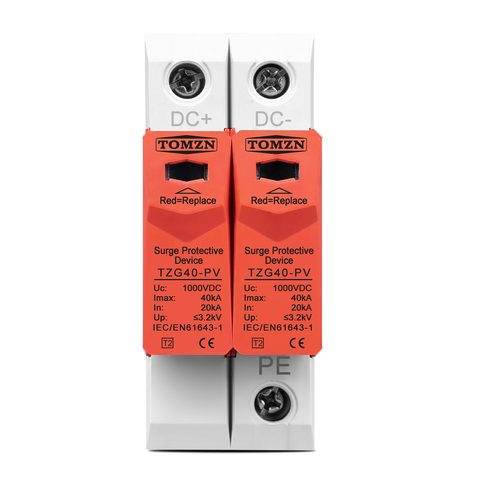
Engineered to mitigate high-energy transient spikes, overvoltage line anomalies, and lightning-induced switching disturbances in commercial and digital facilities.
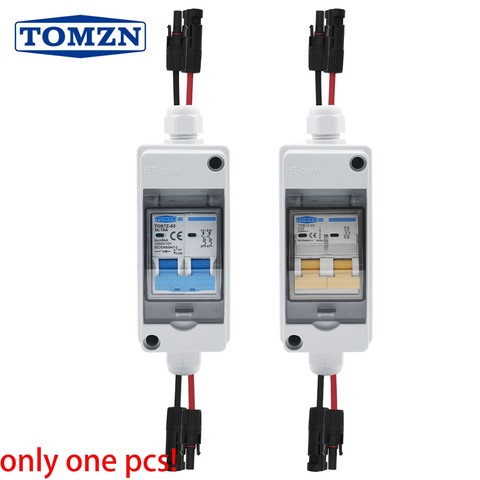
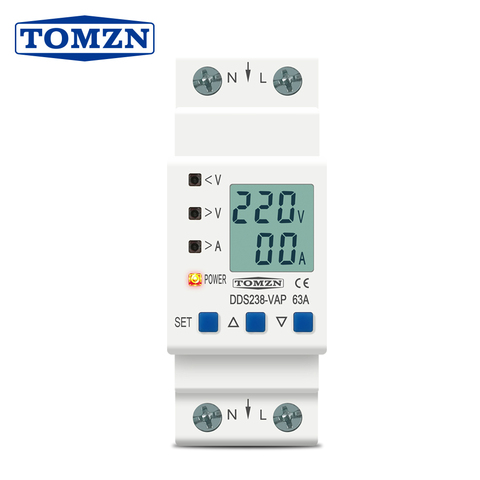
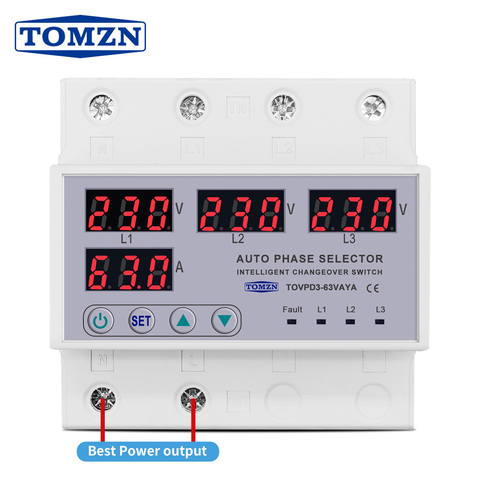



Santa Clara presents a demanding operational environment where hyper-scale data processing facilities, high-yield wafer fabrication labs, and distributed clean-energy microgrids demand uncompromising surge protection margins.
Santa Clara serves as the primary data center hub of Northern California. High-density server cabinets cannot tolerate subtle transient overvoltages resulting from switching inductive UPS banks or external utility step-downs.
Under California Title 24 mandates, commercial building footprints in Santa Clara leverage heavy rooftop solar arrays and lithium battery storage systems susceptible to induced lightning surges.
Fabrication plants along the San Tomas Expressway and Great America Parkway operate photolithography and chemical vapor deposition machines where power anomalies cause multi-million dollar batch failures. Our coordinated surge suppression topologies offer cascading protection across main switchboards down to sub-distribution panels.
As Silicon Valley transitions to bidirectional power distribution with extensive behind-the-meter (BTM) storage and high-amperage Level 3 DC Fast EV chargers, power quality issues in Santa Clara have altered fundamentally. Traditional surge protection strategies designed solely for natural atmospheric lightning are no longer sufficient to safeguard automated infrastructures.
Modern electrical engineering teams in Santa Clara increasingly face high-frequency switching surges caused by Solid-State Power Conversion (SSPC), high-capacity Variable Frequency Drives (VFDs), and localized utility islanding transfers. In response, our Wenzhou manufacturing laboratories have optimized low-voltage surge arresters using high-density zinc oxide varistors combined with high-speed spark gaps to handle higher sustained Maximum Continuous Operating Voltage (Uc) tolerances while maintaining razor-thin protection levels (Up).
| Performance Characteristic | Industrial Class I / Type 1 | Distribution Class II / Type 2 | DC Photovoltaic Array SPD |
|---|---|---|---|
| Nominal Discharge Current (In 8/20μs) | 25 kA – 50 kA per pole | 20 kA per pole | 20 kA |
| Maximum Discharge Current (Imax) | 100 kA – 150 kA | 40 kA | 40 kA |
| Voltage Protection Level (Up) | ≤ 2.5 kV | ≤ 1.5 kV – 1.8 kV | ≤ 3.2 kV (at 1000V DC) |
| Varistor Material Substrate | High-purity Heavy ZnO + Spark Gap | Thermally Decoupled Metal Oxide | Non-Degrading High DC ZnO Block |
| Response Time (tA) | < 100 ns | < 25 ns | < 25 ns |
| California Code Compliance Standard | ANSI/UL 1449 / NFPA 70 / NEC 285 | IEEE C62.41.2 / IEC 61643-11 | NEC Article 690 / UL 1449 PV |
By implementing a coordinated cascade design—locating Class I arresters at service entrance switchgear, followed by Class II DIN-rail units within sub-panels and Class III arresters adjacent to mission-critical workloads—Santa Clara enterprise facilities achieve full electromagnetic compatibility (EMC) and absolute transient security.
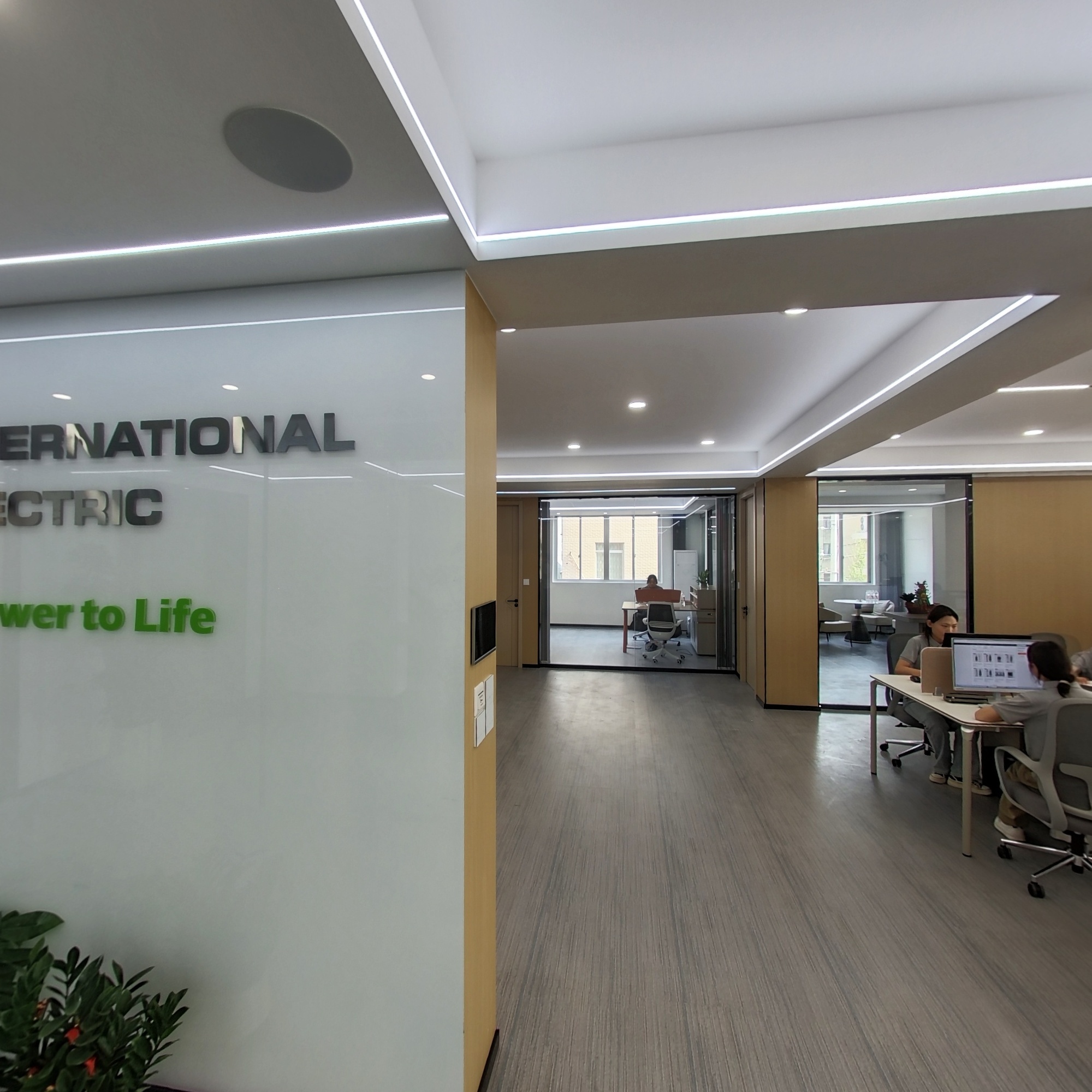
Headquartered in Huabei Village, Liushi Town, Wenzhou—China's electrical capital—Zhejiang TMB Electric Co., Ltd. controls the complete vertical supply chain from precision stamped copper busbars and automated plastic injection mold tooling to automated final testing lines.
Our products safeguard electrical infrastructure in over 100 countries. Every production run undergoes rigorous on-site quality controls verified by TÜV Rheinland assessments, ensuring low-voltage arresters, molded-case circuit breakers (MCCB), and automatic transfer switches match exact design tolerances.



Key technical, regulatory, and logistics queries addressed by our chief compliance and electrical engineering departments.
Our surge arresters are manufactured to international IEC 61643-11 standards and align structurally with UL 1449 Type 1 and Type 2 SPD classifications. For Santa Clara contractors handling municipal inspections or City of Santa Clara Building Division sign-offs, we provide comprehensive laboratory dielectric withstand, Short-Circuit Current Rating (SCCR), and clamping voltage test reports prior to container dispatch.
Standard catalog orders dispatch within 7–15 days from our Wenzhou factory. Ocean shipments route through Ningbo-Zhoushan Port directly to the Port of Oakland (Northern California gateway), taking roughly 14–18 days on the water. For emergency data center retrofit projects in Santa Clara, expedited air freight directly to San Jose International Airport (SJC) or San Francisco International Airport (SFO) is available.
Absolutely not. Alternating Current (AC) possesses a natural sinusoidal zero-crossing voltage point that extinguishes electrical arcs when varistors clamp. Direct Current (DC) arcs do not experience zero-crossing and will cause continuous ionization, catastrophic flashover, and fire if paired with AC arresters. We supply dedicated, polarized DC SPDs rated up to 1000V DC equipped with dual thermal disconnectors specifically designed for clean energy systems.
Yes. Zhejiang TMB Electric operates custom silk-screening, custom molded shell embossing, client-specific laser printing, and specialized barcoding/packaging. We collaborate directly with California-based panel builders and private electrical distributors who require custom brand identifiers while leveraging our factory's competitive manufacturing economics.
Consult with our engineering department to configure Class I, Class II, and DC Photovoltaic surge protection systems matched to your project drawings, SCCR levels, and installation constraints.
Inquire Now