Featured Breakers, Timing Modules & Switching Hardware
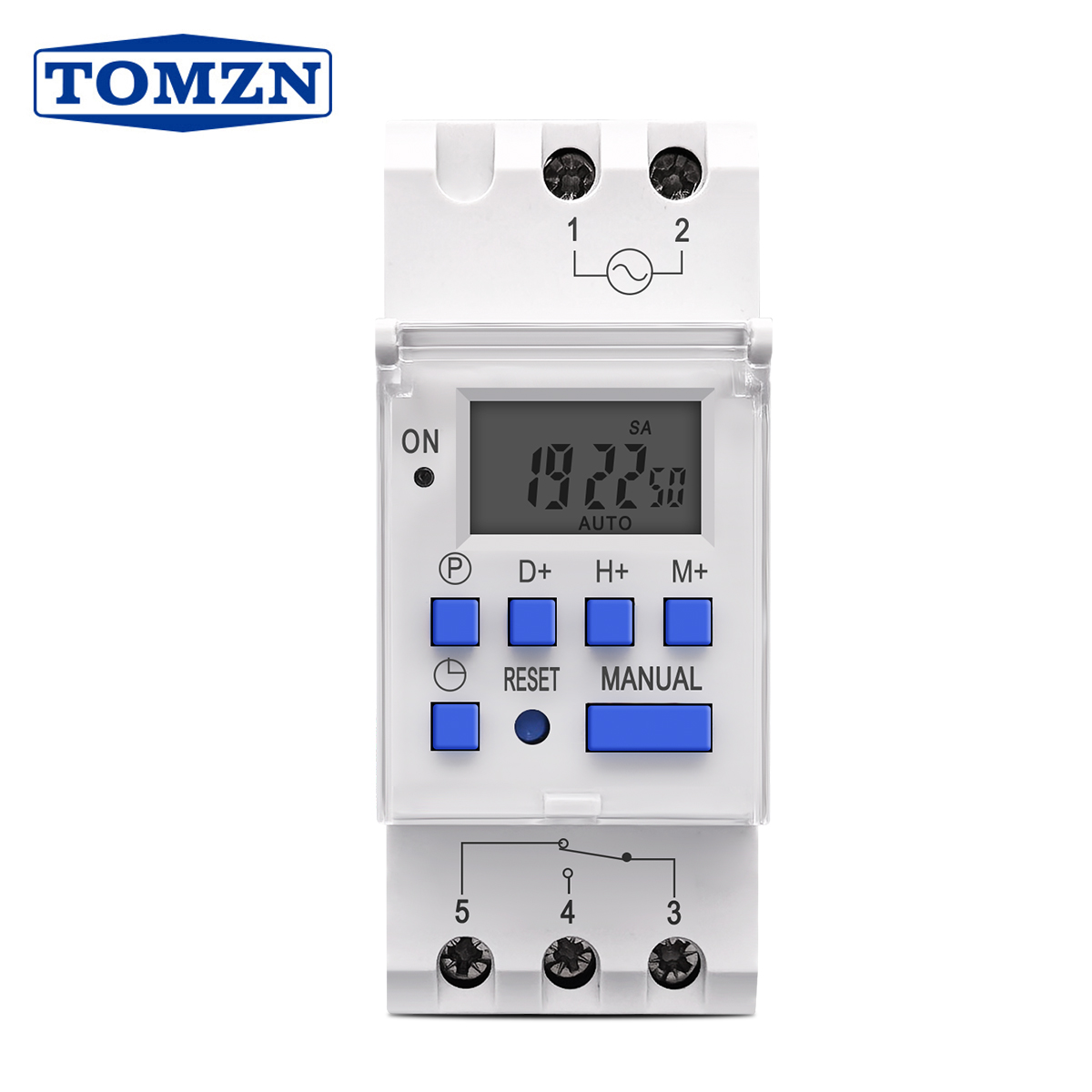
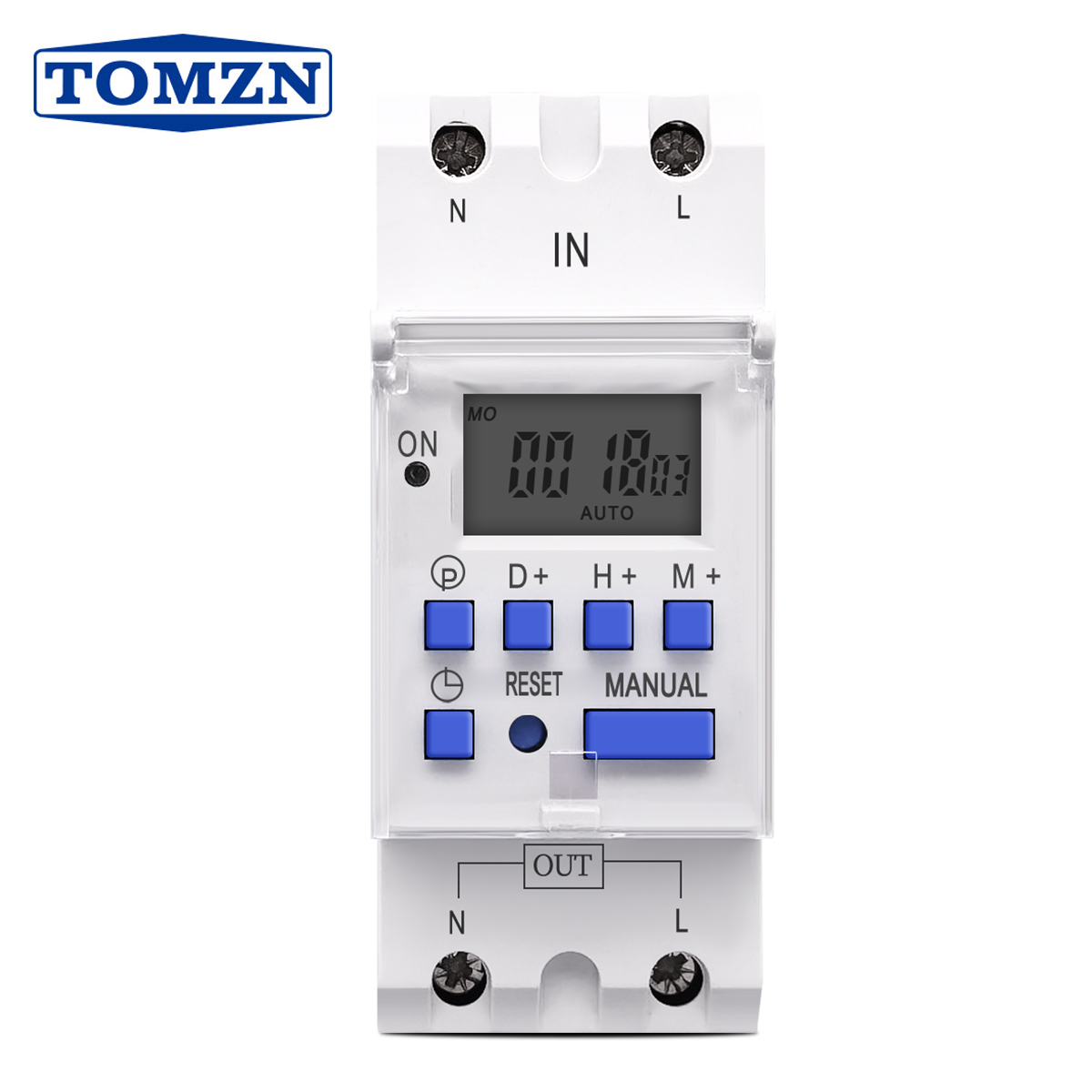
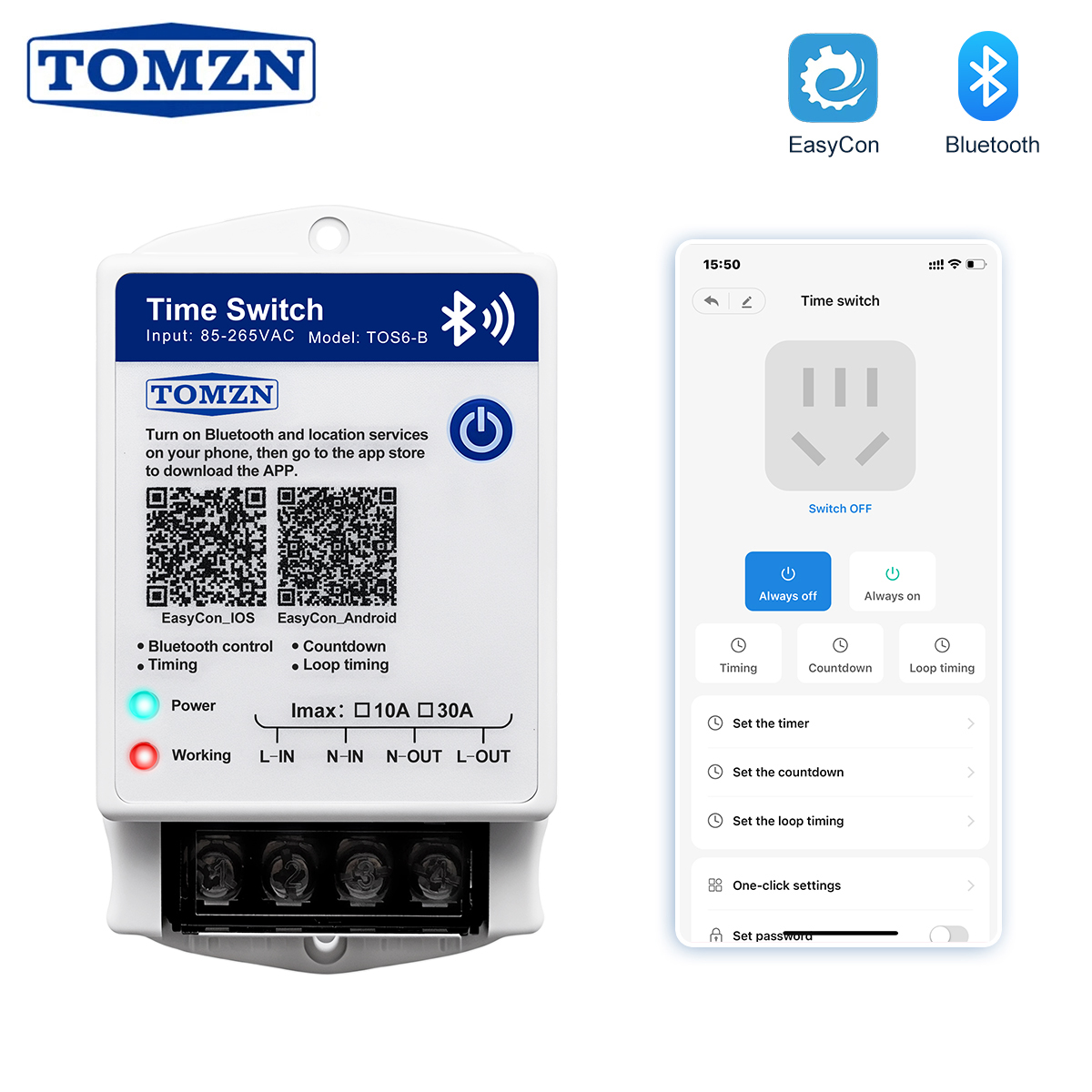
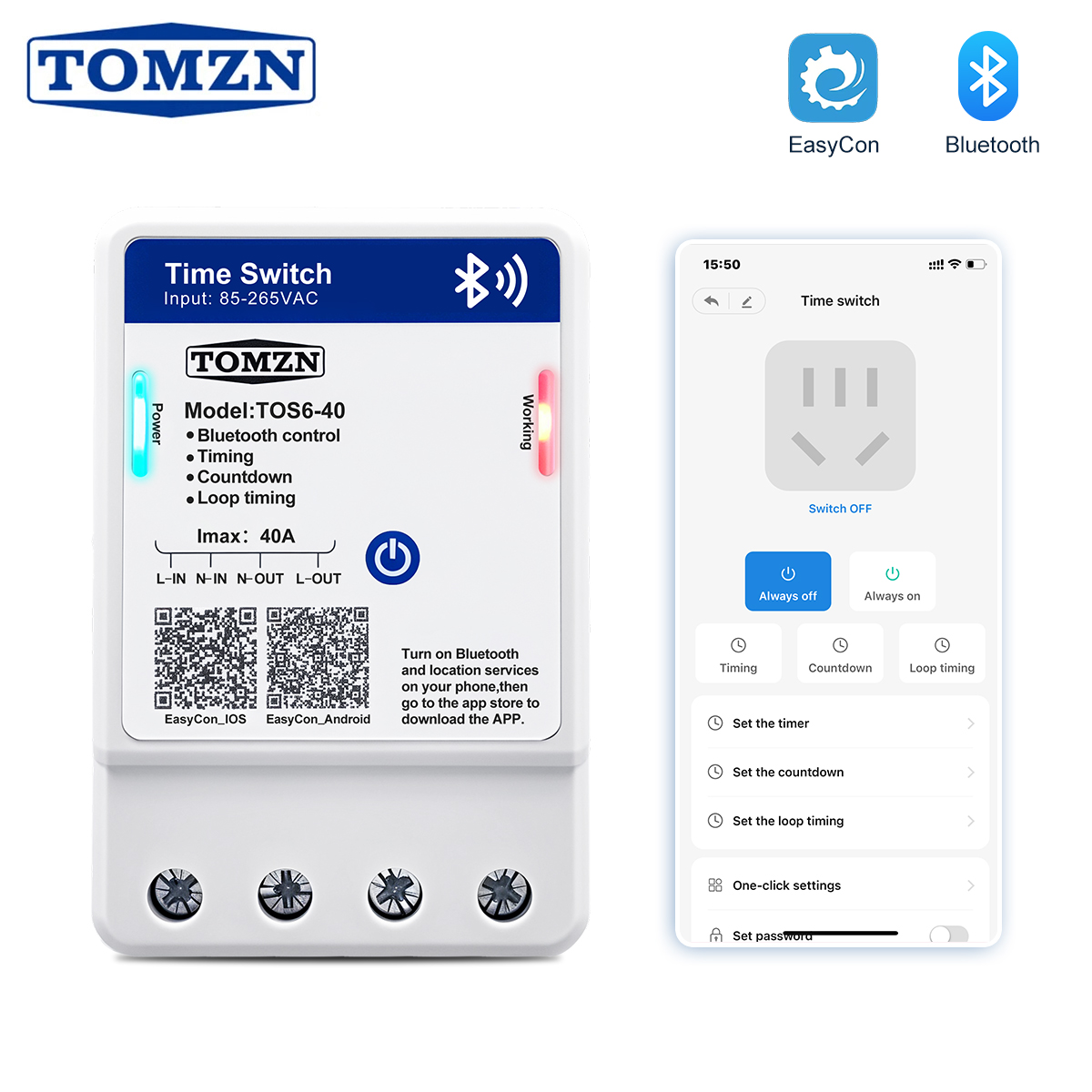
Explore our top-tier protective switchgear, vacuum interruption components, and intelligent automation timer relays, designed to satisfy rigorous IEEE, UL, and IEC electrical parameters across North American critical applications.
Engineering Analysis: Medium-Voltage Vacuum Arc Extinction & Insulation Dynamics for the Pacific Northwest
As electrical networks in Oregon transition toward decarbonized generation and high-density semiconductor fabrication, the duty cycle imposed on vacuum circuit breakers (VCBs) and primary distribution switchgear has shifted dramatically. Vacuum interruption technology relies on contacts parting inside an ultra-high vacuum chamber (< 10⁻⁵ Pa), where the metallic vapor generated by current passage provides the conducting path until a natural current zero occurs. The dielectric recovery of the contact gap happens within microseconds, far outpacing conventional SF6 or oil-insulated medium-voltage breakers.
In municipal and industrial sectors throughout the Portland metropolitan area—including Hillsboro’s Silicon Forest cleanroom infrastructure, marine terminals along the Willamette and Columbia rivers, and mass transit electrical corridors—specifying VCB assemblies requires a granular understanding of transient recovery voltage (TRV), chopping current limits, and endurance against damp, corrosive ambient atmospheres. Our production facility in Liushi integrates oxygen-free copper contacts embedded with silver-tungsten/copper-chromium (CuCr25/CuCr50) sintered materials to minimize current chopping down to less than 3A, decisively preventing hazardous inductive overvoltages on dry-type distribution transformers.
| Performance Specification | IEC 62271-100 Standard | ANSI / IEEE C37.09 Benchmark | TMB Engineered Factory Spec |
|---|---|---|---|
| Rated Voltage / Insulation Level | 12 kV / 24 kV / 40.5 kV | 15.5 kV / 27.6 kV / 38 kV | Dual-Certified up to 40.5 kV |
| Contact Material Composition | Standard CuCr30 | CuCr Sintered Compact | Vacuum Degassed CuCr50/25 |
| Mechanical Endurance Operations | Class M2 (10,000 cycles) | 10,000 operations | Class M2+ Exceeding 20,000 Cycles |
| Arc Extinction Vacuum Pressure | < 1.0 × 10⁻³ Pa | < 1.3 × 10⁻³ Pa | < 1.0 × 10⁻⁵ Pa (Baked Out) |
| Short-Circuit Breaking Capacity | Up to 31.5 kA (3s) | Up to 40 kA (sym) | Tested 25 kA to 40 kA (Class E2) |
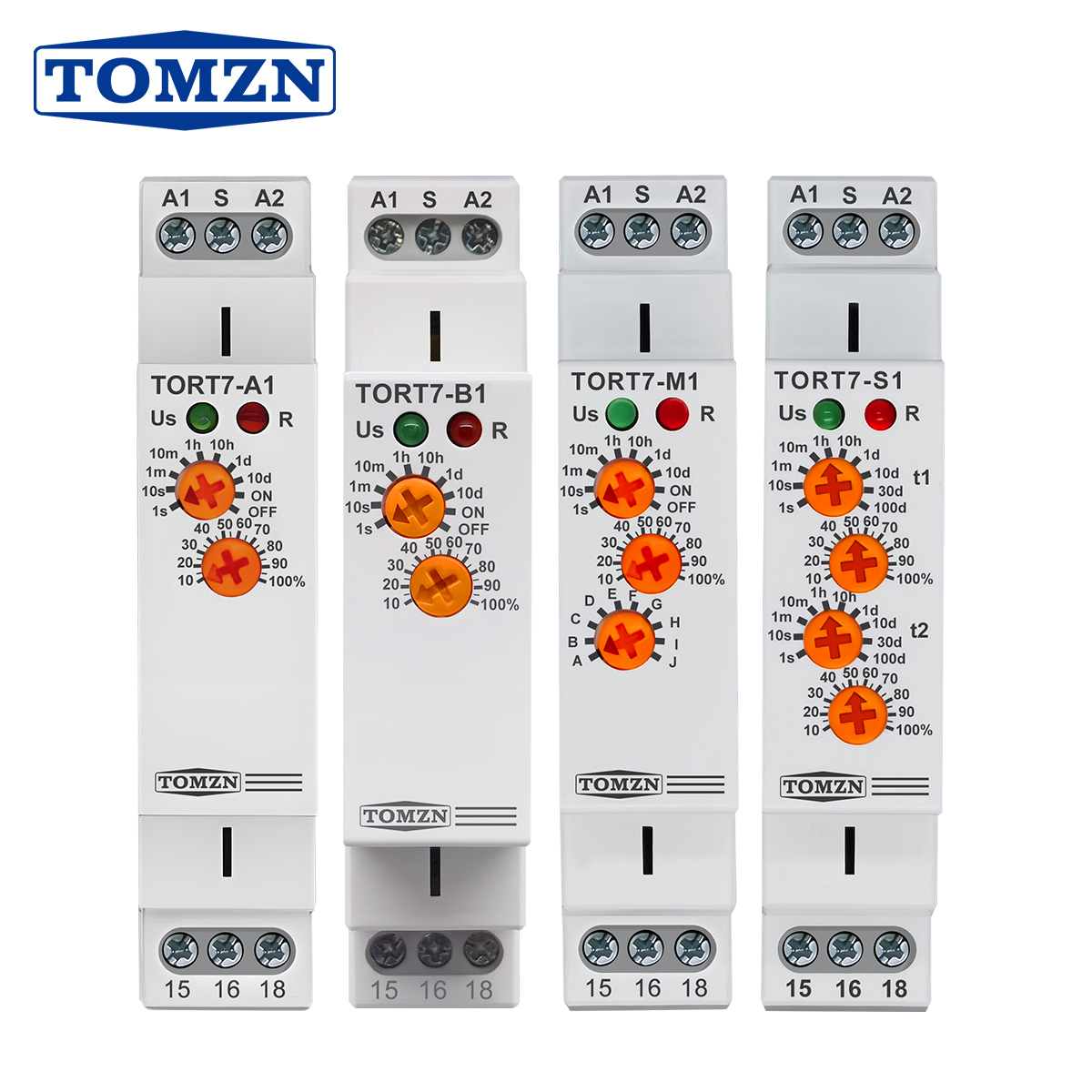
Moreover, modern Portland procurement teams face stringent supply chain constraints and carbon emission caps. By avoiding sulfur hexafluoride (SF6) greenhouse gases entirely, our vacuum circuit interrupting bottles, combined with our compact DIN-rail automation and protection modules, provide zero global-warming potential (GWP) during operational life cycles, aligning directly with Oregon's Climate Protection Program and municipal microgrid reliability standards.
Localized Deployment Scenarios in Greater Portland & Pacific Northwest
Designed to mitigate moisture intrusion, support extreme switching duty, and secure non-stop industrial operational uptime across Oregon's key industries.
High-Tech Cleanrooms & Hillsboro Data Centers
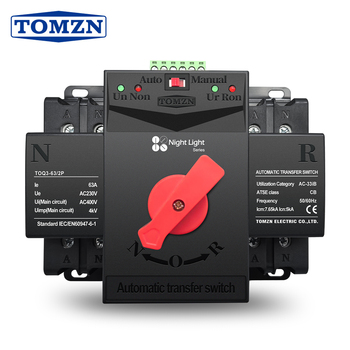
Continuous wafer manufacturing and hyperscale cloud server clusters require zero millisecond tolerance for voltage anomalies. Our dual power ATS systems coupled with rapid-response vacuum interrupters guarantee uninterrupted isolation from grid perturbations and harmonic feedback caused by oversized UPS invertor loads.
Marine Terminals & Columbia River Logistics
The Port of Portland and surrounding barge transfer facilities demand switchgear capable of resisting maritime dampness and salt-fog aerosol corrosion. Our IP65-sealed distribution enclosures, stainless linkages, and hermetically sealed vacuum bottles eliminate dielectric breakdown caused by river basin humidity.
Hydro-Solar Hybrids & Rural Co-op Sub-Stations
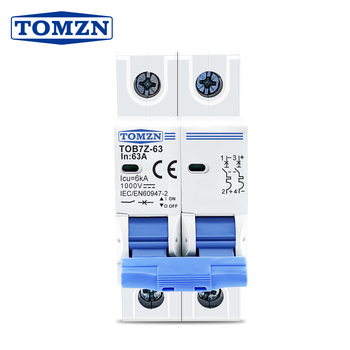
Integrating distributed solar strings with Bonneville Power Administration (BPA) hydroelectric balancing networks requires bi-directional overcurrent suppression. Our high-voltage DC MCBs and specialized vacuum interrupters withstand recurrent switching transients without premature contact erosion.
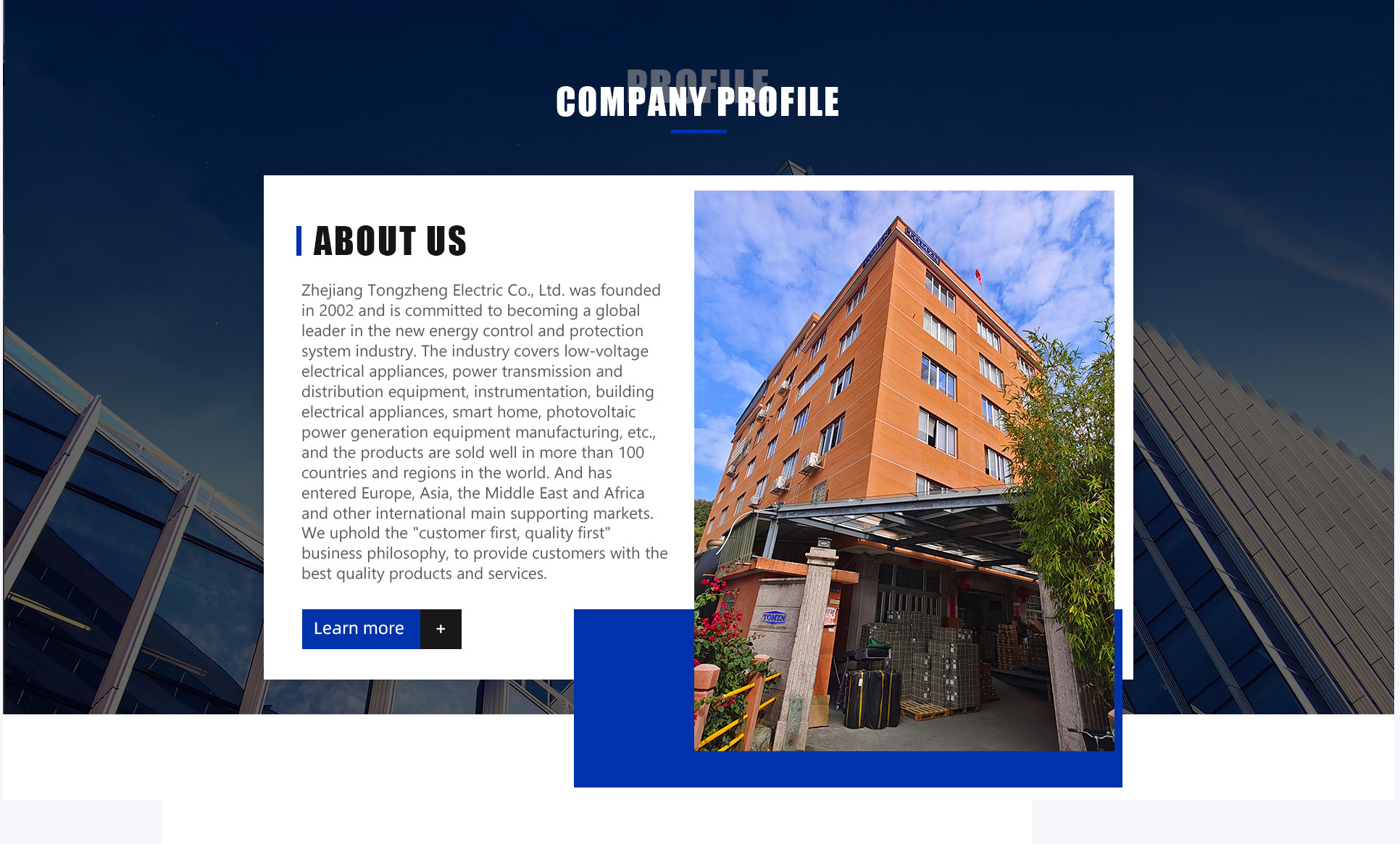
Direct Sourcing from China's Electrical Capital (Liushi, Wenzhou)
Operating from Huabei Village in Liushi Town—the epicentre of China's electrical power cluster—Zhejiang TMB Electric Co., Ltd. controls the complete production chain from die-cast copper machining to final vacuum envelope calibration.
- TÜV Rheinland On-Site Verified: Complete independent factory certification evaluating cleanrooms, automatic assembly rigs, and safety management.
- End-to-End Component Traceability: In-house fabrication of silver alloy contacts, flame-retardant thermoplastics, and high-dielectric ceramics.
- Rigorous Testing Protocols: Every breaker undergoes 100% mechanical timing, contact resistance measuring, and power-frequency withstand voltage testing before palletization.
Pacific Northwest Industrial Electrification & Modernization Trends
Strategic forces impacting electrical engineering procurement decisions across Multnomah, Washington, and Clackamas counties.
Bypassing Long Lead Times for US Switchgear
With domestic North American lead times for medium-voltage circuit breakers and vacuum interrupters reaching 50 to 80 weeks, Oregon engineering contractors are directly qualifying certified Tier-1 Chinese manufacturers like TMB to fulfill delivery schedules inside 4 to 8 weeks.
Accelerated Solar + Storage Interconnection
Oregon's Renewable Portfolio Standards (RPS) are pushing municipal utilities to integrate BESS (Battery Energy Storage Systems) at an unprecedented rate. This requires fast, DC-optimized breakers capable of clearing high short-circuit currents on sub-second thresholds without sustained arcing.
IoT-Enabled Substation Automation
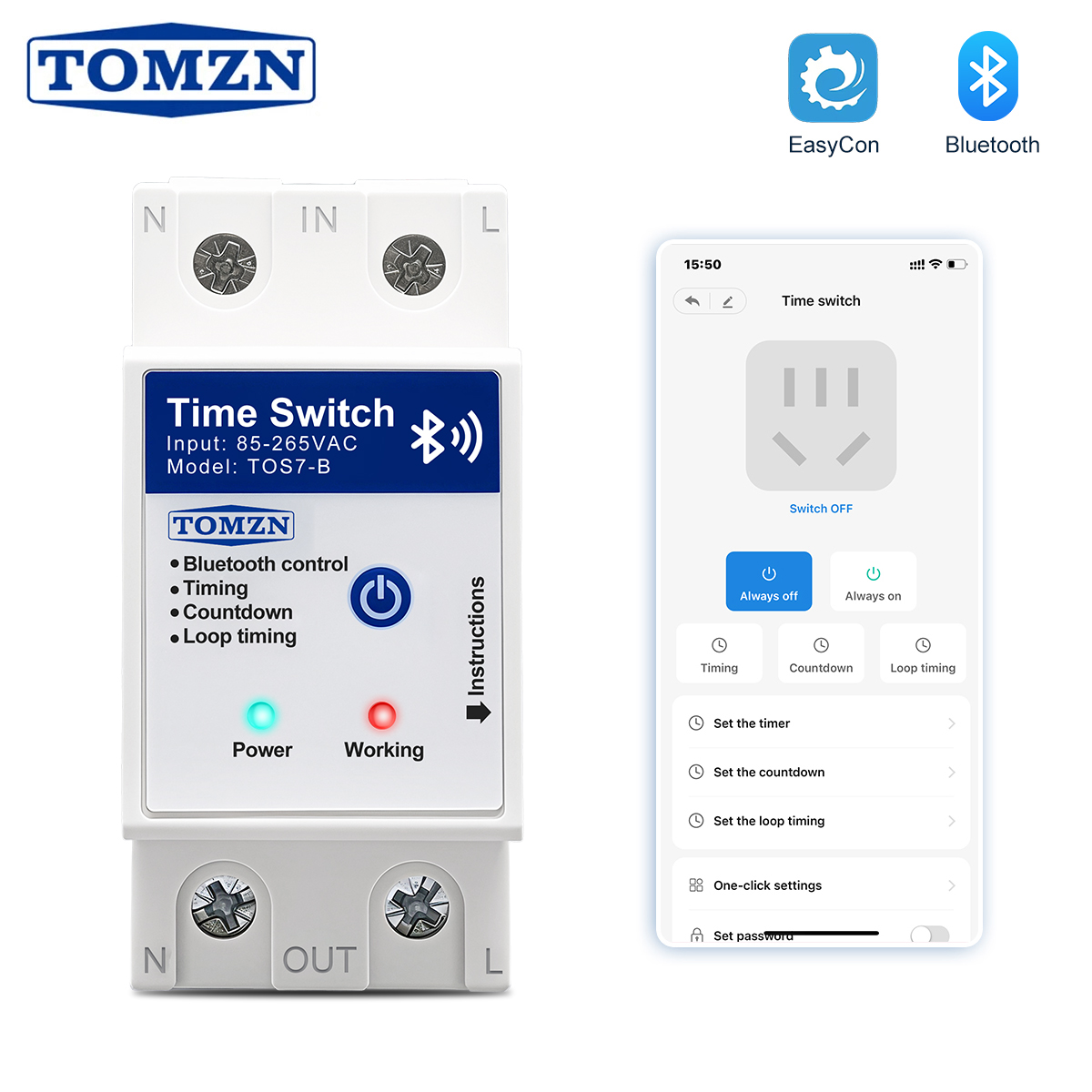
Electromechanical relays are rapidly being superseded by DIN-rail mounted intelligent controllers with Bluetooth and RS-485 interfaces. This enables Portland maintenance personnel to monitor breaker cycles, trigger load sheds, and evaluate degradation metrics without entering high-arc flash zones.
Frequently Asked Questions by Portland Procurement Teams & Master Electricians
Clear, direct answers regarding compliance, certifications, import logistics, and custom engineering for Oregon projects.
Are Chinese-manufactured vacuum breakers and switchgear approved for installation in Portland, OR?
Yes. Commercial and industrial installations under the jurisdiction of the City of Portland Bureau of Development Services (BDS) and Oregon Building Codes Division (BCD) permit switchgear certified to relevant UL standards (such as UL 489, UL 1008, or UL 1066) or evaluated through on-site Field Evaluation bodies (such as TÜV Rheinland, Intertek/ETL, or UL Field Services). TMB provides complete factory test sheets, CE markings, and material certificates to facilitate smooth local permit sign-offs.
How does Zhejiang TMB Electric manage logistics into the Port of Portland?
We provide comprehensive DDP (Delivered Duty Paid), CIF, or FOB shipment solutions via direct trans-Pacific sea freight container lines calling at the Port of Portland (Terminal 6) or arriving via the Port of Seattle/Tacoma with bonded intermodal rail to local regional distribution warehouses. Standard express air couriers are utilized for trial sample shipments and urgent replacement modules.
What distinguishes a vacuum circuit breaker from conventional molded case breakers (MCCBs)?
While MCCBs extinguish arcs across splitter plates inside atmospheric gas, a VCB separates contacts inside a sealed vacuum interrupter envelope. This enables the breaker to quench high-energy arcs at zero current with virtually no contact oxidation, allowing up to 20,000 continuous mechanical cycles. VCBs are the global benchmark for medium-voltage substations, capacitor banks, and severe motor-starting environments.
Can TMB customize auxiliary contacts, shunt trips, and enclosure ratings for OEM switchboard builders?
Absolutely. As an integrated custom manufacturer with 24 years of tooling expertise, we supply OEM private branding, custom operating voltage coils (e.g., 24V DC, 48V DC, 120V AC, 240V AC), specialized terminal busbars, and pre-wired IP65/NEMA-equivalent enclosure combinations tailor-made to your electrical drawings.
What is the minimum order quantity (MOQ) for Portland panel shops and electrical distributors?
To support contractor testing, qualification, and UL panel listing prototypes, catalog DIN rail components and timer switches have an entry MOQ from 1 to 5 pieces. Volume OEM container shipments and customized breaker configurations are quoted transparently based on volume tier pricing.
How do you guarantee dielectric integrity across long-distance maritime transport?
Every vacuum envelope and breaker mechanism is desiccated, vacuum-sealed with moisture-impervious vapor barriers, and cushioned in shock-absorbing seaworthy wooden crates. Furthermore, production batches are 100% subjected to lightning impulse withstand tests and power frequency dielectric tests prior to container dispatch.
Upgrade Your Switchgear Supply Chain with Factory-Direct Pricing
Connect with our senior technical sales team today. Whether you require standard modular DIN protection devices, custom PV combiner boxes, or medium-voltage vacuum interruption solutions for Portland projects, we provide full CAD models, test reports, and factory quotes within 24 hours.