16A Din-Rail
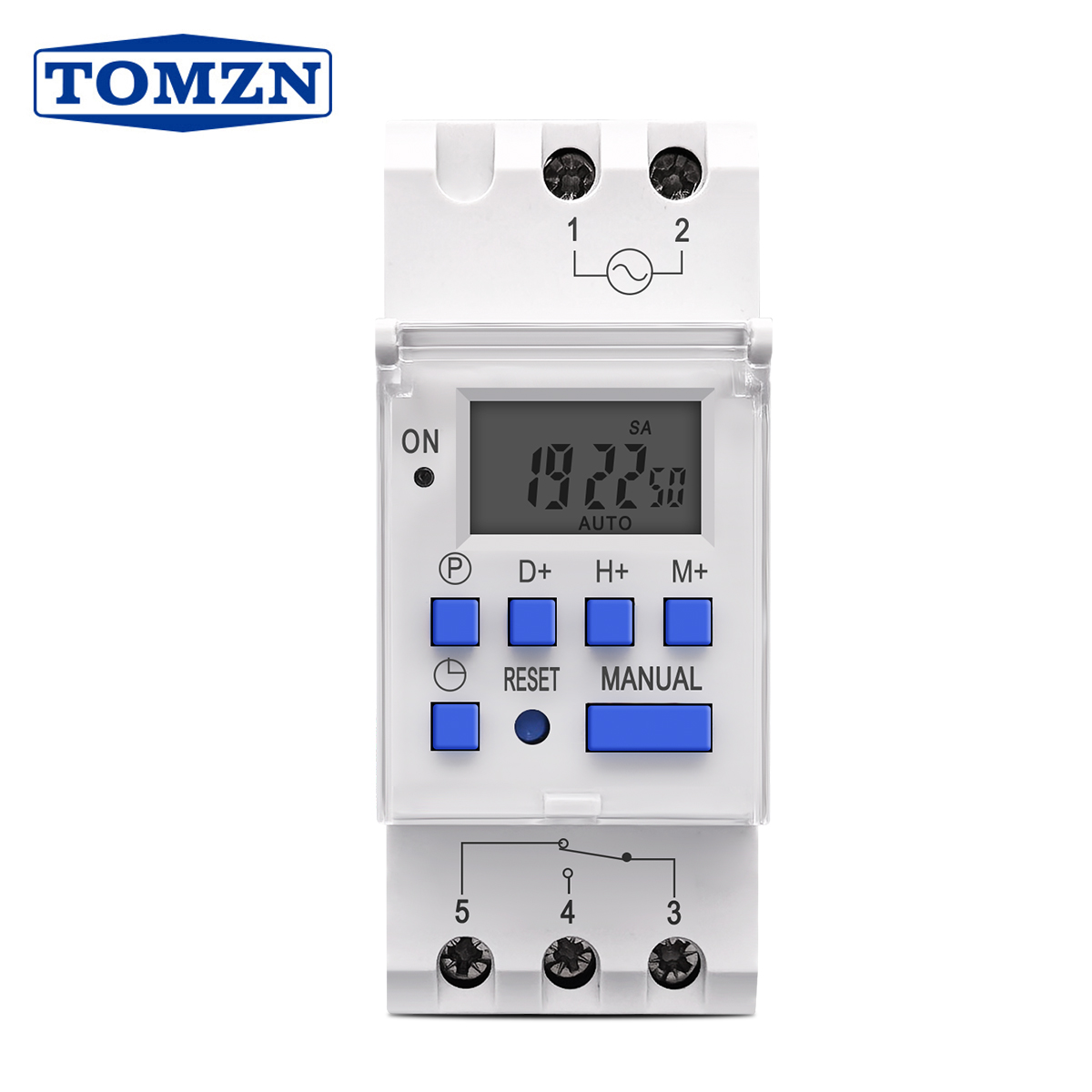
Engineering industrial-grade DIN-rail intelligence, telemetry metering, and ultra-durable circuit protection tailored for Kyushu’s commercial microgrids and coastal renewable infrastructure.
Precision-manufactured DIN-rail solutions built in our TÜV Rheinland-inspected facilities, supporting customizable current thresholds, bidirectional telemetry, and Japanese operational environmental tolerances.
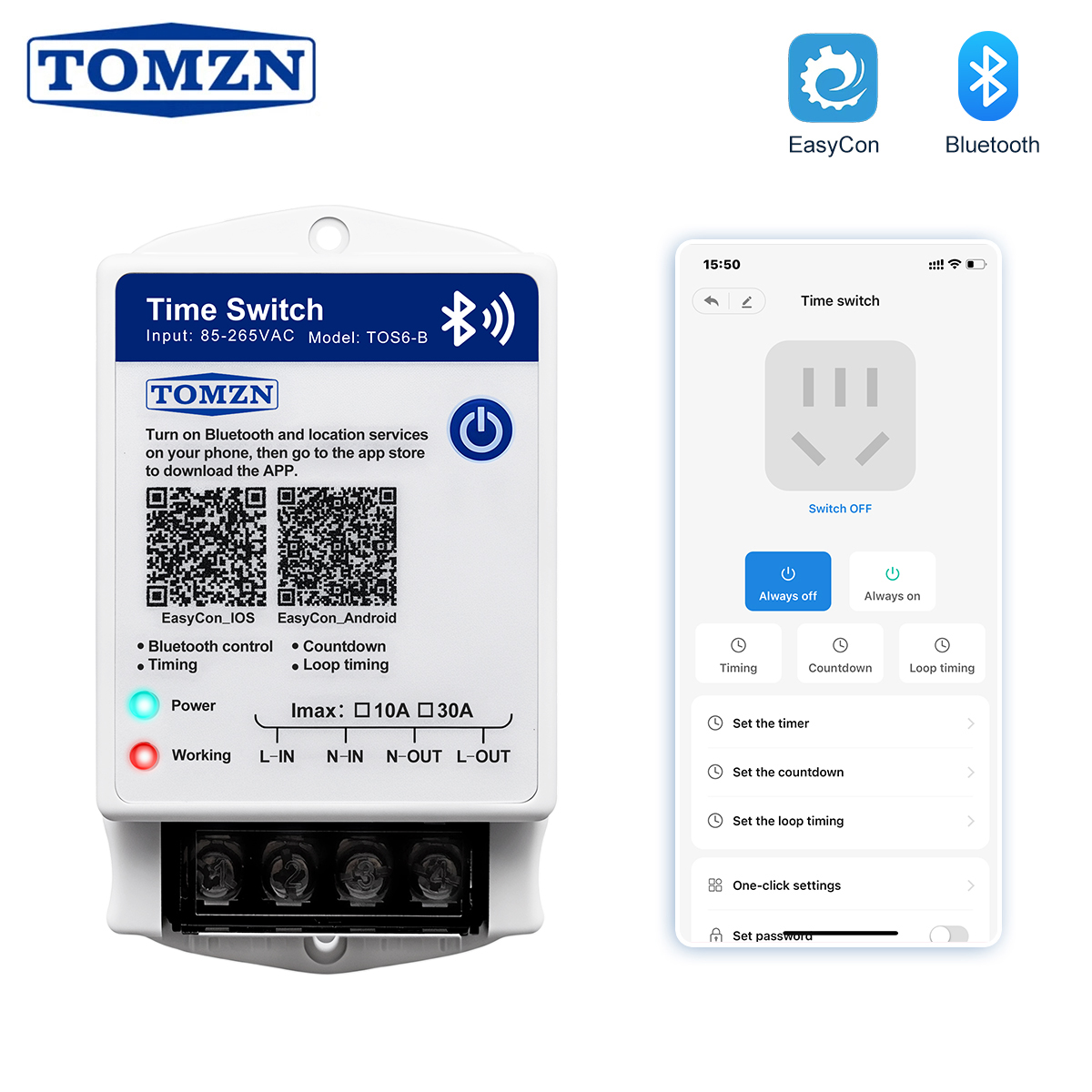
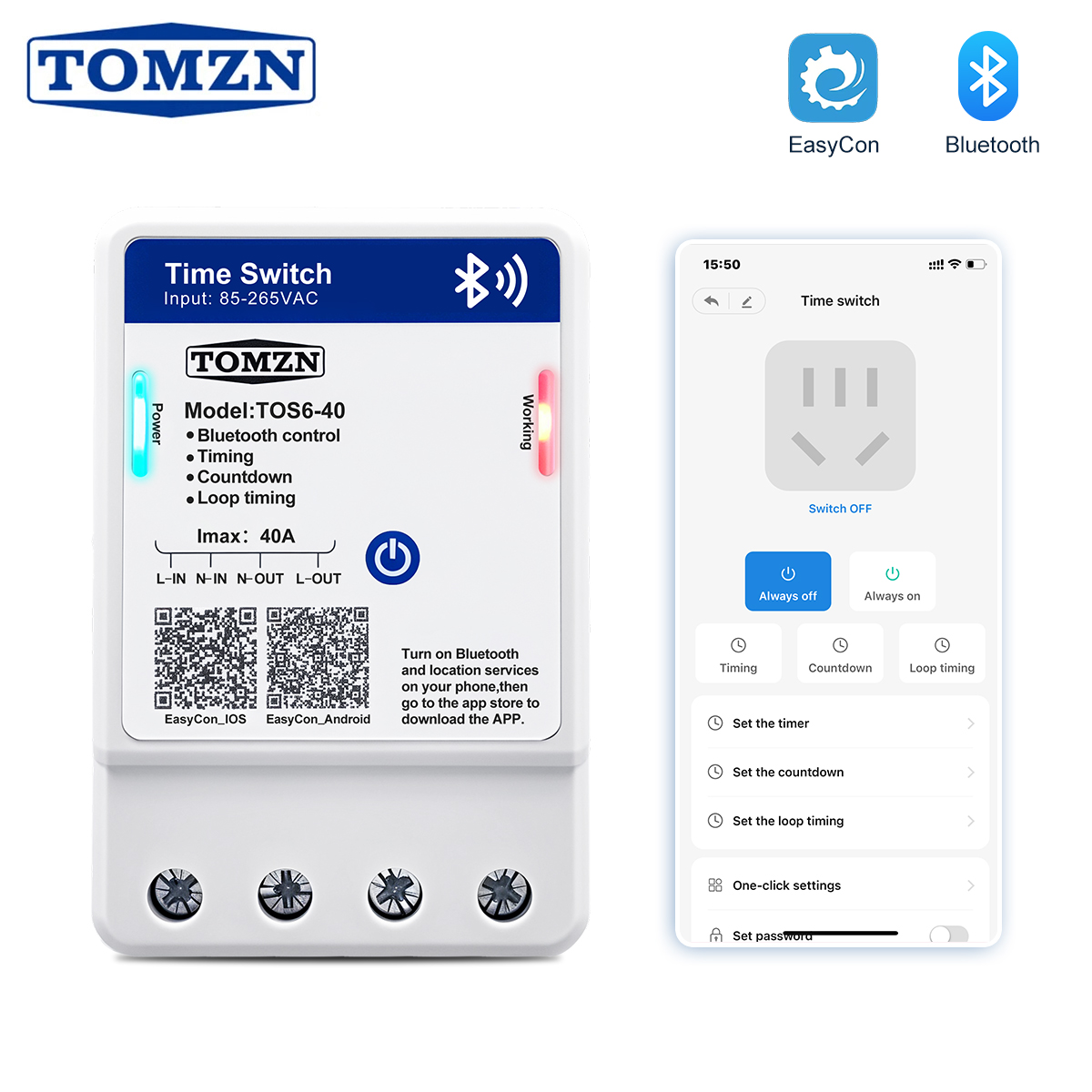
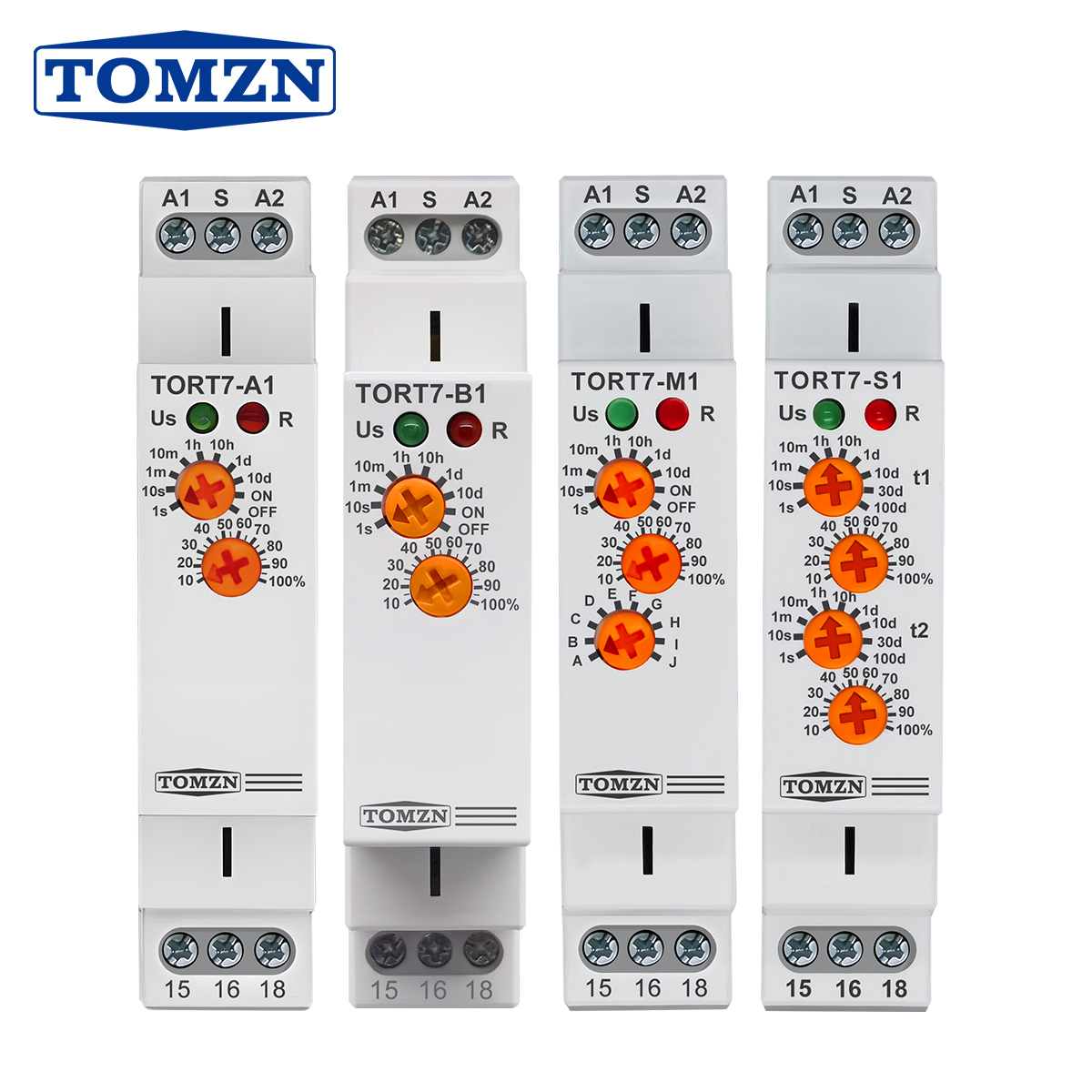
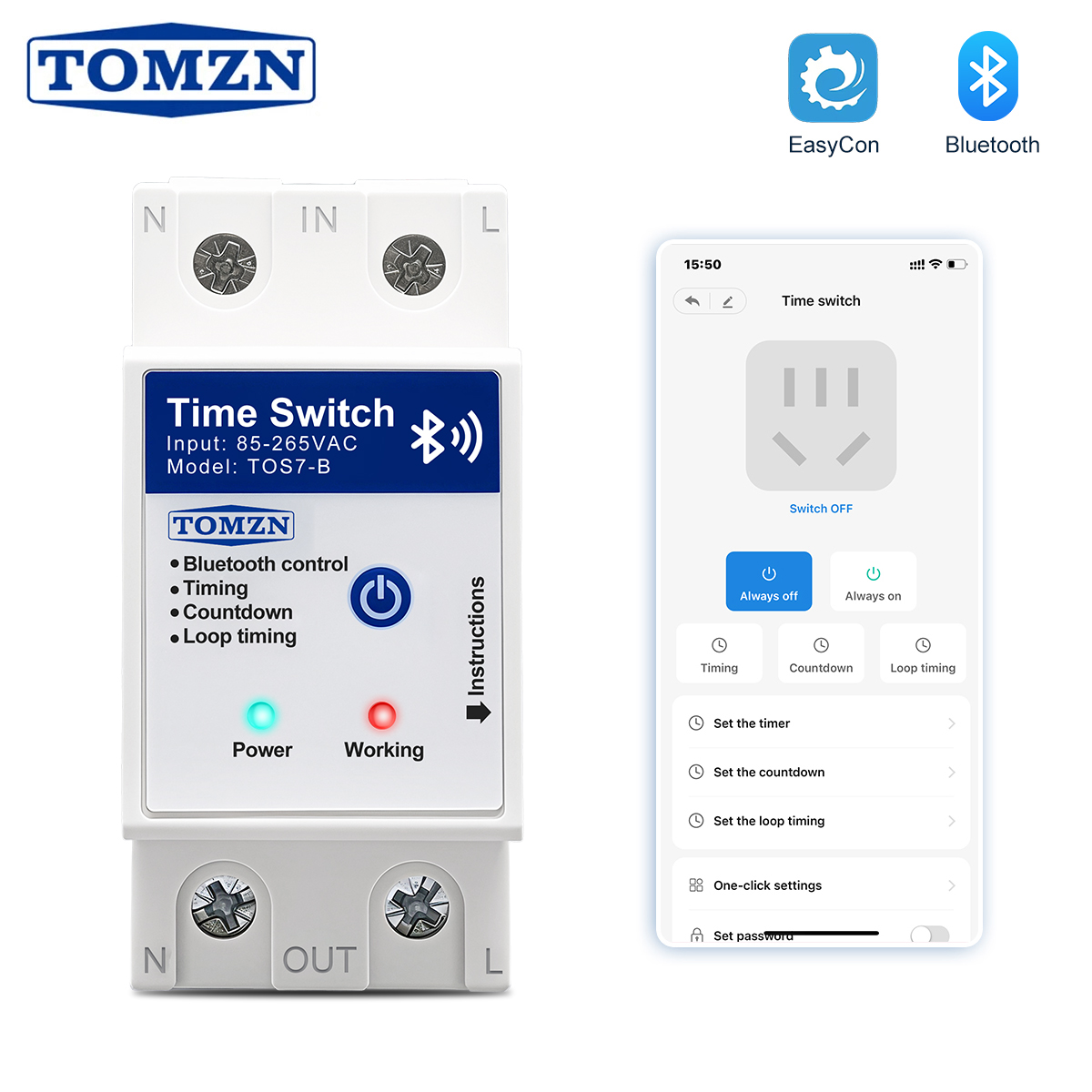
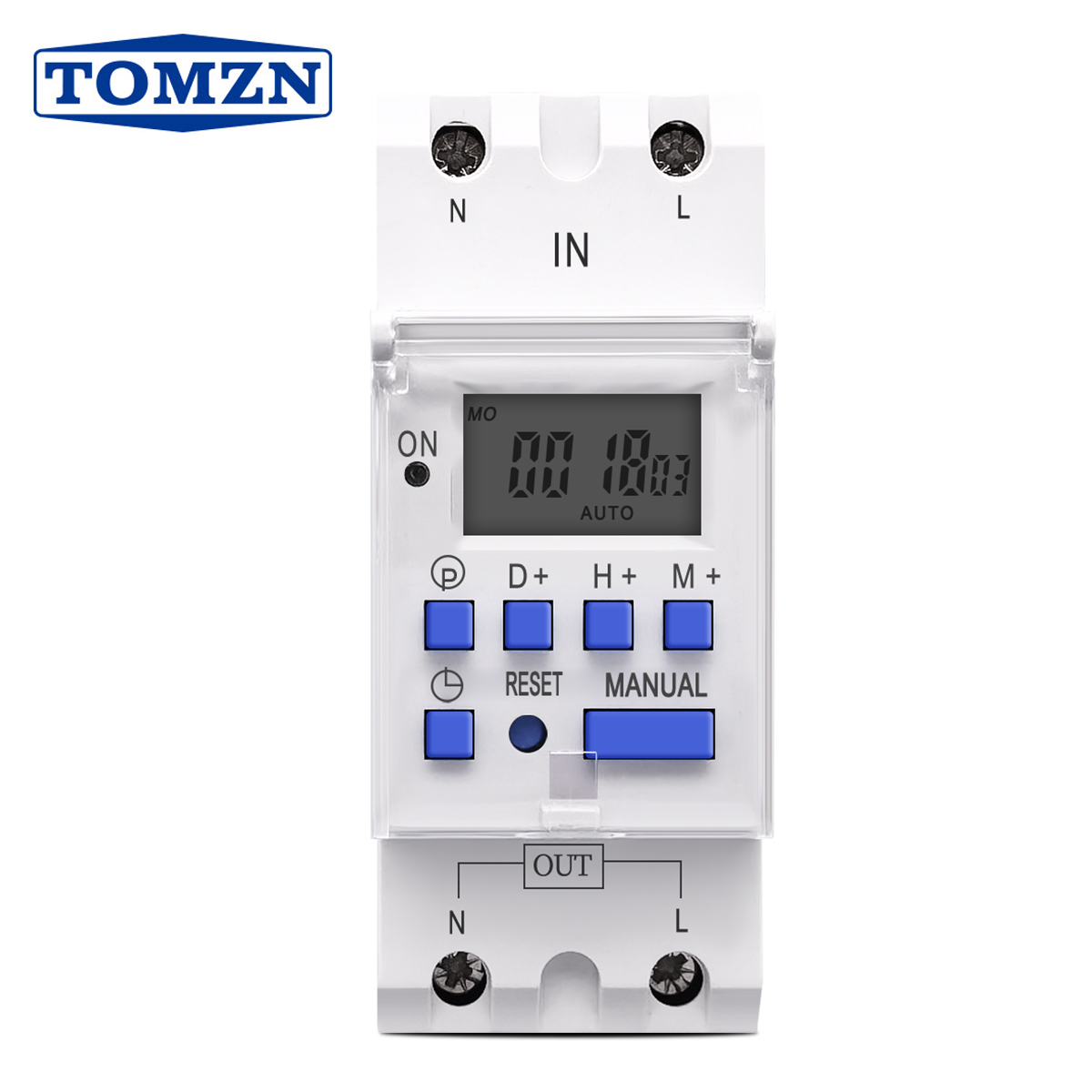
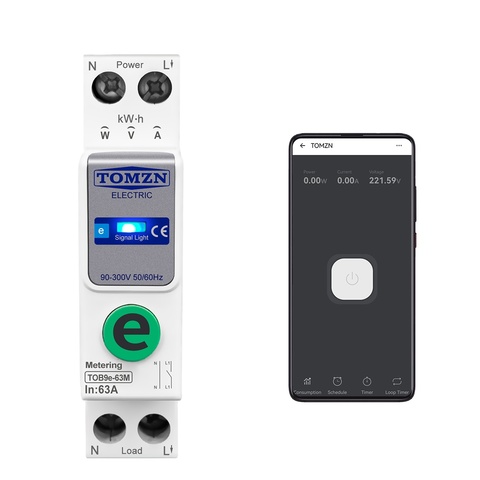
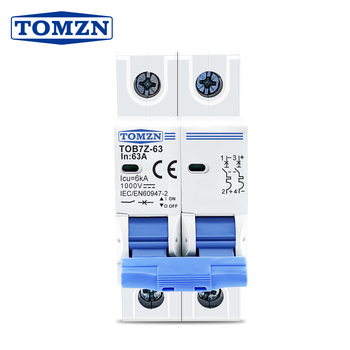
Strategic review of low-voltage network stability, distributed energy resource (DER) curtailment protocols, and advanced breaker engineering for Japanese seaside industrial zones.
The transition across Kyushu toward hyper-efficient energy orchestration has transformed Fukuoka into Japan’s foremost regional pioneer for localized microgrid architectures, distributed renewable generation, and urban smart-building integration. Because Kyushu Electric Power has frequently faced surplus solar capacity—often necessitating output curtailment across regional solar plants—the engineering demand within Fukuoka’s sub-distribution networks has fundamentally pivoted. Breaker switchgear is no longer viewed as a merely reactive thermal-magnetic fail-safe. Instead, modern procurement demands edge-computing-capable smart miniature circuit breakers (MCBs) and molded case circuit breakers (MCCBs) capable of automated load shifting, sub-second telemetry, remote disconnect, and extreme thermal resilience.
As an OEM/ODM partner with 24 years of manufacturing heritage centered in Liushi Town, Wenzhou—the world's most consolidated low-voltage electrical production cluster—Zhejiang TMB Electric Co., Ltd. supplies high-precision smart circuit breaker platforms engineered to resolve specific structural challenges in Fukuoka’s power landscape. Whether handling Japanese split-phase 100V/200V commercial distribution or high-density DC string arrays up to 1000V, our custom manufacturing services bridge rigorous compliance parameters with custom IoT communication modules (WiFi, Bluetooth Low Energy, RS485 Modbus, and Zigbee protocol bridges).
Fukuoka’s geographic position along Hakata Bay subjects electrical distribution switchgear to continuous coastal humidity and saline atmospheric infiltration. In smart circuit breaker topologies, galvanic corrosion and electrolytic bridging represent serious long-term failure vectors. Standard AC breaking contacts experience intense arc plasma expansion during short-circuit trips; in marine climates, ambient vapor accelerated oxidation causes contact pitting and increased contact resistance (R_contact). TMB breakers mitigate this through silver-nickel (AgNi10) and silver-tin-oxide (AgSnO2) sintered alloy contacts, nested within an 11-plate or 13-plate de-ionizing arc chute lined with corrosion-resistant gas-evolution extinguishing plates. The mechanical trip linkages are hardened with passivated zinc-nickel electro-coatings, ensuring that over tens of thousands of operating cycles, mechanical latching maintains calibration within 1.05 to 1.30 of rated thermal trip currents without drift.
With commercial buildings throughout Hakata and Tenjin deploying behind-the-meter solar arrays and commercial battery energy storage systems (BESS), circuit breakers must manage bi-directional power currents. Standard unidirectional meters yield inaccurate calculations when local rooftop PV systems export surplus energy into secondary risers. Our custom smart breakers feature multi-channel Class 1.0 energy measurement chipsets capable of 4-quadrant real-time metering: active power (kW), reactive power (kVAR), line voltage (V), load amperage (A), power factor (cos phi), and total harmonic distortion (THD). When integrated with local Building Energy Management Systems (BEMS) or open-source edge controllers via REST APIs or MQTT brokers, our smart switches enable automated peak-shaving, shedding non-critical HVAC and refrigeration circuits within milliseconds of regional peak-tariff signals.
Industrial machinery, inverter-driven heat pumps, and extensive commercial LED driver arrays common in Fukuoka logistic centers (such as those around the Port of Hakata and Island City) produce tremendous instantaneous inrush currents upon circuit energization—often exceeding 10 to 20 times nominal amperage. Conventional mechanical relays suffer rapid contact welding under these transient electrodynamic forces. TMB’s smart electronic timer switches and intelligent breakers utilize synchronous zero-crossing detection firmware. By timing the relay closure precisely at the voltage zero-crossing threshold (V_instant = 0), capacitive inrush surges are suppressed at the root, lengthening relay contact operational lifespans past 100,000 electrical cycles and shielding upstream sensitive electronics from bus transients.
Tailored OEM configurations deployed across regional logistics, commercial real estate, agricultural cold chains, and coastal microgrids.
Tenant sub-metering, timed commercial lighting distribution panels, and adaptive HVAC load shedding. Our Bluetooth/WiFi DIN-rail switches empower facilities managers to partition sub-distribution risers without intrusive rewiring, achieving localized ISO 50001 energy auditing.
Get a QuoteIn Itoshima greenhouse complexes and Kitakyushu temperature-controlled logistics cold chains, our TORT7 and digital timers govern cycle refrigeration pumps, misting units, and asymmetric defrost cycles under severe moisture conditions.
Get a QuoteAutomatic transfer switches combined with 1000V DC miniature breakers safeguard critical battery storage nodes, backup generators, and DC rapid charging hubs against mains drops, lightning transients, and reverse-feed overloading.
Get a QuoteNavigating evolving electrical standard revisions, solar curtailment mandates, and IoT integration across the Kyushu Economic Federation territory.
With the frequent enforcement of curtailment on Kyushu's electrical grid, regional EPC contractors increasingly mandate smart breakers capable of programmable external tripping signals to isolate distributed PV generation without causing upstream harmonic distortion.
In accordance with METI requirements and the Electrical Appliance and Material Safety Act (PSE compliance parameters), distribution boards require glow-wire self-extinguishing plastic resins (UL94 V-0) capable of withstanding glow temperatures exceeding 850°C without sustaining flame.
The acceleration of IoT across Fukuoka's industrial parks (Kasuya, Kanda, and Shime) has spurred retrofits where conventional toggle breakers are replaced by DIN-rail digital breaker units providing Modbus-RTU, BLE, or WiFi energy telemetry straight to localized SCADA.
Combining 24 years of manufacturing domain expertise with the full supply chain density of Liushi, Wenzhou.
Located in China's largest low-voltage electrical hub, our 5,700 m² factory controls stamped terminal tooling, automated coil winding, housing mold injection, and silver contact procurement with ultra-short turnaround cycles.
Our production facilities, testing laboratories, and staffing competencies are fully verified on-site by TÜV Rheinland. We run fully documented ISO quality management systems guaranteeing consistent dimensional and magnetic tolerances.
We engineer customized smart circuit breakers, bespoke timer software behaviors, unique casing silk-screening, custom laser-etched wiring diagrams, and tailored PV combiner enclosures starting from accessible trial MOQs (5 pcs catalog, 1 pc timers).
Our comprehensive production lines comply with CE low-voltage directives, IEC/EN 60898-1, IEC 60947-2, and applicable electromagnetic compatibility mandates, ensuring seamless integration into international and regional export boards.
Every smart breaker and programmable controller follows a traceable zero-defect protocol before packaging.
Spectrographic verification of bimetal thermal trips, silver alloy purity, and copper terminal conductivity.
Torque-monitored workstation assembly guaranteeing strict mechanical toggle force tolerances and contact clearance.
Computerized calibration bench running B, C, and D curve magnetic instantaneous release testing at rated multiples.
High-potential flashover testing at 2,000V to ensure insulation resistance between open contacts, adjacent poles, and rail clips.
Full-voltage cycling under load, verifying BLE pairing stability, cloud telemetry packet reliability, and MCU retention.
Barcode verification, laser printing clarity checks, terminal screw integrity review, and vacuum-sealed packaging.
Addressing standard procurement, electrical grid compatibility, and logistical practicalities for Japanese enterprise operations.
Consult with our technical sales engineers regarding pole counts, breaking capacities (4.5kA, 6kA, 10kA), custom telemetry firmware, or bespoke pre-wired PV combiner boxes. We support trial orders from 5 units with comprehensive OEM customization.