High-Yield Protection & Automation Inventory
Engineered for high dielectric integrity, rapid magnetic de-latching, and zero cross-current contamination in hybrid setups across Ulaanbaatar and regional aymags.
Engineering Whitepaper: Managing Sub-Zero Direct Current Dynamics in Central Asia
In high-latitude, extreme continental climate zones such as Ulaanbaatar, Mongolia, standard commercial switchgear fails prematurely due to thermodynamic mechanical contraction, dielectric air breakdown variations, and persistent Direct Current (DC) arcing. Unlike Alternating Current (AC) systems—which inherently cross a zero-voltage potential 100 to 120 times per second—a DC system maintains continuous voltage across contacts during an interruption event. When a breaker trips under full load in a solar array or a high-capacity lithium iron phosphate (LiFePO4) storage bank, the resulting sustained plasma arc requires substantial magnetic field redirection to be driven rapidly into the arc splitter plates.
Sub-zero air exhibits higher dielectric resistance initially, but interior condensation cycles during daytime solar heating create moisture films on terminal lugs and trip linkages. Without specialized silver alloy contact tips (AgSnO2) and anti-embrittlement thermoset nylon bodies, low-tier breakers shatter mechanically or suffer internal terminal welding when clearing short-circuit currents.
Zhejiang TMB Electric engineers high-velocity deionizing arc chutes built with 13-plate electrolytic copper-plated steel sheets paired with internal permanent blowout magnets. When our DC MCBs or MCCBs trip, the magnetic flux field exerts a Lorentz force directly on the electrical arc, stretching the plasma column into the splitters where it is segmented, cooled, and extinguished in under 8 milliseconds. For EPC contractors and containerized BESS system integrators throughout Ulaanbaatar's Songinokhairkhan, Bayanzürkh, and Khan-Uul districts, our switchgear provides fail-safe isolation, preventing string burn-throughs and expensive balance-of-system failures.
| Operational Dimension | Standard Commercial Breaker (Temperate) | TMB Sub-Zero DC Breaker (Mongolia Grade) |
|---|---|---|
| Operating Temperature | -5°C to +40°C (Mechanical jamming below -15°C) | -40°C to +70°C (Silicone-damped linkage, non-freezing) |
| Arc Quenching Architecture | Passive mechanical opening (Air expansion only) | Dual Permanent Magnetic Blowout + 13 Deion Plates |
| Short-Circuit Capacity (Icu) | 4.5kA to 6kA (Derated under intense cold) | 10kA to 20kA verified across whole thermal spectrum |
| Enclosure & Polymer Rating | Standard ABS/Recycled Polycarbonate (Embrittles) | Virgin Polyamide 66 (UL94-V0 self-extinguishing) |
| Altitude Derating Handling | Standard calibration (0 - 1,000m ASL) | Engineered clearance distances for 1,300m - 2,000m ASL |
Localized Scenarios: From Steppe Microgrids to Urban Heating Sub-Stations
Targeted switchgear configurations tailored to solve harsh environmental real-world distribution demands across Ulaanbaatar and provincial territories.
Ger District Hybrid Solar & Heat Storage
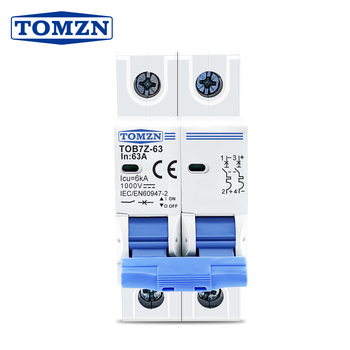
Air pollution mitigation initiatives around Ulaanbaatar have spurred rapid deployment of clean electric thermal storage and rooftop solar arrays in ger districts. Our 2P 1000V DC MCBs and IP65 combiner boxes isolate rooftop PV strings from indoor high-draw battery thermal banks, providing safe, arc-free isolation under shifting household electrical loads.
Containerized Mining BESS & Remote Telecommunications
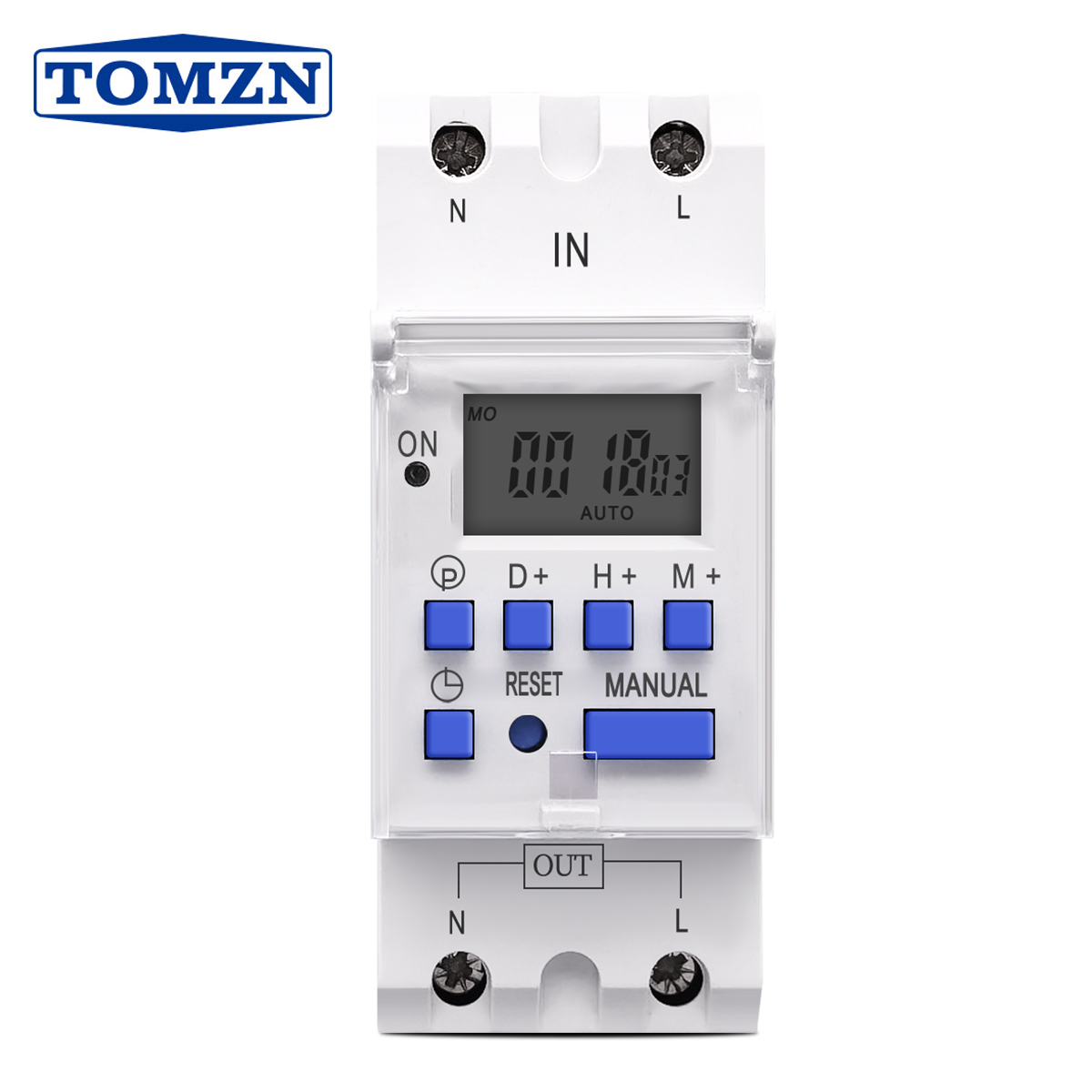
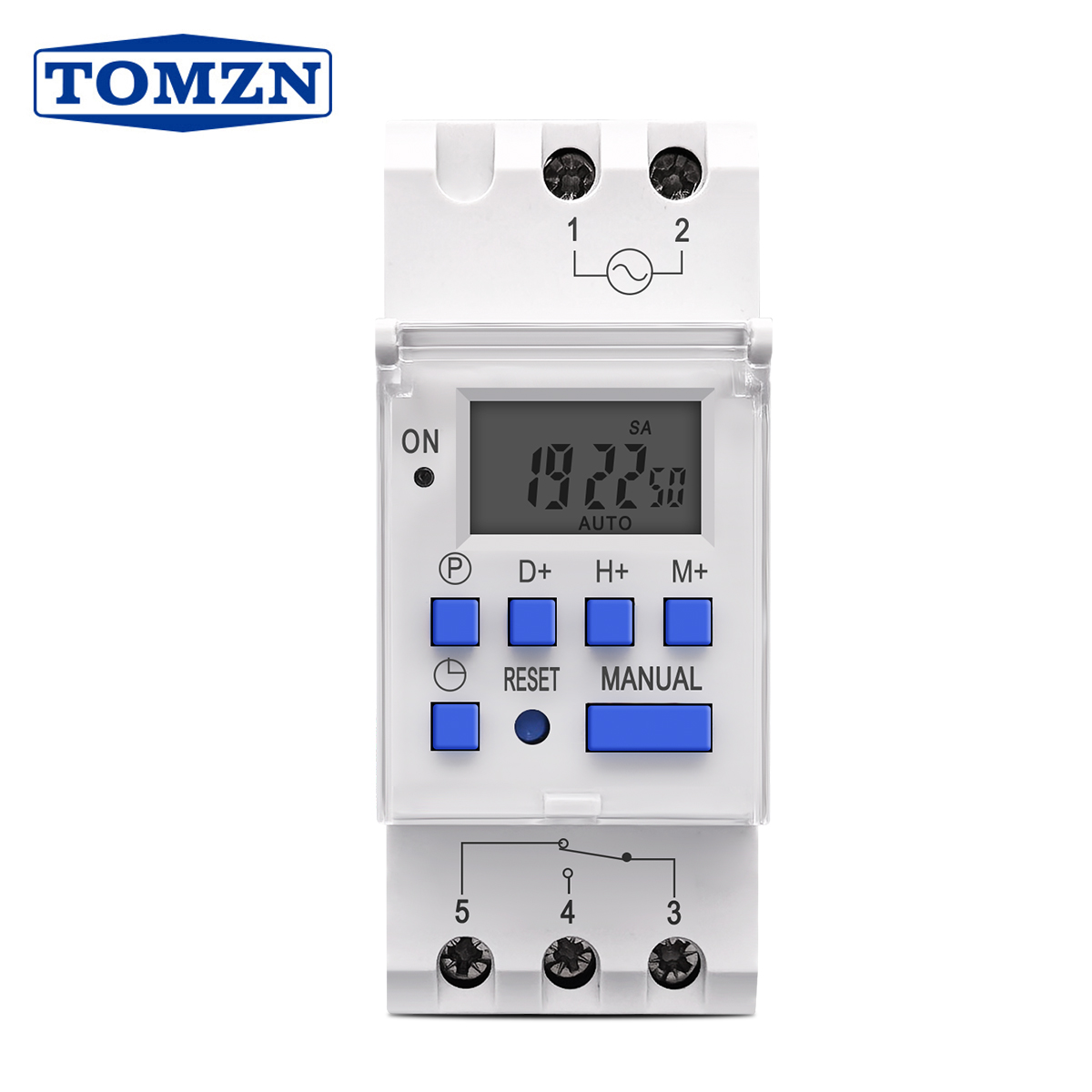
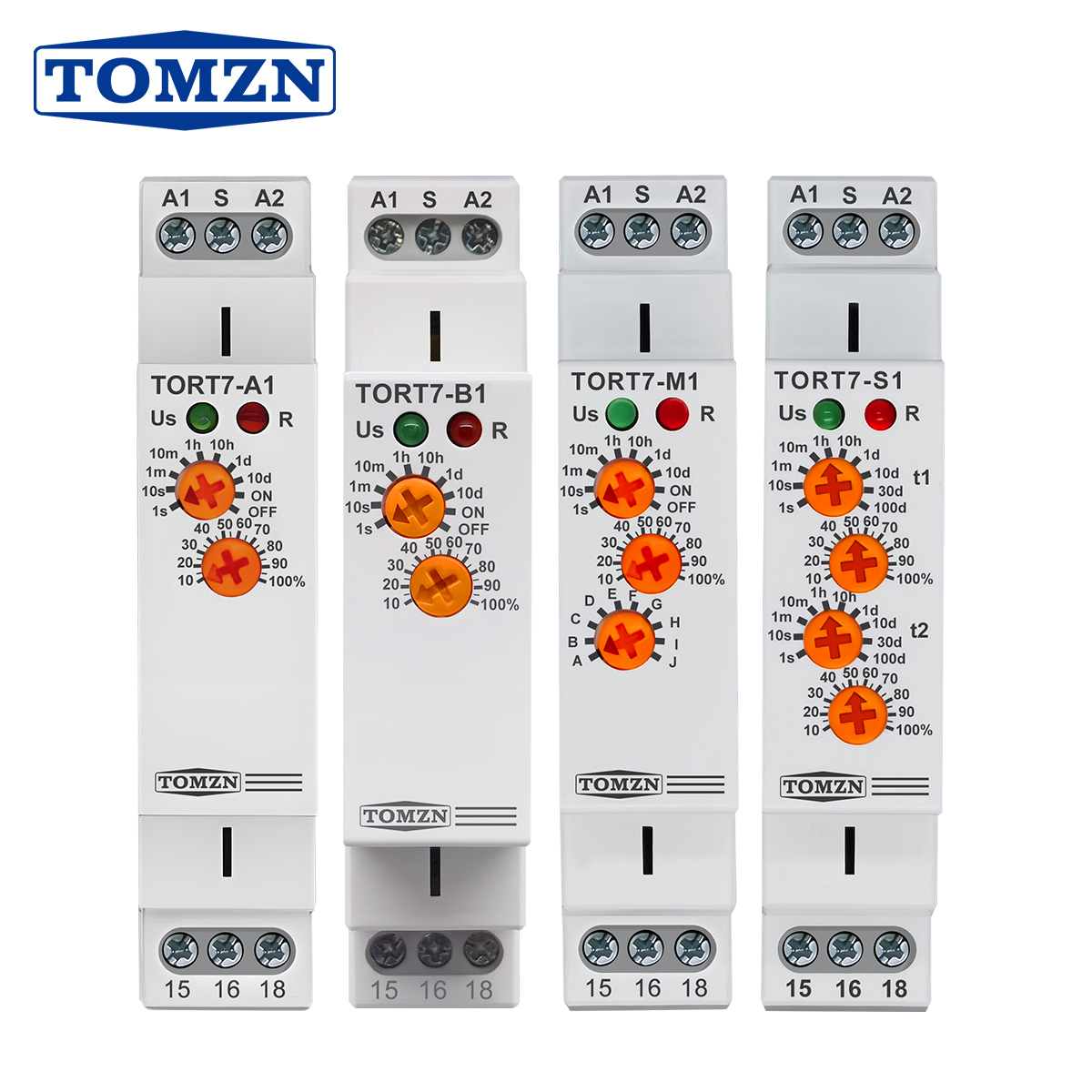
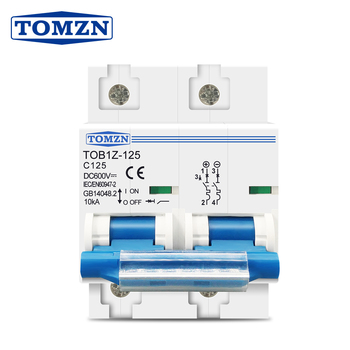
Critical mobile network towers and mining infrastructure located along the South Gobi transportation corridor and northern mining hubs demand uninterrupted battery backup. Our heavy-duty 80A-125A 600V DC MCBs serve as non-polarized main DC battery isolators, pairing with industrial timers to balance daily generator cycling and renewable charging.
Khan-Uul Commercial Real Estate & Data Backup
Ulaanbaatar’s burgeoning commercial sector in Khan-Uul utilizes dual-power automatic transfer switches (ATS) paired with DC battery storage systems. When central Combined Heat and Power (CHP) grid fluctuations occur during peak winter freeze-overs, TMB's DC breakers and transfer switches prevent voltage dropouts for mission-critical IT servers and facility operations.
Market Evolution: Renewable Decarbonization in Ulaanbaatar (2025–2030)
How Mongolia's National Energy Strategy, grid expansion, and extreme weather resilience are reshaping electrical procurement standards.
Transition from Coal Grates to Decentralized PV
Mongolia’s severe winter air inversions have prompted national tax subsidies and zero-tariff incentives on renewable power conversion kits. The transition towards decentralized rooftop installations across urban settlements requires Tier-1 certified balance-of-system parts that can withstand dramatic daily thermal swings of over 30°C.
Stringent Rigor in Government Fire Safety Compliance
In response to catastrophic electrical fires caused by poorly insulated counterfeit components imported through secondary trade channels, Ulaanbaatar city inspectors now mandate documented CE, TÜV Rheinland, and IEC test reports for all multi-family and public sector renewable retrofits.
Automated Smart Metering & Remote Control
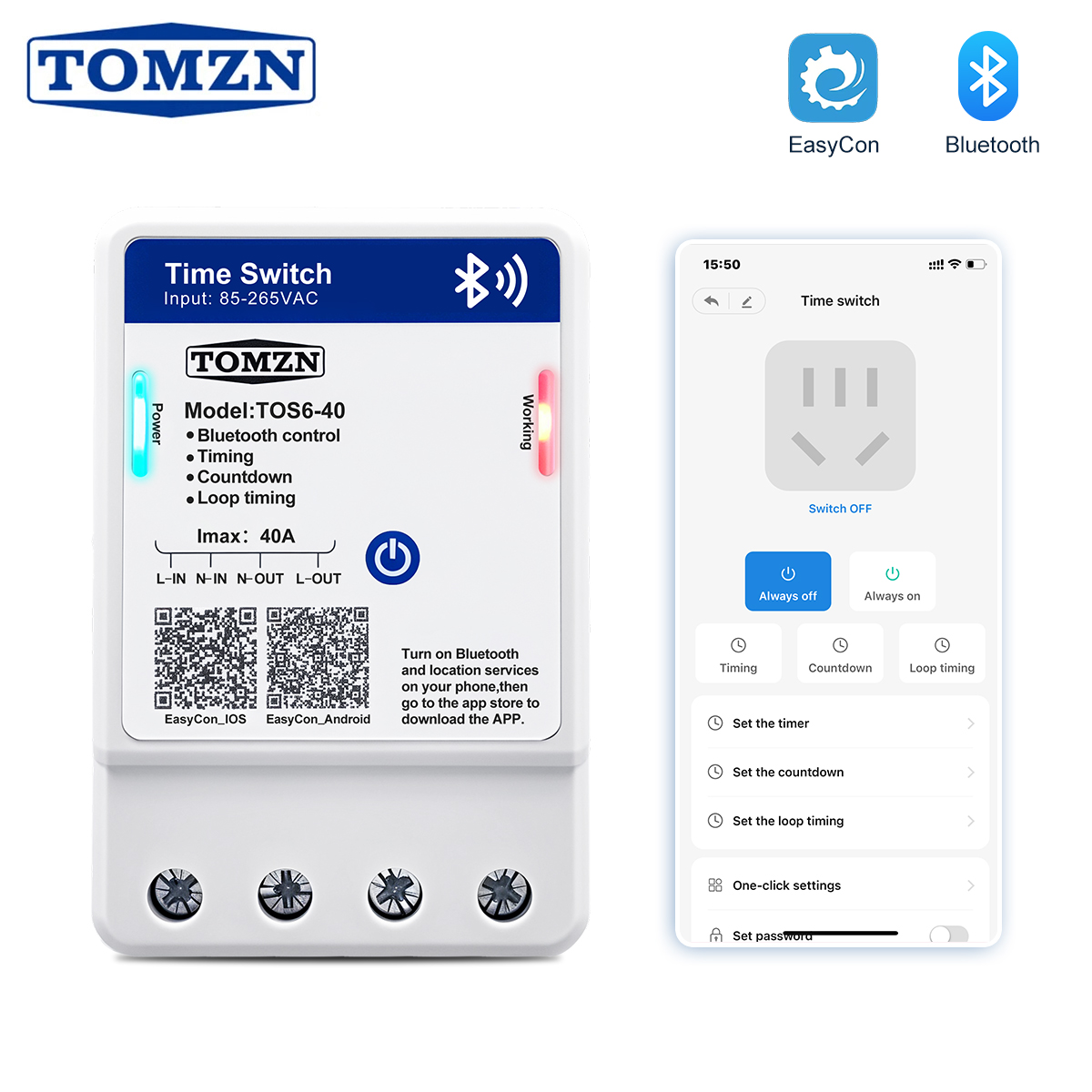
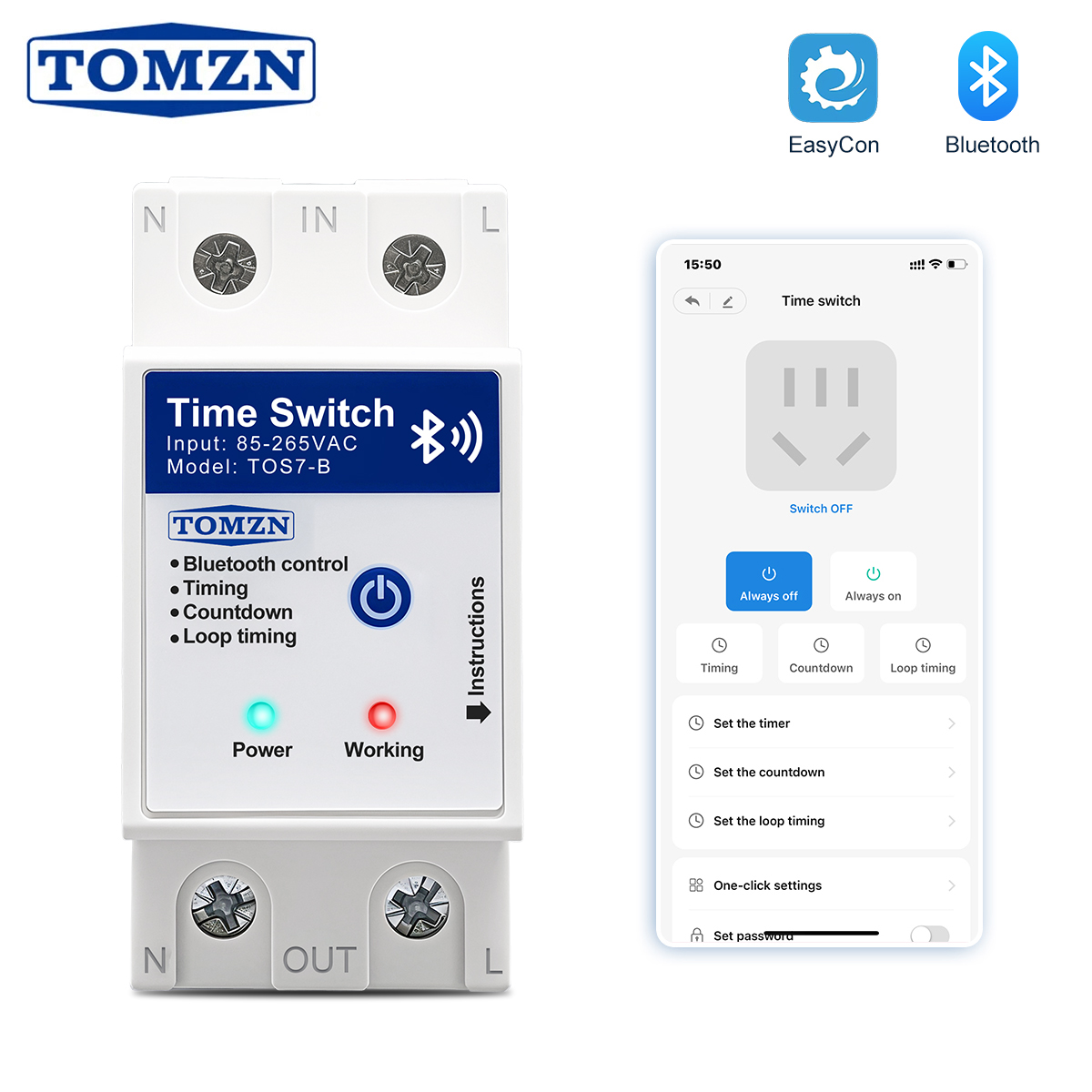
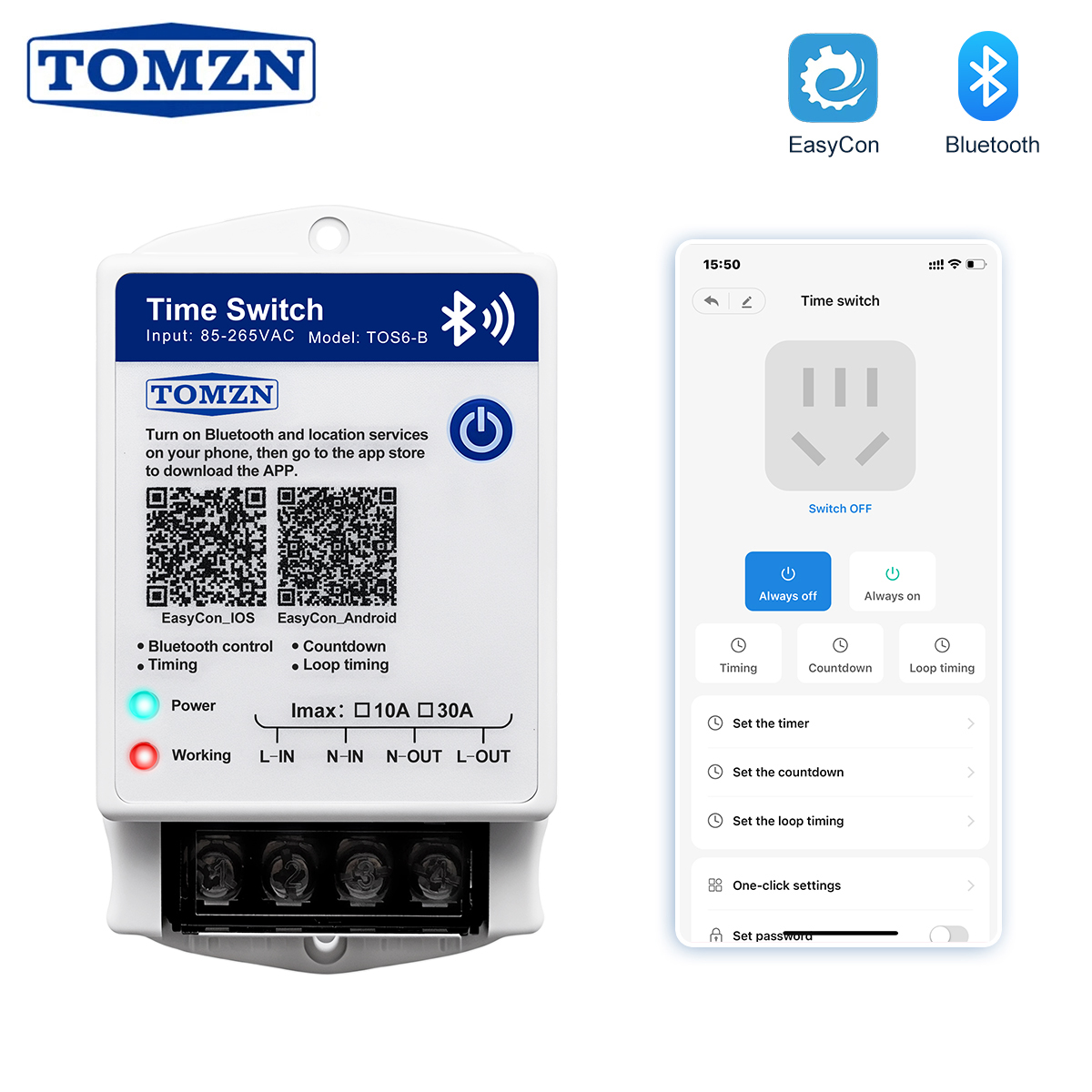
High logistics costs and icy winter transport routes make manual site visits in outlying settlements cost-prohibitive. Contractors are moving toward Bluetooth and smart WiFi circuit breakers that deliver remote status telemetry, automatic weekly timing schedules, and proactive overload disconnections from centralized headquarters.
Why Mongolian Wholesalers & EPCs Source Directly from Zhejiang TMB Electric
Direct manufacturing control from Liushi Town, Wenzhou—China’s epicenter of low-voltage electrical manufacturing.
24 Years Factory Experience
Founded with focused engineering precision. We manage full tooling, injection molding, stamping, and trip calibration in-house.
TÜV Rheinland Assessed
Our 5,700 m² facility with 92 technical personnel has passed thorough on-site assessments by TÜV Rheinland for complete supply-chain accountability.
Low MOQ (From 5 Pcs)
We empower local engineering trials, sample pilot installations, and scalable procurement without locking your capital in excessive inventory.
OEM / ODM Customization
Laser marking of your brand, customized breaking curves (B, C, D), bespoke Mongolian/Russian language carton labels, and tailored string combiner boxes.
Frequently Asked Questions: DC Switchgear Import for Ulaanbaatar Buyers
Essential guidance covering cold-climate reliability, freight corridors, and technical compliance.
Why must we avoid standard AC circuit breakers on solar arrays in Mongolia?
How do TMB DC breakers handle Ulaanbaatar's extreme -30°C to -40°C winter temperatures?
What is the standard shipping transit time and route from your factory to Ulaanbaatar?
Do you offer polarized or non-polarized DC circuit breakers?
Can I order pre-wired IP65 solar combiner boxes customized for our local projects?
What minimum order quantities (MOQ) apply for OEM private branding?
Scale Your Electrical Safety With a Verified Manufacturer
Connect with our technical engineering desk for complete datasheets, compliance documentation, or an immediate quotation tailored to your project requirements in Ulaanbaatar.
Get Catalog