Industrial Power Engineering · White Paper

DC Isolator Switch Manufacturers & Exporters in the Kawasaki Market

High-reliability 1000V–1500V DC isolation, photovoltaic string protection, and industrial energy storage switching engineered for the Keihin Industrial Zone and Kawasaki coastal plants.

Precision Circuit Isolation

High-Voltage DC Protection & Intelligent Control Series

Factory-tested switching architectures engineered to handle persistent direct-current electrical arcing across solar arrays, battery backup clusters, and high-frequency industrial automation panels in Kanagawa Prefecture.
PV Isolation 2P DC MCB 1000V for Solar PV Isolator Strings

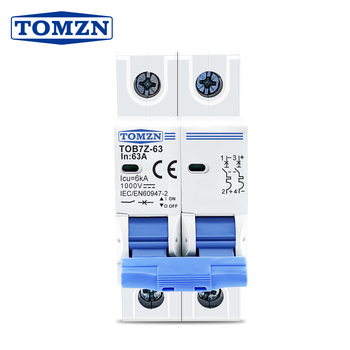
2P DC MCB 1000V Solar DC Miniature Circuit Breaker

1000V DC 3A–63A Arc Splitter
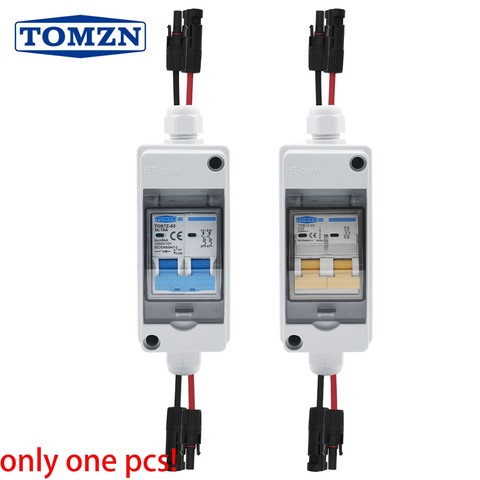
IP65 Waterproof IP65 Solar PV Combiner Box with Integrated DC Isolator

Solar PV Combiner Box with Integrated DC Isolator & SPD

IP65 Enclosure 1-In / 1-Out JIS C 8461
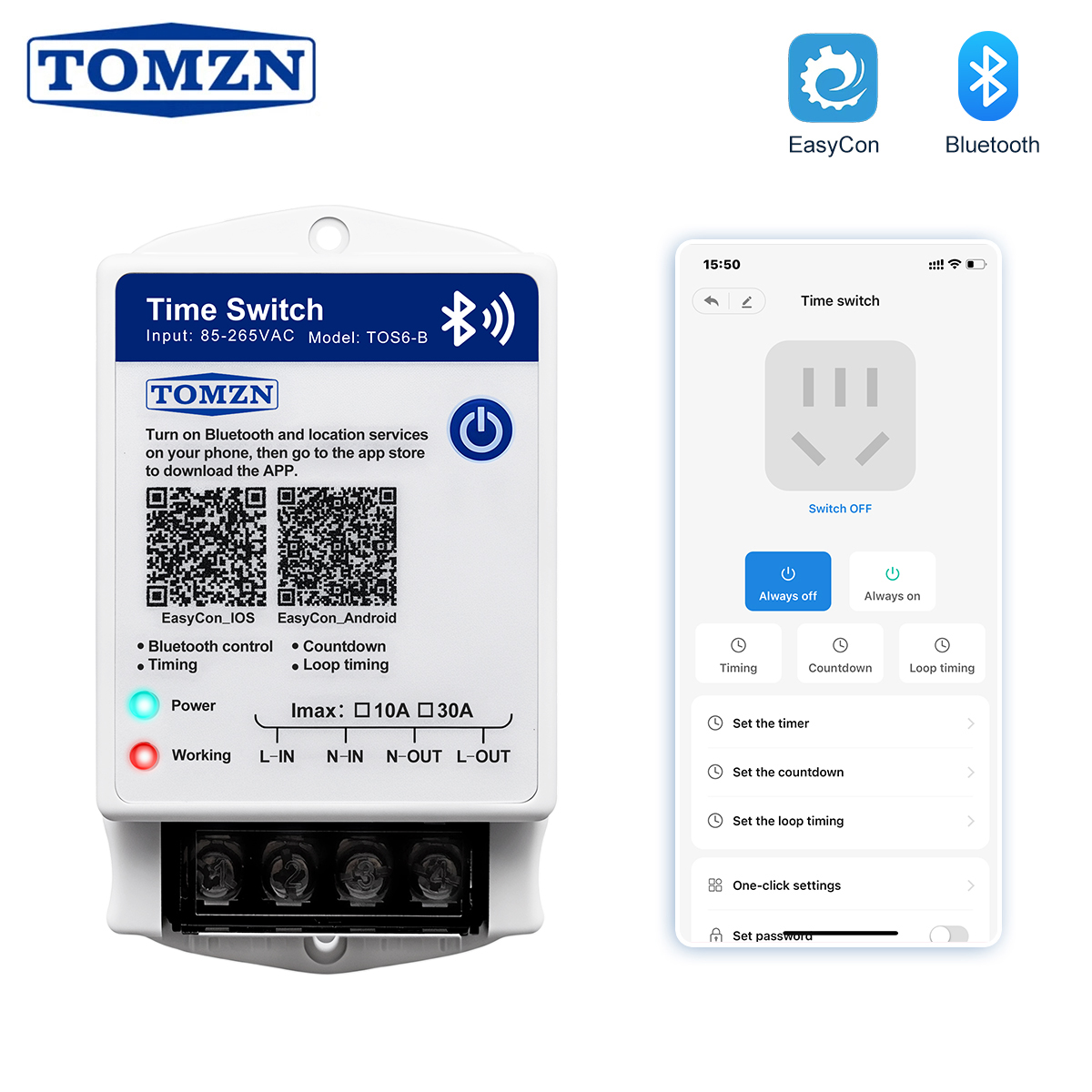
Smart Control TOMZN Bluetooth Smart Timer Switch 85-265VAC

TOMZN Bluetooth Smart Timer Switch 85-265VAC 10A 30A

App Control 28 Groups Countdown Loop
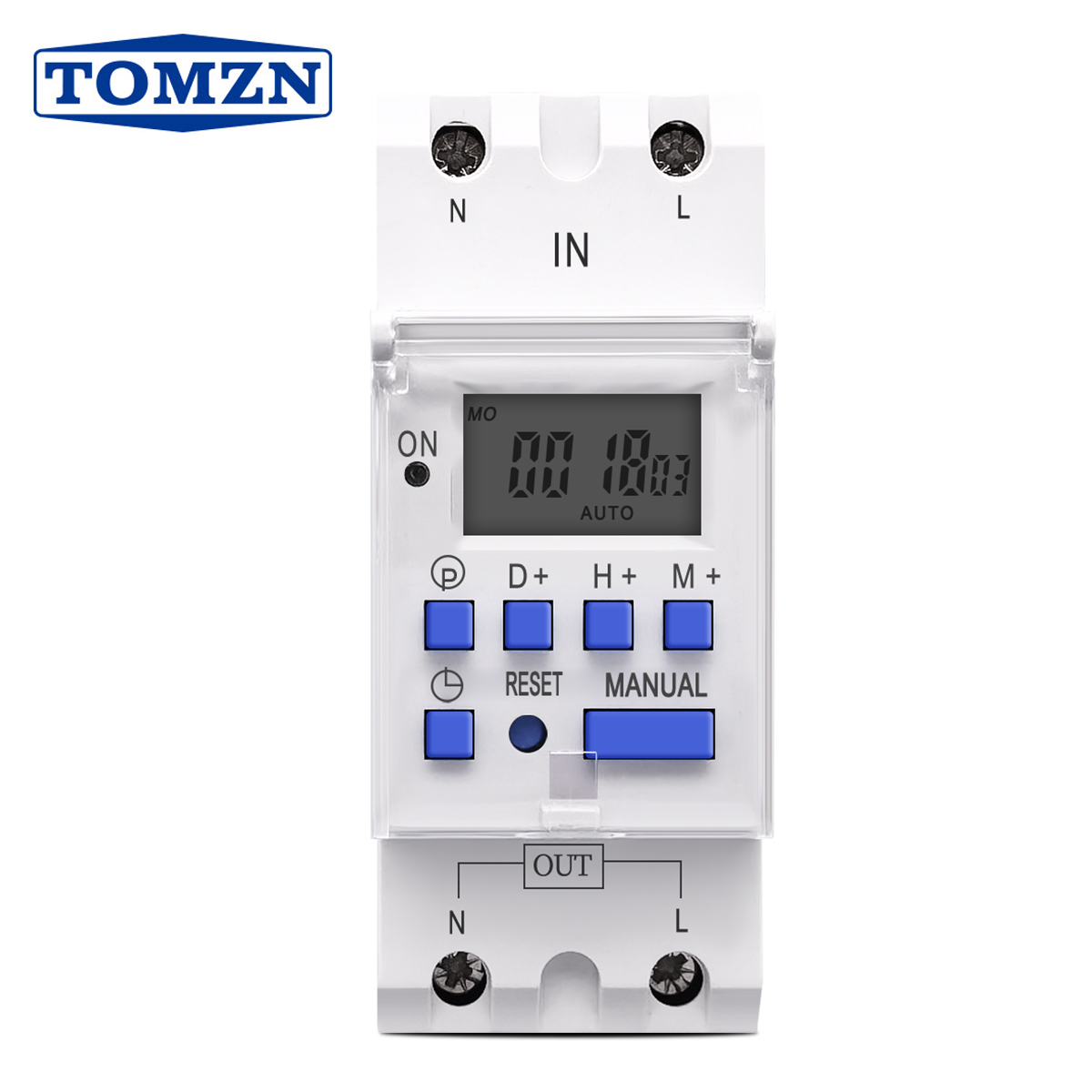
DIN Rail TOMZN Din Rail Single Phase Weekly Programmable Timer

DIN Rail Single Phase Weekly 7 Days Programmable Timer

12V/24V/48V/220V 16A Relay LCD Interface
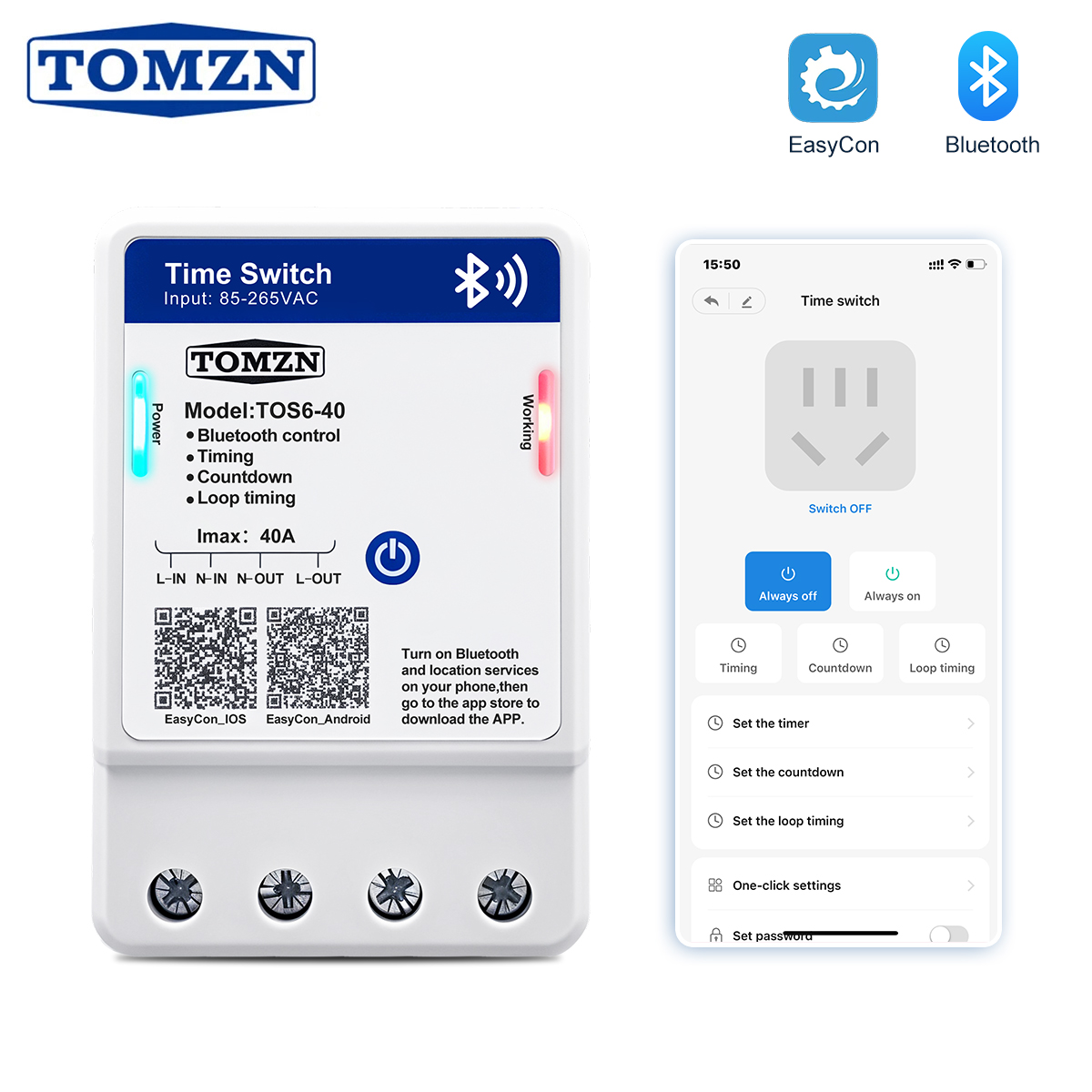
High Amperage TOS6-40 Bluetooth Time Control Switch 35mm DIN Rail

TOS6-40 Bluetooth Time Control Switch 35mm DIN Rail 40A

40A Rating 35mm Rail AC 85–265V
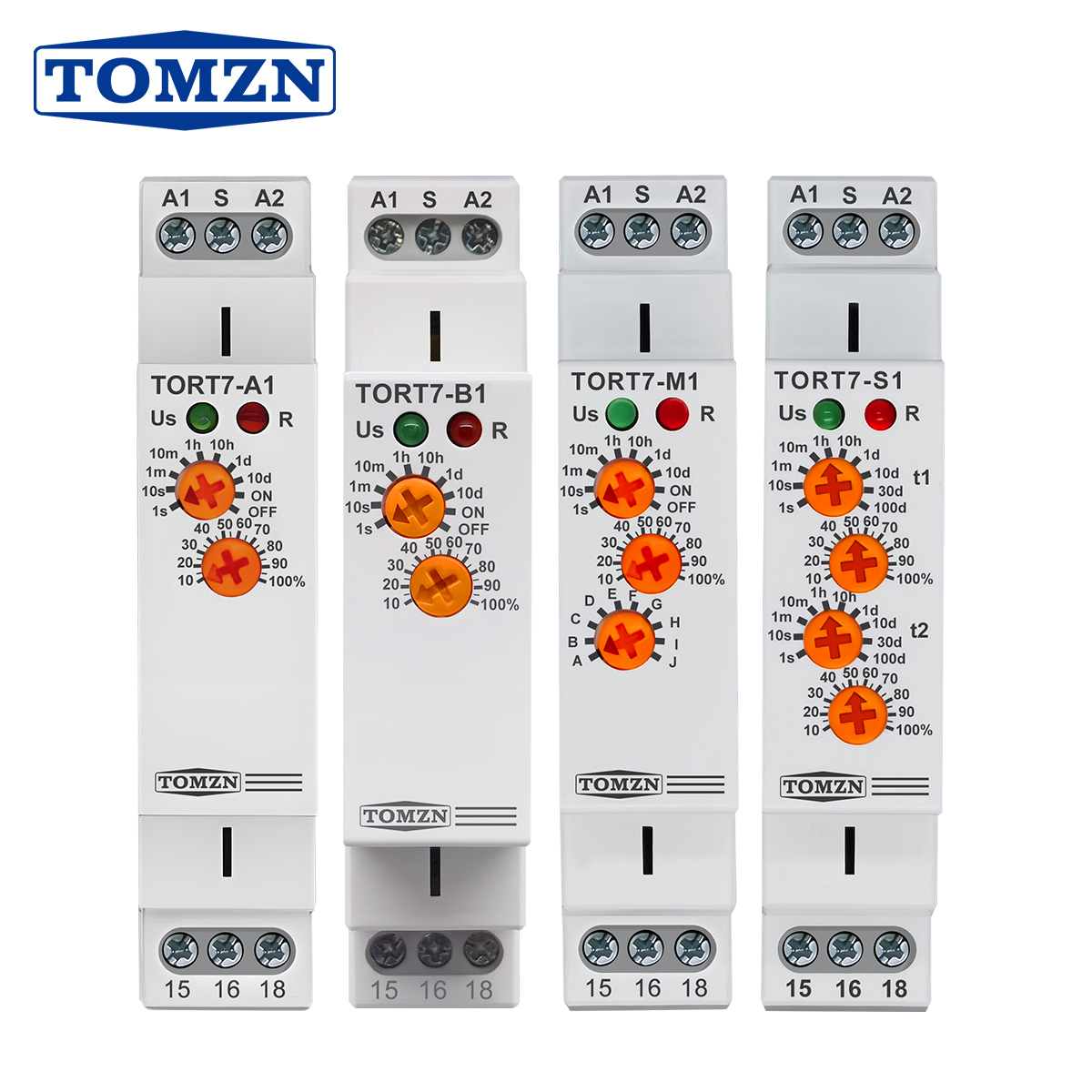
Automation TORT7 Series Multi-function Delay Timer Relay

TORT7 Multi-Function Delay Relay 0.1S–10D Pulse Generator

10-in-1 Logic Microsecond Pulse Industrial Grade
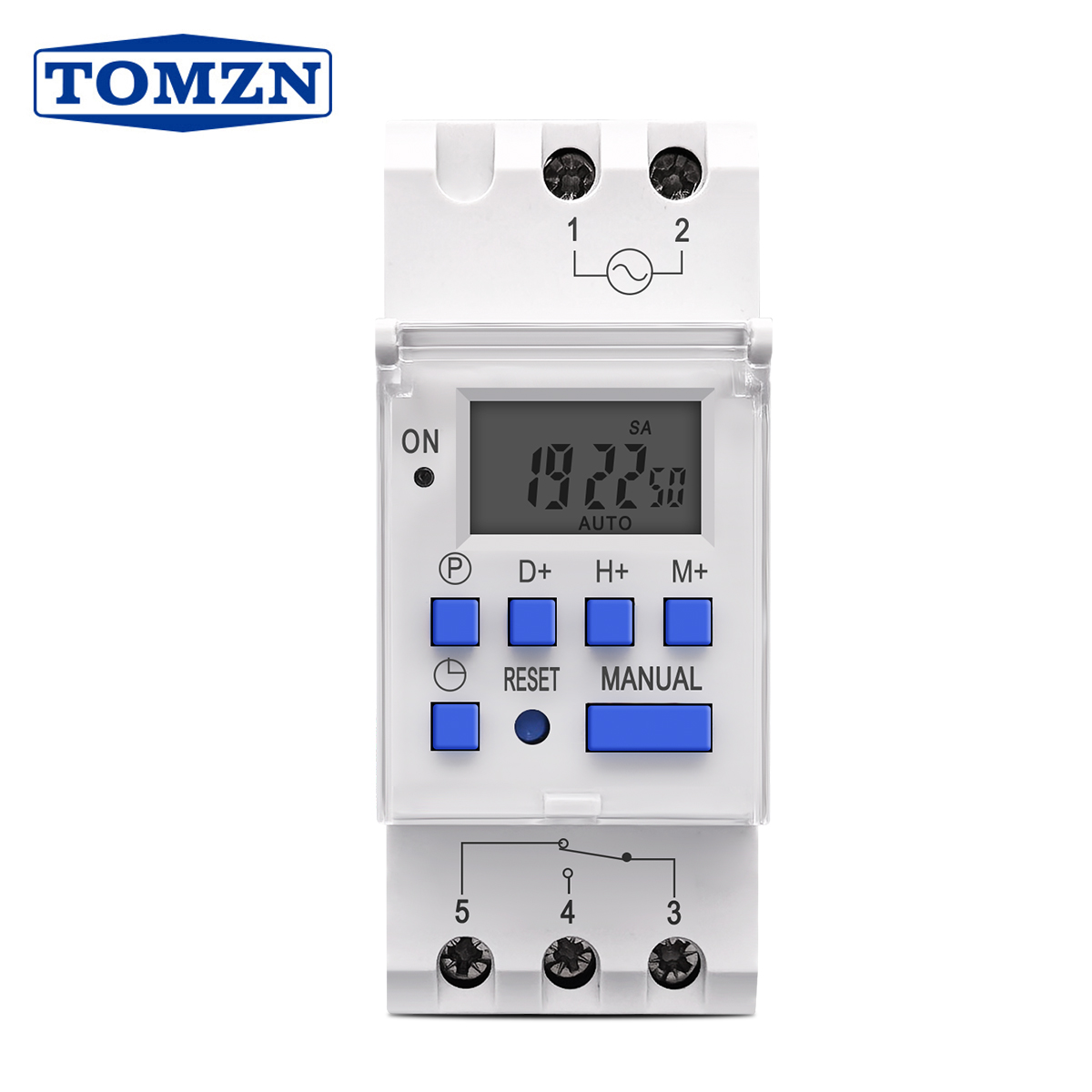
Dual Terminal TOMZN 1NO 1NC DIN Rail Programmable Digital Switch

1NO 1NC DIN Rail Weekly Programmable Digital Switch

1NO + 1NC Isolated Aux Zero Voltage Trip
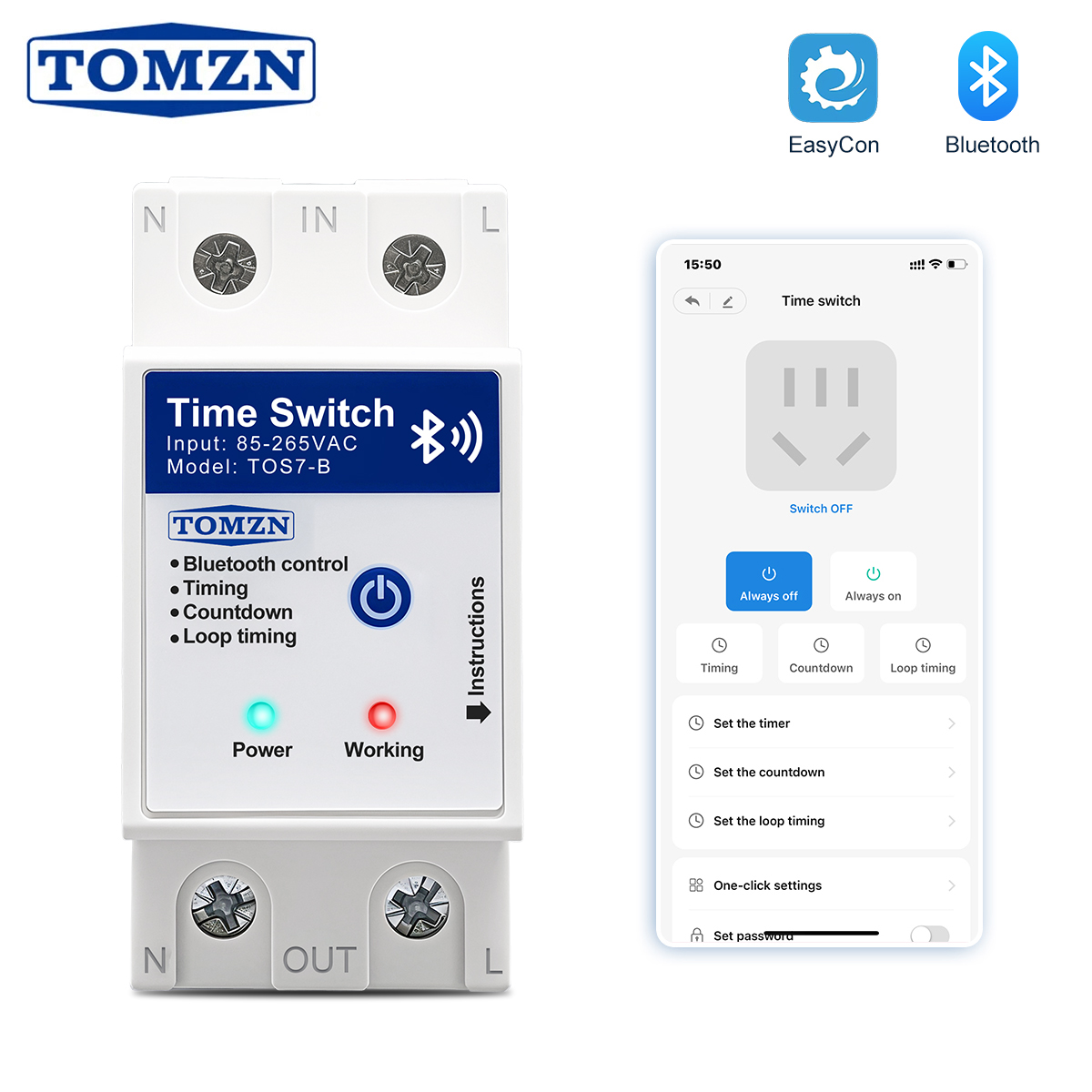
High Power Smart TOMZN TOS7-B Bluetooth Smart Switch 40A 63A

TOMZN TOS7-B Bluetooth Smart Switch 40A/63A EasyCon

63A Heavy Load EasyCon Cloud Thermal Sink
Coastal Grid Resilience

The Kawasaki Energy Transition: Why DC Switchgear Integrity Dictates Operational Safety

Kawasaki’s coastal industrial belt—stretching from Ukishima to Mizue-cho along the Keihin Canal—hosts some of East Asia’s most intensive petrochemical refineries, steel processing plants, and port logistics terminals. In this high-density manufacturing zone, the rapid conversion to industrial rooftop photovoltaic systems, containerized Battery Energy Storage Systems (BESS), and green hydrogen pilot hubs requires uncompromising DC circuit switching solutions.

1500V
DC Voltage Architecture Standard
<3ms
High-Speed Arc Quenching Speed
IP66/C5
Marine Salt-Mist Corrosion Rating
24Yrs
Specialized Switchgear Engineering

Severe Direct-Current Arcing Physics

Unlike standard alternating currents (AC) that cross zero voltage 100 to 120 times every second, direct currents generated by solar strings or energy storage banks maintain a non-zero, continuous electromotive potential. Breaking a high-amperage 1000V–1500V DC load generates an intense continuous plasma arc. Our isolator switches utilize permanent multi-stage neodymium magnetic arc blowouts coupled with copper splitter de-ion plates to rapidly elongate, cool, and extinguish lethal DC arcs in milliseconds.

C5-M Coastal Salt-Mist Protection

Plants operating along Tokyo Bay face airborne chloride concentration, sulphur dioxide plumes, and ambient summer humidity exceeding 85%. Conventional switchgear suffers from terminal contact oxidation and tracking failure across terminal bridges. TMB Electric incorporates silver-plated electrolytic copper contacts, stainless-steel operating springs, and anti-tracking V0 flame-retardant polyamide bodies to ensure decades of low contact resistance without thermal runaway.

JIS C 8461 & METI Regulatory Alignment

Japanese electrical contractors and EPC builders operate under stringent Ministry of Economy, Trade and Industry (METI) technical ordinances. When integrating foreign-sourced components into Japanese grid infrastructures, adherence to JIS C 8201-3 and international IEC 60947-3 DC-PV2 utilization categories is non-negotiable. Our DC disconnectors provide verifiable third-party testing reports, dual mechanical break gaps, and lockable handles conforming to JIS safety lockouts.

Field-Proven Deployment

Critical DC Switching Scenarios Across the Keihin Industrial Corridor

From petrochemical storage tank farms in Kawasaki Ward to advanced logistics facilities in Higashi-Ogishima, here is how TMB switchgear provides fail-safe DC circuit isolation.

Logistics Center Mega-Rooftops

Kawasaki’s reclaimed island distribution warehouses feature gigawatt-scale rooftop arrays. These large non-FIT corporate PPA systems operate at 1000V DC. Our IP65 enclosed external DC rotary isolators and DIN-rail DC MCBs provide emergency disconnection directly adjacent to rooftop string inverters, allowing maintenance crews to safely isolate individual arrays without exposing field personnel to live DC feed lines during sunny hours.

Heavy Industrial Peak-Shaving ESS

Manufacturing facilities in Kawasaki are deploying multi-megawatt battery energy storage systems (BESS) utilizing lithium iron phosphate (LFP) chemistry to offset peak daytime electricity tariffs. Our heavy-duty DC MCCBs and polarized DC disconnect switches serve as the primary DC busbar barrier between battery stacks and bidirectional power conversion systems (PCS), tolerating high short-circuit withstand currents.

Green Hydrogen Electrolysis Pilot Units

As part of the "Kawasaki Carbon Neutral Port 2050" roadmap, port infrastructure is testing hydrogen generation driven by renewable DC power. Variable DC rectifier feeds require rugged DC isolating devices capable of cyclic, automated load scheduling. Integrating our TORT7 series asymmetric cyclic timers with DC contactors allows remote automated sequencing of electrolysis stacks under variable solar generation.

Need Technical Engineering Drawings or Single-Line Diagram Reviews?

Our electrical engineering team reviews string voltages, inverter peak Voc calculations, and ambient derating factors specifically for installations in the Greater Tokyo and Kanagawa regions.

Get a Quote
Industry Intelligence

Technical Trends Shaping the Japanese DC Isolator & Protection Market

Key regulatory evolutions, grid modernization standards, and engineering benchmarks driving DC switchgear procurement across Japan through 2030.

TREND 01

1500V DC Centralized Architecture

Commercial solar installations across Japan have rapidly migrated from older 600V/1000V string configurations to 1500V DC platforms to minimize cable losses and combiner quantities. Disconnector switch contacts require greater clearance, wider creepage distances, and multi-chamber arc splits to prevent dielectric breakdown at high operational altitudes and temperatures.

TREND 02

Furusato & Corporate Non-FIT PPA Growth

With feed-in-tariffs declining, companies in Kawasaki prioritize corporate Power Purchase Agreements (PPAs) and self-consumption. Systems must operate continuously for 25+ years without maintenance downtime, making durable silver-tungsten alloy contacts and non-degrading polycarbonate enclosures the gold standard in balance-of-system (BOS) procurement.

TREND 03

Strict Rapid Shutdown & Firefighter Safety

Municipal fire departments in Kanagawa enforce strict guidelines on rooftop DC fire risks. Switches must possess positive break indication (mechanically coupled position windows, not merely handle orientation) and lockable OFF states with padlocks to guarantee zero voltage during rooftop firefighting or inverter overhauls.

TREND 04

Digital Asset Telemetry & Smart Automation

Industrial facilities are retrofitting existing boards with DIN-rail Bluetooth and WiFi-enabled controllers. Incorporating micro-relays and remote cyclic timers alongside physical DC isolators enables real-time circuit health tracking, automated load shedding, and time-of-use scheduling linked directly to central SCADA networks.

Technical Evaluation Guide

Engineering Selection Matrix: DC Isolation & Protection Devices

A side-by-side engineering breakdown designed to assist Japanese electrical engineers, panel builders, and procurement officers in selecting the appropriate switchgear classification.

Device Series Operational Voltage (Ue) Rated Current (In) Arc Extinction Technology Utilization Category Typical Kawasaki Site Application
TMB DC-MCB 2P 500V – 1000V DC 3A – 63A Magnetic blowout coil + 13 de-ion plates DC-21B / DC-PV2 String-level rooftop PV arrays & combiner boxes
TMB DC-MCB High-Cap 600V DC 80A – 125A Reinforced dual-break chute chamber DC-22B Residential & commercial battery bank DC main line
TOM7Z DC-MCCB 1000V DC 100A – 250A Heavy molded case grid runners DC-PV1 / DC-23A Central inverter DC incomer & sub-station arrays
HT Pre-wired Box 600V – 1000V DC 16A – 63A Integrated MCB + 40kA DC Surge Arrester IP65 Assembly Corrosive coastal port cranes & logistics facilities
TOS Smart Controller 85V – 265V AC/DC aux 16A – 63A Zero-crossing relay assist + mechanical latch AC-1 / DC Auxiliary Electrolysis cyclic sequencing & HVAC load schedules
Manufacturing Authority

Why Leading Importers Partner with Zhejiang TMB Electric

Operating from Huabei Village in Liushi Town—globally recognized as China's premier low-voltage electrical capital—Zhejiang TMB Electric Co., Ltd. delivers direct factory engineering expertise backed by 24 years of manufacturing heritage.

Our localized cluster integration ensures immediate raw material access: precision copper stamping, contact welding, housing injection molding, and testing laboratories exist within a tightly managed 5-kilometer supply radius. This enables rapid product turnaround, stringent batch consistency, and flexible custom modifications.
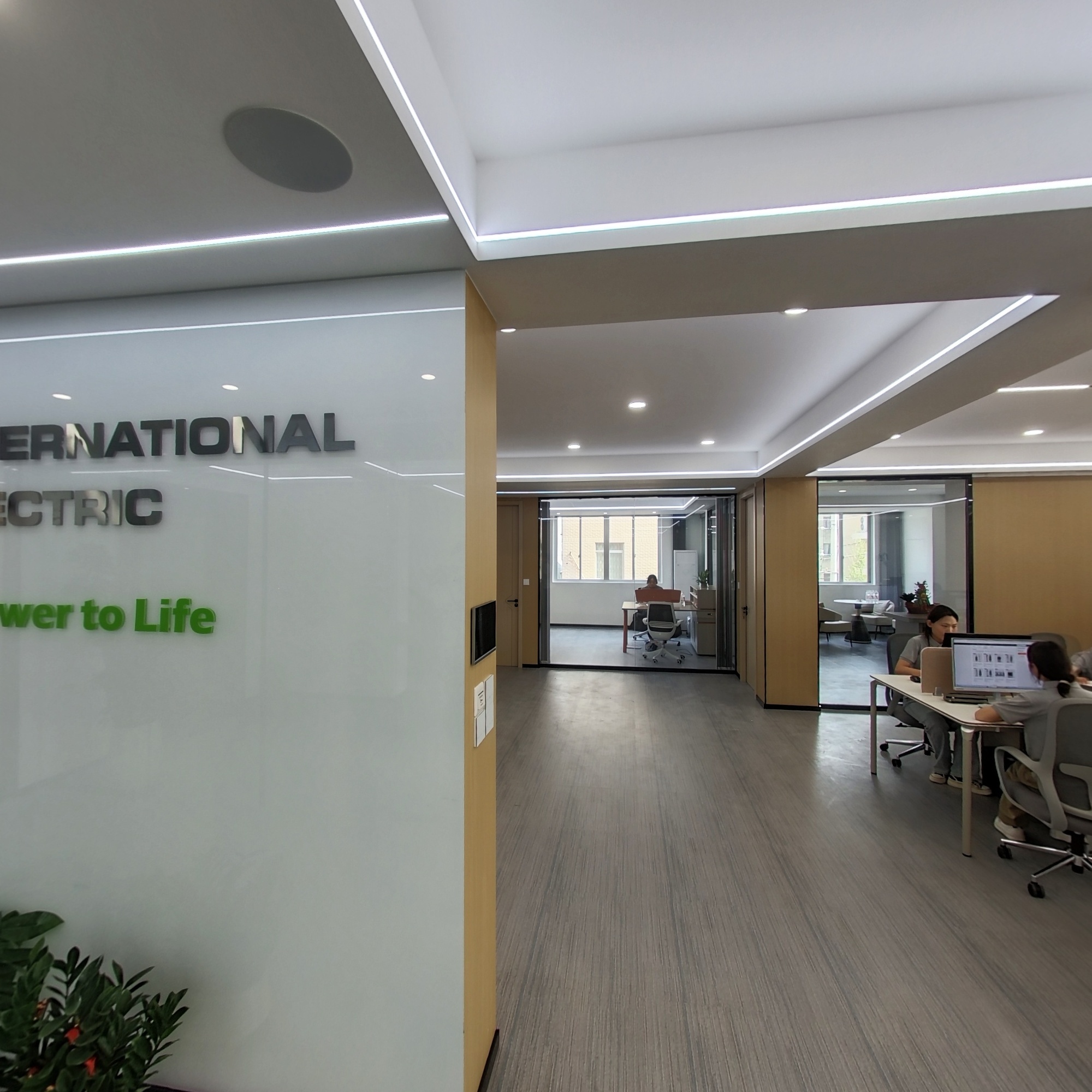
  • ✔ TÜV Rheinland On-Site Assessed: Rigorously inspected production facilities, test benches, and Quality Management Systems (QMS).
  • ✔ 5,700 m² Production Base: 92 highly trained assembly technicians, certified thermal-magnetic calibration benches, and full dielectric testing bays.
  • ✔ Export Proven Portfolio: Over US$ 3.3 million in annual verified exports with CE marking across all active breaker and switch disconnect models.
  • ✔ Agile B2B Procurement: Flexible trial MOQs starting from 5 pieces, fully supported private labeling, custom laser marking, and bespoke IP65 enclosure configurations.
Zhejiang TMB Electric Co Ltd Factory Workshop Overview
24+ Years Manufacturing TÜV Rheinland Verified · Liushi Wenzhou
Procurement Clarity

Frequently Asked Questions by Japanese Electrical Buyers

Clear, definitive answers to regulatory, technical, and logistics inquiries commonly raised by engineering procurement teams in Kawasaki and Greater Tokyo.

Can standard AC miniature circuit breakers be repurposed as DC isolators in Japanese solar installations?
Under no circumstances should an AC breaker be used for DC string isolation. AC waveforms have natural zero-crossing points every 10 milliseconds (at 50 Hz in Eastern Japan, including Kawasaki), allowing the arc to self-extinguish as current reaches zero. DC current maintains constant voltage; an AC switch cannot stretch or cool a DC arc, leading to persistent arcing, thermal carbonization, internal phase bridging, and imminent electrical fire. Only certified DC isolators featuring specialized magnetic blowouts and de-ion plates rated for DC-PV2 or DC-21B must be specified.
How do TMB Electric's DC isolator switches withstand the high-humidity coastal atmosphere of Kawasaki Port?
Kawasaki’s coastal industrial area presents severe C4 to C5-M atmospheric corrosivity due to marine chlorides and industrial emissions. Our disconnectors incorporate high-purity silver-alloy contacts (AgSnO2) that resist oxidation under thermal cycling, nickel-plated copper busbar clamps, and stainless-steel interior actuating mechanisms. When housed in our IP65/IP66 UV-stabilized polycarbonate external combiner boxes, the switches are completely shielded from salt encrustation, driving rain, and condensation tracking.
What international and regional certifications do your DC disconnectors and MCBs carry?
Our catalog models carry complete CE compliance marking adhering to Low Voltage Directive (LVD) standards IEC/EN 60947-2, IEC/EN 60947-3, and IEC 60898-1. Furthermore, our manufacturing facility in Liushi, Wenzhou has undergone on-site verification by TÜV Rheinland. Full dielectric test certificates, thermal rise curves, mechanical endurance logs, and material flammability (UL94-V0) declarations are available upon request for contractor submittals to Japanese municipal inspection bodies.
What is the minimum order quantity (MOQ) and lead time for shipments to Kawasaki or Yokohama ports?
To enable thorough engineering evaluation, trial sample orders for standard catalog items begin from just 5 pieces (with selected smart relay units available from 1 piece). For commercial production batches, our standard lead time is 7 to 15 days from deposit confirmation. Given our geographical proximity via Ningbo or Shanghai sea freight corridors, direct container shipping to Tokyo Bay ports (Kawasaki, Yokohama, or Tokyo Port) typically arrives within 3 to 5 sailing days, ensuring unmatched supply chain flexibility.
Do you offer OEM private labeling and customized combiner box configurations for Japanese EPC projects?
Yes. A significant portion of our manufacturing output consists of OEM/ODM partnerships. We provide high-precision fiber laser printing for custom brand logos, customized rated current calibrations (such as non-standard 13A or 15A thresholds specifically matched to bifacial solar module short-circuit ratings), custom multi-input terminal arrays (MC4 or glands), and complete pre-wired combiner enclosures incorporating DC isolators, SPD arresters, and reverse-blocking diodes.
How should DC isolator switches be sized relative to open circuit voltage (Voc) at low winter temperatures?
Photovoltaic open circuit voltage has a negative temperature coefficient: as ambient temperatures fall, Voc rises. In Kanagawa Prefecture, where minimum winter morning temperatures can drop to 0°C or below, system designers must calculate the maximum string Voc using the module's temperature coefficient (typically -0.28% to -0.35%/°C). The rated operational voltage (Ue) of the chosen DC isolator must comfortably exceed this temperature-corrected peak voltage, rather than relying on standard 25°C STC nameplate ratings. Our engineers are available to review your string calculations free of charge.
Are auxiliary contact blocks available for integration into factory supervisory SCADA systems?
Yes. For automated monitoring within heavy industry control rooms, our DC switchgear and molded case units can be factory-fitted with auxiliary contacts (1NO+1NC or 2NO+2NC) and shunt trip mechanisms. These accessories feed immediate open/closed circuit status back to central PLCs or telemetry systems, warning facility managers of unauthorized local disconnection, tripped strings, or earth-fault isolations in real time.

Connect with TMB Electric's Switchgear Engineering Team

Equip your next commercial installation with proven, certified DC switching gear engineered for extreme industrial and coastal duty. Contact our international export division for product specifications, testing dossiers, and sample requests.

Get a Quote