Smart Control
High-grade metering systems, smart bidirectional counters, and micro-controller timing hardware configured for North American municipal, commercial, and renewable infrastructure.
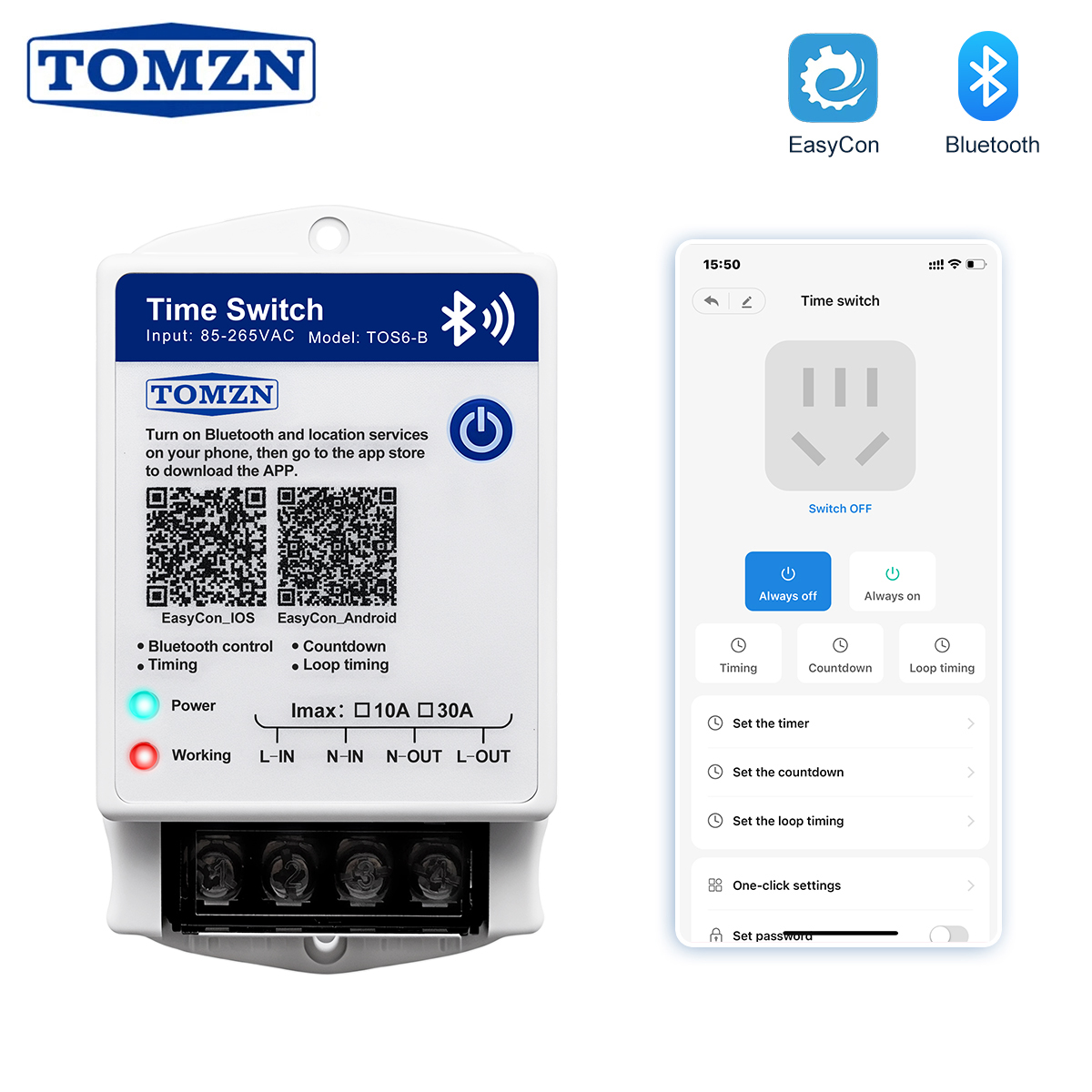
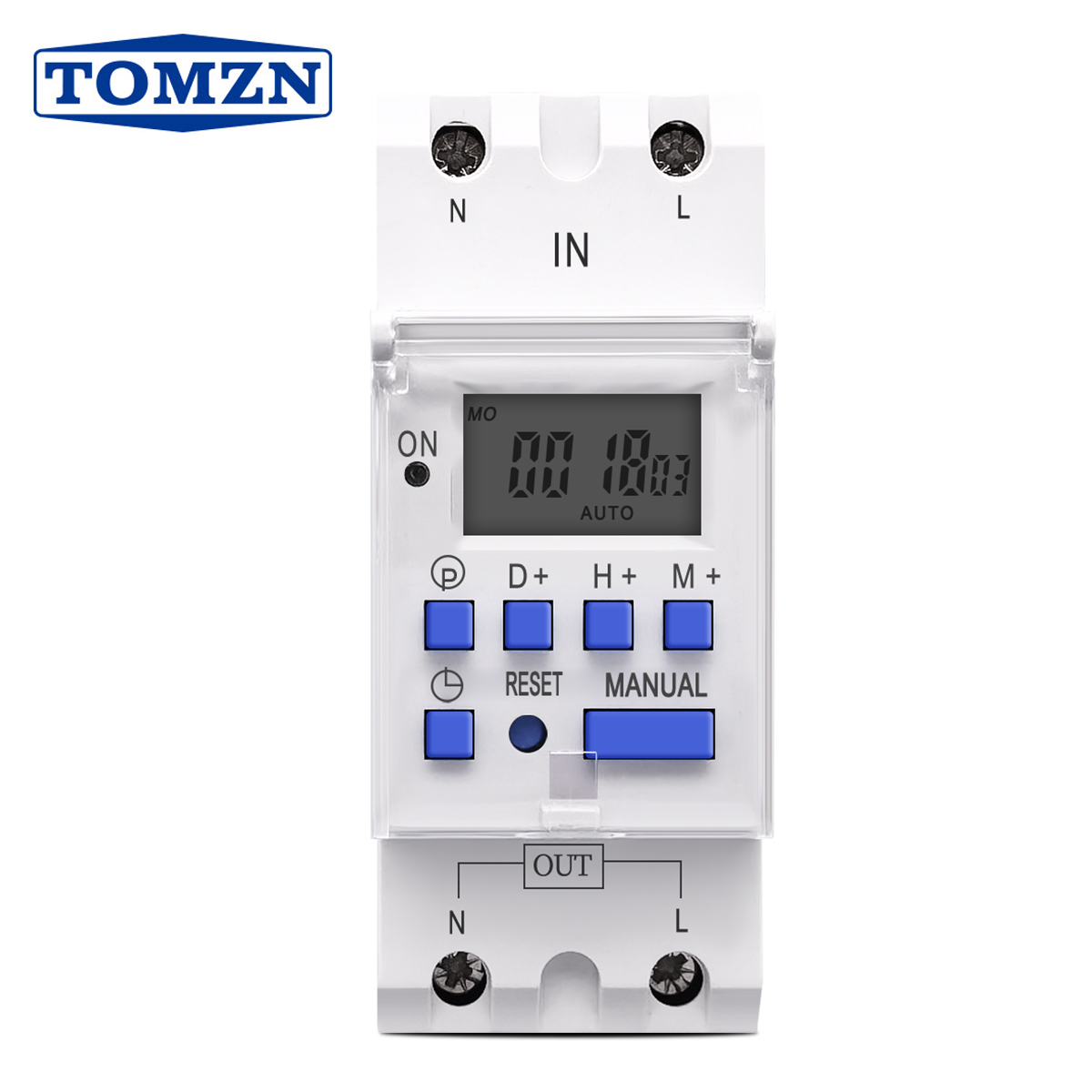
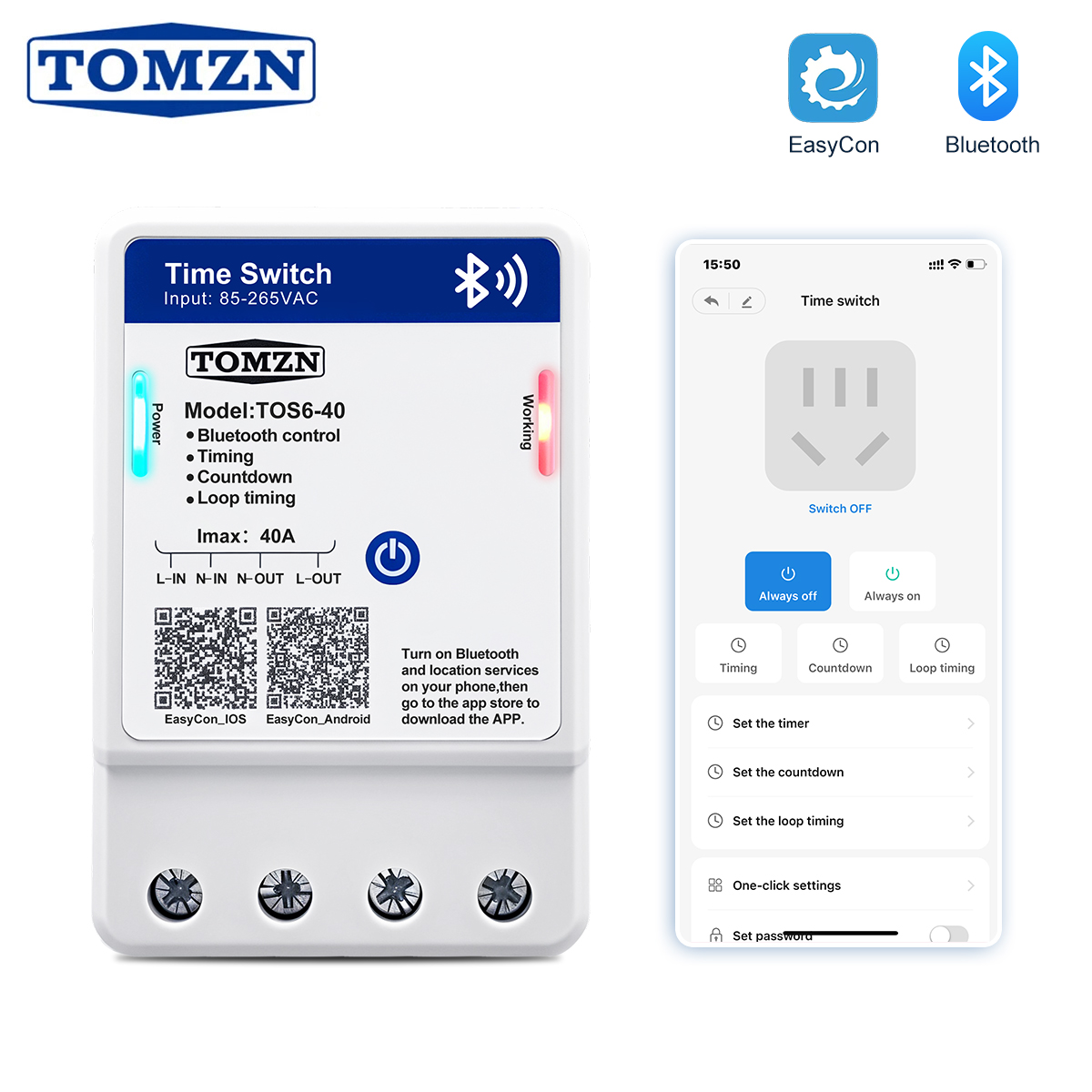
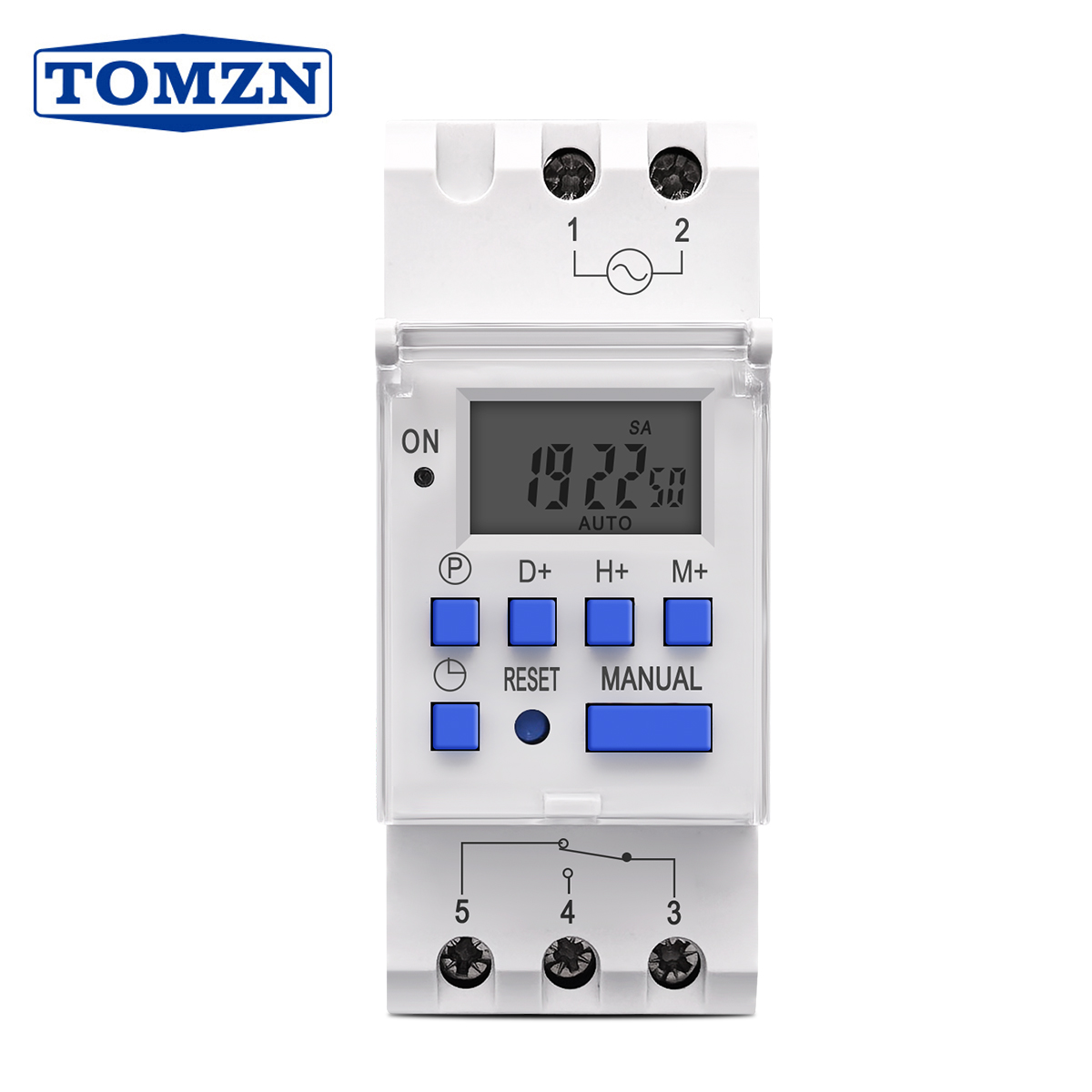
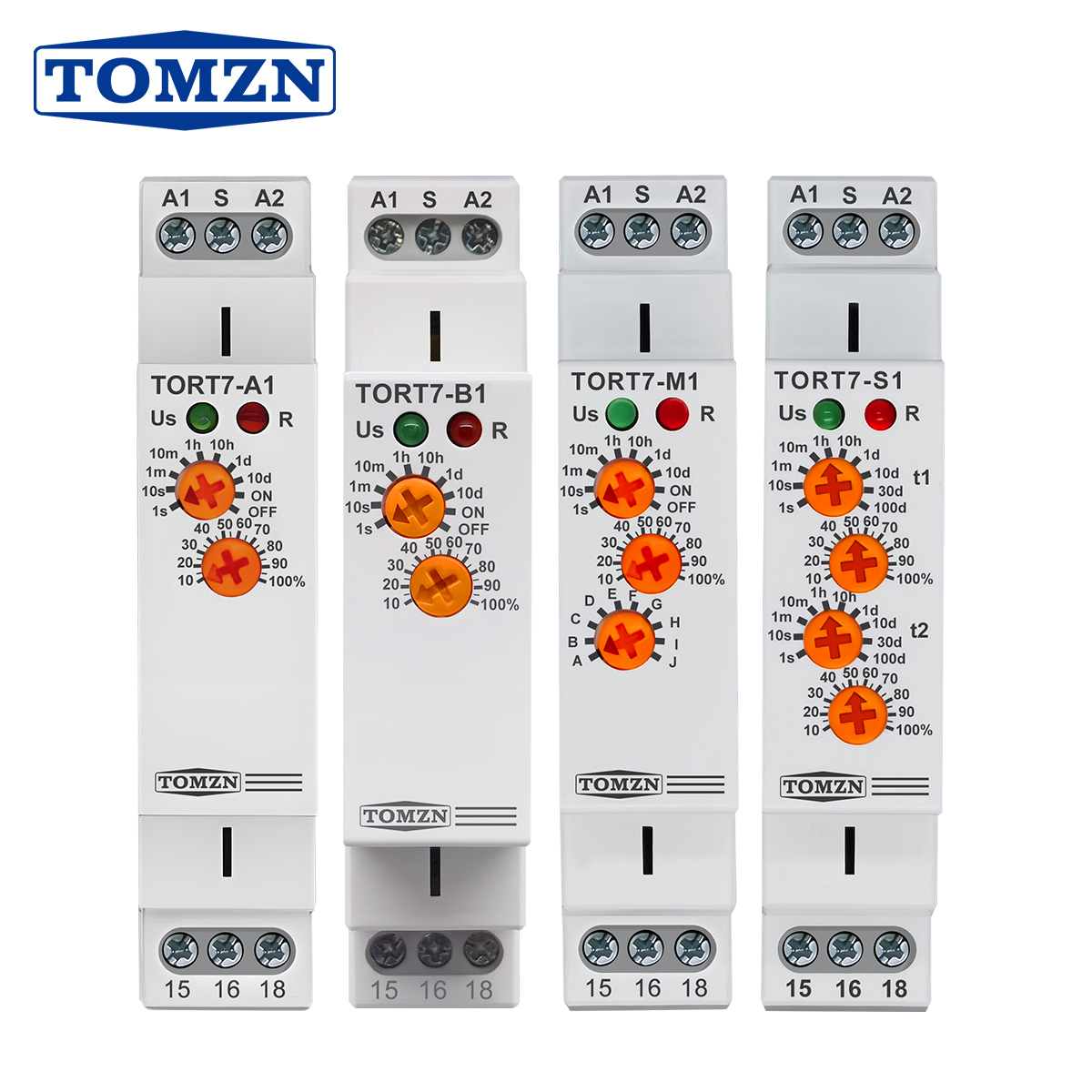
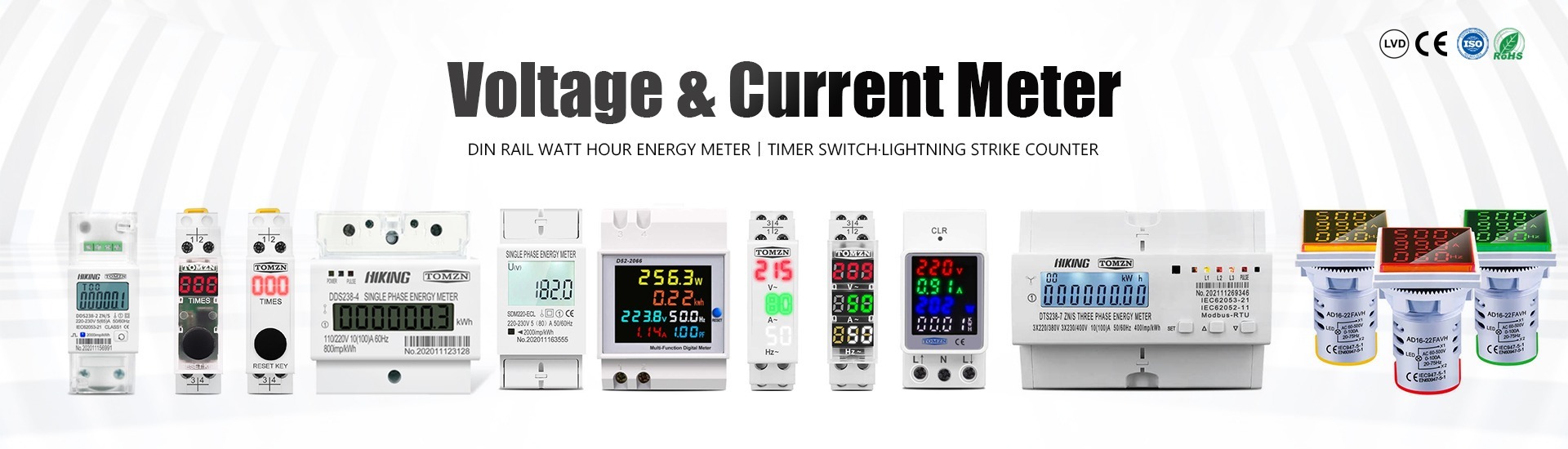
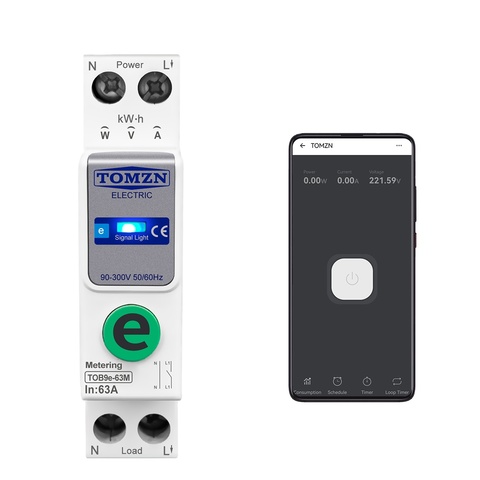
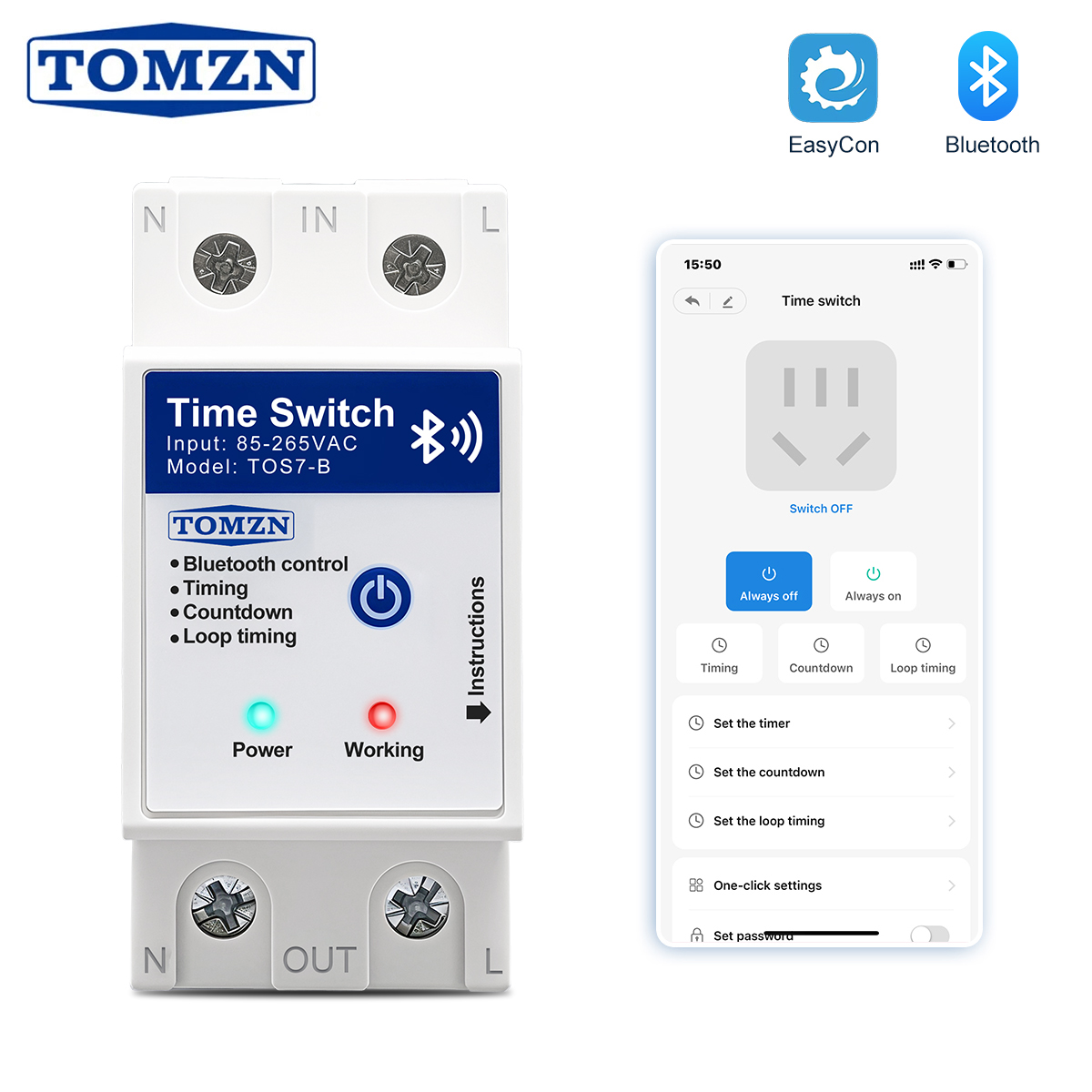
The energy distribution landscape across the District of Columbia, Northern Virginia, and suburban Maryland represents one of the most demanding regulatory and operational environments in North America. Commercial real estate developers, federal facilities administrators, critical colocation data centers, and multi-tenant residential facilities in Washington DC face stringent energy compliance mandates dictated by the District Department of Energy and Environment (DOEE), notably under the Building Energy Performance Standards (BEPS). Meeting these requirements demands an evolution from bulk utility meters to high-density, multi-circuit digital submetering infrastructures.
As an established low-voltage protection and metering manufacturer with over 24 years of manufacturing integrity, Zhejiang TMB Electric Co., Ltd. supplies DIN-rail digital energy meters, smart power relays, and timing modules engineered to operate inside standard low-voltage switchboards, distribution panels, and custom power distribution units (PDUs). Our submetering platforms resolve the fundamental challenge faced by DC electrical engineers: capturing Class 1.0 or Class 0.5s revenue-grade operational telemetry across single-phase (120V/208V/240V) and three-phase (277V/480V) configurations without incurring the prohibitive costs and enclosure footprint of legacy socket-type meters.
Within the service footprint of regional utilities like Pepco and Dominion Energy, commercial facilities require dynamic power-factor tracking, total harmonic distortion (THD) monitoring, and peak-demand penalty mitigation. Digital submeters acting within these micro-distribution systems provide instantaneous metrics—including active energy (kWh), reactive energy (kVARh), voltage sag/swell thresholds, and branch-circuit phase angles. By incorporating open RS485 Modbus-RTU, pulse output interfaces, and wireless IoT communication bridges (WiFi/Bluetooth/Zigbee), our hardware interfaces natively with building automation systems (BAS) and cloud energy-management software running across corporate campuses and mission-critical assets along the Dulles Technology Corridor.
Specifying engineers in the Mid-Atlantic district are migrating away from legacy electromechanical induction meters due to thermal drift, calibration degradation, and lack of dynamic communication interfaces. Below is an engineering comparison demonstrating the operational advantages of solid-state DIN-rail digital energy meters manufactured for localized distribution architectures:
| Parameter / Metric | Zhejiang TMB Digital DIN-Rail Meter | Legacy Mechanical Induction Meter |
|---|---|---|
| Measurement Accuracy | IEC 62053-21 Class 1.0 / Class 0.5s Solid-State Sampling | Class 2.0 or worse (degrades over time via mechanical friction) |
| Form Factor & Mounting | Ultra-compact standard 35mm DIN rail (18mm to 72mm width) | Bulky round socket enclosure (Type S-base / A-base) |
| Telemetry & Protocol | RS485 Modbus-RTU, Pulse (SO), Wireless App / IoT Integration | Manual optical pointer or low-resolution pulse wheel only |
| Bidirectional Measurement | Import/Export (Net-Metering for Rooftop Solar & ESS) | Unidirectional (mechanically blocked or runs backward inaccurately) |
| Self-Power Consumption | < 0.8W / 5VA internal sensing overhead | > 2.5W to 4.0W continuous inductive coil loss |
Precision energy quantification tailored to meet the exacting physical, thermal, and network architectures of mid-Atlantic municipal, commercial, and green power projects.
In high-density commercial real estate across downtown DC, building owners leverage our DIN-rail kWh meters to conduct transparent tenant billing and sub-departmental allocation, eliminating disputes over shared utility costs while meeting local ESG disclosure mandates.
Driven by the DC Solar Renewable Energy Credit (SREC) program, rooftop photovoltaic systems demand precise bidirectional power metering. Our meters accurately register forward export to Pepco and reverse import, recording net energy metrics without phase errors.
Adjacent to the Ashburn data hub, rack-level power distribution requires modular DIN-rail energy monitors to capture rack-level thermal load, current balance, and voltage anomalies. Modbus-RTU integration feeds DCIM platforms directly without field calibration.
Fleet charging stations across municipal and commercial garages require load segregation to prevent high-demand surcharge penalties. Our digital units provide telemetry on charging draw, interfacing with programmable timer switches for automated off-peak scheduling.
Meeting the Building Energy Performance Standards (BEPS) benchmark requires verifiable, granular interval data. Our smart breaker and energy meter series generate the exact timestamped kWh history necessary to pass annual municipal third-party audits without penalty.
Paired directly with our Dual Power Automatic Transfer Switches (ATS), our meters evaluate auxiliary generator output, tracking real-time voltage synchronization and phase continuity during simulated utility power outage sequences.
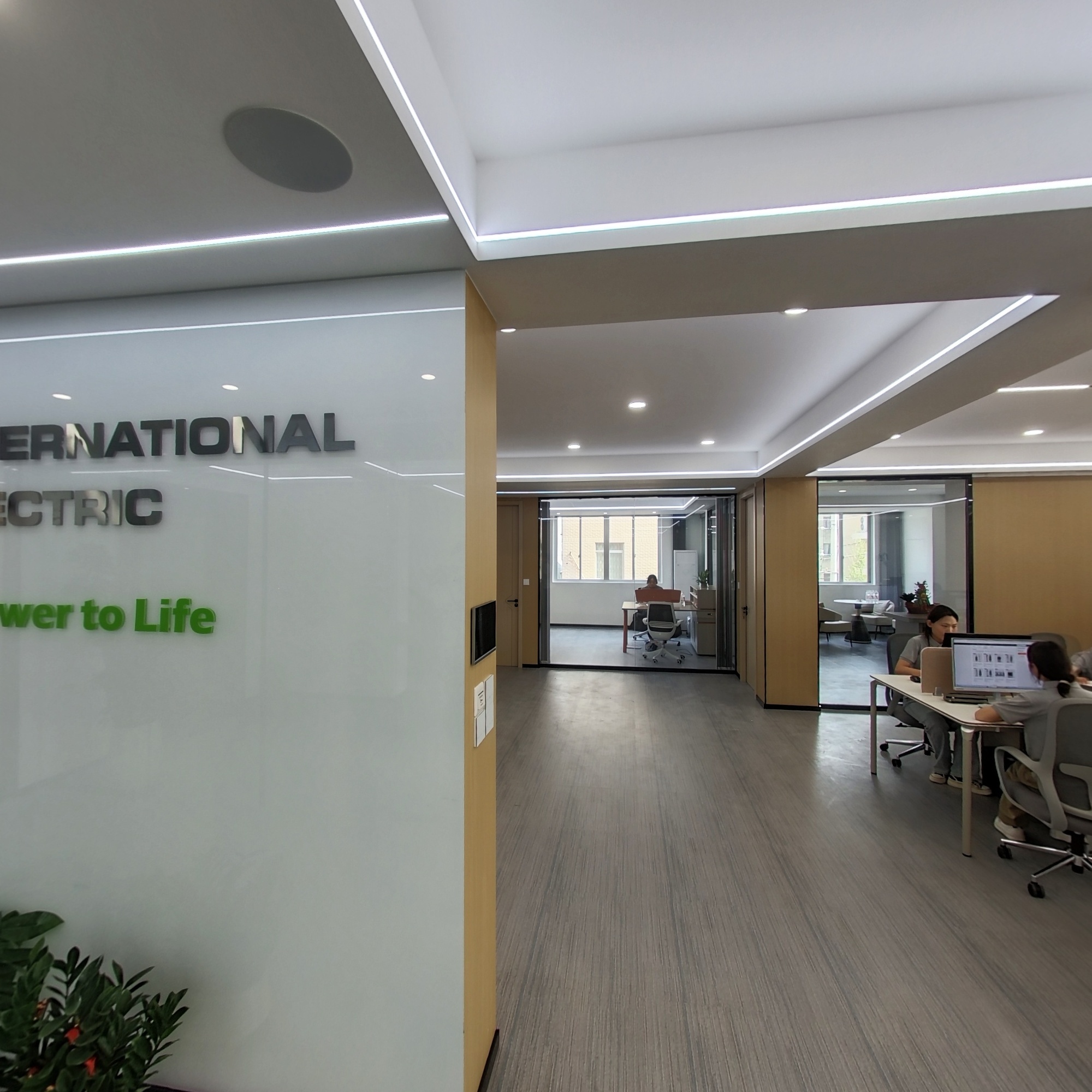
Headquartered in Huabei Village, Liushi Town—the world-renowned capital of low-voltage electrical apparatus—Zhejiang TMB Electric Co., Ltd. operates an integrated 5,700 m² modern manufacturing plant. Assessed and verified on-site by TÜV Rheinland, our manufacturing standard couples strict ISO9001 quality controls with high-throughput component sourcing.
Unlike trading intermediaries, our in-house metallurgical and surface-mount lines fabricate our high-conductivity copper terminals, precision bimetal strips, flame-retardant polyamide enclosures, and micro-sensing PCB assemblies under one roof. Our products hold CE, RoHS, and comprehensive laboratory dielectric and functional test credentials, ensuring immediate operational safety and rapid deployment for overseas distribution partners.
Technical solutions to recurring regulatory, sizing, and architectural questions encountered by mid-Atlantic procurement managers and system integrators.