Bluetooth Enabled
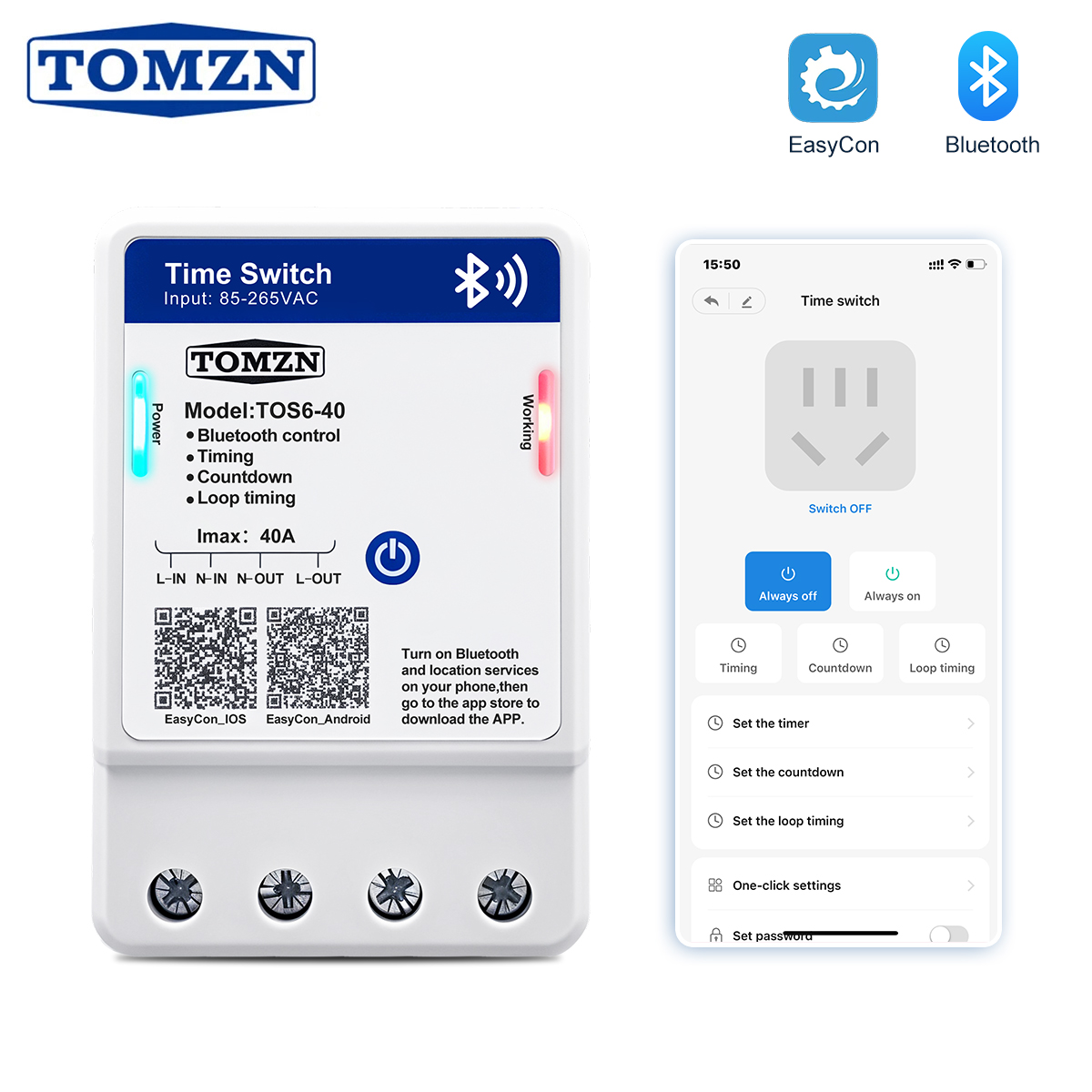
TOS6-40 Bluetooth Time Control Switch 35mm DIN Rail
40A switching rating, wide range AC85-265V operation with local wireless timing parameters, loop timing, and countdown algorithms.
As Tegucigalpa and the Francisco Morazán department undergo aggressive commercial modernization and industrial decentralization, utility volatility and aggressive tariff structures demand unyielding precision in revenue sub-metering, peak-load scheduling, and automated distribution protection.
Rigidly calibrated DIN-rail instruments, cyclic interval relays, and wireless telemetry switches engineered to withstand harsh harmonic distortions and severe voltage sags common in Central American distribution networks.
40A switching rating, wide range AC85-265V operation with local wireless timing parameters, loop timing, and countdown algorithms.
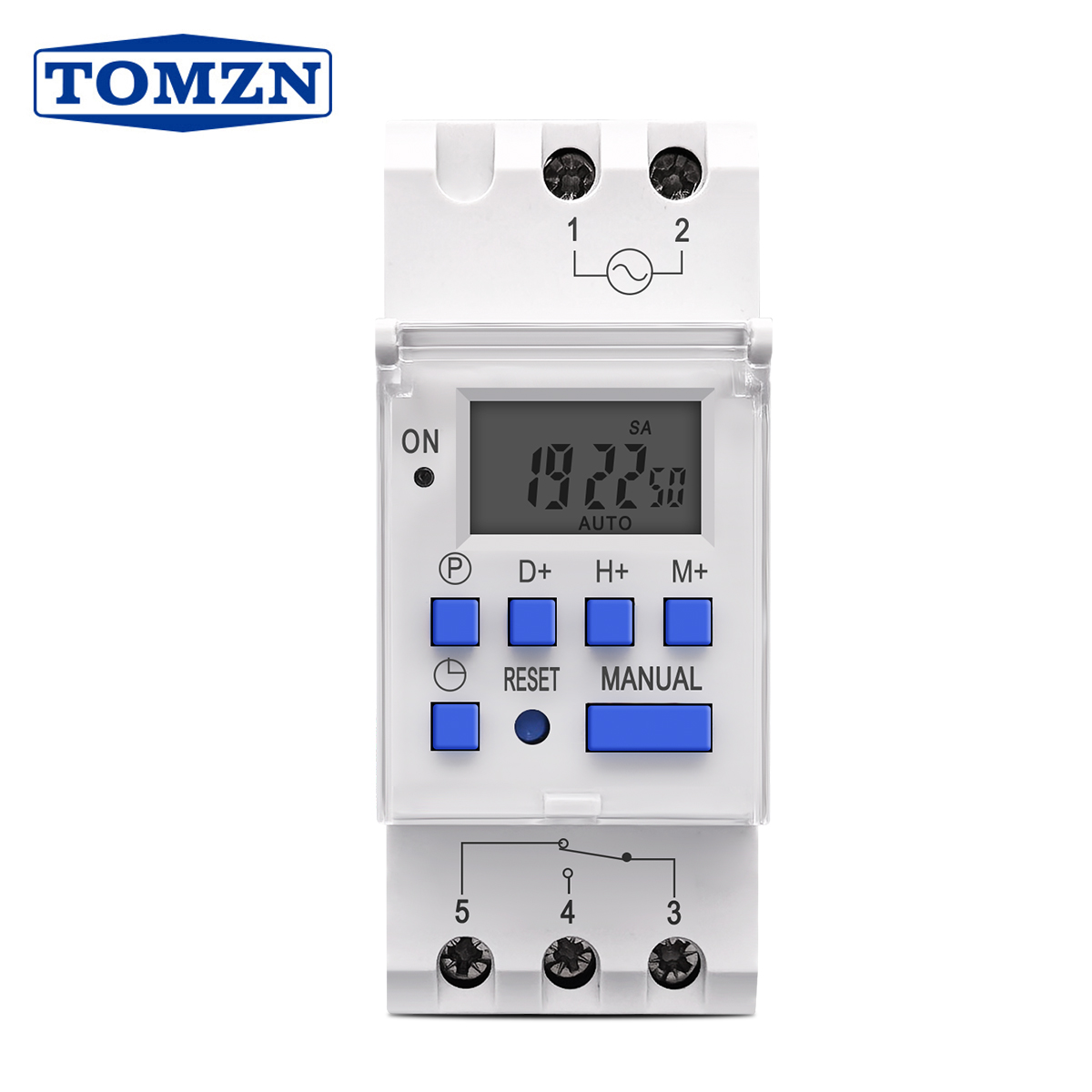
Single-phase 16A relay supporting 220V/230V or multi-voltage DC options (12V-48V) for commercial HVAC and baseline load sheds.
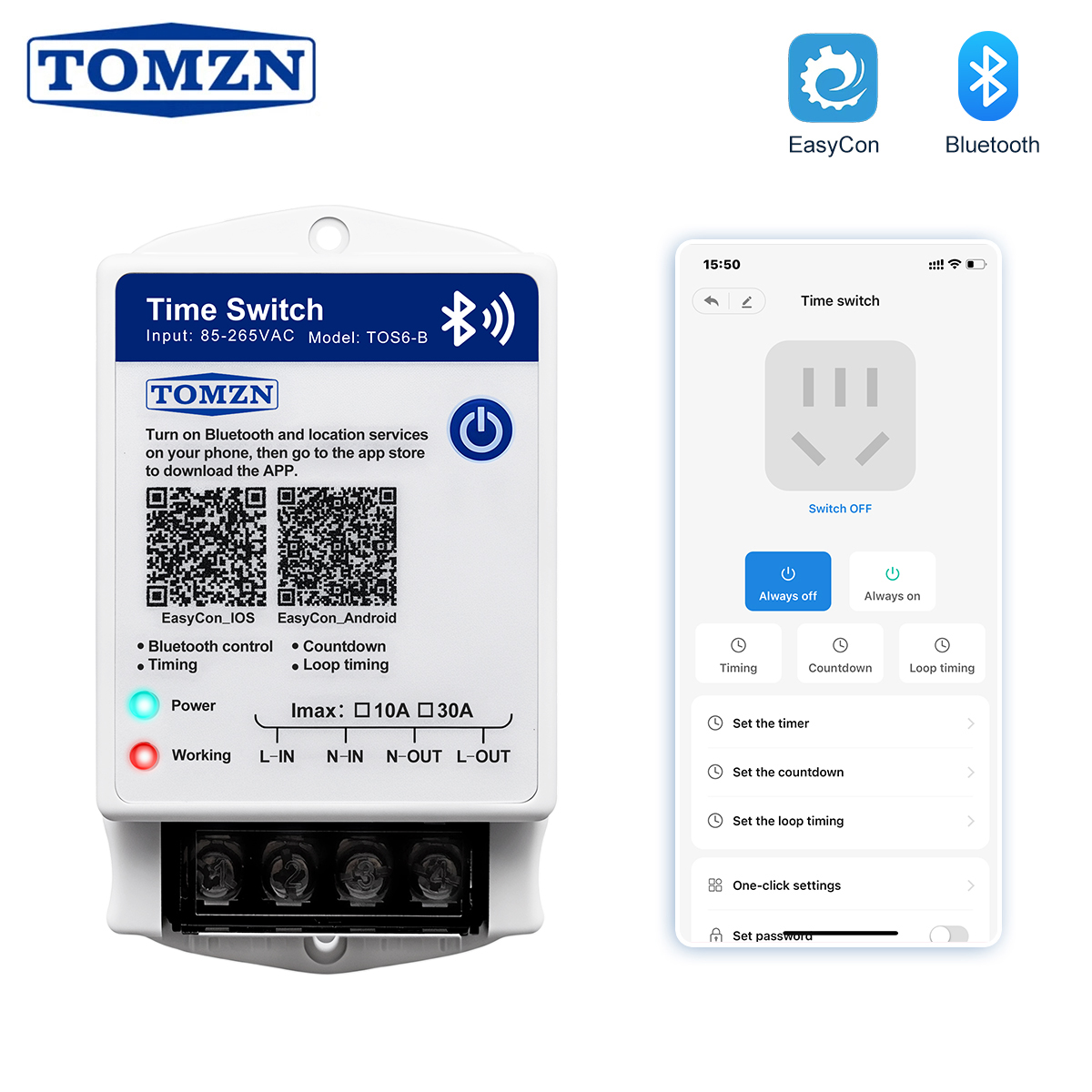
85-265VAC universal line support featuring 28 discrete group programming configurations, non-volatile cycle storage, and wall mounting.
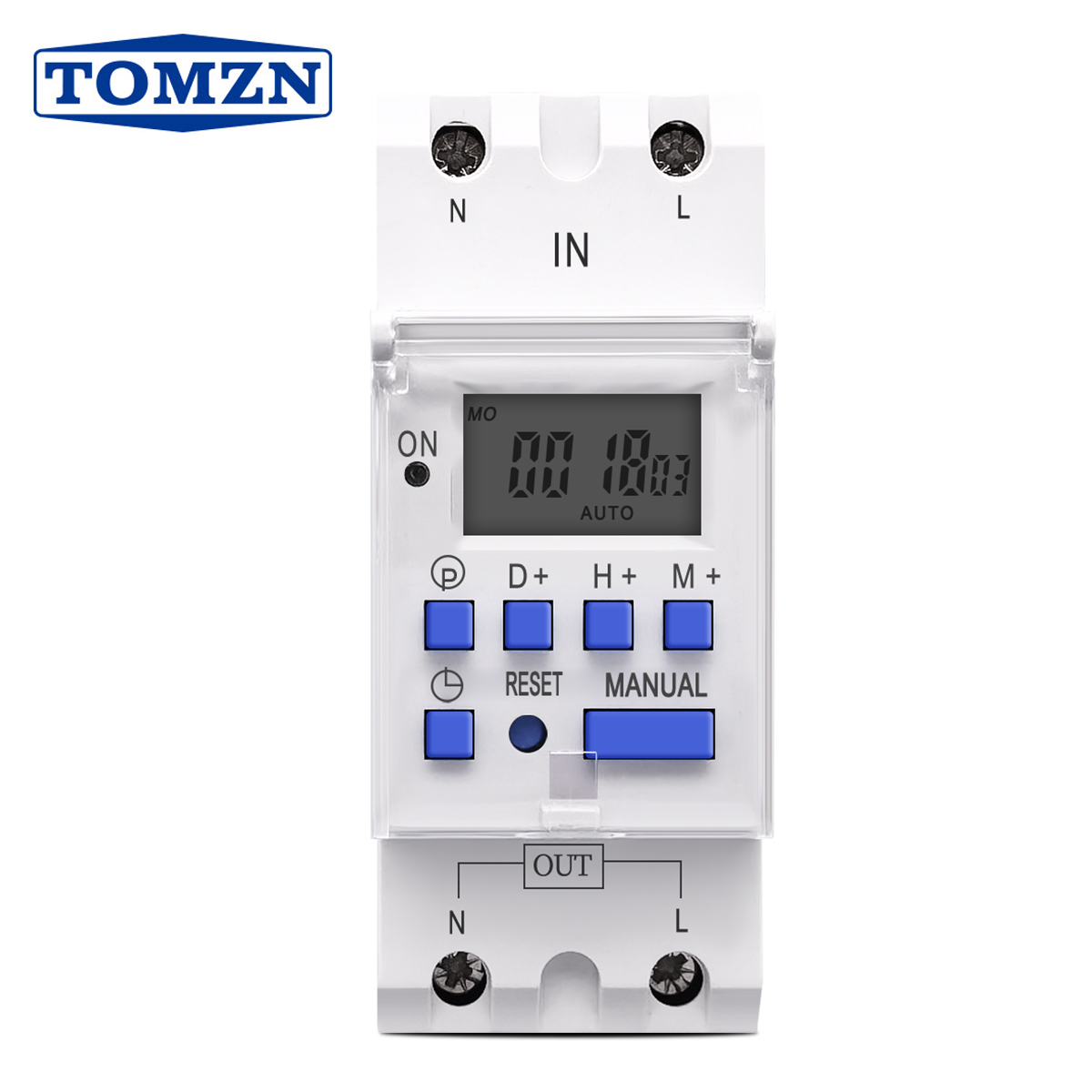
Robust industrial LCD screen interface, built-in reserve battery to preserve program memory during severe blackout interruptions.
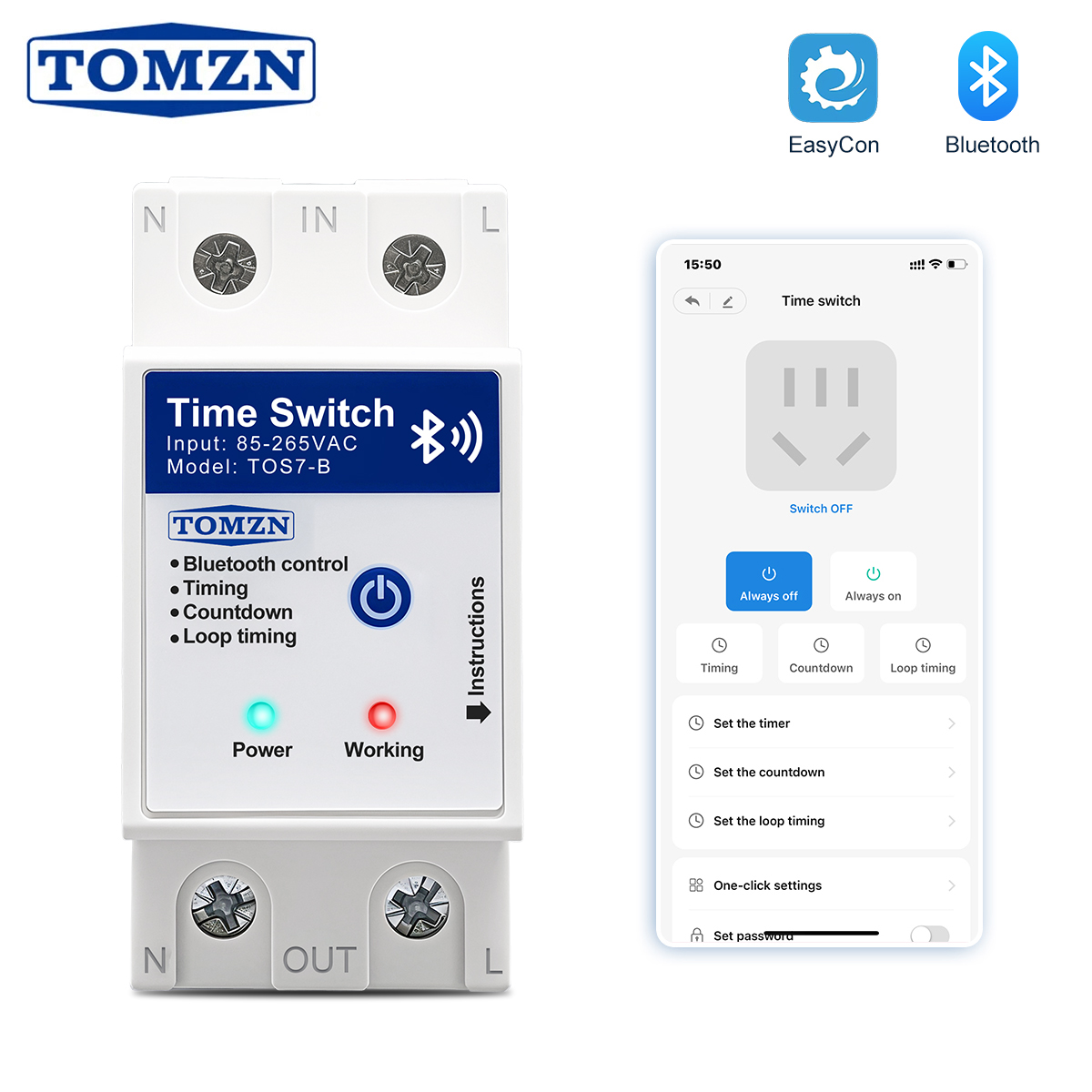
Heavy-duty direct contactor driving capability, smartphone pairing, zero-crossing protection to absorb sudden inductive spikes.
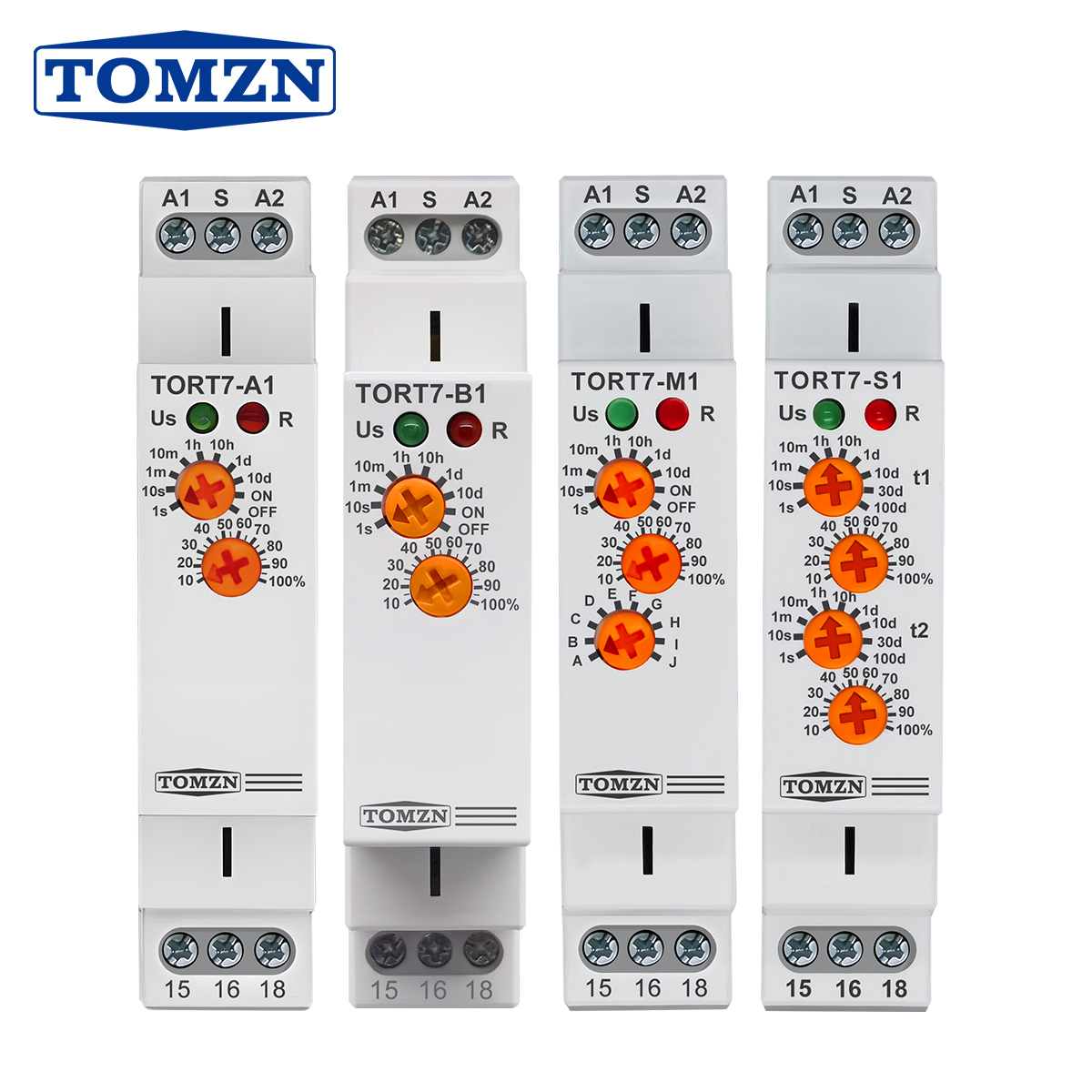
Multi-function timer spanning 0.1s to 10 days; vital for generator cooling periods, pump alternation, and staging delayed motor restarts.
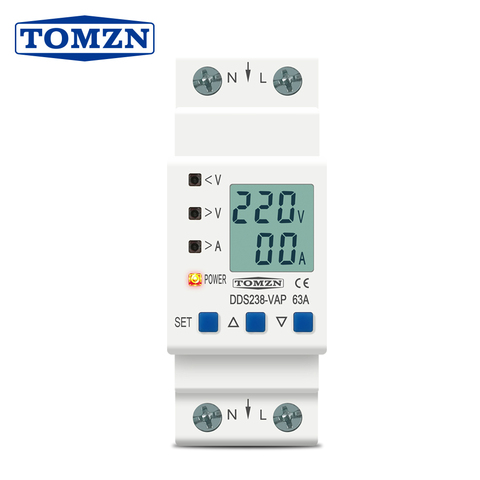
Integrated kWh monitor, under/over-voltage cutoff, and real-time current limiting designed for unstable 120V/240V split-phase mains.
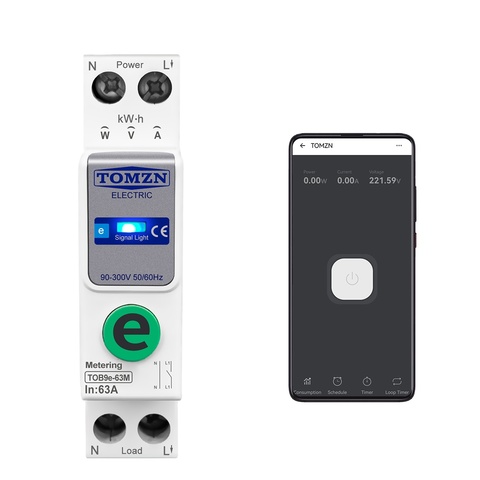
Real-time Class 1.0 active energy telemetry, remote breaker trip commands, and granular load curves directly transmitted to mobile apps.
Operating electrical infrastructure in the high-elevation, mountainous basin of Tegucigalpa requires addressing chronic distribution anomalies. Electrical engineers and industrial facility managers face double-digit transmission and distribution losses across the Empresa Nacional de Energía Eléctrica (ENEE) network, manifesting as recurring voltage sags, brownouts, and severe harmonic distortion.
When selecting a digital energy meter or sub-metering assembly for deployment across commercial districts like Boulevard Morazán or manufacturing facilities along the Amarateca valley industrial corridor, standardized consumer-grade equipment fails rapidly. Central Honduras relies on a mixture of split-phase 120/240V residential distribution and three-phase 208V/480V delta/wye industrial networks. In these settings, voltage fluctuations exceeding ±15% to ±25% of nominal voltage are frequent occurrences. Meters without wide operating ranges (such as AC85V–265V universal power supplies) experience chronic microprocessor resets, latching relay failures, and corrupted non-volatile EEPROM registers.
Furthermore, escalating ENEE peak tariffs have forced commercial property owners and industrial park operators to move beyond simple bulk utility billing. Modern sub-metering mandates Class 1.0 accuracy (IEC 62053-21 compliant) to resolve tenant billing disputes, balance uneven phase loads, and execute automated load-shedding via programmable timer relays and multi-channel DIN-rail controllers.
How leading panel builders, telecom managers, and commercial operators deploy our precision metering units to minimize non-technical losses and maximize energy ROI.
In high-density commercial centers across Tegucigalpa (such as Multiplaza, Cascadas, and Las Lomas developments), landlords utilize our compact DIN-rail digital kWh meters with pulsed outputs and RS485/Modbus or WiFi links to establish transparent, non-custodial tenant billing while monitoring tenant-induced phase imbalance.
Mountainous communications nodes on El Picacho and Cerro Mogote rely on hybrid grid-battery-generator installations. Our multi-function cyclic timer switches (TORT7) and voltage-monitoring energy meters automate generator cycling, isolate dirty utility lines, and capture distinct kWh consumption logs from backup sources.
Manufacturing facilities, plastic extrusion plants, and textile mills situated along the Amarateca logistics corridor integrate high-amperage (63A-125A) automated timer relays and smart meters to schedule high-draw machinery outside of ENEE peak tariff windows, eliminating severe demand surcharge penalties.
A direct technical evaluation highlighting the operational vulnerabilities of legacy induction disk meters and electromechanical time switches under Honduran grid conditions.
| Parameter / Specification | TMB / TOMZN Digital DIN-Rail Units | Legacy Ferraris (Mechanical Induction) Meters | Traditional Mechanical Pin-Timers |
|---|---|---|---|
| Metering Accuracy Class | Class 1.0 (Active Energy, IEC 62053-21) | Class 2.0 or degraded >3% over 5 years | Non-metering (Switching only) |
| Grid Voltage Fluctuation Tolerance | AC 85V – 265V Continuous True-RMS | Narrow band (±10%); saturates on harmonic distortion | Drifts clock frequency during frequency variations |
| Power Outage Memory Retention | Non-Volatile Flash / EEPROM (>10 Years retention) | Mechanical counter remains, no telemetry | Synchronous motor stops, losing timing sequence completely |
| Protection & Auto-Reconnection | Integrated Under/Over Voltage + Overcurrent Cutoff | None (Destructive failure under over-voltage surges) | None (Contact welding on high starting inrush) |
| Form Factor & Mounting | Standard 35mm DIN-rail (1P/2P/4P widths) | Bulky round/square panel socket mounting | Exposed panel or large mechanical baseplate |
Procurement patterns among Honduran electrical distributors and contractors show marked shifts toward smart telemetry, solar integration, and high surge endurance.
With distributed solar installations proliferating rapidly across rooftops in Comayagüela and industrial parks near Toncontín, demand for bi-directional energy metering has surged. Electrical contractors require units that independently measure imported utility kWh versus exported inverter kWh to audit net-metering settlement statements effectively.
Because the mountainous topography around the capital experiences high lightning flash densities during the rainy season (May through November), engineers now specify digital meters equipped with internal MOV protection alongside dedicated Type 2 AC Surge Protective Devices (SPDs) to prevent transient strike blowouts.
Legacy mechanical time clocks require technicians to manually open live distribution panels on busy thoroughfares, creating significant arc flash hazards. Local facility managers are converting to Bluetooth-managed timers (such as TOS6 and TOS7 series) that permit parameter updates from outside the electrical enclosure via mobile apps.
New municipal commercial code developments across Central District are phasing out unified bulk building billing. Property developers now design panel boards with segregated sub-meter rails, requiring compact 1-module (18mm) and 2-module DIN-rail meters that integrate cleanly into standard modular distribution enclosures.
Located in the heart of China's premier low-voltage electrical capital (Huabei Village, Liushi Town, Wenzhou), Zhejiang TMB Electric combines 24 years of manufacturing heritage with rigorous industrial automation. Our verified 5,700 m² production center incorporates in-house tooling, automatic SMD pick-and-place lines, temperature-controlled calibration benches, and magnetic arc extinction test chambers.
Detailed technical and logistics guidance for electrical engineers, panel fabricators, and hardware distributors importing to Puerto Cortés and Tegucigalpa.
Whether you require single-phase sub-meters for commercial developments, multi-tariff digital units, or automated timer-contactor combinations for industrial pumping stations, our factory engineering team is ready to analyze your single-line diagrams and tender specifications.