Export-Grade Residual & Low-Voltage Protection Devices
Engineered to IEC/EN safety baselines, supporting resilient single-phase (230V) and three-phase (400V) 60Hz utility setups across Basseterre, Charlestown, and coastal industrial zones.
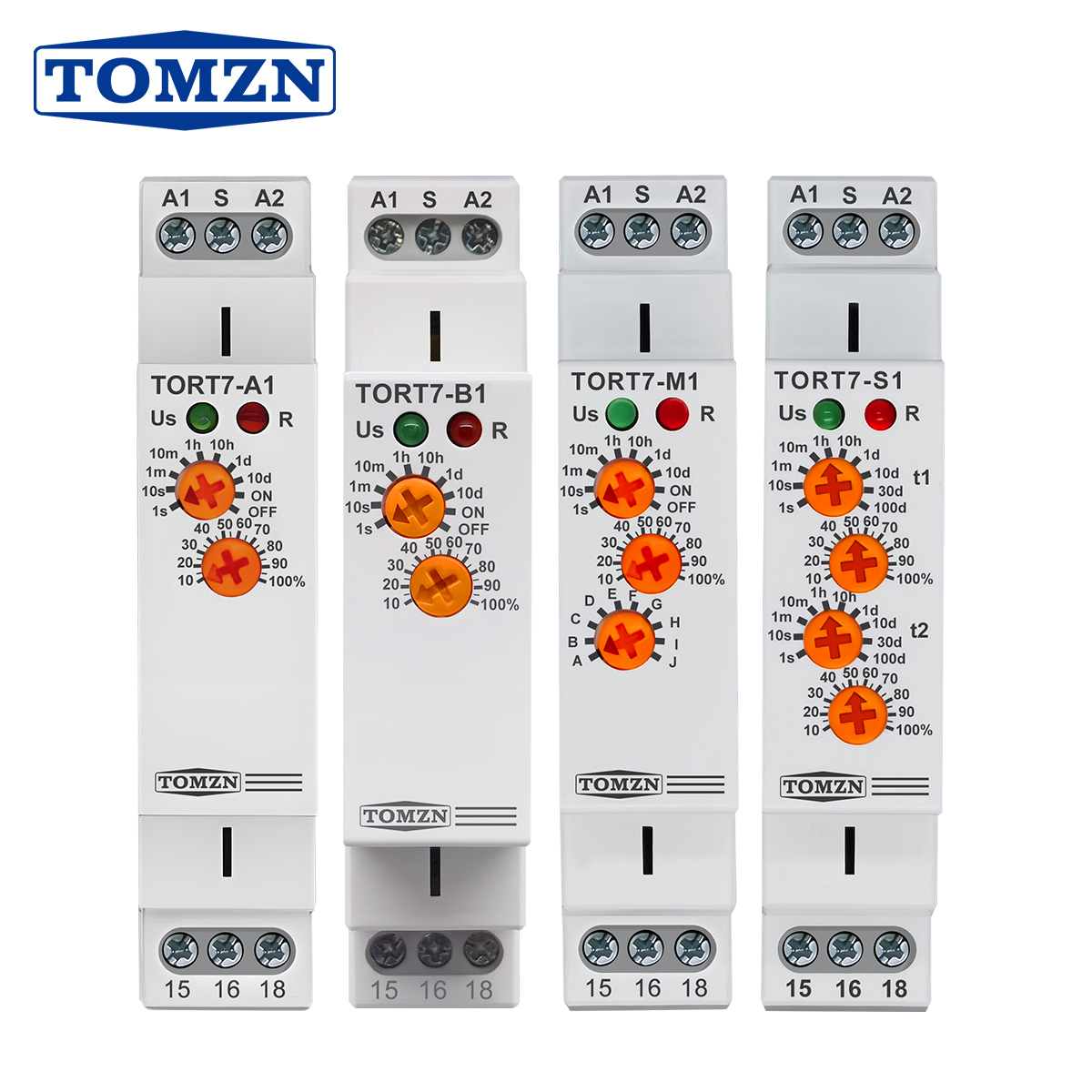
TORT7 Series Delay-ON Delay-OFF 10in1 Asymmetric Cycler Time Relay Multi-function Switch 0.1S-10D
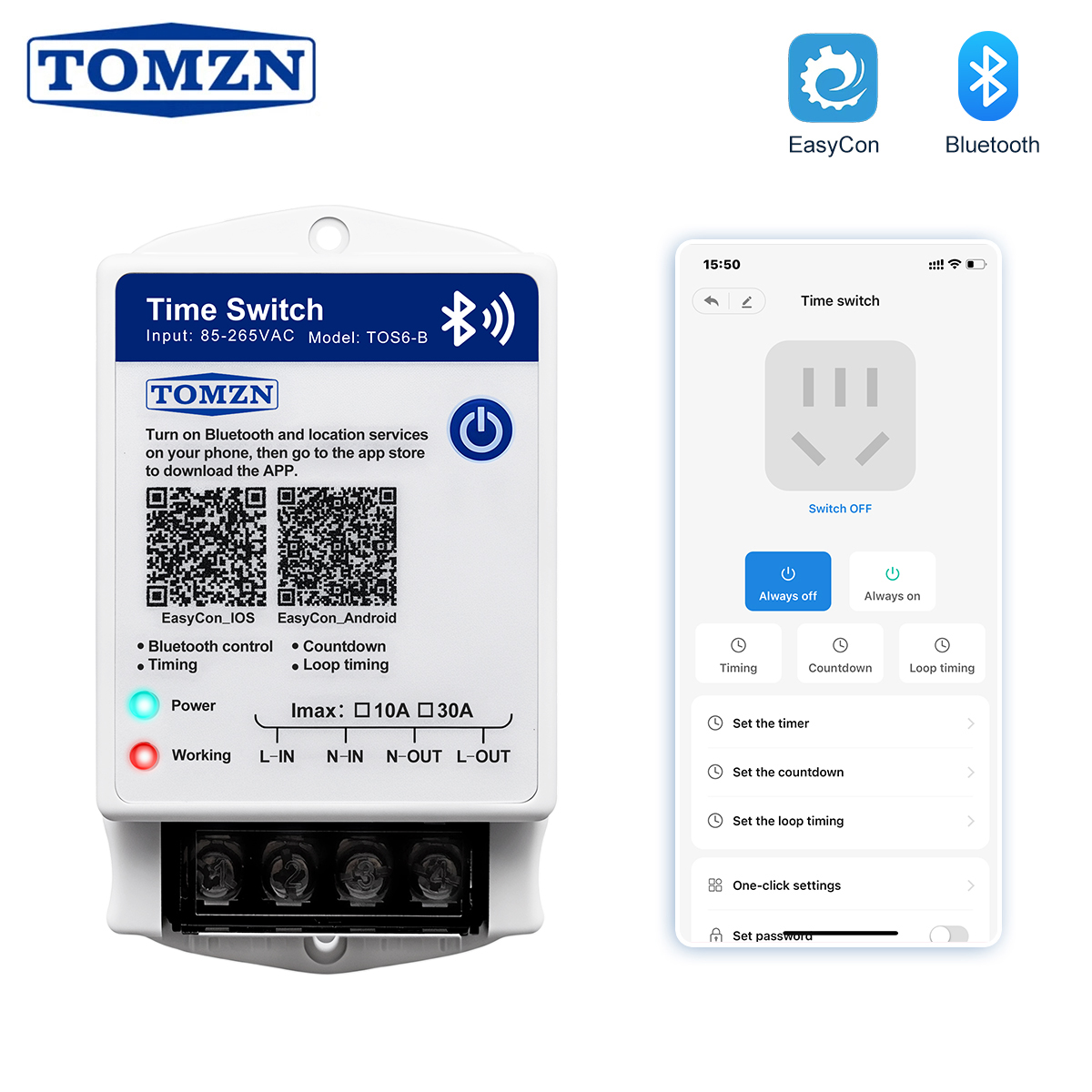
TOMZN Bluetooth Smart Timer Switch 85-265VAC 10A 30A EasyCon Wall-mounted 28 Groups Timing
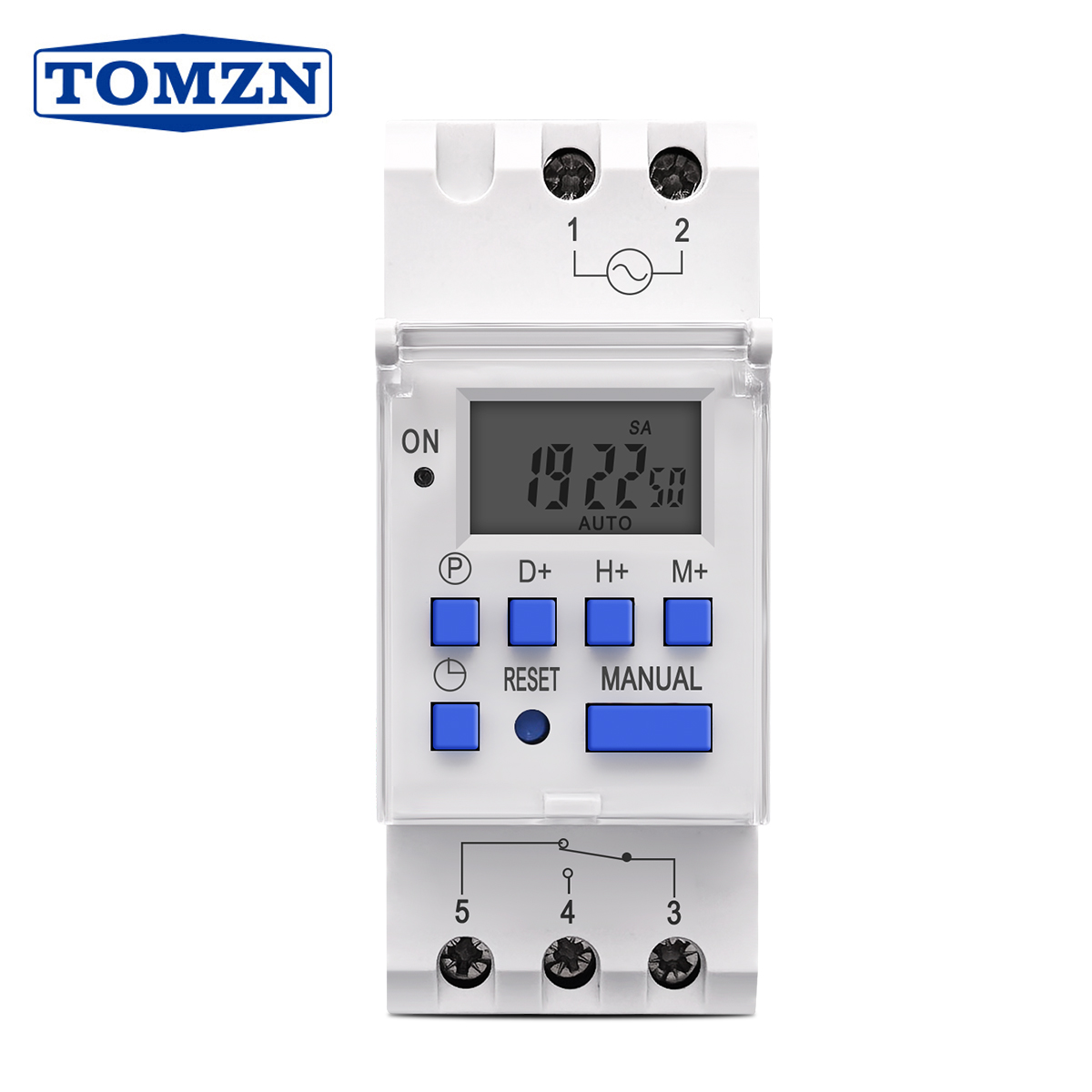
TOMZN 1NO 1NC Din Rail Single Phase Weekly 7 Days Programmable Digital TIME SWITCH Relay AC 230V 16A
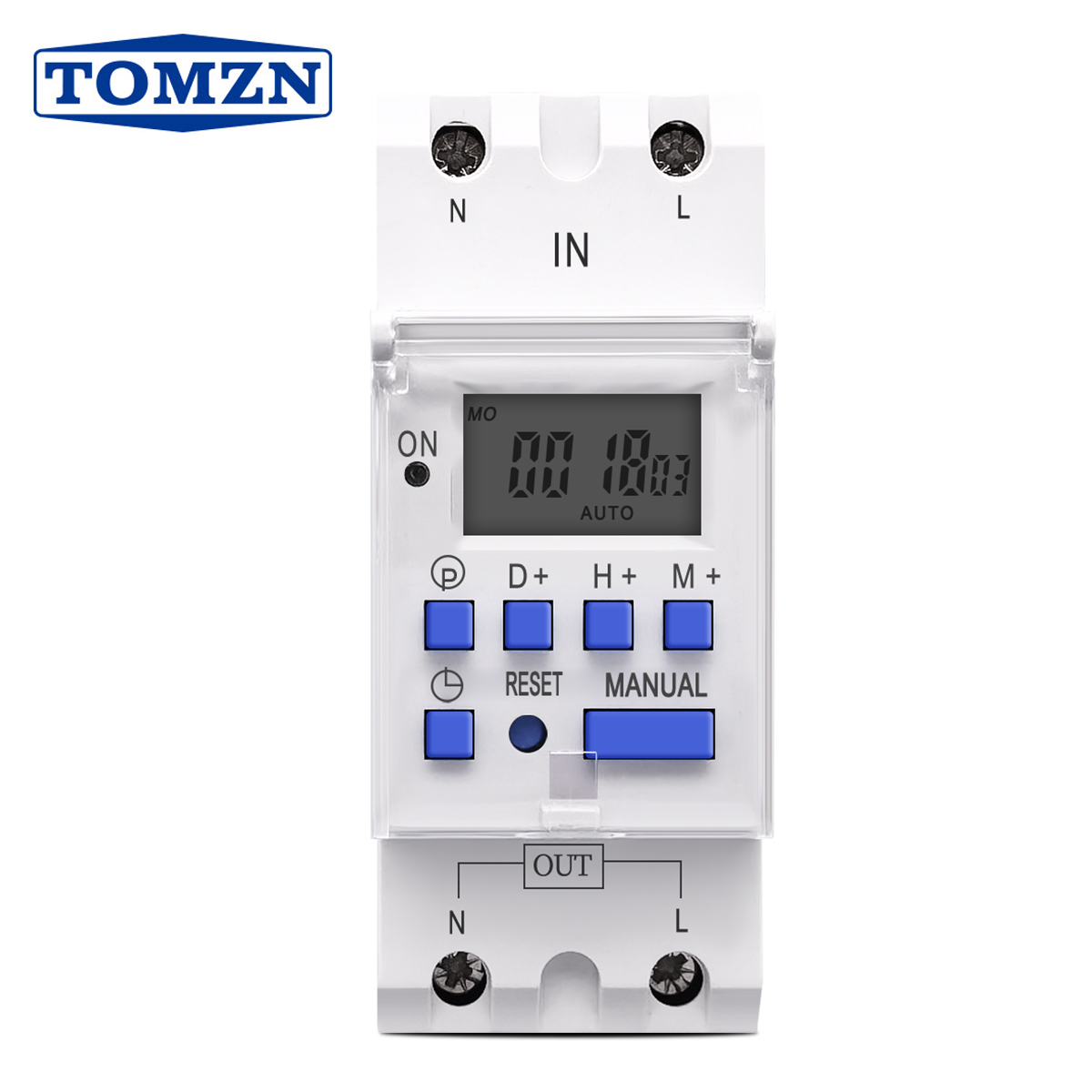
TOMZN New Type Din Rail Single Phase Weekly 7 Days Programmable Digital Timer Relay AC 220V 230V 16A
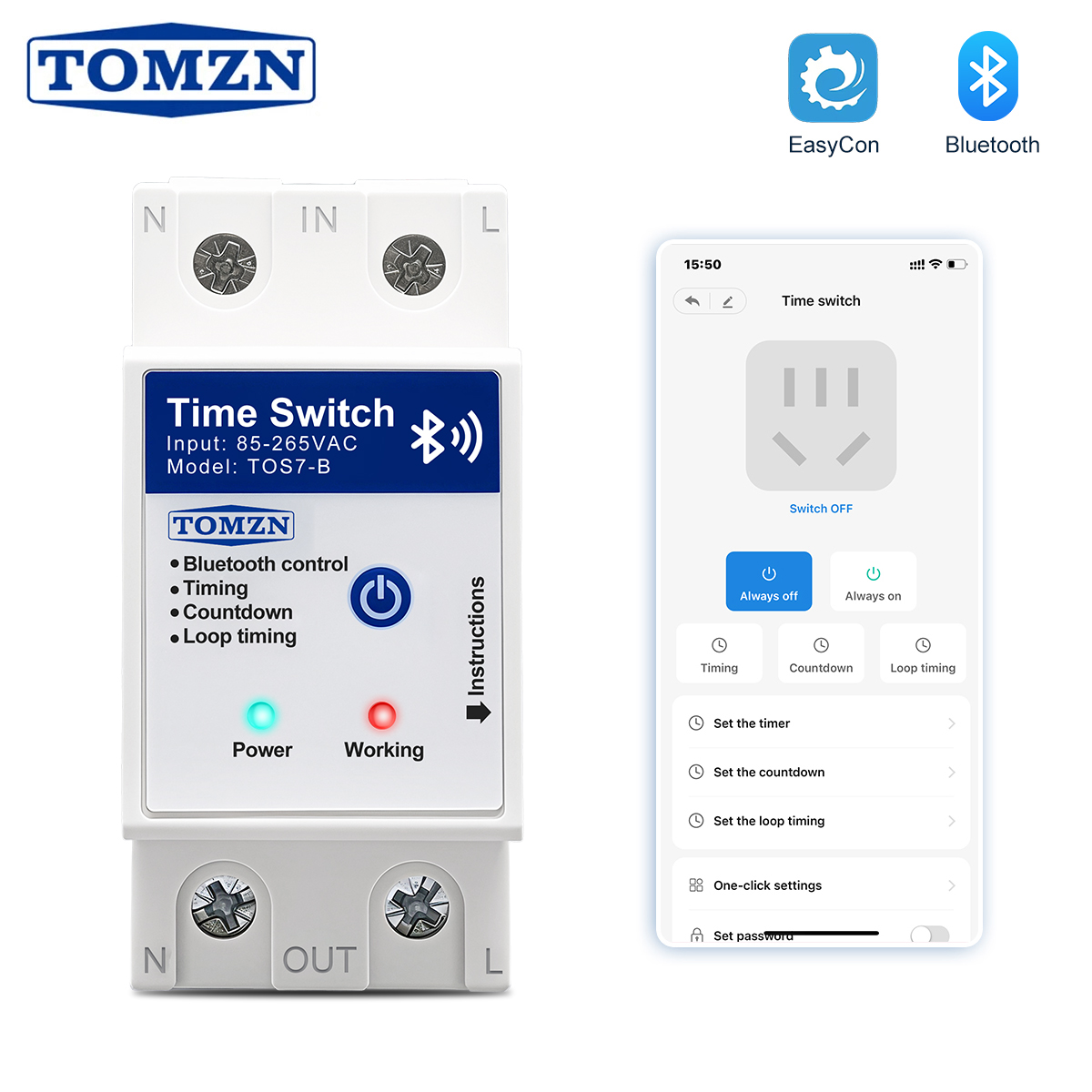
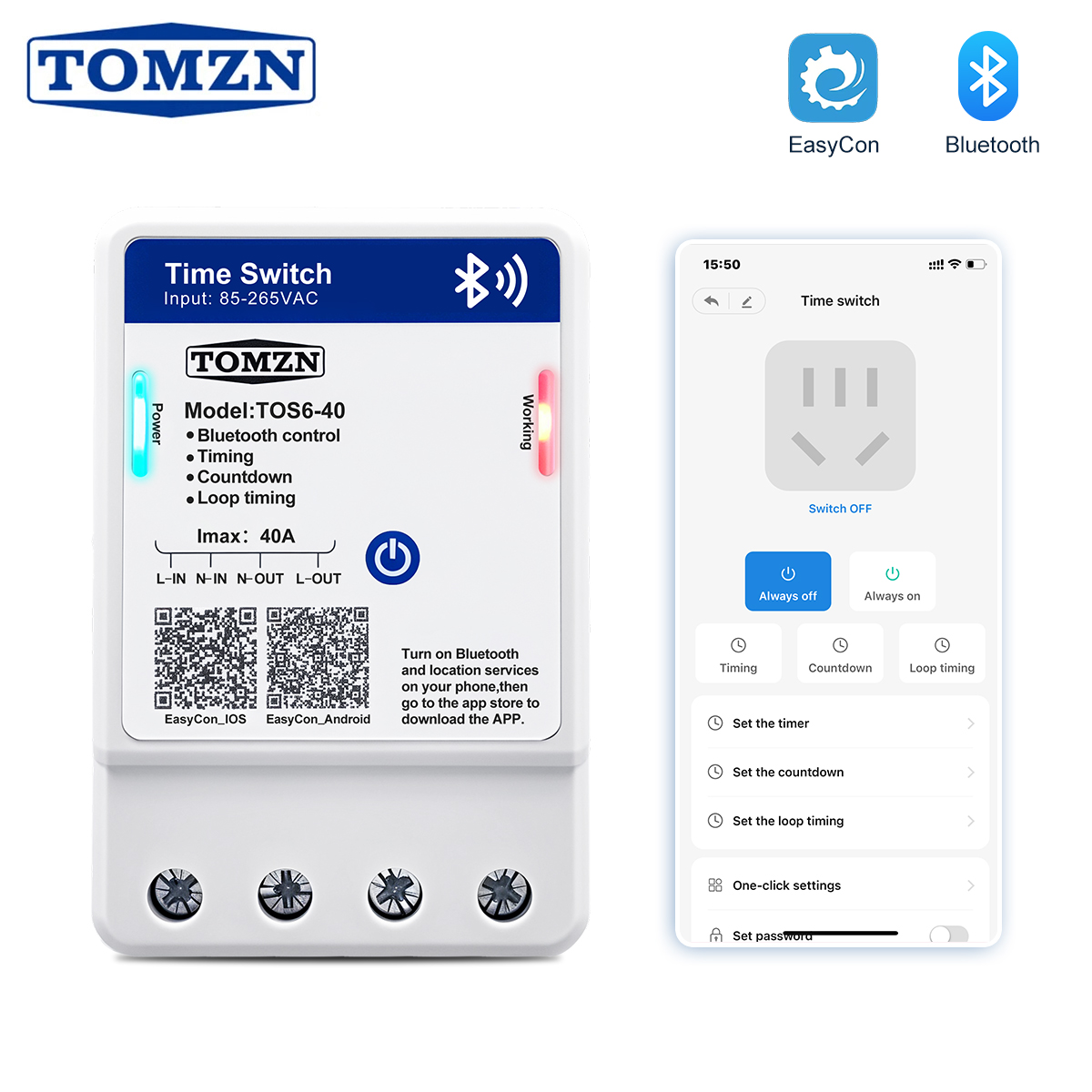
TOMZN TOS7-B Bluetooth Smart Timer Switch 40A 63A 85-265V EasyCon App Remote Control DIN Rail
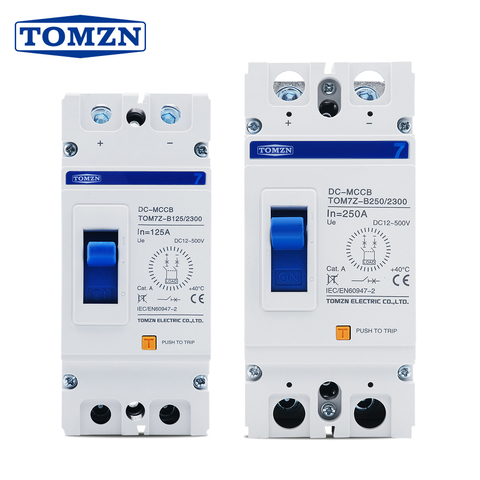
2P DC Circuit Breaker 500V 1000V Photovoltaic & Battery Residual Current Leakage Isolator
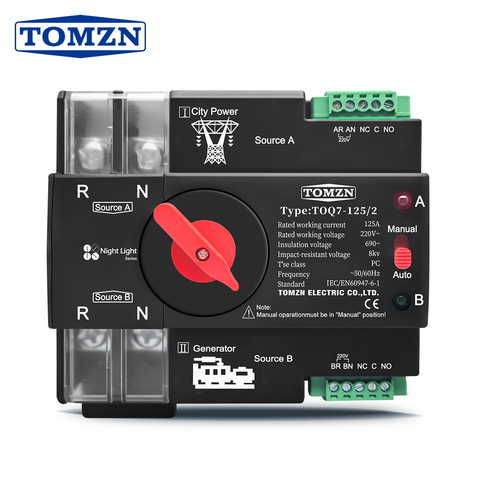
Dual Power Automatic Transfer Switch (ATS) 2P/4P 63A-125A 230V Generator & Grid Seamless Isolator
Technical Whitepaper: Mitigating Earth Leakage & Ground Fault Hazards in Saint Kitts and Nevis
The electrical network dynamics across the Federation of Saint Kitts and Nevis present unique systemic engineering challenges that distinguish the territory from continental installations. Regulated predominantly via standard 230V single-phase and 400V three-phase arrangements running at 60Hz—supplied through the St. Kitts Electricity Company (SKELEC) and the Nevis Electricity Company Limited (NEVLEC)—power installations encounter severe ambient degradation mechanisms. Marine salt spray deposits, persistent ambient humidity hovering between 70% and 90%, and severe tropical storm cycles impose aggressive dielectric stresses across switchboards, switchgear enclosures, and downstream distribution points.
Within this localized setting, an Earth Leakage Circuit Breaker (ELCB)—encompassing both modern Voltage-Operated ELCBs and high-sensitivity current-sensing Residual Current Circuit Breakers (RCCBs / RCBOs)—operates not merely as an electrical code requirement, but as the foundational barrier against electrocution and insulation ignition fires. Unmitigated galvanic breakdown caused by airborne salinity creates gradual capacitive leakage along service cables and sub-distribution conduits. Without optimized threshold calibration (30mA for human life protection; 100mA to 300mA for fire prevention and heavy motor inductive circuits), conventional overcurrent protective devices (MCBs) remain totally blind to low-magnitude ground fault arcs that frequently precede structural fires.
Harmonizing Grounding Architectures: TT vs. TN-S Island Schemes
Across older commercial sectors in Basseterre and rural layouts in Nevis, residential and light-commercial service feeds are predominantly grounded via local earth electrodes under TT grounding schemes. Because soil resistivity varies dramatically across the islands—ranging from low-impedance volcanic ash strata to high-impedance porous limestone and sandy coastal shores—achieving a consistently low earth loop impedance ($Z_s$) year-round is technically prohibitive. In a high-impedance TT grid, a direct line-to-earth breakdown will seldom generate the substantial short-circuit current required to trip standard thermal-magnetic breakers instantly. Deploying our electromagnetic, high-speed Earth Leakage Breakers guarantees sub-40-millisecond trip isolation even under elevated earth resistance ($R_A > 200\,\Omega$), actively neutralizing lethal touch voltages across equipment casings and structural metalwork.
Coastal High Salinity Protection
Tropicalized, flame-retardant enclosures with silver alloy contacts resisting micro-arcing and salt-mist passivation in marine atmospheres.
Island Transient Suppression
Integrated immunity to lightning strike inductions and utility switching transients without annoying nuisance tripping.
Solar & Inverter Compatibility
Type A and Type B residual discrimination engineered to isolate pulsating DC residual currents born of distributed hybrid solar setups.
Strategic Energy Transformation Trends across the Federation
Saint Kitts and Nevis is executing an aggressive decarbonization roadmap, scaling solar photovoltaic adoption, commercial microgrids, and geothermal power exploitation in Nevis. As hybrid off-grid and grid-interactive solar arrays proliferate across luxury resorts in the South Peninsula, educational facilities, and commercial ports, earth leakage topologies become infinitely more sophisticated. Modern solar inverters and battery storage switchgear inherently introduce smooth and high-frequency DC leakage components back through the neutral-ground plane. Standard Type AC residual breakers blind easily in these circumstances, locking their trip cores into saturation and failing to trip during genuine human shock incidents. Our technical line includes Type A and DC-resilient residual current models explicitly calibrated to preserve tripping sensitivity in the presence of complex non-sinusoidal waveforms and DC residual thresholds up to 6mA and beyond.
Manufacturer Authority: Zhejiang TMB Electric Co., Ltd.
Operating out of Huabei Village, Liushi Town, Wenzhou—the world's most concentrated low-voltage electrical industrial cluster—Zhejiang TMB Electric Co., Ltd. represents 24 years of vertically integrated engineering competence. Our full-scale manufacturing plant spans over 5,700 m² of specialized workshops, housing a workforce of 92 skilled technicians, quality engineers, and export professionals handling more than US$ 3.3 million in verified annual export volume.
Unlike commercial trading operations, TMB controls every stage of the breaker manufacturing continuum. We fabricate our own bimetallic mechanisms, arc splitter packs, flame-retardant thermoset and thermoplastic housings, and precision current transformers in-house. Our operations maintain rigorous 100% calibration screening: thermal-magnetic threshold tests, multi-stage dielectric withstand audits, and millisecond trip speed timing under direct residual pulse testing. With independent on-site assessments conducted by TÜV Rheinland, active CE-marking across catalog lines, and factory compliance under ISO-certified quality management procedures, TMB empowers contractors, distributors, and governmental developers throughout Saint Kitts and Nevis with unbeatable factory direct pricing, modular low MOQ parameters starting from just 5 pieces, and comprehensive private-label OEM/ODM agility.
TÜV Rheinland Verified
Full-spectrum audit verification covering production tooling, testing jigs, export capacity, and raw material lineage.
Rapid B2B Export Supply
Complete logistical integration handling maritime consolidation, Air LCL, customized labeling, and tropical moisture-barrier crating.
OEM / ODM Custom Engineering
Support for custom residual current sensitivities (10mA, 30mA, 100mA, 300mA), pole arrangements (1P+N, 2P, 3P+N, 4P), and combined enclosures.
Saint Kitts and Nevis Procurement & Application FAQ
Direct technical answers addressing engineering standards, import clearances, and environmental specifications faced by Kittitian and Nevisian contractors.
What are the key differences between ELCB, RCCB, and RCBO for projects in Saint Kitts and Nevis?
Older installations in Saint Kitts frequently reference "ELCB" (voltage-operated earth leakage circuit breakers), which relied strictly on a dedicated ground wire link. Modern international standards have superseded these with current-operated Residual Current Devices: RCCBs (which protect exclusively against earth leakage and shock) and RCBOs (which combine residual current detection with overload and short-circuit overcurrent protection in a single DIN module). For retrofits and new builds across Basseterre and Charlestown, TMB supplies advanced RCBOs that replace traditional MCBs directly, maximizing panel board space and delivering isolated branch trip discrimination without dropping the entire facility.
How do TMB Earth Leakage Breakers withstand tropical marine salinity and humidity?
Coastal environments around ports and beachfront developments in St. Kitts experience acute airborne salt contamination that corrodes inferior copper rivets and compromises trip coils. TMB builds devices using high-grade, corrosion-passivated internal copper conductors, reinforced arc runners, and silver alloy contact rivets. Furthermore, our internal electronic current transformers and sensing boards undergo specialized conformal moisture coating, maintaining absolute trip accuracy without nuisance trips caused by condensation tracking across insulation barriers.
What trip sensitivity (mA rating) is legally and practically mandated for local distribution?
For personal protection against direct contact electrocution in domestic homes, hotel suites, and commercial bathrooms, 30mA trip threshold units operating within 40 milliseconds are standard. For outdoor marine docks, pump installations, and commercial kitchens, 10mA or 30mA models are recommended. On main service incomers and industrial motor banks subject to standard steady-state cable capacitance, 100mA or 300mA selective/time-delayed breakers are utilized to establish proper cascading selectivity while stopping electrical insulation arcing fires.
How are TMB shipments handled for delivery into Port Zante (Basseterre) or Long Point Port (Nevis)?
TMB provides flexible FOB, CIF, or DDP handling. Orders are professionally palletized, sealed with moisture-resistant stretch film and desiccant packs, and routed via consolidated ocean shipping lines directly servicing the Caribbean or expedited through air cargo gateways (via Miami/San Juan) for urgent maintenance projects. We furnish complete commercial invoices, packing lists, CE compliance certificates, and test sheets required for customs clearance through the Saint Kitts and Nevis Customs and Excise Department.
Can TMB customize residual breakers for dual-source backup generators and solar PV microgrids?
Yes. Due to frequent grid instabilities and hurricane preparedness plans across the Federation, most properties integrate stand-by diesel generators or solar storage. In transfer systems switching between utility neutral and floating generator neutral lines, neutral cross-talk can falsely trip standard earth leakage units. TMB engineers 4-Pole (4P) ATS units alongside 4P Type A/B residual circuit breakers to isolate both active phases and the neutral conductor simultaneously, eliminating false trips and securing uninterrupted life safety protection.
Equip Your Saint Kitts & Nevis Installations with Certified Protection
Contact our senior electrical applications engineering department for direct factory quotations, technical submittal packages, single-line diagram reviews, and customized OEM breaker configurations.