Engineering White Paper & Regional Specification

Electrical Isolating Switch Manufacturer & Factory Serving the Pyongyang Market

Precision Low-Voltage Isolation, Arc Extinction Coordination, and Climatic-Grade Power Distribution Infrastructure for Heavy Industry, Municipal Modernization, and Renewable Arrays.

Recommended Switchgear & Control Devices

Engineered to deliver deterministic galvanic air-break isolation, high dielectric withstand margins, and automated load control under stringent operational duty cycles.

Multi-Timing TORT7 Series Multi-function Timer Relay

TORT7 Series Delay-ON Delay-OFF 10in1 Asymmetric Cycler Time Relay Switch

0.1S–10D 10-in-1 Modes DIN Rail
View Specifications
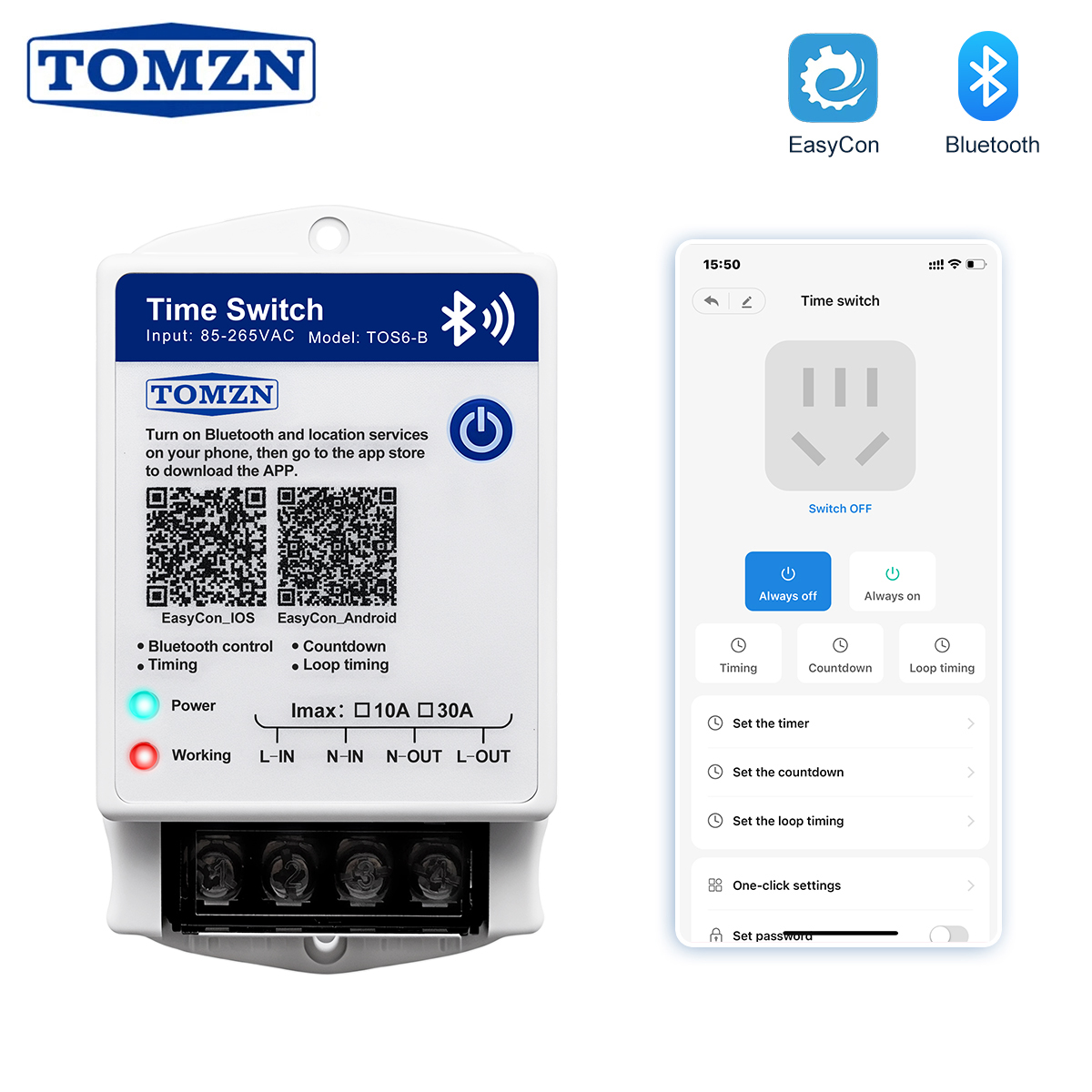
Smart Control TOMZN TOS7-B Bluetooth Smart Timer Switch

TOMZN TOS7-B Bluetooth Smart Timer Switch 40A/63A 85-265V EasyCon DIN Rail

40A / 63A 28 Groups Bluetooth App
View Specifications
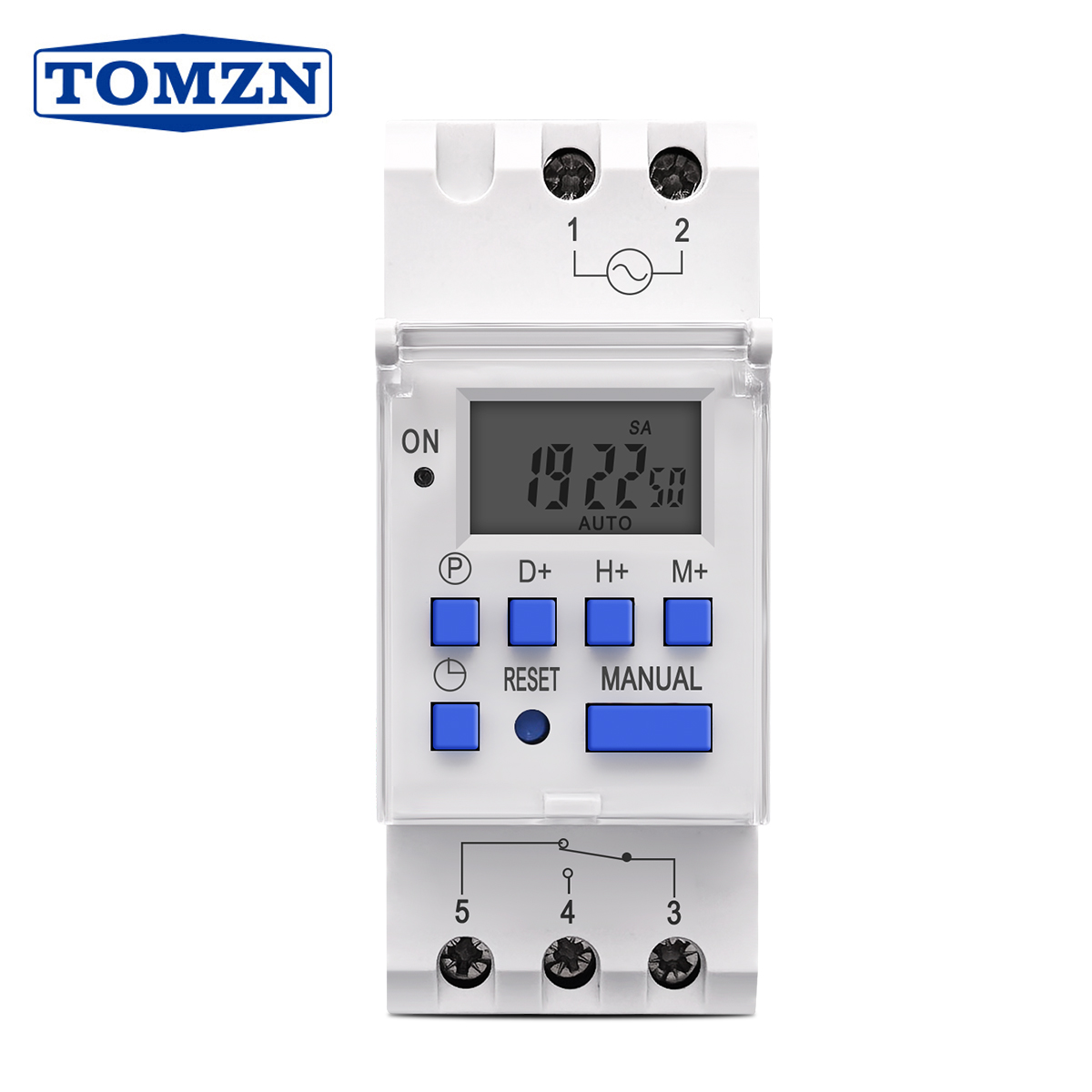
Industrial TOMZN 1NO 1NC DIN Rail Weekly Digital Timer Switch

TOMZN 1NO 1NC DIN Rail Single Phase Weekly 7 Days Programmable Timer Switch

AC 220V/230V 16A Relay 7-Day Cycle
View Specifications
Upgraded TOMZN New Type Din Rail Digital Timer Switch

TOMZN New Type DIN Rail Single Phase Weekly 7 Days Digital TIME SWITCH Relay

12V–230V Range Reinforced Base 16A Rating
View Specifications
Wall Mount TOMZN Bluetooth Smart Countdown Timer Switch

TOMZN Bluetooth Smart Timer Switch 85-265VAC 10A/30A EasyCon Wall-Mounted

85–265VAC Loop Timing Wall-Mount
View Specifications
Dual Mount TOS6-40 Bluetooth Time Control Switch

TOS6-40 Bluetooth Time Control Switch 35mm DIN Rail & Wall-Mounted 40A

40A High Inrush 35mm Standard EasyCon UI
View Specifications
Air Break High Capacity Electrical Isolating Switch

Industrial Modular Electrical Isolating Switch Disconnector 32A–125A

IEC 60947-3 AC-22A / AC-23A Air Break
Get Catalog
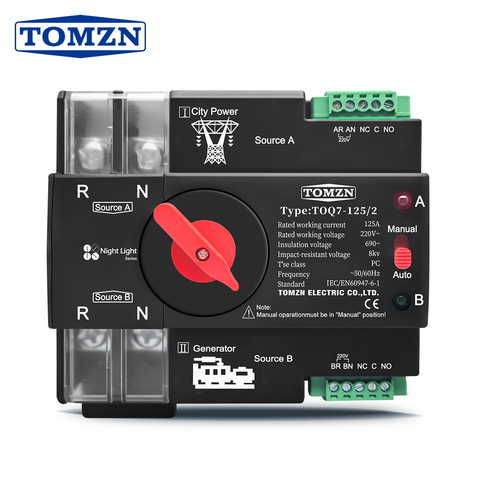
Dual Power Dual Power Automatic Transfer Isolating Switch

Dual Power Transfer & Isolating Station Switch 2P/4P 63A–125A 230V/400V

Zero-Crossing Substation Ready Dual Isolation
Get Catalog
24+
Years Manufacturing Mastery
5,700 m²
Audited Factory Floorspace
1000V DC / 690V AC
Rated Insulation Voltage (Ui)
TÜV / CE
Verified Compliance Architecture

Engineering Fundamentals: Galvanic Isolation vs. Circuit Breaking in High-Stress Grids

In electrical power distribution engineering, the functional distinction between an operational circuit breaker (governed by IEC 60947-2 or IEC 60898-1) and a dedicated Electrical Isolating Switch / Disconnector (governed by IEC 60947-3 and GB/T 14048.3) is vital for life-safety compliance, asset protection, and preventive maintenance. While circuit breakers prioritize dynamic overcurrent and short-circuit interruption via internal bimetallic strips and magnetic trip coils, isolating switches are strictly engineered to provide an uncompromising, fail-safe dielectric physical air gap. This galvanic separation ensures that downstream electrical equipment, transmission feeders, and motor control panels can be serviced without risk of capacitive flashover, transient creeping currents, or unintentional switch reconnection under extreme line overvoltages.

For regional municipal networks and industrial distribution hubs serving the Pyongyang market, low-voltage installations operate under unique technical stress profiles. The regional 220V single-phase and 380V three-phase 50Hz networks frequently contend with severe inductive load switching surges, voltage sag compensation from local hydro and thermal plants (such as the Pyongyang Thermal Power Plant), and the operational necessity of rapid sectionalizing during scheduled microgrid isolation. Zhejiang TMB Electric Co., Ltd. builds isolating switches featuring positive contact position indication (direct mechanical linkage where the handle position reflects the true mechanical state of the contacts), reinforced silver-nickel (AgNi) or silver-tin-oxide (AgSnO2) contact tips, and high-tracking-index thermoset polyamide composite housings designed to withstand high operational mechanical shocks and sudden thermal spikes.

Critical Design Attributes for Pyongyang's Grid Interfaces

Electrical disconnectors deployed across municipal workshops, heavy industrial facilities in Rangrang, and civil infrastructure projects along Hwasong and Songhwa Streets require rigorous adherence to Utilization Categories AC-22A (mixed resistive and inductive switching) and AC-23A (switching of severe motor loads). Given the cold continental winters (averaging -15°C) and hot, humid monsoonal summers typical of the Korean Peninsula, contact assemblies are treated with anti-oxidation passivation, while housing bodies feature Class V-0 self-extinguishing flame-retardant polymers. This prevents flashover tracking under condensed atmospheric moisture and dust common in metallurgical and coal-fired industrial environments.

Localized Application Scenarios in Pyongyang Infrastructure

Targeted switchgear solutions engineered for the operational realities of industrial, municipal, and commercial facilities throughout the region.

Heavy Manufacturing & Light Industry

Industrial sectors located along the Taedong River basin—including textile processing plants, machine tool workshops, and cable production units—utilize three-phase 380V/400V isolating switches to safely disconnect medium and low-voltage electric motor drives. During machinery retrofits and daily turn-offs, the switch guarantees complete isolation from transient grid spikes, mitigating motor insulation degradation caused by unexpected back-feeding or phase-imbalance transients.

High-Density Residential Zones

Rapid urban modernization across Pyongyang’s major development zones (such as Songhwa, Hwasong, and Rimyong Street corridors) demands robust floor-level electrical risers and sub-distribution panels. Integrating compact DIN-rail isolating switches at the head of consumer units ensures maintenance crews can isolate apartment-block distribution channels without disrupting mainline feed cables or generating dangerous switching arcs across neighboring residential units.

Rooftop Solar & Microgrid Arrays

Distributed commercial and residential rooftop solar arrays require dedicated DC isolating switches compliant with IEC 60947-3 (DC-PV1 and DC-PV2 categories). Because DC currents exhibit no natural alternating zero-crossing point, our isolating switches incorporate specialized magnetic blowout chambers and rotary knife-blade contacts that pull and cool dangerous DC electrical arcs within milliseconds under continuous voltages ranging up to 1000V DC.

Procurement & Development Trends: The Modernizing Pyongyang Electrical Landscape

Over the past decade, Pyongyang’s electrical engineering standards have transitioned from obsolete legacy knife switches and oil-quenched mechanical cut-outs toward modular, DIN-rail and enclosed rotary disconnectors that fulfill international standard IEC 60947. Three dominant trends define this evolving market:

  • Transition to Pre-Wired Enclosed Disconnectors: Municipal and industrial engineering teams increasingly specify factory-sealed, IP65/IP66 polycarbonate outdoor isolating boxes. These protect contact assemblies from severe freezing temperatures during continental winter months and resist coal dust intrusion near thermal power complexes.
  • Hybrid Power Infeed & Dual Isolation: Due to load prioritization protocols across urban districts, hospitals, public pumping stations, and commercial complexes maintain dual-feed architectures (grid and dedicated diesel/battery backup). Isolating switches equipped with mechanical interlocking prevent lethal cross-connection of un-synchronized power sources.
  • Integration of Modular Timing & Load Shedding Devices: Engineering procurement lists now frequently bundle basic manual disconnectors with programmable digital timers (such as the TORT7 and TOS7-B series) to establish scheduled load shifting, reducing peak-hour substation strain across high-density residential towers.

Technical Specification & Selection Guide

Comprehensive engineering criteria for selecting the appropriate isolating switch configuration based on operational parameters and load dynamics.

Series Code Poles (P) Rated Voltage (Ue) Rated Current (In) Short-Time Withstand (Icw) Utilization Category Optimal Pyongyang Application
TMB-IS63M 1P / 2P / 3P / 4P AC 230V / 400V 16A, 32A, 63A 12 In for 1 sec AC-22A Hwasong / Songhwa Residential Distribution Boards
TMB-IS125H 3P / 4P AC 400V / 690V 80A, 100A, 125A 15 In for 1 sec AC-23A Rangrang Industrial Zone Motor Feeder Incomers
TMB-PV1000 2P / 4P DC 600V / 1000V 16A, 32A, 50A, 63A 1.5 kA for 1 sec DC-PV2 Rooftop Solar PV Inverter & Combiner DC Incomer
TMB-ATS-ISO 2P / 4P AC 220V / 380V 63A, 100A, 125A 10 kA peak AC-31B / AC-33B Hospital & Public Facility Backup Generator Cutover
TOS7-B Series 1P+N / 3P+N AC 85V–265V 40A, 63A 6 kA conditional AC-1 / AC-7a District Pumping Station & Municipal Lighting Automation

Manufacturing Excellence from Liushi Town, Wenzhou

Positioned at the epicenter of China’s low-voltage electrical apparatus industrial cluster, Zhejiang TMB Electric Co., Ltd. delivers institutional-grade quality assurance, rapid turnaround times, and verified production traceability.

TÜV Rheinland Audited Facility

Our dedicated 5,700 m² manufacturing plant and 92 full-time staff have undergone rigorous on-site verification by TÜV Rheinland. We operate certified quality management protocols governing every stage from raw copper stamping to finished switch testing.

24 Years Industrial Experience

Over two decades of specialized focus on low-voltage switchgear, DC photovoltaic components, and smart control devices. With annual verified exports exceeding US$ 3.3M, our hardware is engineered to satisfy challenging international standard regimes.

Agile B2B Procurement (Low MOQ)

We eliminate supply friction by offering trial minimum order quantities from as low as 5 pieces for standard catalog models (and 1 piece for select timer relays). Custom OEM/ODM laser markings, voltage combinations, and customized enclosure layouts are readily supported.

Frequently Asked Questions for Pyongyang B2B Procurement

Detailed engineering and supply chain clarifications addressing technical compatibility, logistics, and deployment criteria.

What is the functional difference between an isolating switch and an MCB under local project guidelines?
An MCB (Miniature Circuit Breaker) is engineered primarily to automatically interrupt overload and short-circuit fault currents via internal thermal and magnetic trips. An isolating switch (disconnector), however, does not possess automatic overcurrent trip curves; instead, it is built with mechanically robust contacts, extended contact separation distances, and high impulse withstand voltage (Uimp ≥ 6kV to 8kV) ratings to provide guaranteed galvanic disconnection. In Pyongyang distribution systems, local safety codes mandate an isolating switch upstream or adjacent to distribution panels so maintenance personnel can physically verify that the circuit is completely de-energized without depending on sensitive bimetal breaker mechanisms.
Can standard AC isolating switches be utilized in Pyongyang solar PV DC strings?
Under no circumstances should an AC-rated isolating switch be used on direct current (DC) photovoltaic circuits. Alternating current crosses a zero-voltage point 100 times per second (at 50Hz), which naturally suppresses electric arcing when contacts open. DC current possesses no zero crossing; an arc pulled across standard AC contacts will remain sustained, generating intense heat, melting the switch housing, and creating a severe fire hazard. Solar arrays across Pyongyang require dedicated DC isolating switches rated for DC-21B or DC-PV2 utilization categories with permanent magnetic blowout channels and series-connected pole paths.
How do your isolating switches handle sub-zero winter temperatures in northern installations?
Pyongyang and surrounding industrial provinces experience winter low temperatures dropping to -15°C to -20°C. Standard commercial plastics become brittle and standard switch lubricants can congeal under these conditions, causing mechanical jams. Zhejiang TMB Electric utilizes high-impact engineered polycarbonate and flame-retardant PA66 resins tested down to -40°C. Furthermore, all pivot joints and rotary cams use aerospace-grade synthetic low-temperature dielectric greases to guarantee smooth, instant mechanical snap-action operation regardless of seasonal freezing.
What export documentation and factory testing reports are provided with each consignment?
Every production batch shipped from our Liushi facility is accompanied by formal Certificates of Inspection, Factory Acceptance Test (FAT) records covering dielectric withstand (at 2,500V AC for 1 minute), contact resistance millivolt drop tests, and mechanical operational endurance logs (exceeding 10,000 cycles). CE conformity declarations, RoHS verification, and our on-site TÜV Rheinland assessment report are readily supplied to purchasing organizations and international trading entities.
What is the recommended coordination between isolating switches and downstream automatic timers?
When configuring automated load management panels using devices such as the TORT7 multi-function cycler or the TOS7-B Bluetooth smart timer, the isolating switch must always be installed as the primary incoming isolation point upstream of the timing controller. For high inductive or resistive loads exceeding 16A, the timer switch output should energize the coil of an AC contactor, while the main load passes through the isolating switch and contactor power poles. This ensures that maintenance crews can shut down the entire circuit branch safely without having to de-program or detach the electronic control modules.

Request Detailed Technical Dossier & B2B Price Matrix

Connect directly with our senior application engineering group in Liushi, Wenzhou. We provide customized switchgear schematics, CAD dimensional drawings, and container-load price quotes for regional infrastructure developments.