Industrial-Grade Control & Timing Solutions for Continuous Duty
Precision-engineered smart switching modules, dual-power transfer systems, and digital control gear designed to interface seamlessly with industrial frequency inverters and automated motor loops.

TOMZN TOS7-B Bluetooth Smart Timer Switch 40A 63A 85-265V EasyCon App Remote Control

TOS6-40 Bluetooth Time Control Switch 35mm DIN Rail Wall-mounted Timing Countdown Loop
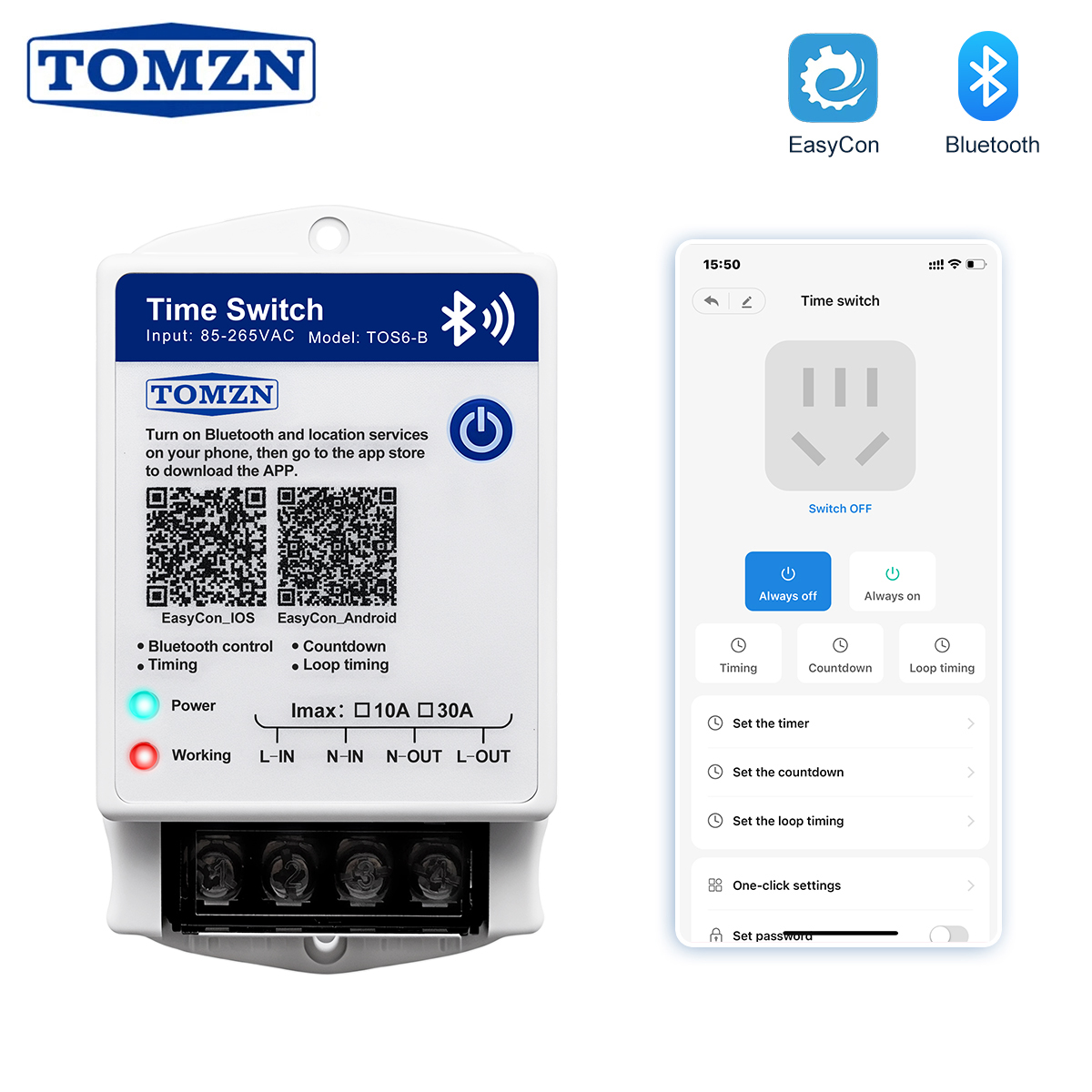
TOMZN Bluetooth Smart Timer Switch 85-265VAC 10A 30A EasyCon Wall-mounted Controller
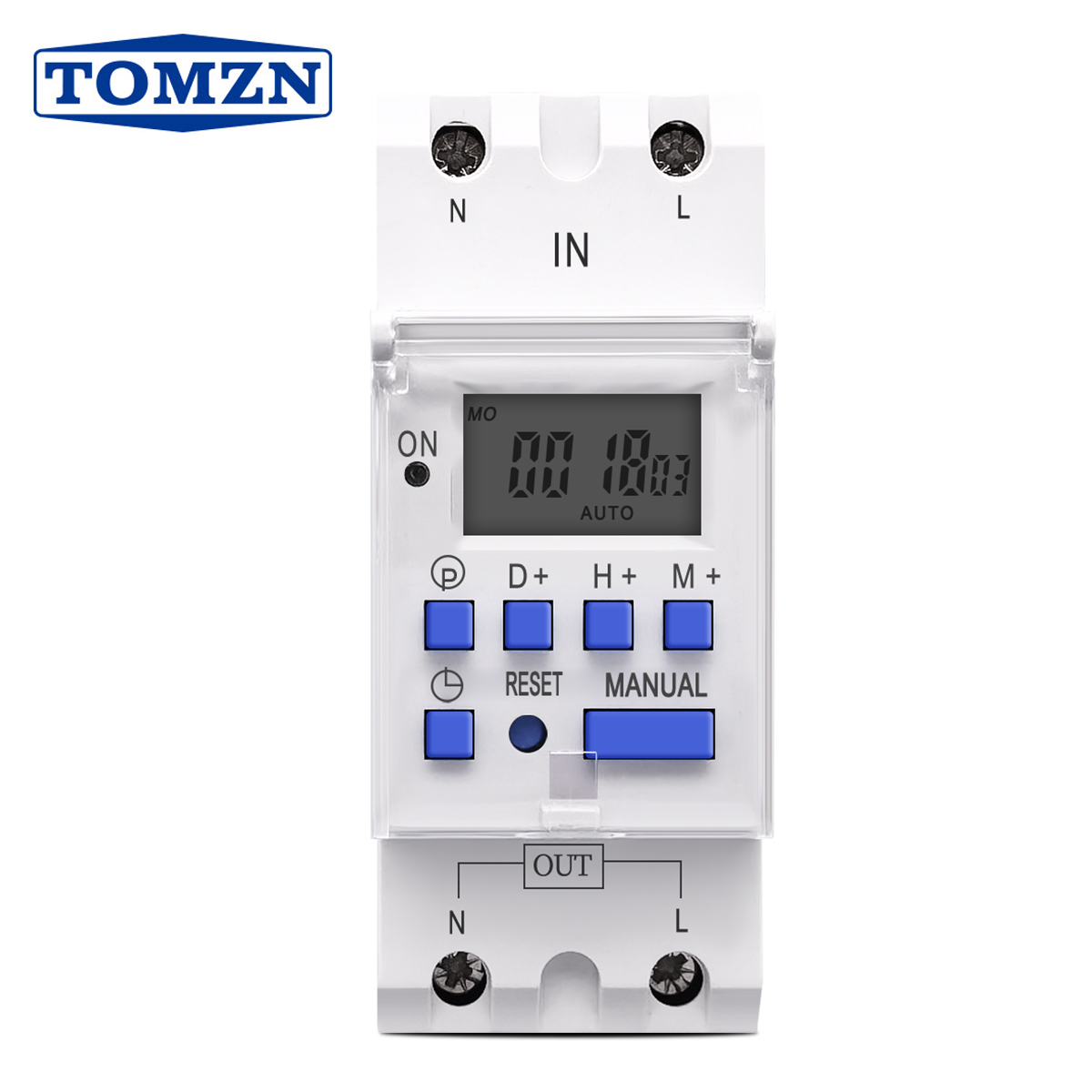
TOMZN New Type DIN Rail Single Phase Weekly 7 Days Programmable Digital Timer Relay

TORT7 Series Delay-ON Delay-OFF 10in1 Asymmetric Cycler Time Relay Multi-function Switch
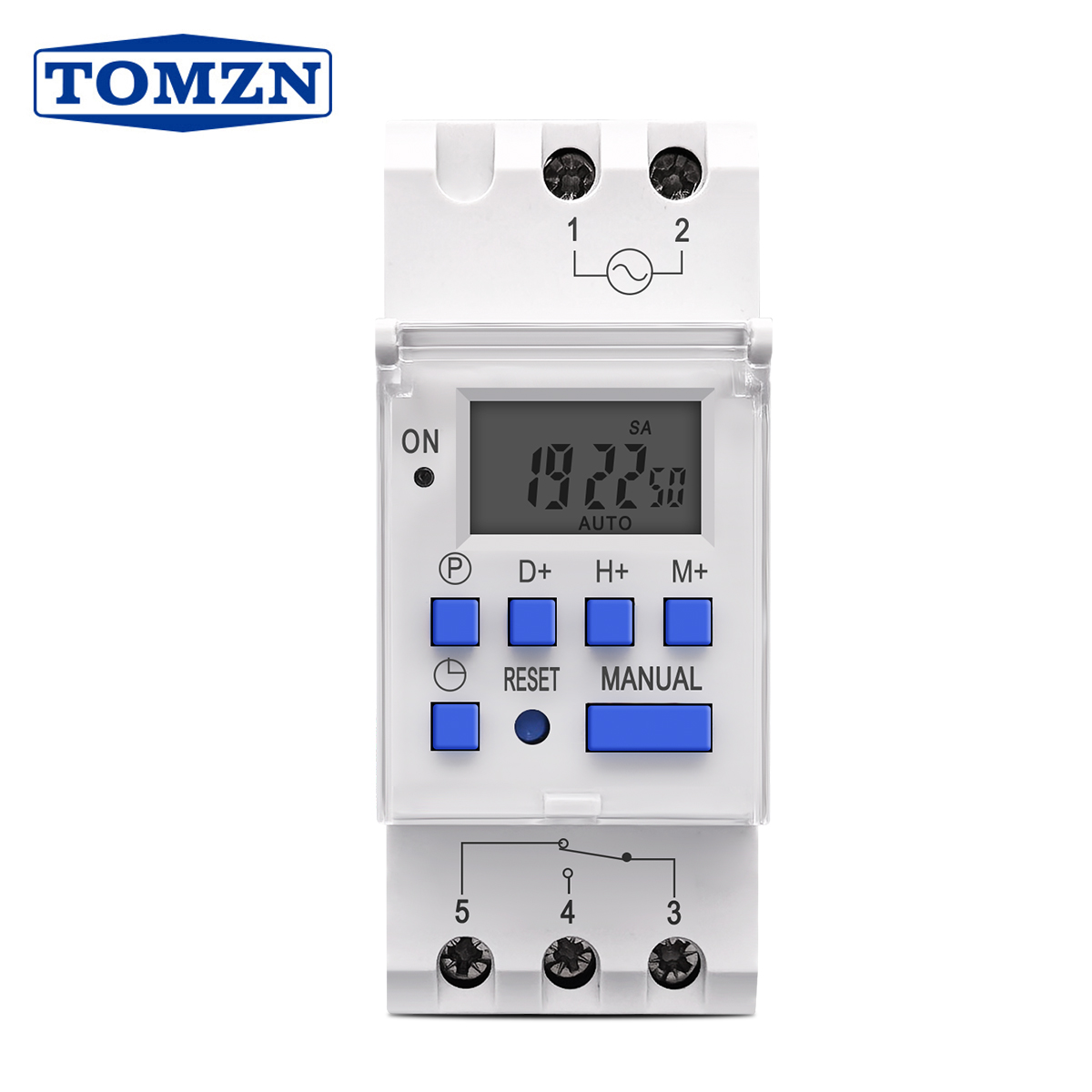
TOMZN 1NO 1NC DIN Rail Single Phase Weekly 7 Days Programmable Relay Timer Switch
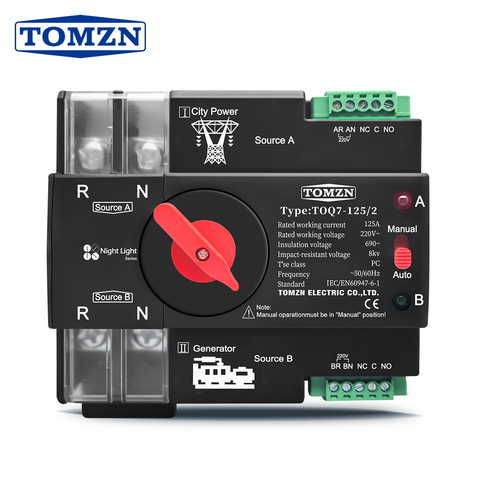
Heavy-Duty DIN Rail Dual Power ATS (Automatic Transfer Switch) 2P/4P 63A-125A
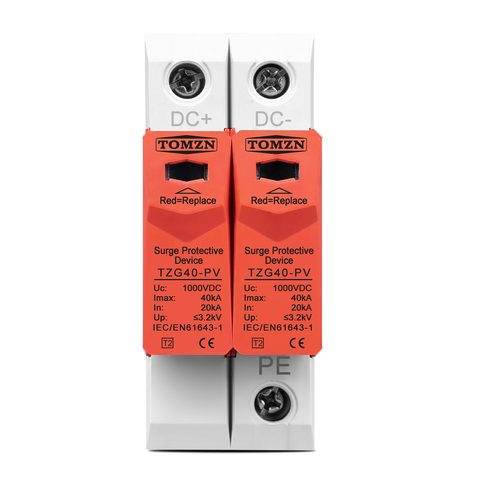
High-Energy Lightning & Transient Surge Protective Device (SPD) 20-40kA
Addressing Motor Dynamics in Harsh Tropical and Agro-Industrial Microclimates
Operating industrial motor drive systems and frequency inverters (Variable Frequency Drives - VFDs) across Western Nicaragua demands comprehensive design resilience. Chinandega serves as the vital agricultural and logistical nexus of the nation, anchored by massive sugarcane processing facilities, high-yield agrochemical refining, rum distilleries, and maritime cargo handling through the Puerto Corinto corridor. However, this economic engine operates under extreme climatic stressors: coastal humidity averaging 80% to 90%, ambient operating environments often exceeding 40°C inside plant floor switchgear, and persistent airborne particulate contamination including abrasive volcanic soils and bagasse ash residue.
Standard off-the-shelf inverter assemblies frequently suffer from accelerated degradation in this geography. Insufficiently protected printed circuit board assemblies (PCBAs) experience dendritic silver growth, trace electrolysis, and tracking failures under high relative humidity. Furthermore, erratic line voltages delivered through long rural distribution lines across El Viejo, Chichigalpa, and Posoltega subject inverter rectifier stages to massive voltage drops and abrupt oscillatory spikes.
Technical Design Standard: Our export configurations tailored for Chinandega integrate Class 3C3 conformal PCB coating conforming to IEC 60721-3-3, dual high-volume magnetic levitation cooling fans, integrated DC line chokes for total harmonic distortion (THDi) suppression below 35%, and galvanized low-inductance busbars rated for continuous cyclic thermal expansion.
By pairing high-order flux vector modulation routines with our specialized DIN-rail voltage monitoring relays, fast-response automatic transfer switches (ATS), and Bluetooth-programmable sequence timers, plant engineers achieve total motor protection. Motors driving heavy slurry conveyors, centrifugal mill extractors, and deep-well irrigation pumps retain nominal torque vectors down to 0.5 Hz without excessive rotor thermal rise or unexpected inverter low-voltage trips.
Localized Industrial Applications Across Chinandega's Key Sectors
Engineered motor drive topologies and protection packages adapted to the operational demands of regional agro-industrial facilities, marine logistical corridors, and agricultural operations.
Sugarcane Refining & Bagasse Handling (Ingenios)
In massive milling centers located around Chichigalpa, continuous extraction shredders, juice clarification clarifiers, and bagasse feed boilers require variable load modulation with high starting break-away torque. Implementing heavy-duty inverters with closed-loop vector control ensures dynamic torque response during uneven cane feeding while reducing motor mechanical gear wear by over 40%.
Marine & Bulk Cargo Cranes at Puerto Corinto
Puerto Corinto handles the vast majority of Nicaragua’s containerized agricultural exports and raw bulk imports. Our crane-grade inverters feature integrated dynamic braking chopper units, four-quadrant regenerative power management, and anti-sway algorithmic logic. Salt-spray corrosion resistant cabinetry ensures reliable gantry and winch operation under direct marine coastal exposures.
Deep-Well Aquifer Pumping & Pivot Irrigation
The vast peanut, banana, and sesame fields surrounding Chinandega rely on multi-stage submersible and vertical turbine pumps extracting from deep groundwater tables. Variable frequency drives with built-in solar hybrid firmware (MPPT) enable automated smooth ramping, eliminating devastating water hammer shocks in pipeline networks and allowing seamless solar-diesel hybrid switching.
Aquaculture & Shrimp Hatchery Aeration
Along the Estero Real and Gulf of Fonseca brackish wetlands, industrial shrimp farming requires uninterrupted pond paddlewheel aeration. Pairing compact IP66 frequency inverters with our programmable cyclic timer relays allows oxygenation schedules to track diurnal water temperature curves, cutting auxiliary diesel generator fuel consumption by up to 32%.
Cold Storage & Chilling Compressor Loops
Export perishables, seafood, and meat packing plants require precision multi-compressor staging. Inverters modulate compressor speeds to match fluctuating thermal loads precisely, eliminating high inrush current spikes and safeguarding ammonia refrigeration equipment against sudden low-voltage grid cutoffs.
Biomass Power Co-Generation Interconnection
During the harvest (Zafra), agro-industrial mills burn bagasse to generate steam and electricity, feeding surplus capacity back into the national grid. Frequency drives control forced-draft boiler blowers and feedwater pumps with extreme precision, maintaining optimal combustion stoichiometry under rapidly fluctuating fuel moisture content.
Technological & Energy Trends Reshaping Chinandega's Grid Infrastructure
Strategic economic investments and green-energy mandates driving the modernization of motor control architectures in Western Nicaragua.
Grid Decarbonization & Clean Energy Mandates
Nicaragua's sustained expansion of renewable energy generation (exceeding 70% from geothermal, wind, biomass, and solar) has fundamentally altered distribution grid stability. Variable generation creates minor frequency fluctuations on regional 13.8kV/34.5kV distribution substations. Plants in Chinandega are standardizing on wide-input frequency inverters capable of ride-through operation during transient voltage sags down to 65% nominal.
Corinto Port Terminal Modernization Phase II
With multi-million-dollar modernizations expanding terminal capacity at Puerto Corinto, automated logistics lines, container stackers, and bulk cargo grain silos are replacing manual electromechanical starters with Modbus/RS485-enabled and Ethernet/IP connected variable frequency drives, allowing SCADA integration from central control hubs.
Surging Demand for Solar-Powered VFD Pumping
Rising diesel transport tariffs and elevated utility peak tariffs have accelerated the conversion of diesel-driven agricultural pumps to direct solar PV array drive systems. Farmers and commercial agribusinesses across El Viejo are utilizing our dual-input DC/AC inverters, transitioning seamlessly between solar arrays by day and utility grid or gen-sets by night.
Preventative Diagnostics & Wireless Micro-Telemetry
Industrial maintenance teams are moving away from manual switchgear logging toward Bluetooth-enabled timers, wireless power analyzers, and VFD diagnostic transceivers. Technicians can check motor running currents, fault history, and ambient enclosure thermal rise from smartphones outside arc-flash boundaries, safeguarding personnel and equipment.
Direct-From-Manufacturer Scalability: Zhejiang TMB Electric Co., Ltd.
Operating from Huabei Village in Liushi Town, Wenzhou—universally recognized as China’s low-voltage electrical capital—Zhejiang TMB Electric Co., Ltd. delivers over 24 years of certified manufacturing precision. Our 5,700-square-meter modern manufacturing facility encompasses end-to-end automated surface-mount device (SMD) placement, robotic mechanism riveting, calibrated thermal and magnetic trip testing benches, and computerized dielectric breakdown verification apparatus.
Our operation is independently audited on-site by TÜV Rheinland, ensuring complete transparency across our production floor, labor safety standards, material traceability, and quality management protocols. With an annual verified export volume surpassing US$ 3.3 Million across over 100 global territories, we provide procurement directors, panel builders, and EPC engineers with unprecedented flexibility: low evaluation MOQs starting from just 5 units, rapid OEM private labeling, and bespoke electrical panel integration solutions.
Supply Chain Security: Being situated inside the Liushi industrial ecosystem allows us to achieve unparalleled agility. From oxygen-free copper terminals and silver-alloy electrical contacts to specialized anti-tracking thermoset enclosures, our integrated supply network eliminates international component bottlenecks, guaranteeing steady inventory flow for project consignments destined for Central America.
Frequently Asked Questions by Industrial Buyers Serving Chinandega
Clear, engineering-backed answers covering import compliance, voltage variances, humidity mitigation, and logistics delivery channels.