High-Performance Arresters, Smart Timing & Circuit Switchgear
Explore our core protective devices and intelligent DIN-rail modules optimized for commercial, industrial, and solar installations across Greater Austin and Travis County.
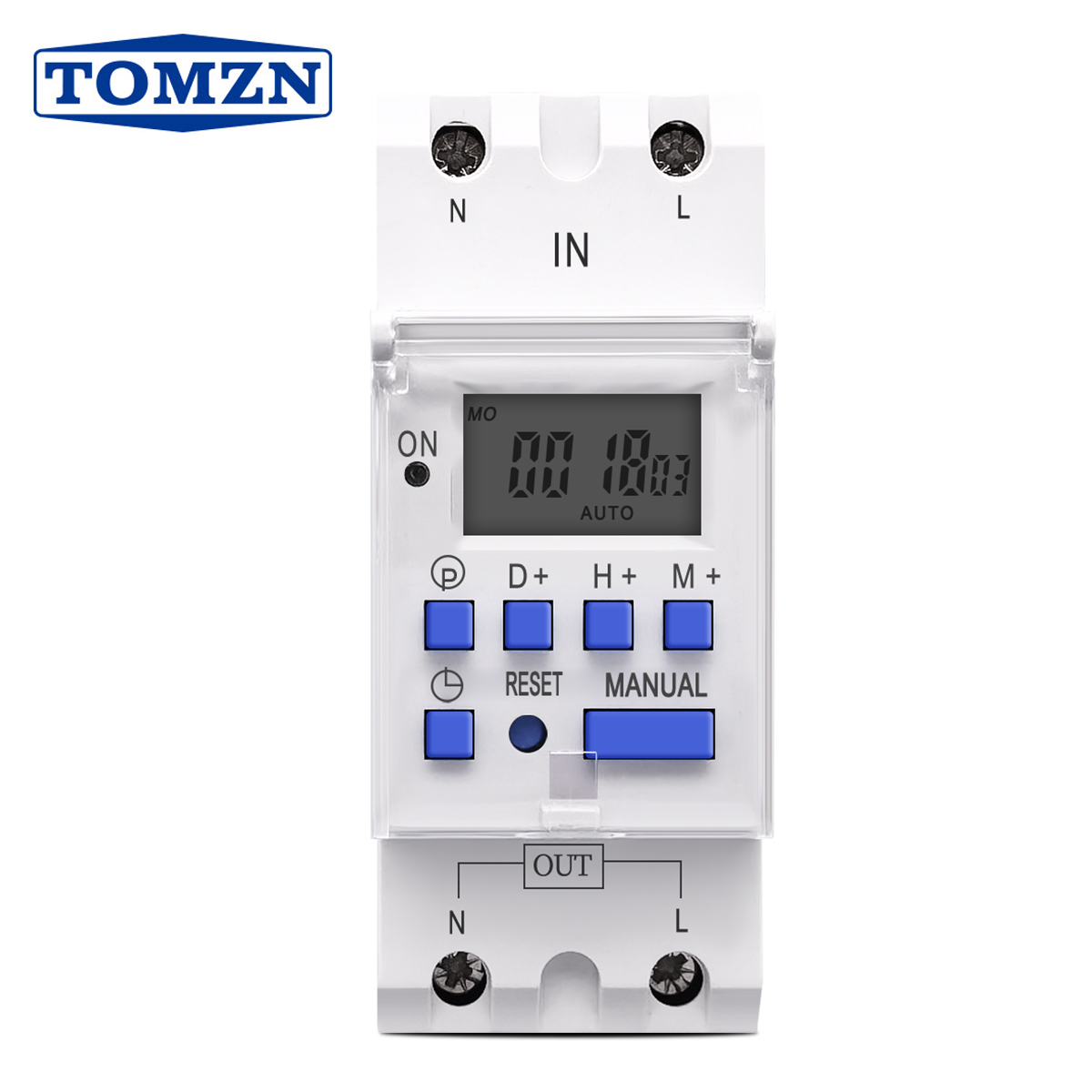
TOMZN New Type Din Rail Single Phase Weekly 7 Days Programmable Digital TIME SWITCH Relay Timer AC 220V 230V 12V 24V 48V 16A
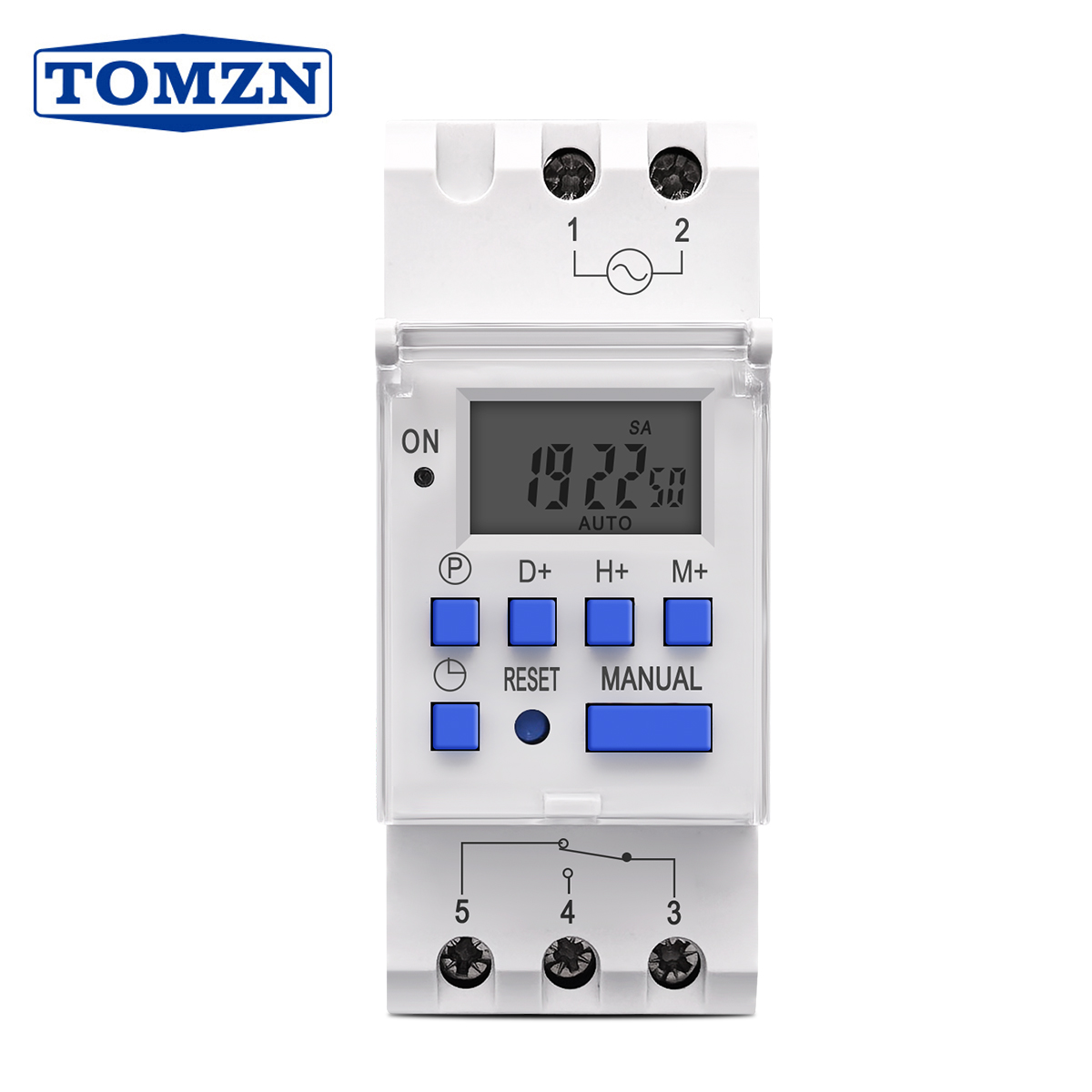
TOMZN 1NO 1NC Din Rail Single Phase Weekly 7 Days Programmable Digital TIME SWITCH Relay Timer AC 220V 230V 12V 24V 48V 16A
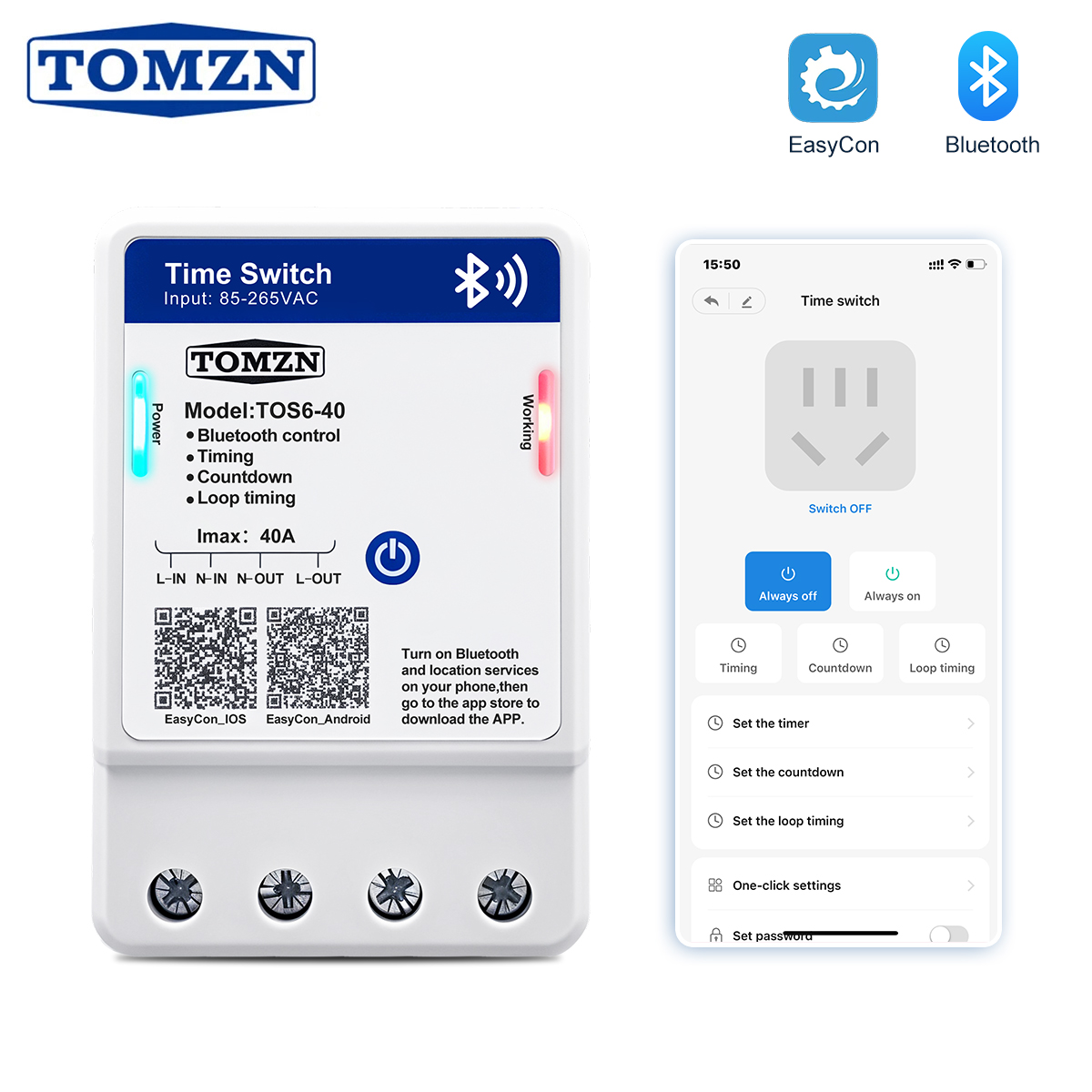
TOS6-40 Bluetooth Time Control Switch 35mm DIN Rail Wall-mounted Timing Countdown Loop Timing AC85-265V 40A Tomzn Official
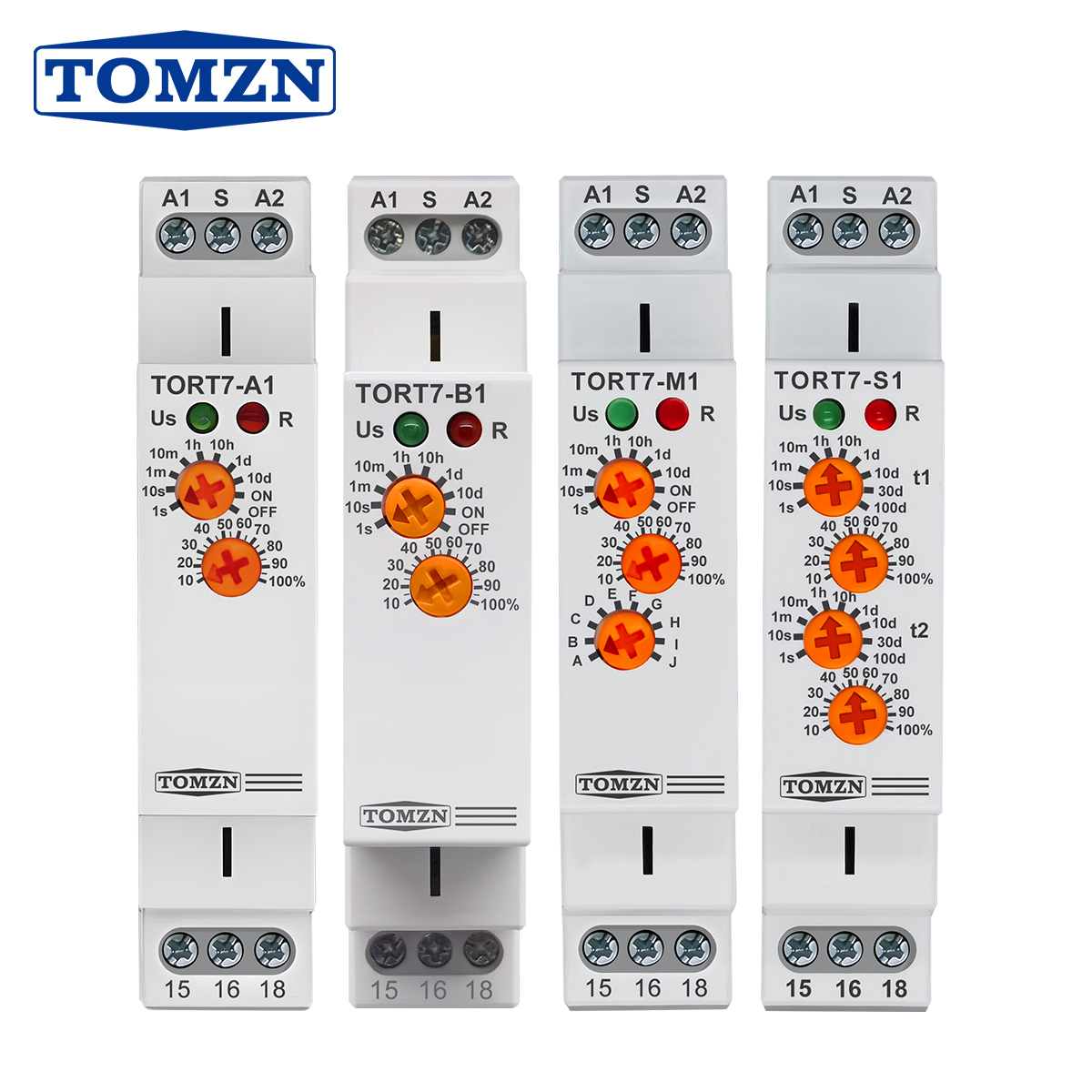
TORT7 Series Delay-ON Delay-OFF 10in1 Asymmetric Cycler Time Relay Multi-function Timer Switch 0.1S-10D Pulse Generator Interval
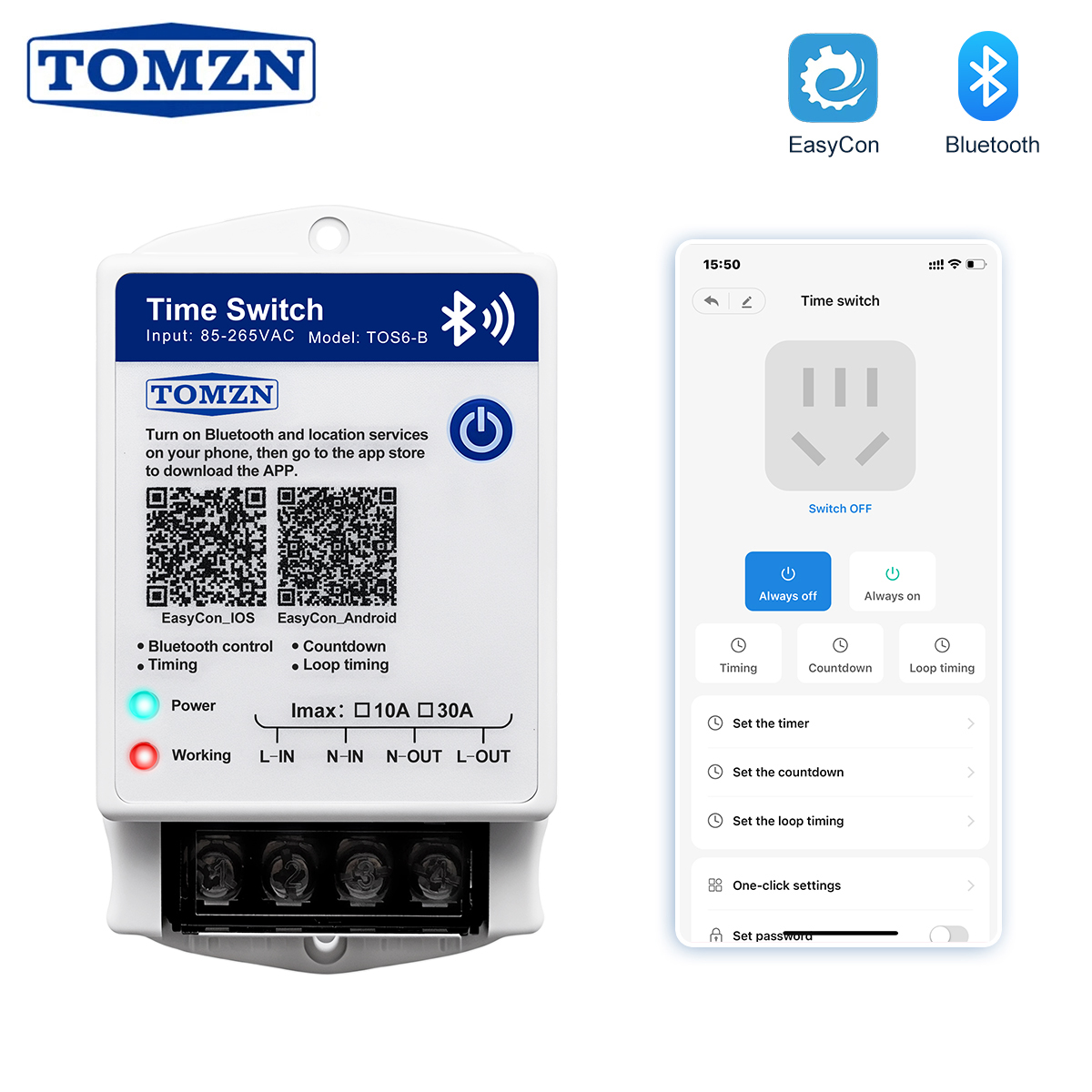
TOMZN Bluetooth Smart Timer Switch 85-265VAC 10A 30A EasyCon Wall-mounted Countdown 28 Groups Timing Loop Timing
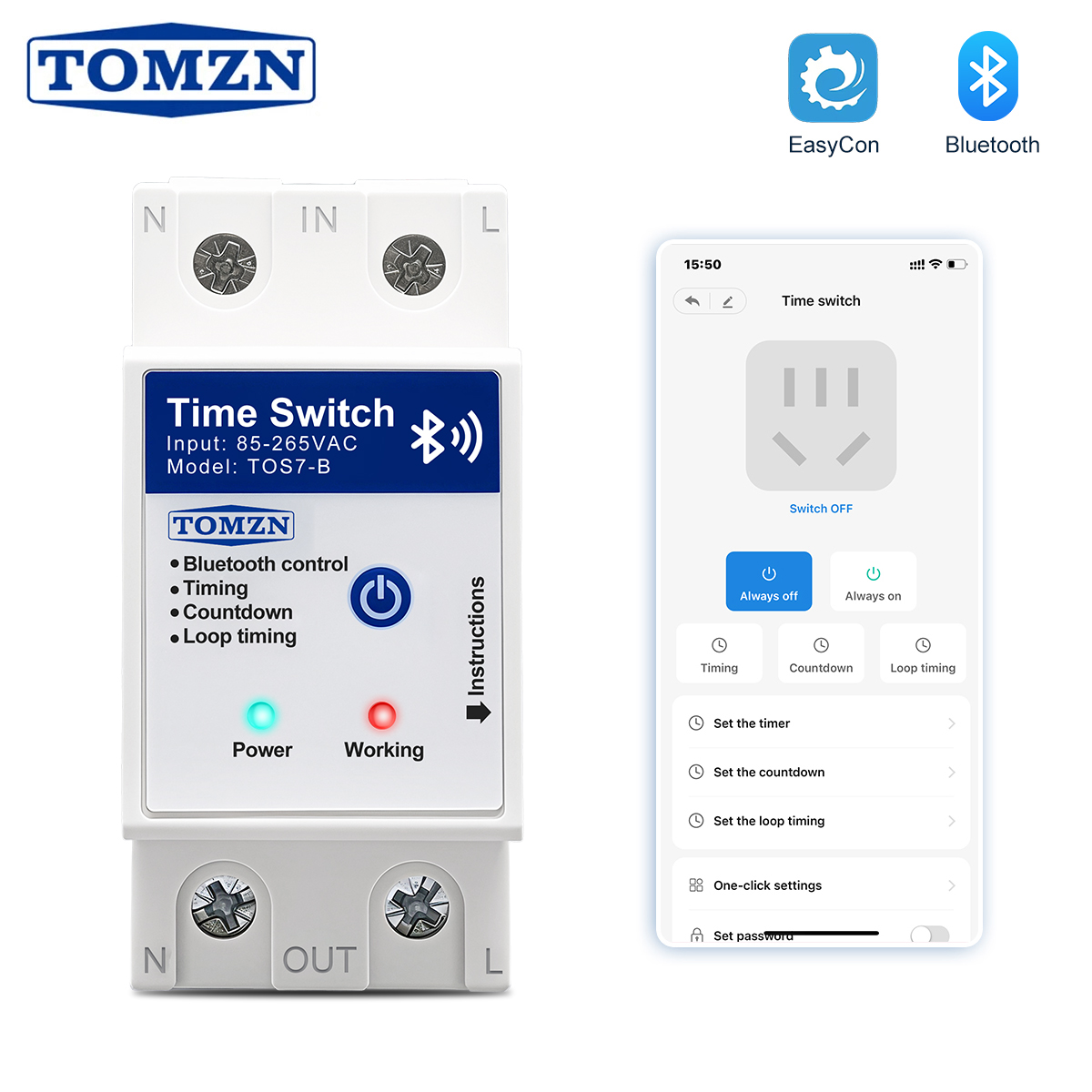
TOMZN TOS7-B Bluetooth Smart Timer Switch 40A 63A 85-265V EasyCon App Remote Control DIN Rail Countdown 28 Groups Timing Loop
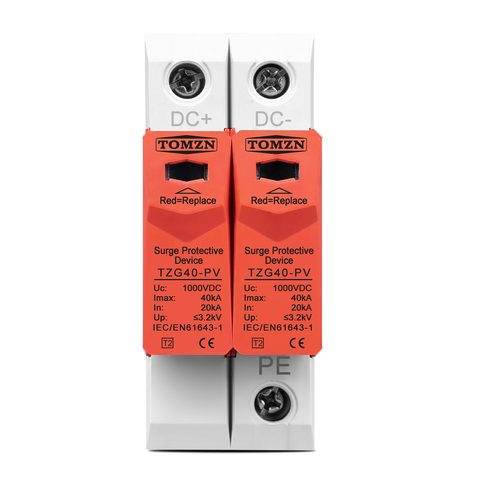
TOMZN DC Surge Protective Device (SPD) 500V-1000V 20kA/40kA Photovoltaic Lightning Arrester for Solar Inverters
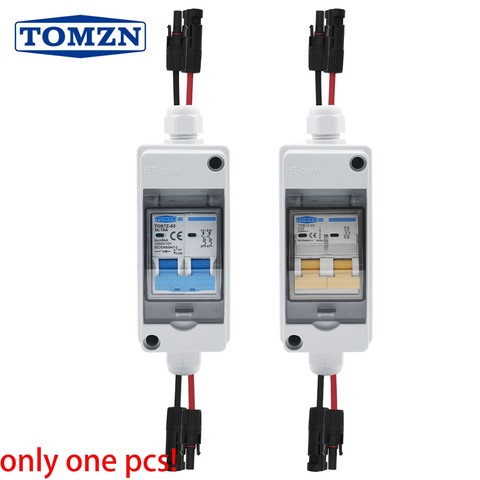
IP65 Pre-Wired Solar Combiner Box Integrated with DC Lightning Arrester, DC Breakers & Overcurrent Fuses
1. The Transient Overvoltage Landscape of Greater Austin & Central Texas
Austin, Texas, located in the dynamic climatological transition between the Gulf Coastal Plains and the Edwards Plateau (Central Texas Flash Lightning Alley), represents one of North America's most challenging operational environments for low-voltage power distribution networks. Electrical infrastructure across the Austin metropolitan area—spanning major semiconductor fabrication plants along Samsung Highway in Taylor, hyper-scale data centers along the SH-130 corridor, and utility-scale solar farms across Bastrop and Williamson Counties—is continuously subjected to high-energy transient events.
According to ground-flash density data from the National Lightning Detection Network (NLDN), Central Texas records an average of 18 to 26 cloud-to-ground lightning flashes per square mile annually. When combined with severe convective storms, rapid temperature swings, and the unique rotational dynamics of the Electric Reliability Council of Texas (ERCOT) isolated synchronous grid, commercial facilities encounter severe switching surges (switching transients from capacitor banks, large inductive motor tripping, and substation breaker actuations) in addition to direct and indirect atmospheric lightning surges.
Without robust surge suppression architecture at both service entrances (Service Equipment) and downstream branch panelboards, induced overvoltages often exceed the dielectric breakdown withstand (BIL - Basic Impulse Insulation Level) of microelectronics, variable frequency drives (VFDs), and photovoltaic solar inverter bridges. As an established low-voltage protection manufacturer with 24 years of manufacturing lineage, Zhejiang TMB Electric Co., Ltd. (TOMZN) delivers heavy-duty metal oxide varistor (MOV) and gas discharge tube (GDT) lightning arrester configurations designed precisely to absorb, divert, and quench these severe high-joule transients within nanoseconds.
| Arrester / SPD Category | Standard Compliance | Nominal Voltage (Un) | Discharge Current (In 8/20µs) | Max Discharge Current (Imax) | Voltage Protection Level (Up) |
|---|---|---|---|---|---|
| Type 1 AC Lightning Arrester | UL 1449 / IEC 61643-11 | 120V / 240V / 480V AC | 20 kA per phase | 50 kA - 100 kA | < 1.5 kV |
| Type 2 AC Panelboard SPD | IEC 61643-11 / CE Marked | 230V / 400V AC | 20 kA | 40 kA | < 1.8 kV |
| Solar PV DC String Arrester | EN 50539-11 / IEC 61643-31 | 500V / 600V / 1000V DC | 20 kA | 40 kA | < 3.2 kV |
| Heavy-Duty DC Battery BESS SPD | IEC 61643-31 | 600V - 1000V DC | 30 kA | 60 kA | < 2.8 kV |
| Smart Digital Protective Relay | IEC 60947-2 / CE | 85V - 265V AC | Rated 40A / 63A Continuous | Over/Under Voltage Trips | Instant Cutoff < 0.1s |
2. MOV Microstructure & Dynamic Quenching Mechanics Under High di/dt Stress
The core energy-absorption block of our lightning surge protective devices utilizes sintered Zinc Oxide (ZnO) grains interspersed with bismuth, cobalt, and manganese oxide grain boundaries. Under nominal continuous operating voltage ($U_c$), the grain boundaries exhibit high electrical impedance with leakage currents below 20 µA, effectively isolating the phase conductors from protective earth (PE).
When an atmospheric lightning impulse (characterized by the standard IEC $1.2/50\ \mu\text{s}$ voltage wave and $8/20\ \mu\text{s}$ or $10/350\ \mu\text{s}$ current wave) strikes an incoming line, the exponential increase in electric field force collapses the grain boundary potential barrier via quantum tunneling. The MOV transitions into conduction within less than 25 nanoseconds, clamping the impulse voltage to a precise residual value ($U_p$) that falls safely below the insulation ratings of downstream microcontrollers and switched-mode power supplies.
Furthermore, our DC lightning arresters engineered for photovoltaic arrays incorporate an integrated high-rupture thermal disconnector mechanism. Because direct current possesses no natural sinusoidal zero-crossing point, extinguishing a sustained DC fault arc requires physical separation coupled with dedicated arc-splitter plates. In the event of MOV end-of-life degradation resulting from successive catastrophic surges, the mechanical spring trip detaches the faulted cartridge and illuminates a distinct red visual flag while maintaining galvanic isolation, preventing catastrophic thermal runaway or localized panel fires.
Deployment Scenarios Across Austin’s High-Tech & Energy Sectors
Tailored surge protective and automated DIN-rail systems serving industrial facilities, clean-energy farms, and smart infrastructure across Travis, Williamson, and Hays Counties.
Silicon Hills Semiconductor Fabs
Fabrication cleanrooms in North Austin and Taylor require pristine electrical waveforms. Our Type 2 AC surge suppressors eliminate switching spikes from heavy chiller plants, RF generators, and cleanroom air handling systems, preventing sub-micron lithography tool dropouts.
Hill Country Solar + Storage (BESS)
Rooftop and ground-mount arrays exposed to dry Hill Country thunderstorms face severe induced lightning voltages across open string wiring. Our 1000V DC surge arresters and IP65 pre-wired combiner boxes protect central string inverters and lithium battery storage banks from irreversible gate puncture.
Edge Data Centers & SH-130 Telecom
Mission-critical server facilities and cellular base stations scattered along the Austin-San Antonio corridor depend on multi-stage coordinated protection. We pair dual-power Automatic Transfer Switches (ATS) with rapid-clamping arresters and programmable timers to maintain uninterrupted power during ERCOT grid disturbances.
Commercial HVAC & Smart Building Automation
Summer heatwaves place enormous thermal stress on rooftop DX cooling systems throughout Downtown Austin. Combining our digital over/under voltage relays with high-amperage Bluetooth programmable timer switches (TOS7-B / TOS6-40) guarantees compressor delay protection against voltage sags and rapid cycling.
EV Fleet Charging Plazas & Municipal Terminals
Direct-current fast-charging (DCFC) stations deployed along I-35 handle significant switching current transients during high-voltage battery handshake cycles. Our DIN-rail surge suppression line provides secondary backplane diversion, preserving the sophisticated charge controller boards.
Industrial Water & Wastewater Treatment
Austin Water facilities and regional pump stations operating heavy variable-speed motors are vulnerable to ground potential rise during localized cloud-to-ground strikes. Our coordinated surge suppression schemes prevent pump motor insulation failure and keep supervisory SCADA systems online.
3. Future Trends: Grid Decentralization & Climate Resilience in Central Texas
The electrical landscape across Austin is evolving faster than almost any metropolitan area in North America. Following major weather occurrences such as Winter Storm Uri and successive summer peak-load demand records, electrical contractors, MEP engineers, and commercial developers in Travis County are adopting three distinct engineering practices:
A. Migration Toward Multi-Tier Cascaded Surge Protection: Modern facility specifications no longer rely on a single utility entrance lightning arrester. Commercial blueprints in Austin now standardly mandate a Category C (Service Entrance) arrester coordinated with Category B (Sub-distribution boards) and Category A (Point of Use) SPDs. Ensuring coordinated let-through voltages between cascaded stages prevents residual high-frequency energy from destroying microelectronics.
B. Solar-Plus-Storage Microgrid Penetration: With Austin Energy’s ongoing renewable incentives and the expansion of residential and commercial solar arrays, microgrids with fast battery backup are becoming ubiquitous. In these distributed setups, bidirectional power flows and high-voltage DC circuits demand specialized DC-rated lightning arresters (rated up to 1000V or 1500V DC) that cannot be substituted with standard AC breakers without causing catastrophic arc flash failures.
C. Integration of Remote Telemetry & Microprocessor Timers: Industrial managers in Austin’s tech manufacturing parks increasingly require real-time status reporting. Combining DIN-rail Bluetooth smart relays (such as TOMZN’s TOS6 and TOS7 series) with visual-flag surge arresters enables remote automated cycling, scheduled off-peak charging, and instantaneous fault awareness without dispatching physical technician crews.
24 Years of Direct Manufacturing Excellence
Headquartered in Liushi Town—the world-renowned capital of low-voltage electrical engineering—we manufacture directly for global importers, panel builders, and OEM brands.
TÜV Rheinland Assessed
Our 5,700 m² manufacturing plant and 92-member engineering team have been thoroughly inspected and verified on-site by TÜV Rheinland for rigorous quality management.
Liushi Supply Cluster
Situated in China's foremost electrical hub, we control all tier-1 tooling, flame-retardant thermoplastics, silver contact alloy stamping, and copper busbars with zero supply-chain lag.
Multi-Standard Compliance
Our circuit breakers, DC solar disconnects, surge arresters, and smart timers boast full CE marking and conform to IEC 60947, IEC 61643, and EN standards for worldwide acceptance.
OEM / ODM Flexibility
From custom trip curves and laser-etched customer branding to custom-configured pre-wired IP65 PV combiner boxes, we offer agile minimum order quantities starting from just 5 units.
Frequently Asked Questions by Austin Contractors & Engineers
Clear engineering answers regarding local electrical codes, shipping turnaround times, technical ratings, and OEM orders.
Can an AC lightning arrester or SPD be installed on a solar PV DC string?
What is the difference between a Lightning Arrester and a Surge Protective Device (SPD)?
How do Austin commercial builders coordinate surge arresters with National Electrical Code (NEC 2020/2023)?
What is the typical shipping lead time from your factory to the Port of Houston or Austin-Bergstrom?
Can TOMZN engineer custom pre-wired combiner boxes with integrated arresters and smart relays?
What is the minimum order quantity (MOQ) for Austin distributors and solar EPCs?
Connect Directly with Our Surge Engineering Team
Planning a solar microgrid, industrial panel build, or infrastructure upgrade in the Austin area? Request custom technical datasheets, sample units, or factory-direct B2B wholesale pricing.