Automation & Isolation
Direct factory procurement solutions configured for secondary sub-distribution boards, industrial automation systems, and renewable installations across the Arabian Gulf.
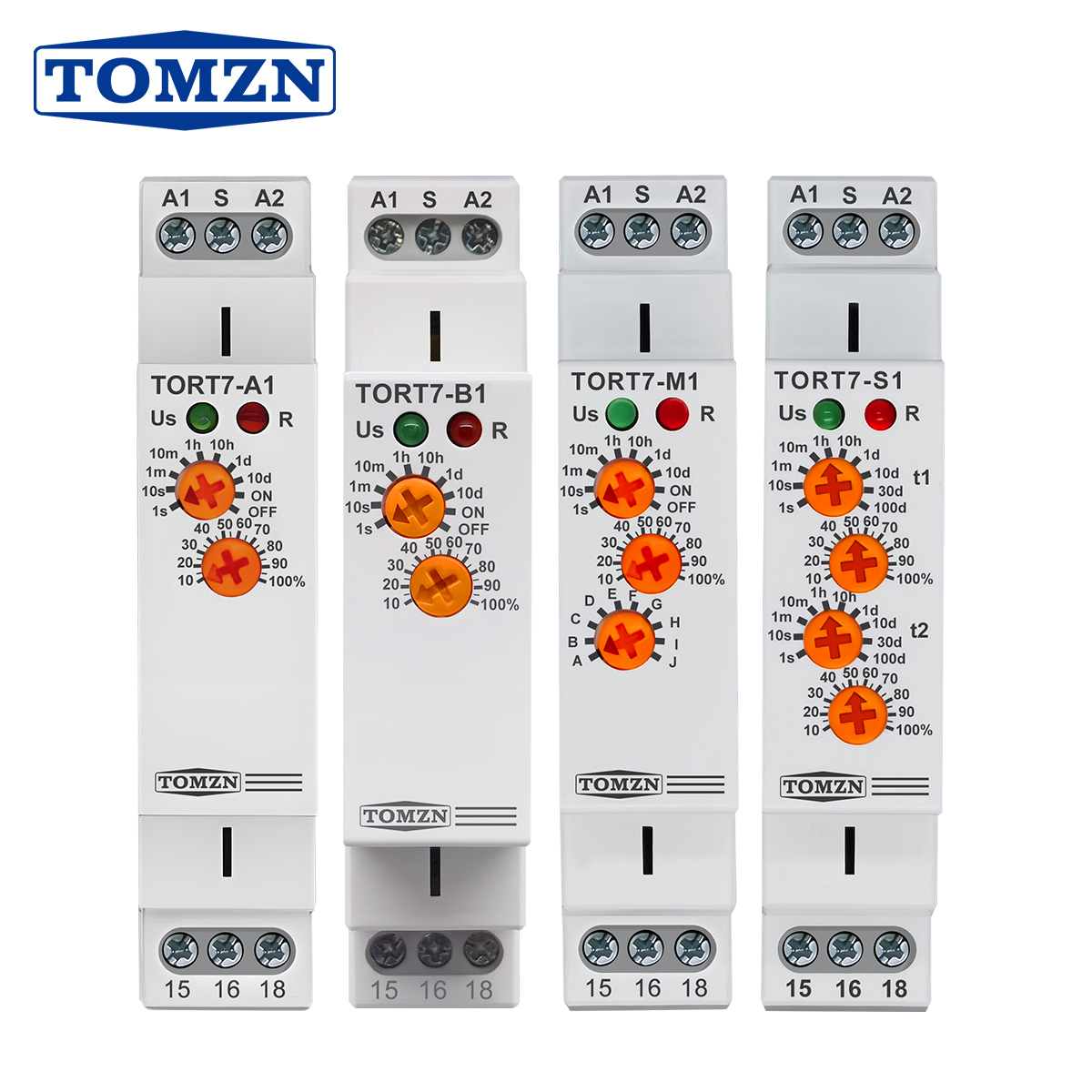
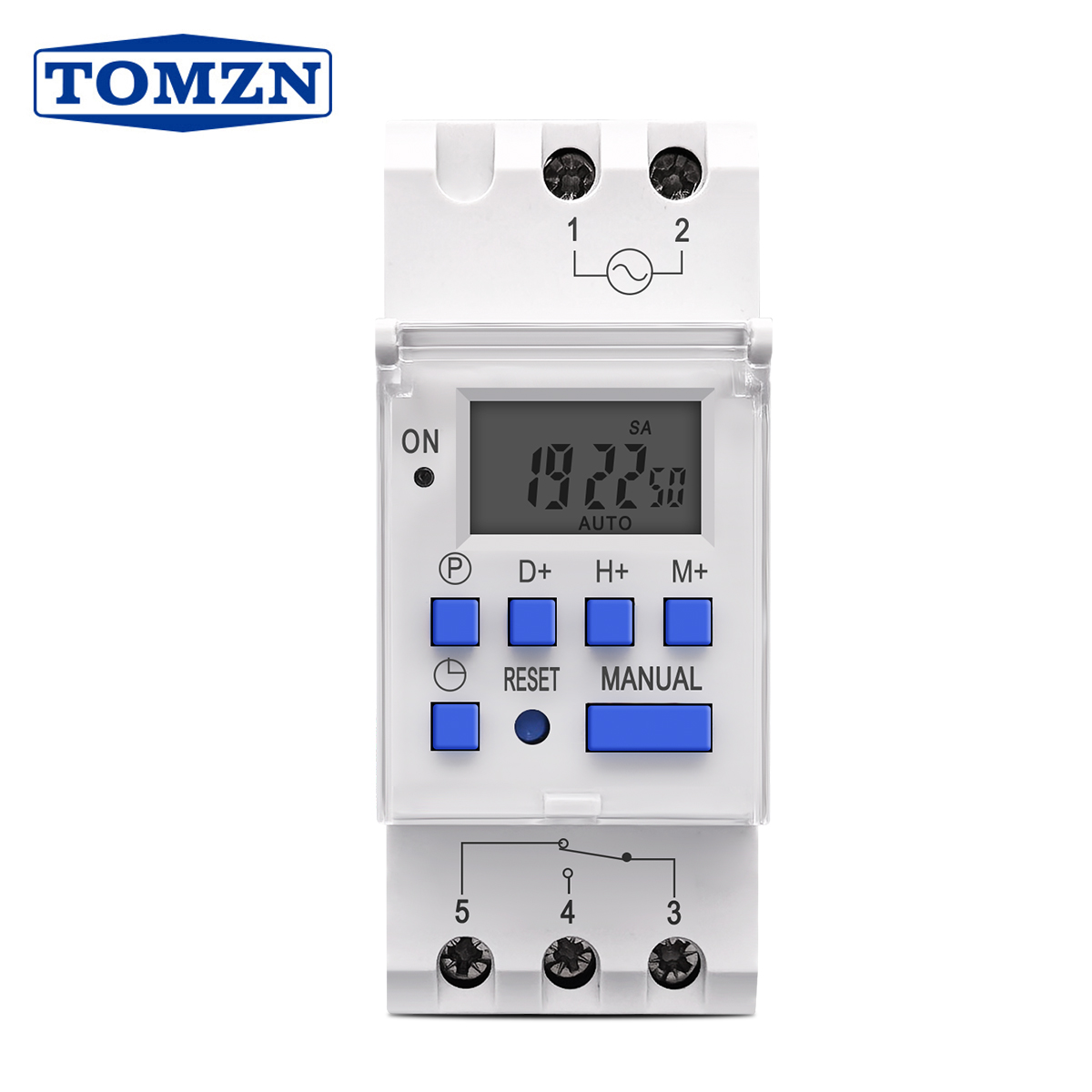
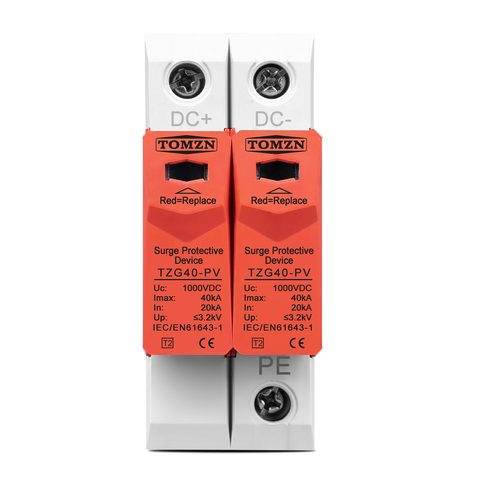
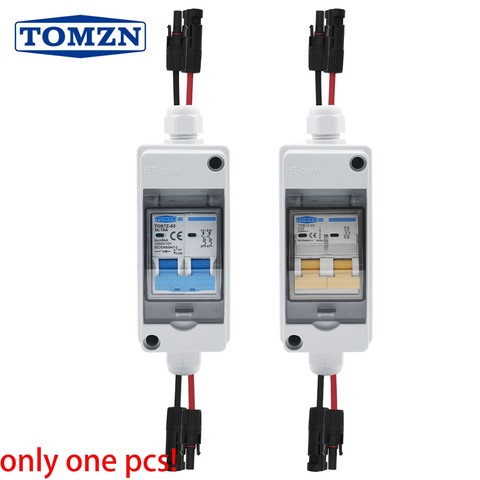
The coastal territory of the Eastern Province—encompassing the key logistical hubs of Dammam, Jubail, and Al-Khobar—presents an uniquely hostile environment for medium- and low-voltage electrical switchgear. Operating within immediate proximity to the Arabian Gulf exposes electrical distribution infrastructure to extreme relative humidity, high salt spray atmospheric concentration, and ambient surface temperatures routinely exceeding 52°C during summer peaks. In standard utility configurations, transient surges caused by direct atmospheric strikes are compounded by intense switching surges from mega-watt induction loads inside nearby petrochemical refineries and desalination facilities.
Specifying Lightning Arresters (Surge Protective Devices - SPDs) for Dammam's First and Second Industrial Cities requires careful divergence from generic European or North American specifications. In accordance with local SASO (Saudi Standards, Metrology and Quality Organization) mandates and IEC 61643-11/31 protocols, primary incomers require heavy-duty Class I/Type 1 spark-gap or hybrid MOV arresters capable of routing a minimum of 12.5 kA to 25 kA (10/350 μs waveform) to earth without thermal runaway. Secondary and branch circuits require Type 2 (8/20 μs waveform) varistors with thermal disconnection mechanisms capable of enduring persistent line overvoltages (TOV) triggered by regional grid fluctuations.
Furthermore, our manufacturing plant incorporates encapsulated, non-venting zinc oxide (ZnO) varistor blocks treated with hydrophobic silicone coatings. This completely prevents internal micro-arcing induced by hygroscopic salt deposition—a failure mode endemic to standard unsealed arresters deployed in coastal Saudi installations.
Customized surge containment topologies engineered to protect multi-million dollar infrastructure against thermal stress and transient overvoltages.
In hazardous environments around Jubail and Dammam Port, non-arcing, heavy-duty DIN-rail surge arresters are deployed inside flameproof Ex d control panels. These arresters protect PLC racks, fieldbus transceivers, and telemetry systems against high-energy electromagnetic pulses generated by major inductive motor trips and external substation faults.
Photovoltaic installations across the Eastern Province face immense electrostatic build-up driven by arid sandstorms followed by sudden coastal convective storms. Our 1000V and 1500V DC surge protection devices provide essential common-mode and differential-mode clamping, safeguarding central and string inverters against irreversible dielectric puncture.
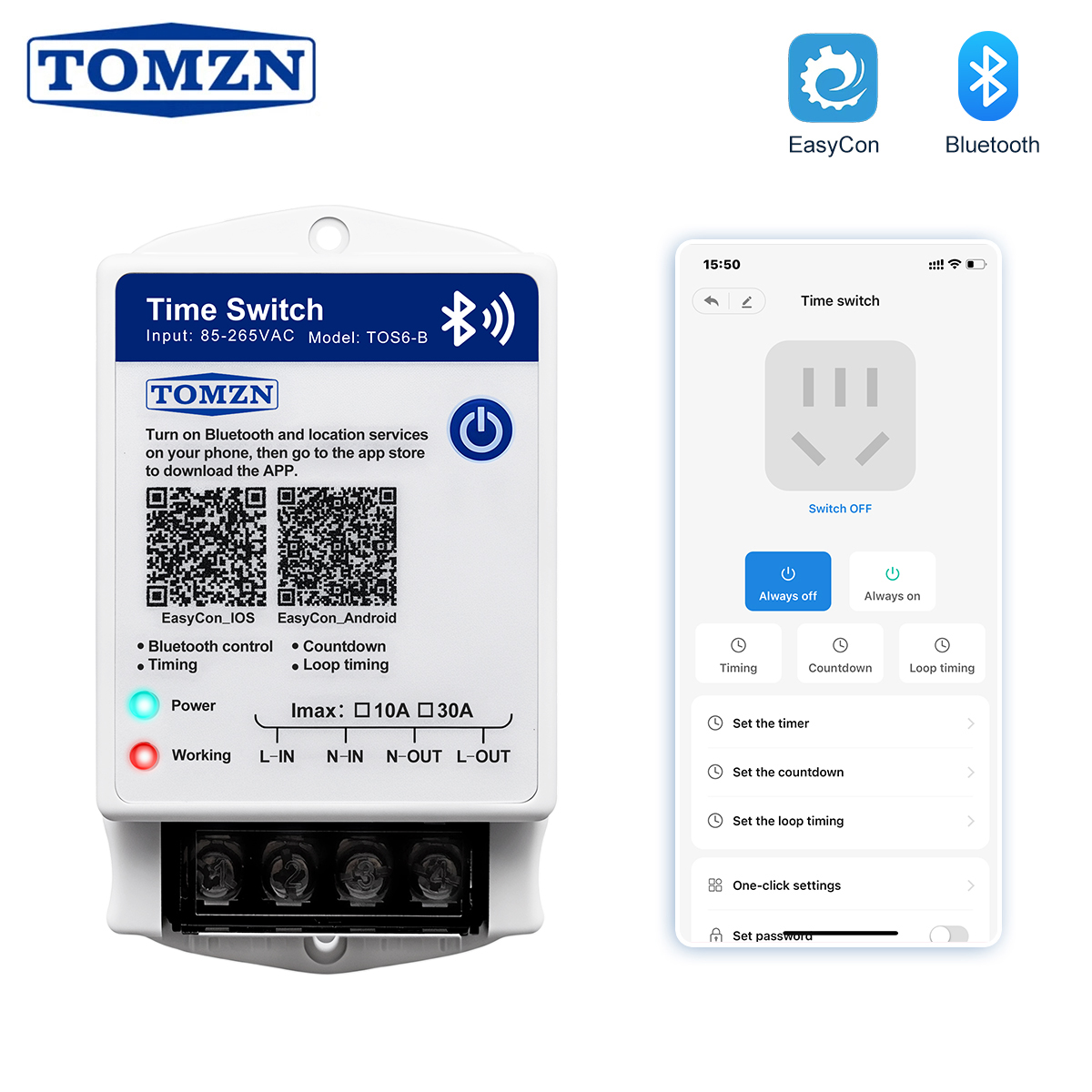
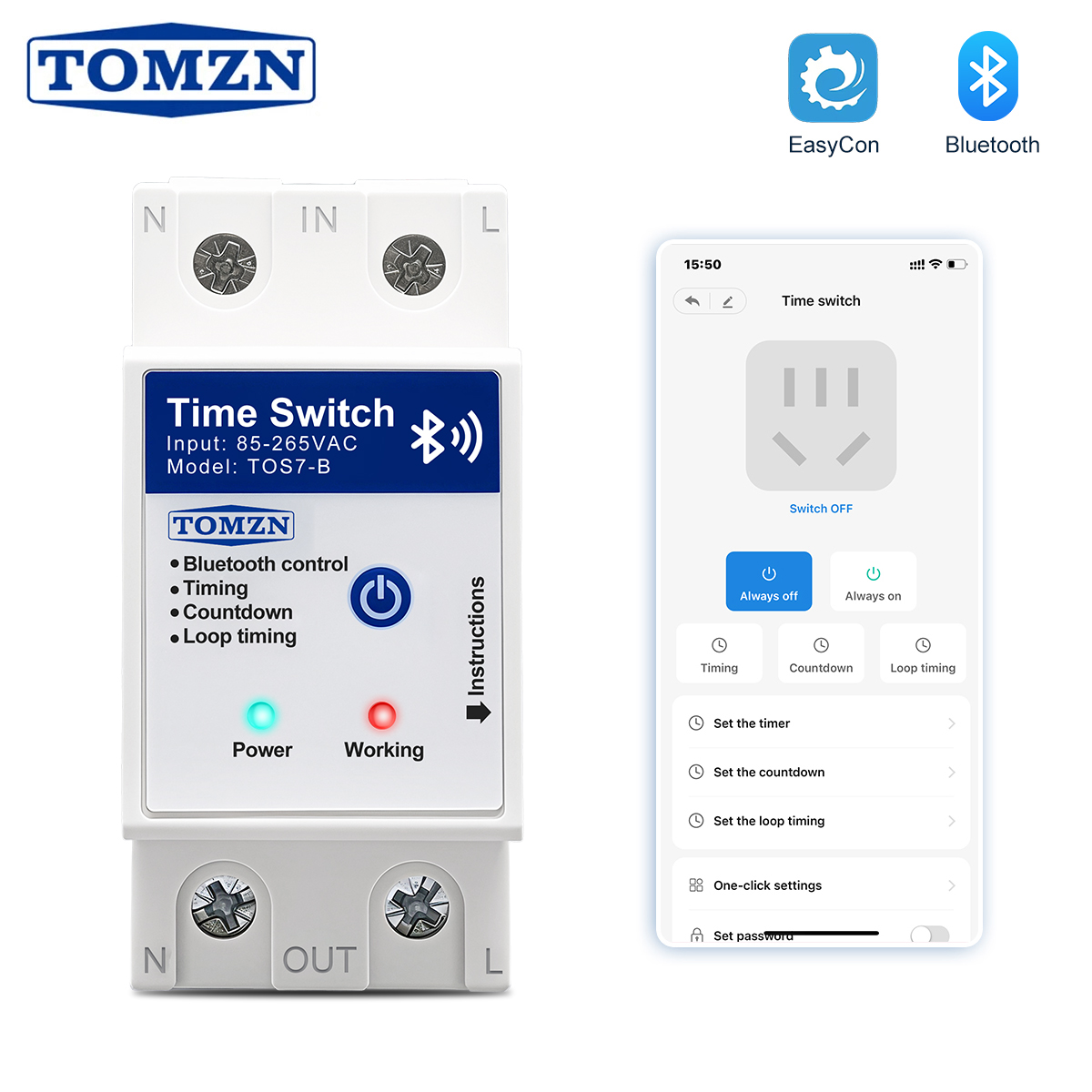
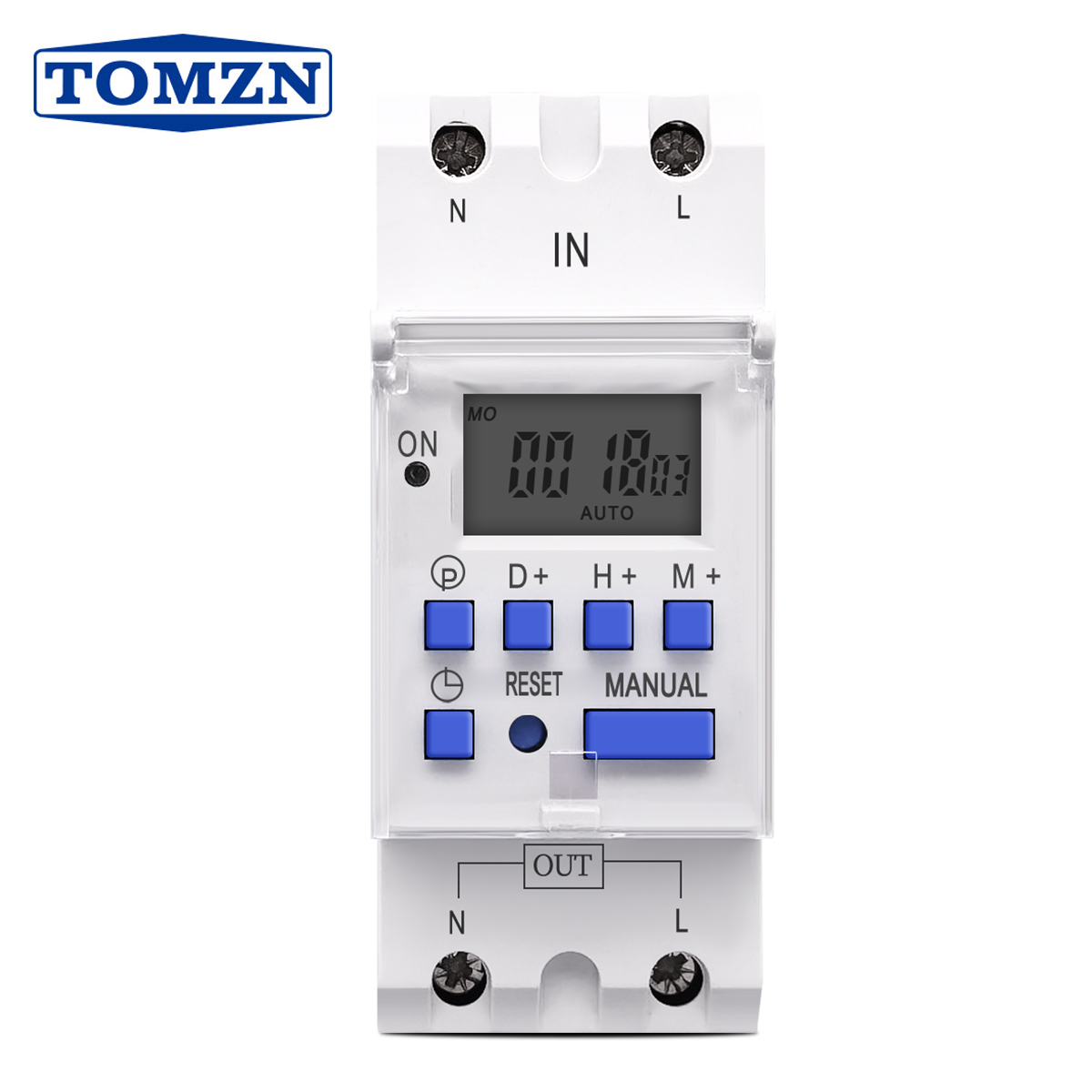
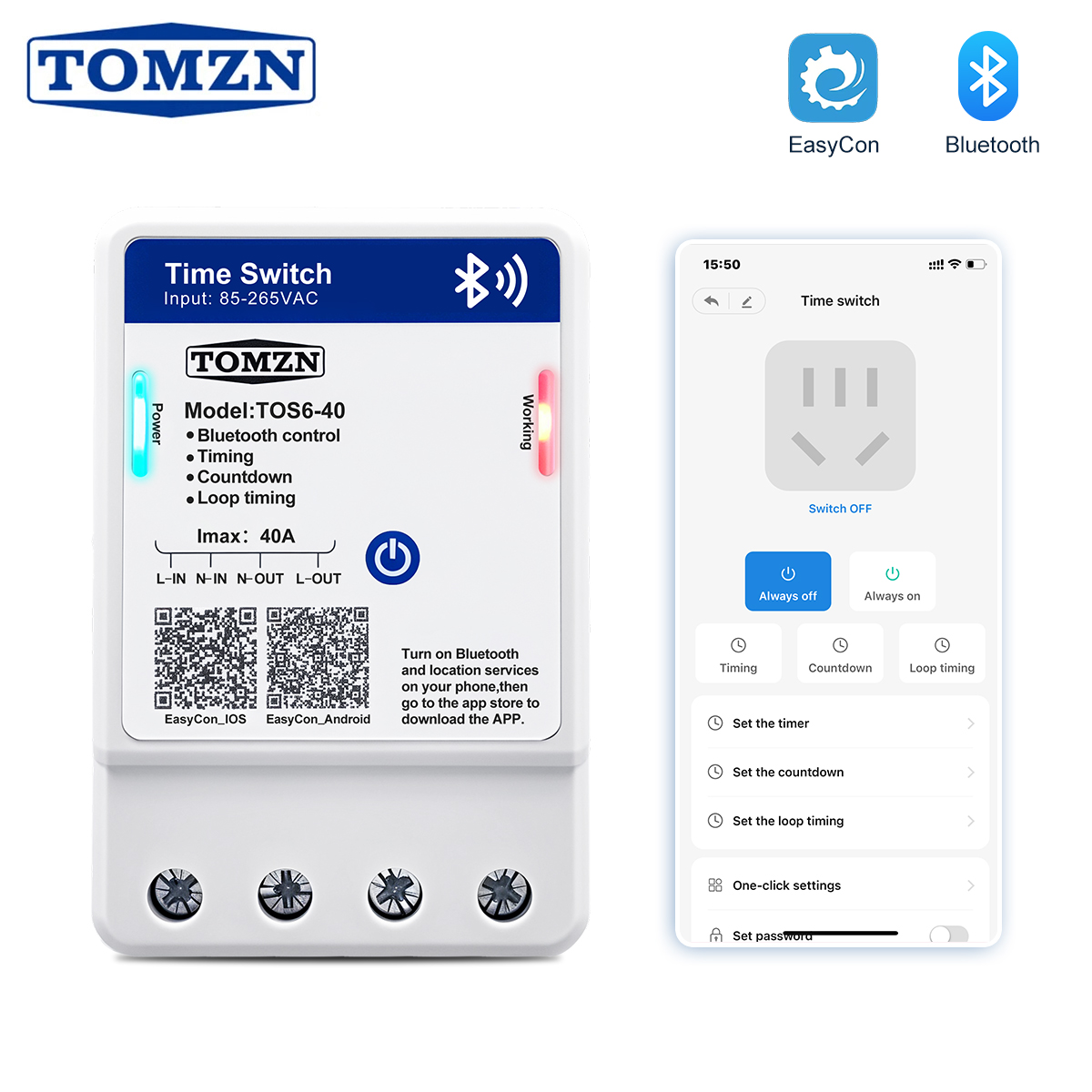
Cold storage facilities and automated warehouses servicing King Abdulaziz Port require continuous chilling uptime. Integrating Type 2 lightning arresters alongside digital timer switches and automatic transfer switches (ATS) eliminates nuisance breaker tripping and defends refrigeration VFDs from grid degradation.
The electrical landscape across Saudi Arabia is undergoing an unprecedented modernization cycle driven by the Saudi Vision 2030 infrastructure initiatives. Historically, electrical contracts permitted generic distribution boards without dedicated internal surge suppression, relying merely on structural exterior lightning rods (Franklin rods or early streamer emission systems). However, field data gathered from smart grid substations across SEC (Saudi Electricity Company) territories demonstrated that over 74% of electronic equipment destruction originated not from direct lightning strikes, but from line-conducted transient surges.
Consequently, procurement guidelines across commercial developments, government megaprojects, and industrial masterplans are now strictly requiring coordinated Three-Stage Surge Protective Schemes compliant with SASO IEC 62305:
Manufacturers supplying the Dammam trade corridor must deliver devices certified for continuous operation under an ambient baseline temperature of +55°C, ensuring that thermal disconnection curves do not prematurely trip under legitimate sustained solar heating.
Direct engineering parameters across low-voltage AC and DC surge arresters designed for harsh Gulf operating conditions.
| Parameter / Classification | Type 1+2 Combined AC Arrester | Type 2 Sub-Distribution SPD | Photovoltaic DC Arrester |
|---|---|---|---|
| Applicable Standard | IEC 61643-11 / EN 61643-11 | IEC 61643-11 / SASO Compliant | IEC 61643-31 / EN 50539-11 |
| Nominal Voltage (Un) | 230V / 400V AC (50/60 Hz) | 220V / 380V AC (50/60 Hz) | 600V / 1000V / 1500V DC |
| Impulse Discharge Current (Iimp 10/350 μs) | 12.5 kA – 25 kA per pole | N/A (Tested to 8/20 μs) | N/A (DC Specific Clamping) |
| Max Discharge Current (Imax 8/20 μs) | 50 kA – 100 kA | 20 kA – 40 kA | 40 kA |
| Voltage Protection Level (Up) | ≤ 1.5 kV | ≤ 1.2 kV – 1.8 kV | ≤ 2.8 kV – 3.6 kV |
| Thermal Disconnect Technology | Dual micro-mechanical spring trip | Internal thermal fuse link | Patented dynamic arc-extinguish fuse |
| Operating Ambient Temperature | -40°C to +85°C (Tropicalized) | -40°C to +80°C | -40°C to +85°C |
| Status Indication | Visual flag (Green/Red) + Remote NC/NO | Visual flag + Remote auxiliary dry contact | Mechanical flag window |
Direct manufacturer reliability supported by 24 years of manufacturing heritage in Liushi, Wenzhou—the low-voltage capital of the world.
Our 5,700 m² factory with 92 staff undergoes rigorous on-site verification, ensuring dependable quality governance and traceable materials.
Located in Liushi Town, our access to silver alloy contacts, flame-retardant housings, and bimetal parts provides unmatched cost efficiency and rapid lead times.
Every batch undergoes thermal runaway verification, 100% dielectric isolation testing, and trip calibration before packaging.
Standard catalog orders start from just 5 pieces. We provide tailored private labeling, custom laser markings, and bespoke combiner box builds.
Direct technical answers addressing procurement, ambient de-rating, SASO documentation, and installation best practices.
Submit your electrical schematics, bill of quantities (BOQ), or project specifications. Our engineering team responds within 24 hours with exact model cross-references, test certifications, and container-level pricing.