CE Certified

Engineered for mission-critical electrical architectures, renewable energy interconnects, and heavy industrial automation boards compliant with global and Korean electrical requirements.
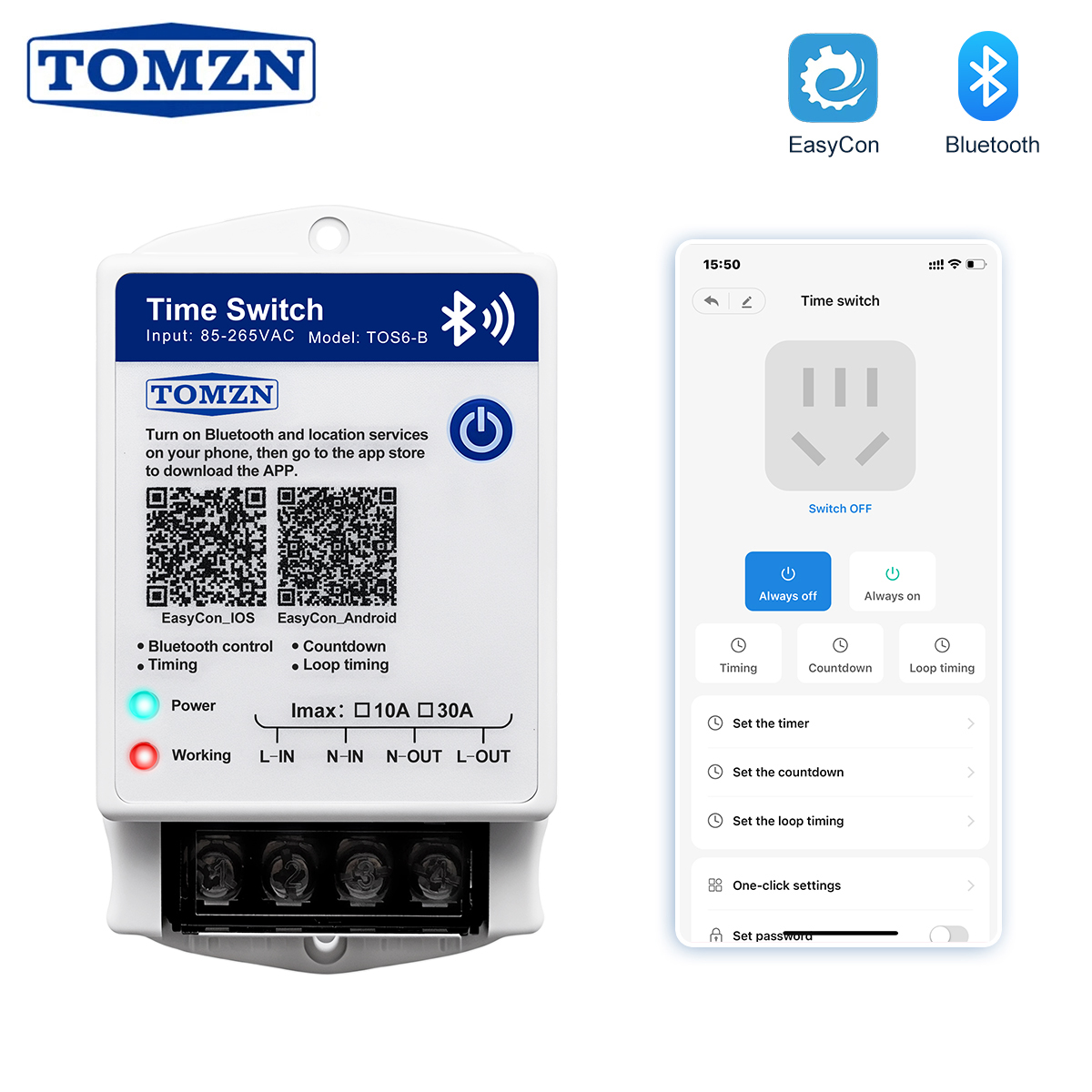

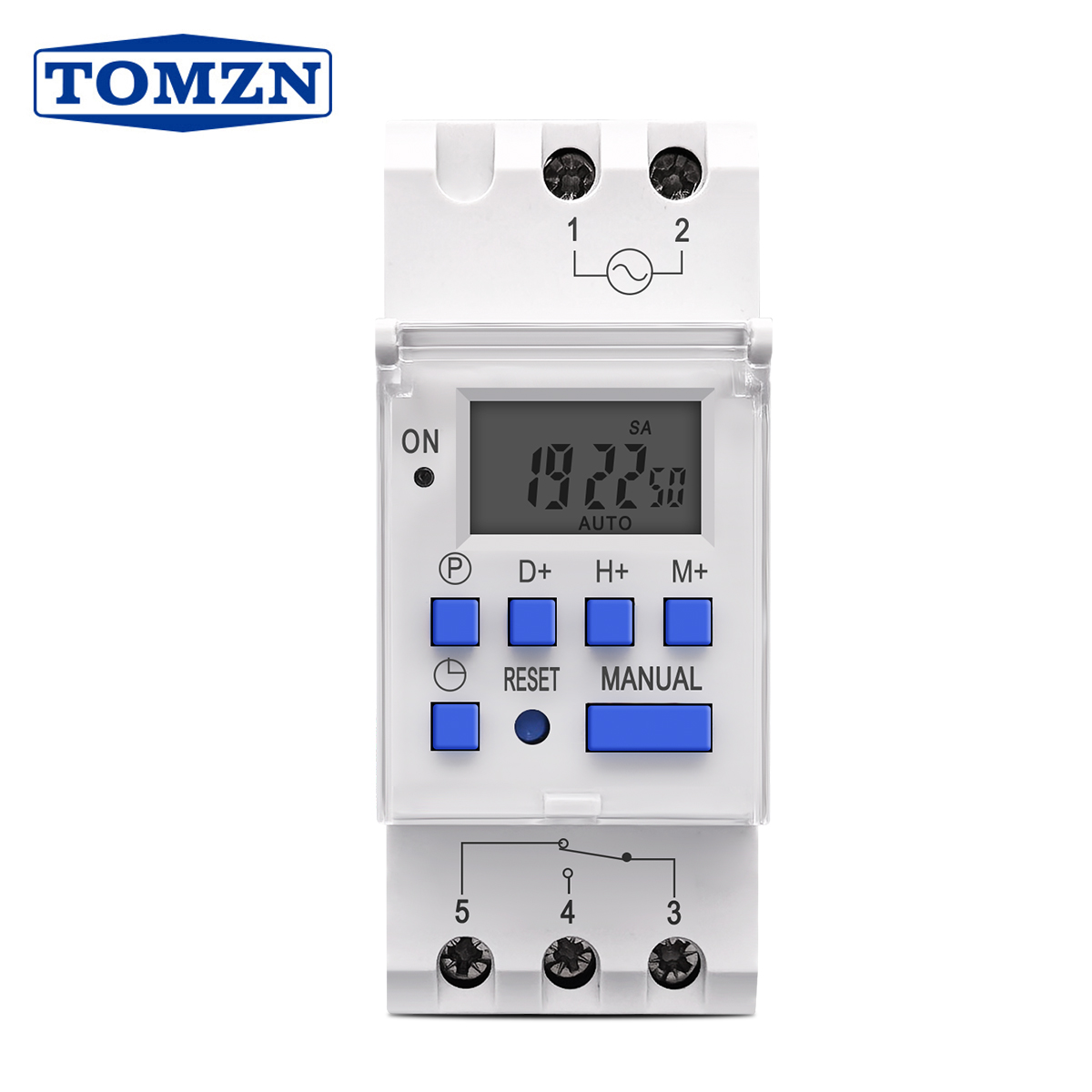


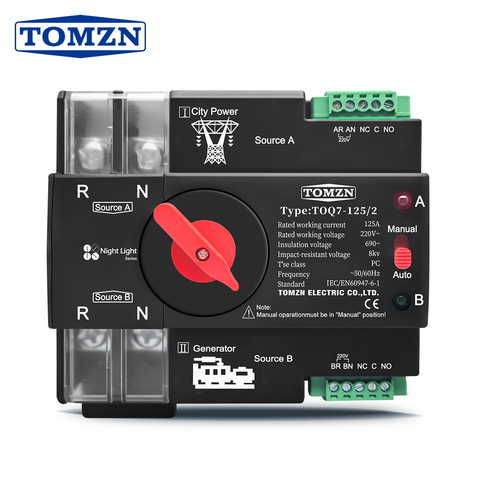
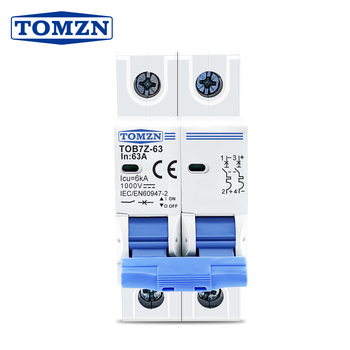
A rigorous examination of medium-voltage (MV) and low-voltage (LV) disconnector ecosystems, KEPCO standardizations, solid-dielectric transitions, and competitive procurement frameworks.
In South Korea's fast-evolving electrical power grid, the Load Break Switch (LBS) serves as the fundamental linchpin for overhead distribution lines, underground automated networks, and industrial high-reliability sub-stations. Driven by strict mandates from the Korea Electric Power Corporation (KEPCO), Korea's distribution architecture operates predominantly at nominal voltages of 22.9 kV-y / 13.2 kV multi-grounded neutral distribution networks, creating distinct operational parameters unlike Western or Japanese low-tension secondary meshes.
South Korea’s domestic manufacturing sector—dominated historically by heavy electrical conglomerates such as LS ELECTRIC (formerly LS Industrial Systems), Hyundai Electric & Energy Systems, and Hyosung Heavy Industries—has established high benchmarks for automated vacuum interrupters, gas-insulated switchgear (GIS), and motor-operated pole-mounted switches. However, the surging expansion of industrial fab complexes in Gyeonggi-do, nationwide containerized Battery Energy Storage Systems (BESS), and large-scale renewable photovoltaic arrays along the southern coastline has intensified demand for cost-optimized, rapid-lead OEM/ODM switchgear manufacturing partners able to deliver high mechanical durability (M2 class) and advanced arc-quenching safety.
Overhead pole-mounted switches and pad-mounted sectionalizing switches in Korea must comply with rigorous KEPCO technical specifications (such as ES-5925-0002). Devices must withstand severe typhoons, coastal salinity, and seasonal temperature swings from -25°C to +40°C without contact degradation.
With South Korea committing to greenhouse gas neutrality, traditional SF6 gas-insulated switches are being aggressively phased out. Modern Korean specifications demand solid dielectric polyurethane or cycloaliphatic epoxy encapsulation paired with sealed vacuum interrupters (VI) for zero GWP (Global Warming Potential).
The Korean Distribution Automation System (DAS) mandates micro-switch telemetry feedback, optical phase current sensing, zero-sequence voltage detection (Vo/Io), and motor drives operated via DNP 3.0 / IEC 61850 protocol stacks connected to master supervisory stations.
From advanced semiconductor semiconductor cleanrooms to harsh offshore wind environments, discover where Load Break Switches and industrial switching gear fulfill operational demands.
Locations: Pyeongtaek, Hwaseong, Icheon, and Yongin High-Tech Cluster.
Operational Demands: Semiconductor lithography and chemical vapor deposition processes cannot tolerate even micro-second voltage dips. Load Break Switches integrated with high-speed dual power ATS systems ensure seamless isolation of transformer loops during scheduled maintenance without taking entire bus ducts offline.
Locations: Jeollanam-do Solar Facilities, Gangwon Wind Farms, Ulsan Industrial microgrids.
Operational Demands: Lithium-ion battery installations require non-polarized, high-voltage DC load switches (up to 1500V DC) rated for instant fault interruption. Fast-acting disconnectors break sustained DC arcs, isolating catastrophic thermal runaway events prior to system contagion.
Locations: Geoje Island, Ulsan Shipyards, Mokpo Maritime Hub.
Operational Demands: Marine-grade switchboards require vibration-proof certifications (KR - Korean Register of Shipping) and exceptional salt-mist corrosion resistance. Load break isolators with silver-plated contact clips protect ship-to-shore power connections.
Clear architectural demarcation for Korean EPC procurement engineers specifying balance-of-plant switchgear according to KS C IEC 60947-3, KS C 4615, and IEC 62271-102.
| Functional Parameter | Load Break Switch (LBS) | Vacuum Circuit Breaker (VCB) | Isolating Disconnector (DS) | Automatic Transfer Switch (ATS) |
|---|---|---|---|---|
| Primary Role | Load make / break & fault closing | Full short-circuit trip & quench | Visible safety galvanic isolation | Emergency dual source changeover |
| Rated Voltage (Ur) | 22.9 kV (MV) / 400V~1000V (LV) | 7.2 kV ~ 25.8 kV (Standard) | 0.4 kV ~ 154 kV | 220V / 380V / 440V AC |
| Rated Normal Current (Ir) | 630 A ~ 1,250 A | 630 A ~ 4,000 A | 400 A ~ 3,150 A | 63 A ~ 1,200 A |
| Short-Circuit Making (Ima) | Up to 12.5 kA ~ 32.5 kA | Up to 65 kA peak | No making capacity (0 kA) | 6 kA ~ 18 kA conditional |
| Arc-Quenching Medium | Vacuum Bottle / SF6 / Dry Air | Vacuum Interrupter (VI) | None (Air atmospheric open) | De-ionizing copper arc chutes |
| Korean Norm / Standard | KS C 4615 / KEPCO ES-5925 | KS C 4611 / IEC 62271-100 | KS C IEC 60947-3 | KS C 4504 / UL 1008 |
Bridging Liushi's world-class electrical component supply cluster with Korean engineering precision. Verified by international audit institutions for complete quality assurance.
Our 5,700 m² advanced manufacturing facility in Huabei Village, Liushi Town, Wenzhou has been verified on-site by TÜV Rheinland. We operate certified Quality Management Systems adhering to rigorous international inspection protocols.
With over two decades of focused R&D in circuit protection, DC MCCBs, automatic transfer switches, programmable time controls, and surge protective devices, we maintain comprehensive in-house tooling, copper punch, and molding facilities.
We empower panel builders, Korean procurement offices, and regional engineering houses with sample testing from just 5 pieces. Private label customization, special coil voltages, and custom enclosure configurations are delivered with rapid turnaround.
In-depth technical answers addressing testing certifications, KEPCO compatibility, SF6 mitigation, and procurement logistics.
Whether you require standard DIN-rail control devices, custom PV combiner boxes, heavy-duty ATS switchgear, or OEM medium-voltage load break components, our engineering team provides rapid CAD drawings, datasheets, and direct factory quotation within 24 hours.