High-Reliability Low Voltage Equipment for Panamanian Deployments
Engineered for 60Hz dual-frequency operations, severe tropical humidity (85%+ RH), and high isokeraunic surge environments under ASEP and NEC/NFPA 70 guidelines.



Panama’s Low-Voltage Power Architecture & Procurement Realities
Bridging North American technical standards and European manufacturing efficiencies for Central America’s premier logistics and commercial hub.
Panama occupies a uniquely sophisticated position within Latin America's electrical infrastructure ecosystem. Driven by the expansion of the Panama Canal, the mega-logistics facilities within the Colón Free Zone (Zona Libre de Colón - ZLC), and towering commercial skylines across Panama City (Costa del Este, Punta Pacífica, and the Financial District), low-voltage electrical apparatus demand has evolved significantly beyond conventional residential distribution. Engineering consultants and procurement directors must navigate a hybrid regulatory paradigm enforced by the Autoridad Nacional de los Servicios Públicos (ASEP) and the corporate requirements of regional power concessionaires, notably ENSA (Elektra Noreste S.A.) and Naturgy (EDEMET / EDECHI).
Unlike South American markets operating on pure 50Hz IEC frameworks, Panama functions strictly on a 60Hz frequency with distribution typologies heavily derived from the National Electrical Code (NFPA 70 / NEC) alongside the Reglamento para Instalaciones Eléctricas de Panamá (RIE). The co-existence of 120V/240V single-phase split systems, 120V/208V three-phase wye topologies for commercial facilities, and 277V/480V for industrial and logistics pumping networks requires international exporters to deliver switchgear certified to handle extreme frequency stability, elevated short-circuit interrupting thresholds (Icn/Icu), and specialized terminal configurations.
Grid Frequency & Voltage Sags
Panama's 60Hz utility distribution experiences sharp brownouts and momentary voltage spikes, especially during tropical lightning squalls. Panel builders depend on modular voltage monitors and auto-recovery protectors with adjustable undervoltage trips (80V–110V) and overvoltage clamps (130V–150V L-N).
ZLC Re-Export Hub Dynamics
Panama’s Colón Free Zone functions as the transshipment nexus for Colombia, Costa Rica, Honduras, Guatemala, and the Caribbean. Wholesalers in ZLC require white-label OEM packaging, multi-lingual datasheets (English/Spanish), and flexible compliance matching both UL and IEC norms.
High Isokeraunic Surge Levels
With an average of 120 to 160 thunderstorm days annually, Panamanian rooftop PV arrays and incoming service panels require Type 1+2 / Class B+C surge protection devices (SPDs) with high discharge capacities (Imax 40kA) and thermal disconnection safeguards.
Panama-Specific Application Environments
Field-tested configurations resolving local electrical challenges across maritime logistics, hospitality, distributed solar, and commercial real estate.
1. Canal Corridor & Cold Chain Logistics
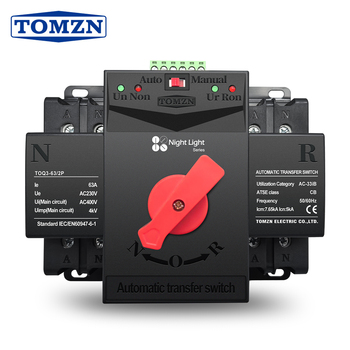
At facilities in Tocumen, Balboa, and Manzanillo, refrigeration reefers and automated palletizing lines demand robust continuous duty. Our TOQ3 Series Dual Power Automatic Transfer Switches (ATS) deliver seamless emergency changeover (<50ms) between primary utility feeds and diesel gensets, preventing catastrophic spoilage of temperature-sensitive pharmaceutical and food cargo.
2. Commercial & Industrial Rooftop Solar
Driven by ASEP Resolution AN No. 1047-Elec governing distributed self-generation, solar installations across the Pacific dry arc (Arco Seco - Coclé, Herrera, Los Santos) require DC-rated balance of system gear. We supply 1000V DC MCBs, 2P 125A battery breakers, and IP65 pre-wired combiner boxes equipped with non-polarized arc-extinguishing magnets to safely isolate high-voltage PV strings.
3. Panama City Hospitality & High-Rise Towers
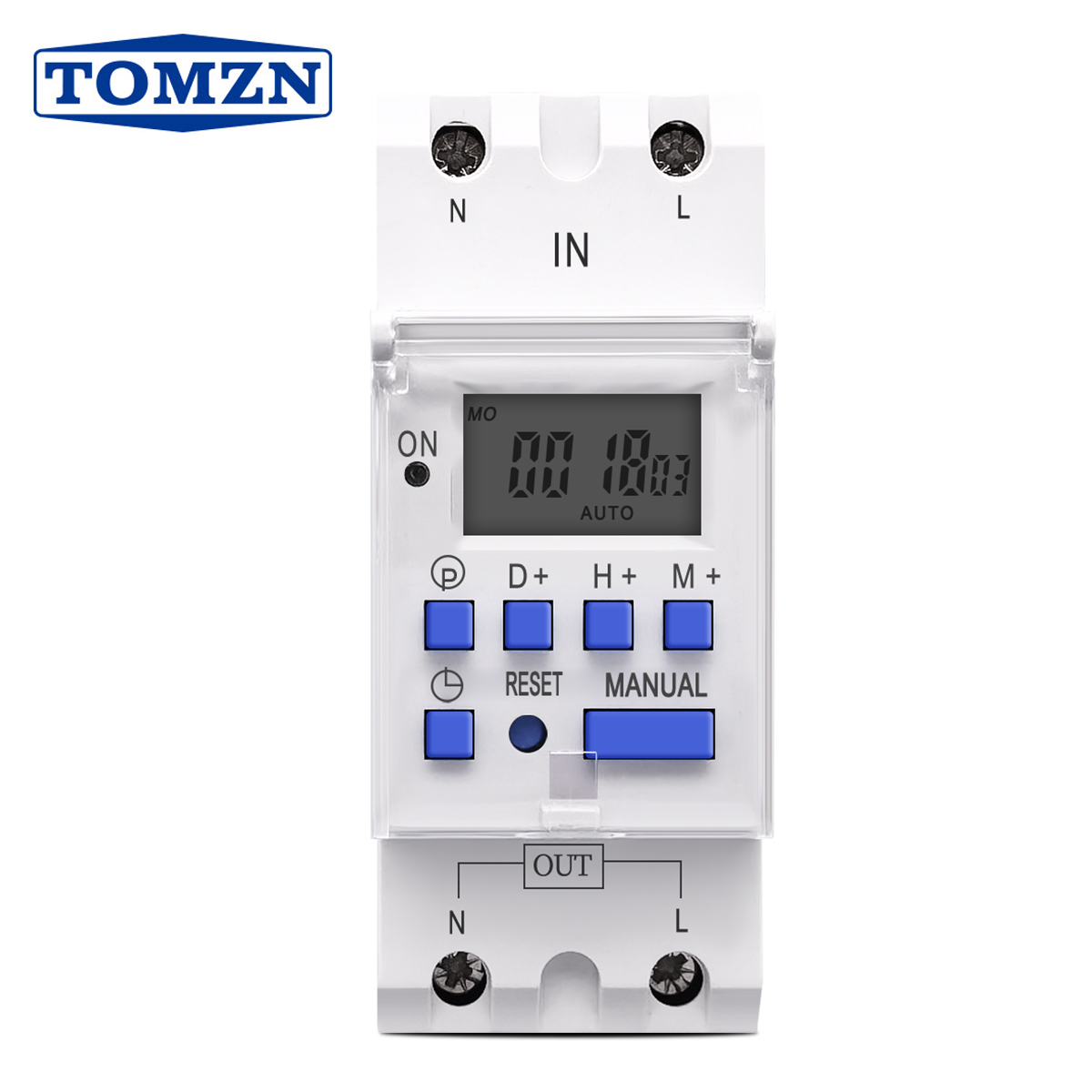
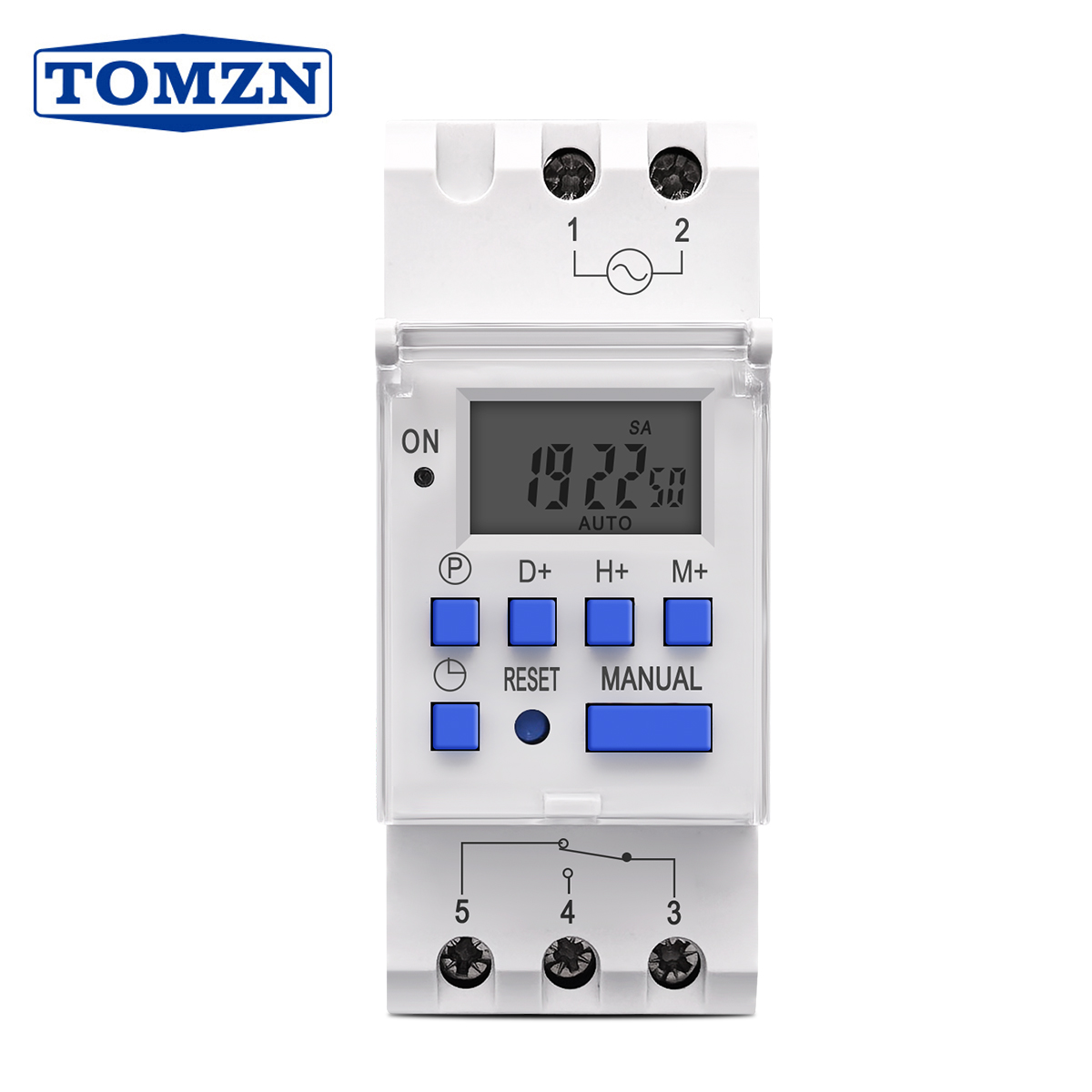
The high cost of electricity (ranging from $0.16 to $0.22/kWh) in Panama pushes luxury residential and boutique hotel operators to implement automated sub-metering. Using our TOS7-B and TORT7 Programmable Digital Timers, engineering teams automate dual-cycle HVAC chiller staging, pool filtration pumps, and architectural facade lighting, slashing monthly operating expenditures by up to 28%.
| Equipment Category | Standard Panamanian Grid Spec | Common Competitor Flaw | TMB Electric Engineering Solution |
|---|---|---|---|
| Dual Power ATS (Modular) | 120/240V split-phase, 60Hz, 63A - 125A | Pure 50Hz electromagnetic coils prone to coil burnout and chattering at 60Hz. | Dual 50/60Hz rated magnetic actuation coils with silver-alloy crossbar contacts rated for AC-33B duty. |
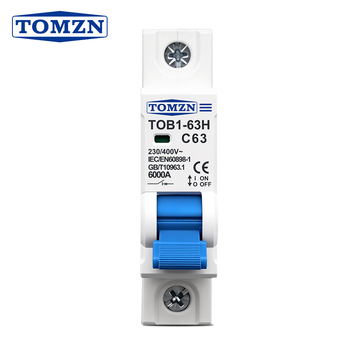
| DC Miniature Circuit Breaker | 600V - 1000V DC strings (Solar & BESS) | Repurposed AC MCBs with non-polarized trip paths that fail to extinguish DC sustained arcs. | Dedicated permanent-magnet arc chutes, heavy-duty de-ion plates, rated up to 1000V DC at 6kA/10kA breaking capacity. |
| Automatic Voltage Protector | 120V / 208V single/three-phase networks | Fixed trip delays that short-cycle rotary compressors on commercial air conditioning units. | Adjustable delay-on-make timers (5s to 600s) preventing compressor lockup during rapid utility re-closure. |
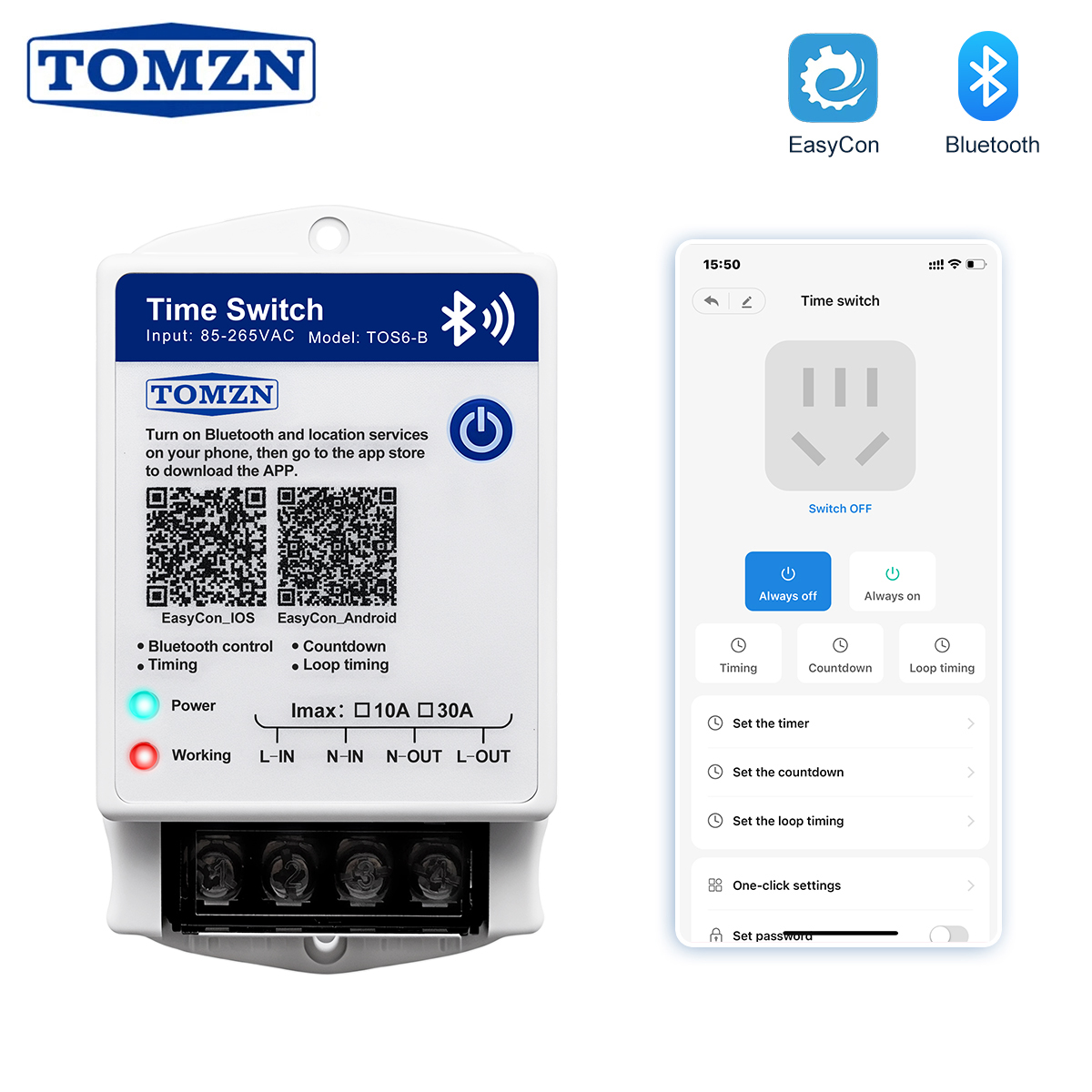
| Digital / Bluetooth Time Relays | 85V - 265V AC universal wide-band | Volatile internal batteries losing programming during frequent tropical lightning outages. | Long-life industrial lithium retention cells (3+ years memory retention) plus Bluetooth EasyCon auto-resync. |
| Pre-Wired PV Combiner Boxes | Outdoor rooftop IP65 rating | Standard ABS plastic degraded and cracked by extreme UV index (UV 11+) within 18 months. | Anti-UV polycarbonate housings with IP65 silicone seals, integrated 1000V DC SPDs and touch-safe fuse holders. |
Emerging Trends Shaping Panama's Power Sector (2025–2030)
Anticipating structural shifts toward smart metering, clean energy integration, and IoT-driven switchgear automation.
Panama's Plan Energético Nacional (PEN 2020-2030) establishes aggressive decarbonization and grid modernization objectives. Over the next five years, B2B importers, electrical wholesalers, and government procurement panels are pivoting away from purely mechanical components toward smart, connected low-voltage distribution frameworks:
Decentralized Microgrids in Comarcas
Rural electrification projects throughout the Comarca Ngäbe-Buglé, Guna Yala, and Darién are deploying off-grid solar-plus-storage mini-grids. These remote installations necessitate rugged DC MCCBs up to 1000V and manual/automatic isolation switches that withstand ambient jungle condensation without internal corrosion.
IoT & Smart WiFi Sub-Metering
Commercial complexes in Costa del Este and Albrook are mandating DIN-rail WiFi smart breakers equipped with active RS485 / Modbus outputs. Property managers can monitor real-time harmonic distortion, phase current imbalances, and automated tenant billing directly via smart apps or centralized BMS interfaces.
EV Infrastructure Protection Mandates
With Law 162 promoting electric mobility across Panama, public charging points and private residential EV chargers require Type B / Type A+6mA DC fault leakage residual current devices (RCCBs) to safeguard charging circuits against blind blinding from smooth DC leakage currents.
Why Panamanian Contractors & ZLC Exporters Source From TMB
Combining 24 years of manufacturing heritage in Liushi, Wenzhou with on-site TÜV Rheinland verification and direct maritime shipping lanes.
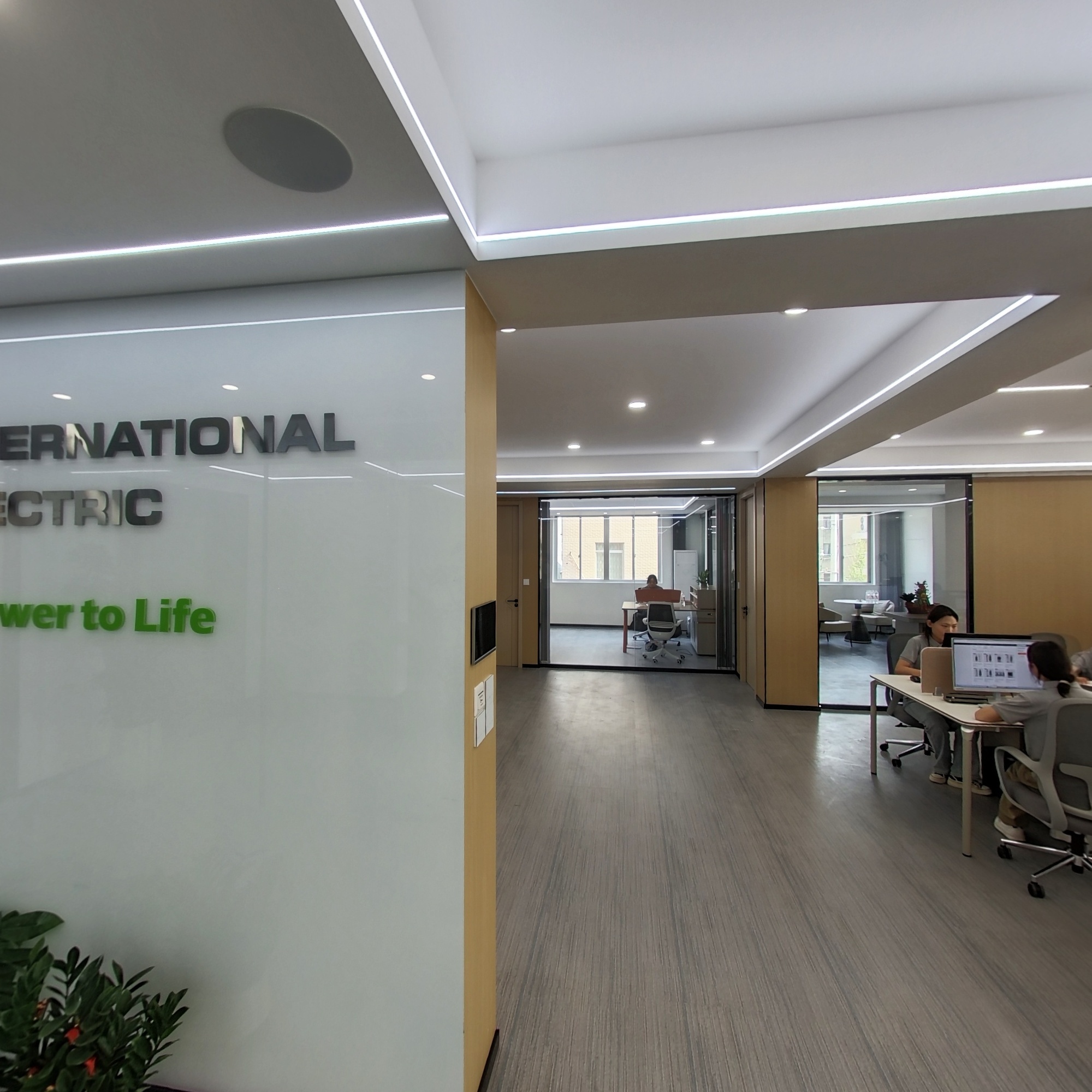
Zhejiang TMB Electric Co., Ltd. operates from the heart of Liushi Town, Wenzhou—universally recognized as China’s low-voltage electrical capital. Our location within this ultra-concentrated industrial cluster affords unparalleled supply chain advantages: specialized silver contact stamping, high-dielectric DMC/BMC molding, bi-metallic strip calibration, and automated coil winding are executed within a 5-kilometer radius.
For Panamanian importers, this means reduced lead times, aggressive cost control without material compromises, and the agility to engineer customized voltage configurations (such as 120V 60Hz coils and tailored trip curves) that traditional European brands cannot deliver at accessible price points.
TÜV Rheinland Assessed
Independent on-site inspection of our 5,700 m² workshop, 92-person workforce, and calibrated test benches.
Flexible B2B Sample MOQ
Order as few as 5 pieces per catalog model to conduct bench tests and field trials prior to full container bookings.
Complete OEM / ODM Program
Custom silk-screen brand printing, retail box packaging, and Spanish installation leaflets for local brand building.
Direct Maritime Logistics
Regular 20ft/40ft container dispatch from Ningbo/Shanghai ports directly to Balboa or Cristobal terminals within 24–28 days.
Frequently Asked Questions by Panamanian Electrical Importers
Addressing engineering specifications, customs documentation, import duties, and grid safety standards.
Expand Your Electrical Distribution Business in Panama
Whether you need a custom-configured PV combiner box batch, high-volume MCBs for local distribution, or automated ATS transfer units for critical backup, our technical engineering sales desk is ready to assist with factory-direct pricing, sample evaluations, and complete compliance dossiers.
Get a Quote