Featured Metal Enclosure Boxes & Core Control Assemblies
Precision-formed structural sheet metal enclosures integrated with factory-calibrated protection devices. Sourced by Tier-1 EPC contractors, machine tool builders, and electrical panel integrators throughout Japan.
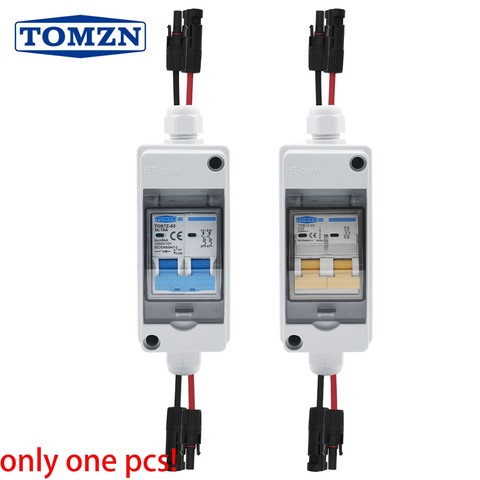
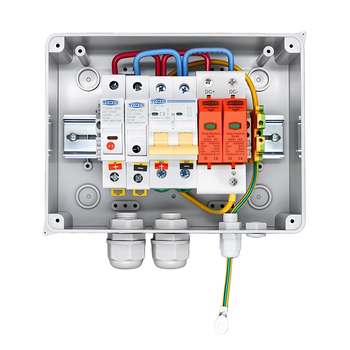
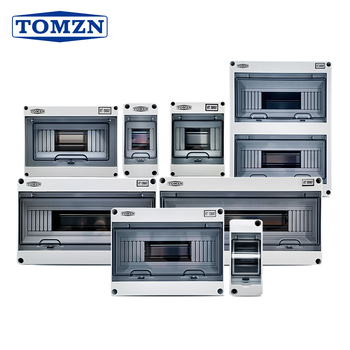
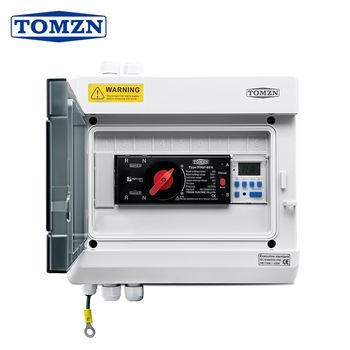
Engineering Metal Enclosures for the Japanese Industrial Ecosystem
The procurement of metal enclosure boxes in Japan represents a distinct technical discipline where standard commercial-off-the-shelf cabinets fail to satisfy rigorous domestic safety, seismic, and environmental mandates.
JIS C 8480 Structural Rigidity
Japanese industrial installations require adherence to JIS C 8480 (Cabinets for Switchgear and Controlgear Assemblies). Unlike conventional IEC-only enclosures, JIS-compliant units must withstand higher localized torsion, specific interior chassis mounting arrangements, and standardized earthing terminal configurations that facilitate rapid field verification by certified Japanese electrical engineers (Denki Shunin Gijutsusha).
Seismic Acceleration Resistance
Enclosures destined for Japanese substations, semiconductor cleanrooms, and commercial data centers must incorporate Level 2 Earthquake Resistance (typically 1.0G to 1.5G horizontal acceleration). This requires specialized structural ribbing, multi-point interlock mechanisms, and high-yield cold-rolled steel (SPCC/SECC) frameworks that prevent door deflection and busbar displacement during major seismic events.
Coastal Salt-Fog (Shioze) Mitigation
With much of Japan’s industrial infrastructure concentrated along coastal belts (Tokyo Bay, Ise Bay, Osaka Bay, and Northern Kyushu), corrosion resistance is paramount. We deploy SUS304 and marine-grade SUS316L stainless steel, alongside thermosetting epoxy-polyester electrostatic powder coatings surpassing 1,000 hours of continuous salt-spray testing under JIS Z 2371 specifications.
Sheet Metal Material Selection Matrix for Japan
Compare our engineering substrates against environmental conditions across Hokkaido sub-zero fields, Kanto factory floors, and coastal microgrids.
| Alloy / Substrate | Yield Strength & Gauge | Surface Treatment | Corrosion Rating (JIS Z 2371) | Optimal Japanese Field Applications |
|---|---|---|---|---|
| SPCC (Commercial Cold-Rolled Steel) | 270–350 MPa (1.2mm – 2.5mm) | Bonderized + 70–90µm Polyester Powder | 500 Hours Neutral Salt Spray | Indoor industrial switchboards, dry factory automation panels, distribution closets in Kanto/Kansai. |
| SECC (Electro-Galvanized Steel) | 270–370 MPa (1.2mm – 2.0mm) | Zinc Phosphate + Hybrid Epoxy Coating | 720 Hours Neutral Salt Spray | Commercial HVAC control enclosures, machine tool junction boxes, indoor parking garage distribution. |
| SUS304 (Austenitic Stainless Steel) | ≥205 MPa (1.5mm – 3.0mm) | Hairline / 2B Finish / Passivated | 1,200 Hours Neutral Salt Spray | Outdoor solar PV combiner boxes, railway trackside control cabinets, municipal wastewater facilities. |
| SUS316L (Low-Carbon Marine Stainless) | ≥220 MPa (1.5mm – 3.0mm) | Electro-polished / Acid Pickled | 2,400+ Hours Neutral Salt Spray | Offshore wind monitoring, coastal chemical processing plants, marine port power distributions. |
| A5052-H32 (Aluminum-Magnesium Alloy) | ≥195 MPa (2.0mm – 4.0mm) | Anodized (15µm) / Powder Coated | 1,000 Hours Neutral Salt Spray | Weight-sensitive rooftop solar arrays, telecommunication pole-mount cabinets, transportation signal boxes. |
Engineered Applications Across Japanese Industry Sectors
How our metal enclosure boxes and integrated protection systems serve specific technological demands in the Japanese market.
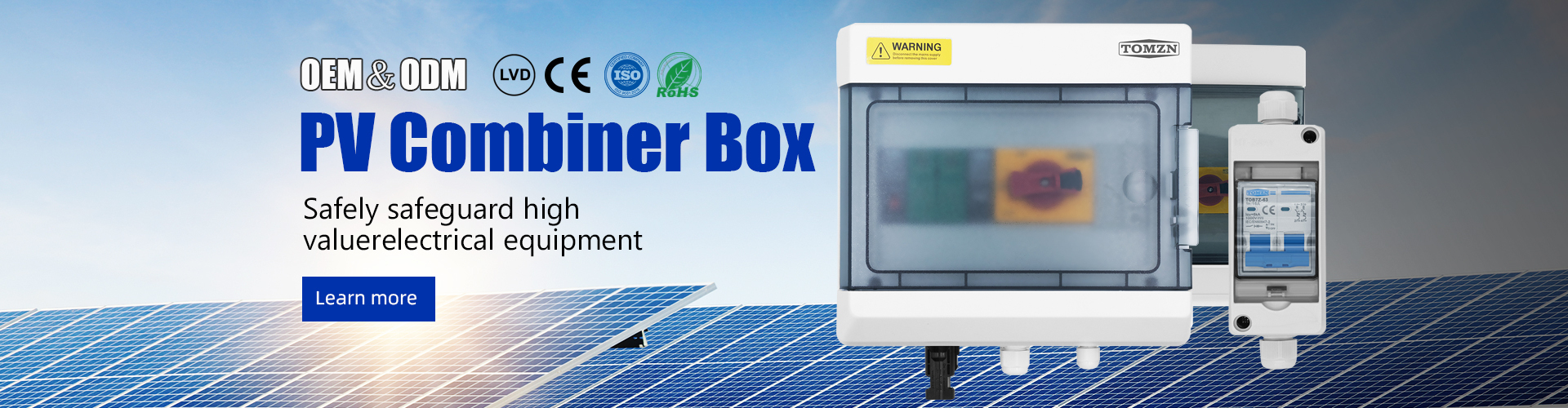
Mega-Solar & Agrivoltaic Arrays
Pre-configured, IP66-rated stainless metal combiner boxes with 1000V DC miniature circuit breakers and Type 2 surge protectors, engineered to prevent condensation in mountainous solar sites in Nagano and Tohoku.
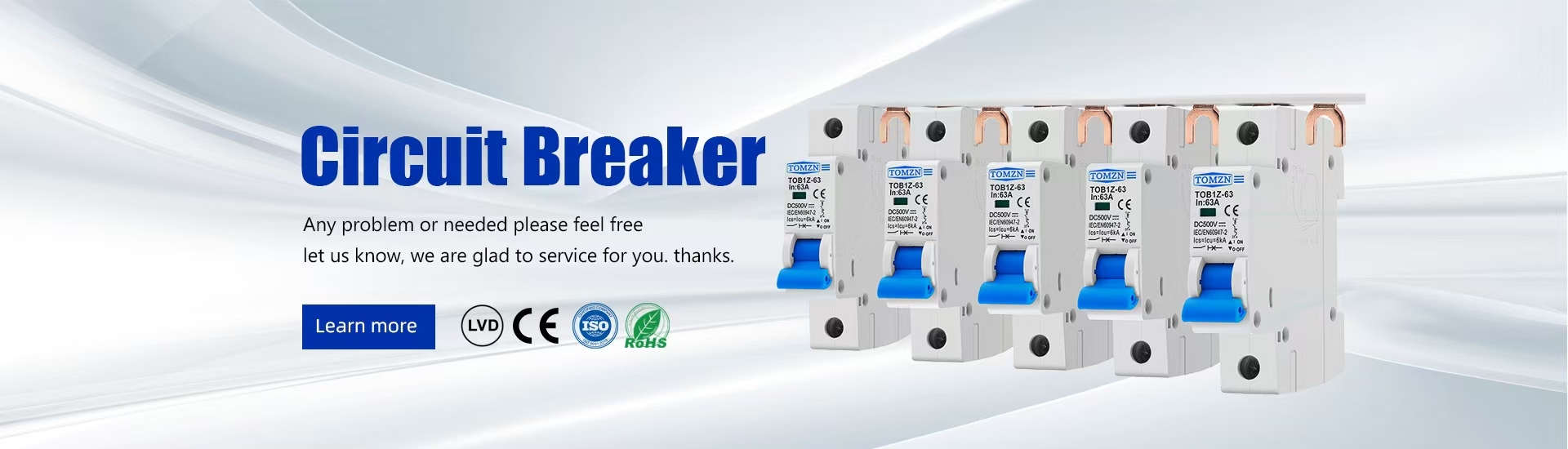
Machine Tool & Robotics Control
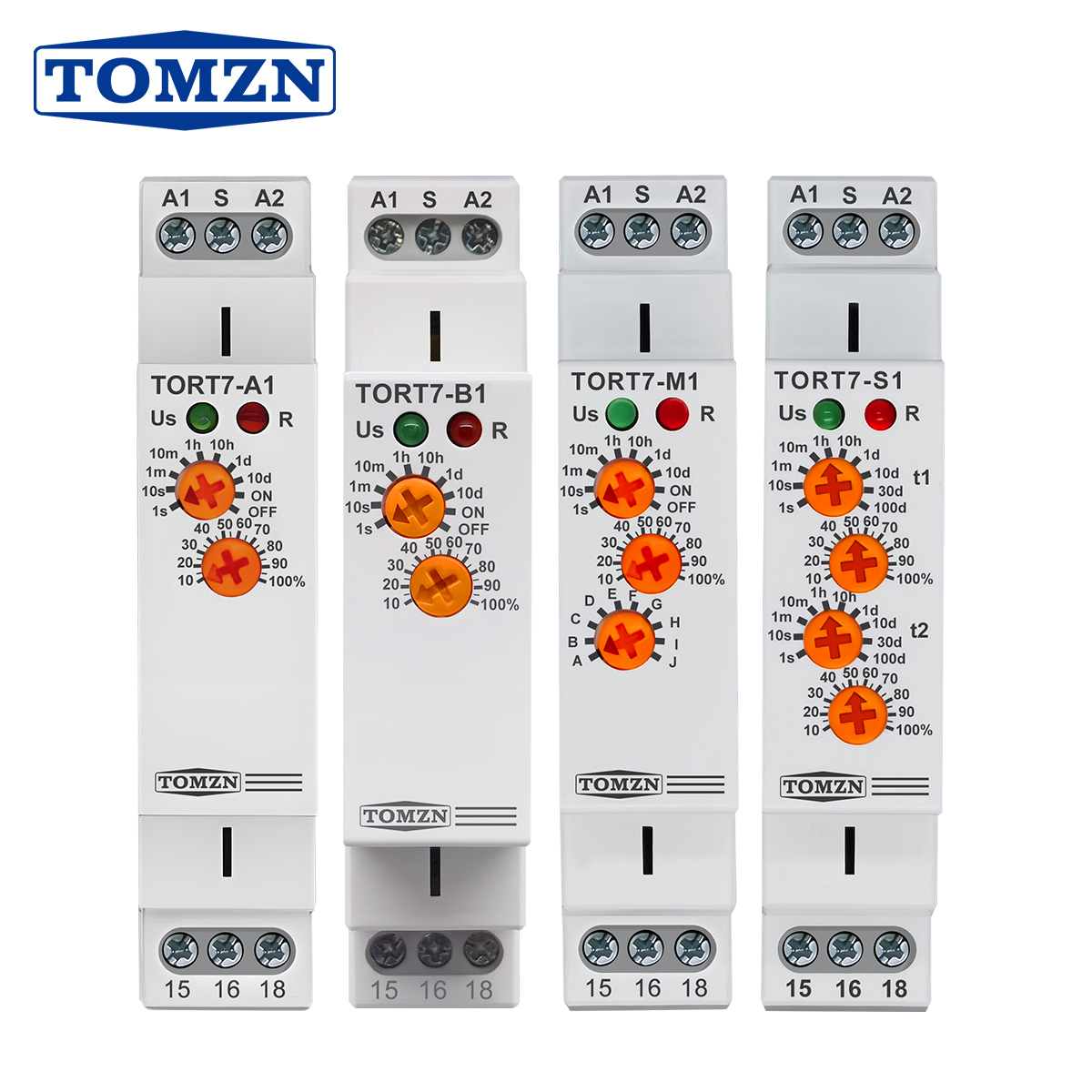
Shielded EMC-compliant steel cabinets installed on automated assembly lines in Aichi and Shizuoka, shielding programmable logic controllers and timing relays from electromagnetic noise.
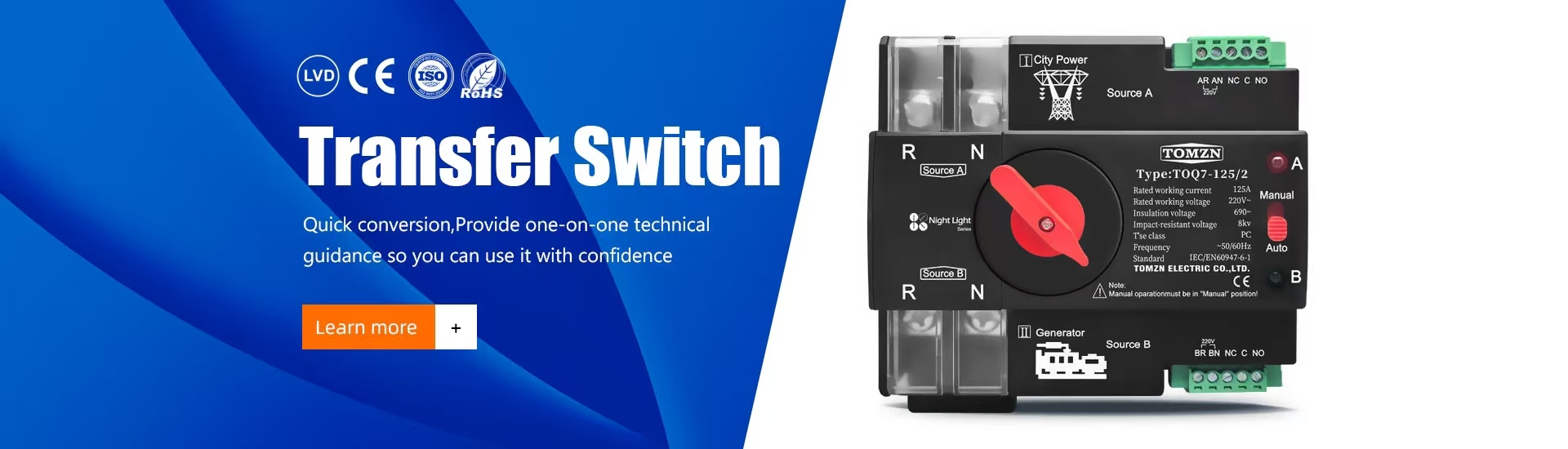
Data Centers & Critical Backup
Seismically reinforced power distribution boxes housing high-speed automatic transfer switches (ATS) to provide uninterrupted failover protection for Japanese telecom facilities.
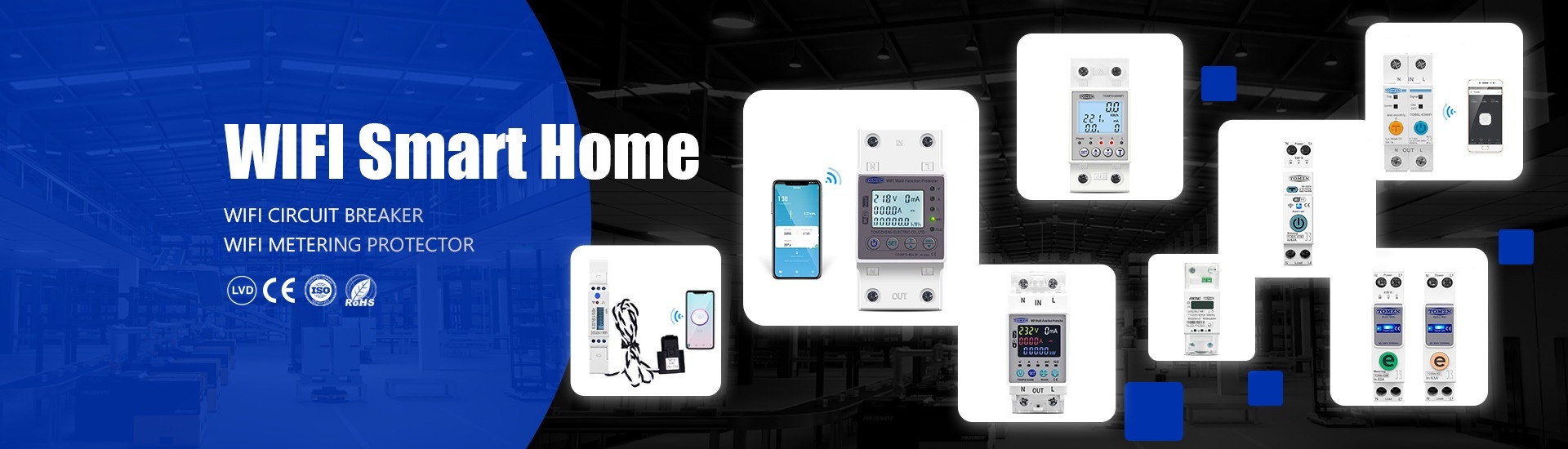
BESS & EV Charging Hubs
Weather-sealed terminal cabinets integrating DC MCCBs and over/under voltage relays for rapid deployment in commercial EV fast-charging stations across major highway networks.
Key Trends Transforming Metal Enclosure Procurement in Japan
Analyzing how Japanese decarbonization goals (GX League), electrical safety revisions, and supply-chain diversification affect enclosure design.
1500V DC Higher System Voltages
In line with METI’s push for renewable efficiency, utility-scale PV in Japan is shifting rapidly from 1000V to 1500V DC architectures. This requires metal combiner enclosures with increased strike and creepage distances, higher arc chute clearance, internal flash shields, and non-conductive mounting backplanes to prevent catastrophic phase-to-ground flashovers.
Modular Pre-Wired Integration
Japan faces a structural shortage of licensed electrical engineers (Kouji-shi). Contractors increasingly demand complete, pre-wired "plug-and-play" metal combiner assemblies. Sourcing bare metal boxes requiring field assembly of circuit breakers and busbars is being replaced by factory-integrated enclosures that arrive pre-certified and continuity-tested.
Demanding IP66 & Polyurethane Gaskets
Traditional neoprene tape gaskets degrade rapidly under Japan's humid summers and freezing snowy winters. Advanced procurement specs explicitly demand seamless CNC-applied foam-in-place polyurethane (FIPG) gaskets, ensuring stable IP65/IP66 ingress protection that remains resilient against driving typhoons and sub-zero freeze-thaw cycles.
Why Japanese EPCs & OEM Integrators Partner With Us
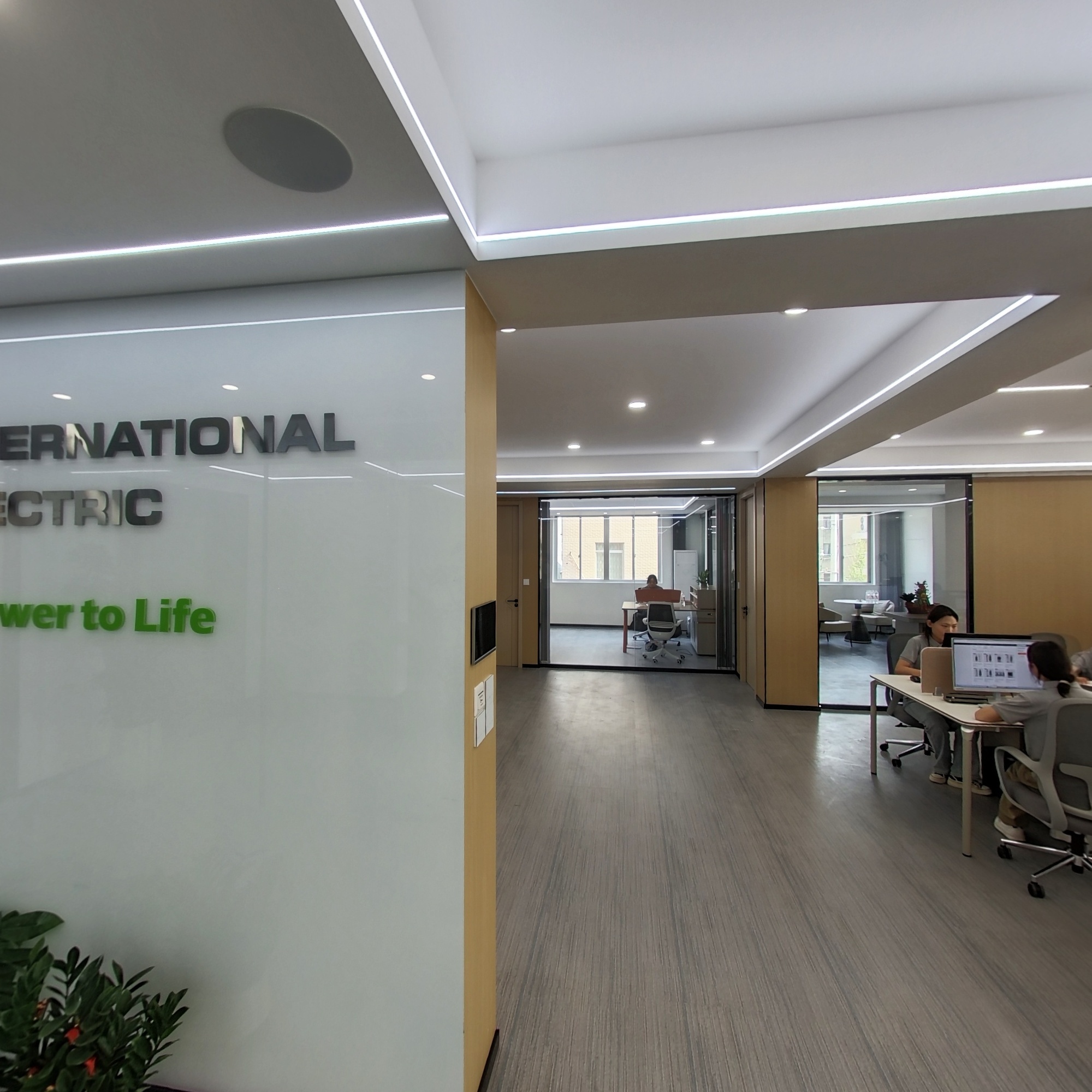
Backed by 24 years of manufacturing leadership in Liushi Town, Wenzhou—China’s premier low-voltage electrical capital—Zhejiang TMB Electric Co., Ltd. bridges high-precision sheet metal fabrication with comprehensive internal electrical component engineering.
- TÜV Rheinland Assessed Facility: On-site verified 5,700 m² modern manufacturing plant with 92 skilled technicians and rigorous ISO9001 quality management workflows.
- End-to-End Vertical Supply Chain: In-house metal laser cutting, CNC bending, automated welding, surface treatment, and integration of CE-marked MCBs, SPDs, and ATS switches.
- Low Prototype MOQ & Fast Tooling: Support for pilot project evaluations with standard catalog sample MOQs from just 5 pieces, backed by custom CAD/SolidWorks design turnaround in 48 hours.
- Reliable Export Logistics to Japan: Over 10 years of international trade operations ensuring expedited sea and air shipping to Yokohama, Tokyo, Kobe, Nagoya, and Hakata ports.
Six-Tier Quality Control Protocol for High Reliability
Every metal enclosure and internal component passes through strict engineering checkpoints prior to packaging and export.
01. Metallurgical & Raw Material Audit
Optical spectrometer verification of cold-rolled sheet steel, SUS304/SUS316L chemical composition, and thickness tolerance checks against JIS G 3141 standards.
02. Precision Forming & Weld Integrity
High-speed CNC fiber laser cutting with ±0.05mm dimensional accuracy, robotic seam welding, and microscopic weld penetration testing to eliminate moisture ingress pinholes.
03. Electrostatic Coating & Adhesion Test
Cross-cut tape adhesion testing (ASTM D3359), dry film thickness (DFT) checks at 60–90µm, and ongoing neutral salt-spray exposure verification.
04. Polyurethane Gasket Ingress Verification
Continuous IP65/IP66 pressurized water jet testing and vacuum dust chamber inspections to ensure absolute seal integrity under thermal cycling.
05. Dielectric Withstand & Ground Continuity
Hi-pot electrical insulation tests up to 2500V AC between live terminals and metal chassis, alongside earthing path resistance measurements (<0.1Ω).
06. Functional Electrical Load & Trip Testing
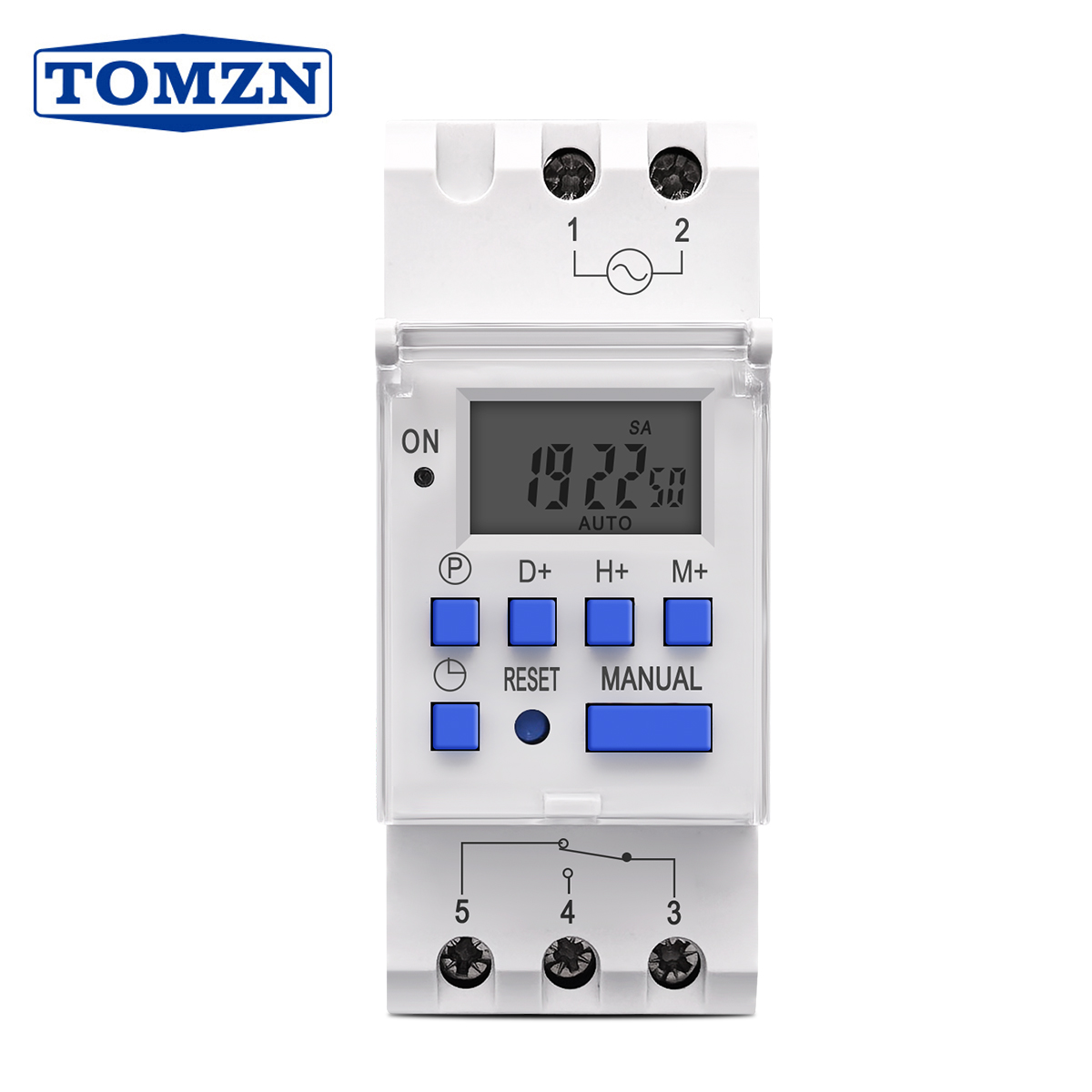
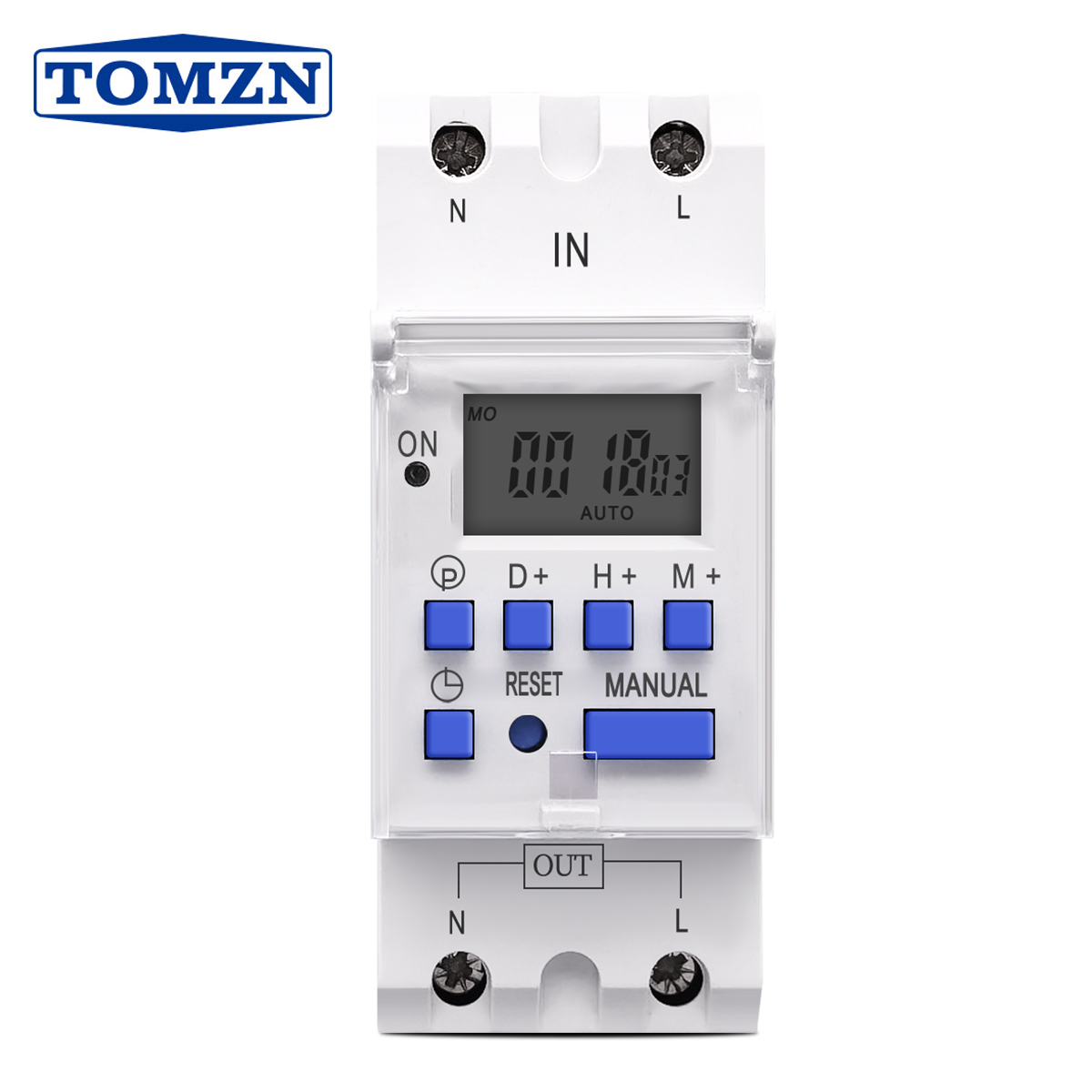
Validation of pre-wired DC MCBs, surge arresters, ATS switching cycles, and timer switches at operational currents before final seaworthy packaging.
Frequently Asked Questions by Japanese Procurement Teams
Clear answers to common questions on regulatory compliance, custom sheet metal modifications, and logistics.
Can you manufacture metal enclosures aligned with JIS C 8480 and Japanese dimensional standards?
How do your stainless steel enclosures resist coastal salt damage (Shioze) in Japan?
Can you supply pre-wired metal boxes with internal DC breakers, fuses, and ATS switches?
What is your Minimum Order Quantity (MOQ) and lead time for shipments to Japan?
What documentation and certifications are provided for import clearance and technical approval?
How do your enclosures manage internal condensation during Japan's rainy season (Tsuyu)?
Request a Project Quotation or Custom Box Prototype
Whether you require standardized JIS-compliant metal distribution boxes, coastal SUS316L junction housings, or turnkey pre-wired PV combiner cabinets, our technical engineering team is ready to review your specifications and single-line diagrams.