Engineered Motor Starting, Timing & Feeder Protection Systems
Combining thyristor-based acceleration profiles with precision programmable delay switching, intelligent phase protection, and dual-power ATS bypass systems for complete motor control centers.
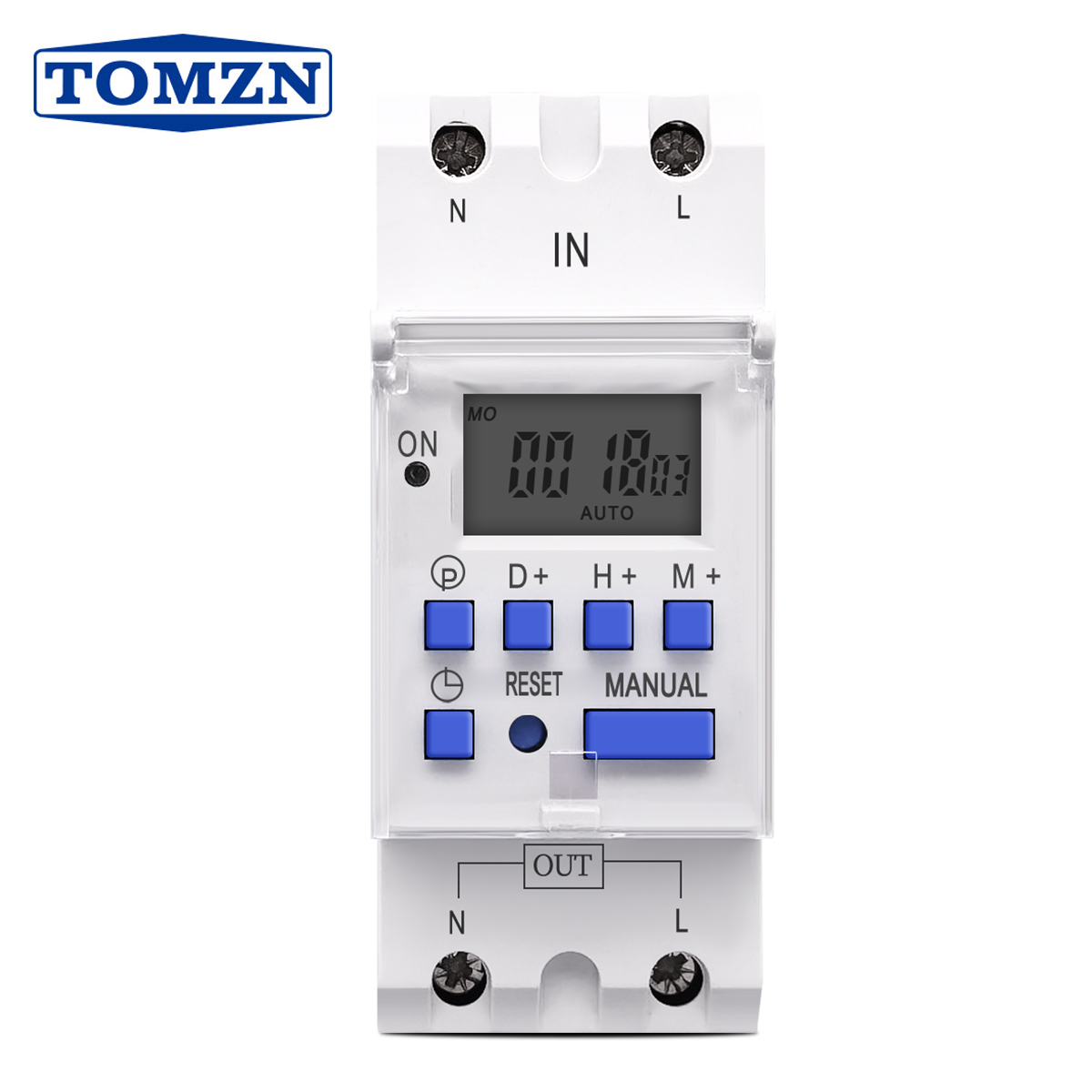
TOMZN Single Phase 7-Day Digital Time Switch Relay
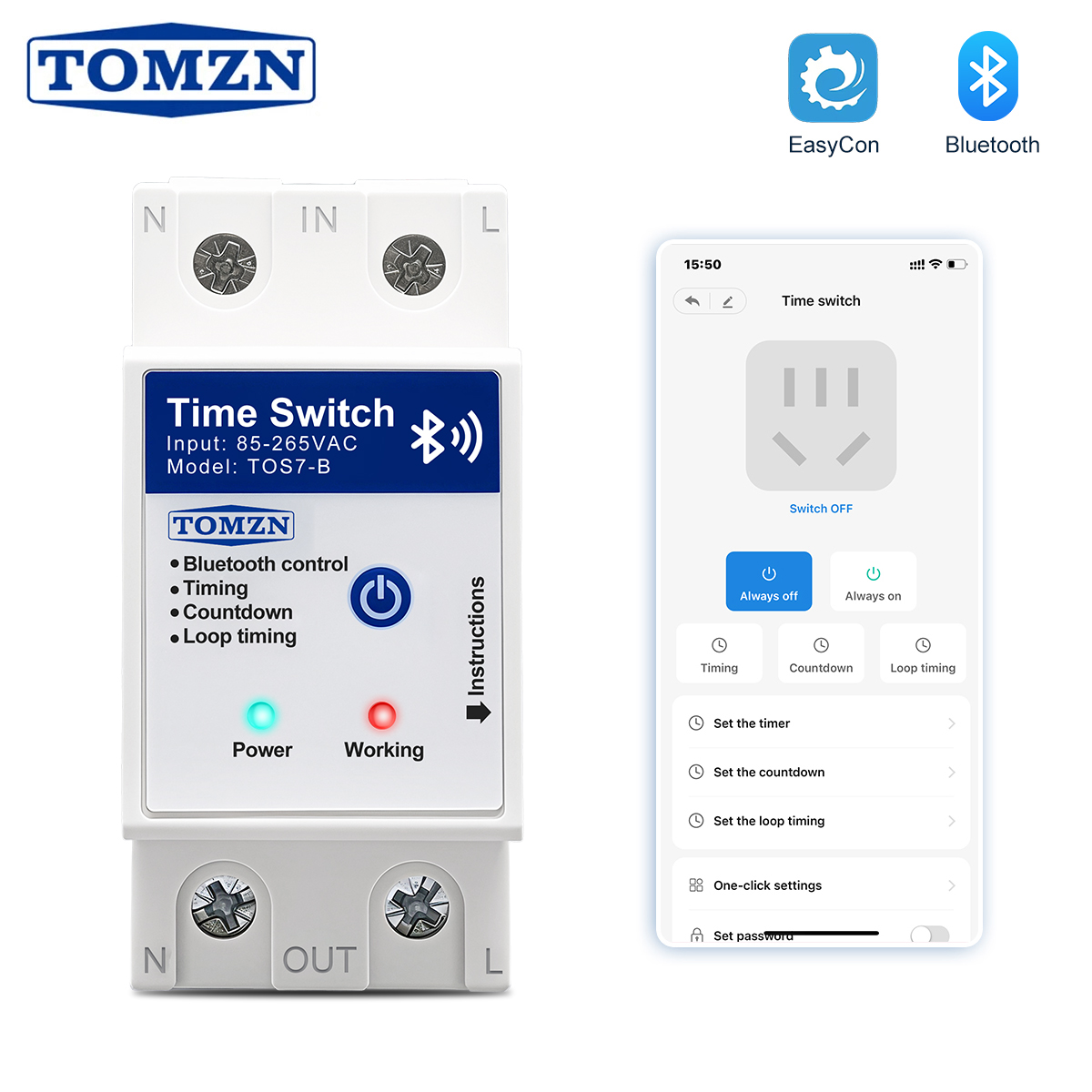
TOMZN TOS7-B Bluetooth Smart Timer Switch (40A/63A)
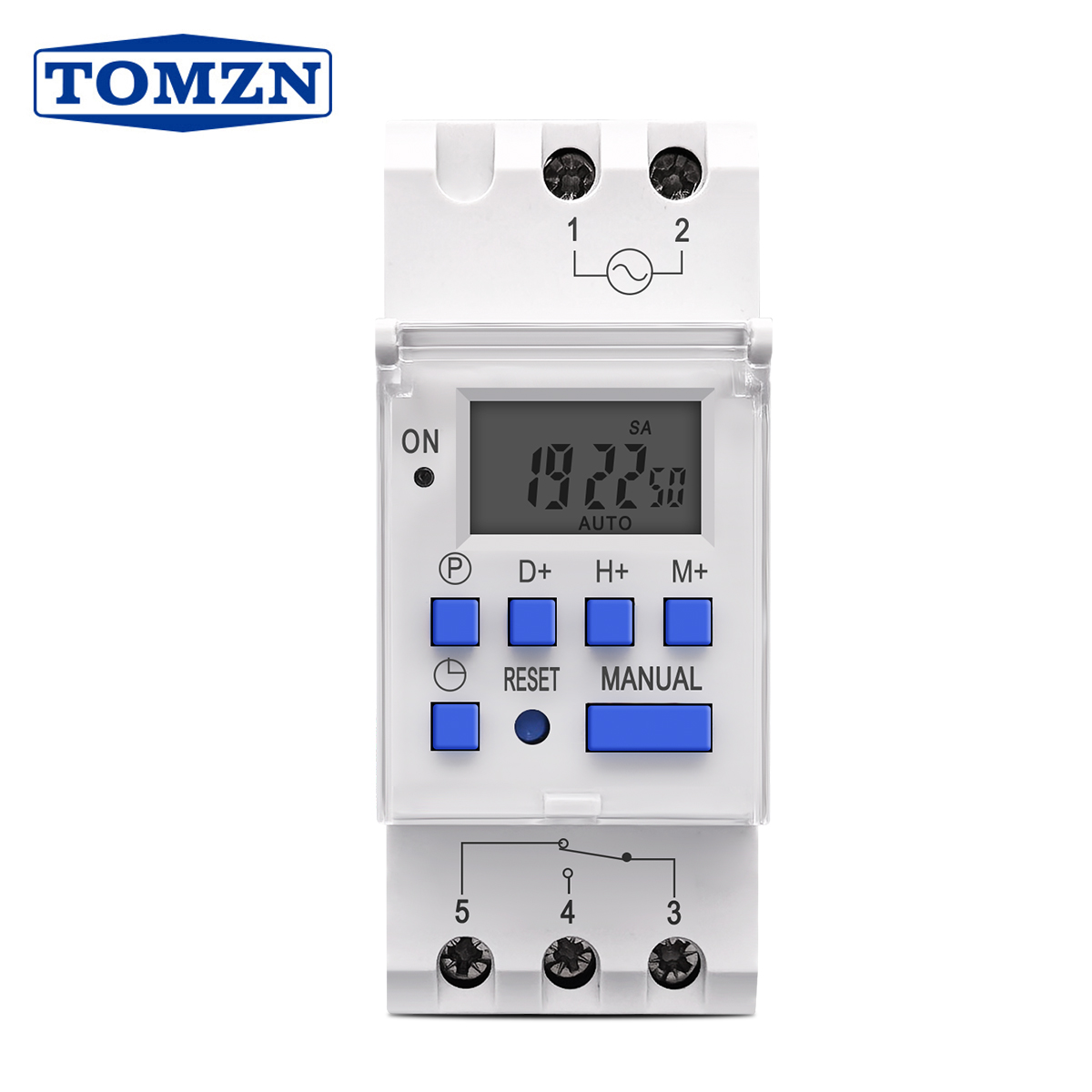
TOMZN 1NO+1NC Weekly Digital Programmable Relay Timer
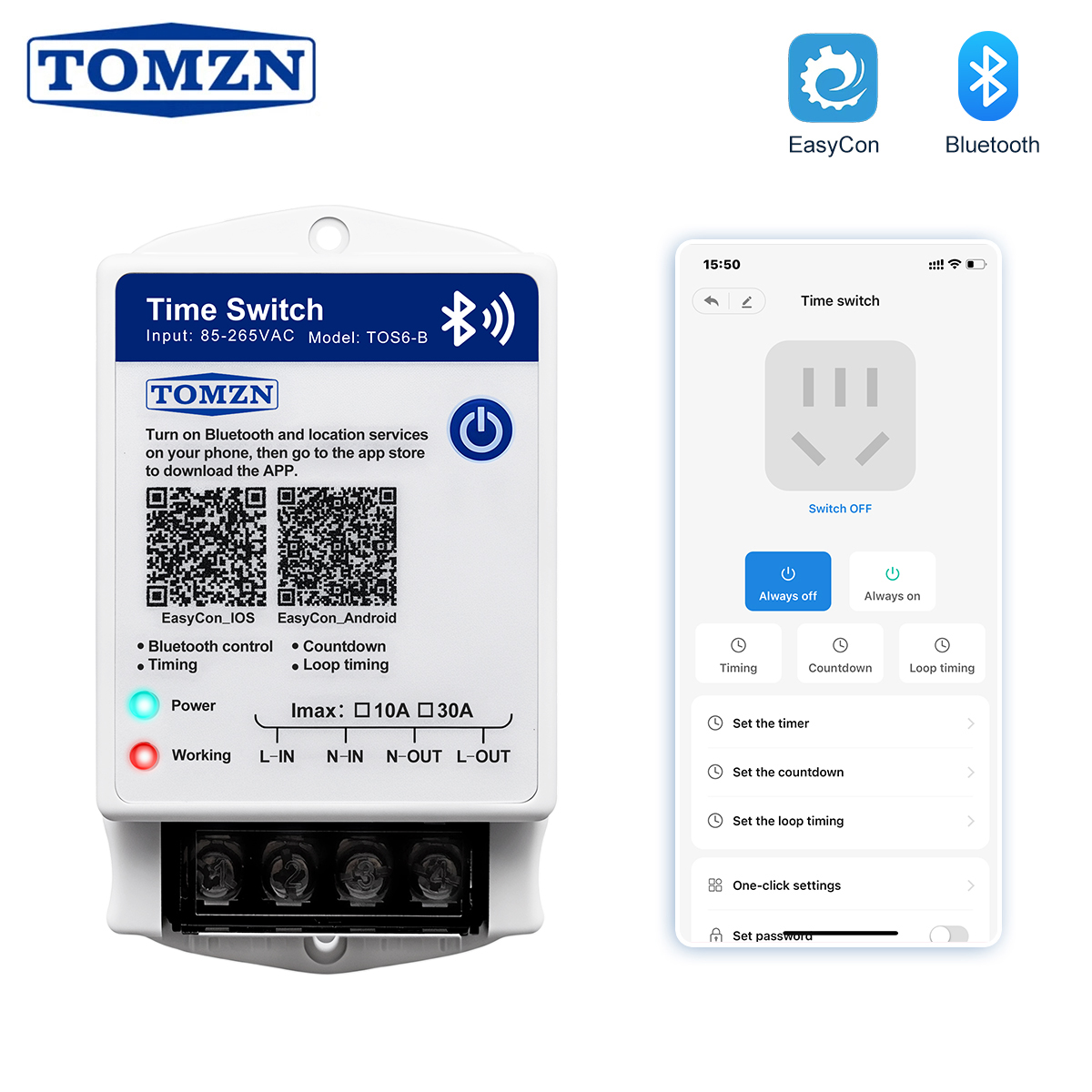
TOMZN Bluetooth Smart Switch 10A/30A Wall/DIN Mount
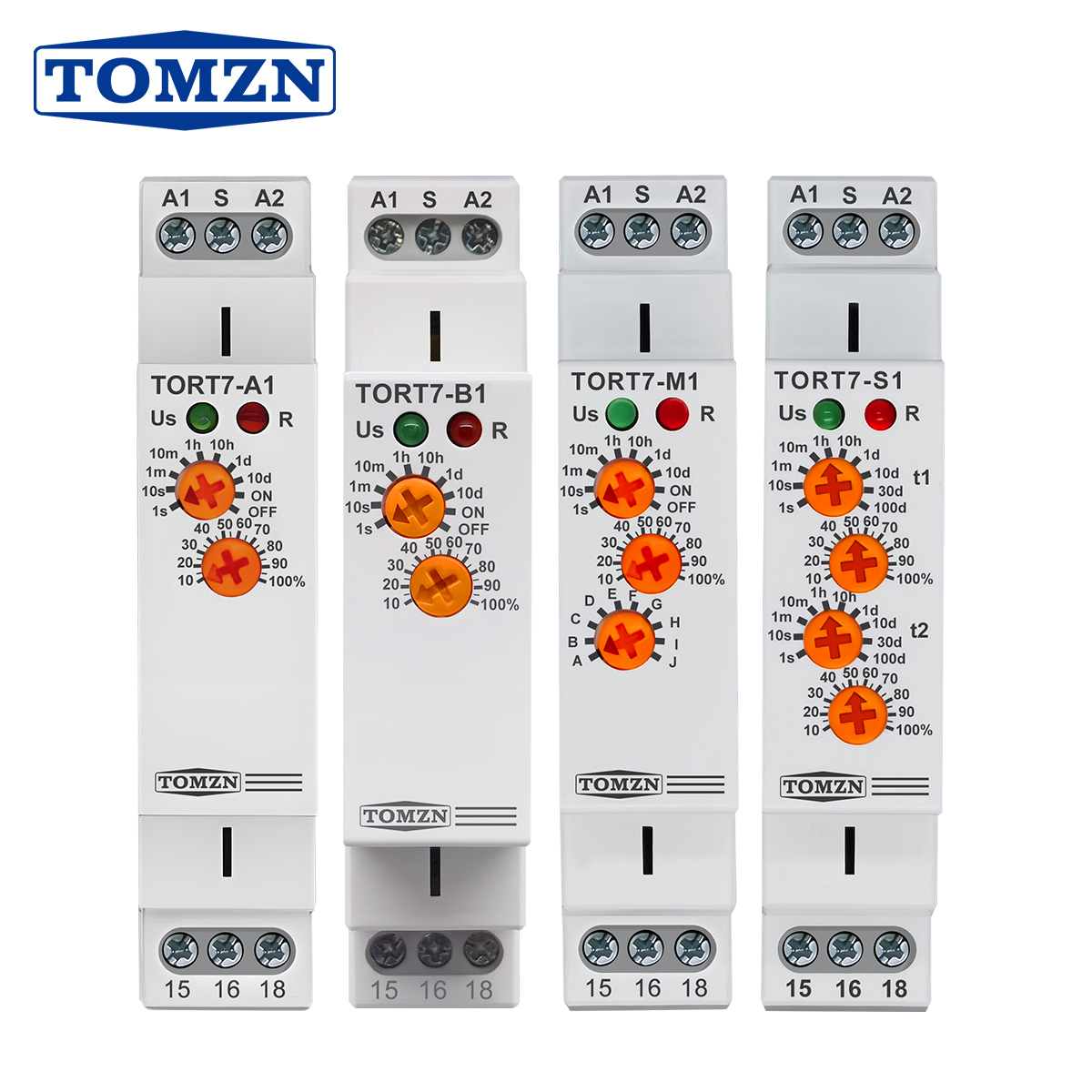
TORT7 10-in-1 Asymmetric Delay Time Relay Pulse Generator
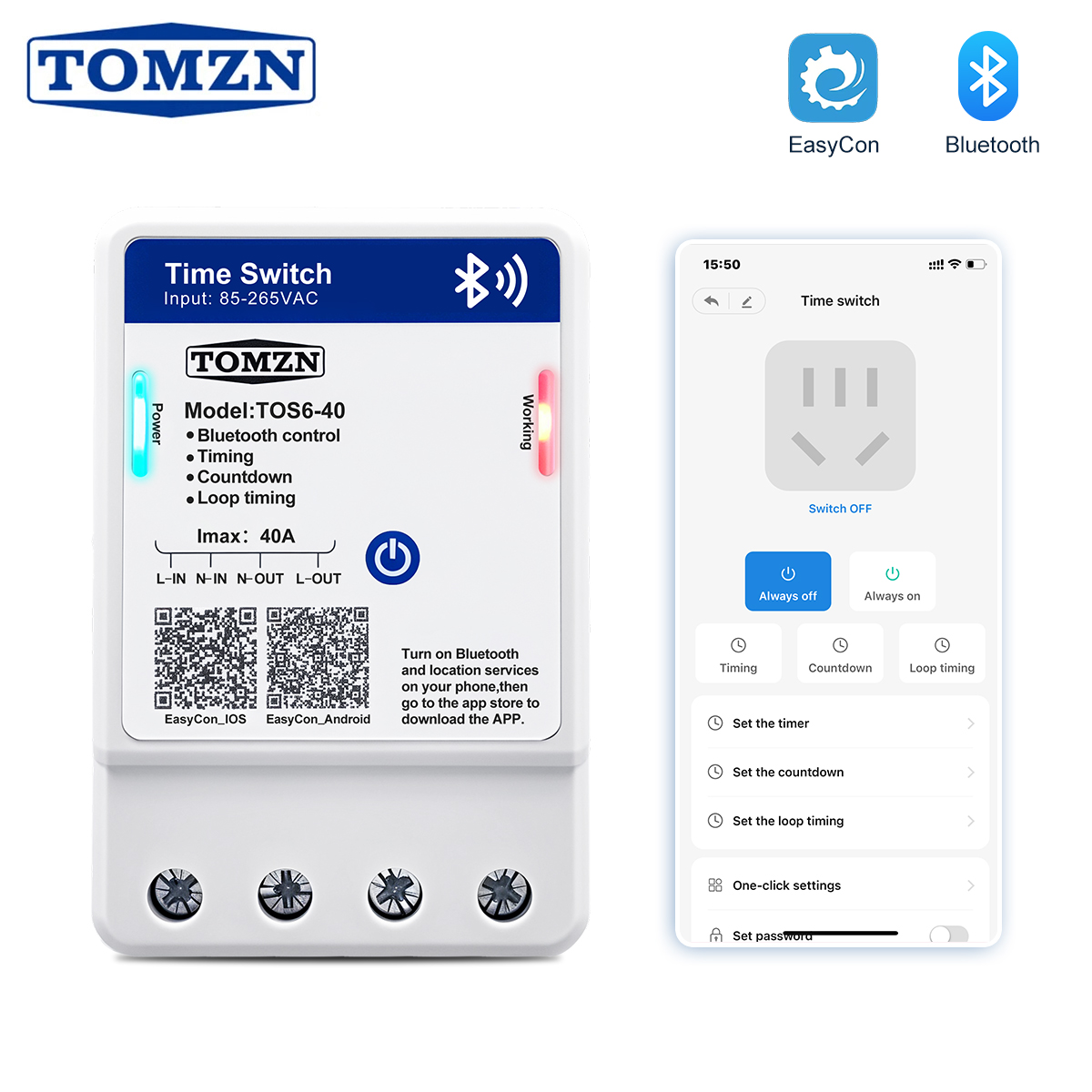
TOS6-40 Bluetooth 35mm DIN Rail Motor Delay Controller
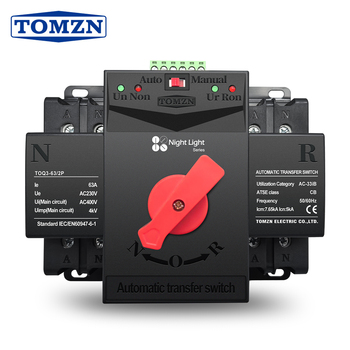
TOQ3 Dual Power Automatic Transfer Switch (ATS) 63A-125A
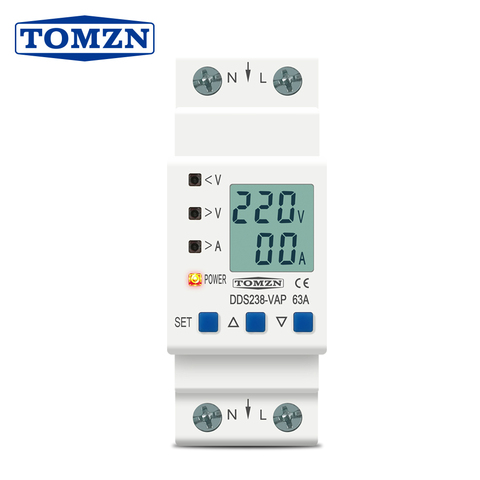
TOMZN Intelligent Over/Under Voltage Feeder Protector
Engineering Whitepaper: Solid-State Reduced Voltage Starting in Subtropical Industrial Grids
In three-phase asynchronous induction motor installations, Direct-on-Line (DOL) starting imposes severe electrical and mechanical stress. Across the San Miguel industrial corridor, where heavy agro-industrial processing, grain milling, and municipal water pumping loads share distribution feeders with commercial centers, direct starting induces dramatic line voltage dips (ΔV up to 18-25%), nuisance tripping of upstream protection relays, and destructive mechanical shock waves.
As a seasoned manufacturer and exporter exporting directly to regional distributors and panel builders in San Miguel, Zhejiang TMB Electric Co., Ltd. analyzes the physics of reduced voltage starting, phase-angle firing SCR topologies, and total cost of ownership (TCO) across motor lifecycles.
Fundamental Torque-Voltage Law: Electromagnetic starting torque is strictly proportional to the square of the applied terminal voltage: Tstart ∝ V2. By modulating the firing angle (α) of back-to-back anti-parallel Silicon Controlled Rectifiers (SCRs), our solid-state soft starters restrict starting current from typical locked-rotor values (600%–800% In) down to an engineered envelope of 150%–350% In, mitigating transient torque spikes and protecting motor drive couplings.
Comparative Analysis: Soft Starters vs. DOL, Star-Delta & VFDs
Selecting the optimal starting method requires balancing upfront capital expenditure (CapEx), thermal management complexity, and mechanical acceleration requirements. While Variable Frequency Drives (VFDs) provide full continuous process speed regulation, they introduce severe high-frequency harmonic distortion (THDi > 35% without multi-pulse or active filtering), generate damaging bearing currents via common-mode voltages (dV/dt > 1000 V/μs), and triple initial hardware investments.
| Evaluation Parameter | Direct-On-Line (DOL) | Star-Delta Starter | Solid-State Soft Starter | Variable Frequency Drive (VFD) |
|---|---|---|---|---|
| Starting Current (x Irated) | 6.0 – 8.5 x In | 2.0 – 2.8 x In (with surge spike) | 1.5 – 3.5 x In (Smooth) | 1.0 – 1.5 x In |
| Starting Torque Behavior | Violent instantaneous peak | Severe step-transition torque shock | Stepless Linear / Quadratic Ramp | Fully controllable torque limit |
| Hydraulic Water Hammer Risk | Extremely high during shutdown | Severe on disconnection | Zero: Controlled S-Curve Deceleration | Eliminated |
| Harmonics Injection (THD) | Negligible | Negligible | Zero in Run Mode (Bypass Active) | High (requires choke / line filter) |
| Relative Equipment Cost | Baseline (1.0x) | 1.6x – 2.0x | 2.2x – 3.2x | 6.5x – 10.0x |
| Panel Footprint & Thermal Dissipation | Minimal / Cold | Moderate (3 Contactors + Timer) | Compact (Integrated Bypass) | Bulky (Forced A/C Cooling Needed) |
Internal Bypass Contactor Architecture
Once rated nominal velocity is achieved, an intelligent internal bypass mechanism engages automatically. This completely cuts out the thyristor junction losses, reducing panel heat emission to nominal levels and eliminating the requirement for complex enclosure air conditioning units.
Engineered S-Curve Deceleration Curves
Pumping systems in municipal booster stations suffer destructive hydraulic pressure waves (water hammer) when stopped abruptly. Our solid-state controllers provide programmable soft-stop duration (0.1 to 60 seconds) to ensure gradual pump non-return valve seating.
Class 10/20 Motor Thermal Simulation
Equipped with sophisticated I2t algorithmic motor protection that models stator winding heat accumulation under repetitive starting duty cycles. Protects against phase unbalance (>5%), underload dry-running, locked-rotor jams, and grid phase inversion.
Industrial Integration Across San Miguel's Production Ecosystem
From heavy agrarian deep-well irrigation arrays along regional river basins to food processing lines, feed mills, and municipal water purification works, our motor control architectures solve specific field challenges.
Agricultural Pumping & Irrigation
Sugarcane plantations, grain facilities, and diversified cattle ranches in rural San Miguel depend on submersible deep-well pumps and vertical turbine booster stations powered over lengthy distribution feeder spurs. High line impedance creates massive terminal voltage drops if motors are started DOL.
Our soft starters ensure smooth, current-limited ramp-up (configurable down to 200% In), preventing transformer overload lockouts, protecting thrust bearings, and eliminating sand suction caused by abrupt impeller acceleration.
Feed Milling & Grain Processing
San Miguel's food manufacturing facilities operate high-inertia rotating equipment including hammer mills, grain pelletizers, bucket elevators, and rotary dryers. Instantaneous full-voltage starting snaps transmission belts, shears drive shear-pins, and causes costly conveyor chain stretch.
Integrated programmable kickstart torque pulses break static friction, followed by a linear acceleration ramp. Paired with our TORT7 timing relays, automated reverse-jog and sequential conveyor staging avoid grain chute blockages.
Municipal Water & Wastewater Treatment
Continuous urban development in San Miguel requires pressurized water distribution networks and wastewater aeration systems. The catastrophic shock wave of water hammer ruptures PVC pipeline joints, cracks check valve flappers, and damages pipeline supports.
Using advanced micro-controlled soft deceleration ramps, the starter matches centrifugal pump head curves precisely, bringing fluid columns to a controlled halt without back-surge transients. Compatible with SCADA and Modbus RTU telemetry.
Technological & Regulatory Modernization in San Miguel
Industrial operators, electrical panel builders, and municipal procurement engineers in San Miguel face tightening electrical codes, fluctuating utility tariffs, and increased integration of captive solar microgrids.
Stringent Utility Grid Codes & Peak Demand Penalties
Regional electric utility distribution networks are strictly penalizing industrial facilities that generate excessive instantaneous starting kVA demand peaks. Modern solid-state starters flatten current spikes, keeping facility maximum demand (kVA) within prescribed contractual thresholds and averting heavy monthly peak-demand penalties.
Hybrid Solar PV & On-Site Diesel Generator Transition
Industrial plants across San Miguel are increasingly deploying rooftop PV arrays and standby diesel backup generators to ensure operational continuity. DOL motor starting causes diesel gen-sets to stall or trip on under-frequency. Our soft starters, paired with TOQ3 Dual Power ATS units, allow seamless starting on limited generator capacity without oversized alternator investments.
Decentralized IoT & Remote Bluetooth Telemetry
Panel builders are moving away from traditional mechanical push-button interfaces toward smart wireless diagnostics. Using devices like the TOMZN TOS7-B and TOS6-40 Bluetooth control relays, plant maintenance supervisors can set timing cycles, track run-hours, monitor motor voltage, and execute emergency stops safely via mobile apps without opening arc-flash rated panel doors.
Direct Factory Manufacturing Excellence: Zhejiang TMB Electric Co., Ltd.
Headquartered in Huabei Village, Liushi Town, Wenzhou—universally recognized as China's low-voltage electrical capital—Zhejiang TMB Electric Co., Ltd. has established 24 years of manufacturing authority. Operating within an ultra-dense supply chain, we machine copper components, mold flame-retardant thermoplastics, calibrate bimetallic trips, and assemble precision thyristor control units under rigid quality management.
Audited Manufacturing Credentials
Frequently Asked Questions by San Miguel Electrical Engineers
Detailed answers addressing electrical sizing, thermal derating in hot climates, coordination with generator systems, and maintenance protocols.