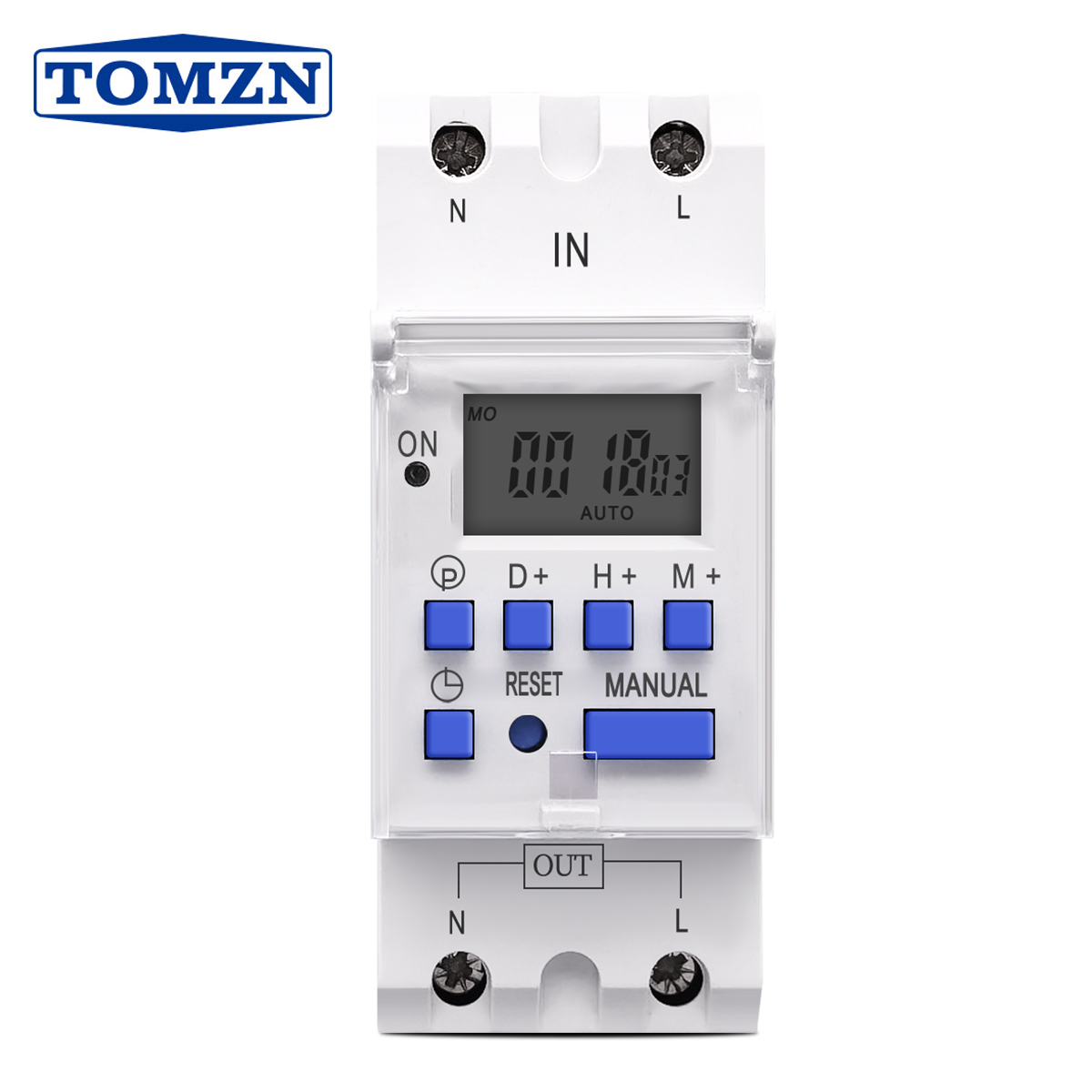
TOMZN Din Rail Single Phase Weekly Programmable Digital Time Switch AC 220V 230V 16A
7-day microsecond multi-event cycle relay for automated off-peak EV shifting, solar heat pumps, and dual-tariff smart panel synchronization.
Engineered for Flanders, Wallonia, and Brussels-Capital low-voltage switchboards, featuring real-time microprocessor metering, customizable delay triggers, and European modular DIN-rail dimensions.
7-day microsecond multi-event cycle relay for automated off-peak EV shifting, solar heat pumps, and dual-tariff smart panel synchronization.
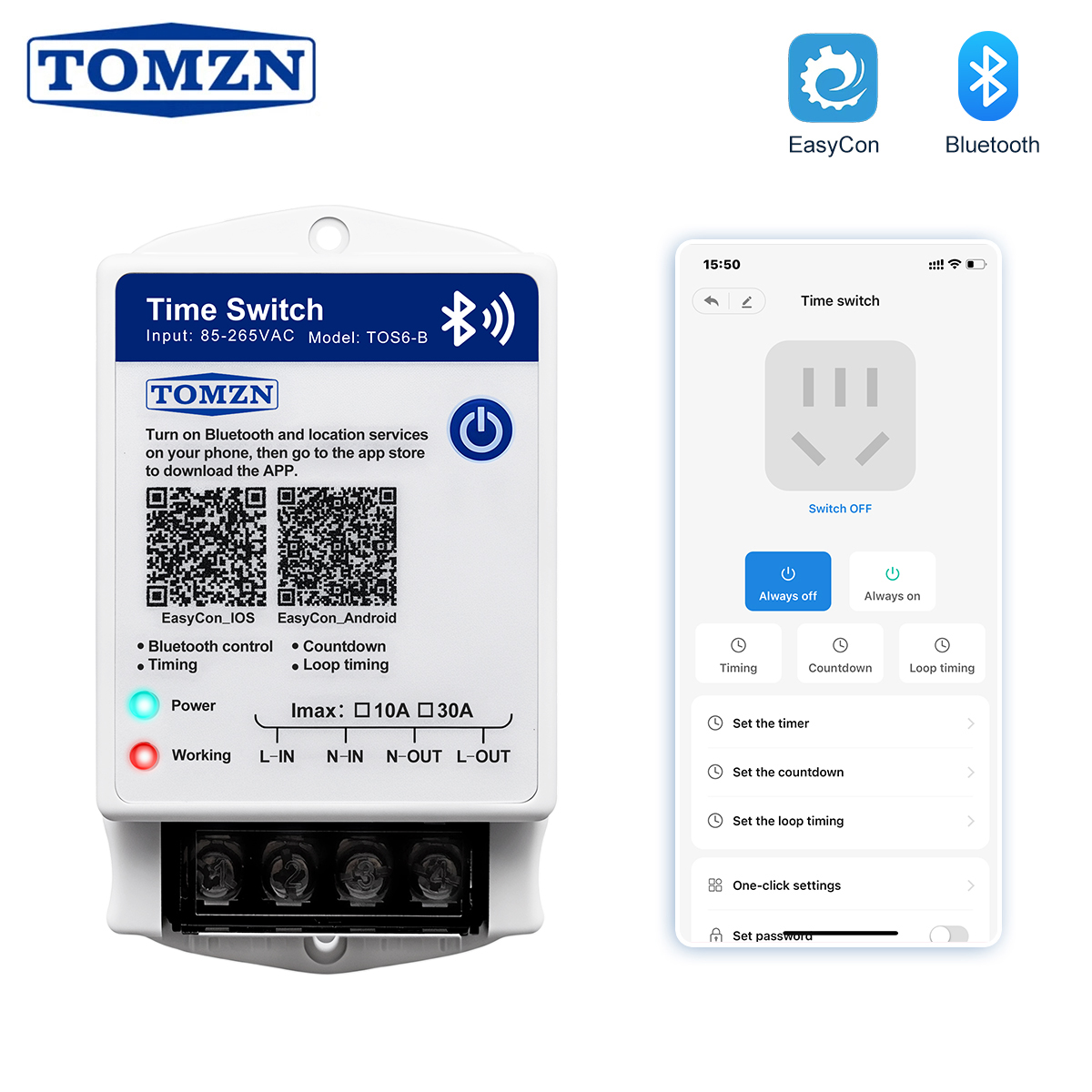
App-configured modular time coordinator for Belgian residential thermal storage systems, domestic hot water preheating, and peak shaving automation.
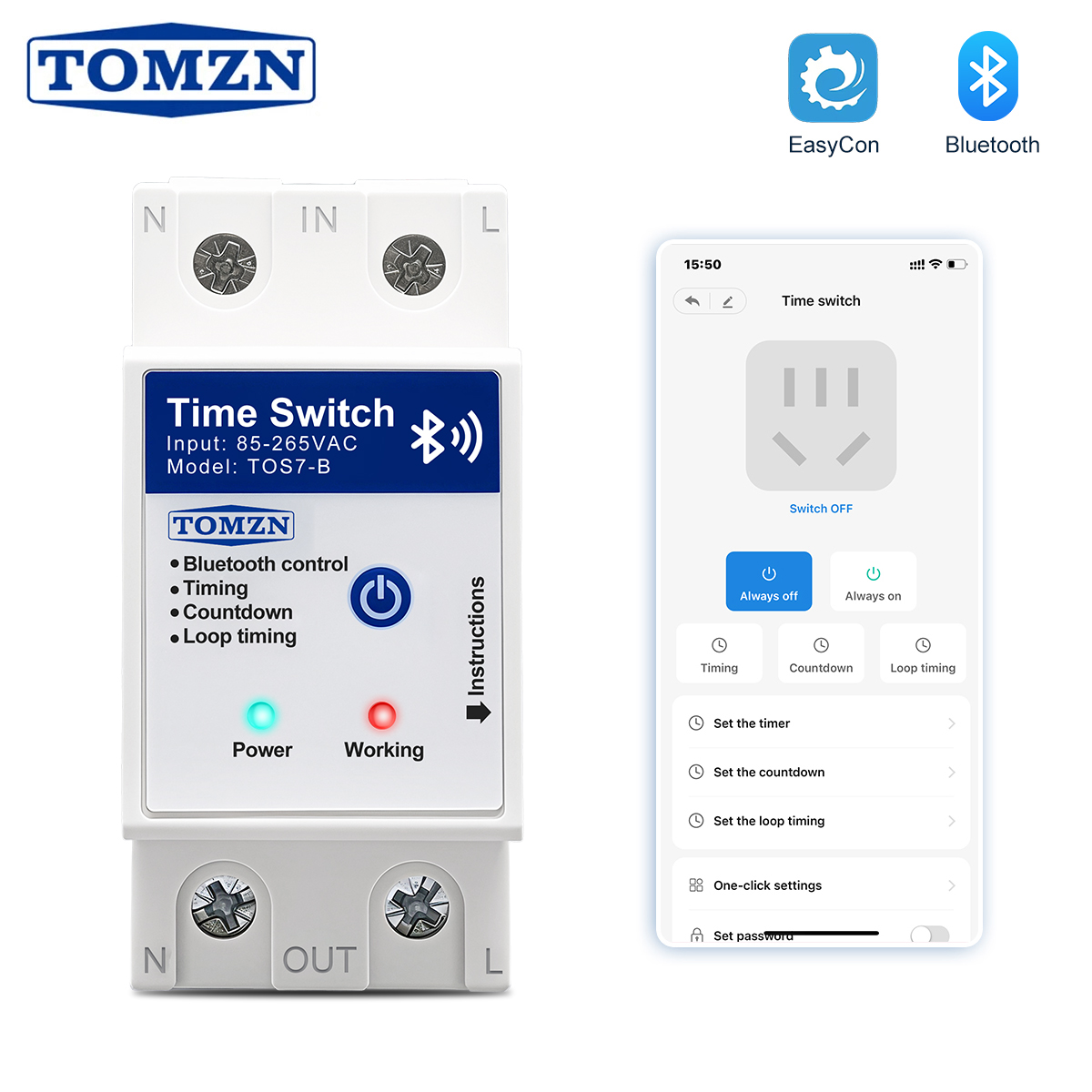
High-amperage modular automation controller engineered for tertiary sub-panels, multi-unit heat pumps, and industrial lighting circuits.
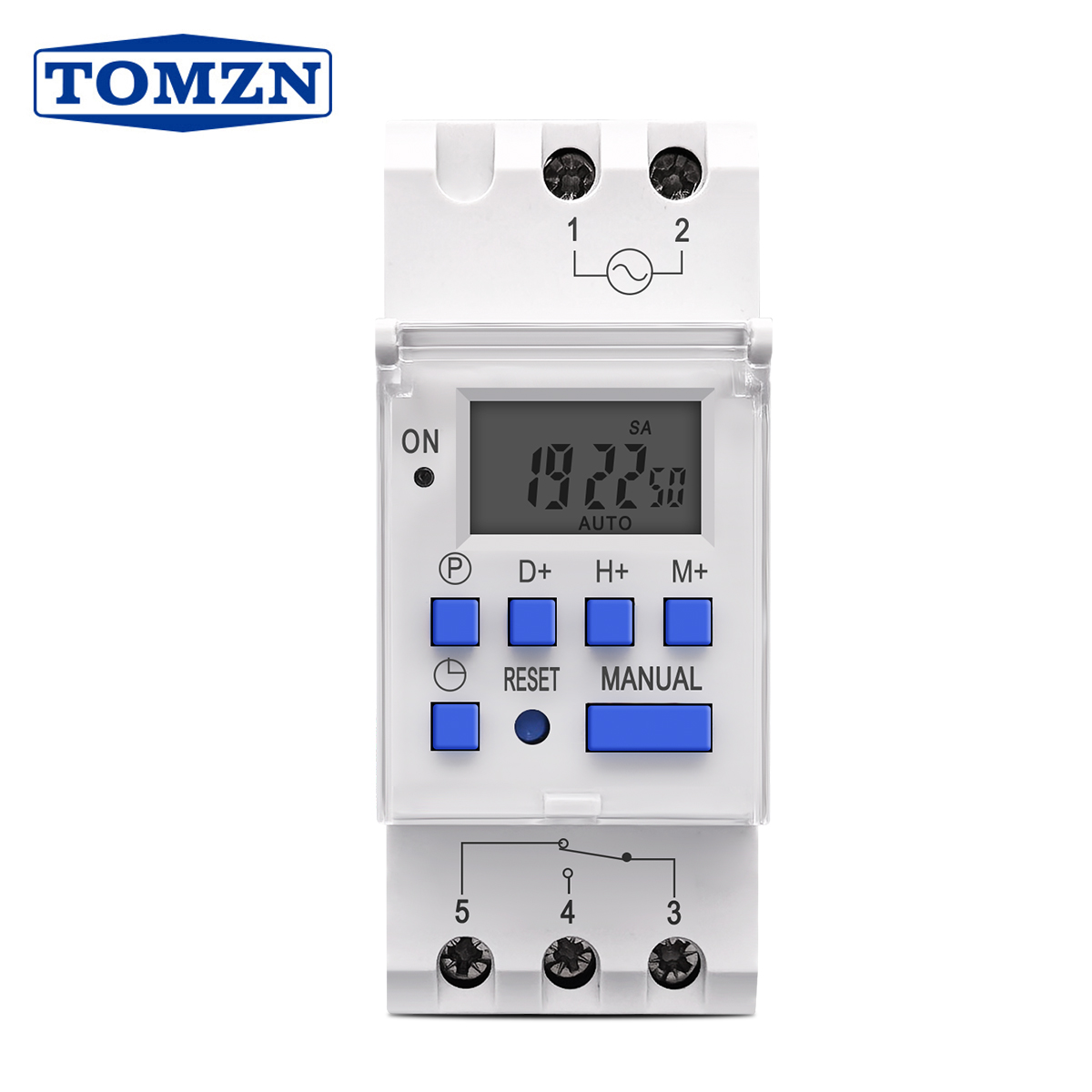
Dual-circuit programmable relay tailored for interlocked ventilation loops, industrial automation signaling, and cyclic emergency loads.
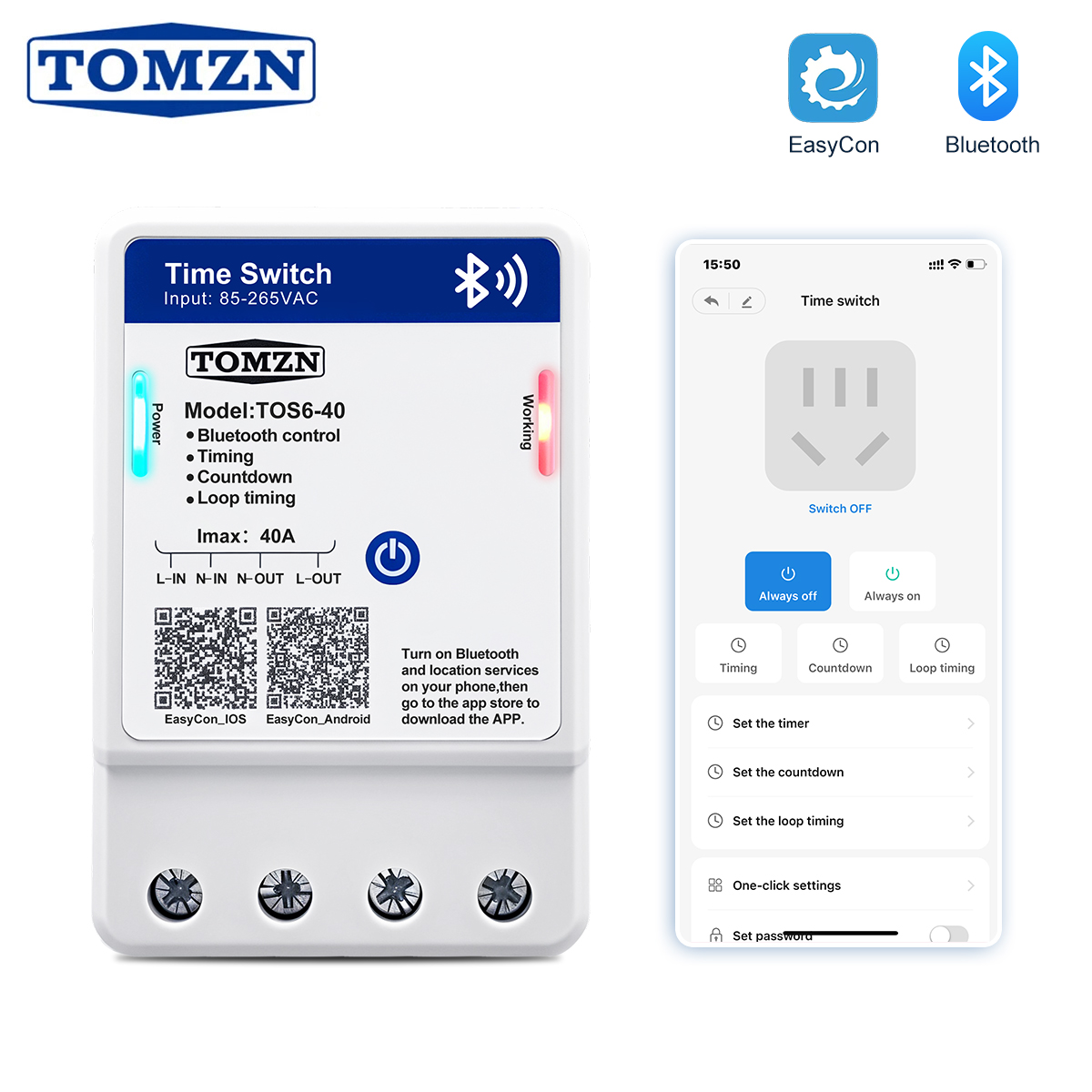
Compact heavy-load control module for retrofit enclosures, offering smart mobile scheduling without supplementary contactors for 40A loads.
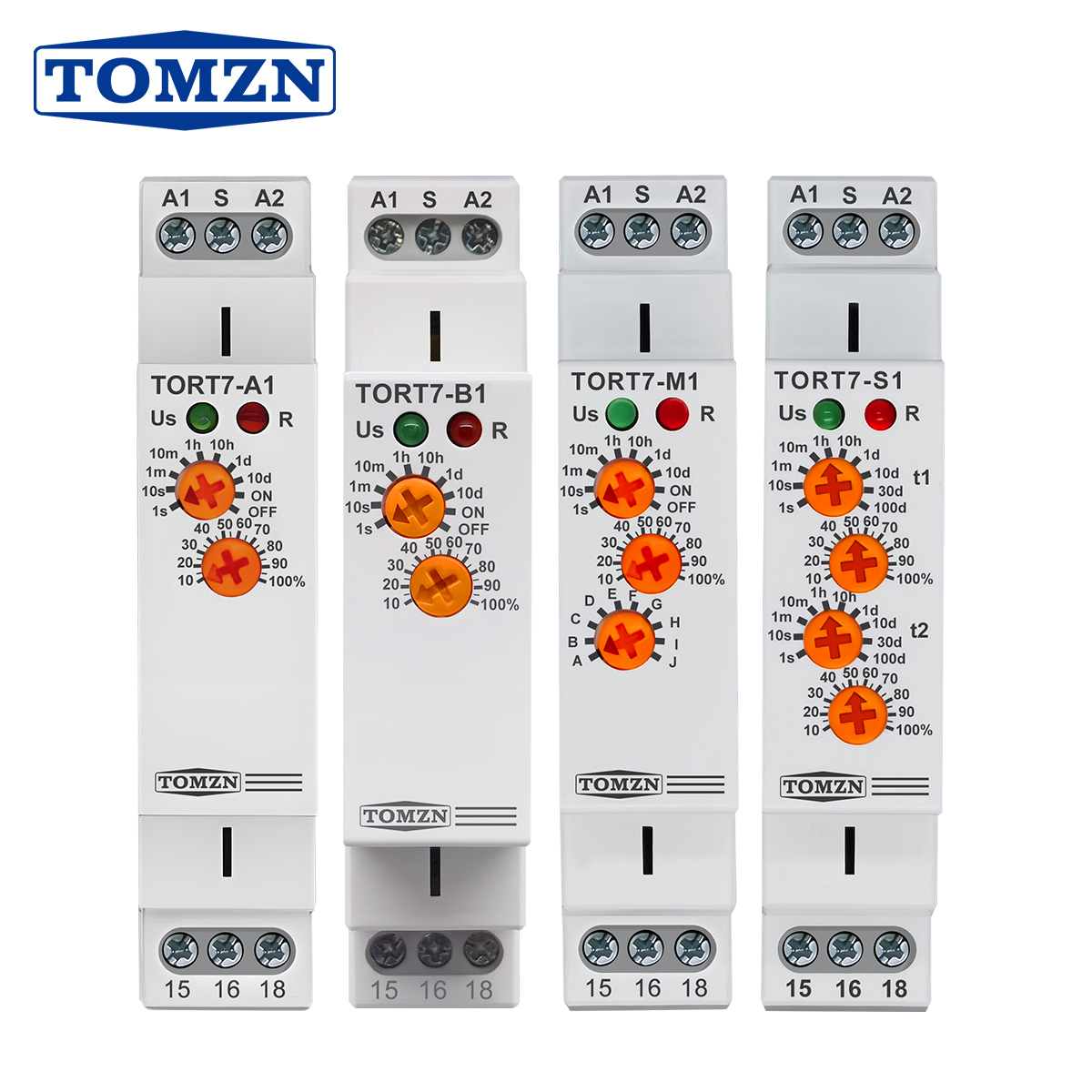
Multi-mode microprocessor relay preventing compressor re-strike damage and managing delayed star-delta motors on 230V/400V grid topologies.
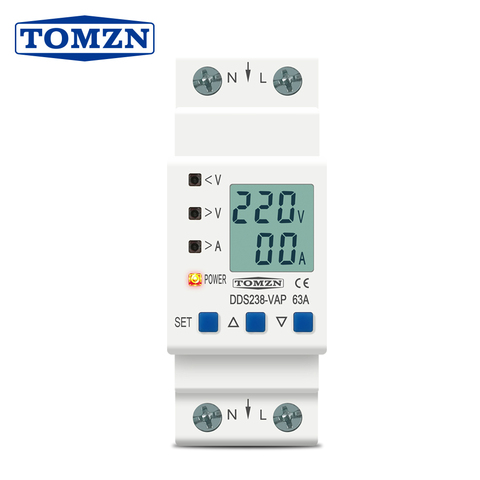
Flagship protector offering fine threshold customization (140V-300V), instantaneous overcurrent cutoff, and auto-reset delays for Belgian prosumers.
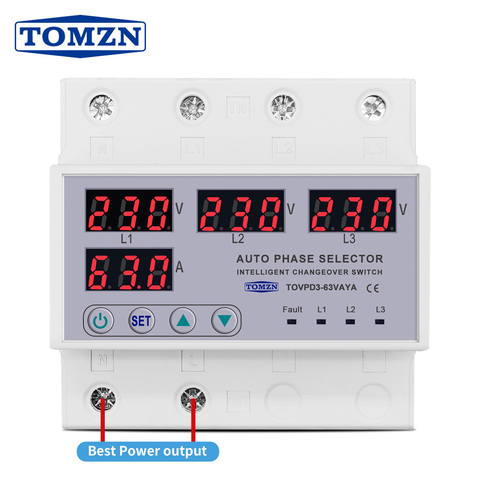
Commercial grade 400V network supervisory relay safeguarding three-phase heat pumps, EV chargers, and solar converters against neutral loss and phase asymmetry.
A technical assessment of voltage stability challenges across Flanders, Wallonia, and Brussels under high renewable penetration and the revised RGIE / AREI compliance framework.
The Belgian low-voltage distribution architecture is undergoing systemic stress stemming from decentralized residential solar photovoltaic (PV) generation. Historically designed for unidirectional power flow from high-voltage transmission lines (managed by Elia) down through medium-voltage substations to distribution systems (operated by Fluvius, ORES, RESA, and Sibelga), distribution feeders frequently experience reverse power injection on sunny days. Under the European CENELEC EN 50160 power quality standard, nominal voltage is 230V phase-to-neutral (400V phase-to-phase) with an allowable margin of ±10% (207V to 253V).
However, when dense rooftop PV arrays inject active power (P) through high-impedance low-voltage overhead lines common in suburban Flanders and Wallonia, local terminal line voltage frequently exceeds 253V. Synergrid technical guidelines mandate that residential solar inverters decouple when feeder voltage reaches 264.5V for 200 milliseconds, or when the 10-minute average voltage exceeds 253V. This creates recurring inverter tripping loops. A bidirectional modular over-and-under voltage protector installed at the incoming switchboard provides critical downstream protection, isolating sensitive consumer appliances from sustained swell hazards (255V-275V) while allowing programmable reconnection delays (10s to 300s) to avert synchronous reclosing transients.
A distinctive complexity of the Belgian electrification landscape is the persistence of legacy 3x230V Delta networks without a distributed neutral conductor. Particularly in older sectors of Brussels-Capital, parts of Antwerp, and select Walloon municipalities, single-phase 230V power is delivered across two line conductors (Phase-to-Phase) rather than Phase-to-Neutral. Installing standard single-phase protection switchgear built for line-to-neutral monitoring in a line-to-line system requires dual-pole isolation switchgear capable of simultaneously breaking both live potentials.
Zhejiang TMB Electric engineers customized internal sensing algorithms and 2-pole galvanic break mechanisms. In contrast to single-pole switched neutral protectors that leave one conductor live during fault conditions, our 2P auto-reclosing DIN-rail protectors isolate both live poles simultaneously, eliminating residual potential hazards and satisfying Vinçotte and BTV inspection criteria during mandatory AREI conformity certifications.
With the introduction of the capacity tariff in Flanders by the VREG regulatory agency, electricity billing is pegged to 15-minute monthly peak demands (measured in kW) recorded by Fluvius digital meters. Voltage dips, micro-outages, and subsequent uncoordinated reclosing of high-load machinery (heat pumps, EV charging stations, HVAC chillers) produce massive inrush current spikes that inflate consumer capacity tariff brackets. By coupling intelligent programmable timer switches (such as the TOMZN weekly 7-day and Bluetooth smart series) with over/under voltage relays, contractors can establish staggered power-on profiles, preventing simultaneous appliance restarts and shielding end-users from penalty tariff brackets.
Tailored configurations addressing real-world electrical demands in residential retrofits, industrial facilities, and solar-plus-storage topologies.
Integrated downstream of solar microinverters and hybrid battery systems across Flanders. Automatically disconnects sensitive domestic loads whenever grid voltage spikes above 253V due to high solar feeder penetration, preventing inverter cycling and household electronics wear.
Designed to combat brownouts and voltage dips in rural Ardennes and Limburg agricultural sectors. Incorporates 0.1s to 300s asymmetric reconnection delays to safeguard compressor motors against sudden back-pressure re-strikes following transient grid cuts.
Supervises 3-phase 11kW/22kW charging stations. Mitigates upstream neutral wire disconnection hazards which can shift 230V line-neutral potentials into dangerous 400V surges, destroying high-end on-board automotive chargers.
Engineered with true 2-Pole synchronous switching to simultaneously disconnect both active lines in older Brussels delta supply zones, ensuring zero residual voltage and adhering to strict AREI compliance standards.
How dynamic tariff structures, bidirectional energy flows, and electrification regulations are accelerating the transition to intelligent protection.
Belgian suppliers (Engie, TotalEnergies, Luminus) increasingly offer dynamic EPEX SPOT day-ahead pricing. Protective devices now combine voltage monitoring with Bluetooth/IoT energy scheduling to halt heavy drawing loads during extreme peak price spikes.
As aging underground and overhead infrastructure faces growing peak loads, broken neutral conductors present catastrophic fire risks. Next-generation voltage protectors feature ultra-fast phase unbalance and floating neutral cutoffs within milliseconds.
Belgian residential distribution boards (such as 18-module and 36-module Schneider Resi9, Hager, or ABB enclosures) face spatial constraints. Manufacturers that combine overvoltage, undervoltage, overcurrent, and kWh display into an ultra-slim 2-module DIN form factor hold substantial market advantages.
Combining 24 years of manufacturing heritage in Liushi, Wenzhou with verified European standard production controls.
Located in Liushi Town, Wenzhou—China’s epicenter for low-voltage switchgear—Zhejiang TMB Electric Co., Ltd. controls the complete supply chain from raw copper stamping and precision silver-alloy contacts to injection molding and microcomputer calibration.
Our production facility has been assessed on-site by TÜV Rheinland, ensuring complete traceability, calibrated trip curves, dielectric withstand testing, and CE-marked low-voltage compliance tailored for European professional procurement.
Answers to technical, regulatory, and logistics inquiries from Belgian electrical panel builders, EPCs, and distributors.